Hammer Time at Pebble Beach: Inside the Gooding Christie’s Pebble Beach Auctions
Pebble Beach Auction Results 2026: The Market Has Picked Its Winners
(Gooding Christie’s delivered a record-setting Pebble Beach sale, led by a $42.9 million Shelby Daytona Coupe. The bigger story, though, was what collectors chose to pay up for, and what they didn’t.)
There are many places during Monterey Car Week where you can stand beside an automobile worth more than most houses, admire the paint, nod thoughtfully at the provenance card and pretend that any of this is remotely normal. Gooding Christie’s is where the pretending stops. Eventually, someone has to put an actual price on these things. In 2026, that price was frequently…enormous.
The Gooding Christie’s Pebble Beach Auctions sale moved 158 cars for more than $159 million, with a sell-through rate of roughly 94 percent. Twenty-eight cars broke the $1 million mark, and the average transaction topped seven figures. Those are impressive numbers, but the more interesting story was not simply how much money was spent. It was what buyers were willing to spend it on.
Monterey 2026 offered further evidence that the collector-car market is splitting into increasingly distinct categories. There are collectible cars, expensive collectible cars, and then there are automobiles whose history, rarity and significance make ordinary ideas about valuation almost irrelevant. The latter category was represented rather emphatically by a blue Shelby.
The star of the show…
The star of the sale was the 1964 Shelby Cobra Daytona Coupe, chassis CSX2300, which sold for an astonishing $42.905 million! That made it the most valuable American automobile ever sold at auction. It also demonstrated why discussing certain cars using ordinary valuation logic is rather pointless. For the record, the previous record amonut paid for a Daytona was at the Mecum auction in Monterey in 2009 where the winning bidder was able to get the car for only $7.25 million. Also for the record, the previous holder for the most expensive American car ever sold at auction was a 1935 Duesenberg SSJ, sold at the Gooding Pebble Beach Auctions in 2018 for a mere $22,000,000. Suffice to say, we just entered undiscovered counrty for the market of American collector cars.
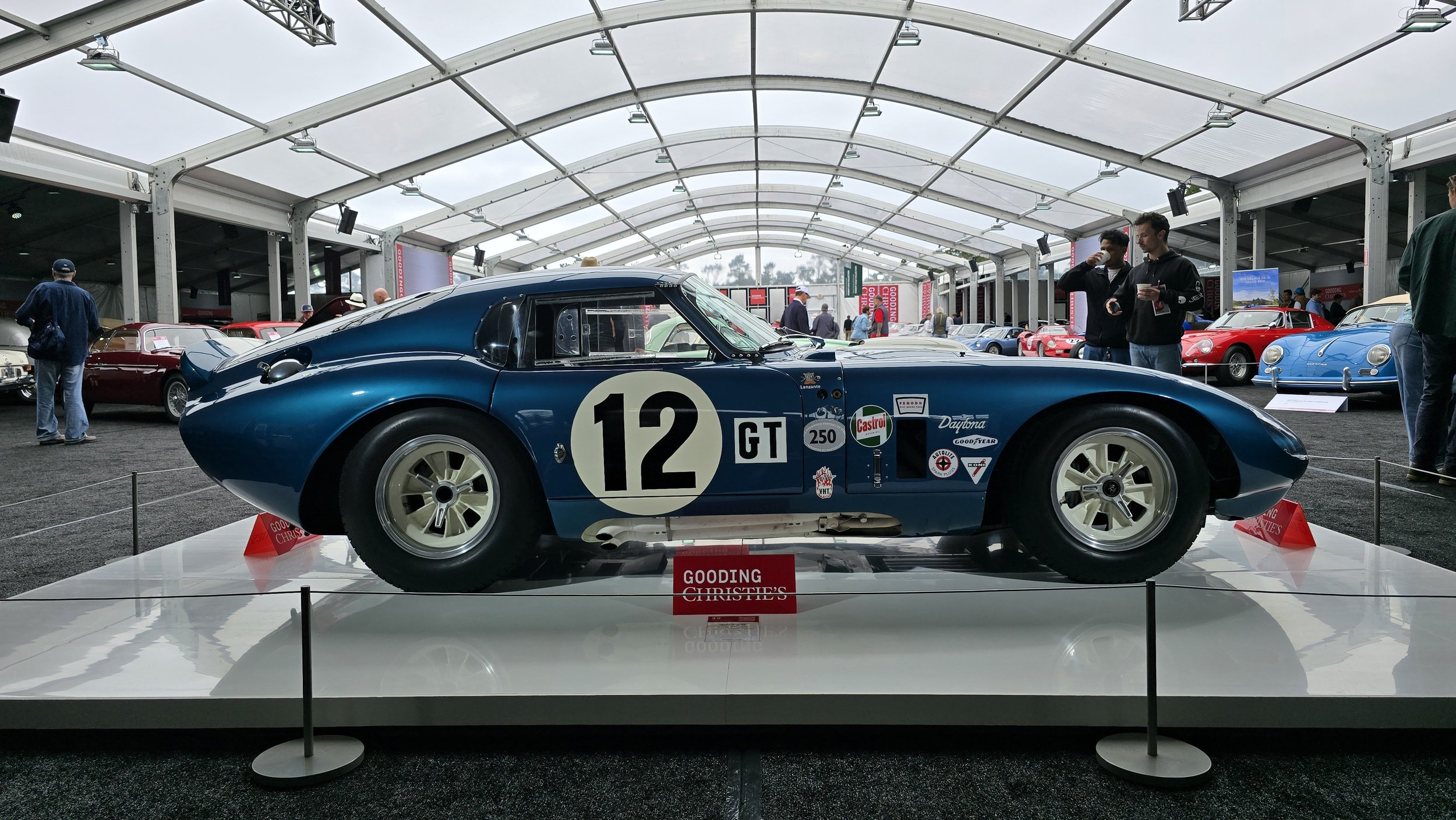
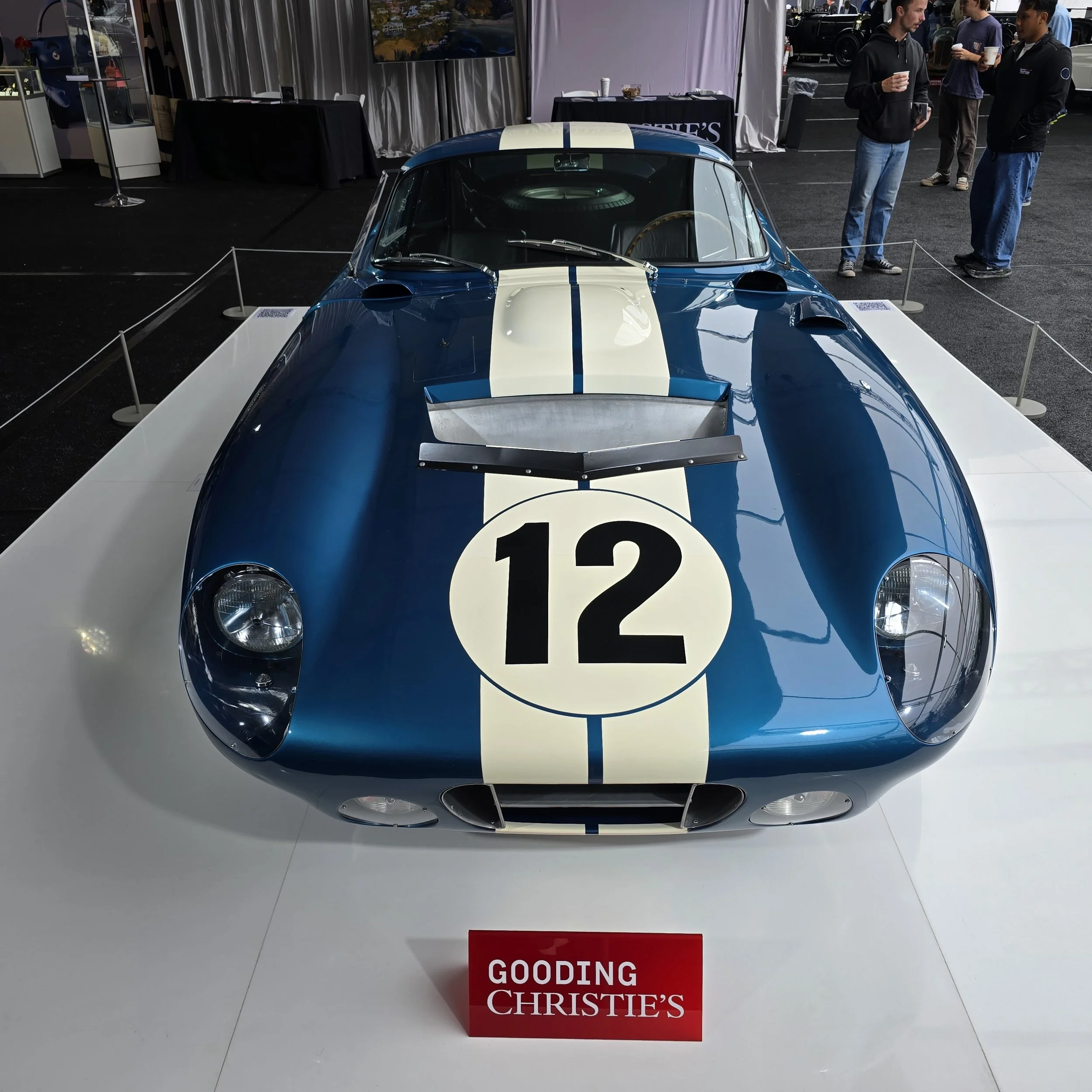
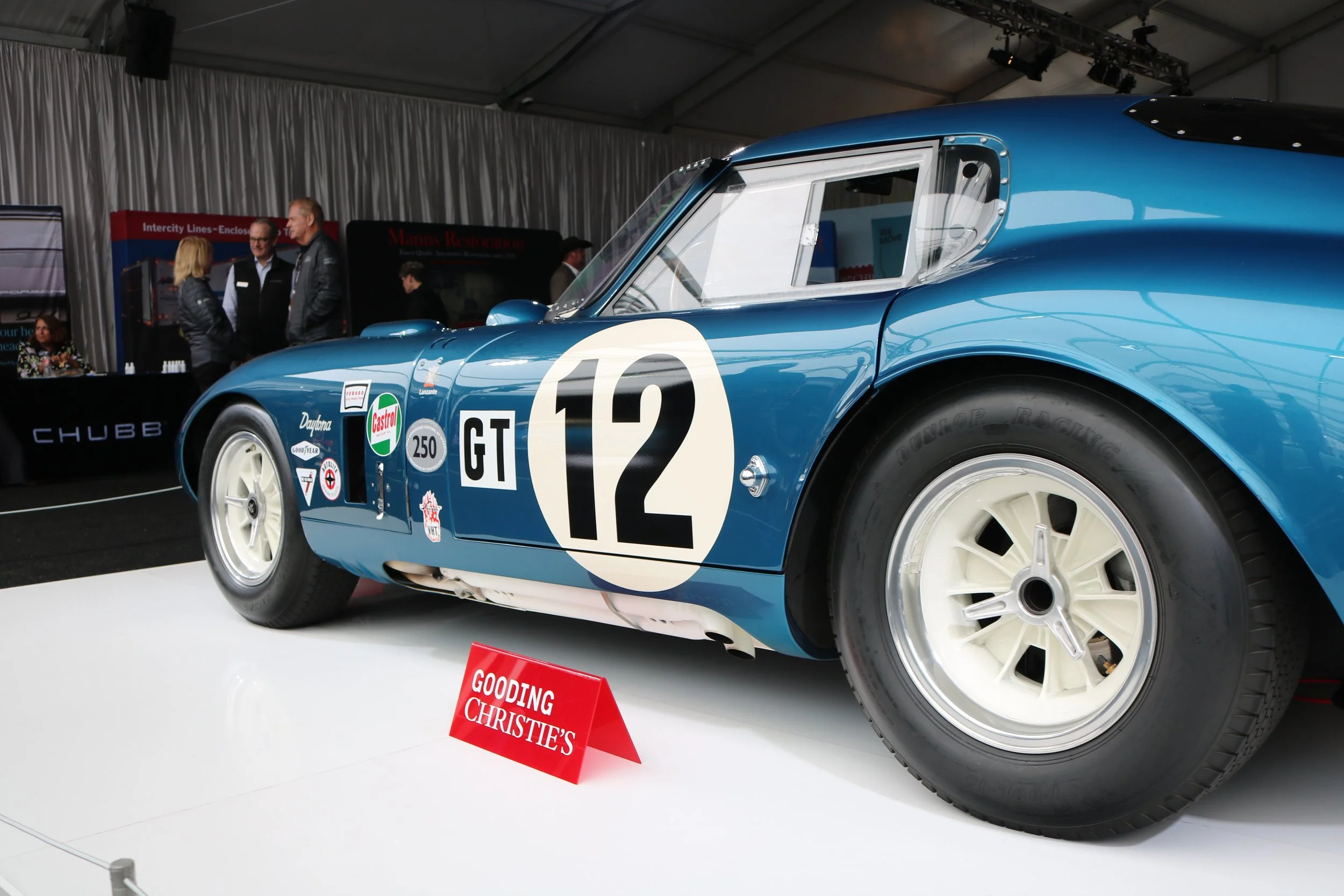
Only six Daytona Coupes were built. They were created because Carroll Shelby wanted to beat Ferrari in international GT racing, which is about as good a reason for building a car as mankind has yet devised. The Daytona Coupe helped Shelby American win the 1965 FIA World Manufacturers Championship for GT cars, beating Ferrari and establishing the car as one of the most important pieces of American motorsport history. CSX2300 had the sort of résumé auction houses normally need several pages to explain. Bob Bondurant raced it. Jochen Neerpasch raced it. Jack Sears and John Whitmore raced it and it competed at Daytona, Sebring, Nürburgring and Reims. Then, in case that was not sufficient provenance, Carroll Shelby himself owned the car from 1975 until 1998. Gooding had suggested before the auction that the car was worth “in excess of $25 million.” Which was technically correct in the same way that saying Mount Everest is “over 1,000 feet tall” is technically correct.
Ferrari’s gonna Ferrari…
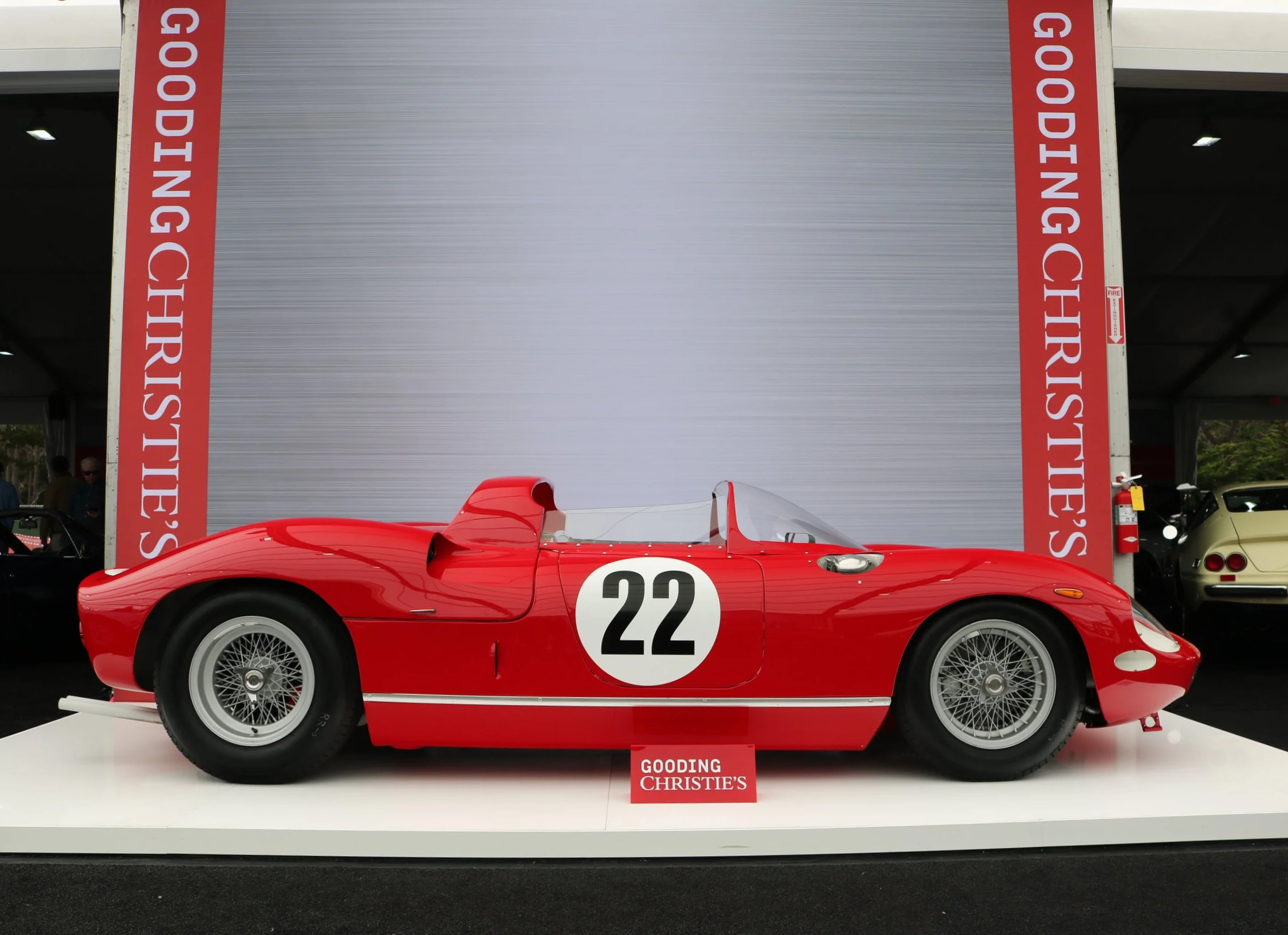
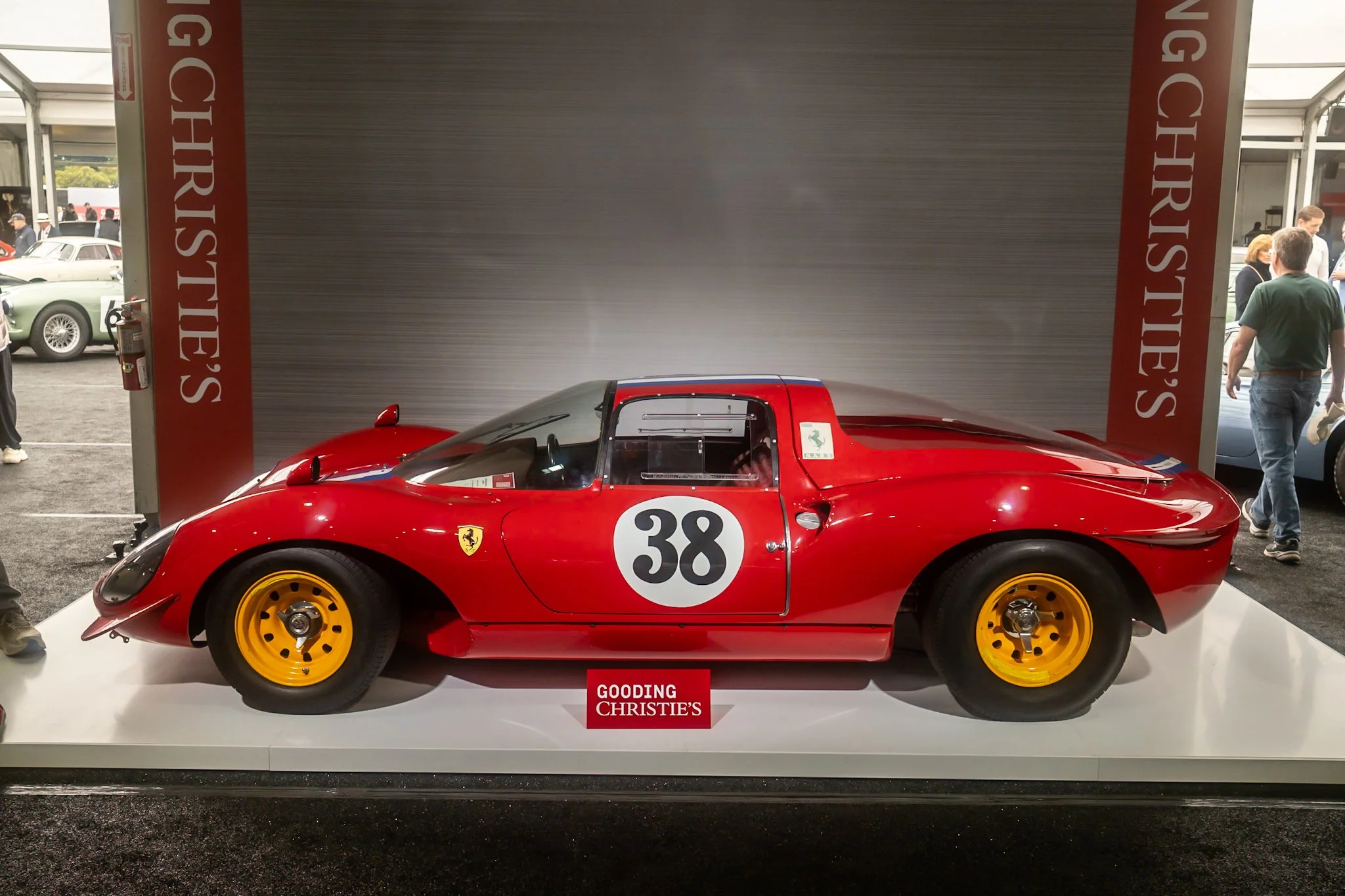
The second-biggest result was a 1963 Ferrari 250 P, which sold for $18.705 million. The 250 P is one of those Ferraris that even Ferrari people tend to discuss in reverential tones. It helped define the company’s move toward mid-engine sports prototypes and competed at Sebring and Le Mans during one of the most important periods in Ferrari racing history. The Daytona Coupe exploded past expectations. The 250 P simply confirmed something the market has known for decades: great competition Ferraris remain a form of automotive reserve currency.
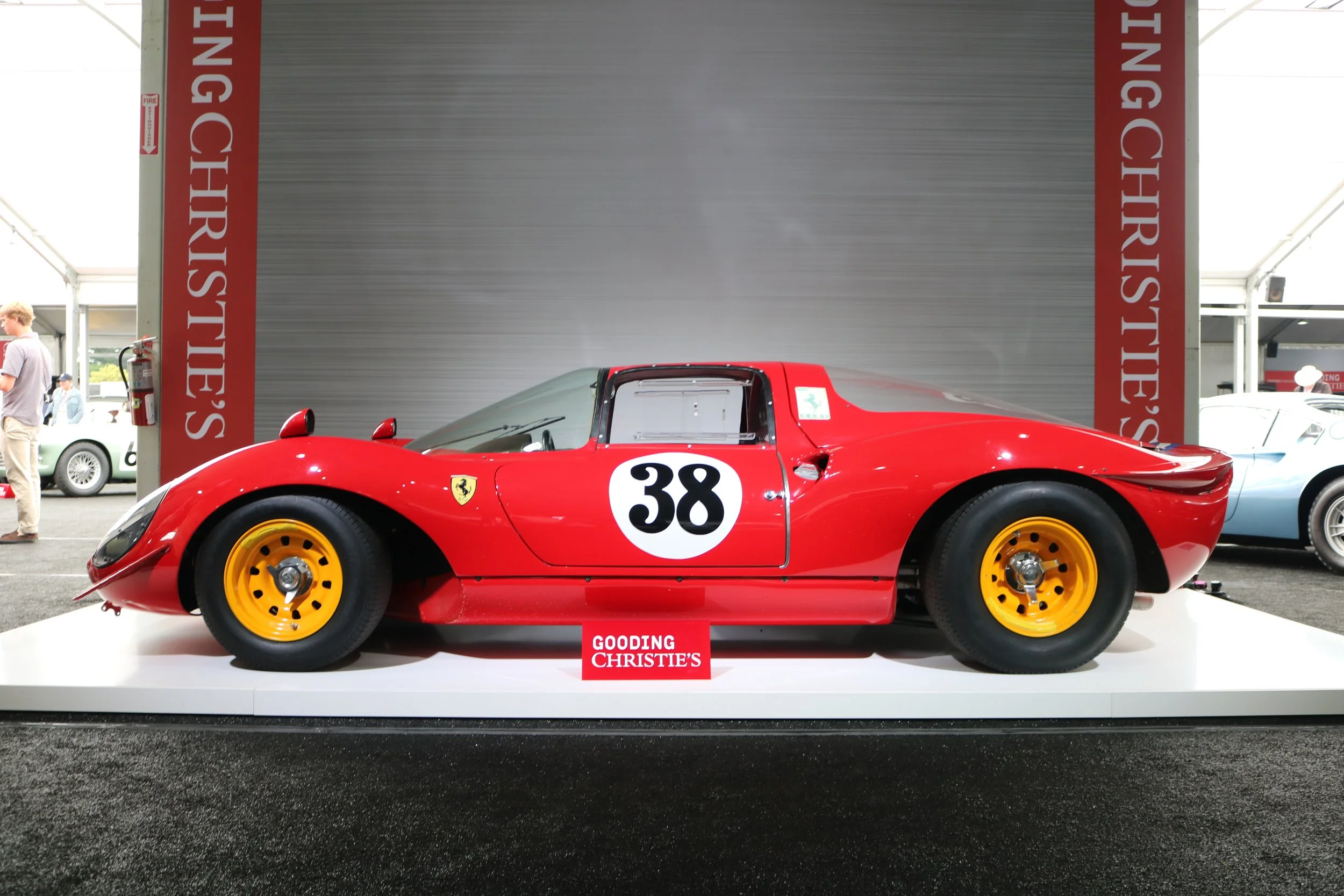
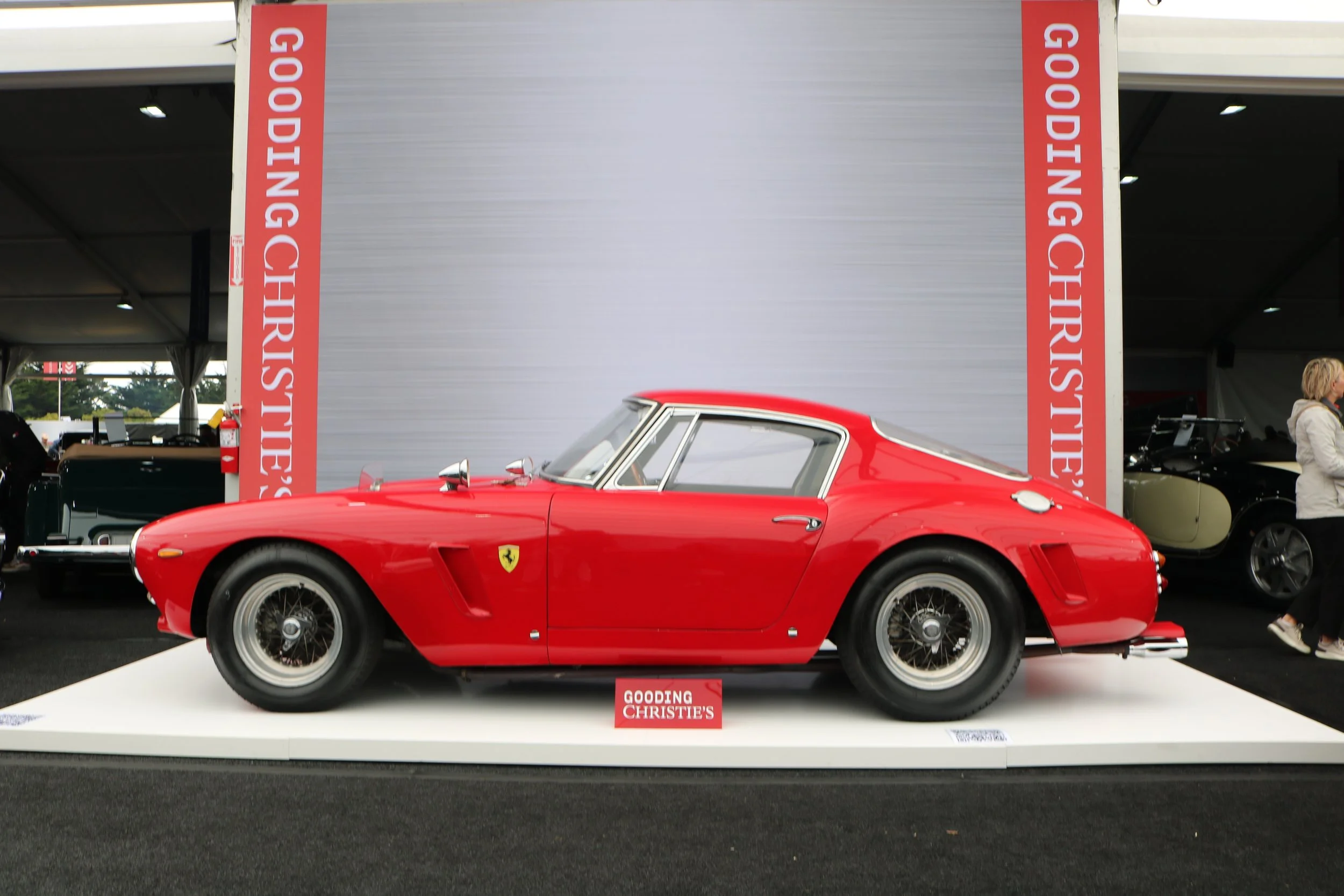
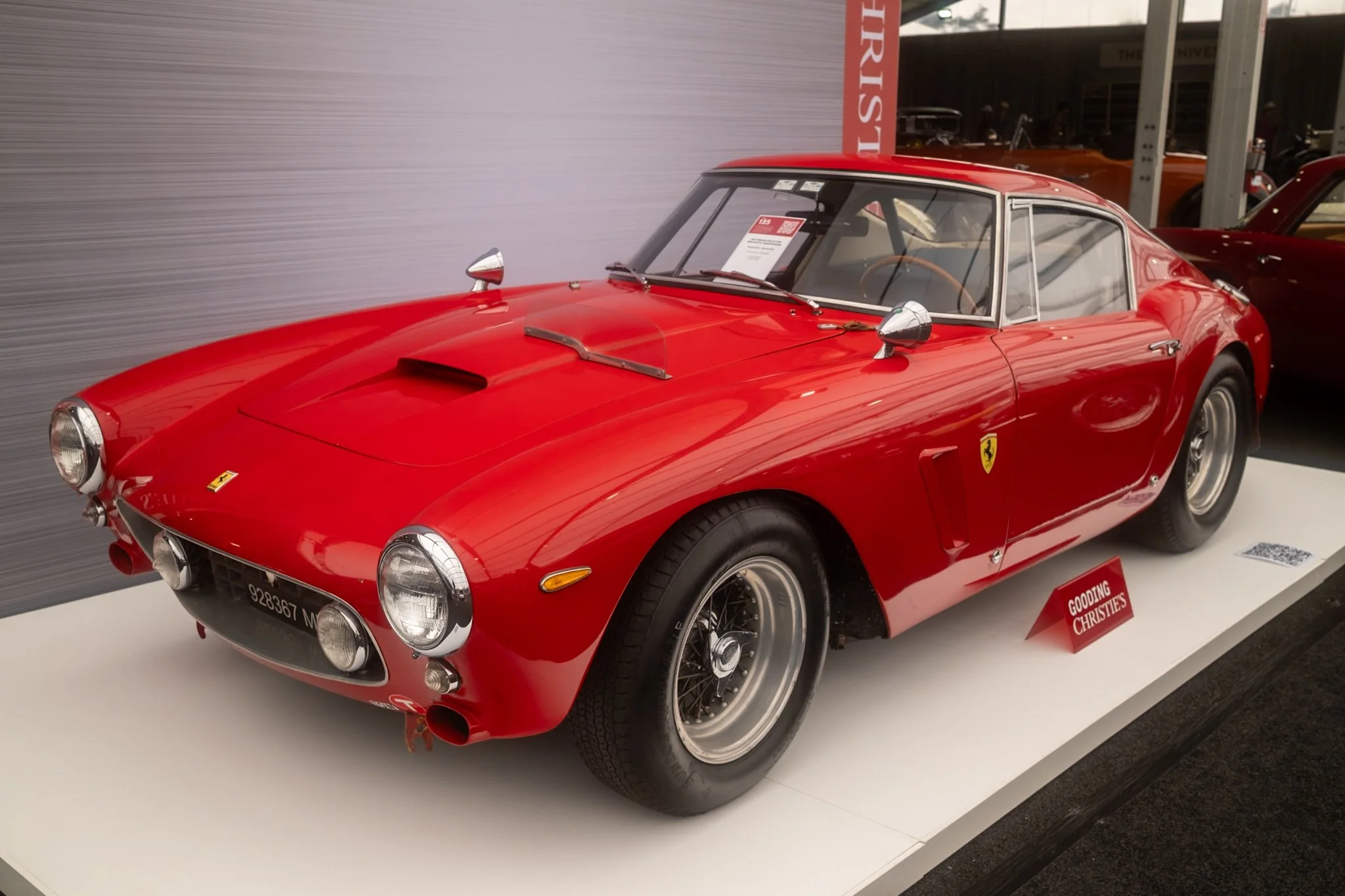
A 1961 Ferrari 250 GT SWB Berlinetta Competizione sold for $8.09 million, while a 1952 Ferrari 225 Sport “Tuboscocca” Spider brought $4.295 million.
The pattern was clear. These were not Ferraris that had spent their lives parked outside expensive restaurants. They had competition histories, important chassis numbers, major races and stories that could not be replicated. The collector-car market increasingly seems interested in the difference between something that is rare because very few were made and something that is rare because history happened to it.
The Birdcage Has Its Moment
One of the more interesting results involved a 1959 Maserati Tipo 61 Birdcage, which sold for $4.24 million, setting a record for the model. The Birdcage remains one of the most fascinating pieces of engineering from its era. Its chassis consisted of a complex network of small-diameter steel tubes, producing something that looked as though a very talented welder had been given unlimited tubing, several espressos and absolutely no adult supervision. Yet Maserati racing cars have traditionally occupied a different financial universe from comparable Ferraris.
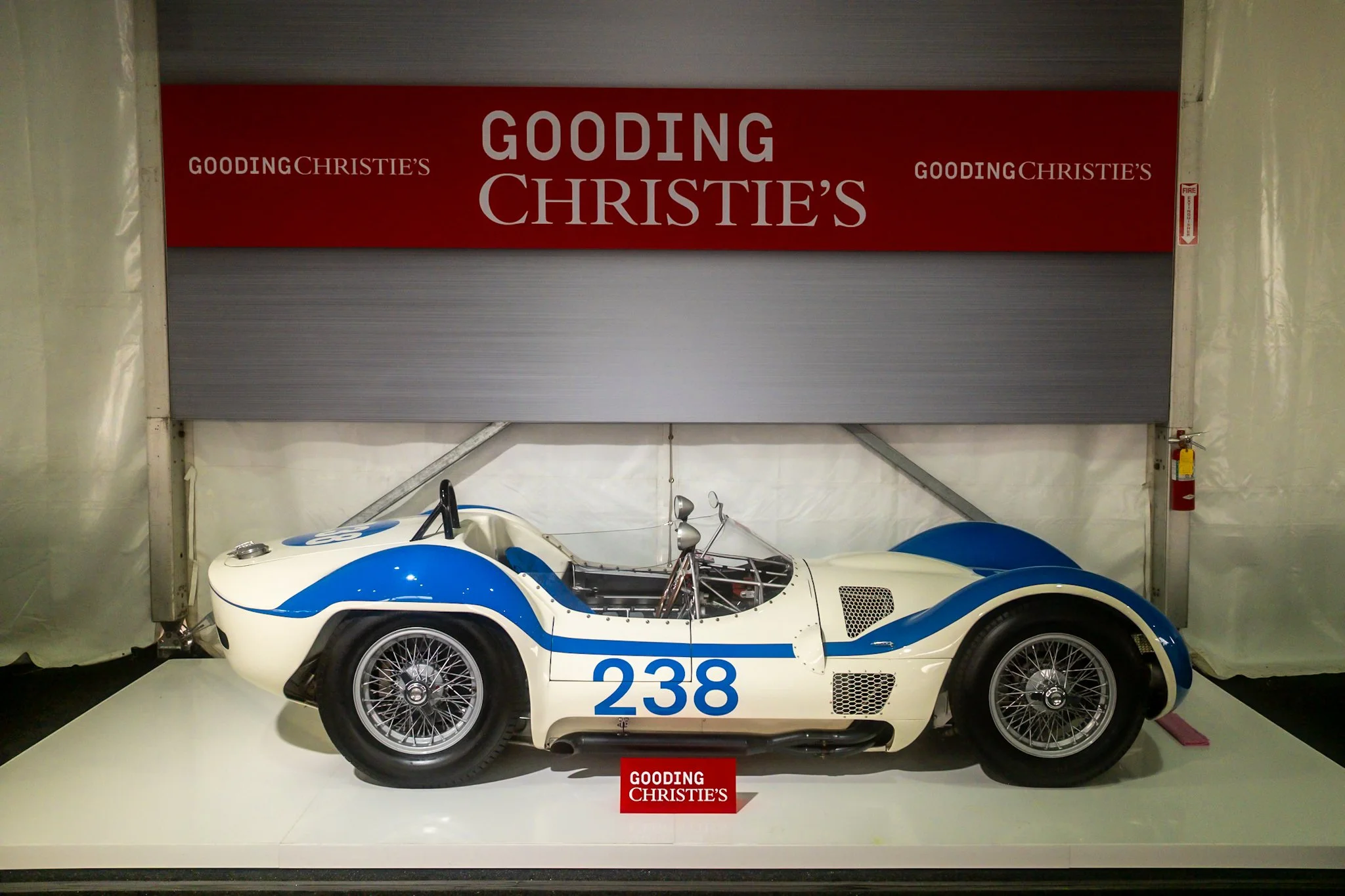
The $4.24 million result suggests buyers may be looking more aggressively beyond the usual badges when the underlying car is significant enough. That is worth watching, because there are historically important Jaguars, Alfa Romeos, Maseratis and Porsches that have spent years living in Ferrari’s financial shadow.
If collectors continue prioritizing historical significance over badge hierarchy, some of those cars may have considerably more room to move.
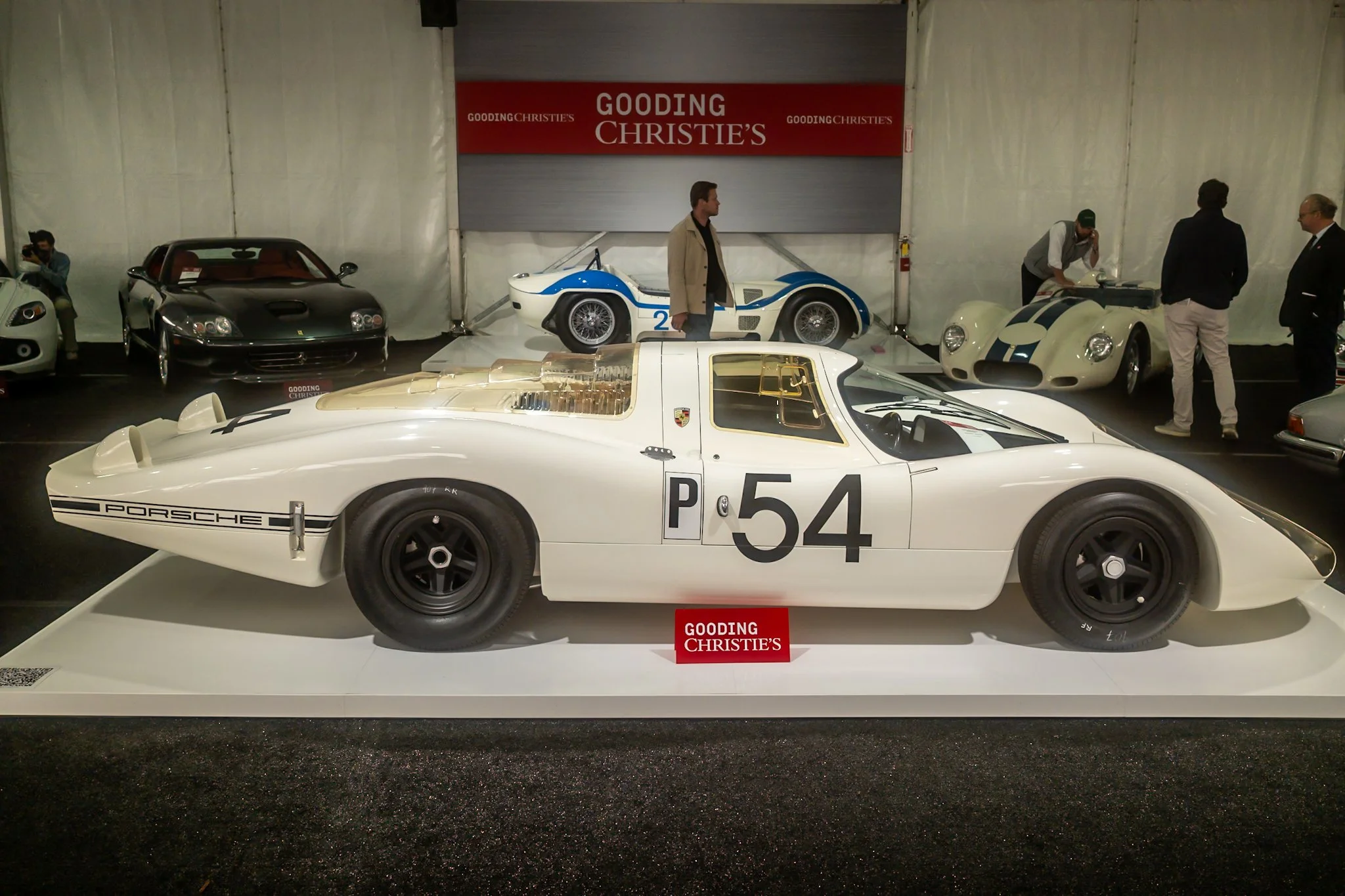
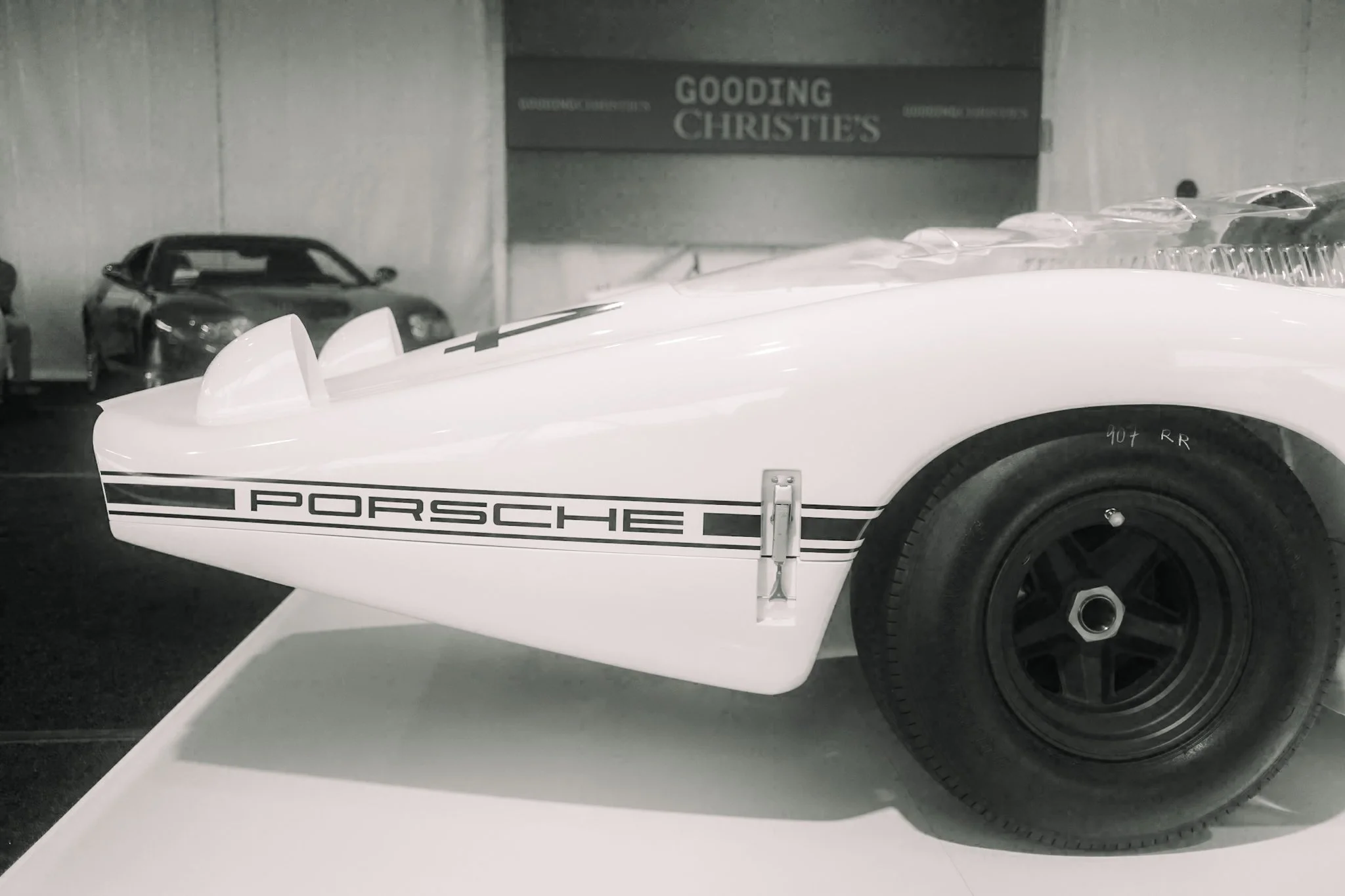
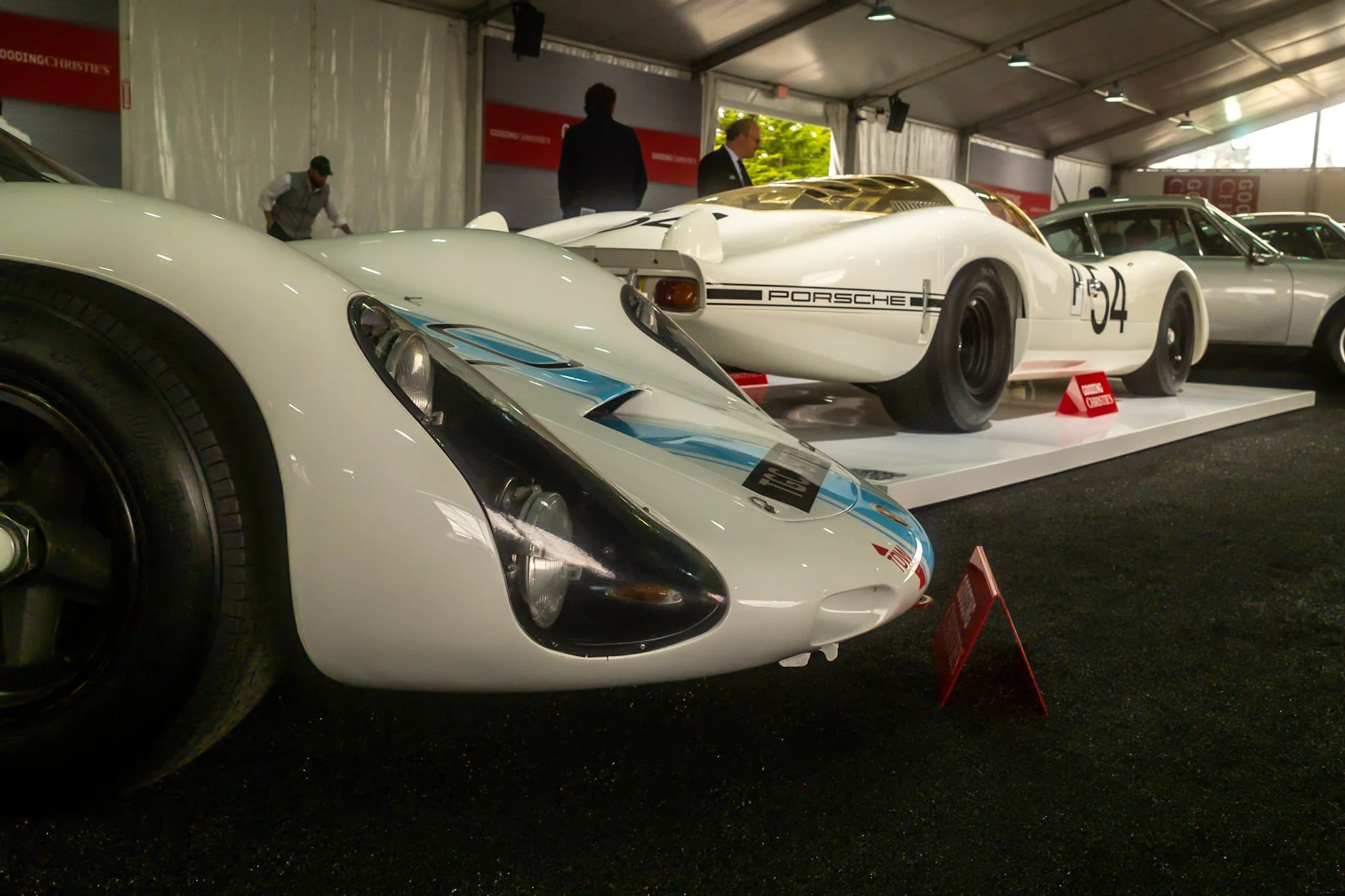
A 1968 Porsche 907 Langheck sold for $3.305 million, against an estimate reportedly in the $4.5 million to $5.5 million range.
That is a meaningful miss, particularly because this was not some obscure Porsche. The 907 sits directly within Porsche’s rise to endurance-racing dominance and helped lay the foundation for what would ultimately become the 917 era. A famous badge plus racing history does not automatically produce an unlimited bidding war. Individual chassis history, condition, restoration quality, originality and ownership history still matter. So does price. The market can simultaneously produce a $42.9 million Shelby and tell the seller of another important competition car that the reserve of enthusiasm has limits.
Modern Cars Are Now Proper Investment Vehicles
Gooding also demonstrated how dramatically the definition of a collector car has expanded.
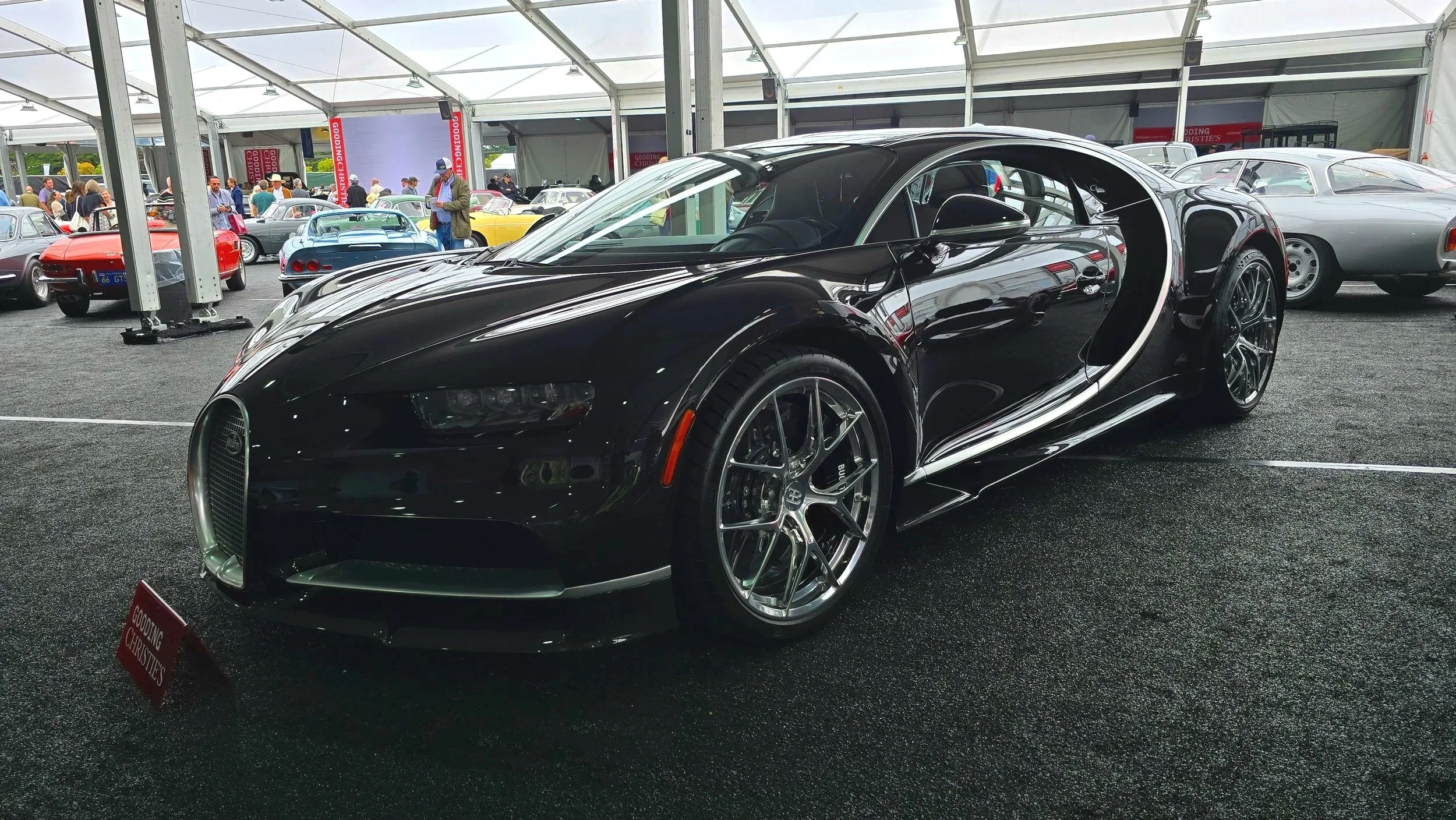
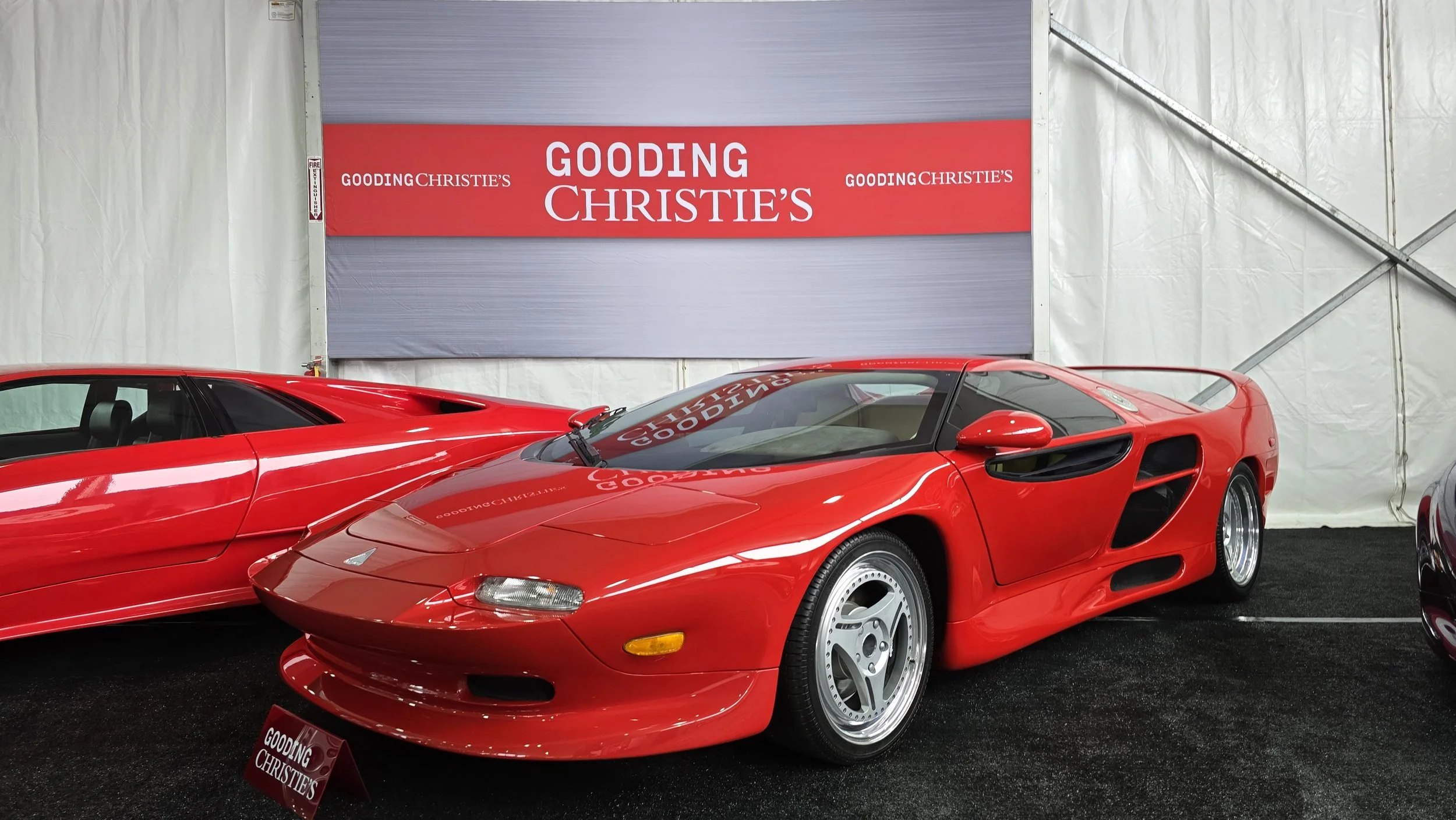
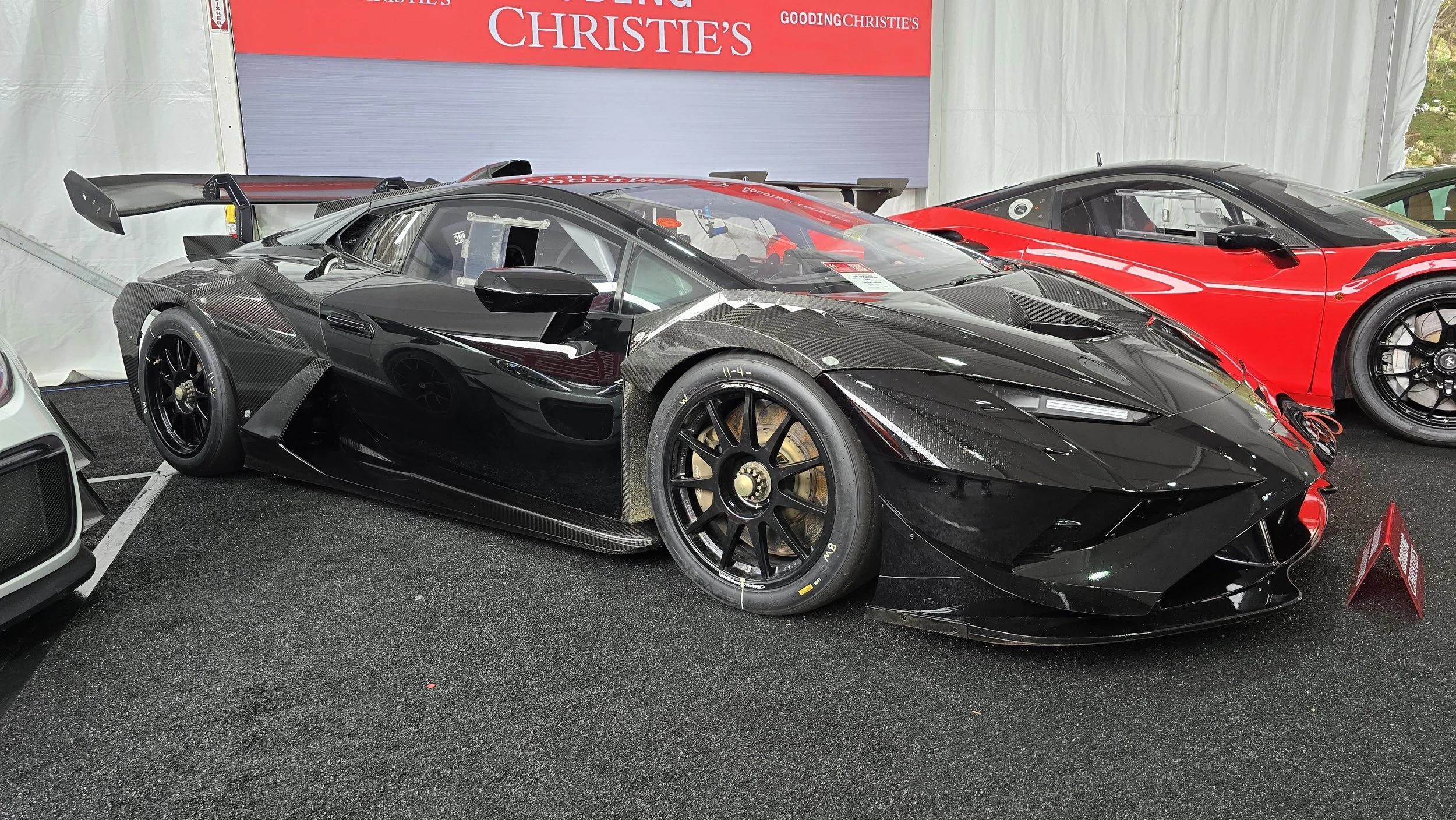
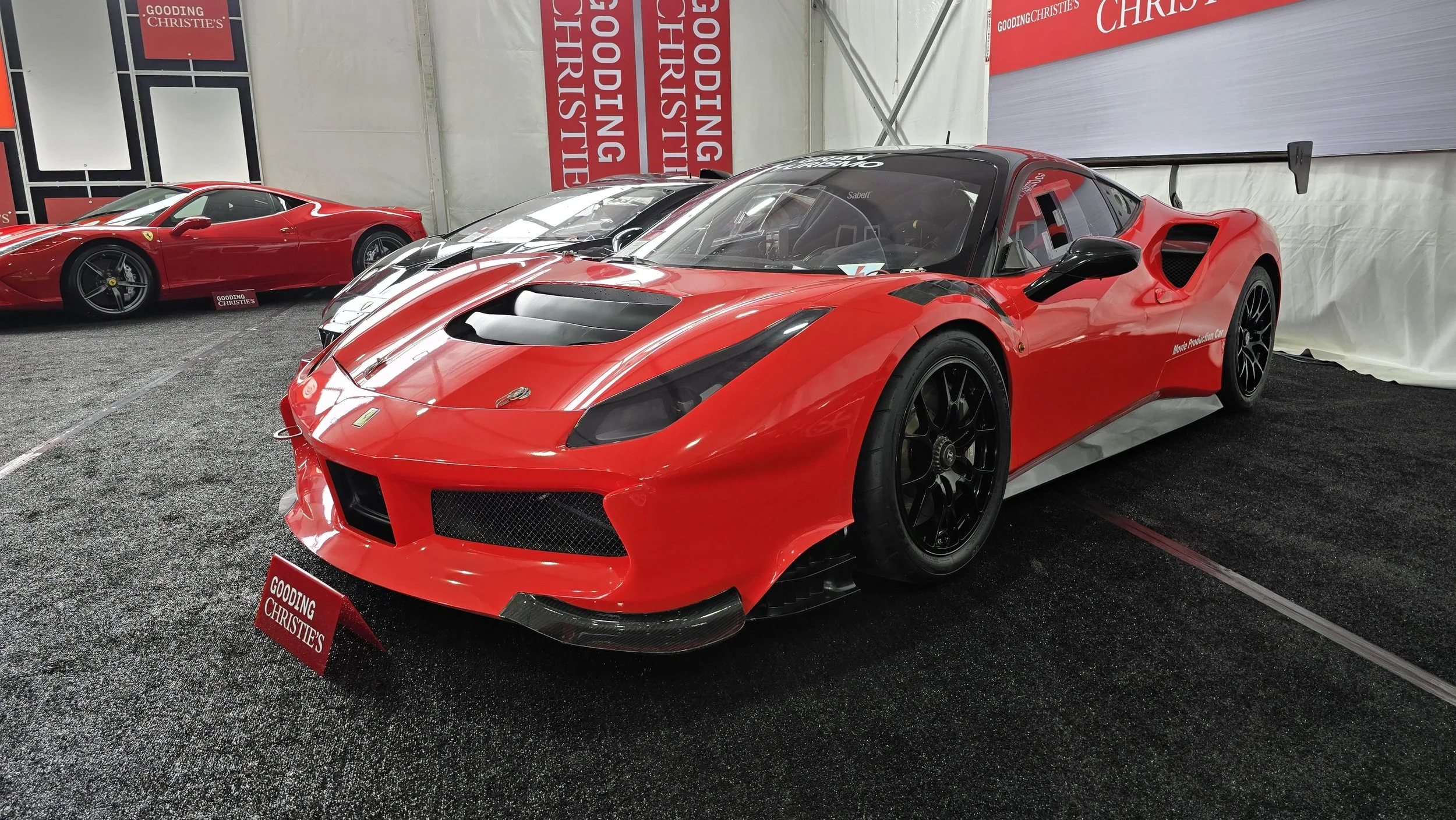
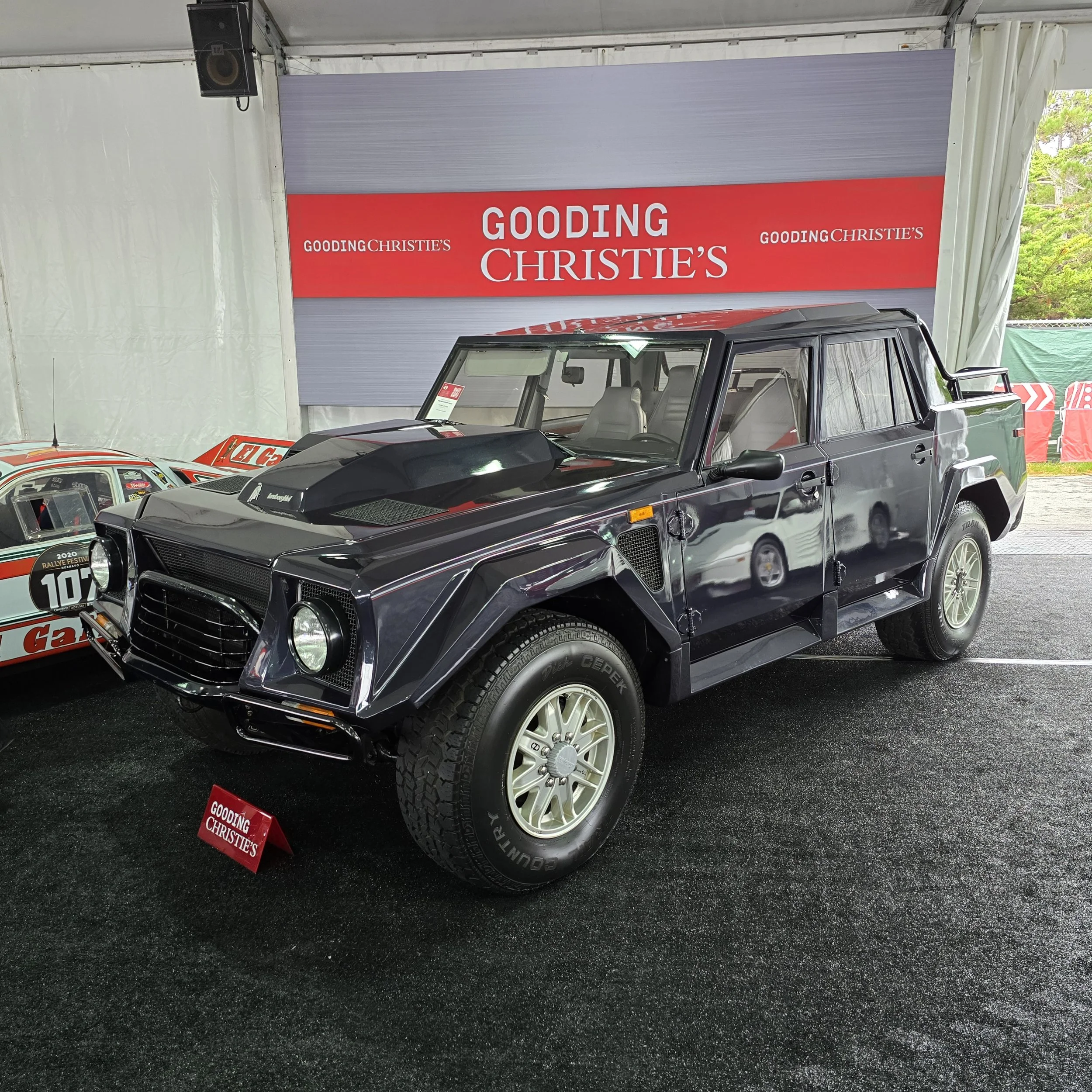
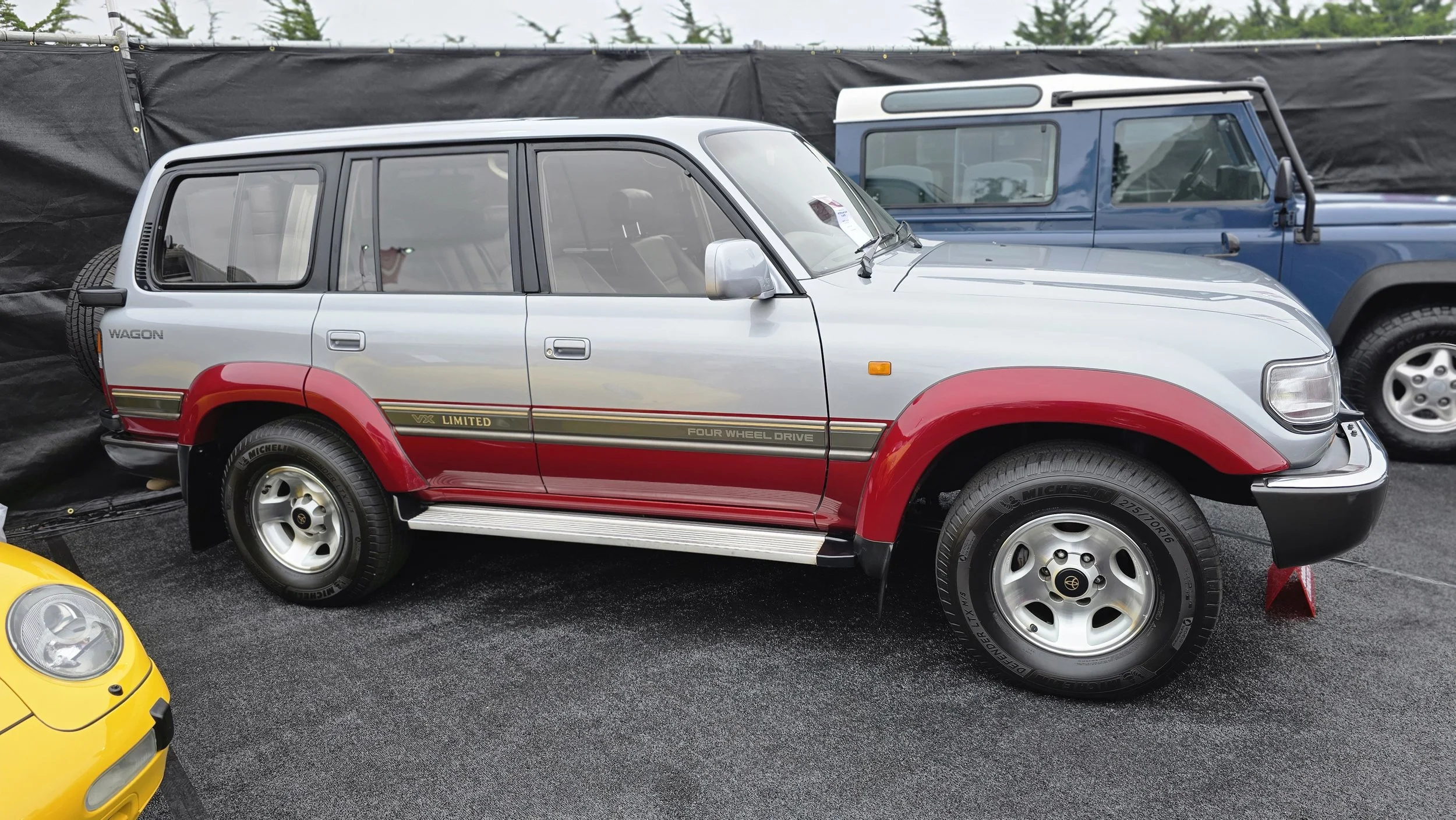
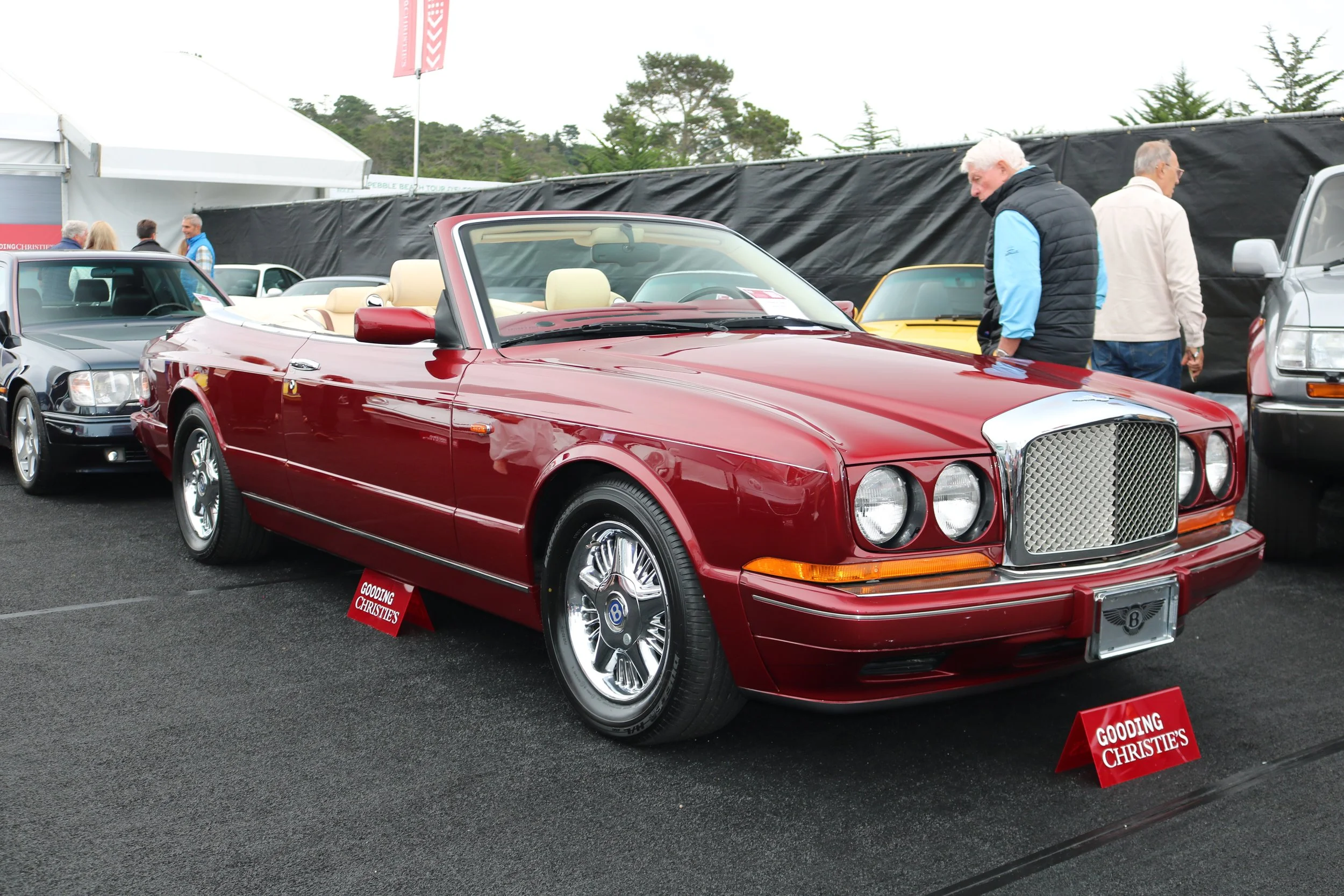
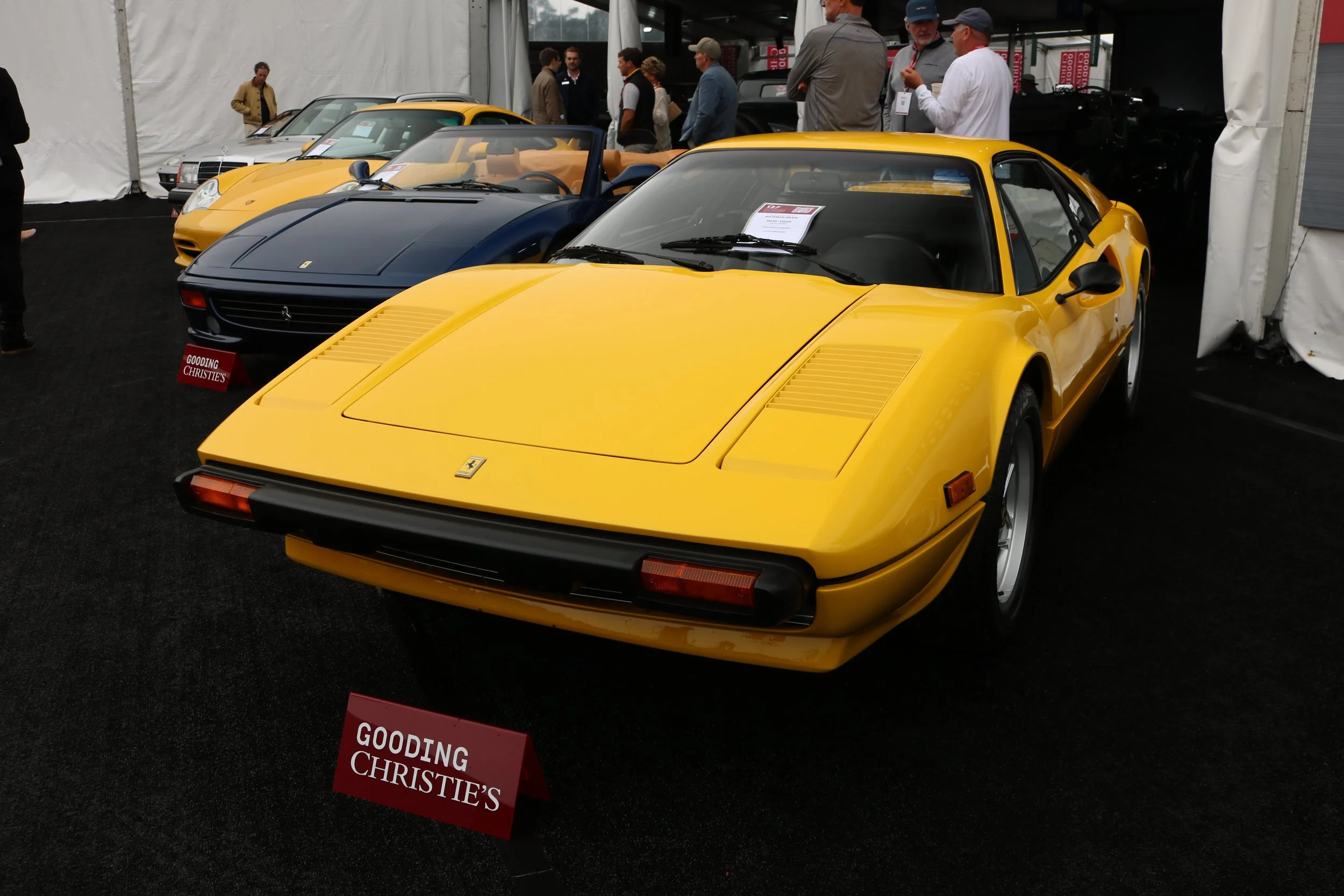
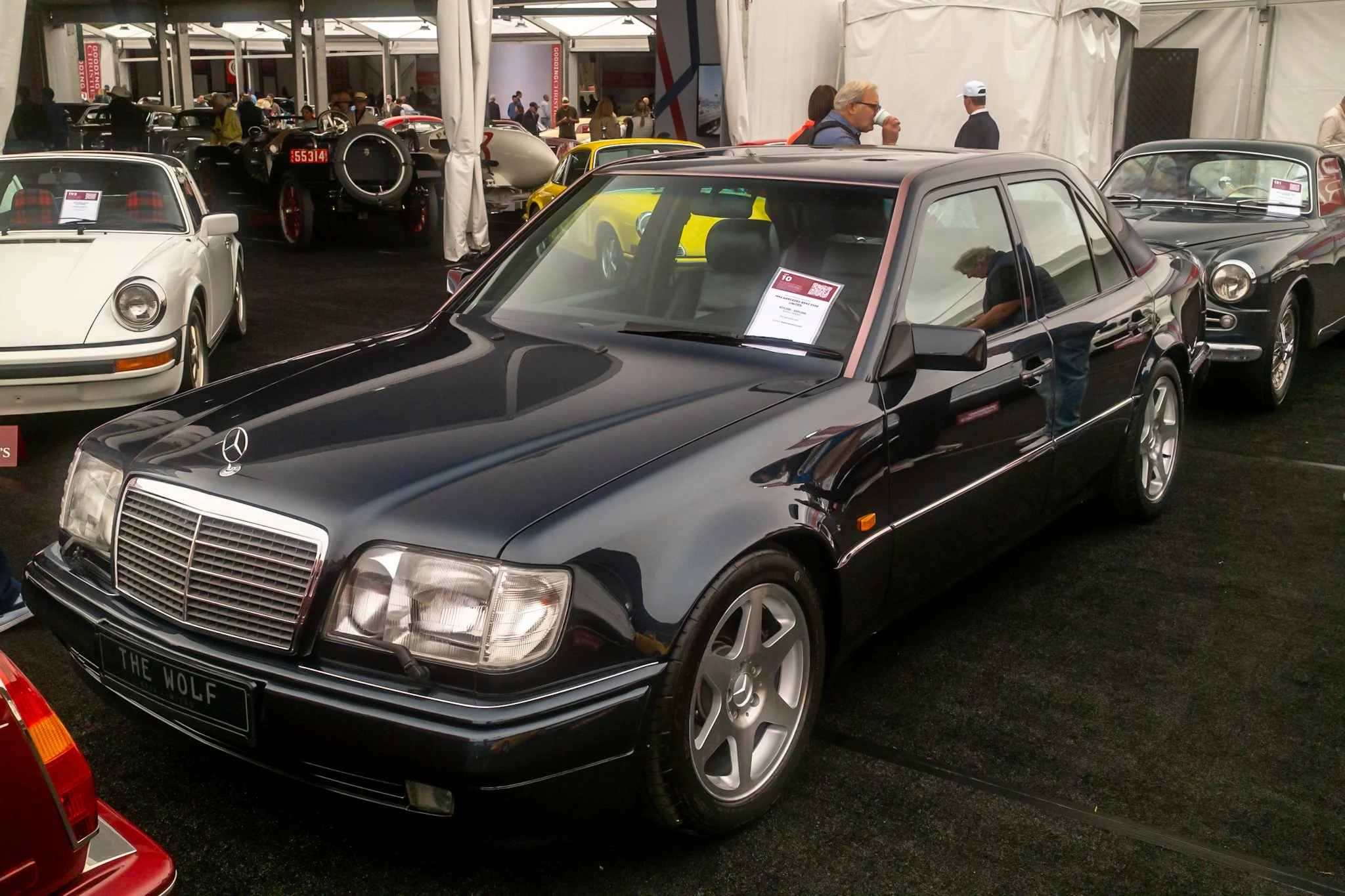
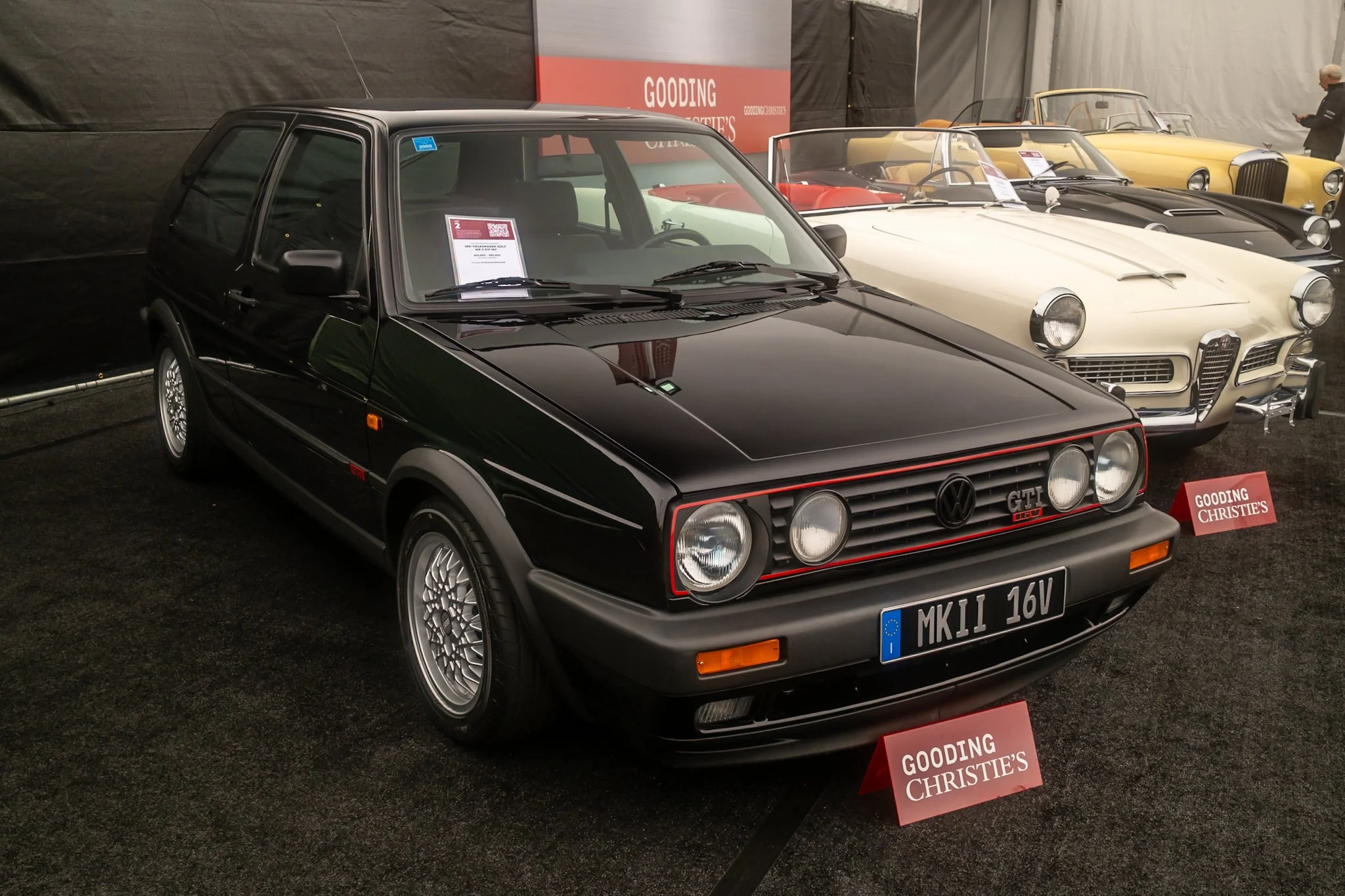
A 2020 Bugatti Chiron Sport Edition Noire sold for more than $3.4 million. A Ferrari 812 Competizione brought more than $2.5 million, while a Singer-Reimagined Porsche 911 Turbo approached $2 million. Twenty years ago, much of the serious auction world was still dominated by prewar coachwork, matching numbers and the great Ferraris, Jaguars, Mercedes-Benzes and Porsches of the 1950s and 1960s. Now a new generation of collectors has arrived with entirely different automotive reference points and tastes.
Someone who grew up dreaming about a Ferrari F40, Porsche Carrera GT, McLaren F1 or Bugatti Veyron may regard those cars with exactly the same nostalgia that an earlier generation reserved for a 300 SL Gullwing or Jaguar XK120.
What Monterey 2026 Says About the Market
The size of the Monterey totals makes it tempting to conclude that the entire collector-car market is booming again. The results suggest something a little more nuanced.
The strongest cars are attracting extraordinary money, but buyers are not rewarding everything equally. At the very top, provenance, originality, competition history and cultural significance can make buyers almost price-insensitive. Below that level, the market remains far more disciplined. That is an important distinction. A limited-production modern Ferrari may be desirable, but a Ferrari that raced at Le Mans belongs to a different market. A Cobra is collectible, but a Daytona Coupe that participated in Shelby’s championship campaign and was later owned by Shelby himself occupies another financial category entirely.
The gap between exceptional cars and merely collectible ones appears to be widening. That doesn’t suggest irrationality. If anything, the market may be becoming more discriminating. Buyers are increasingly asking why a particular chassis deserves a premium, not simply whether the badge on its nose is prestigious enough. For sellers, that means optimistic estimates will become harder to defend without exceptional provenance. For buyers, it means quality continues to command a premium while second-tier examples may need to become more realistically priced.
Reports of the Prewar Market’s Death Remain Exaggerated
The performance of important prewar cars also complicates the recurring prediction that the category will decline as older collectors leave the market. There is little doubt that demand has softened for some less significant prewar automobiles. But the best examples remain highly desirable, especially when they combine rarity, craftsmanship, historical significance and eligibility for major concours events.
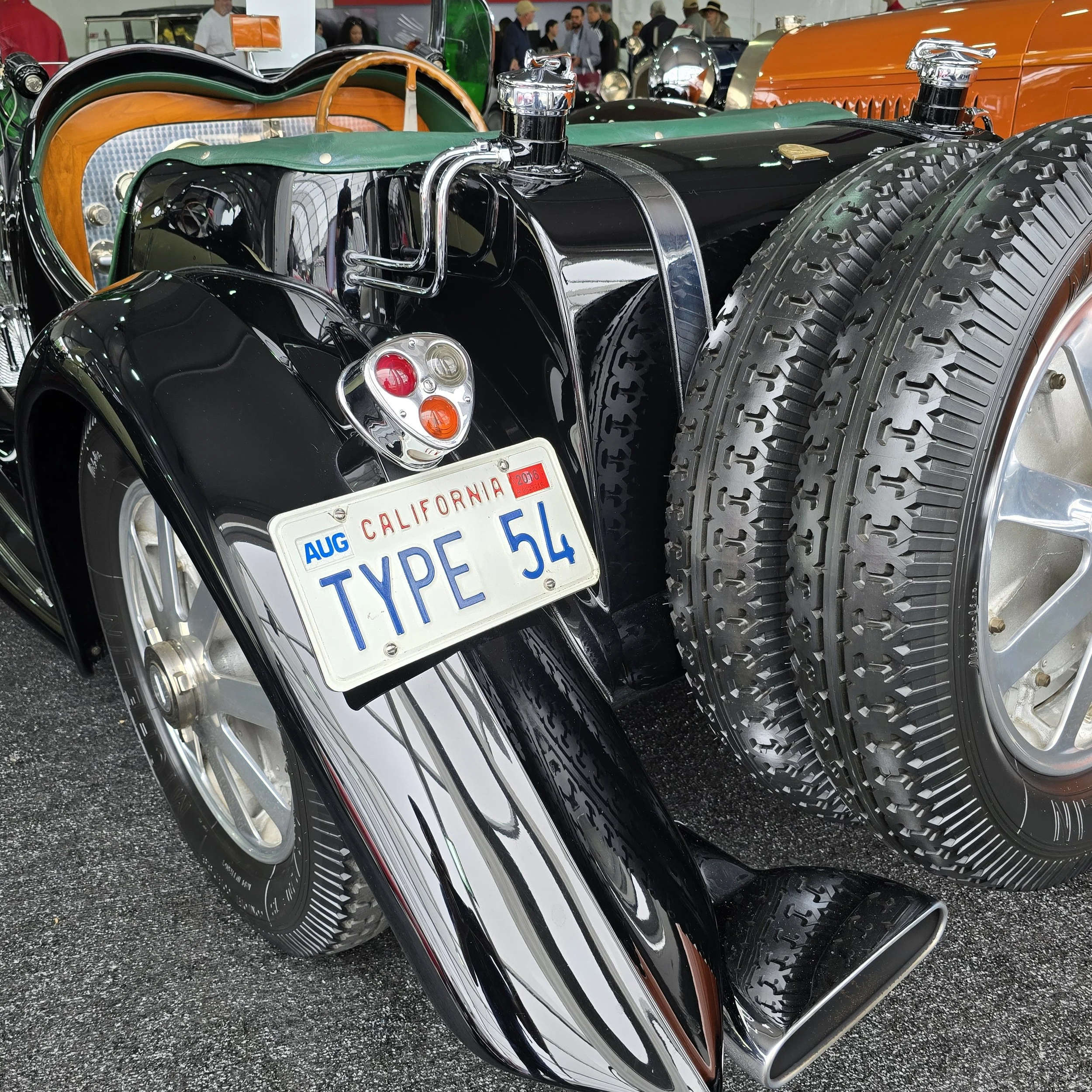
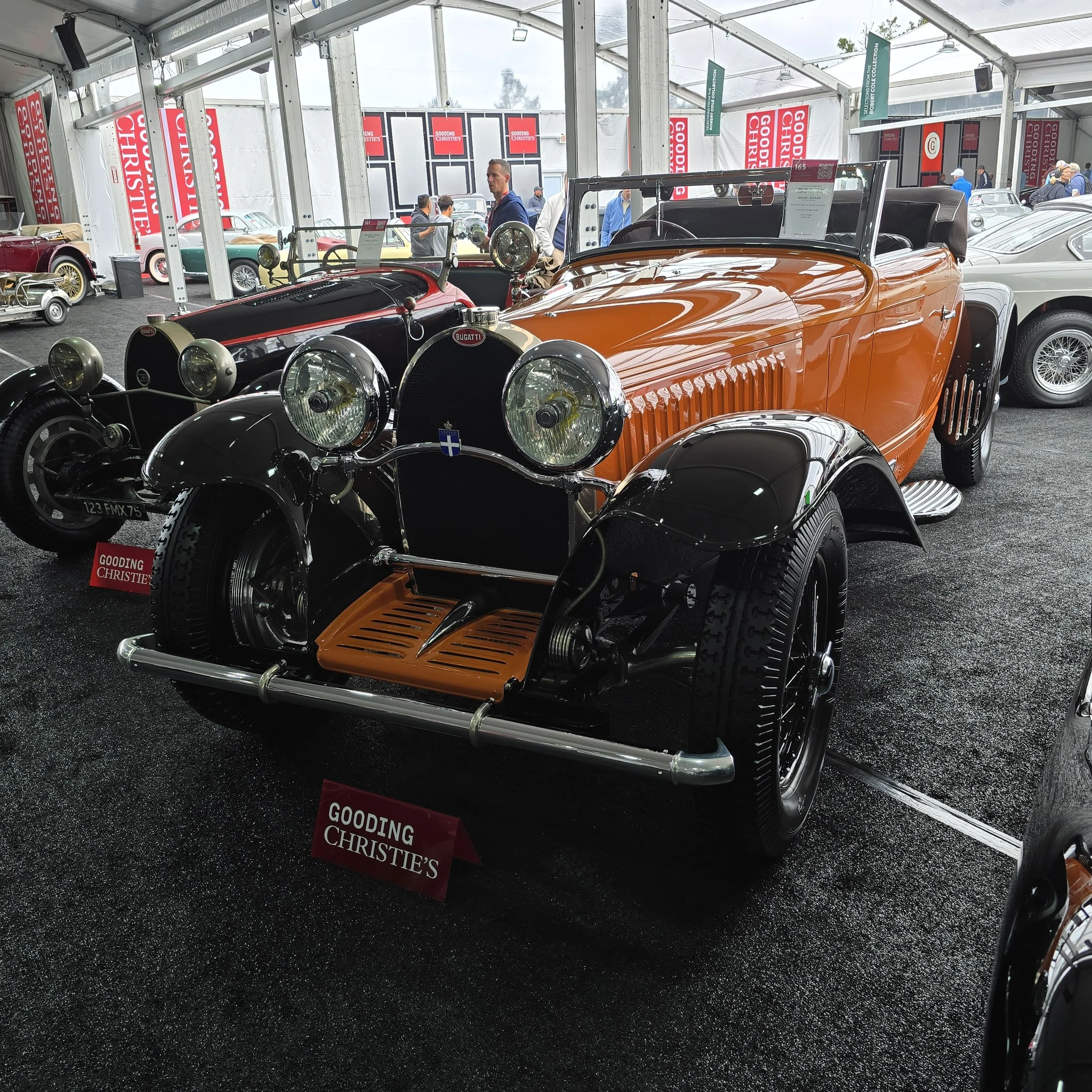
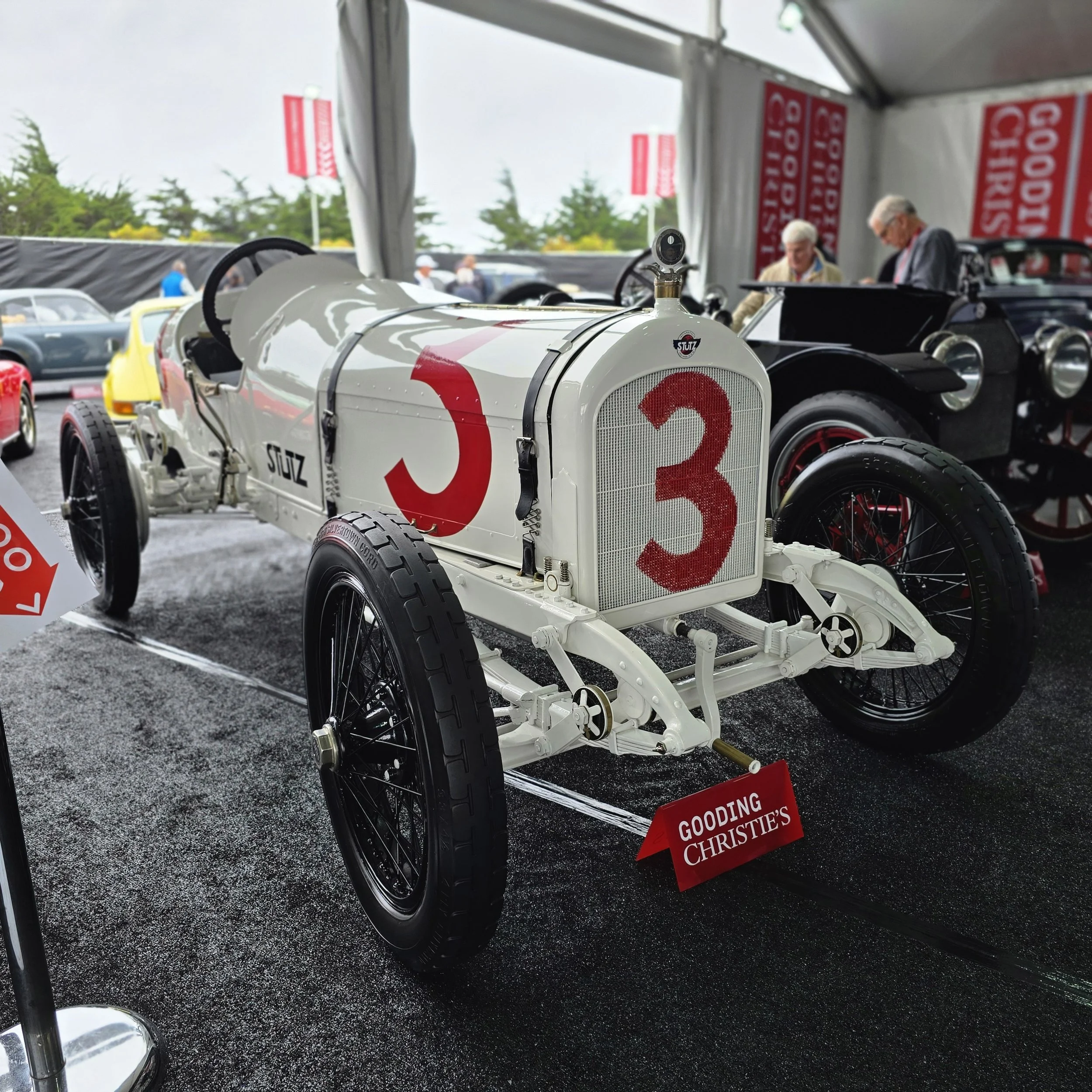
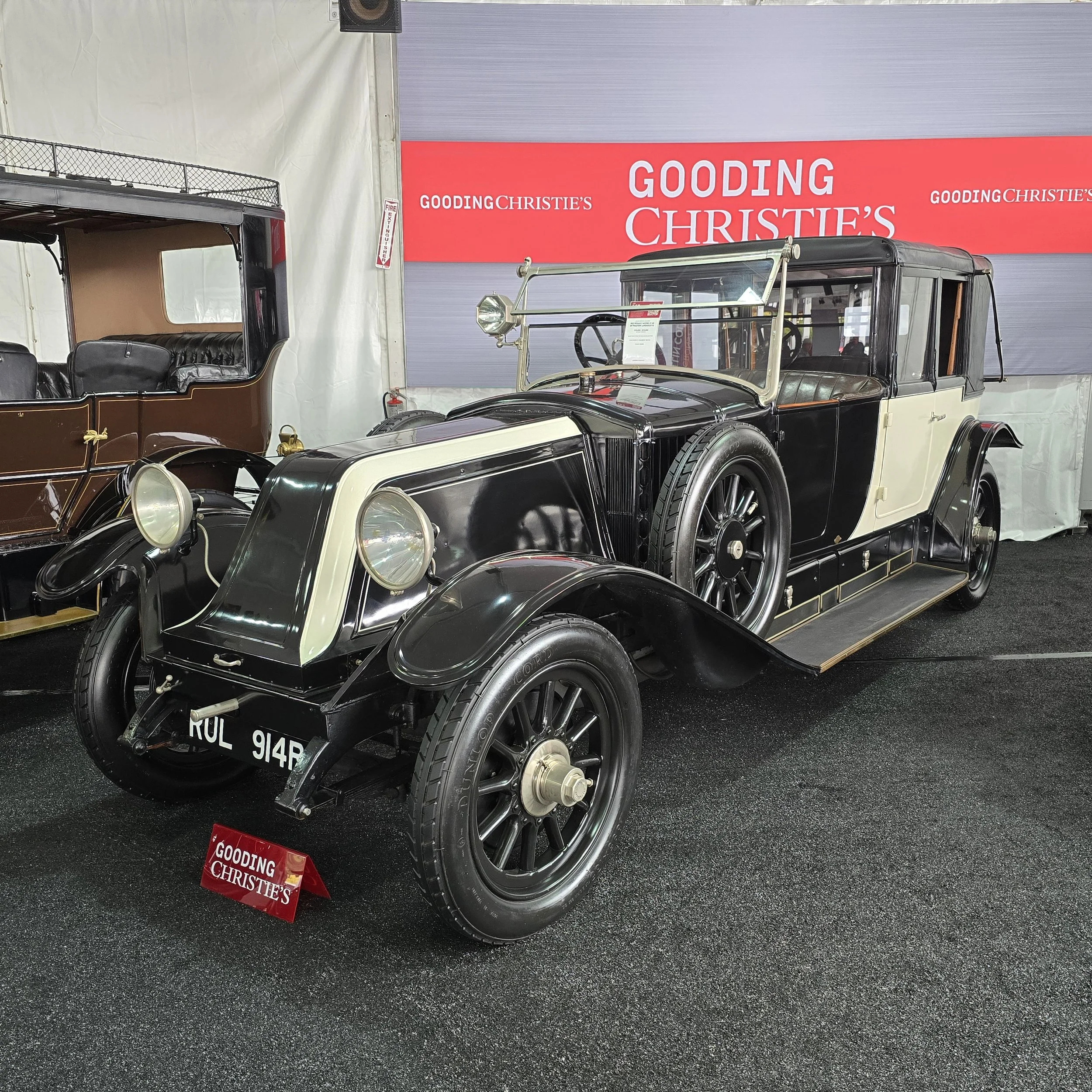
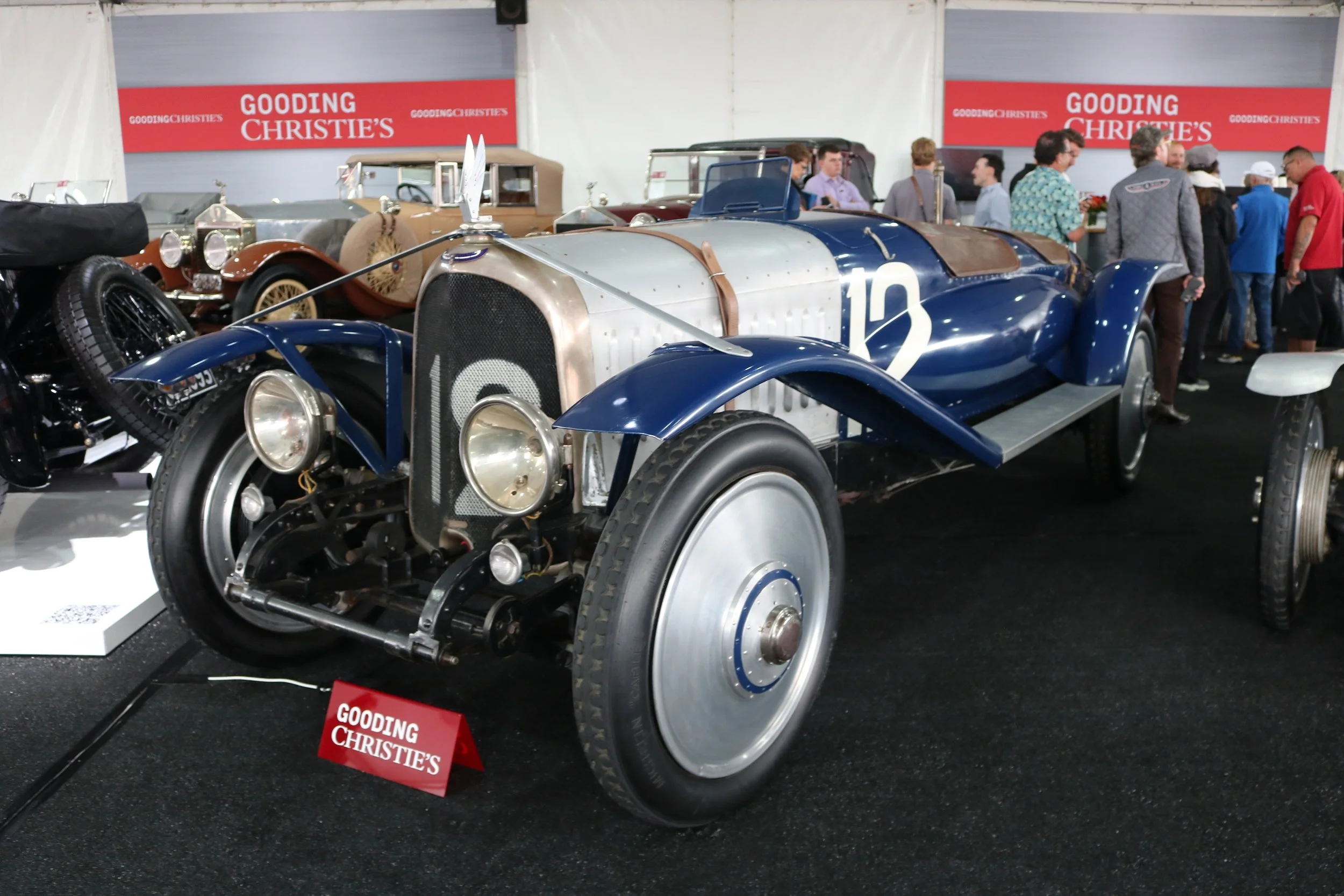
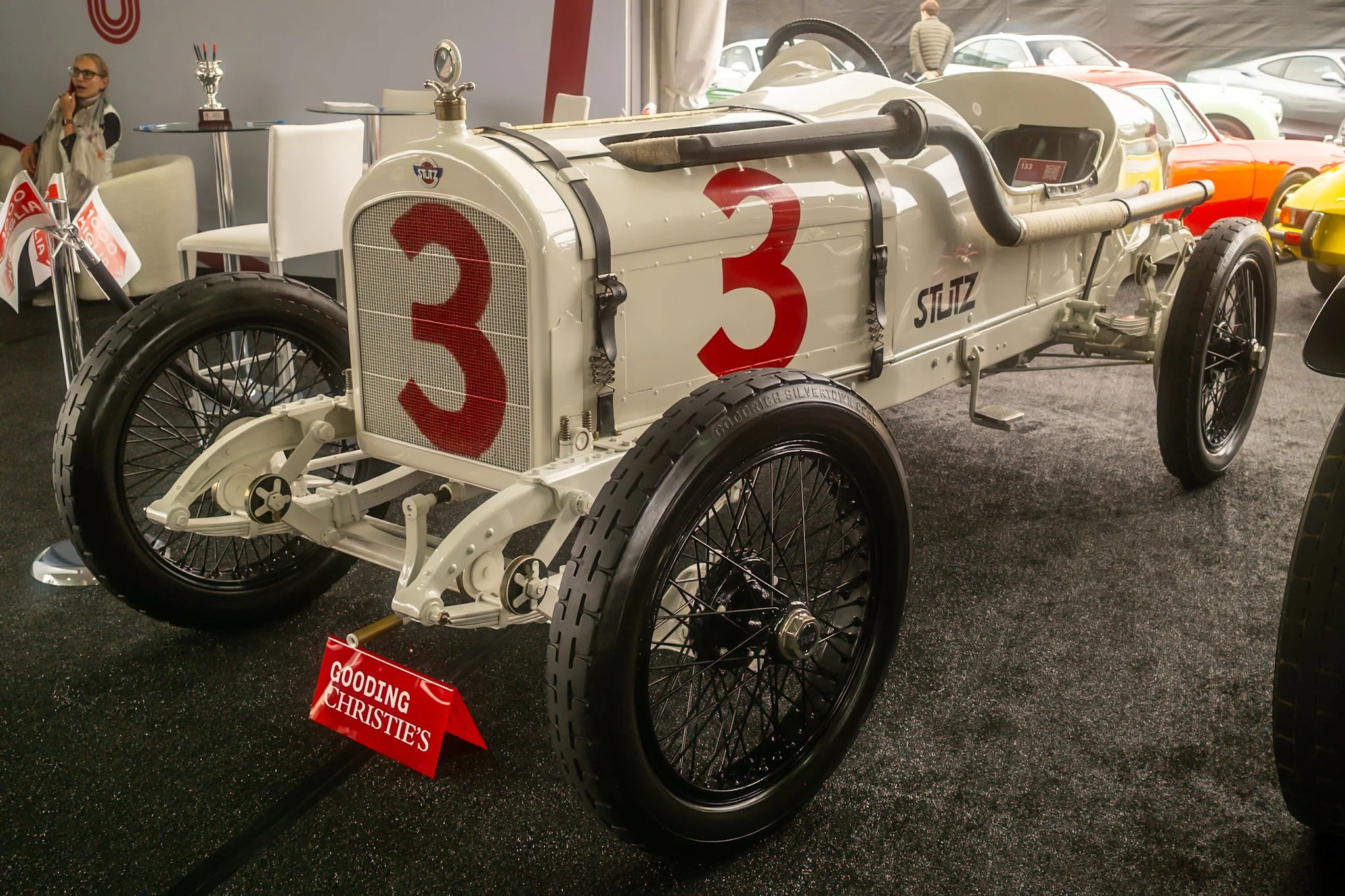
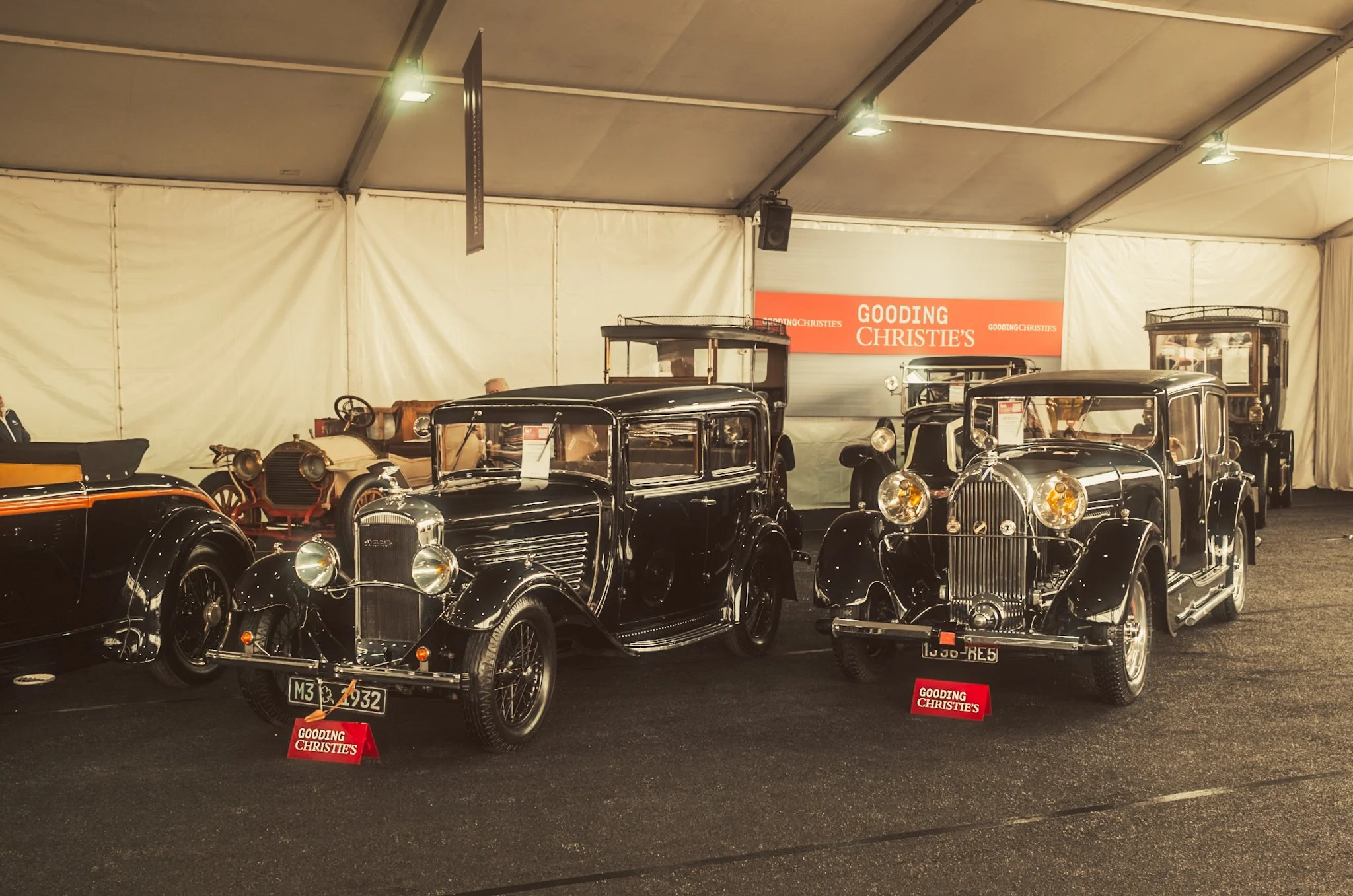
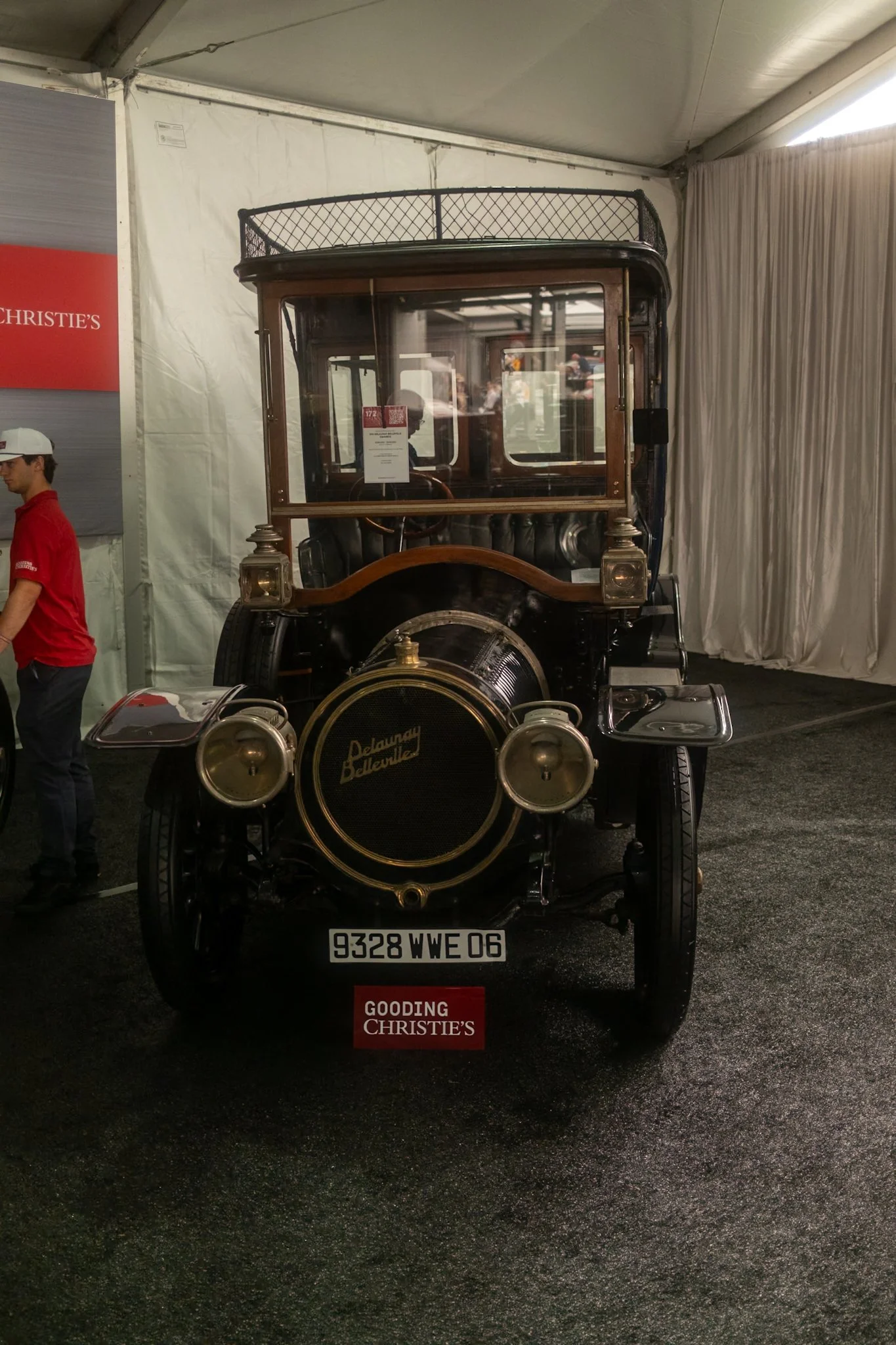
Pebble Beach itself helps explain why.
The Concours does more than reward restoration quality. At its highest level, it elevates historically important automobiles into cultural objects, and the same qualities rewarded on the lawn — authenticity, provenance, rarity and significance — are also the qualities that support value at auction.
From Auction Block to Concours Lawn
One of the more interesting aspects of Monterey is the constant crossover between the auction and concours worlds.
Important cars regularly circulate between them. A car may spend one year on the Pebble Beach lawn collecting trophies and another year beneath auction-house lighting collecting bids.
There does not appear to have been a major 2026 example of a Gooding car selling on Friday or Saturday and then immediately appearing on the Pebble Beach lawn on Sunday to win one of the major awards. But the relationship between the two events remains significant. The characteristics that produce auction value are largely the same ones concours judges reward: authenticity, history, originality, rarity, restoration quality and significance. The difference is mostly in the outcome. Pebble Beach hands out trophies; Gooding hands out invoices.
Where the Auctions Fit Into Monterey Car Week
The Monterey auctions are no longer a sideshow to Car Week. They are one of its central components because they provide the market value for everything else happening around the peninsula. Laguna Seca demonstrates what historic automobiles can do. The Quail celebrates design, exclusivity and performance. Pebble Beach evaluates historical importance, preservation and craftsmanship. The auctions answer a more direct question: what is someone willing to pay for all of it?
Gooding’s position within the Pebble Beach ecosystem makes that especially effective. Collectors spend the week watching historic cars race, inspecting important automobiles on concours lawns and attending manufacturer unveilings. They then walk into an auction tent surrounded by many of the same names, stories and histories. It is difficult to imagine a better environment for convincing someone that a piece of automotive history is worth eight figures.
That is part of what makes Monterey unique. The auctions do not merely exist alongside the events of Car Week; they draw energy from them. There were legitimate reasons to expect greater financial caution. Interest rates remain higher than during the easy-money years, economic uncertainty hasn’t disappeared, and the collector demographic continues to change. At the same time, manufacturers are producing an increasing number of limited-production modern cars that arrive with their collectibility effectively announced in advance. Yet Monterey showed that demand for genuinely important automobiles remains exceptionally strong.
The auction tells us what a great car is worth.
The concours tells us why it matters.
In Monterey this year, the connection between the two was impossible to miss.
-The Loud Pedal
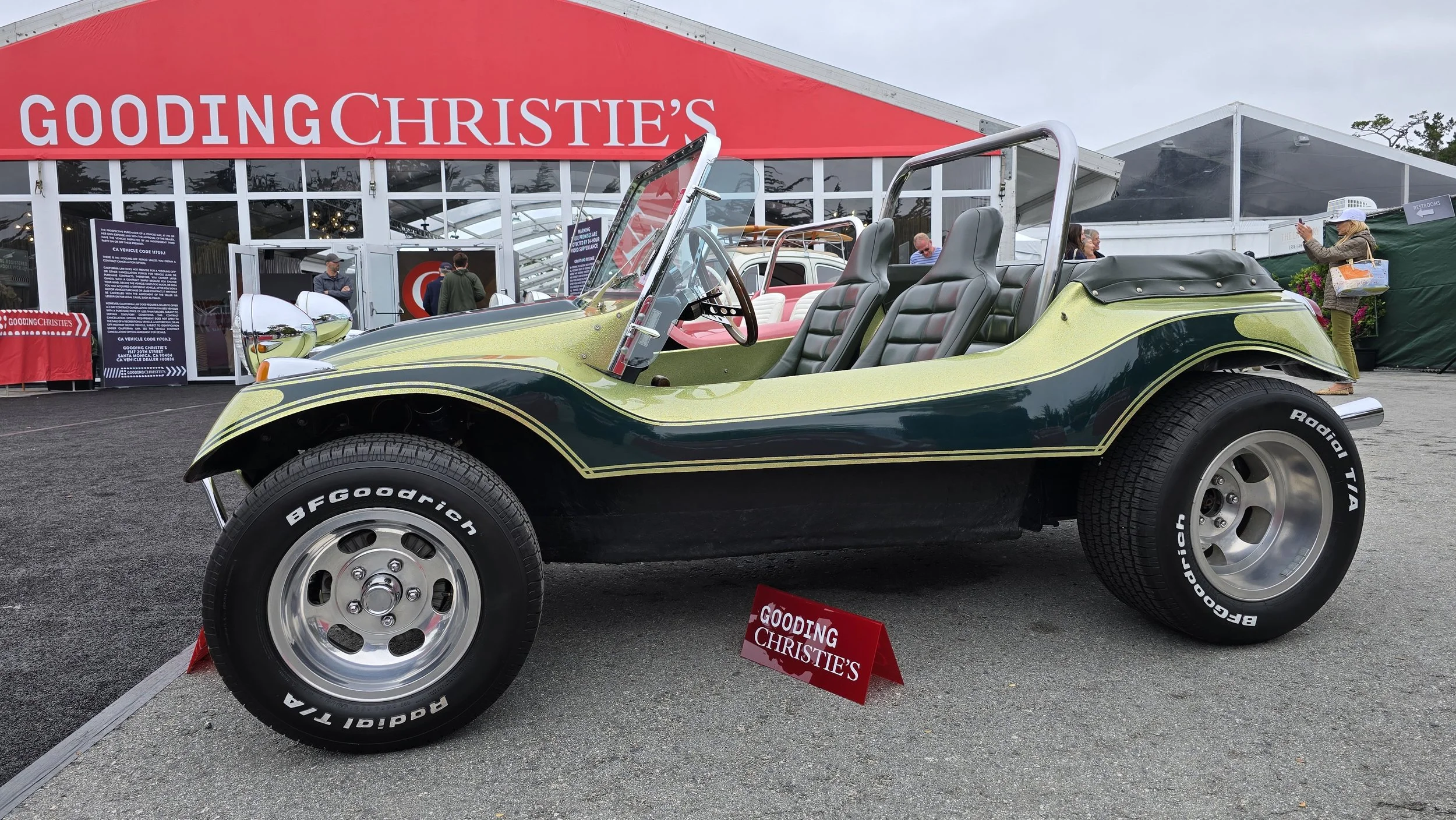
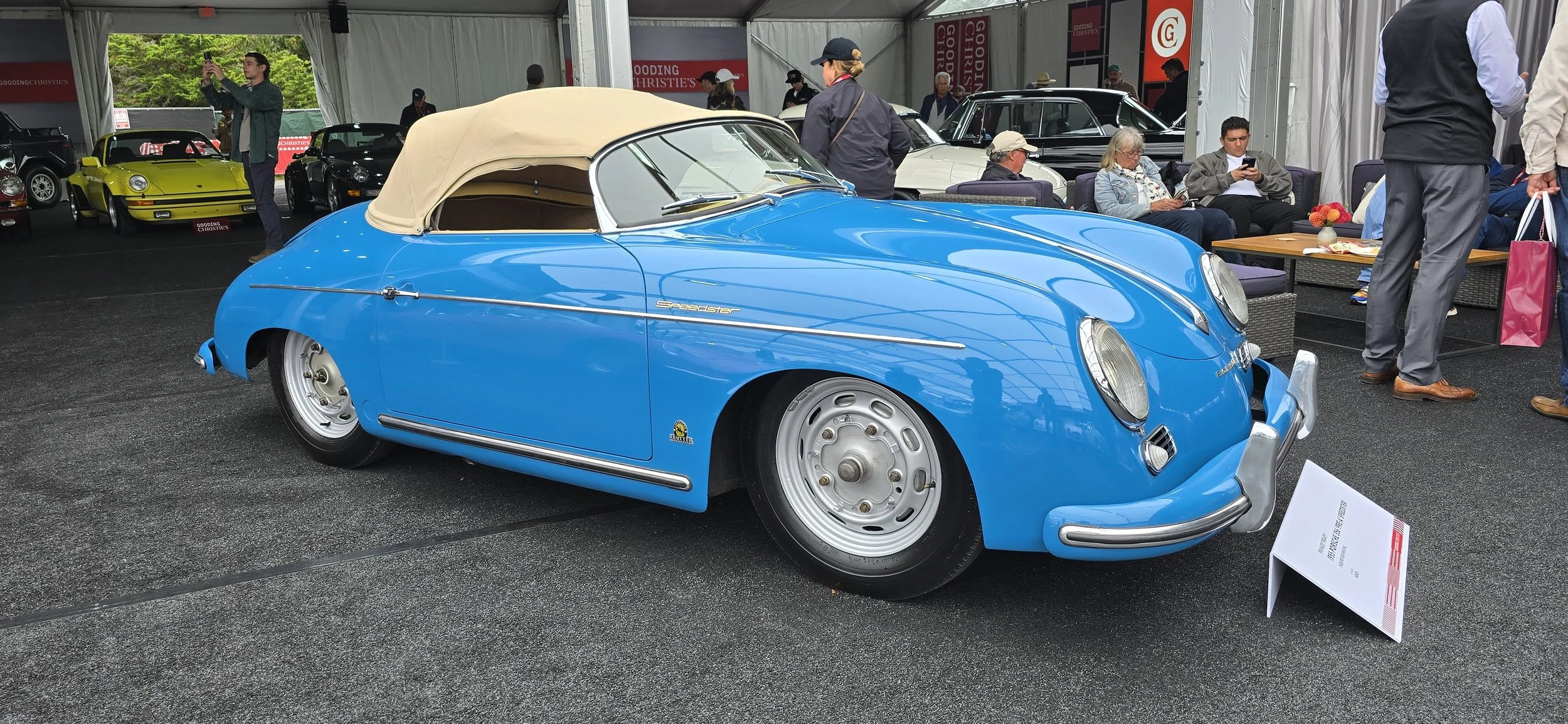
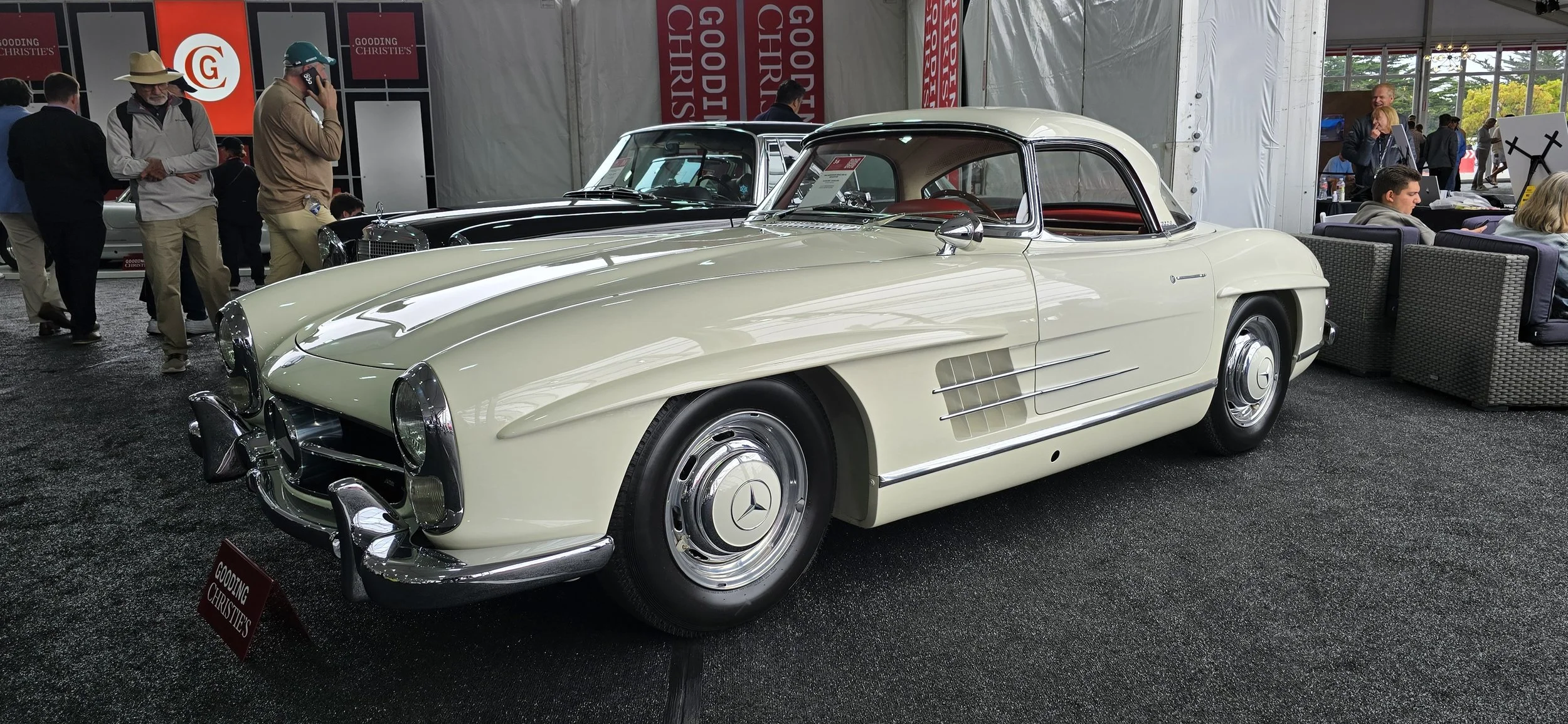
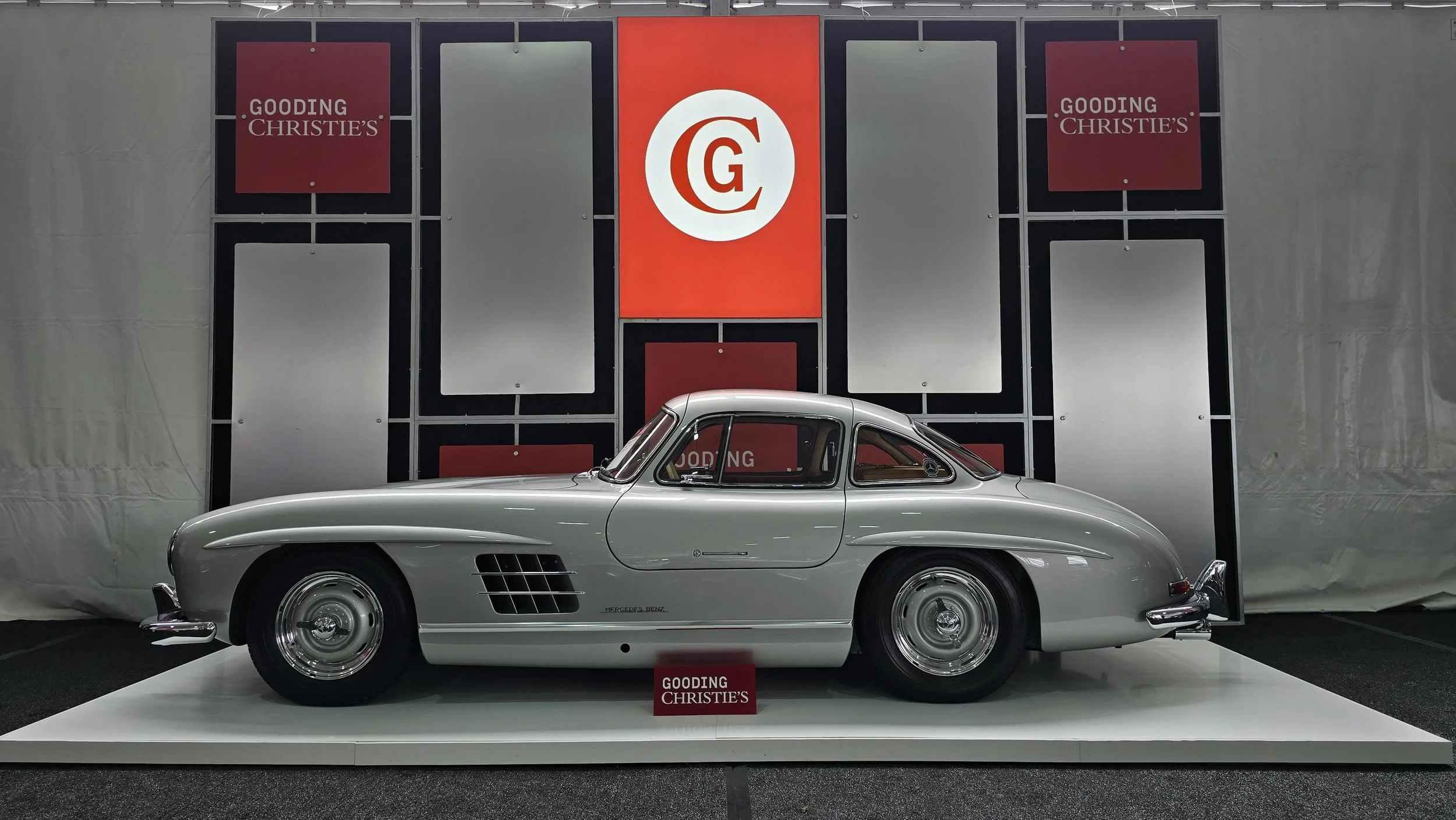
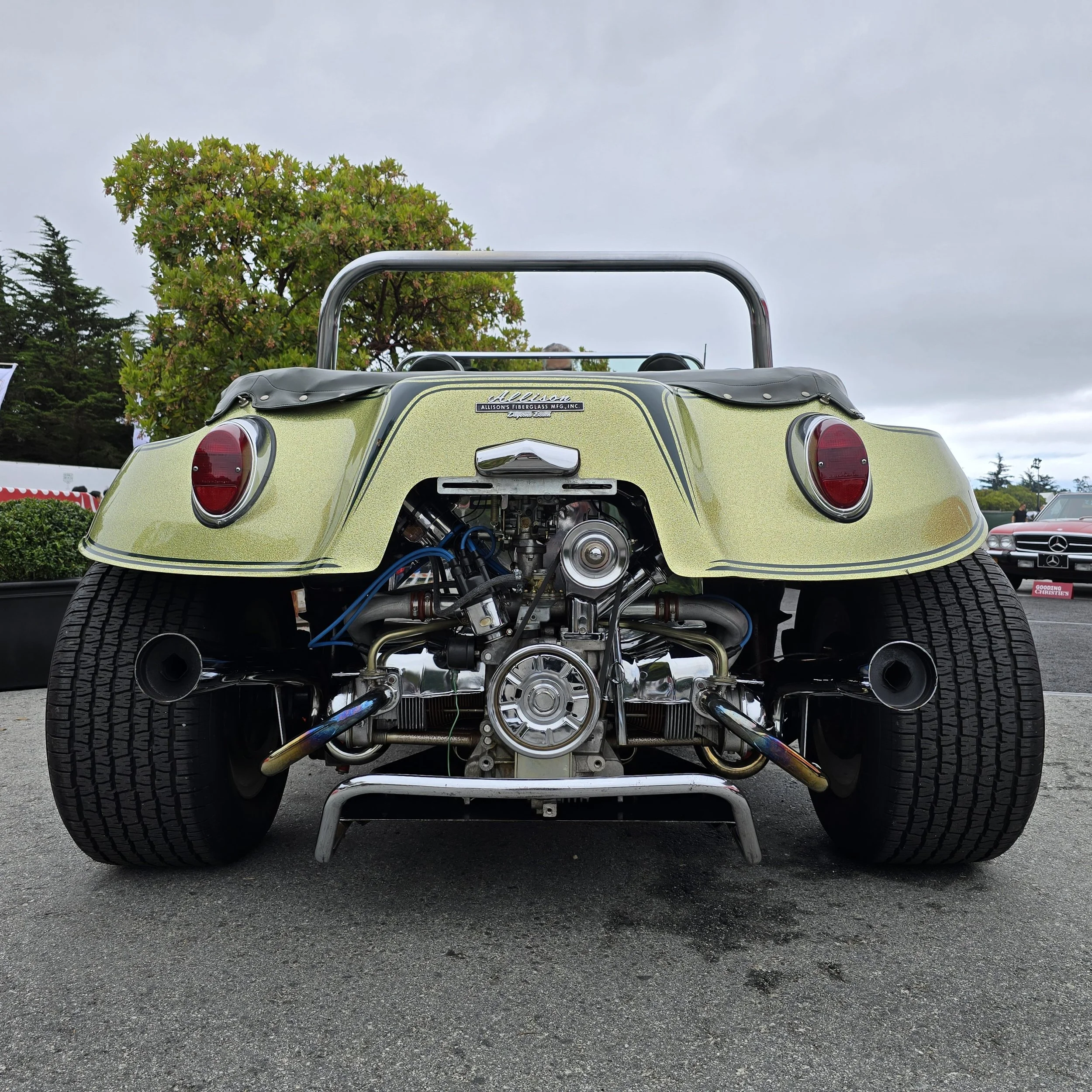
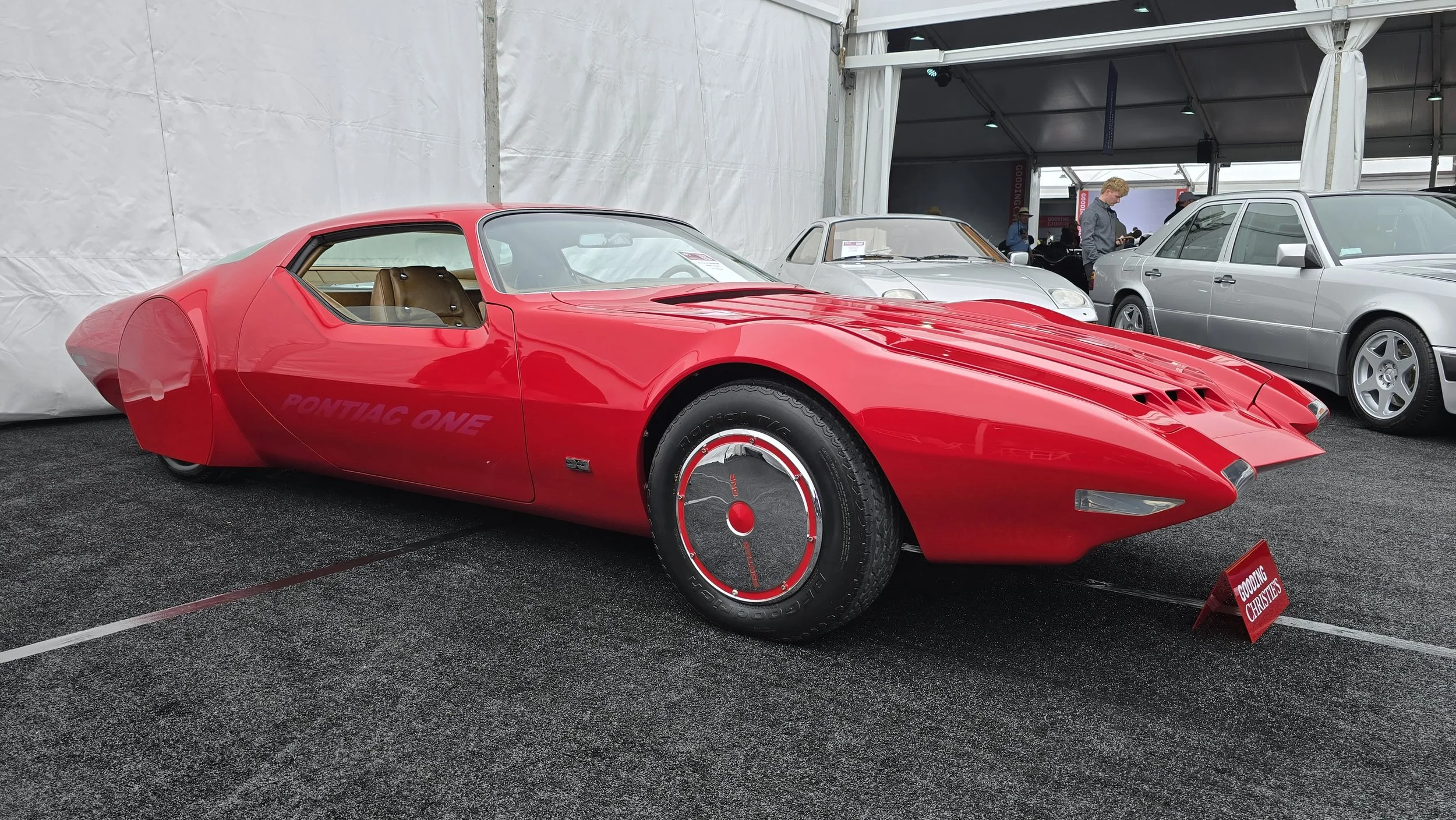
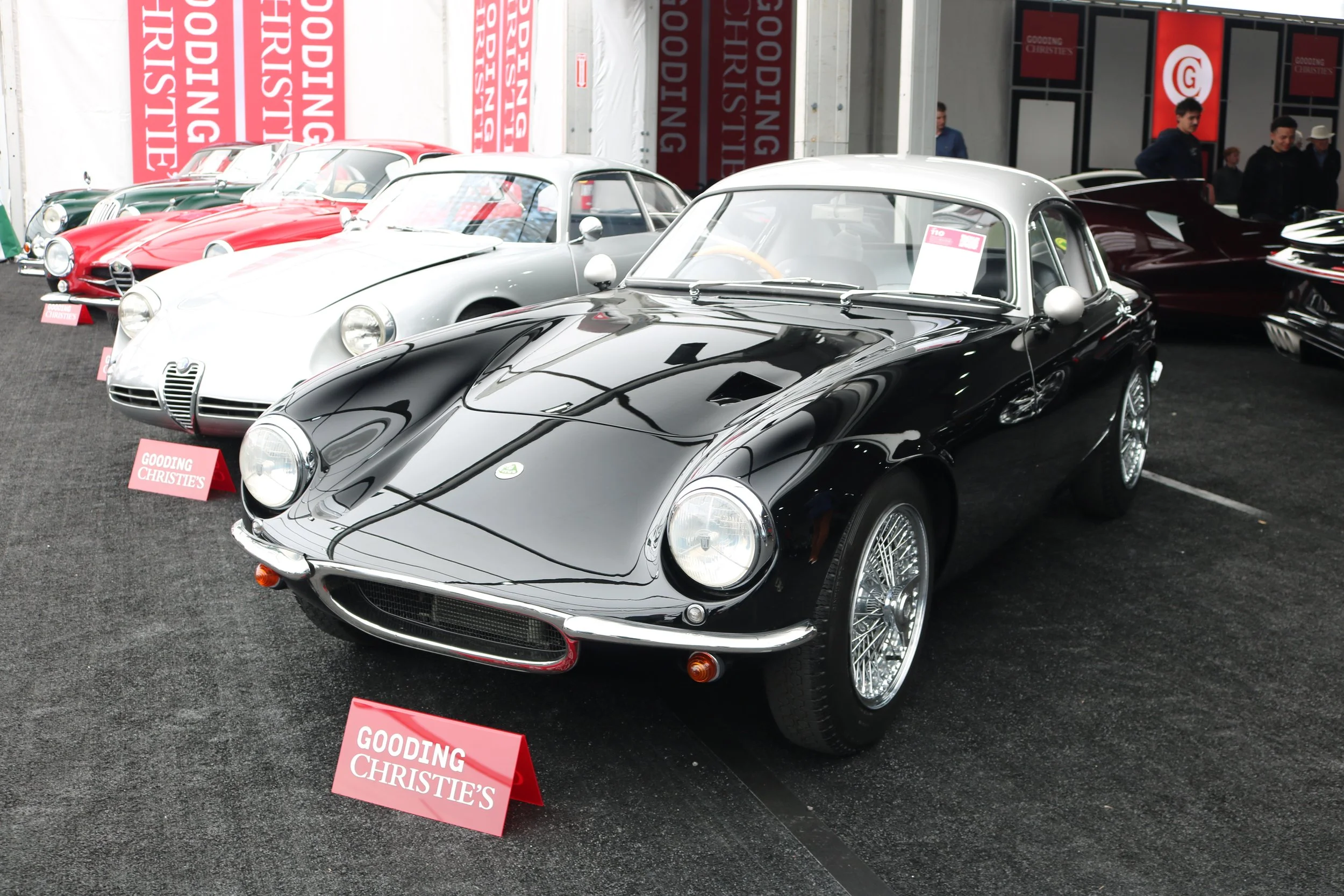
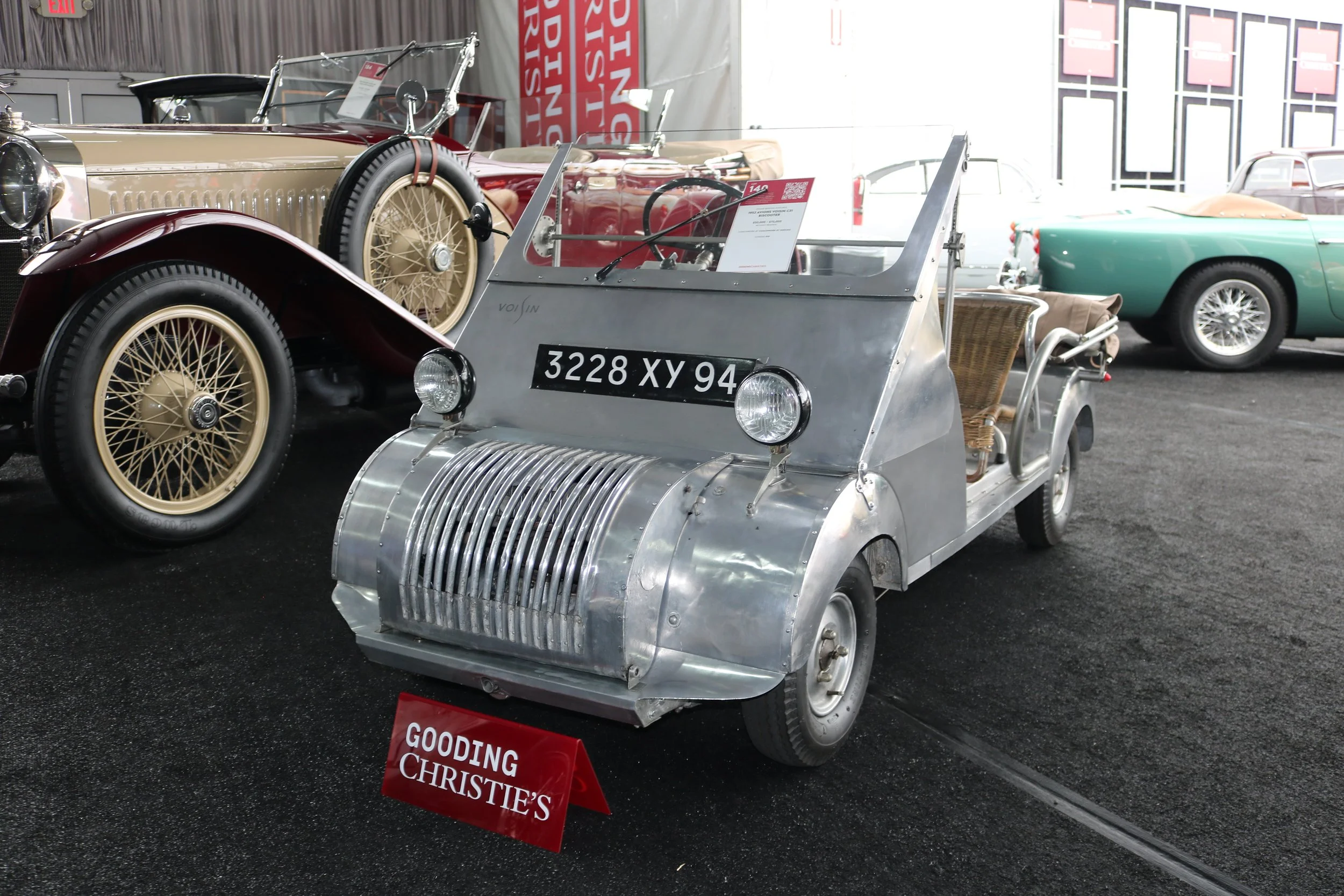
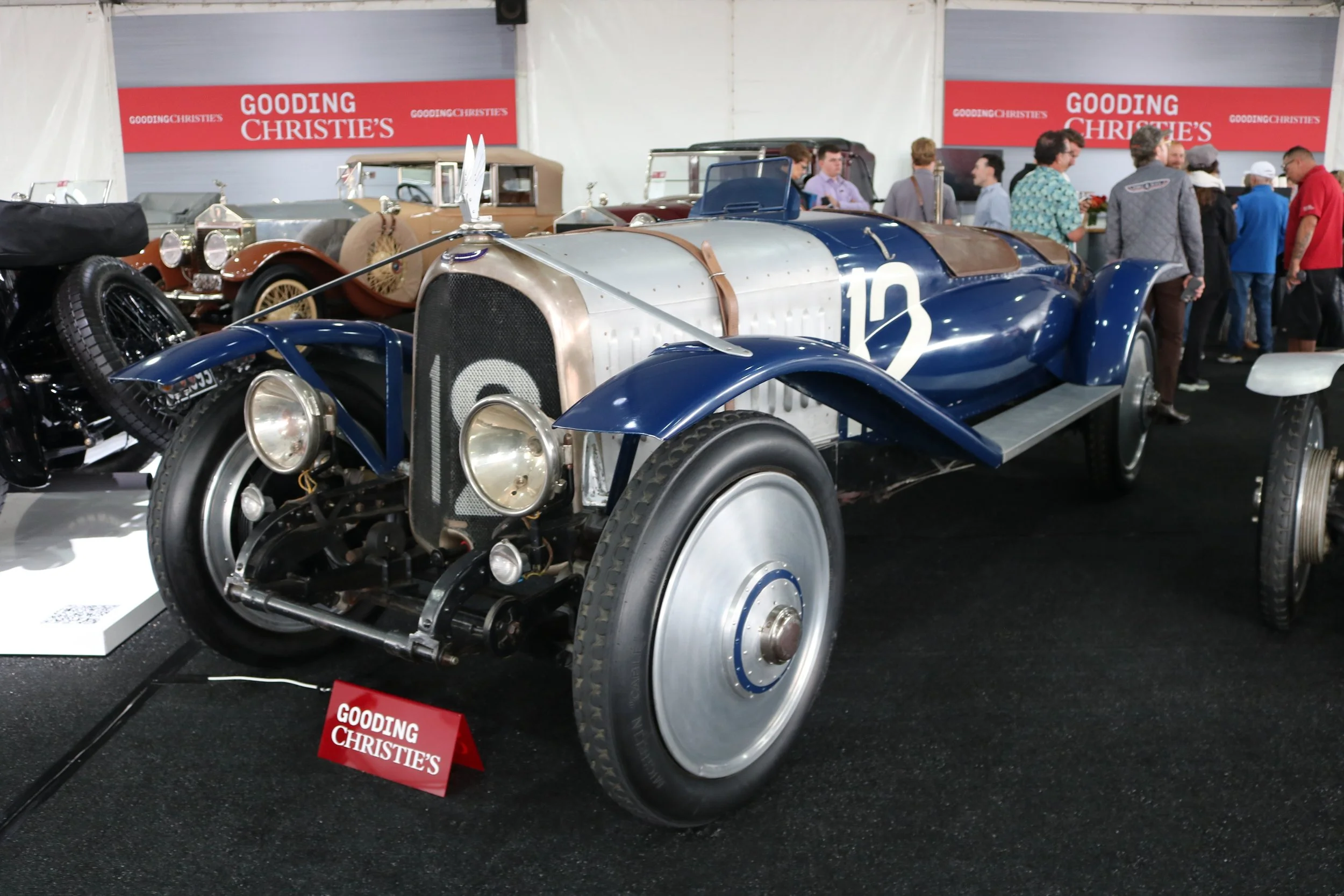
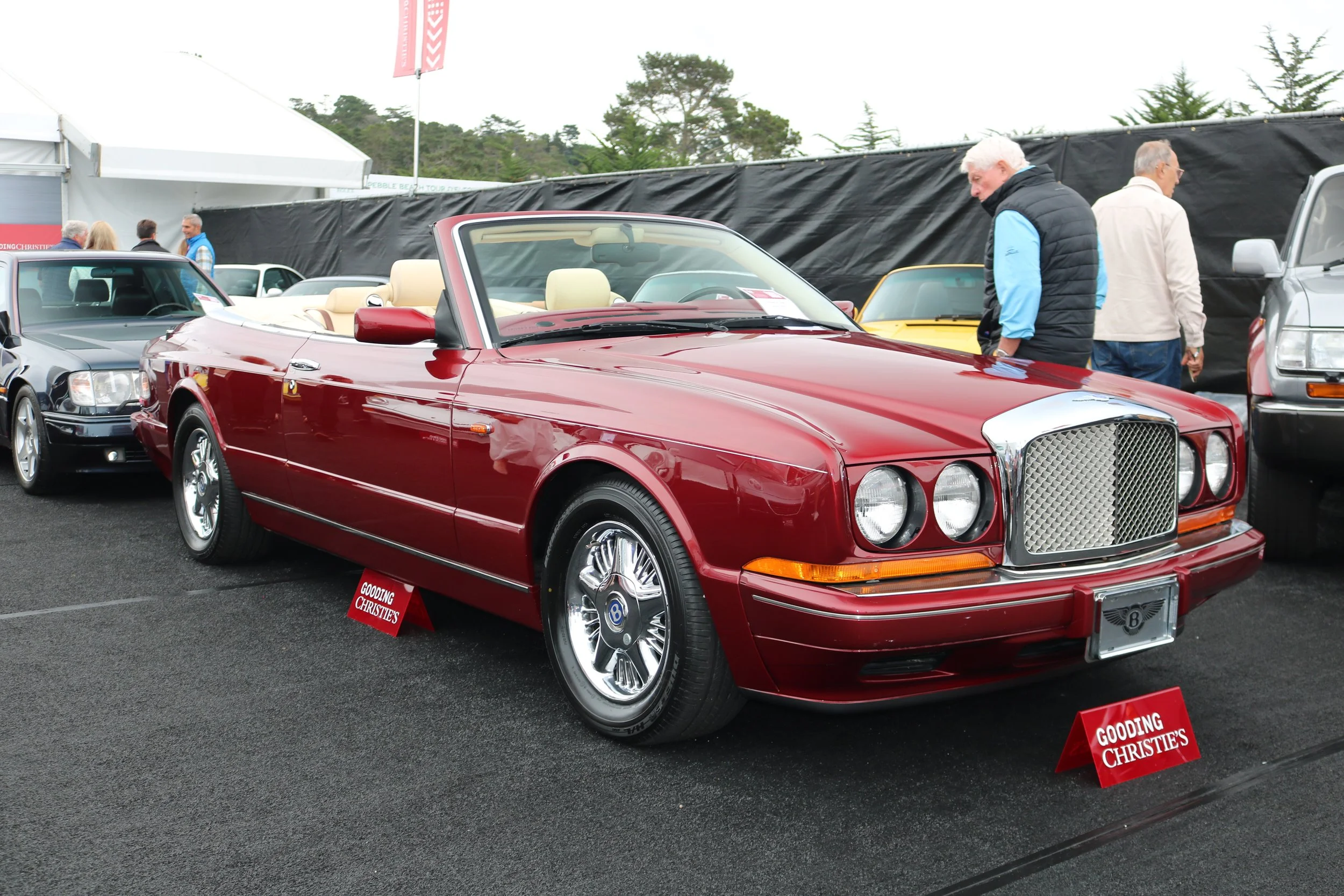
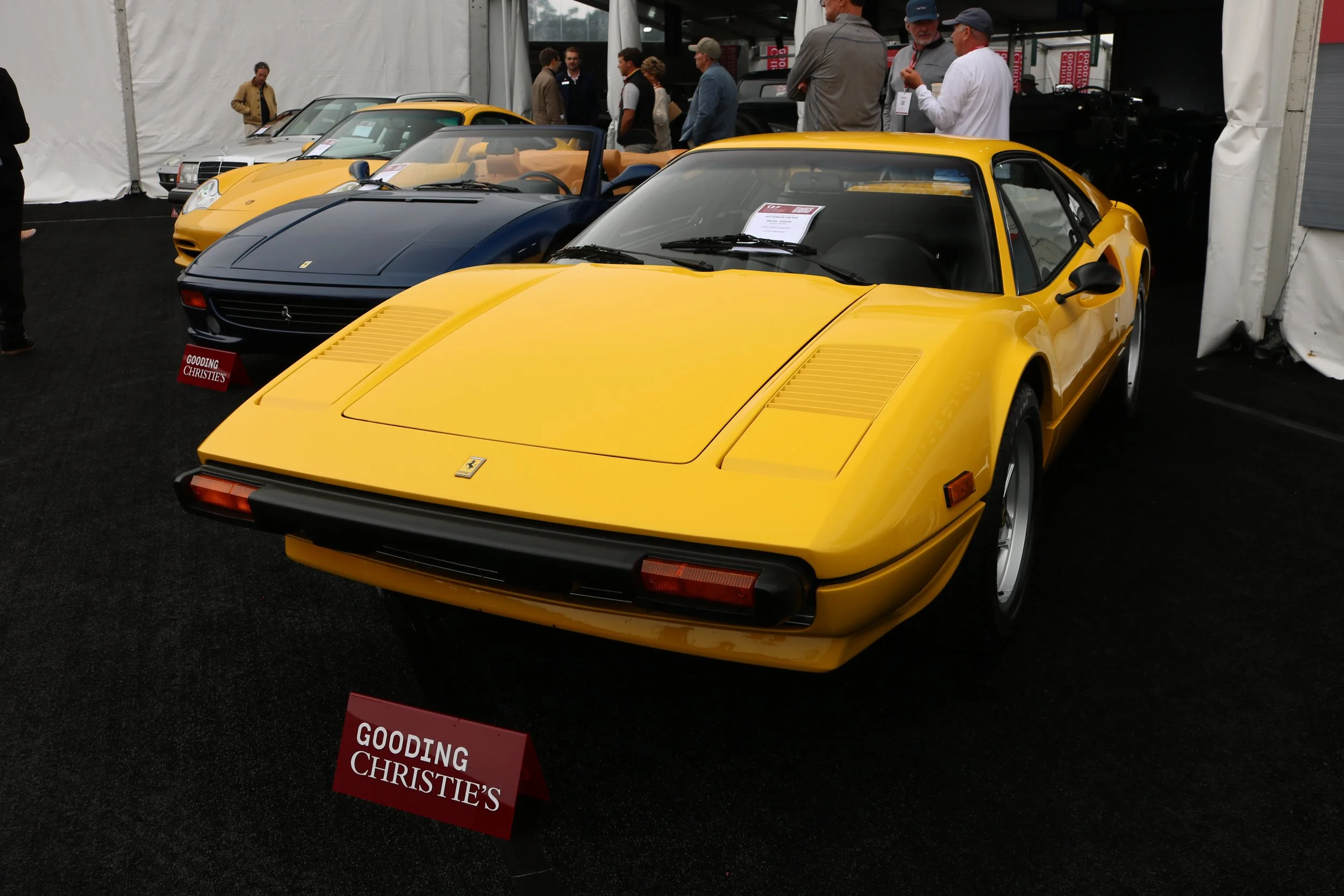
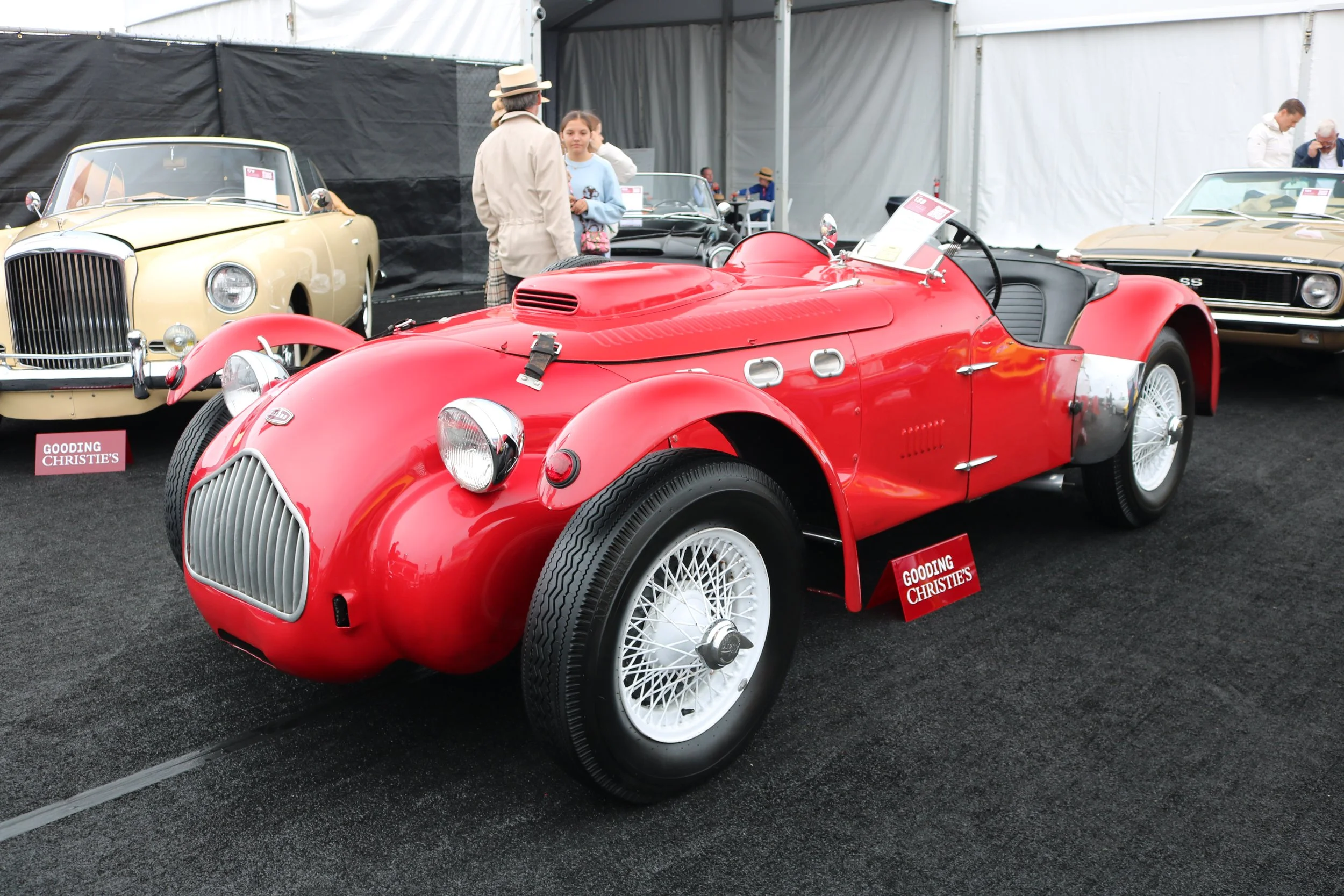
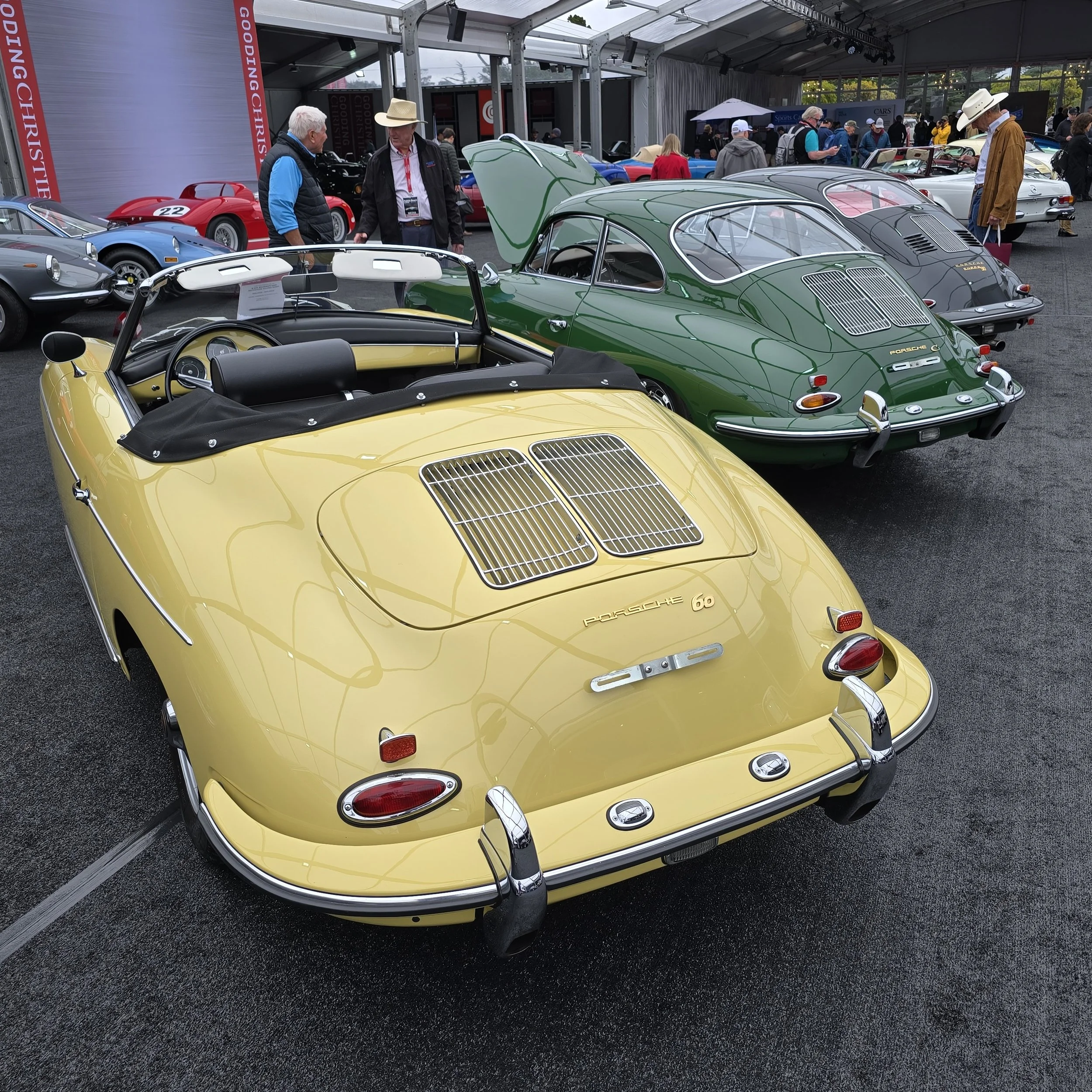
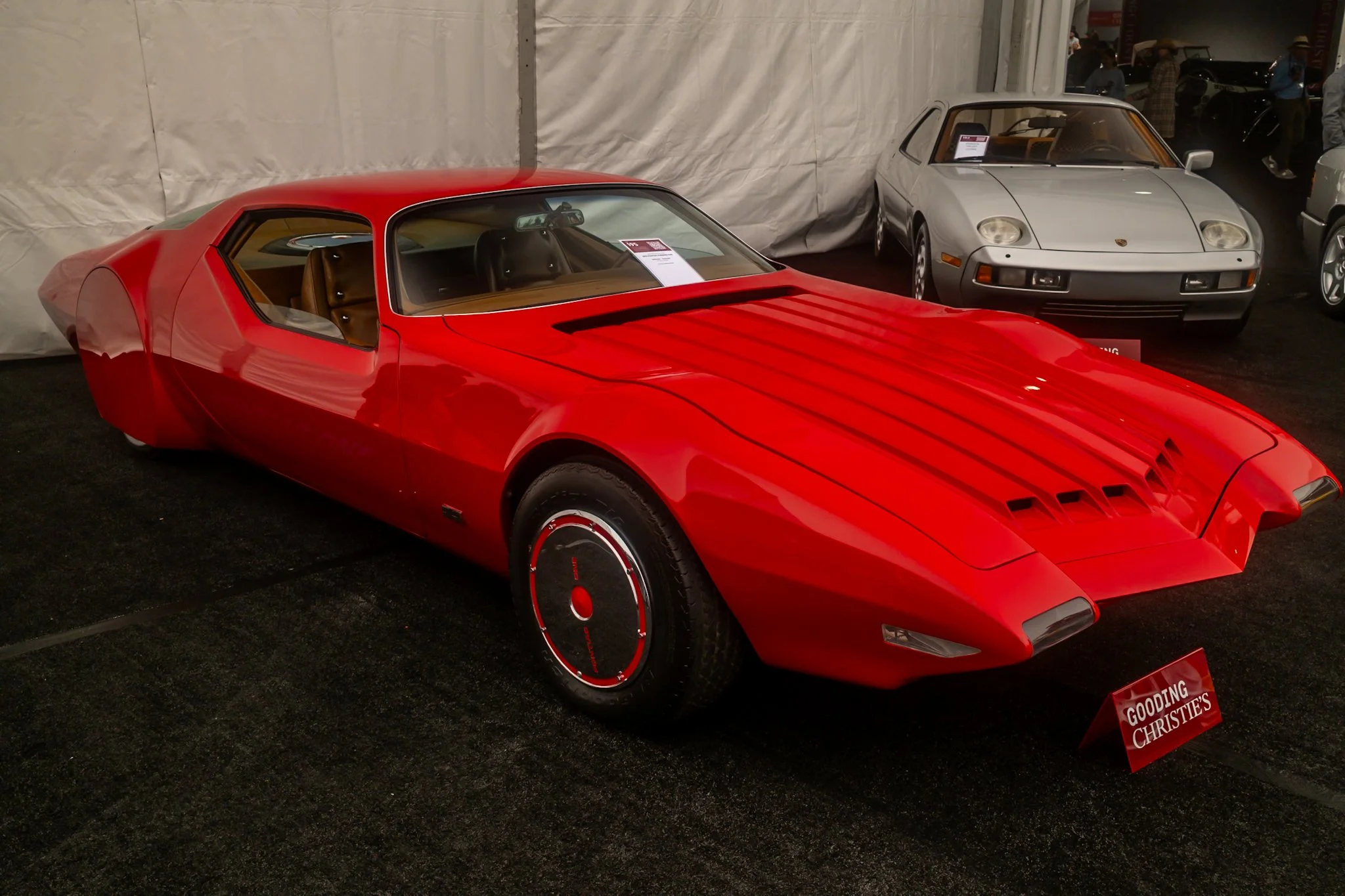
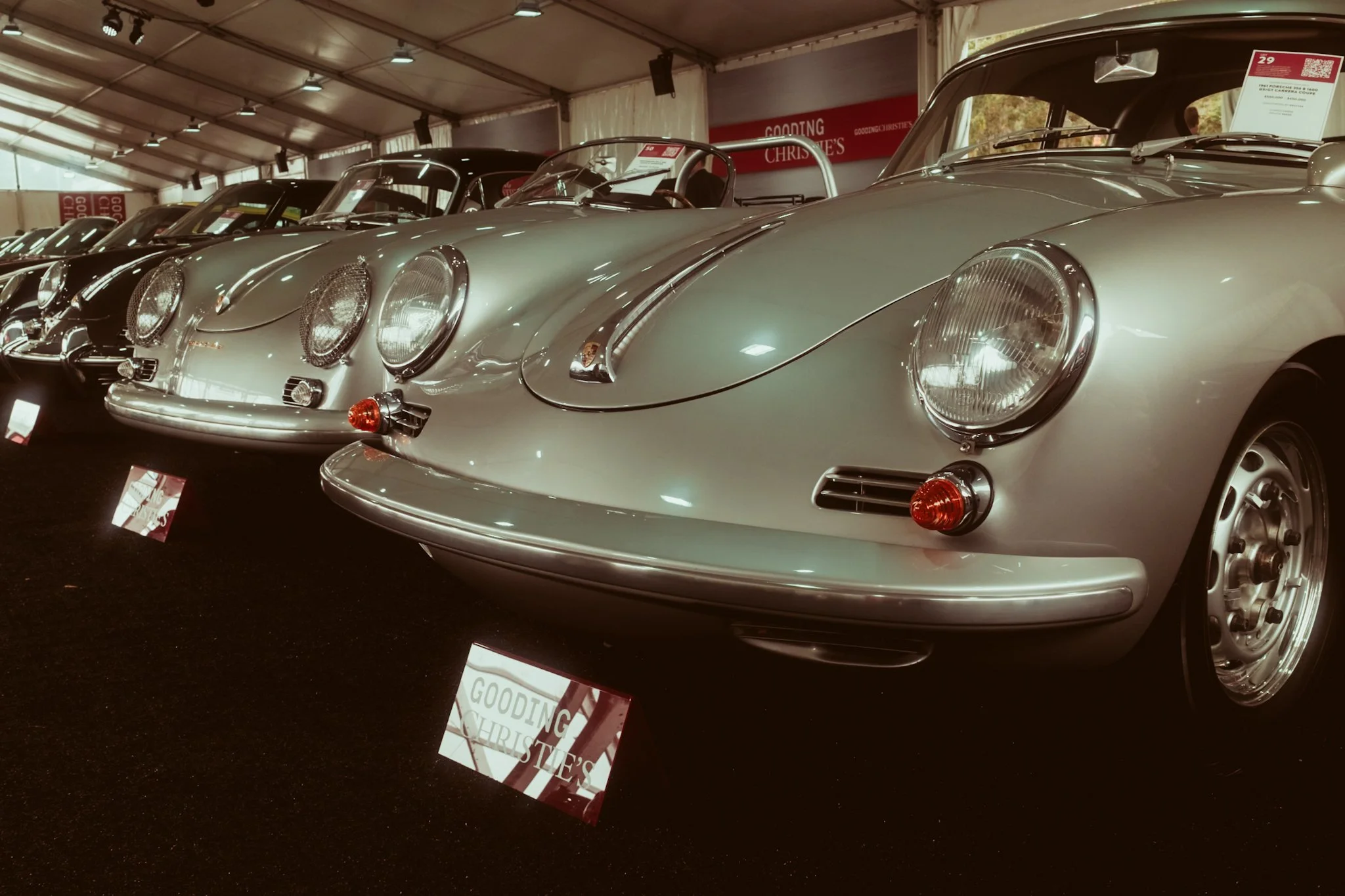
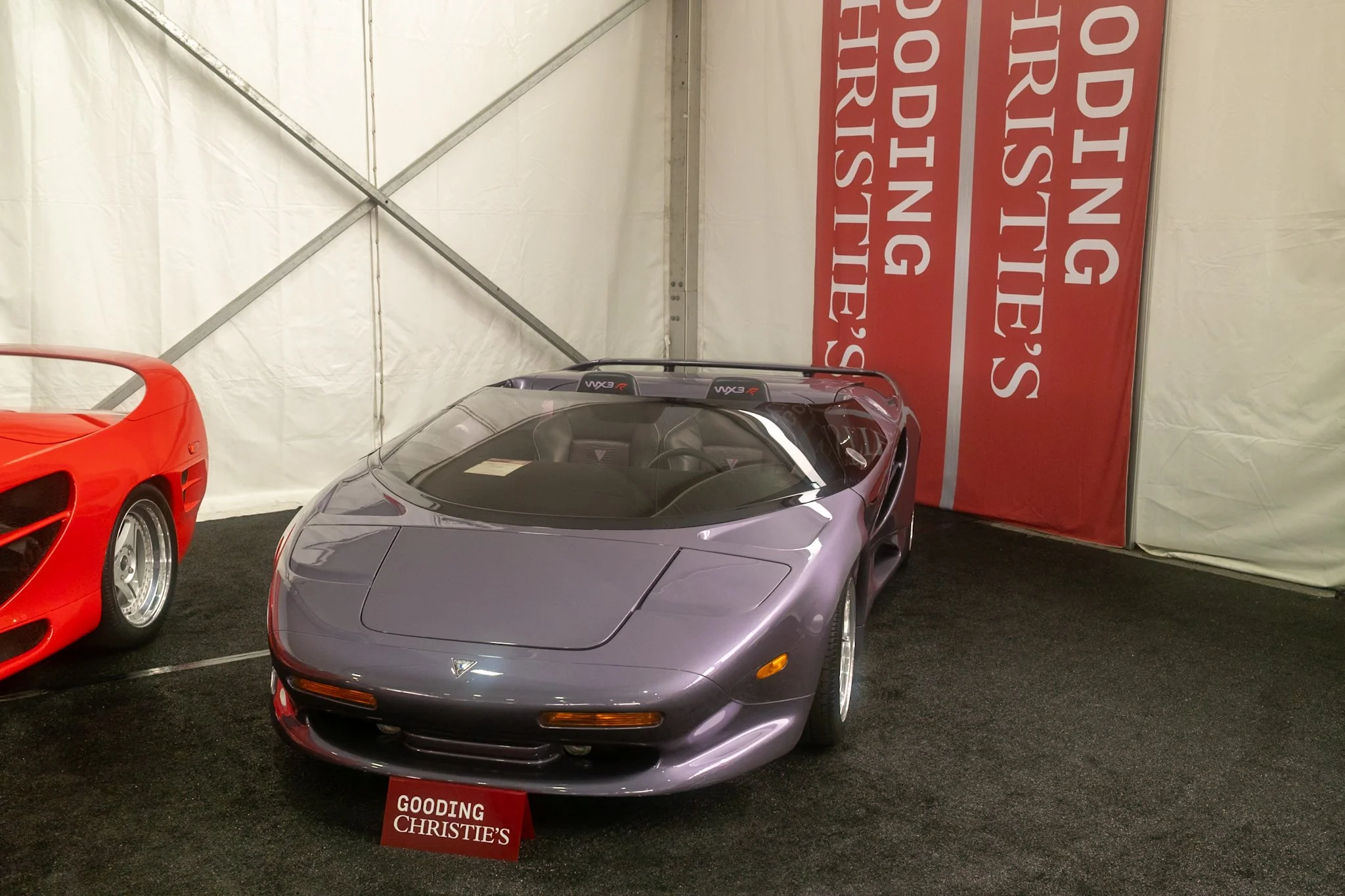
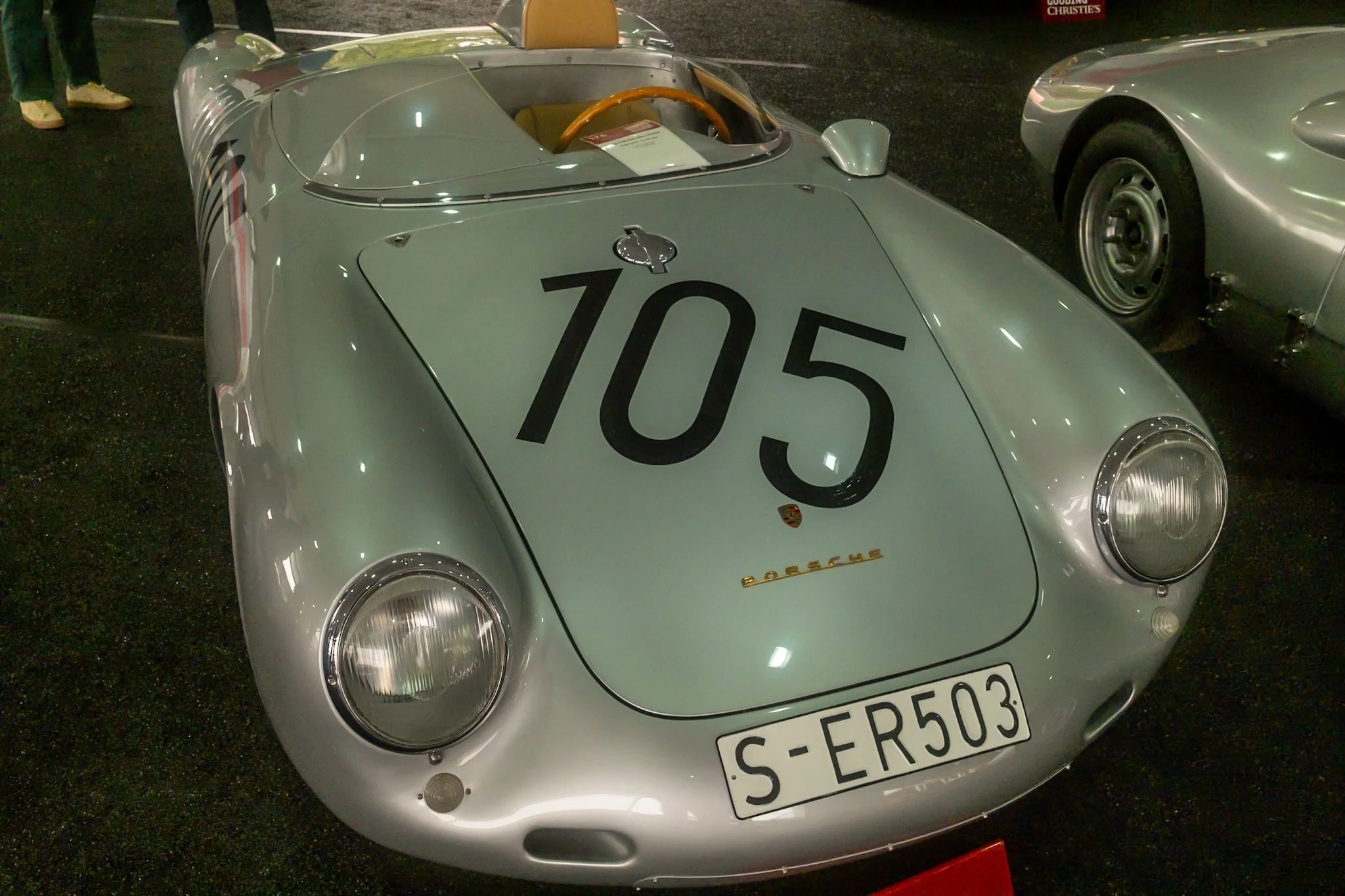
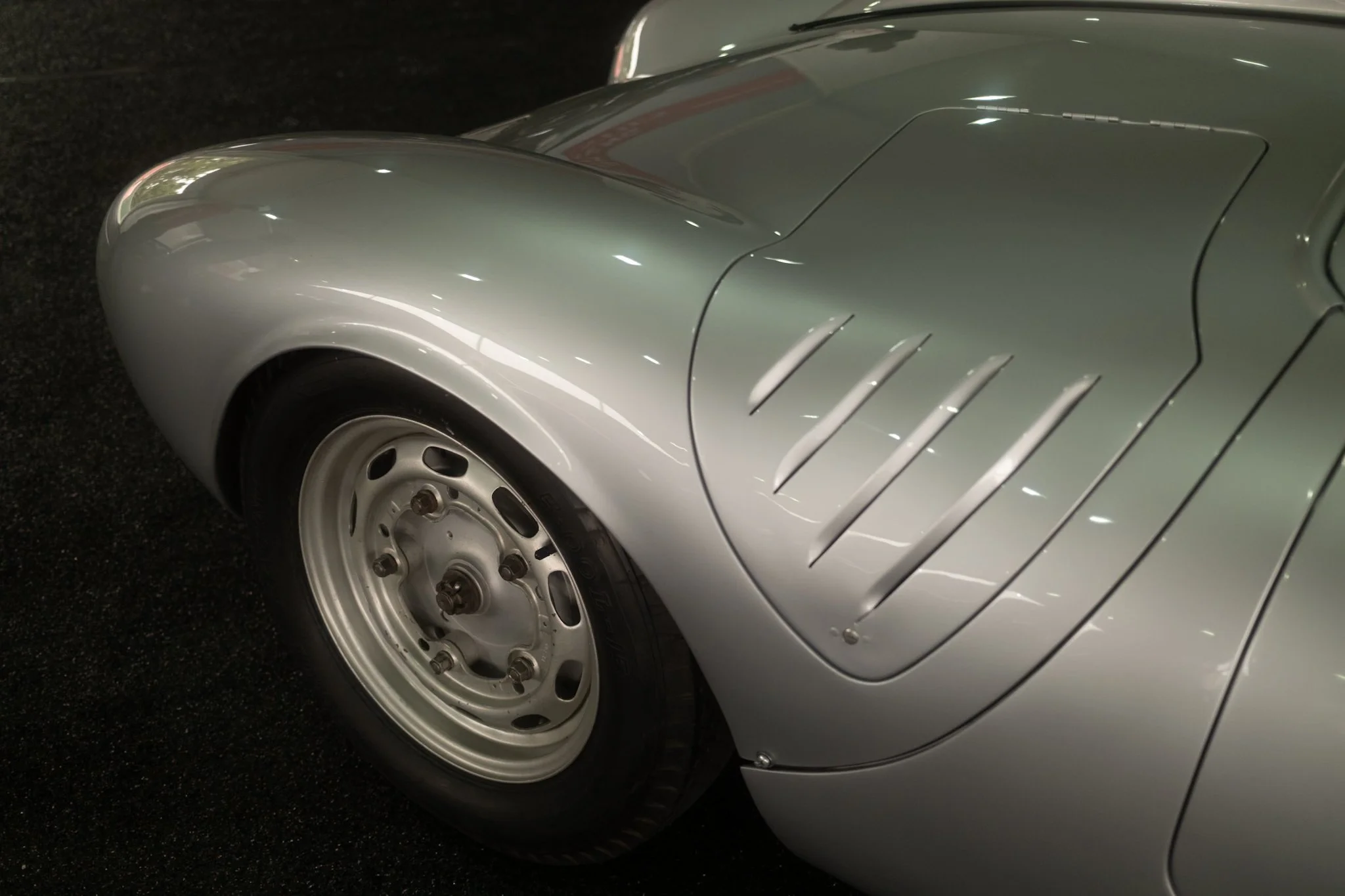
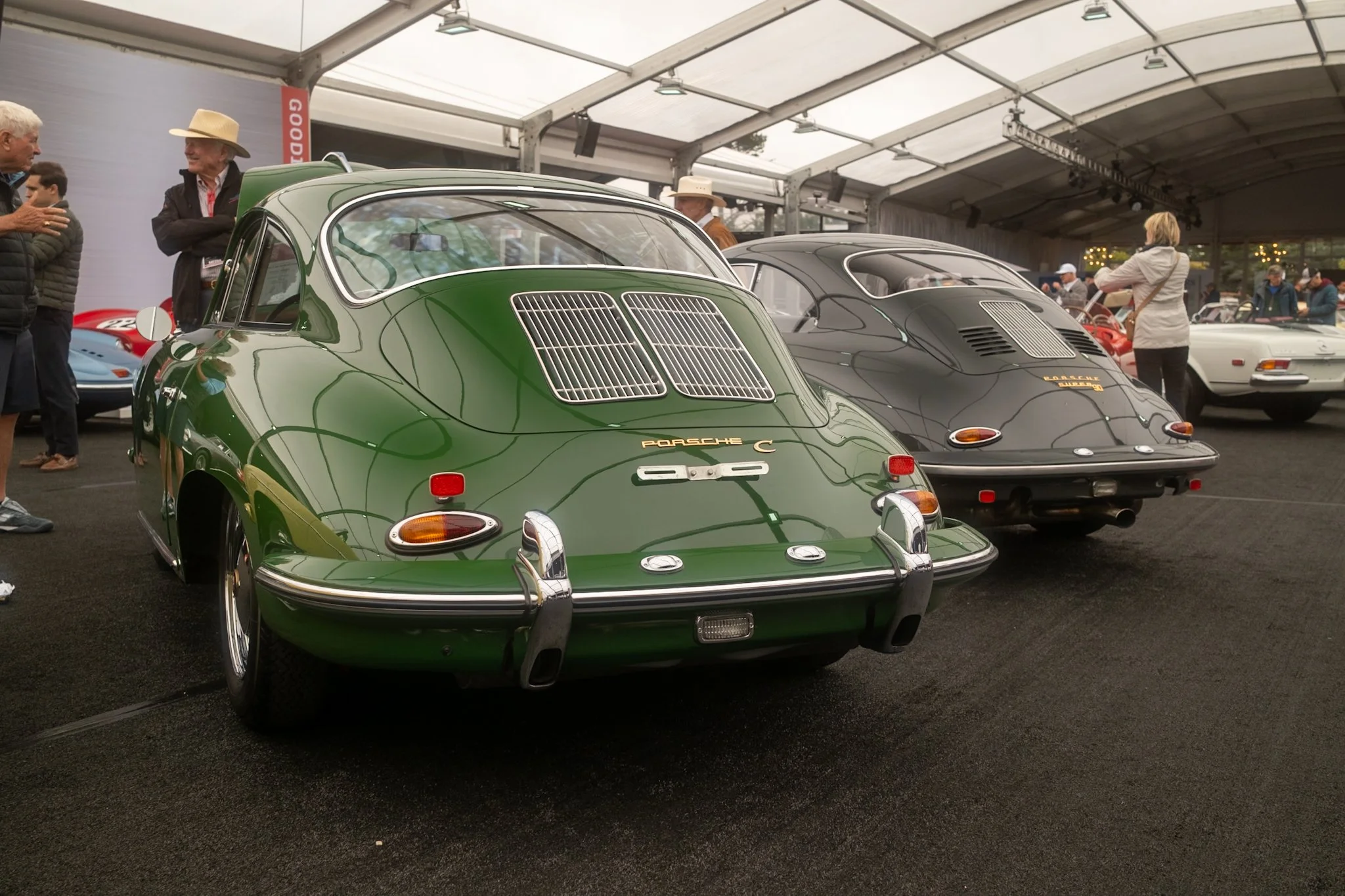
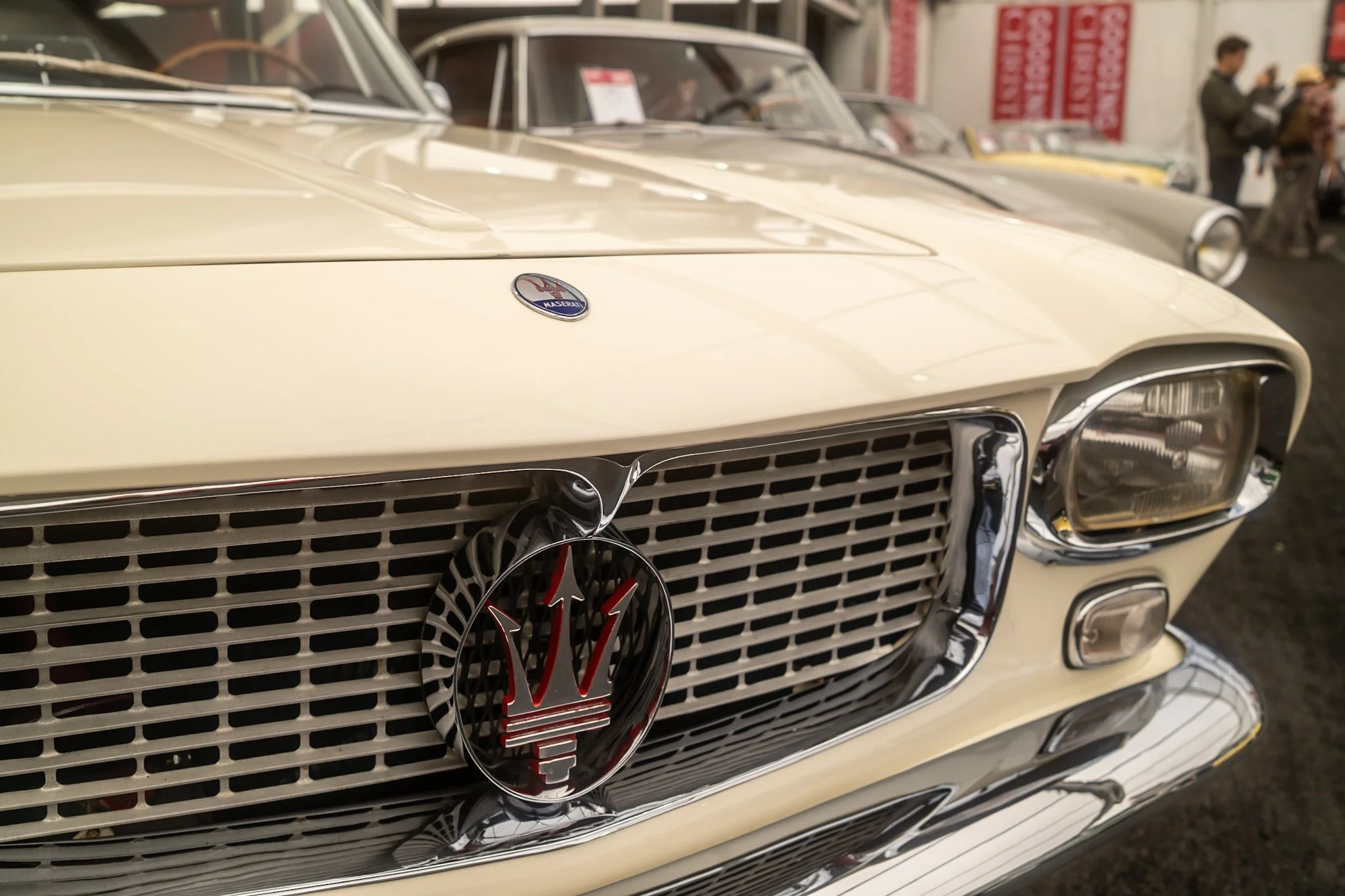
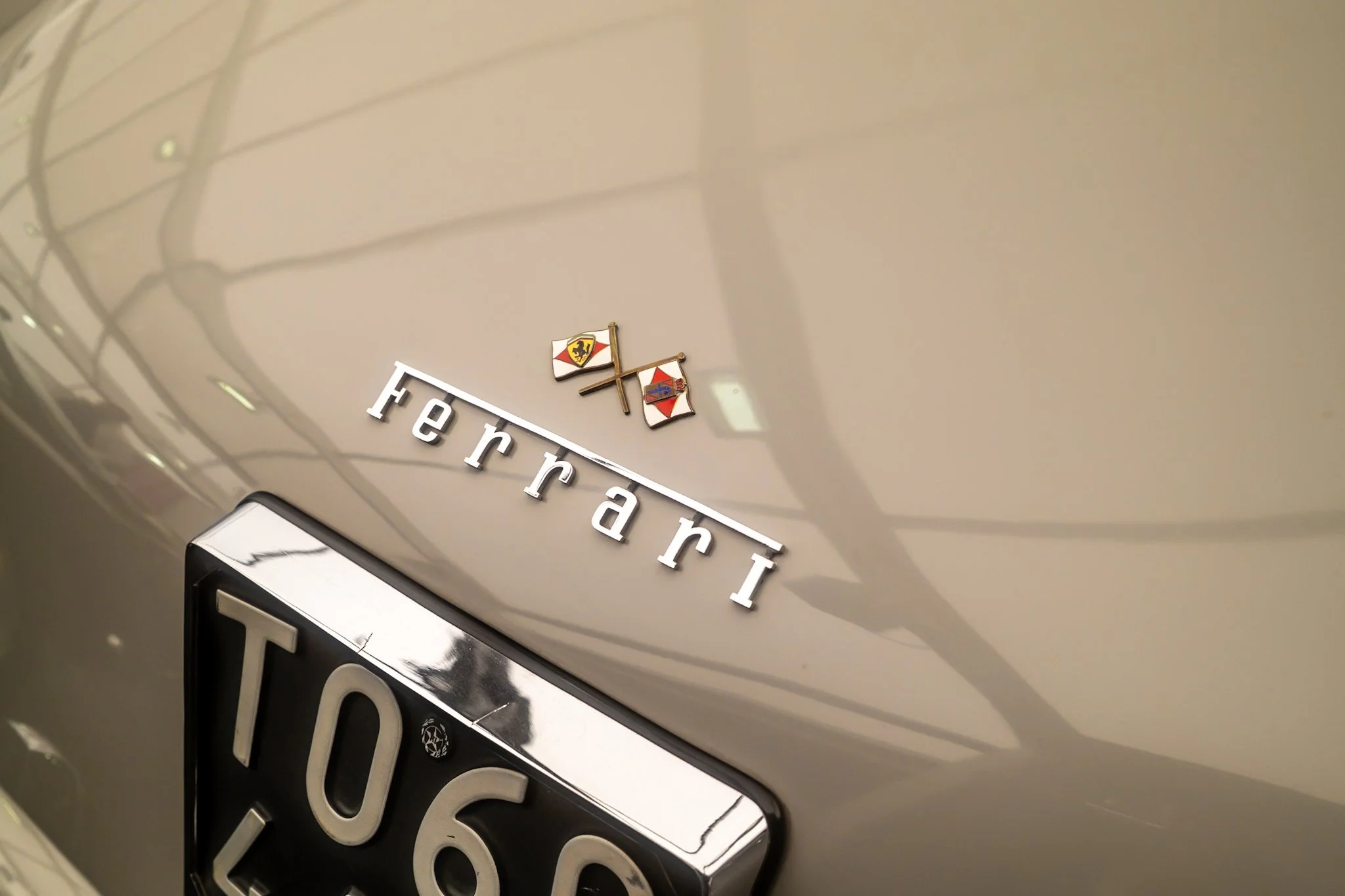
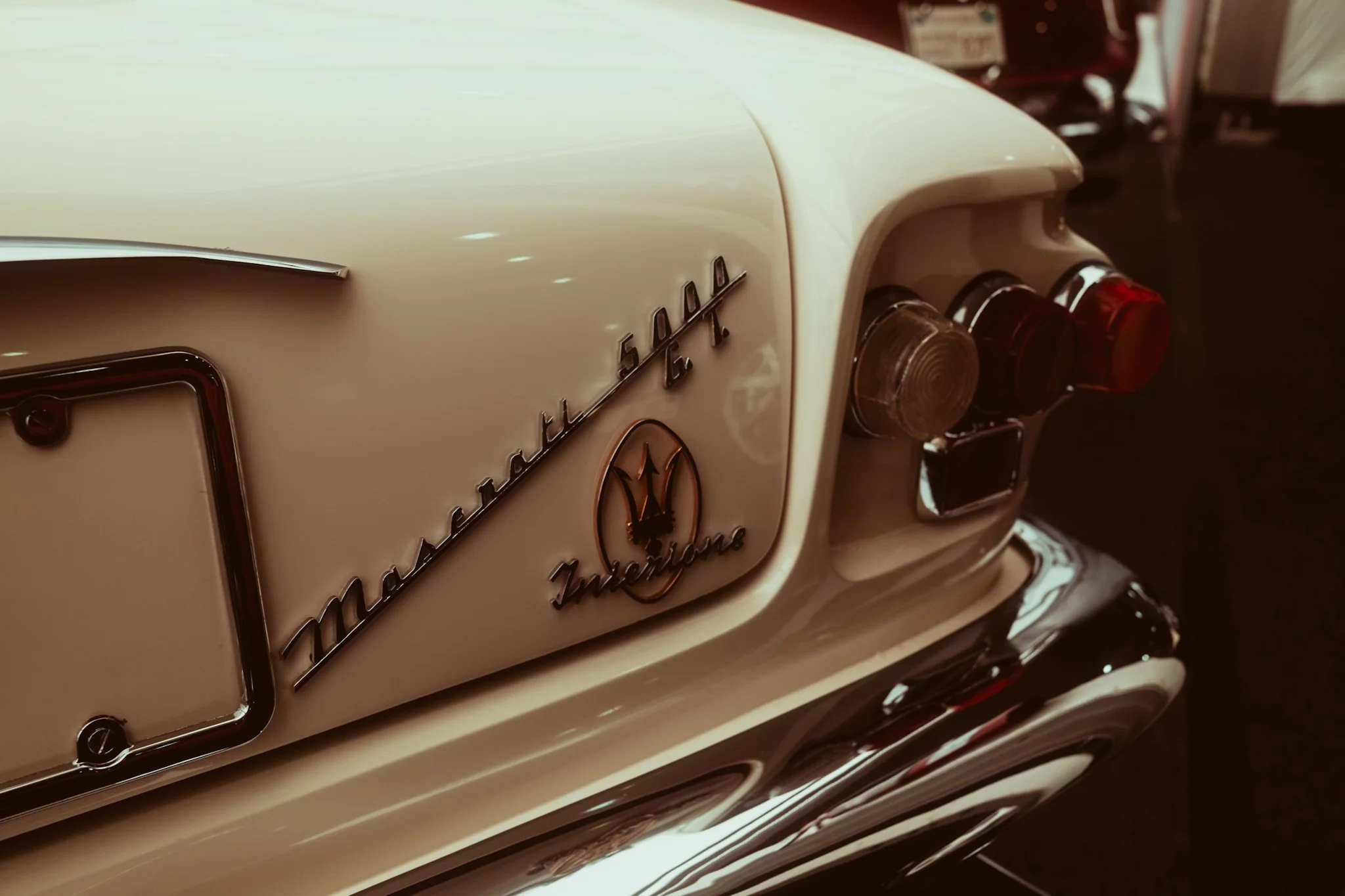
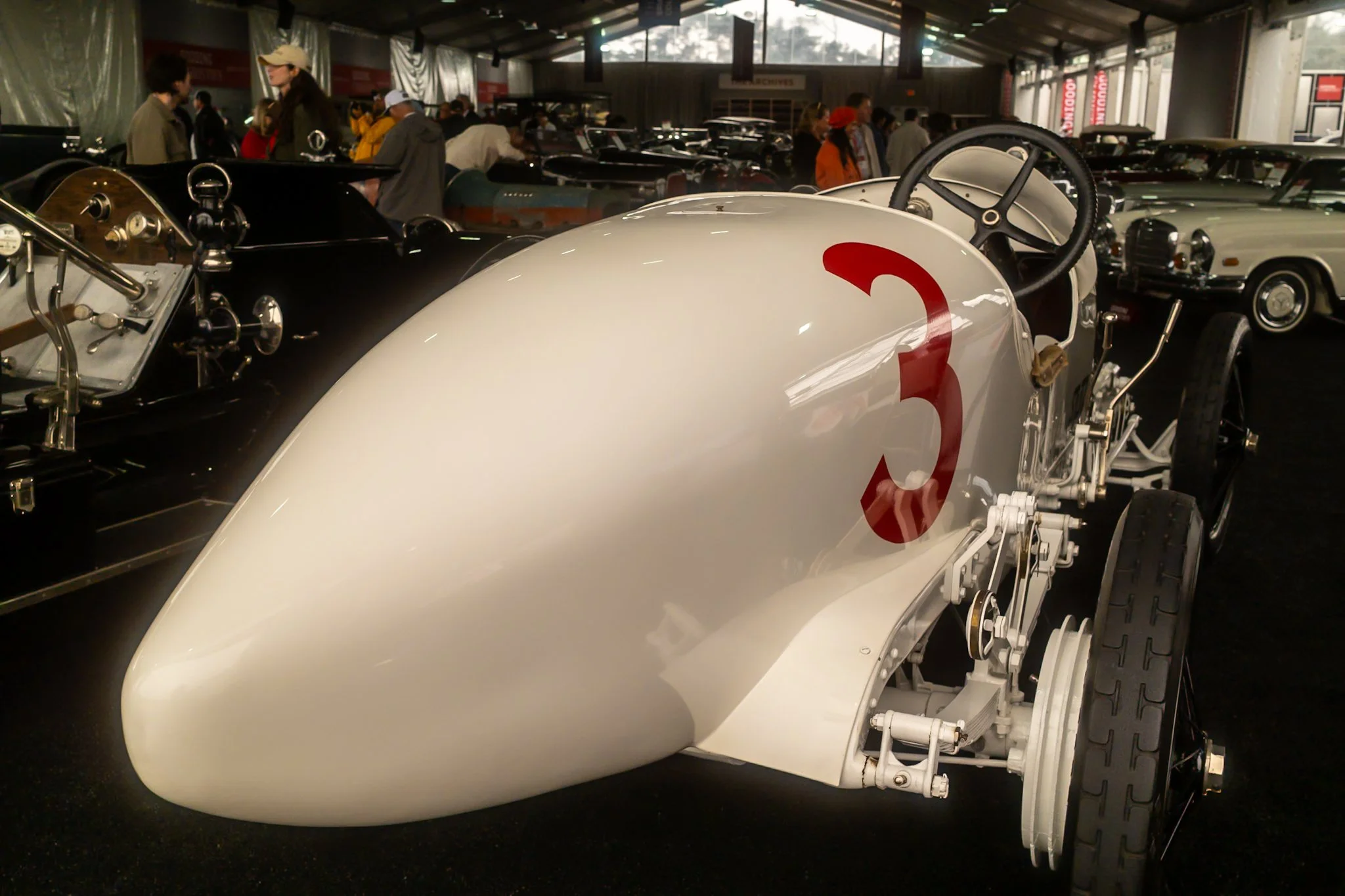
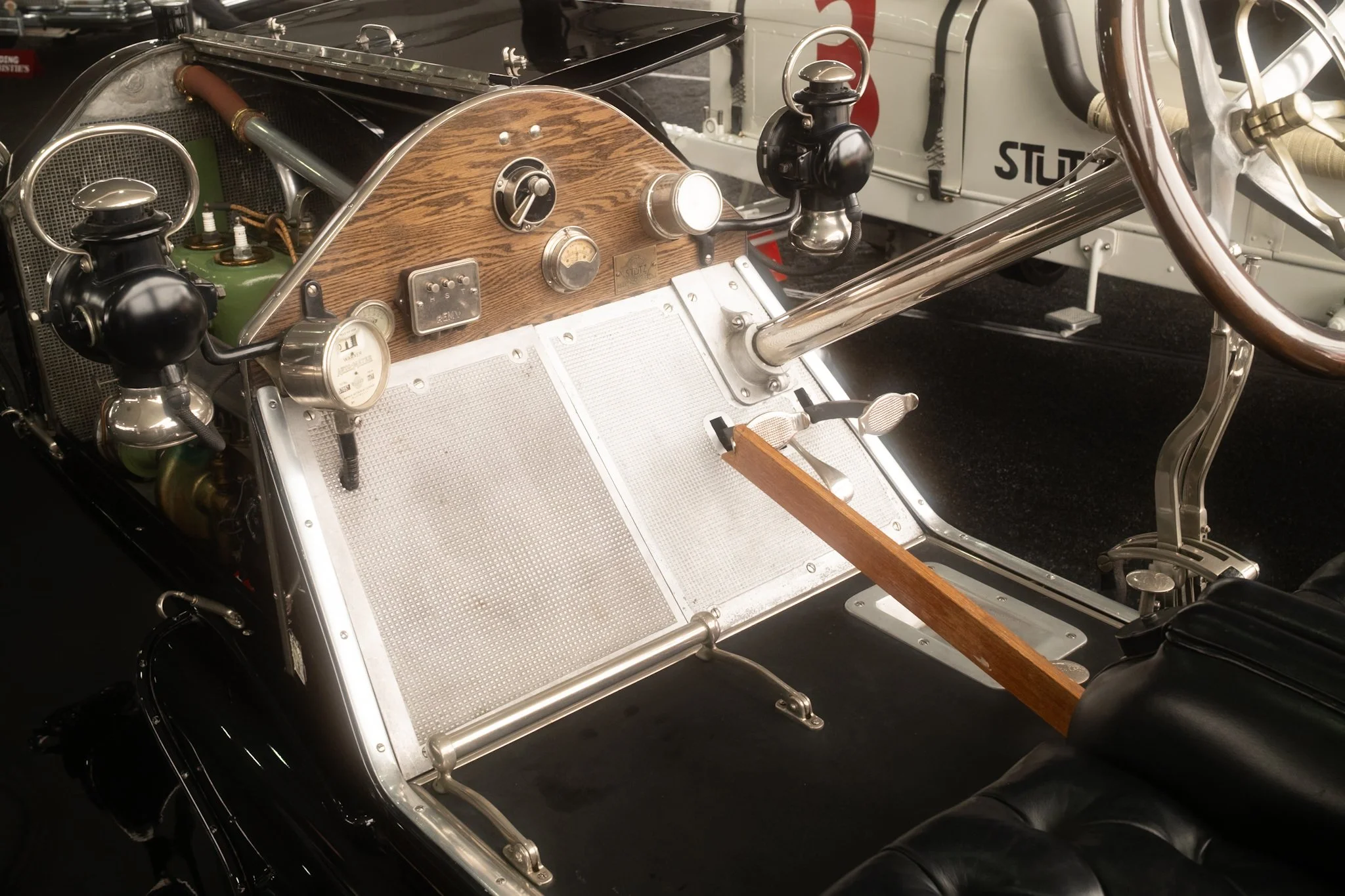
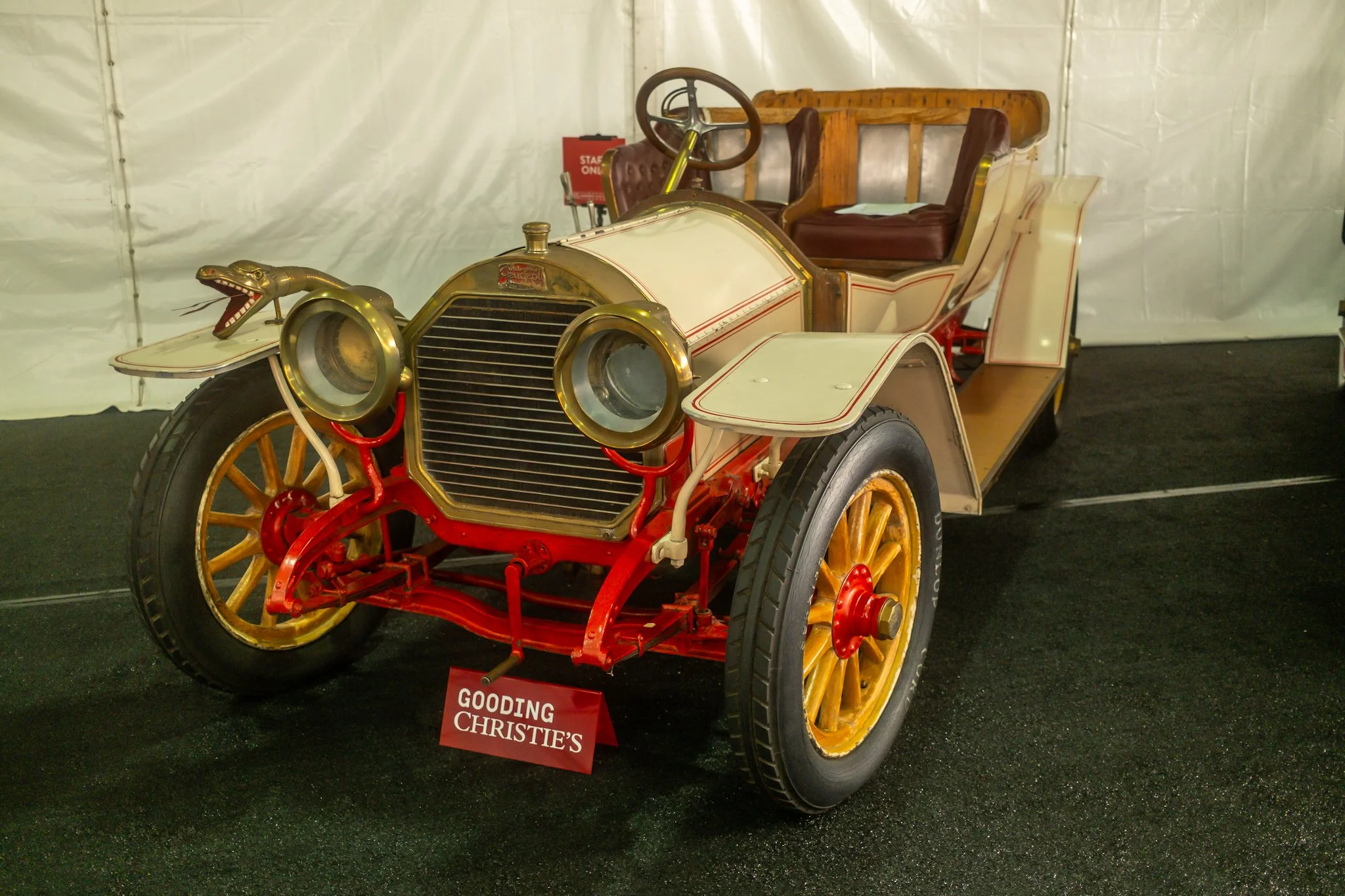
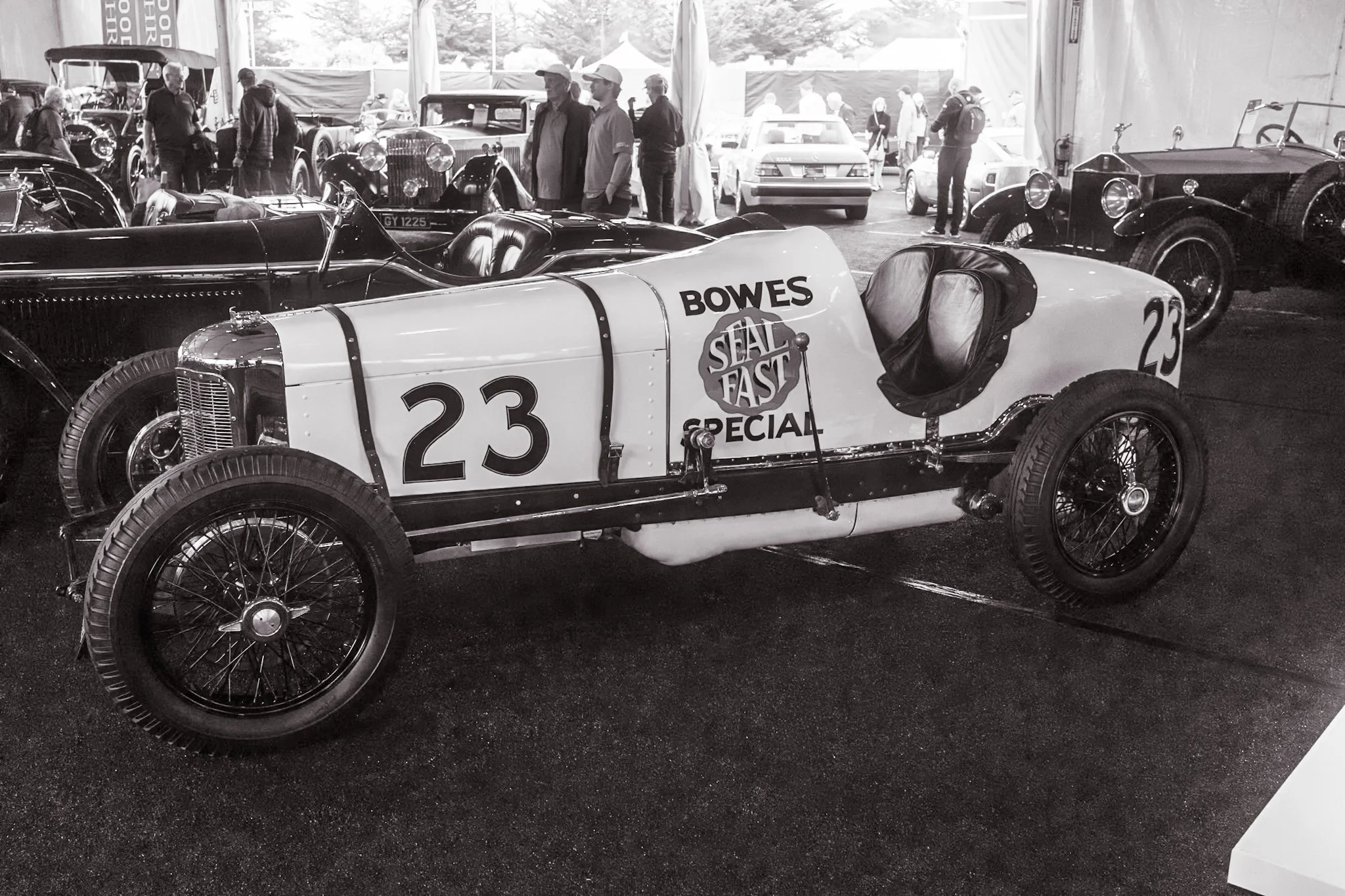
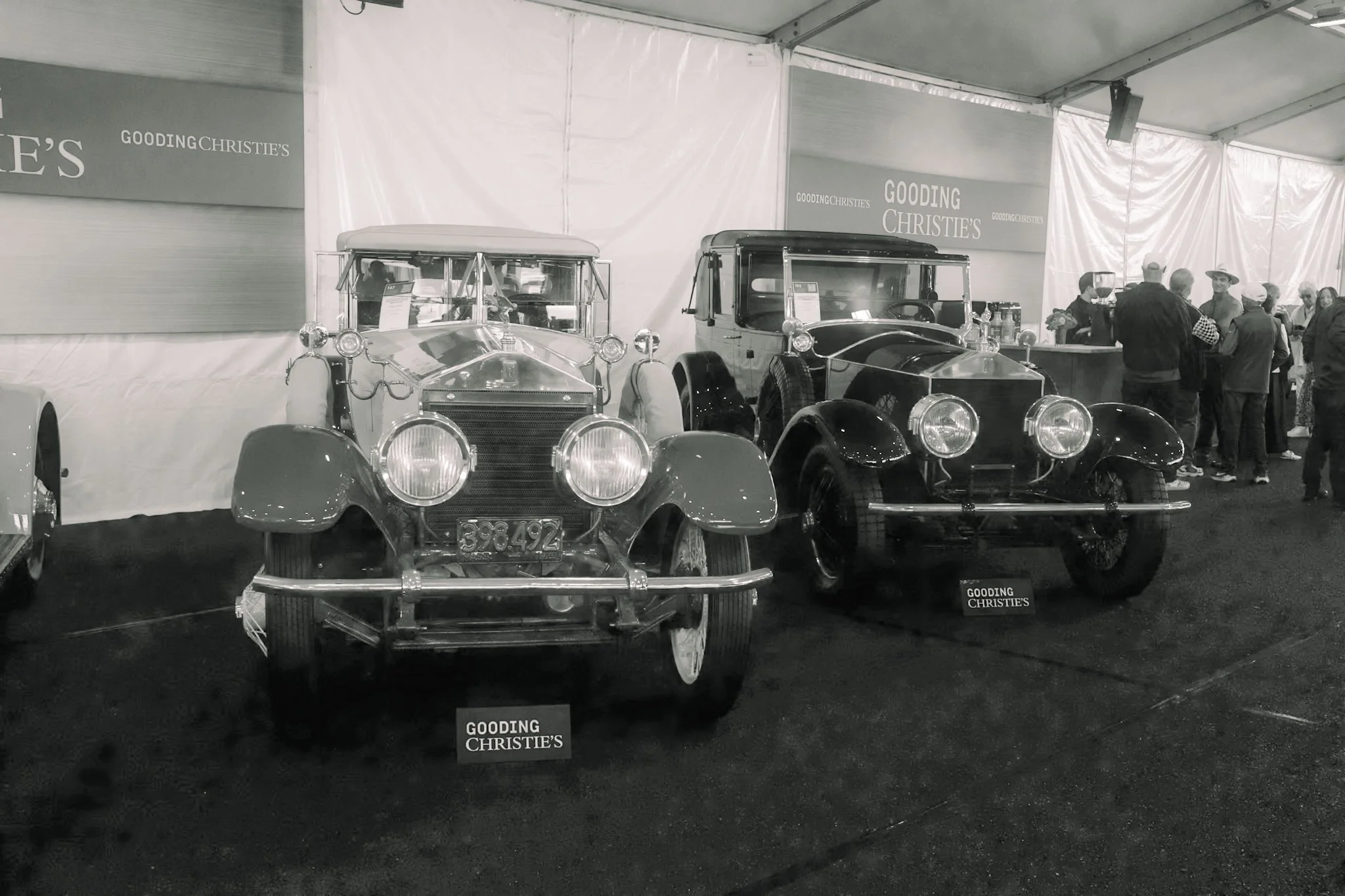
As usual, we have included a mega gallery below to give you a better idea of what was on offer.