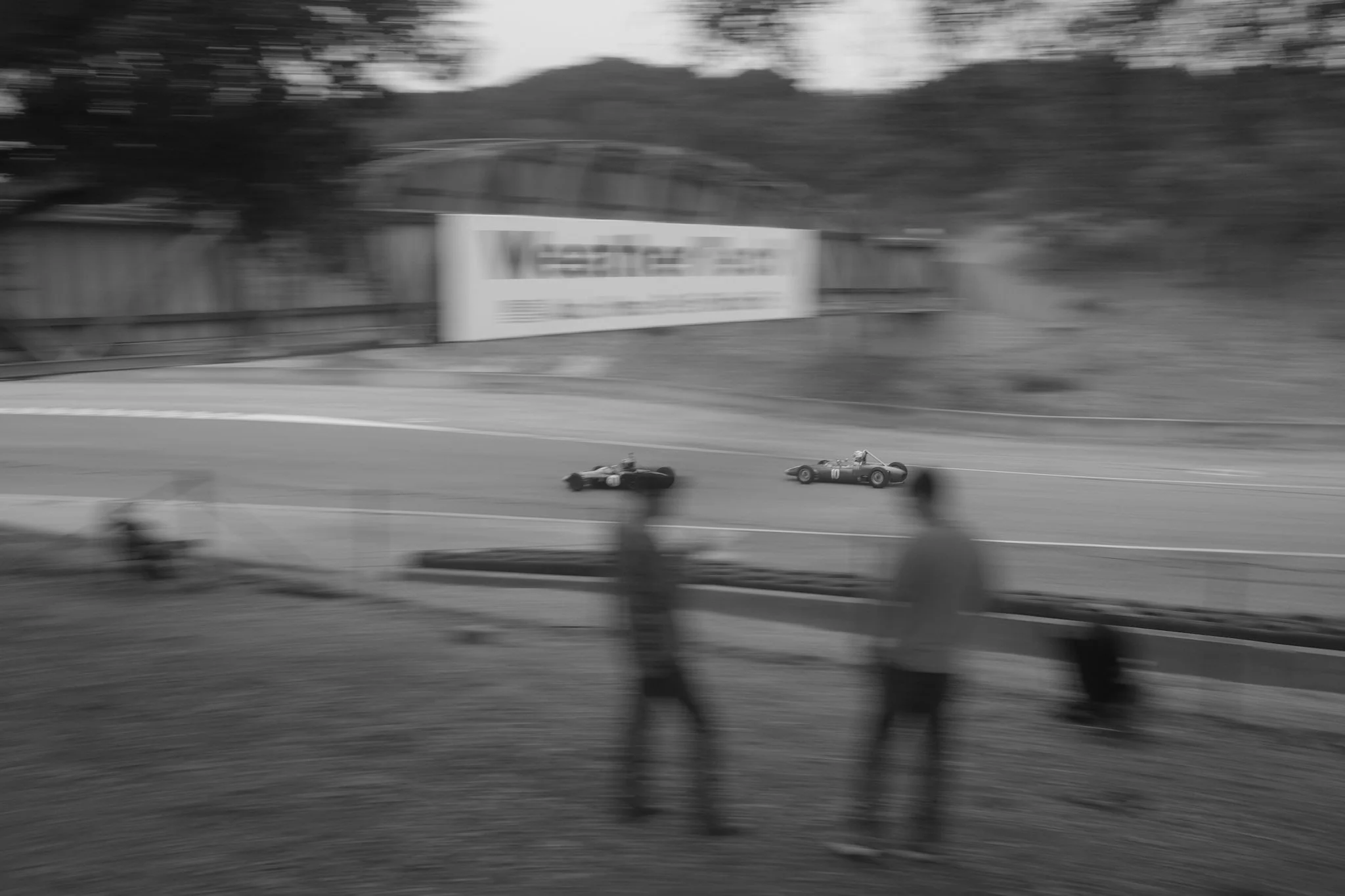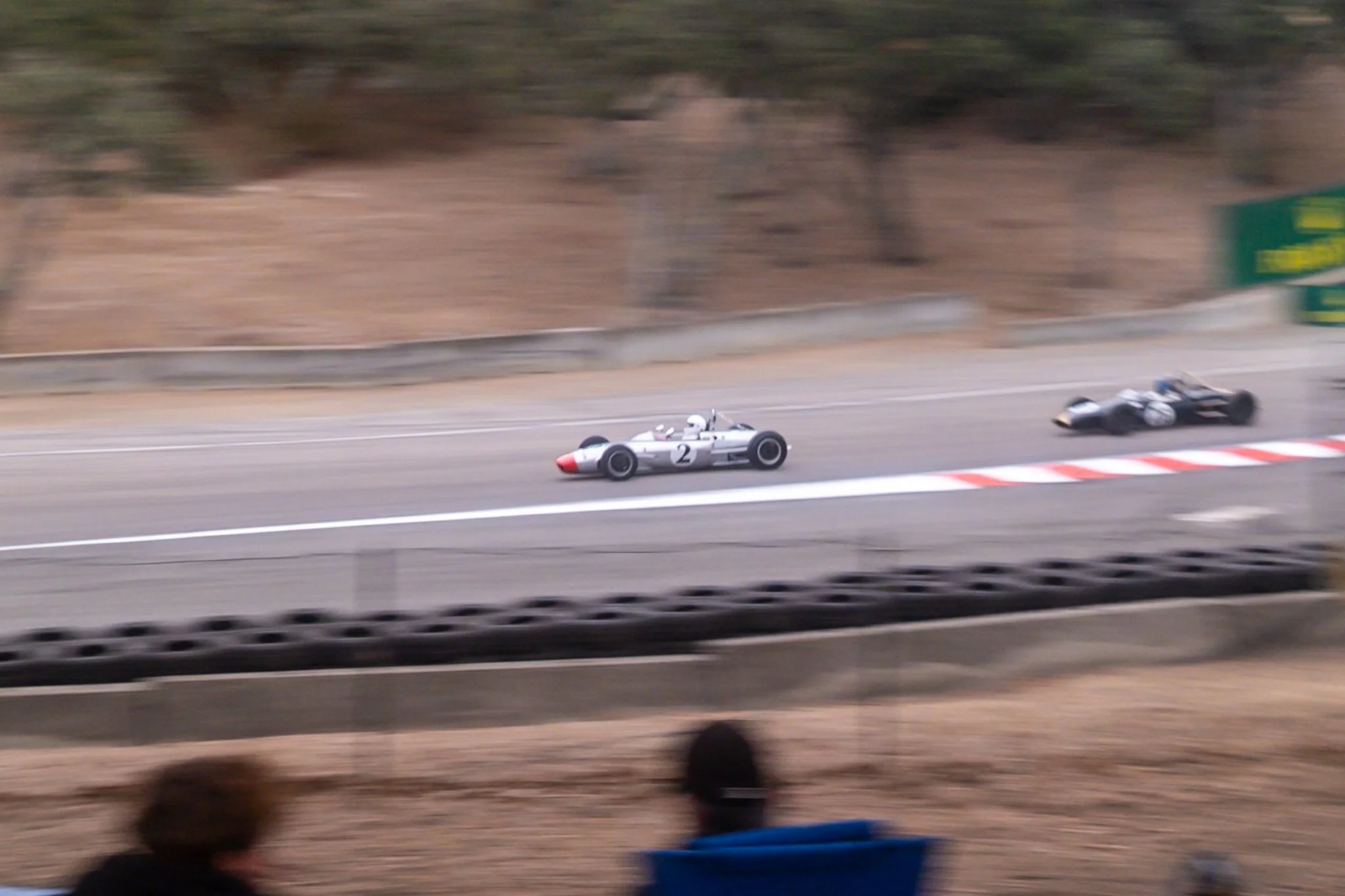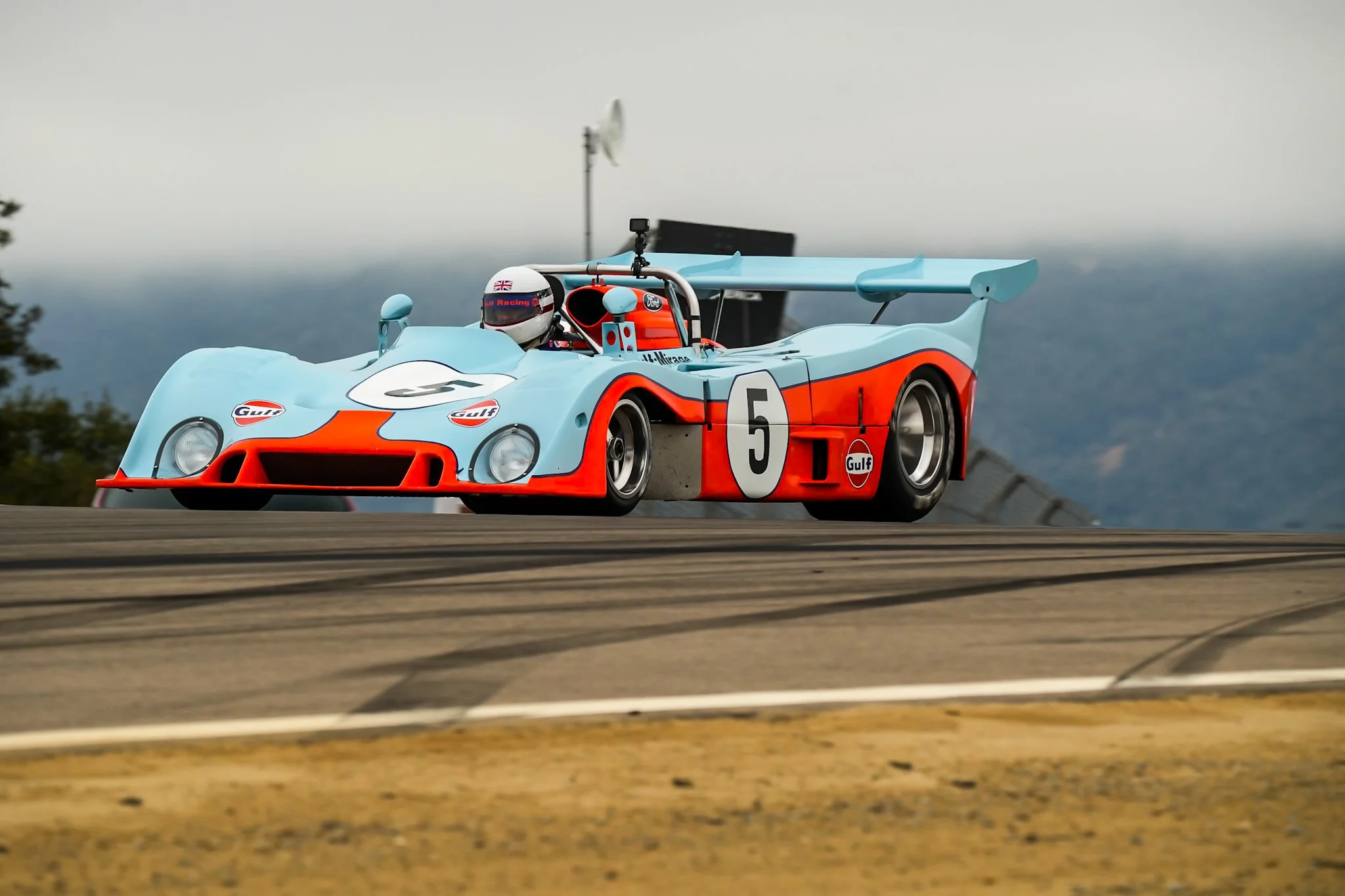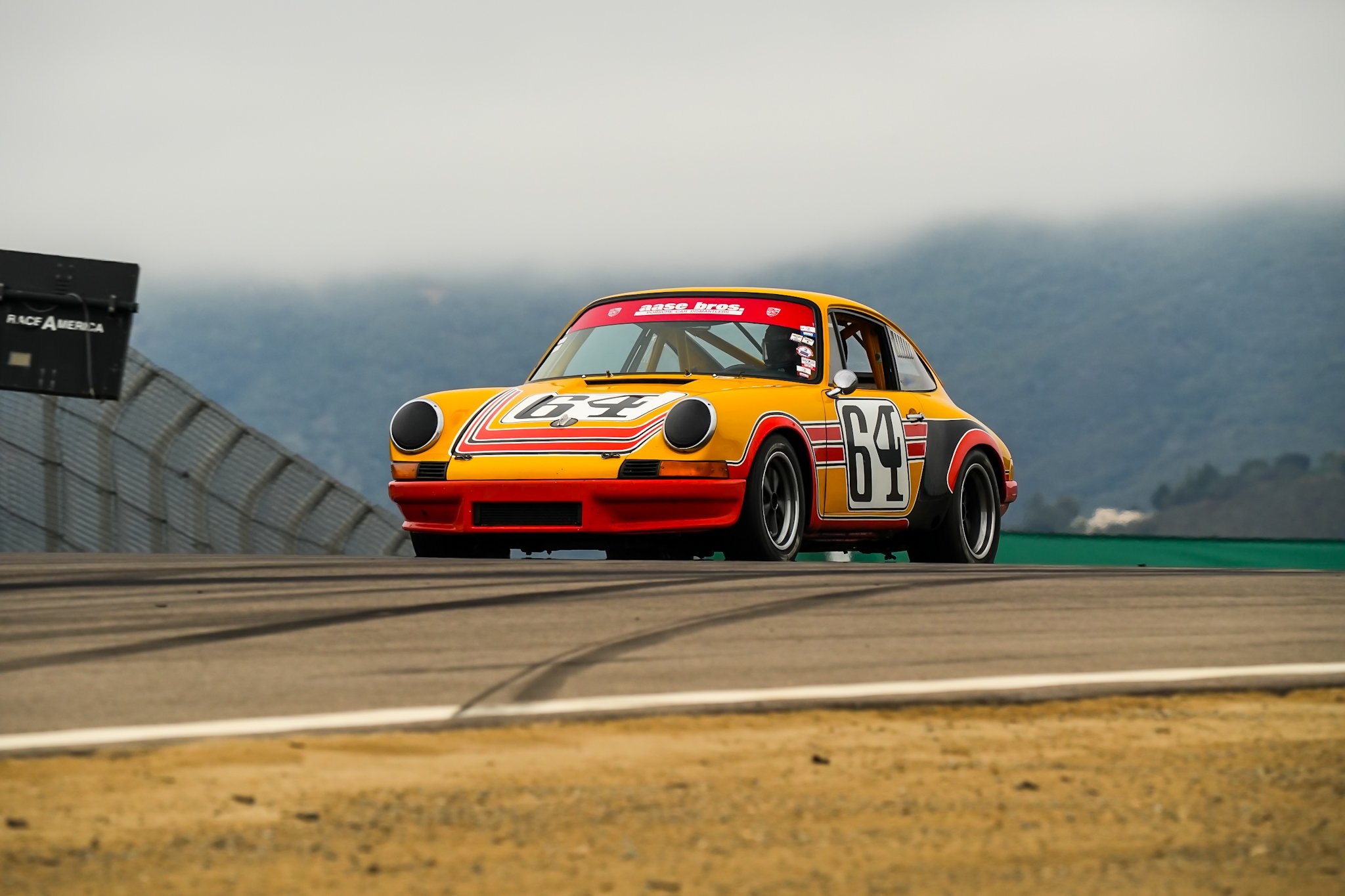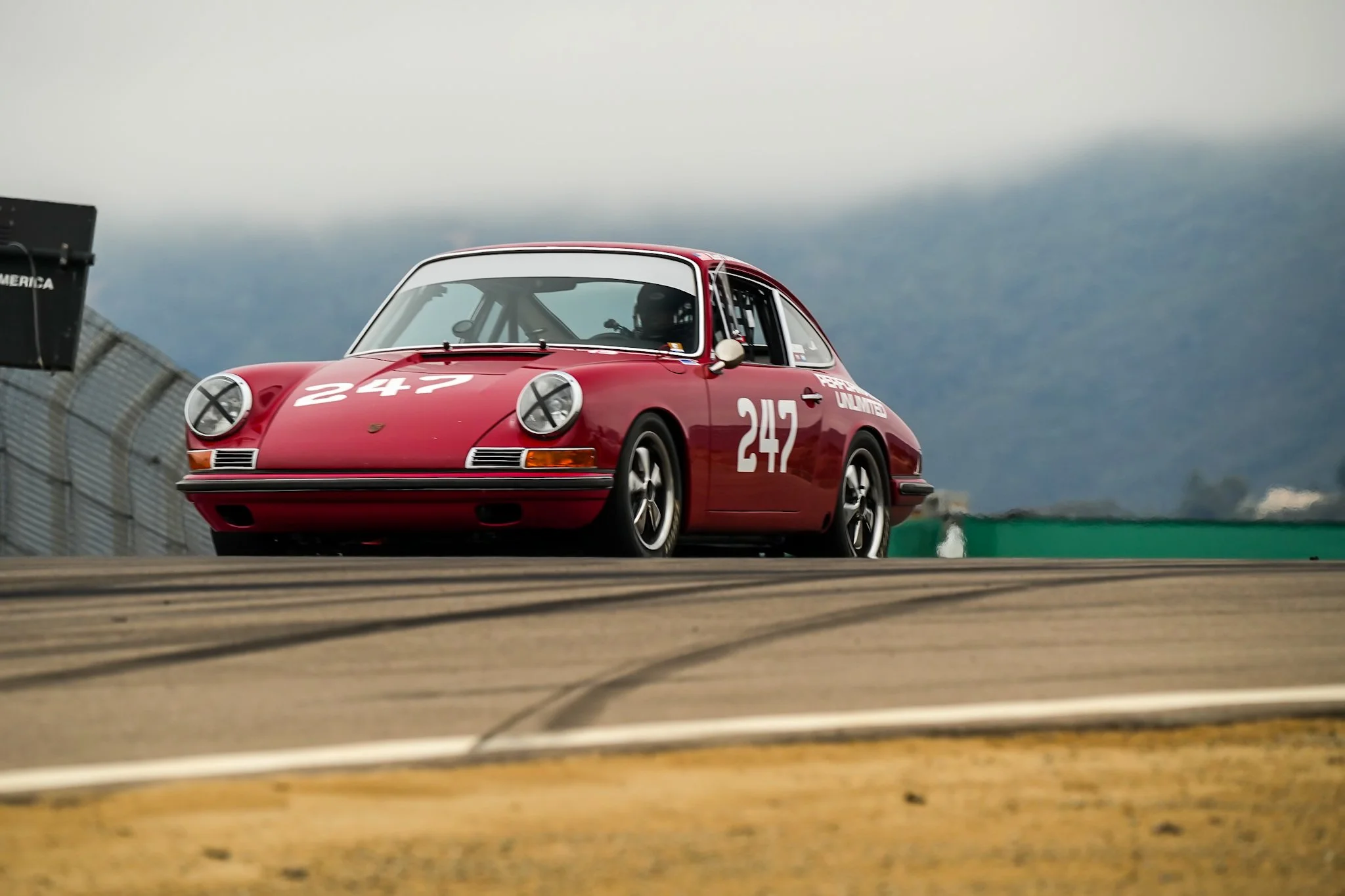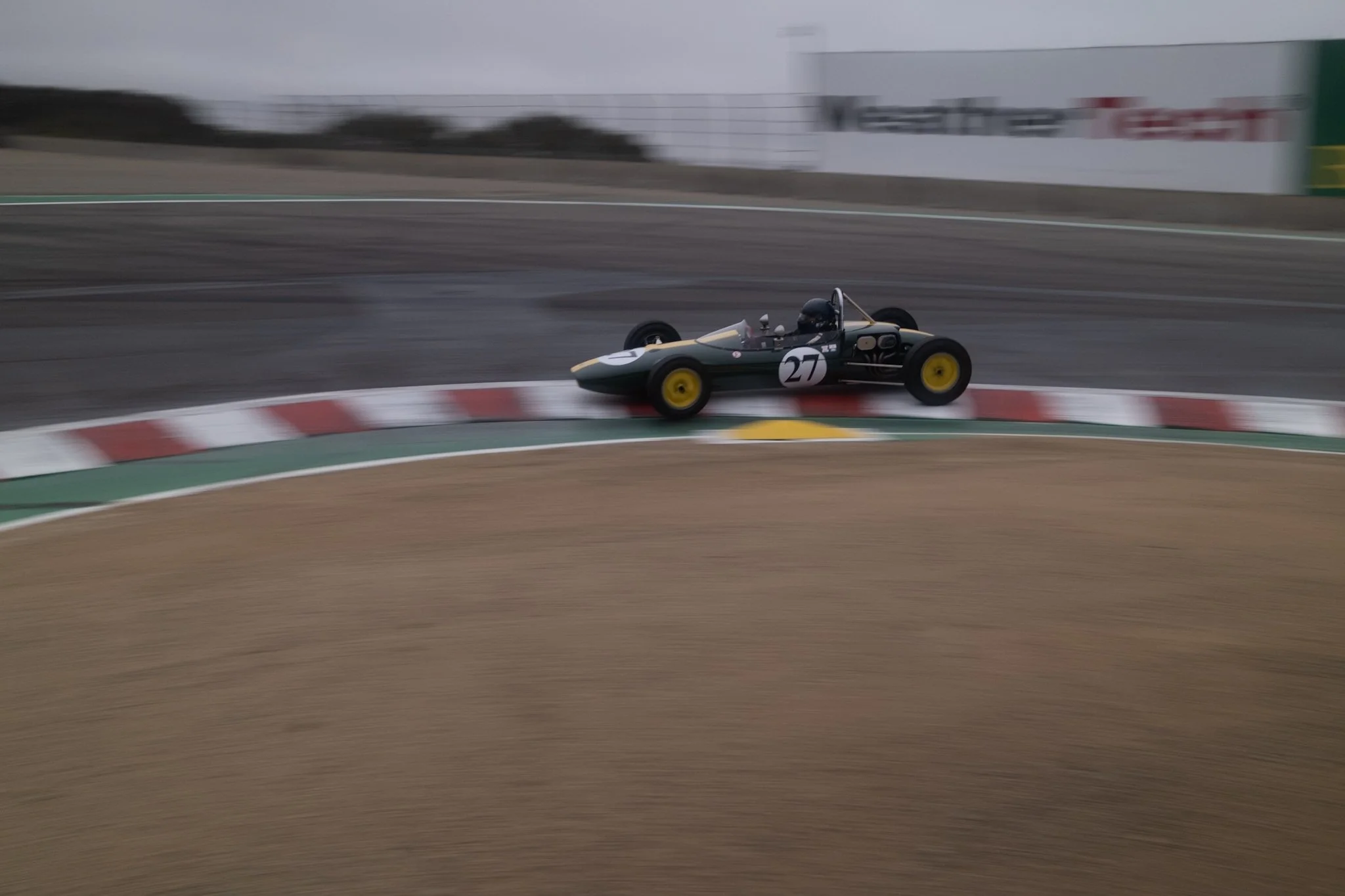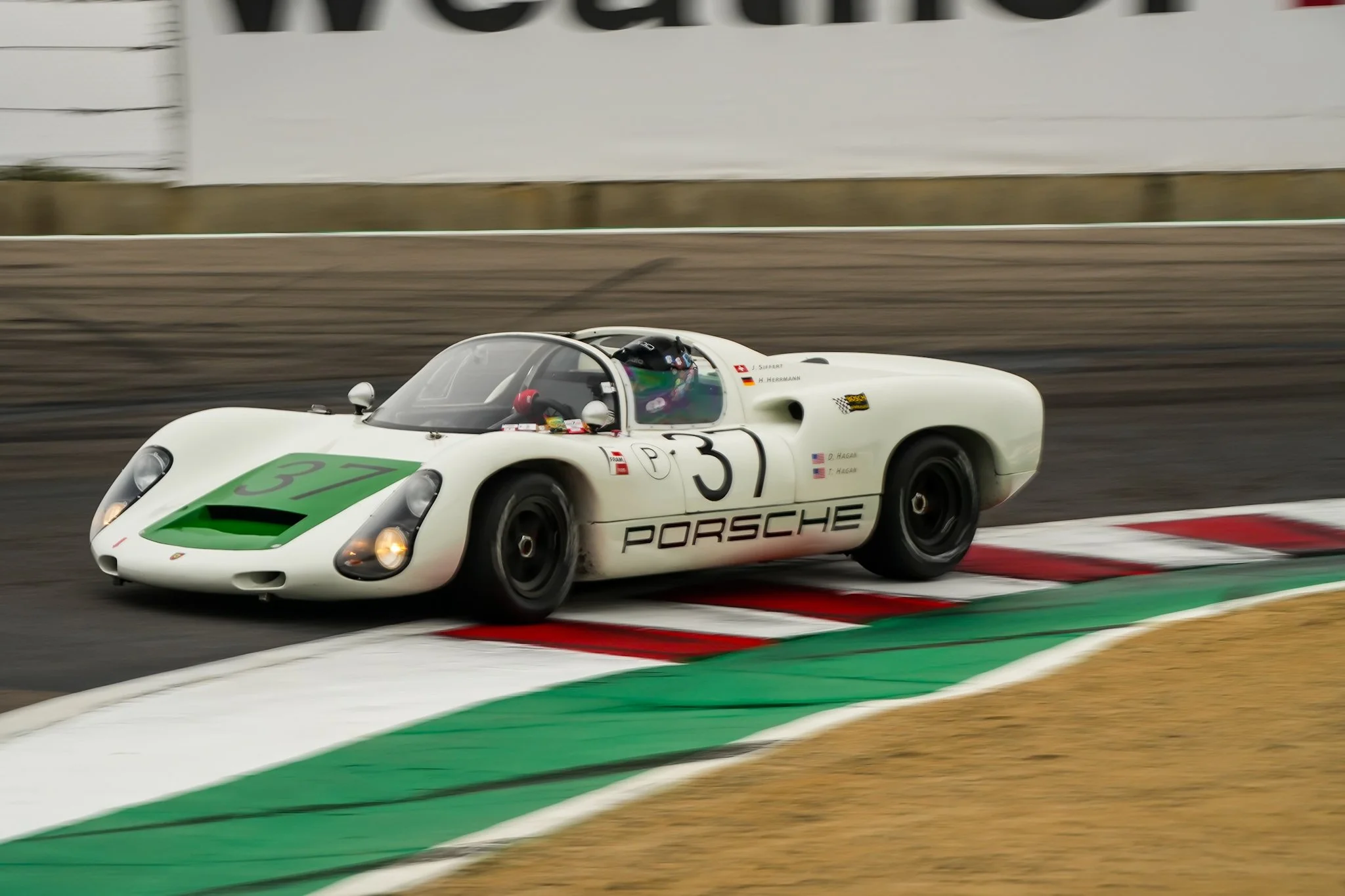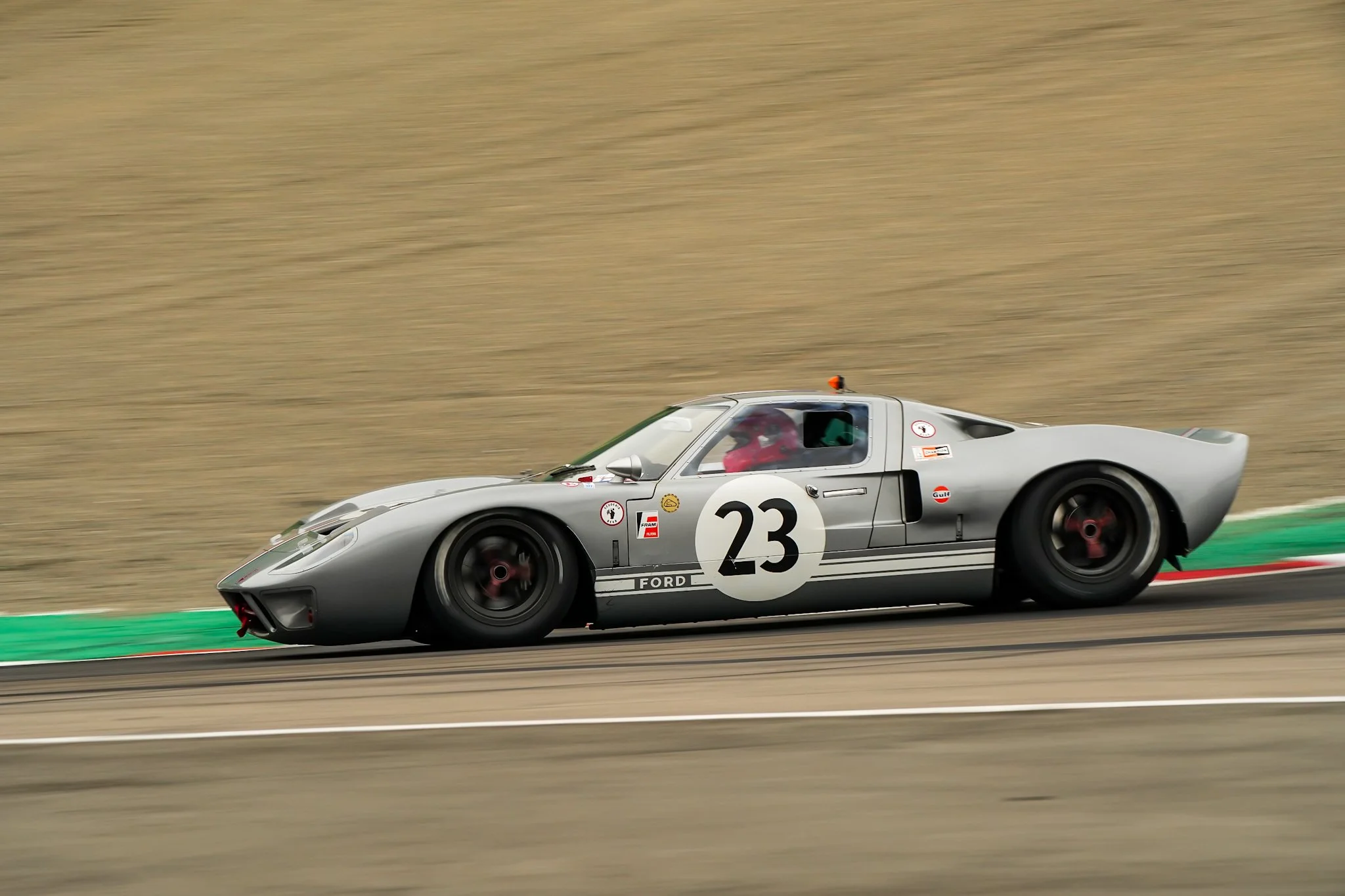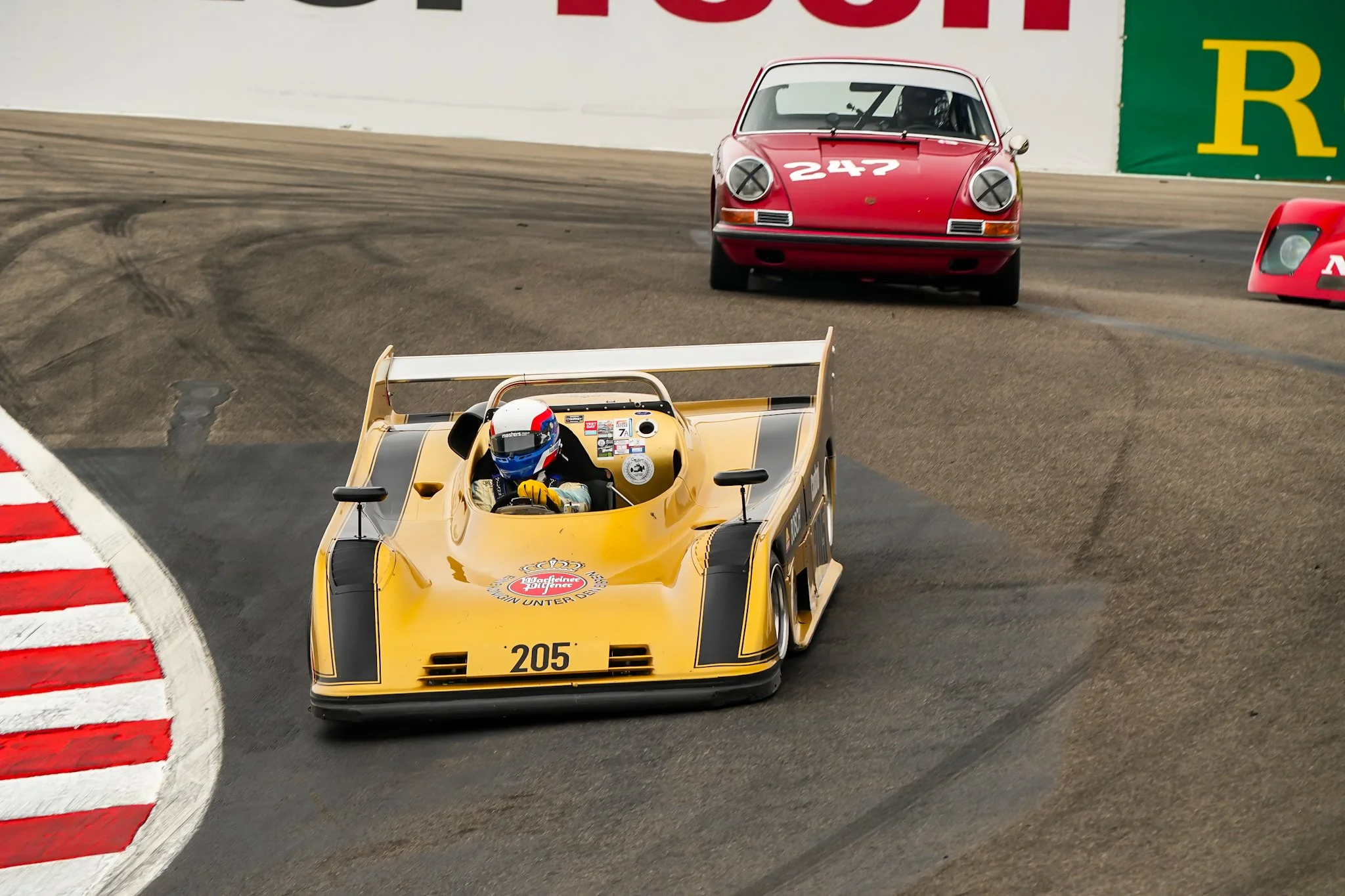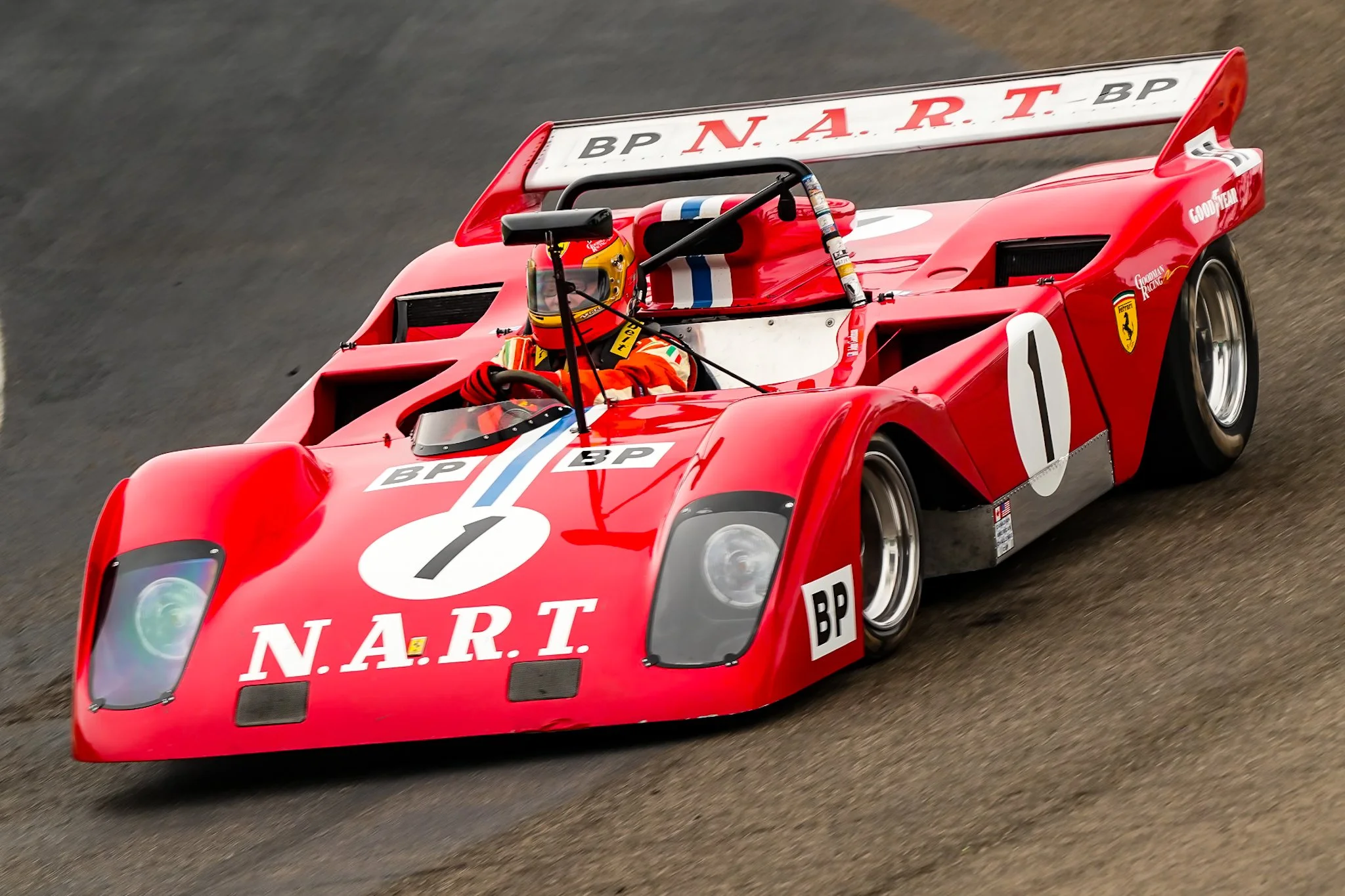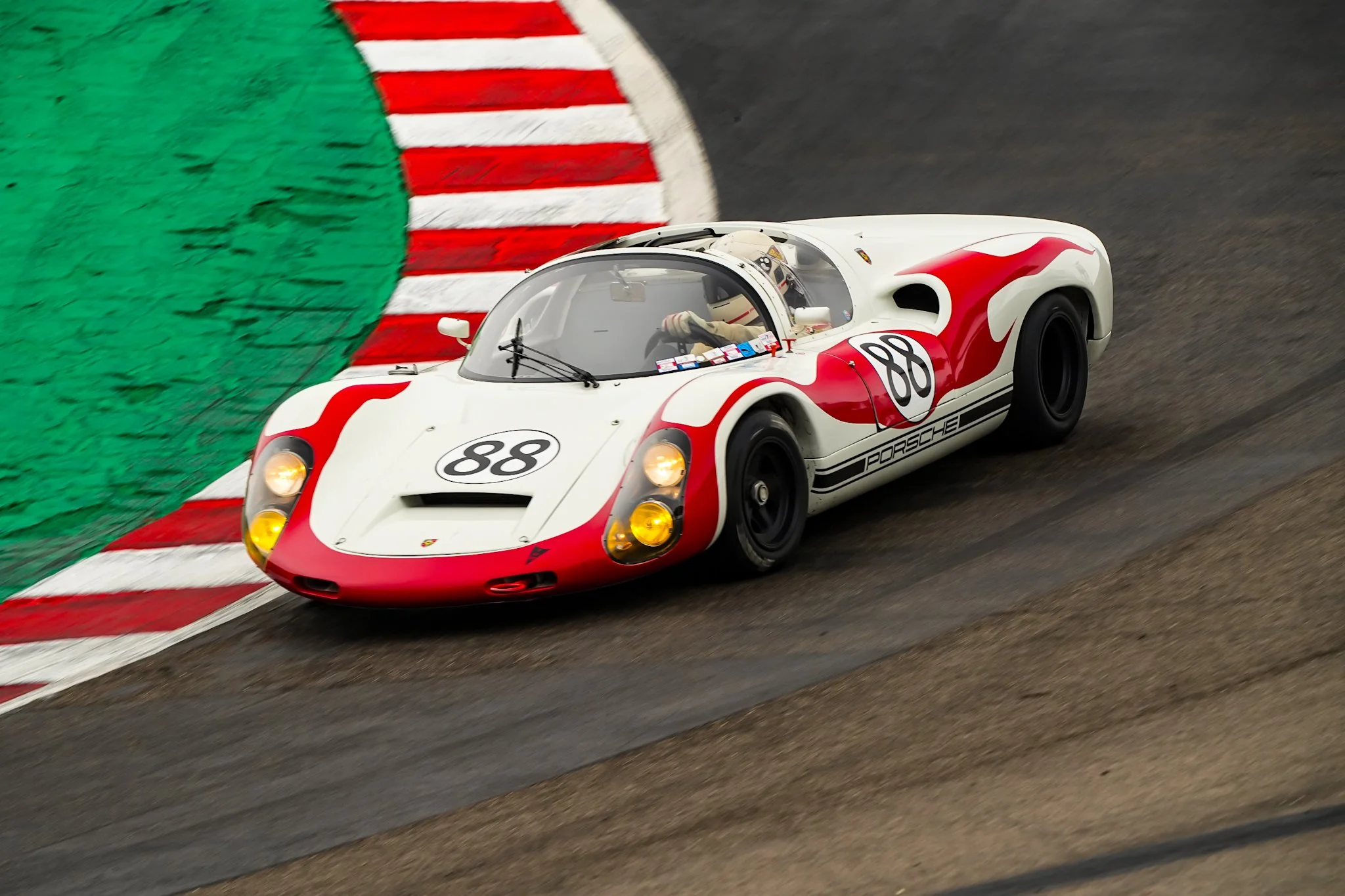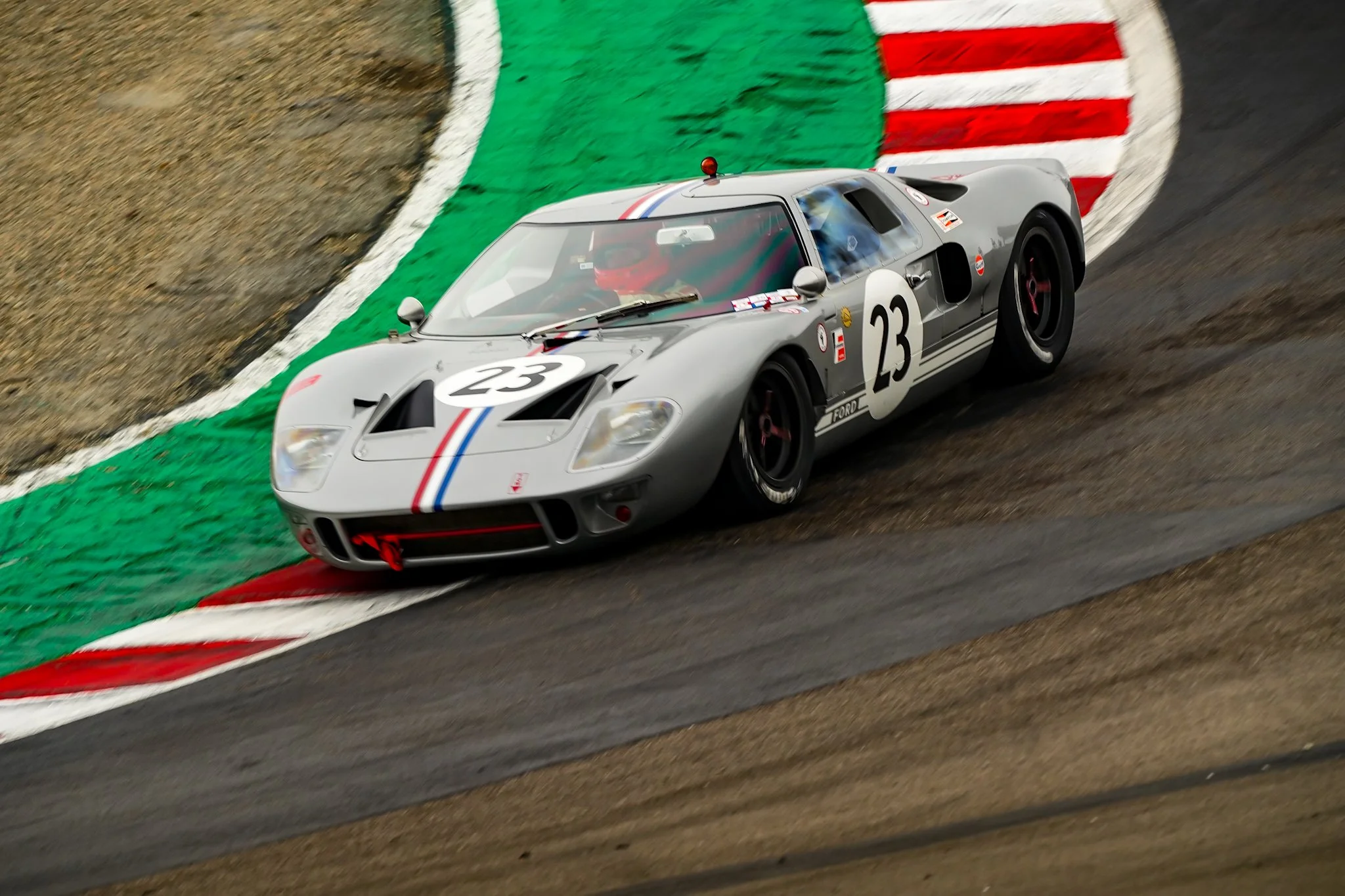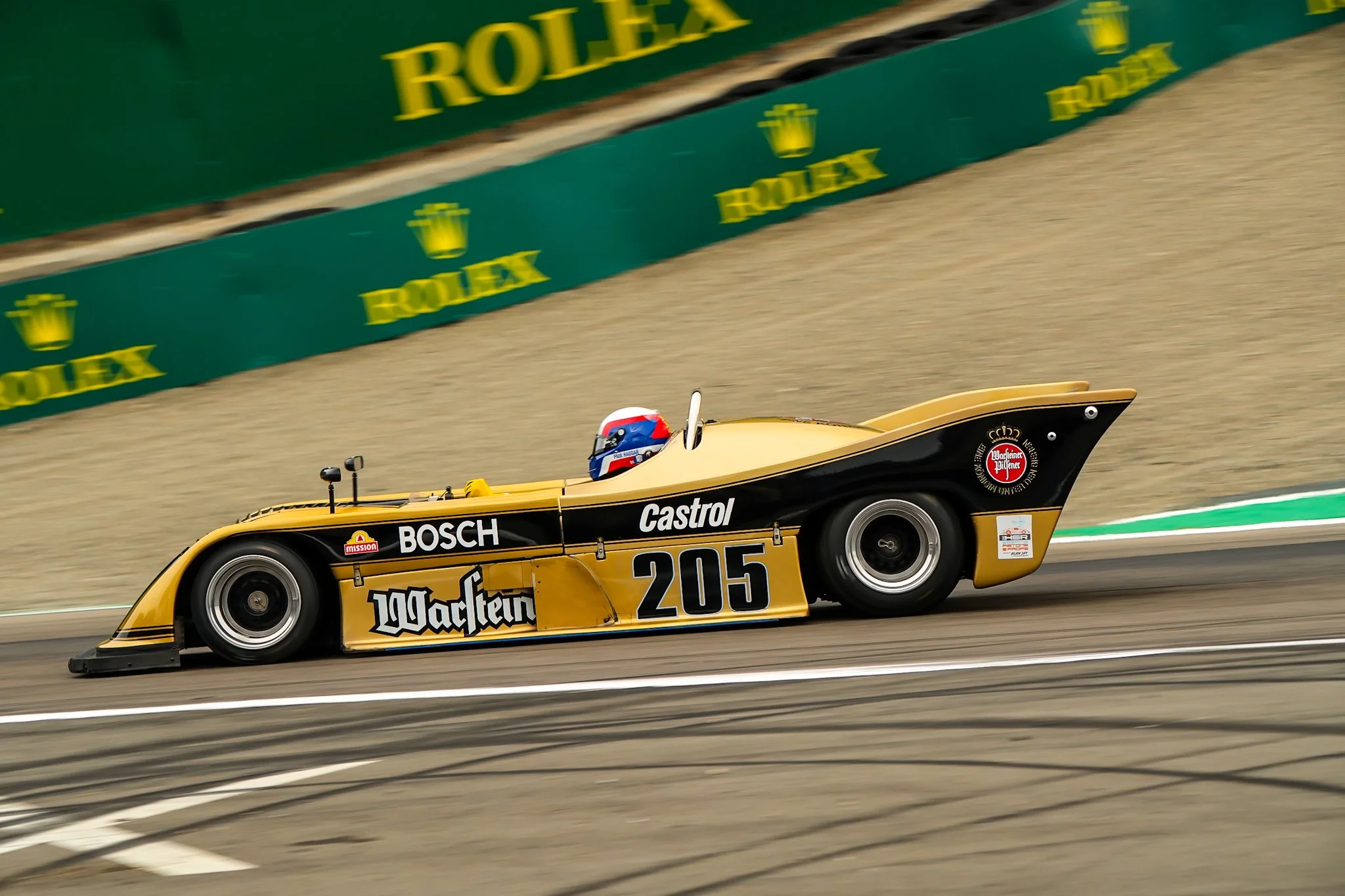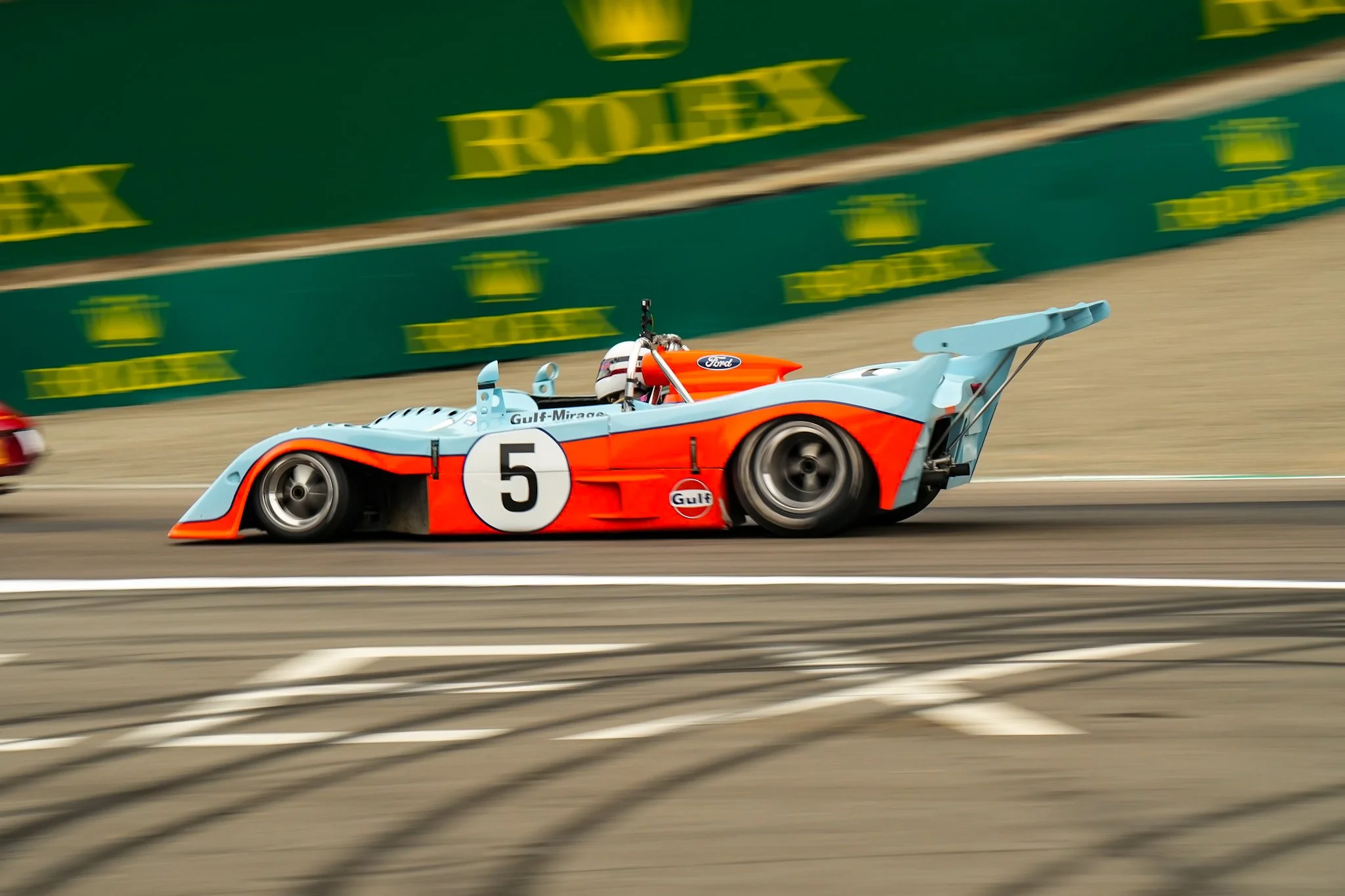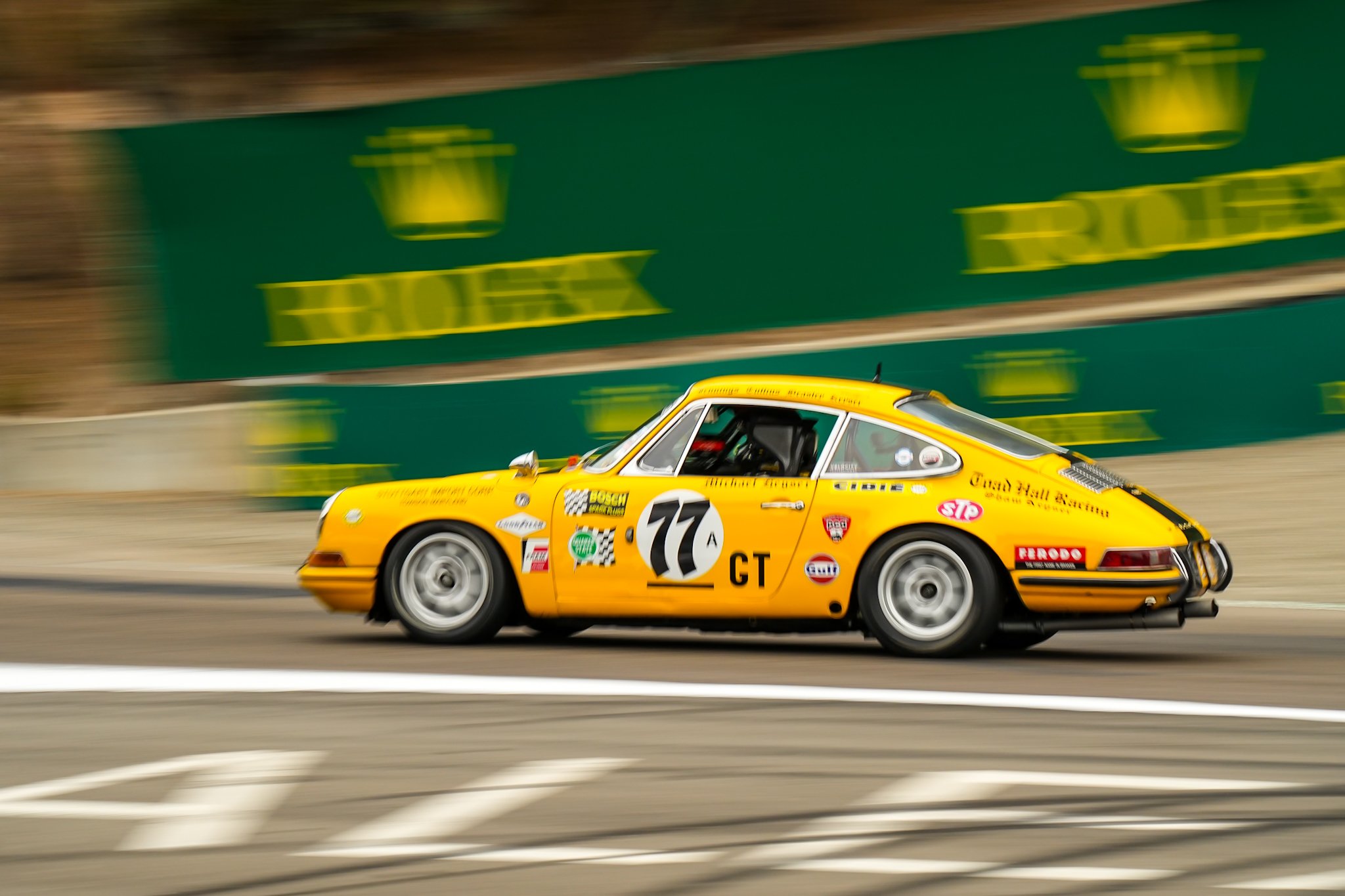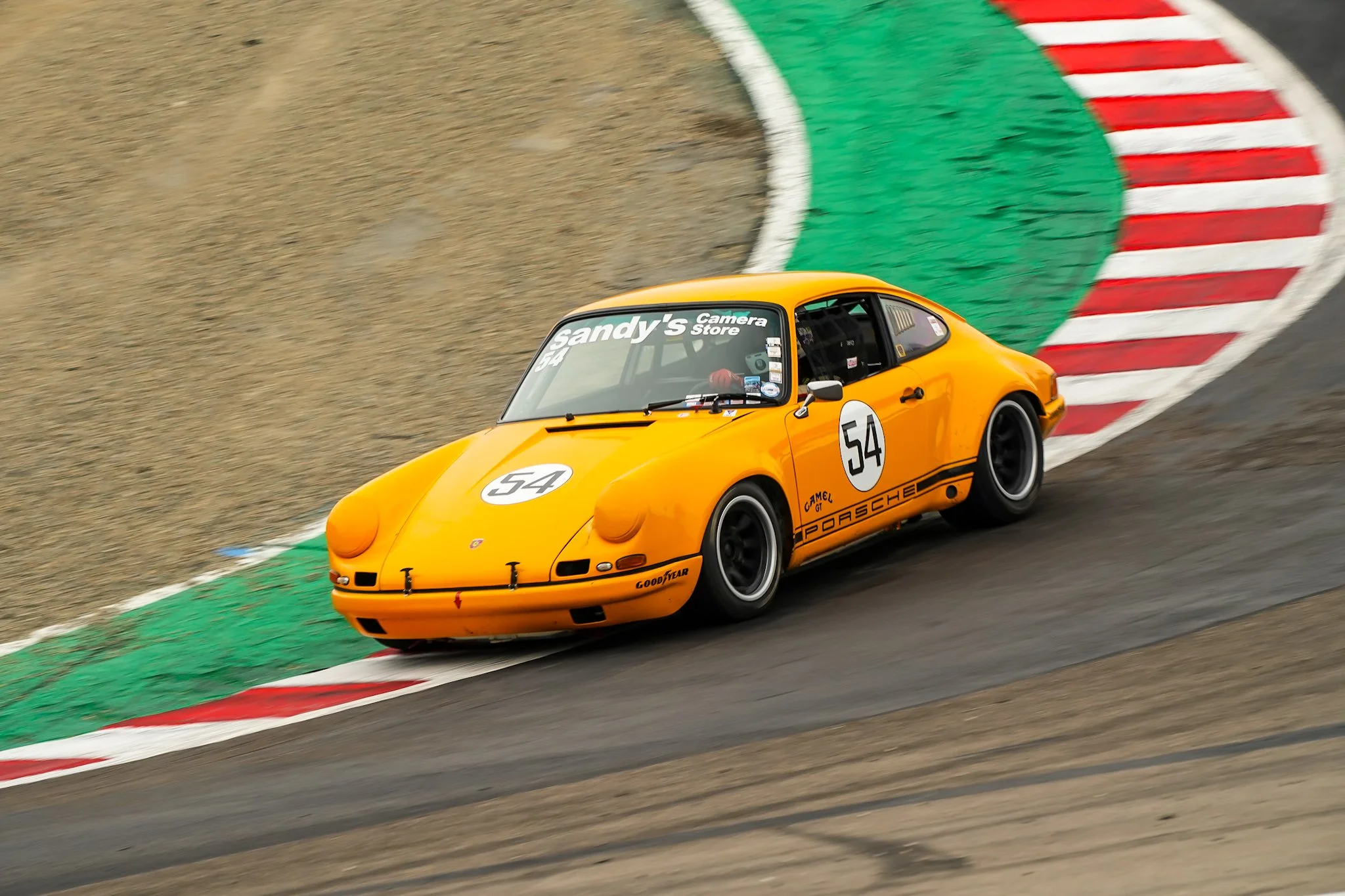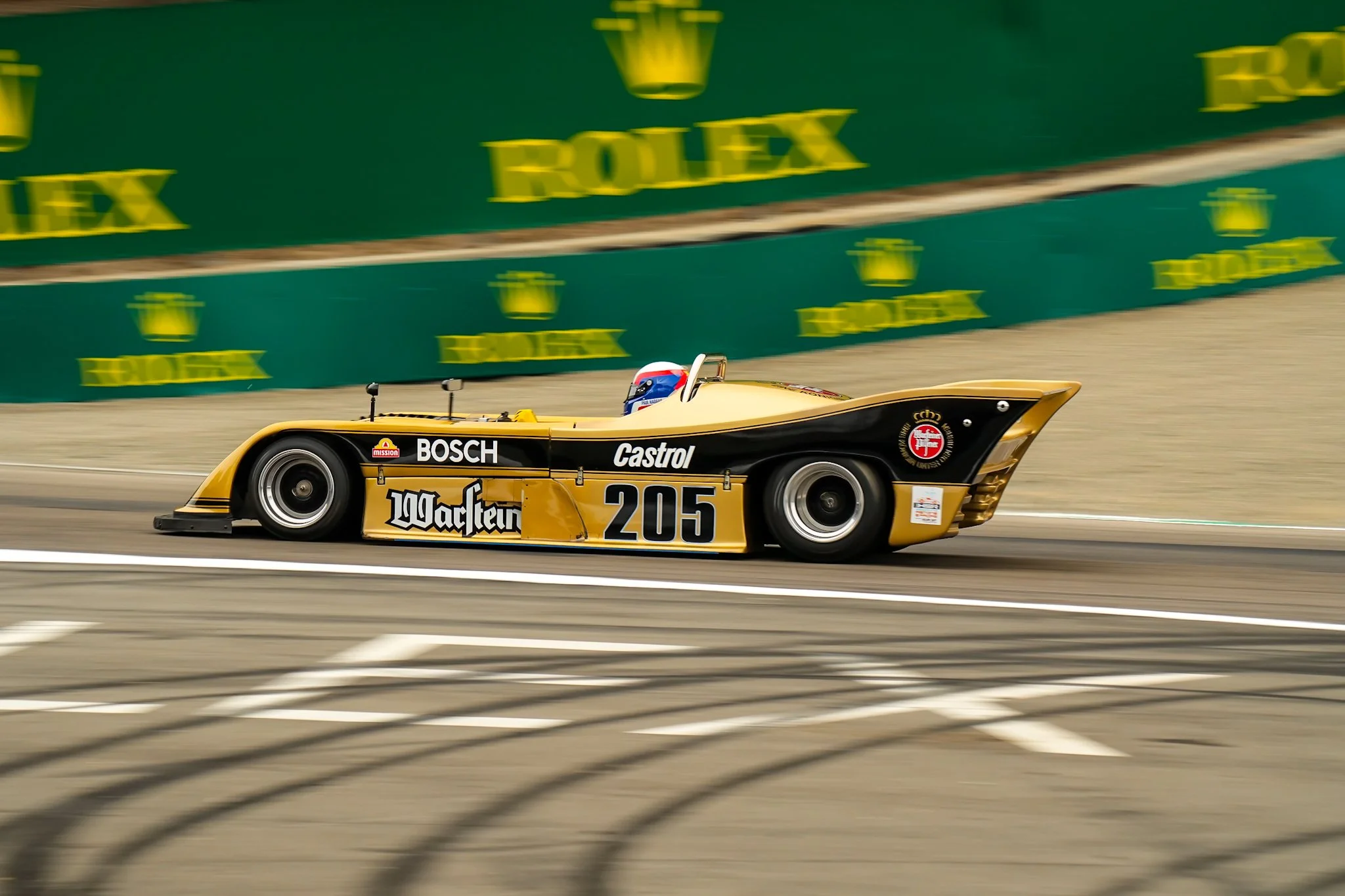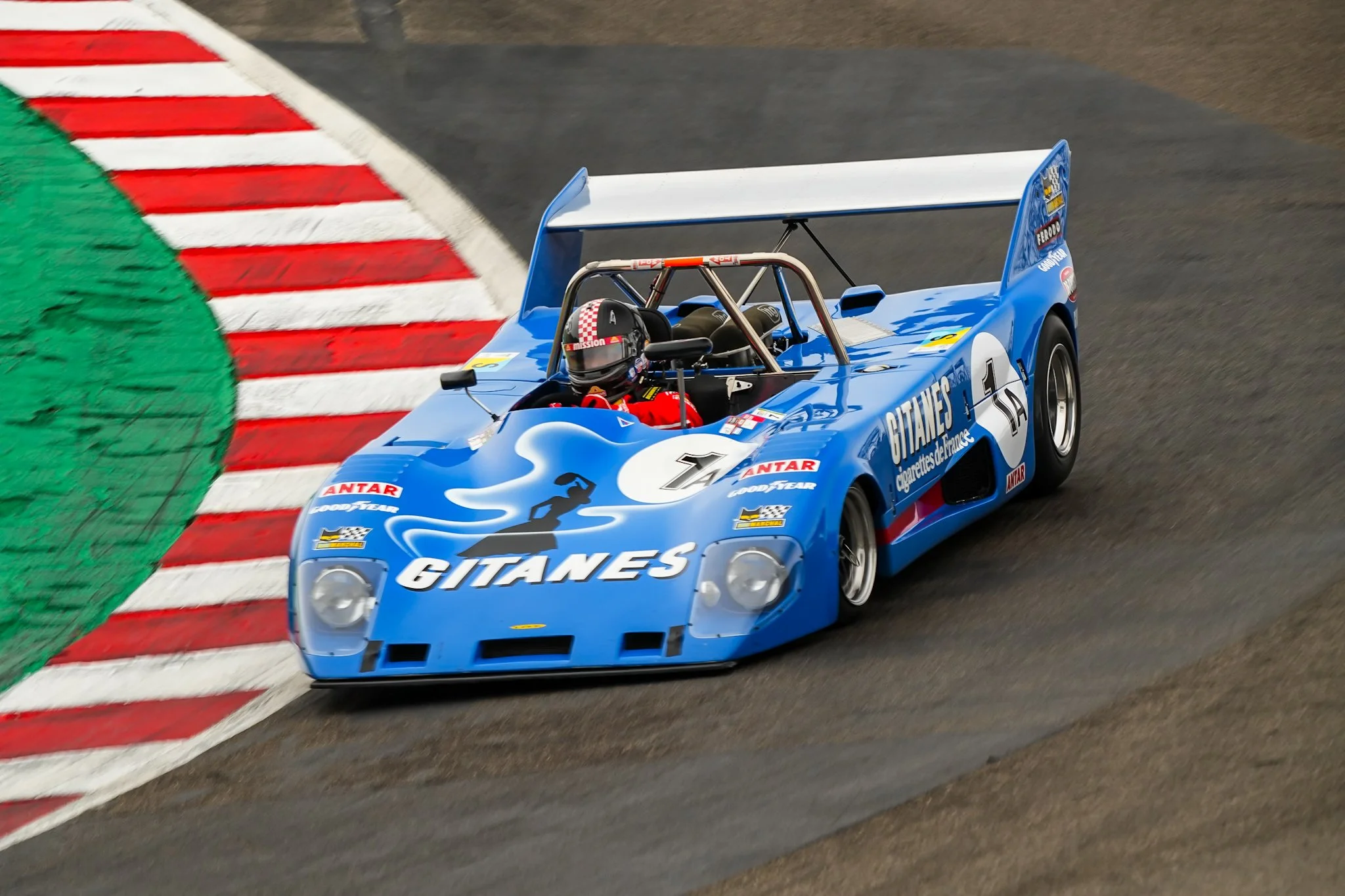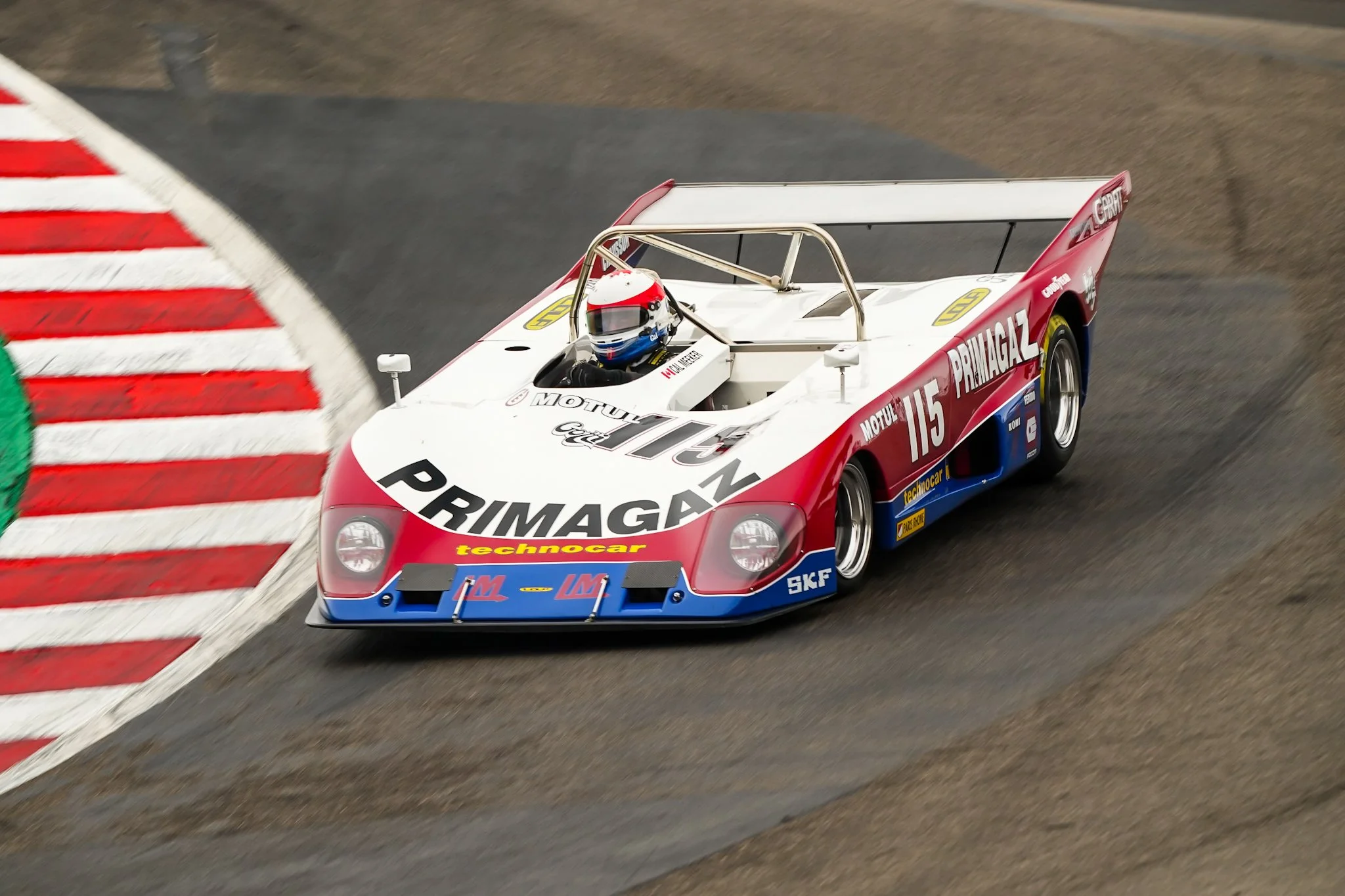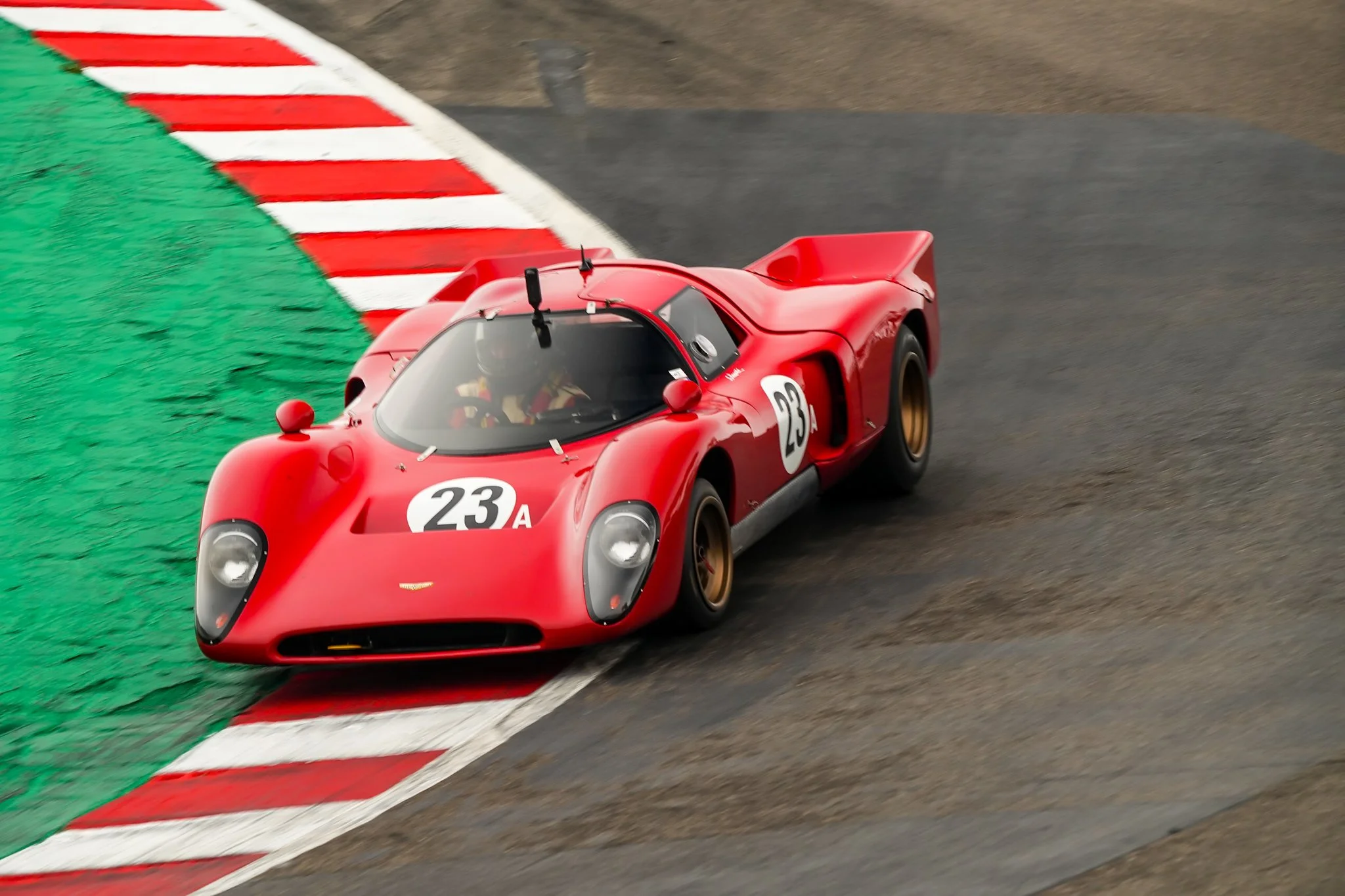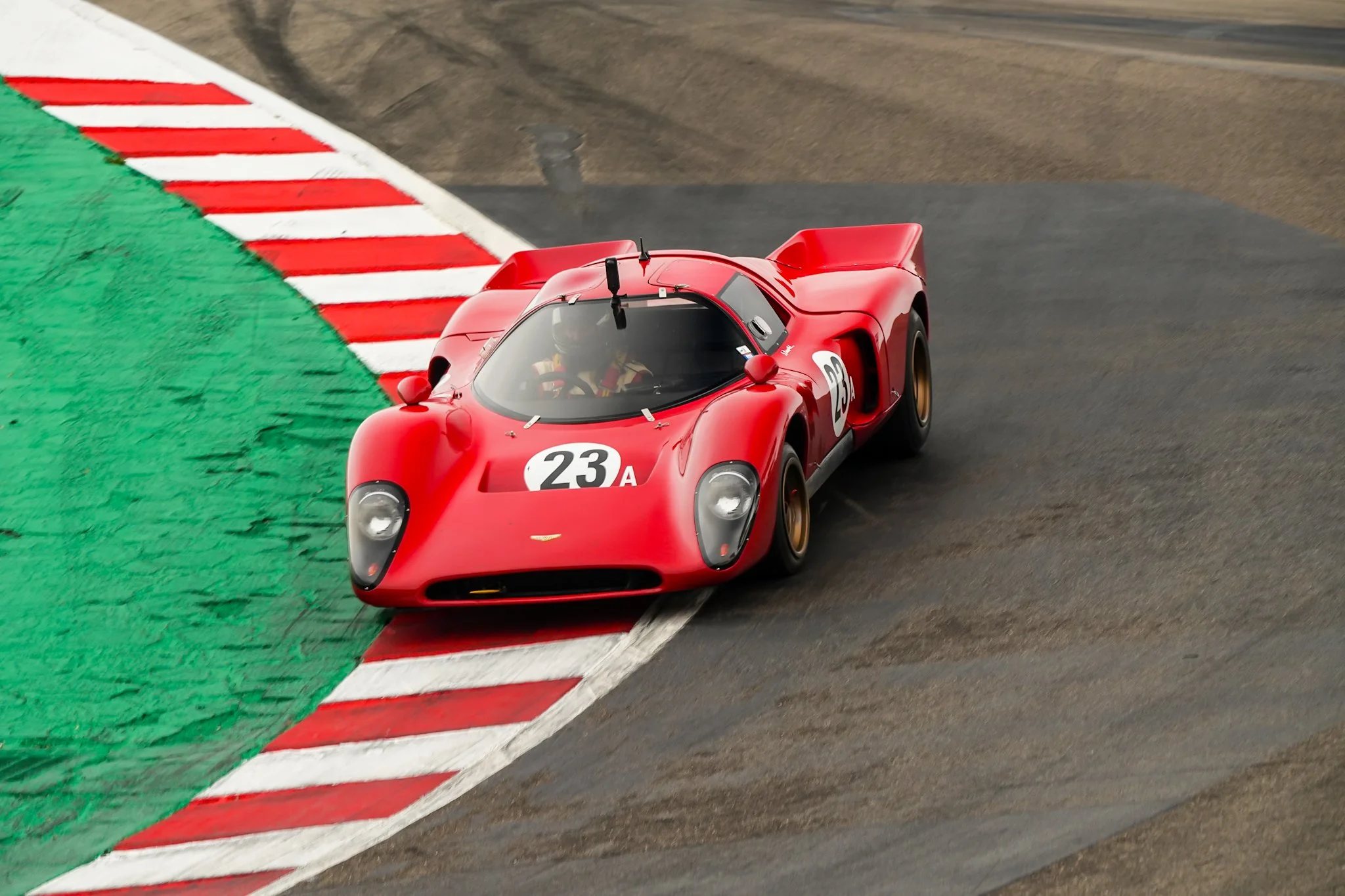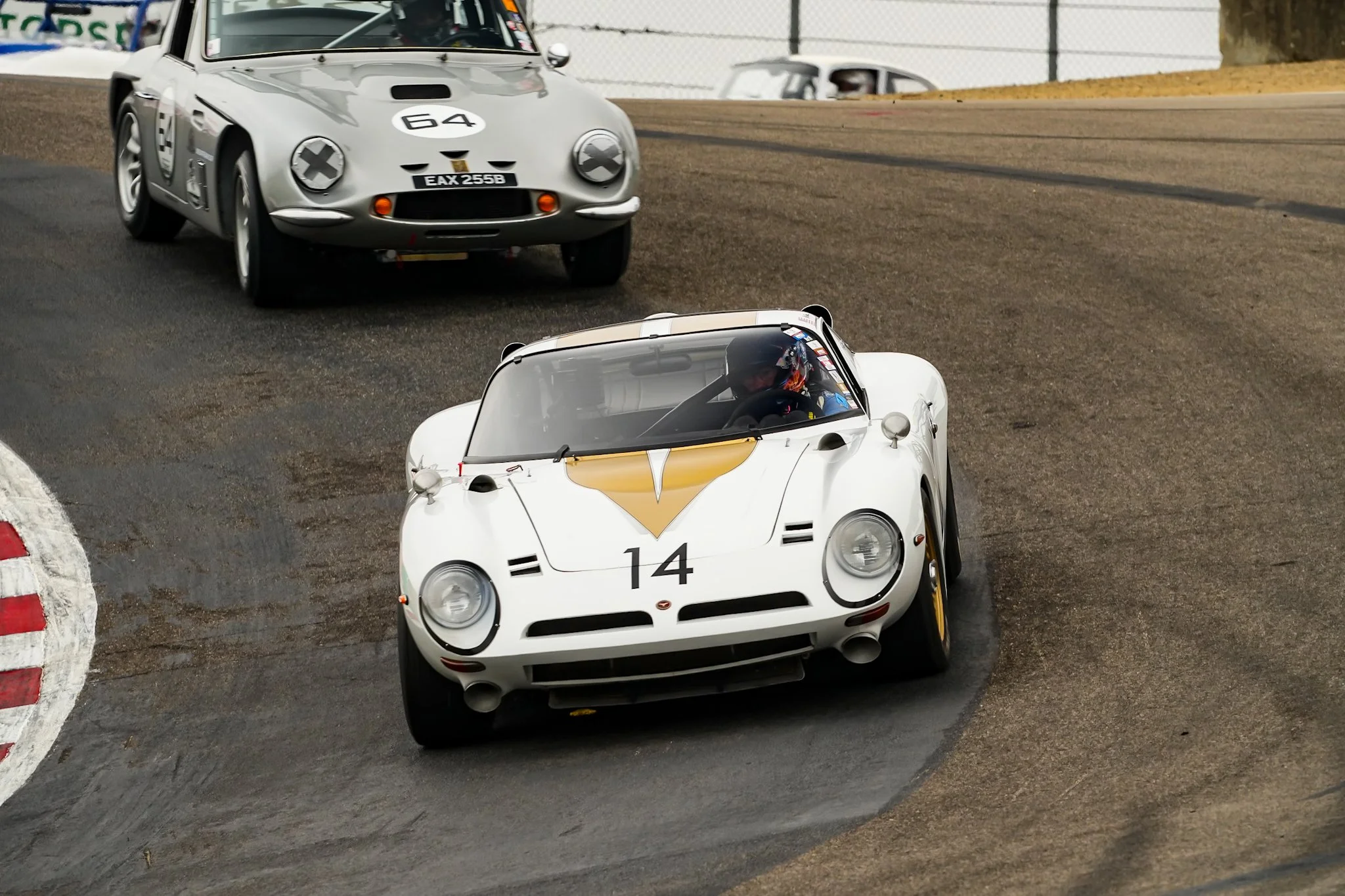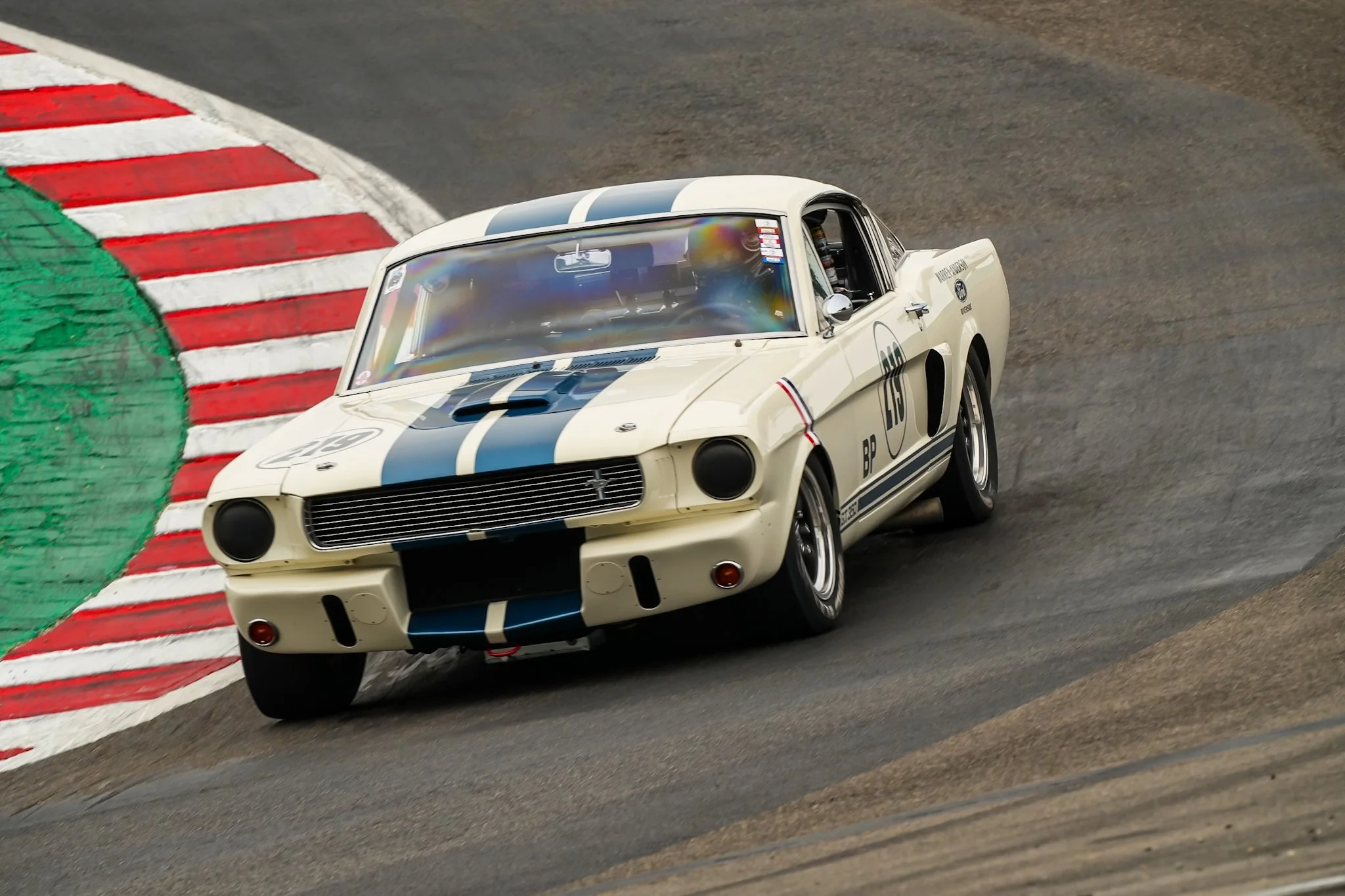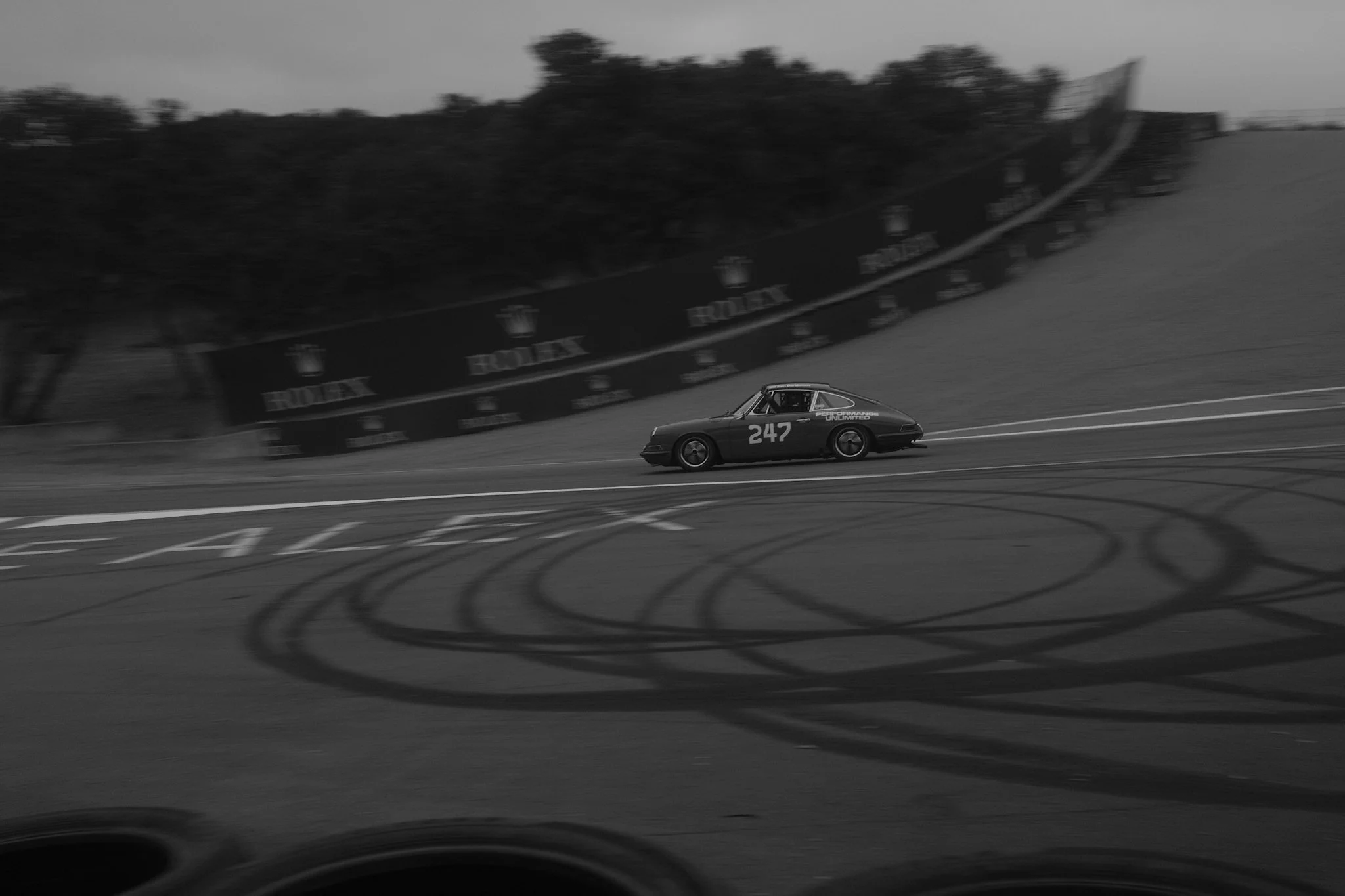
2026 Rolex Monterey Motorsports Reunion
If you’ve followed us over the years, you know that we’re unapologetic superfans of the Rolex Monterey Motorsports Reunion. Before there was a “Car Week,” there was Historics Weekend. There were a few other auctions and events on the Monterey Peninsula, but the anchor events were the Monterey Historic Automobile Races and the Pebble Beach Concours d’Elegance. These events have been around in one form or another since 1950.
We’ve been making the pilgrimage down to the happenings for 30 years, so we speak with some authority that these two events still endure as the proverbial reasons for the season. More than the give-or-take 40 events that now span well over a week, these are the most consistent and bullet proof events on the calendar. After the hijinks and bad behavior of last year’s Car Week and our experience this year, making rounds on the peninsula on Thursday and Friday, we’re even more certain that this is still the case.
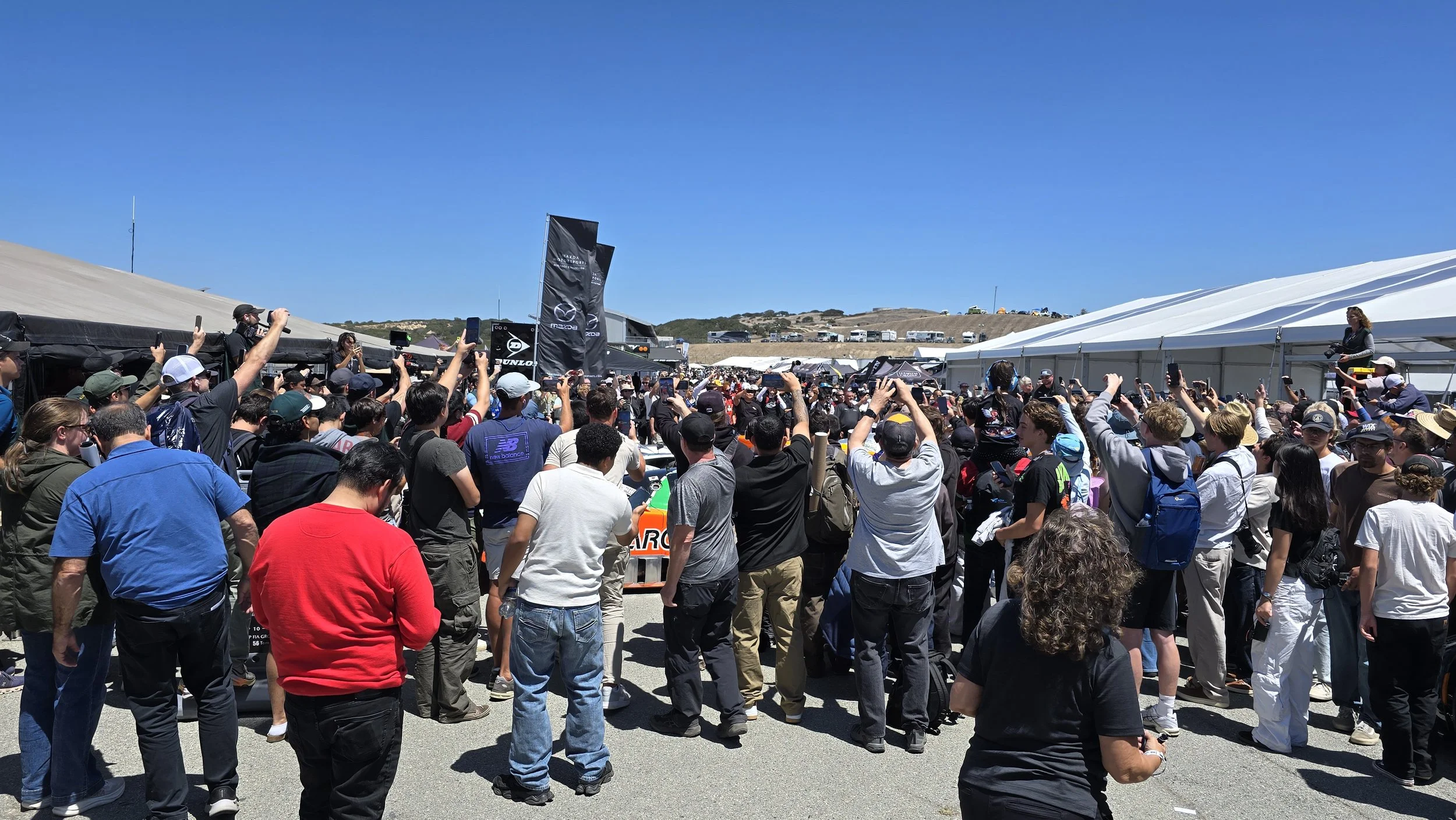
In fact, as we were leaving the Reunion on Saturday afternoon, we saw proof that the Reunion had become a (re)uniter for everyone, regardless of what Car Week represents to them. It was a perfect moment that helped us envision a future for our favorite automotive celebration of the year…an event for all.
A bit more on this at the conclusion.
Most museums have rules
Don’t touch the exhibits. Don’t climb on the exhibits. And under absolutely no circumstances are you allowed to start the exhibits, warm them up, dump the clutch and send them toward the Corkscrew at 130 miles per hour.
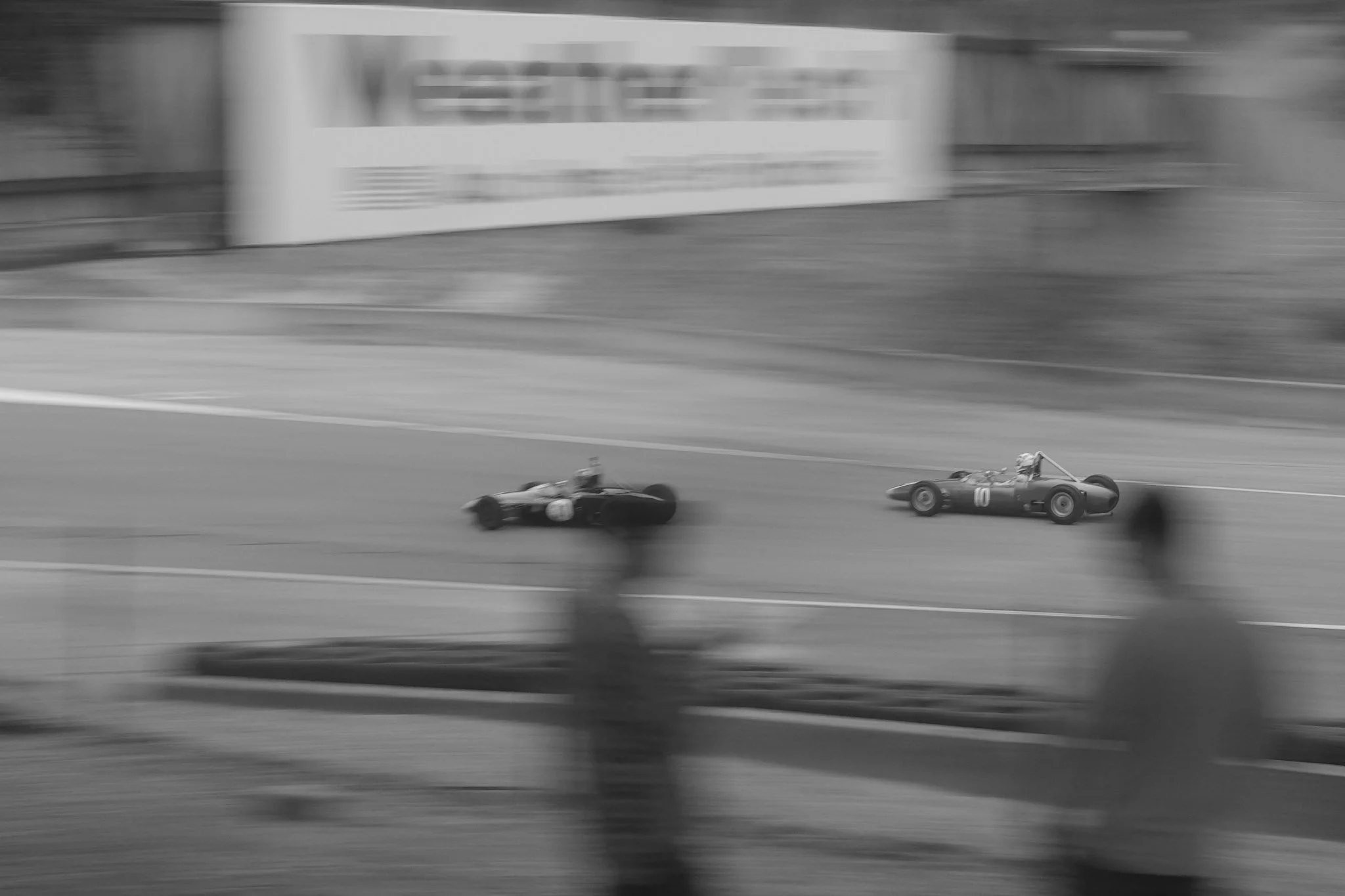
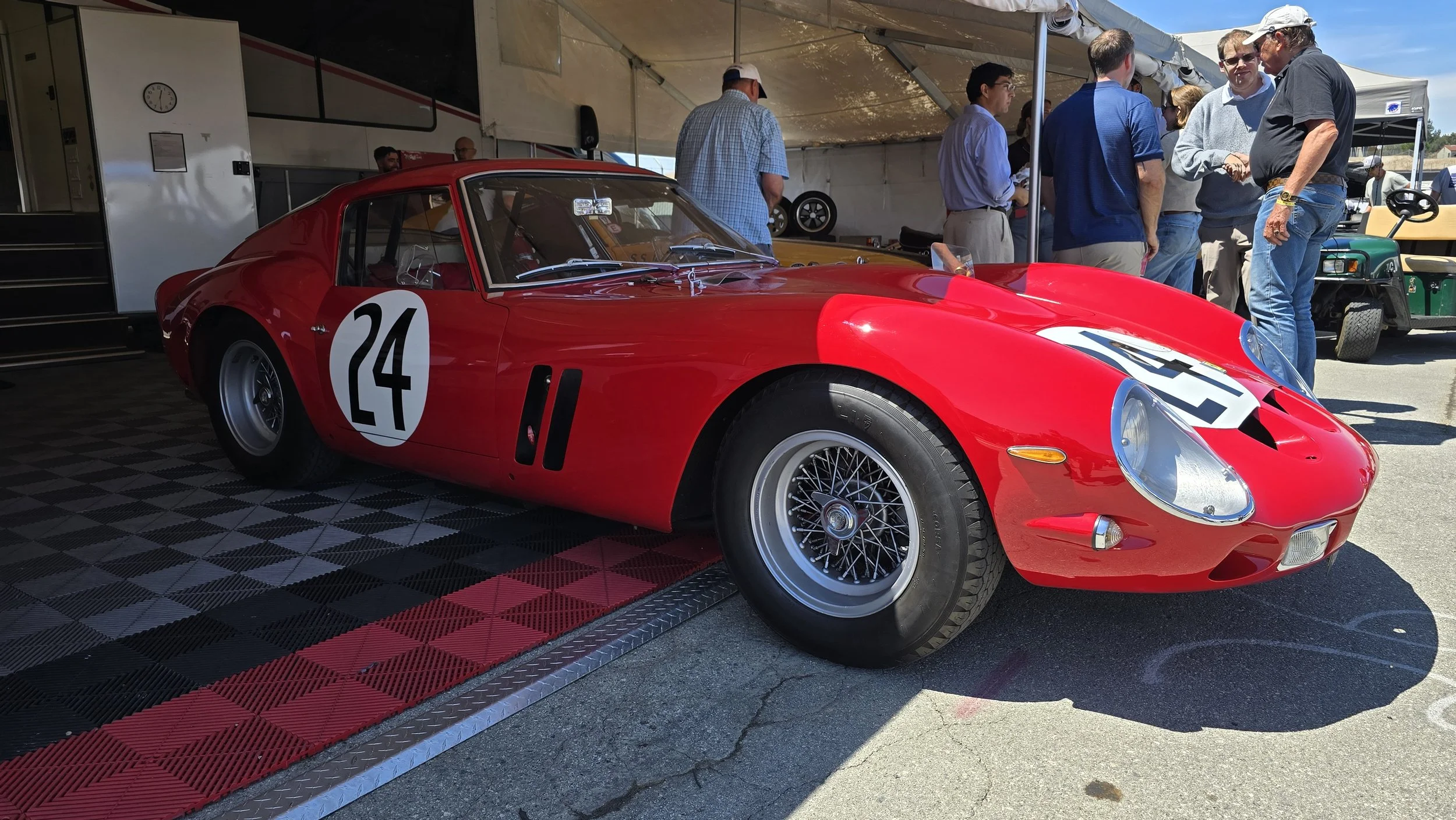
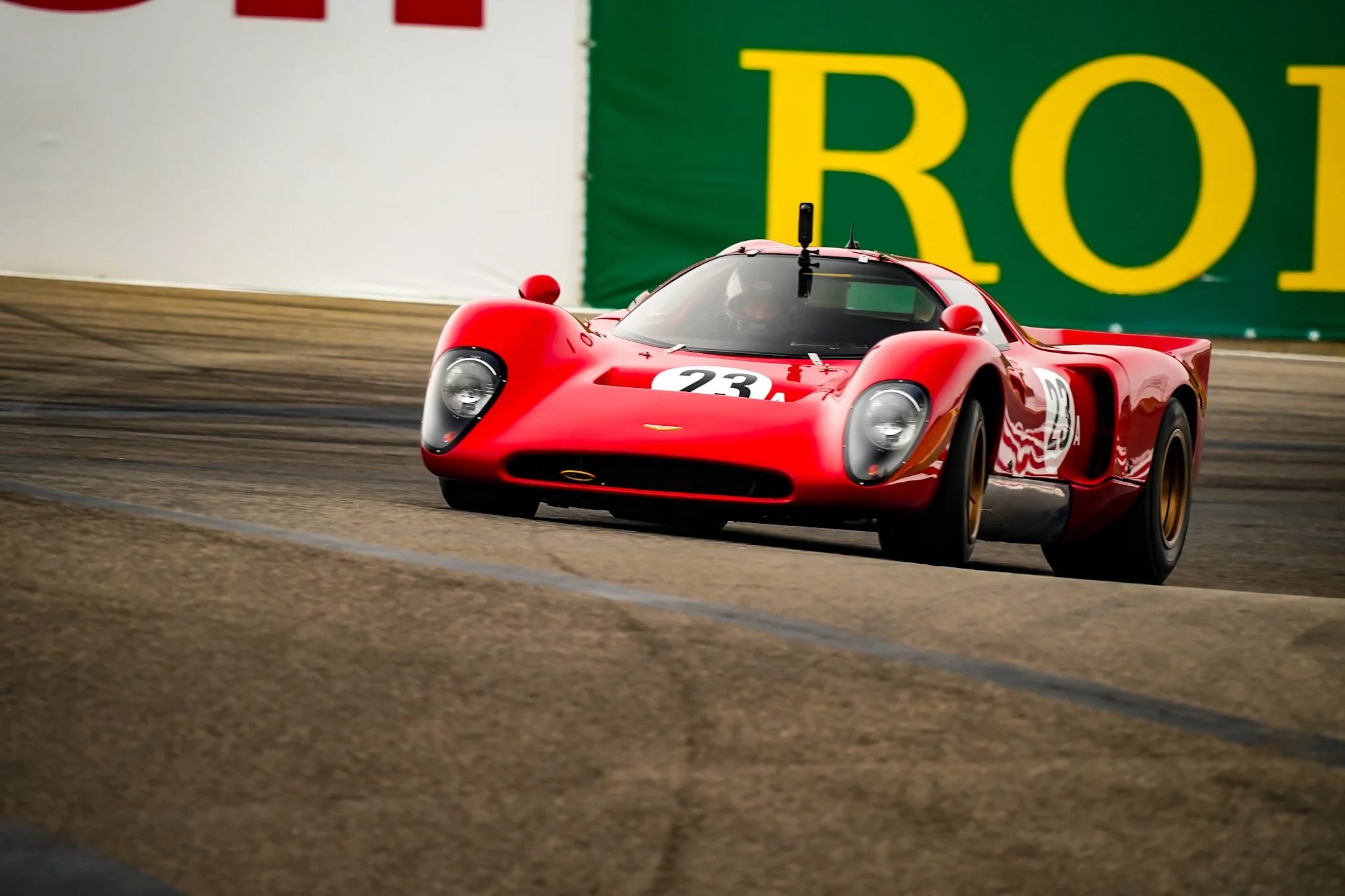
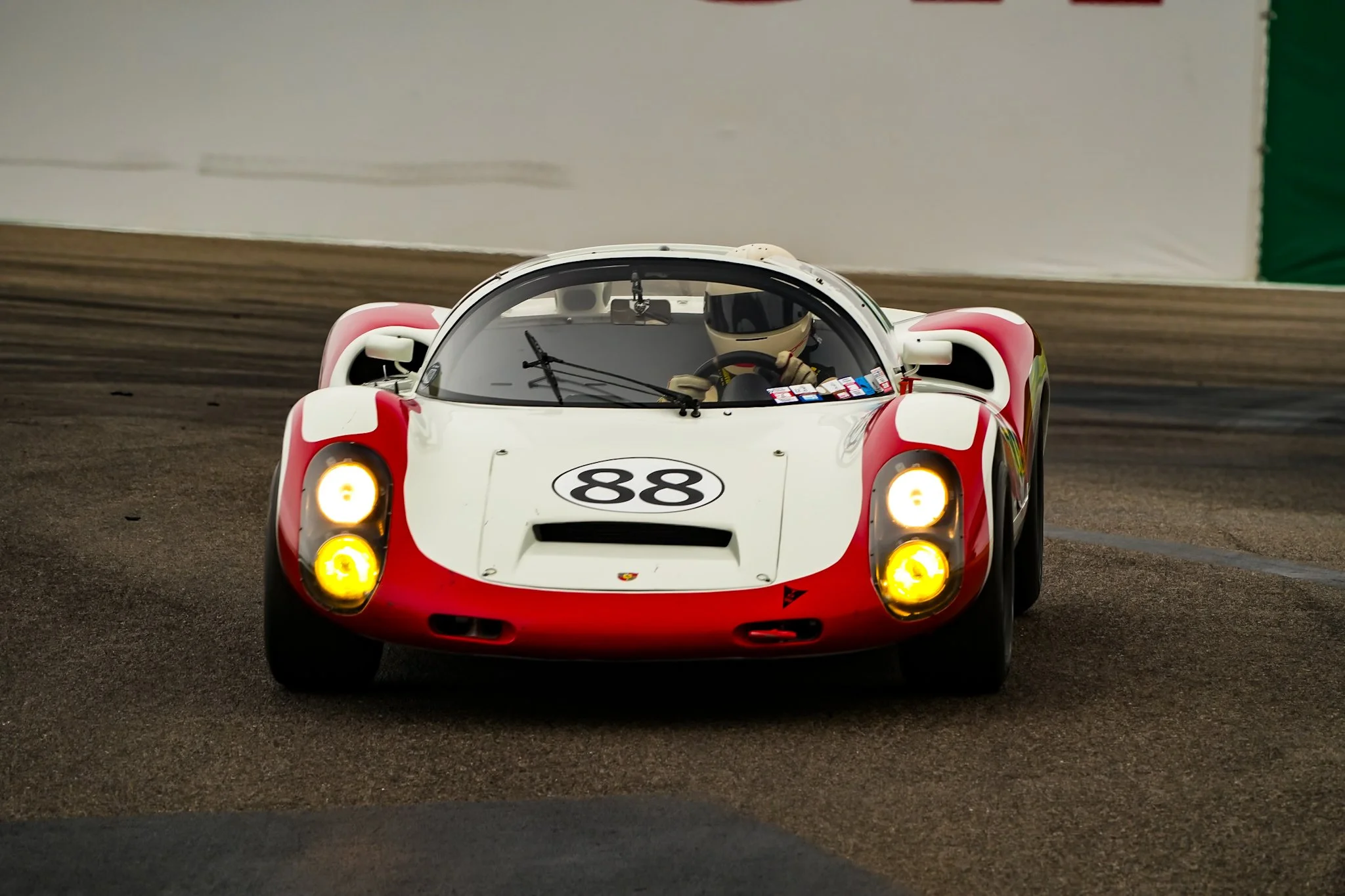
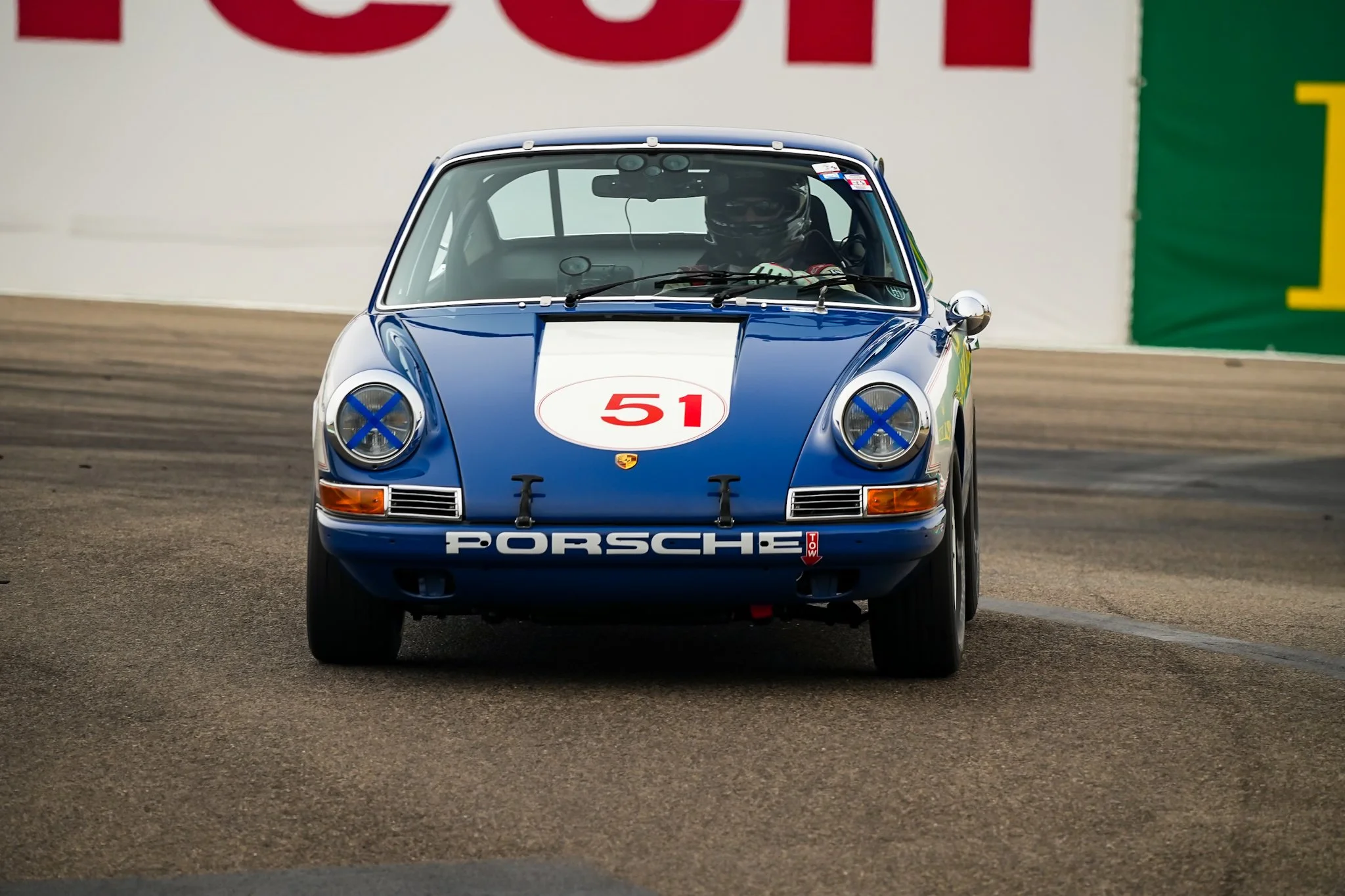
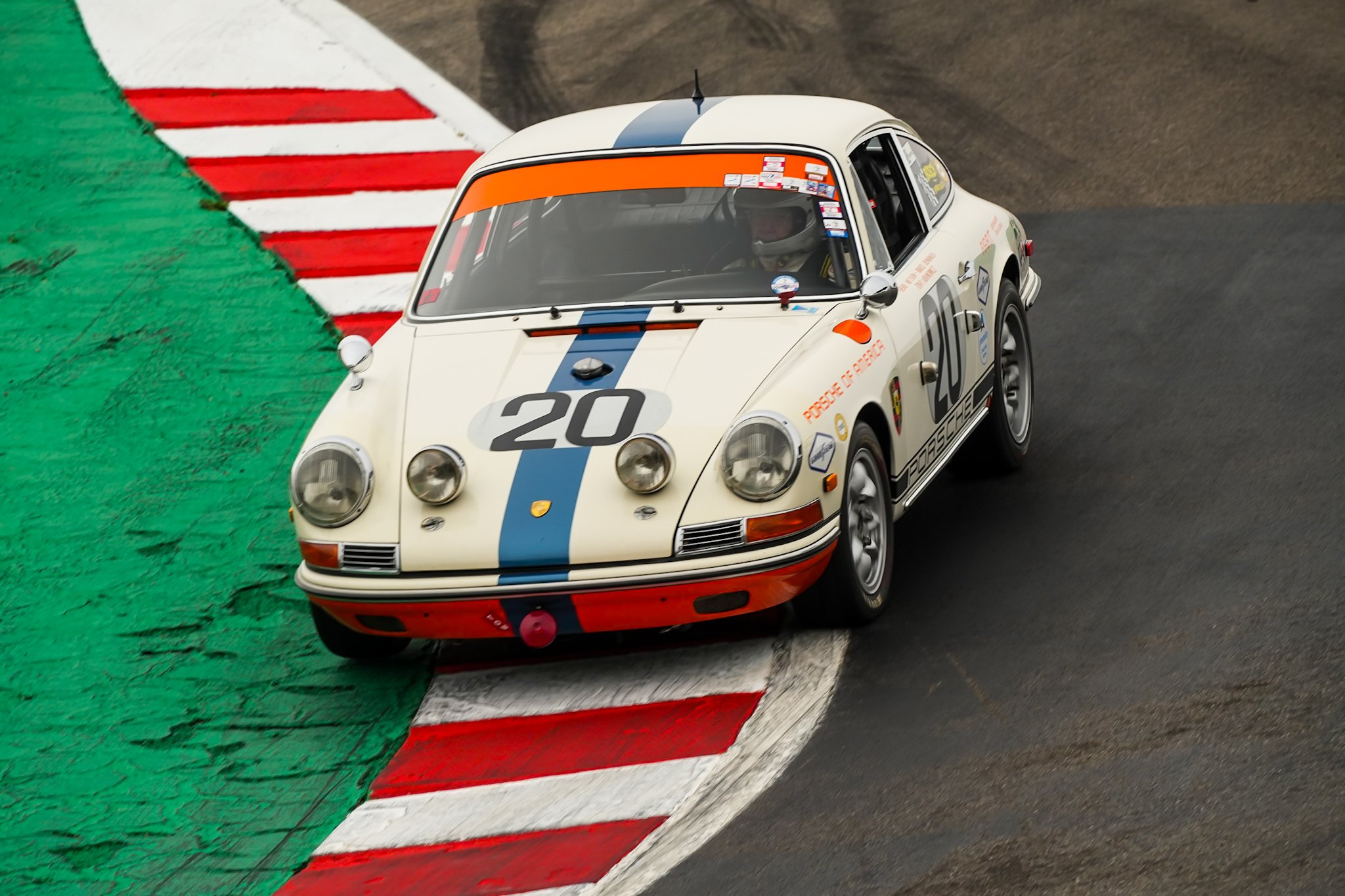
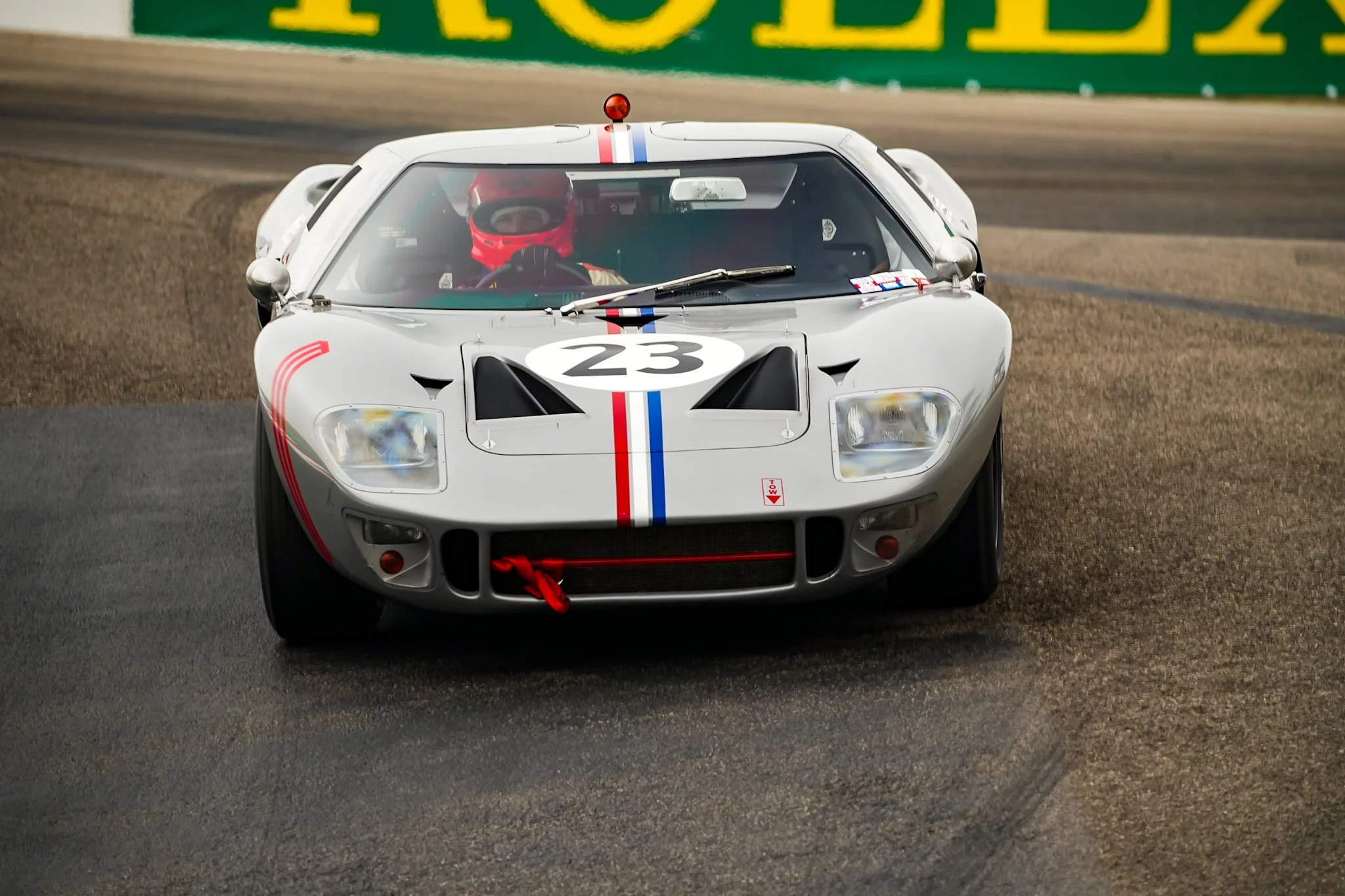
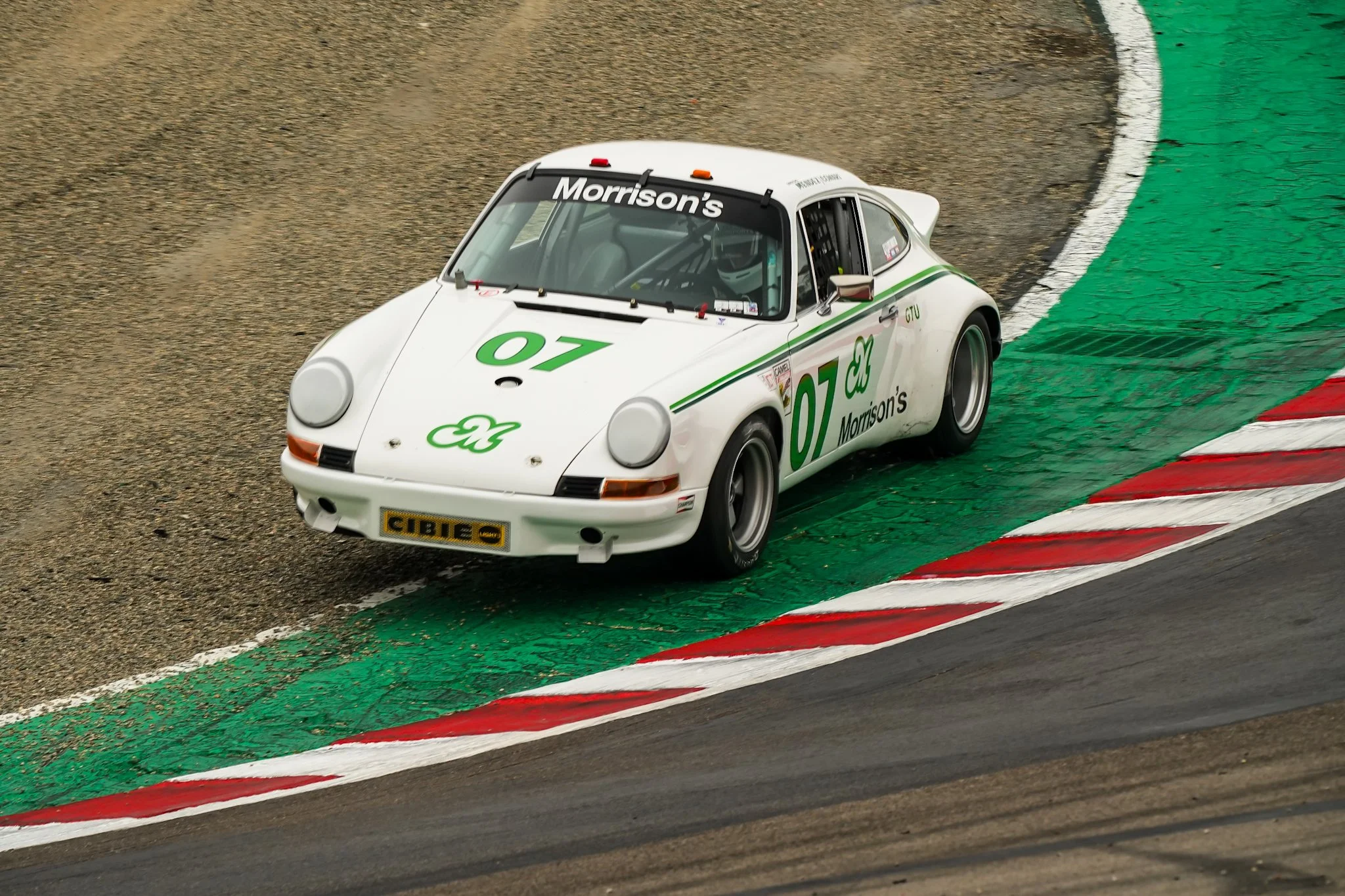
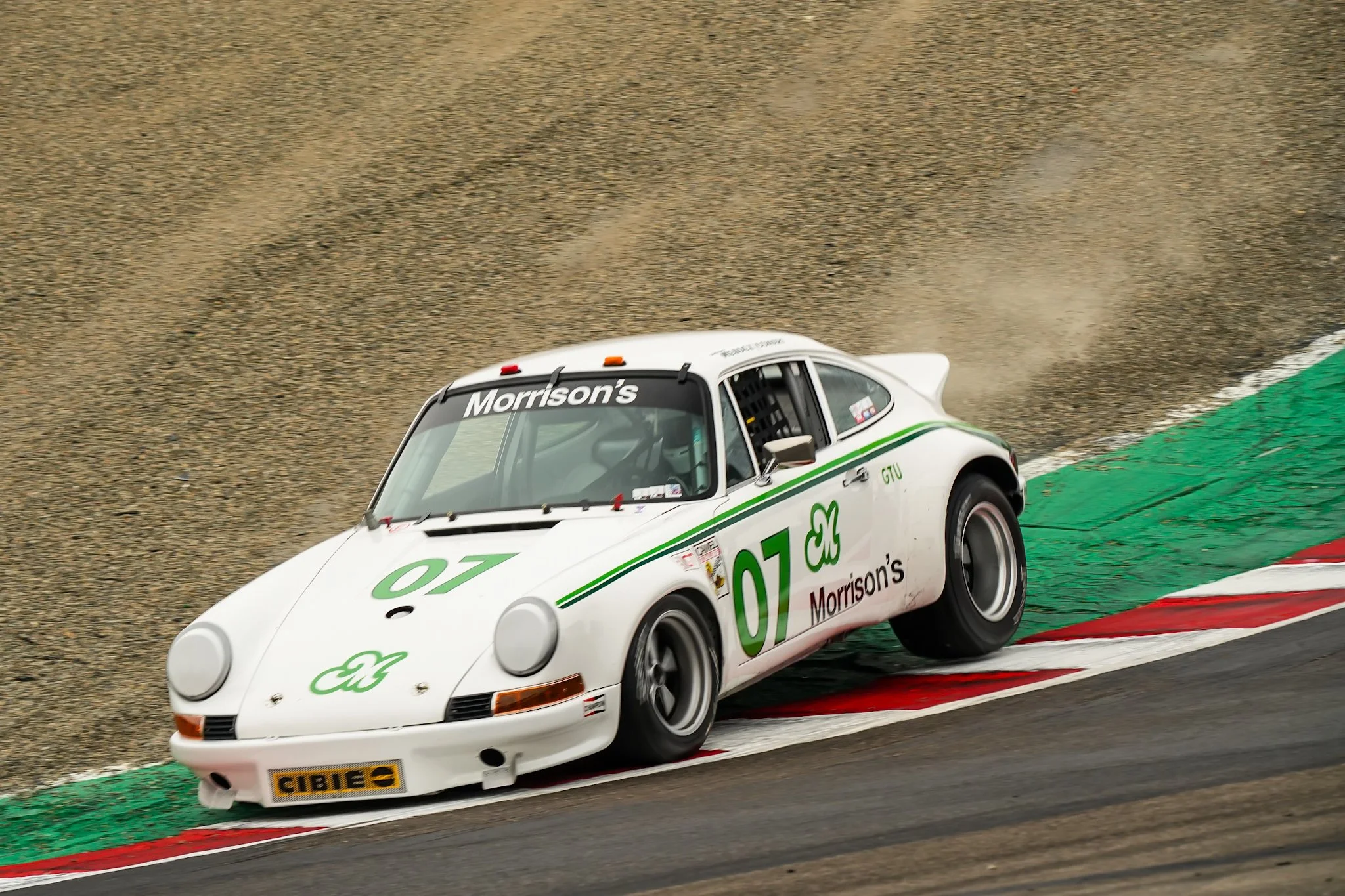
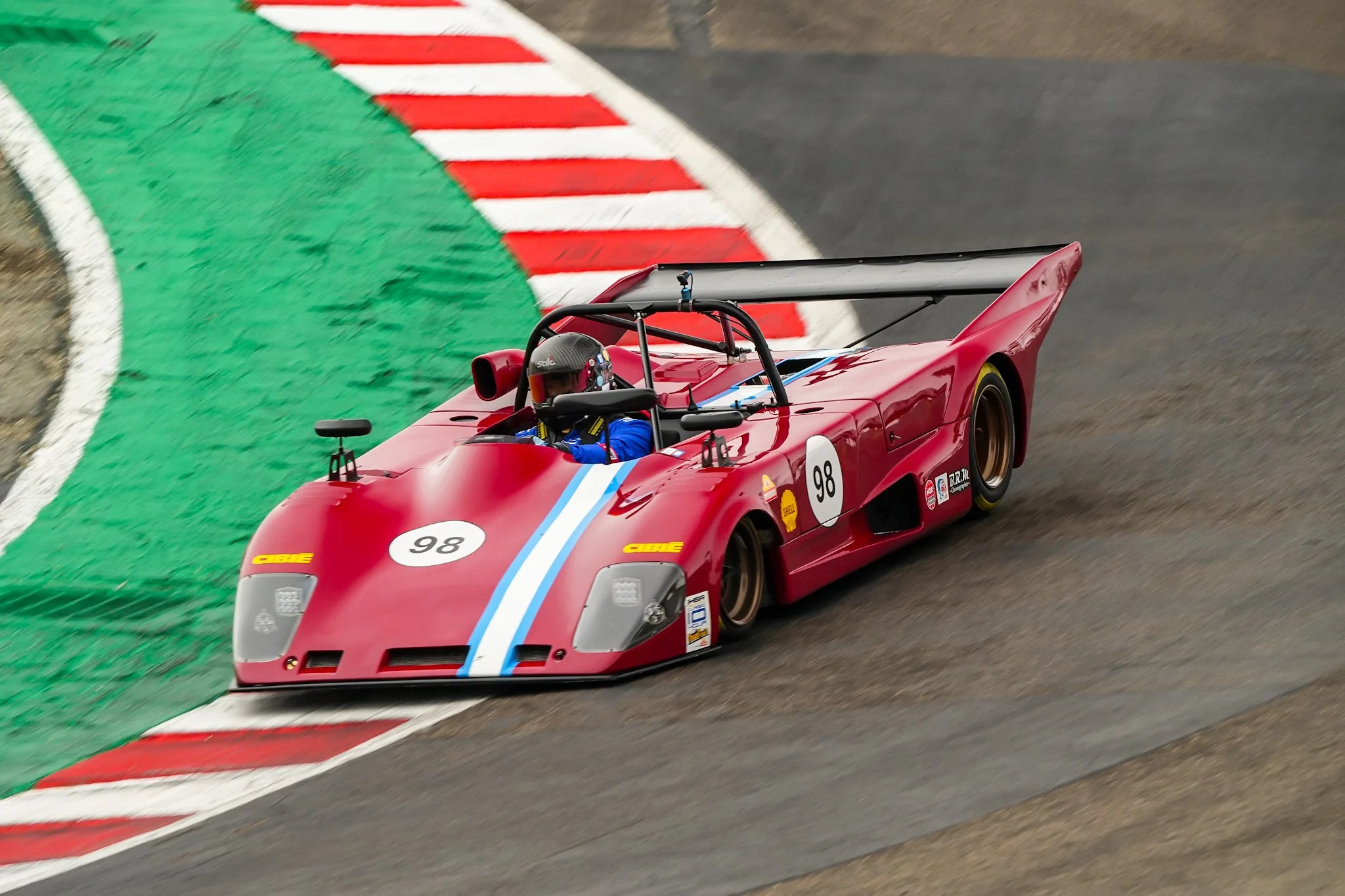
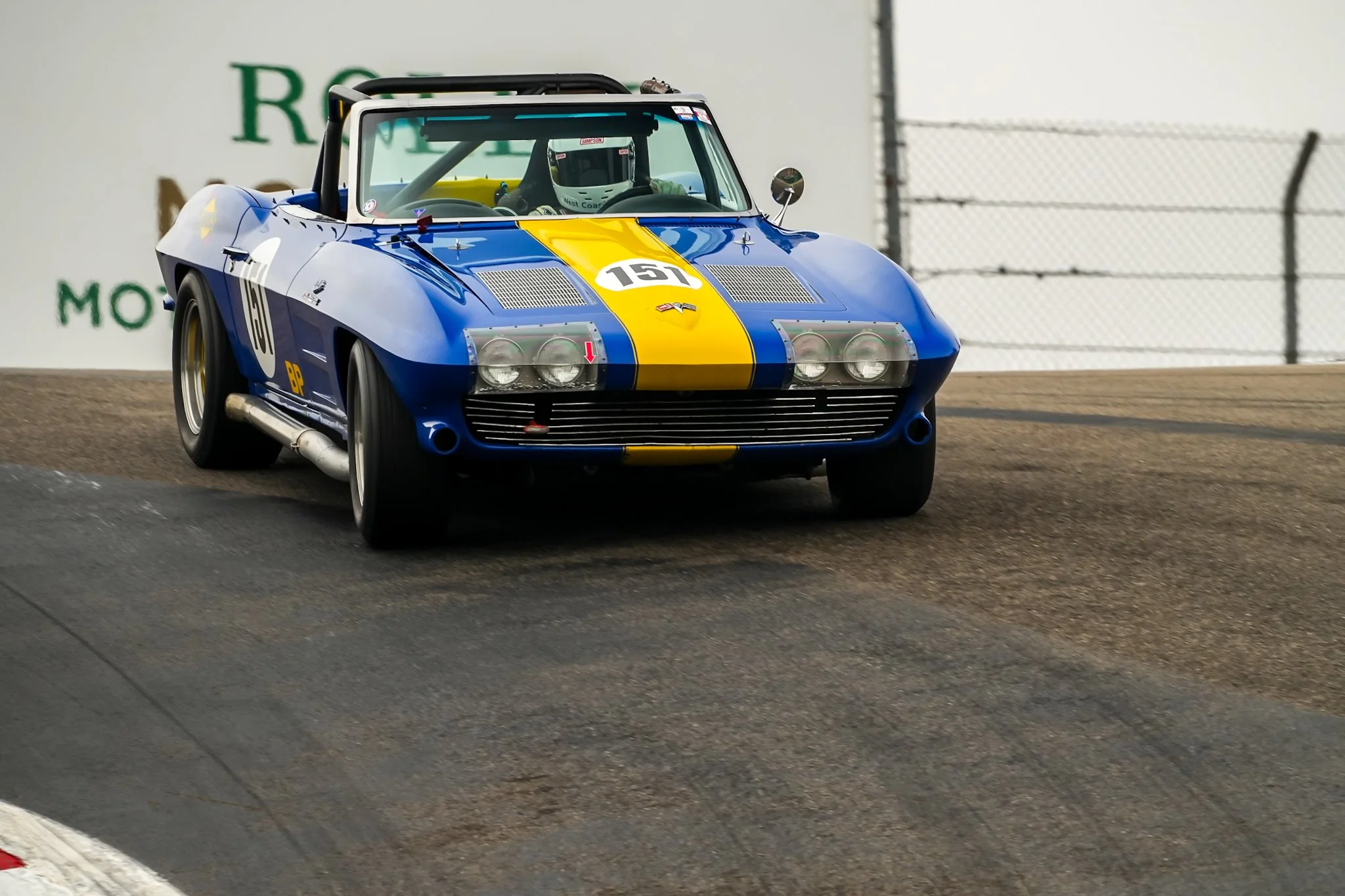
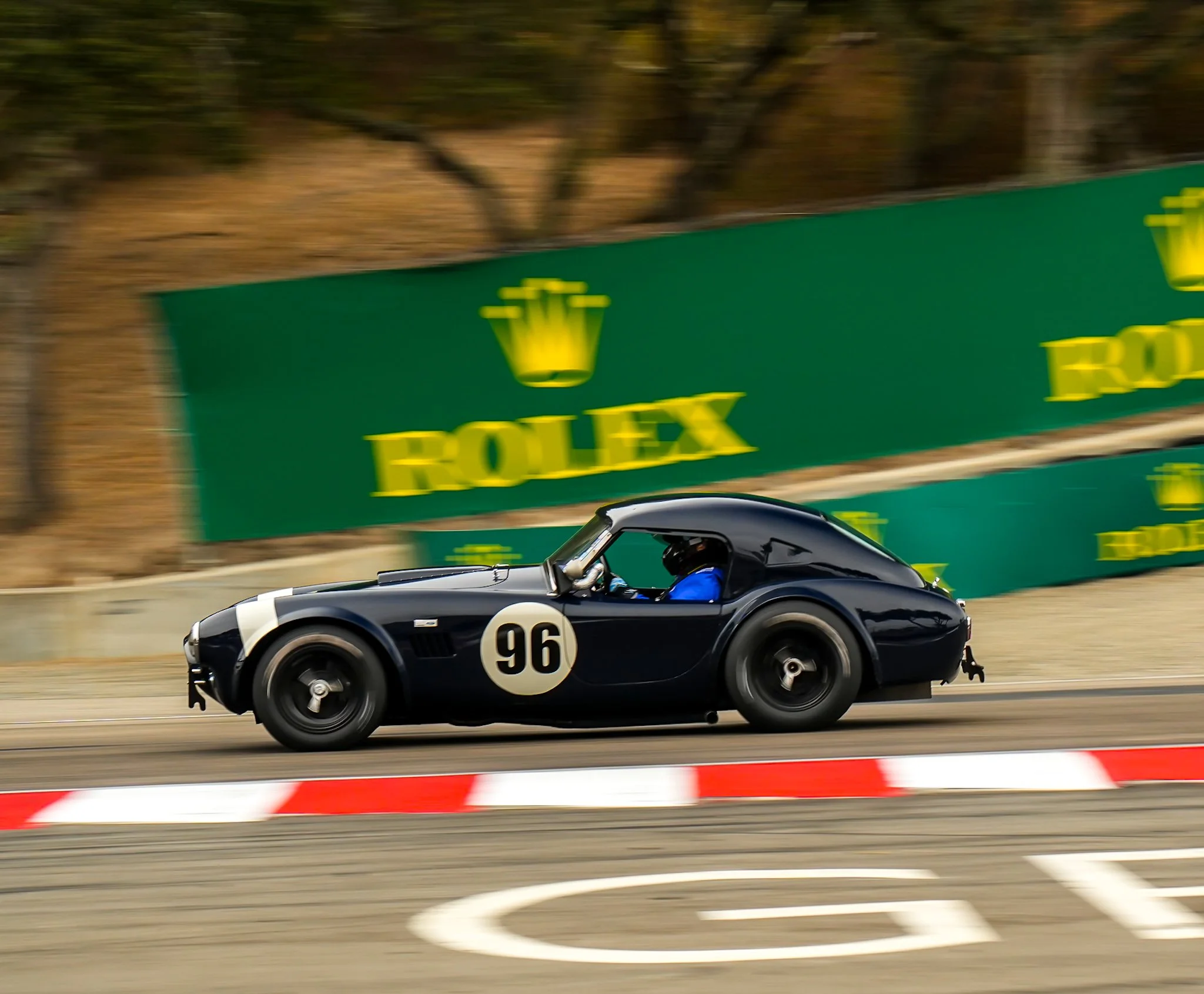
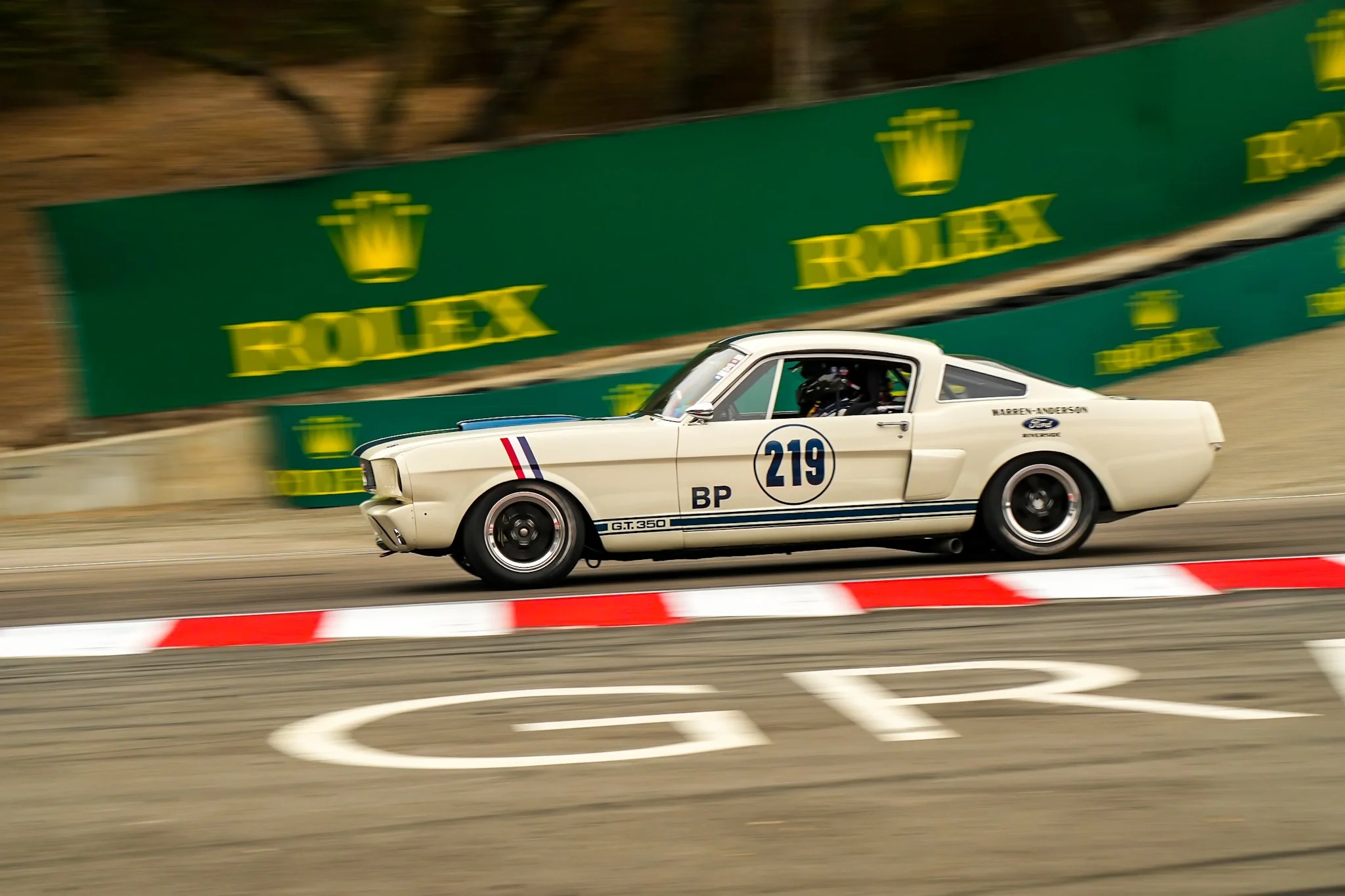
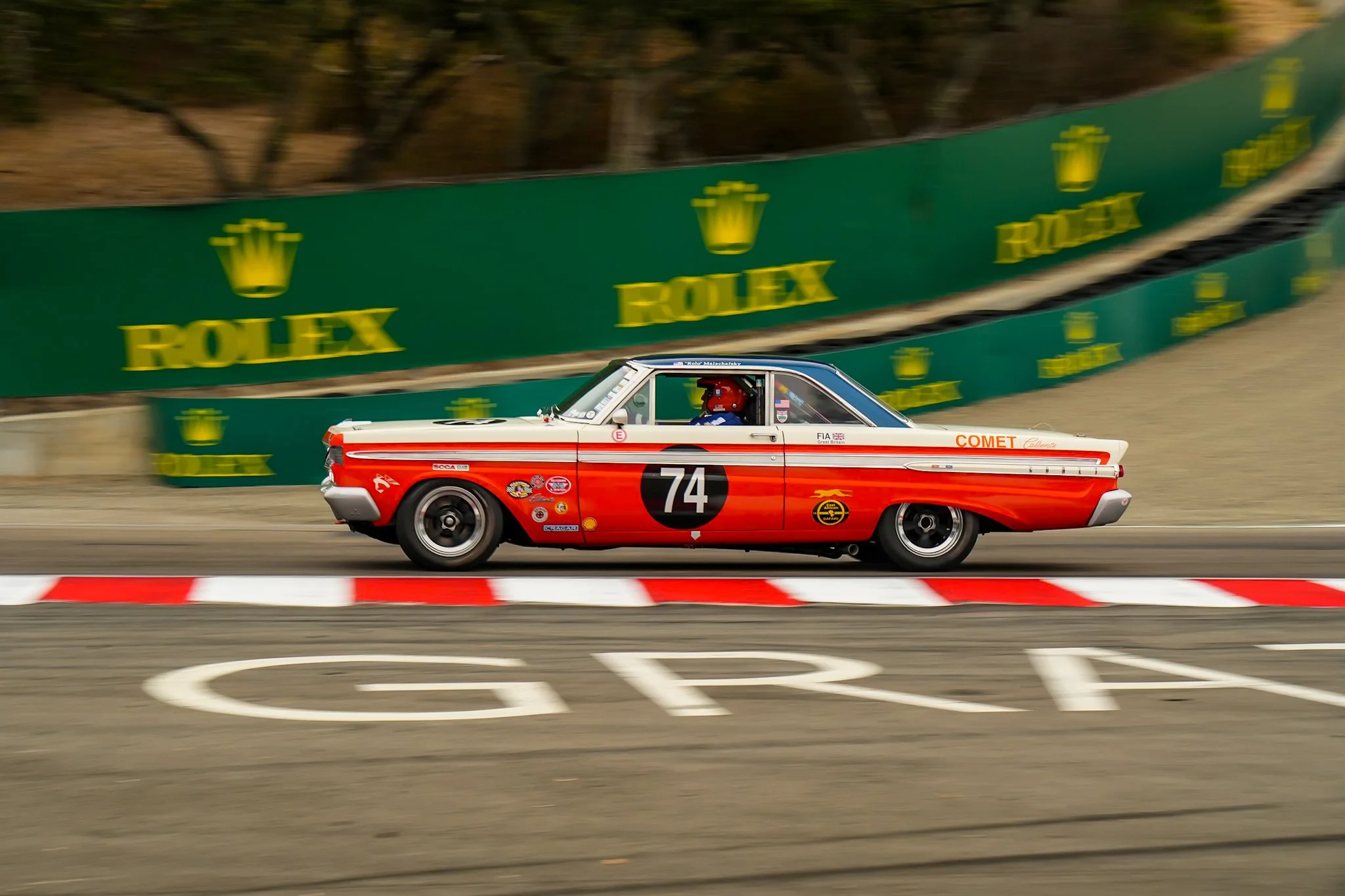
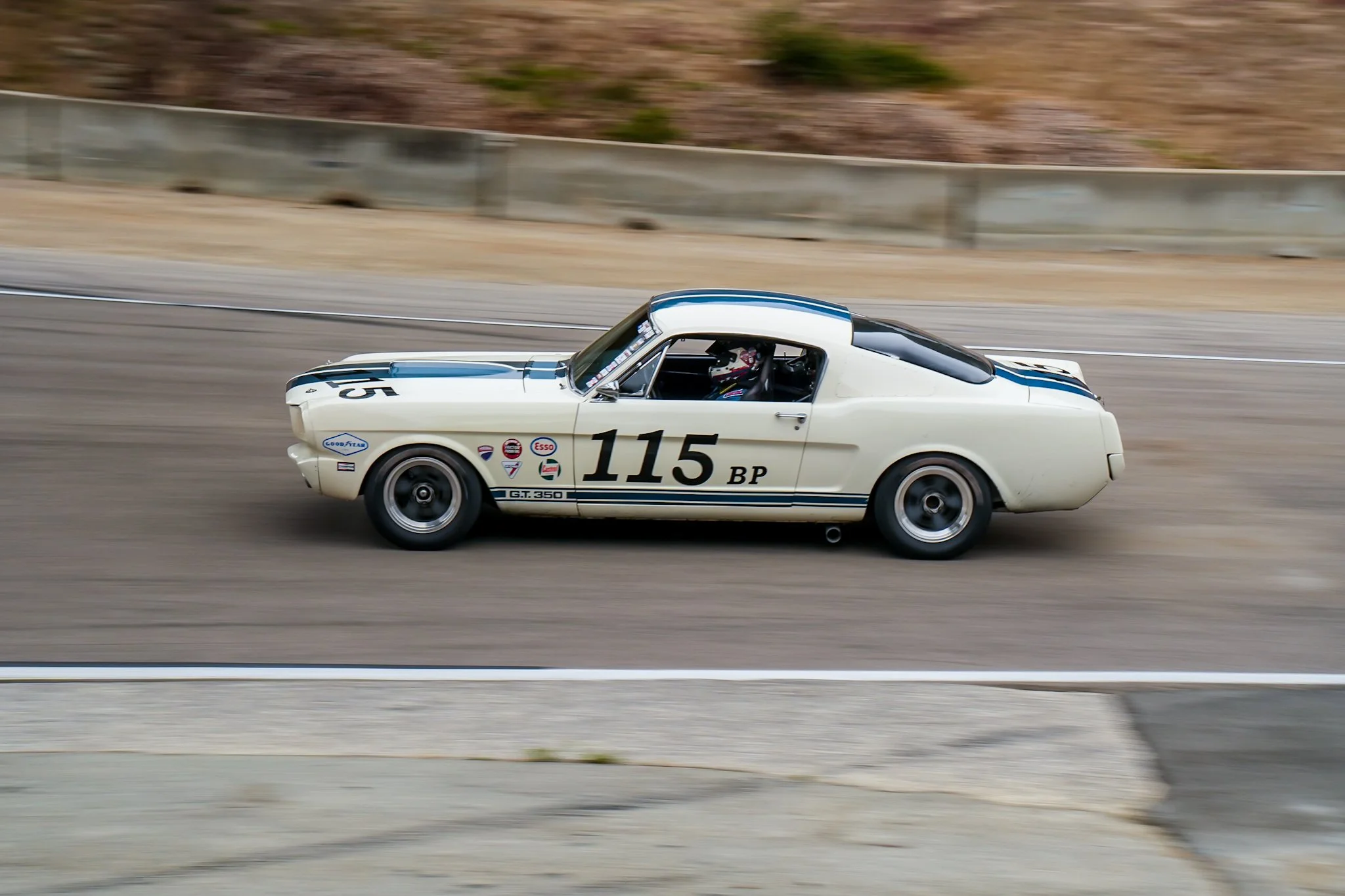
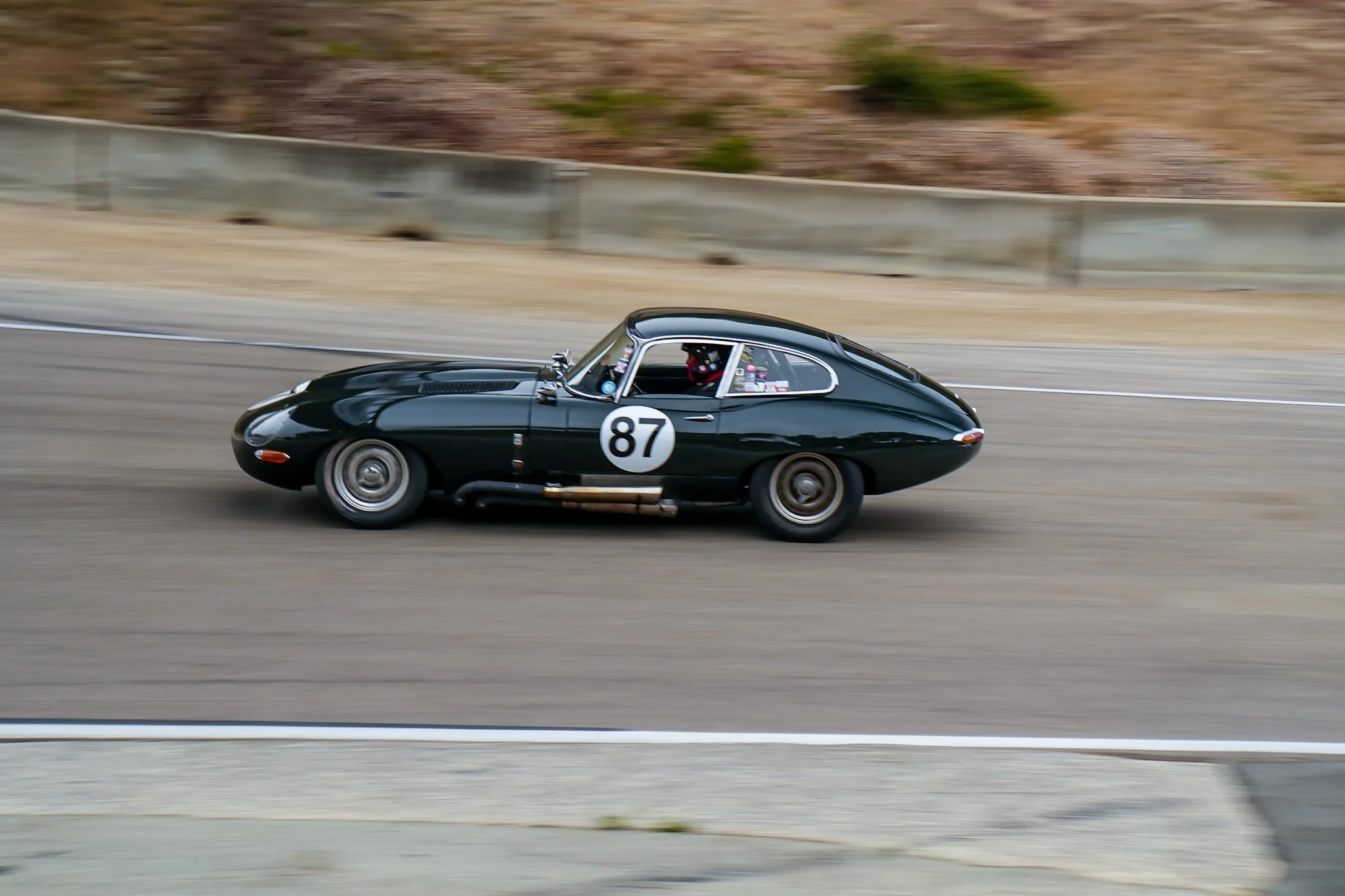
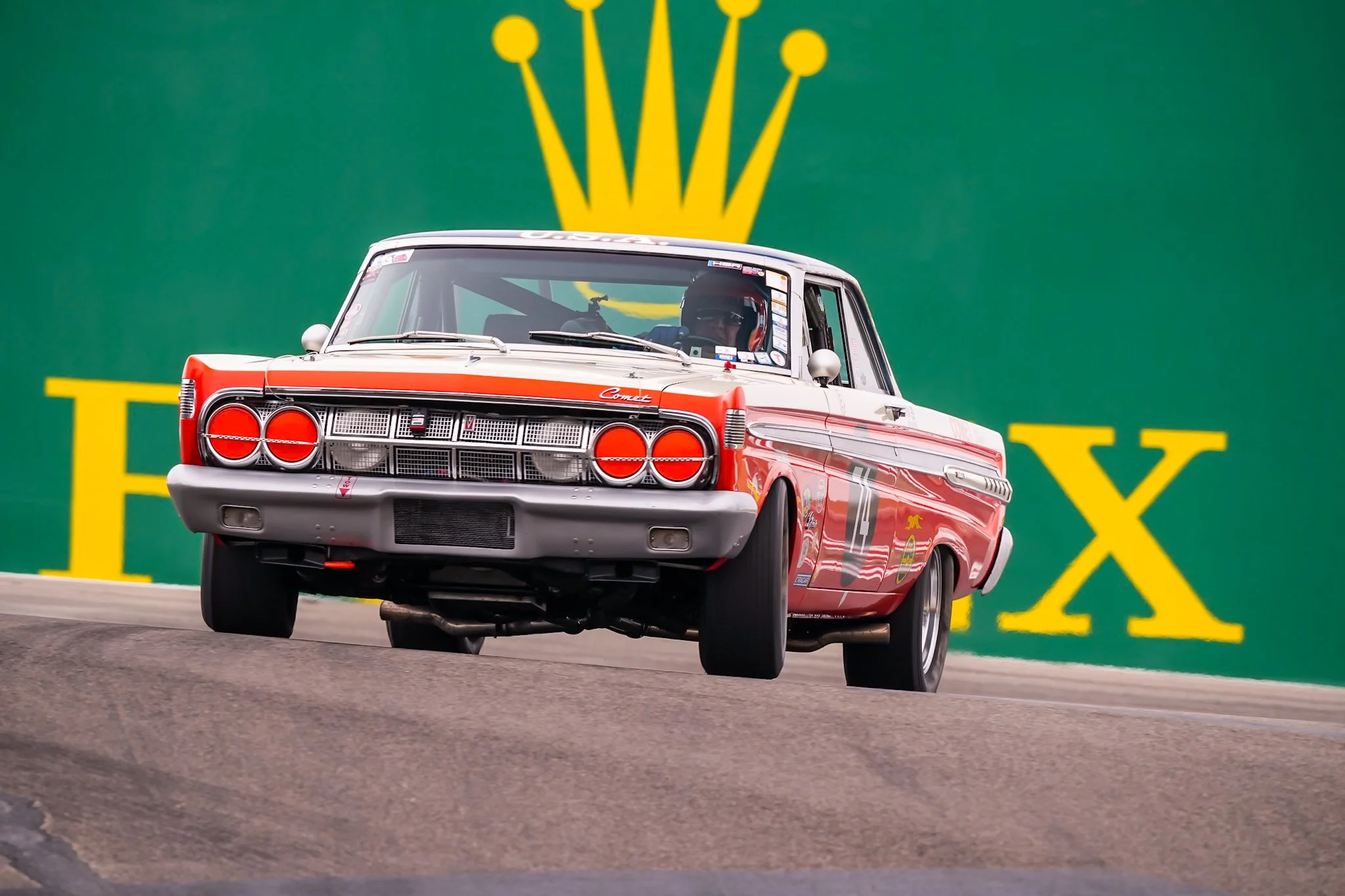
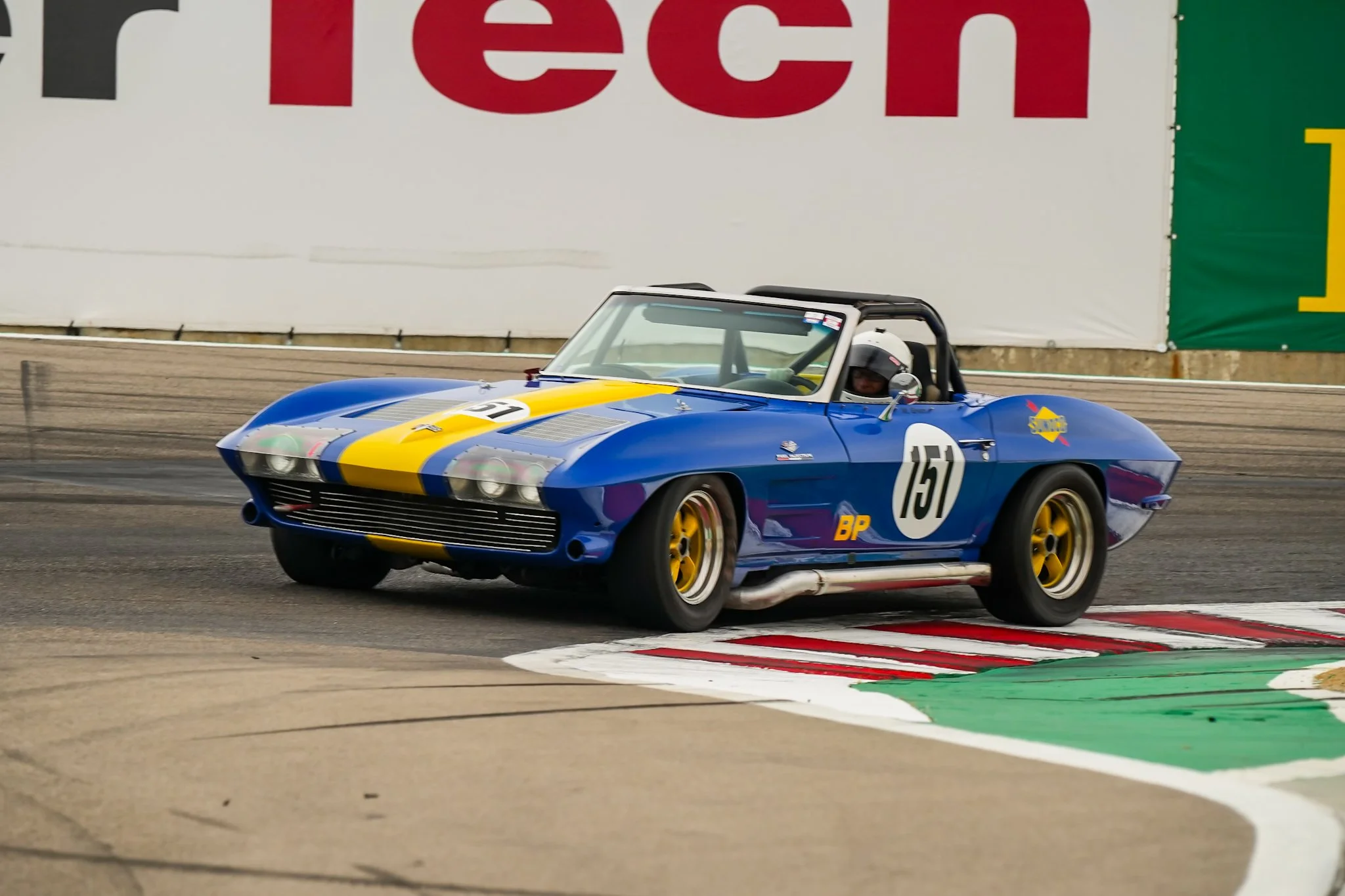
The Rolex Monterey Motorsports Reunion takes a slightly different approach. WeatherTech Raceway Laguna Seca once again became what is effectively one of the world's greatest racing museums, except that nearly everything in it still works, much of it still races, and the owners appear perfectly willing to risk machinery worth more than most single-family homes for the privilege of proving it. And that is precisely why the Reunion remains one of the essential events of Monterey Car Week.
Where It Came From
Historic racing in Monterey began in 1974, when organizer Steve Earle assembled just 66 cars for a one-day event intended to complement the Pebble Beach Concours d'Elegance.
It became the Monterey Historic Automobile Races and, over the following decades, established the template for major historic racing events around the world: important cars, presented correctly, driven properly and — crucially — actually raced. The event was renamed the Rolex Monterey Motorsports Reunion in 2010. Today, roughly 400 historic competition cars are accepted, with organizers maintaining strict standards concerning authenticity, period history, preparation and driver conduct.
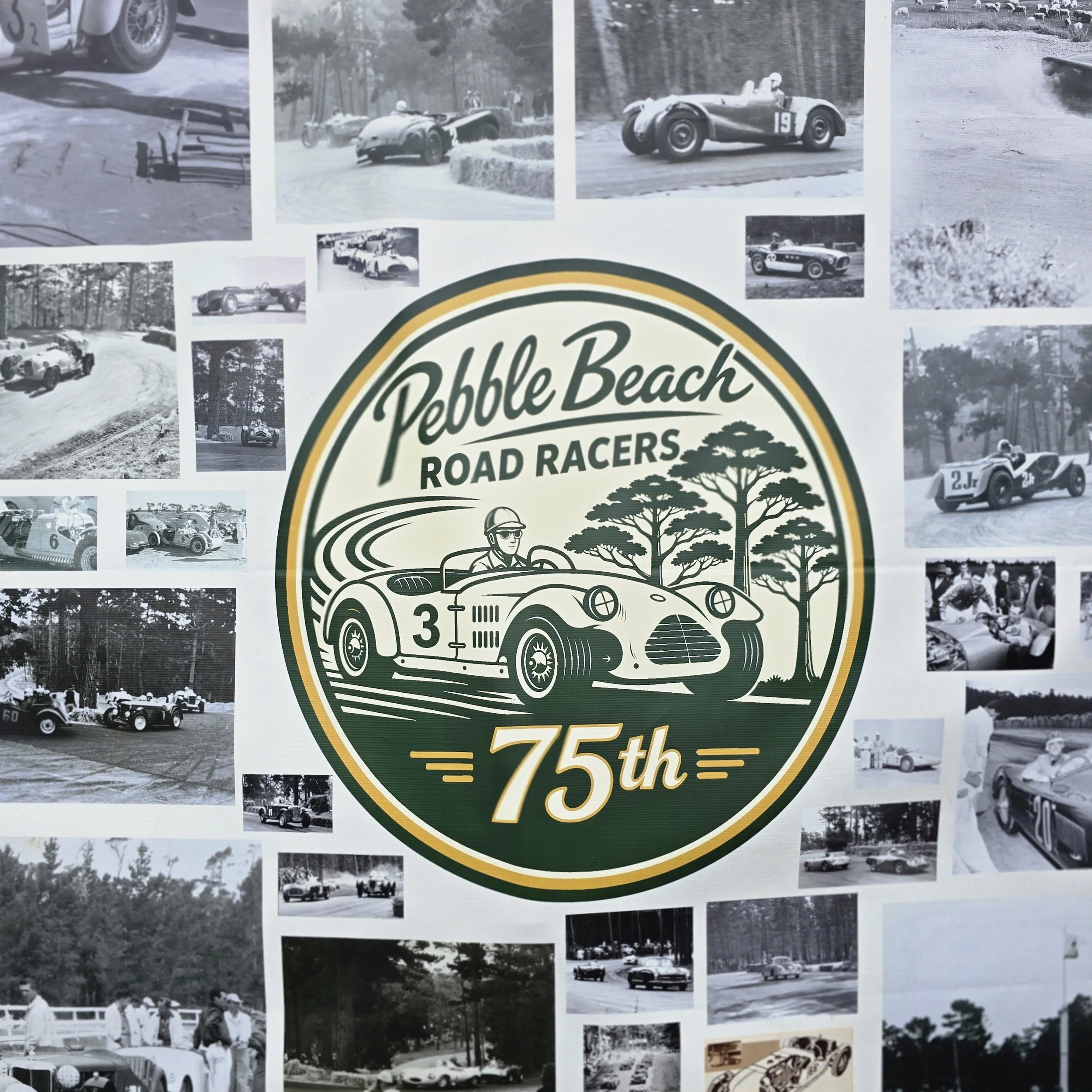
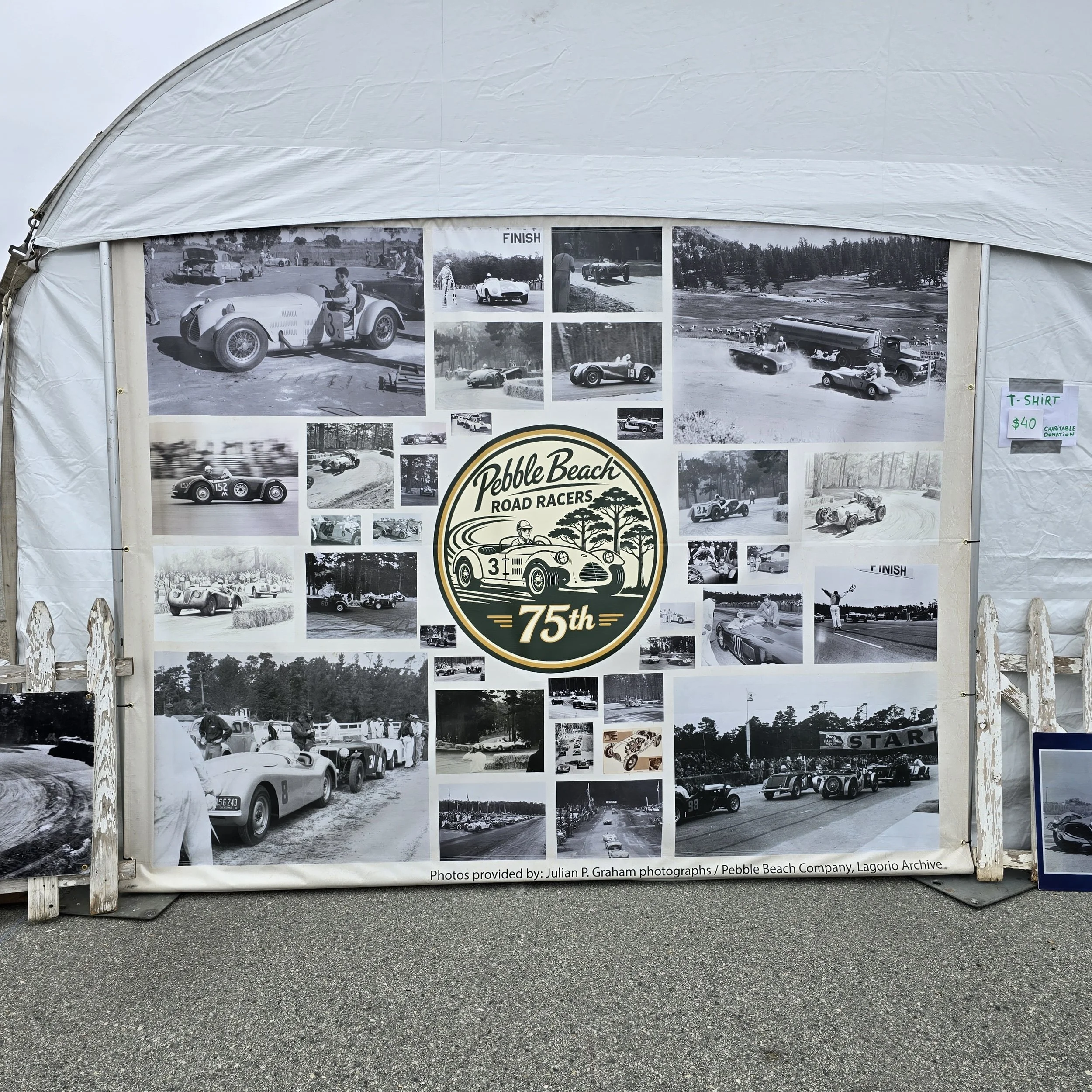
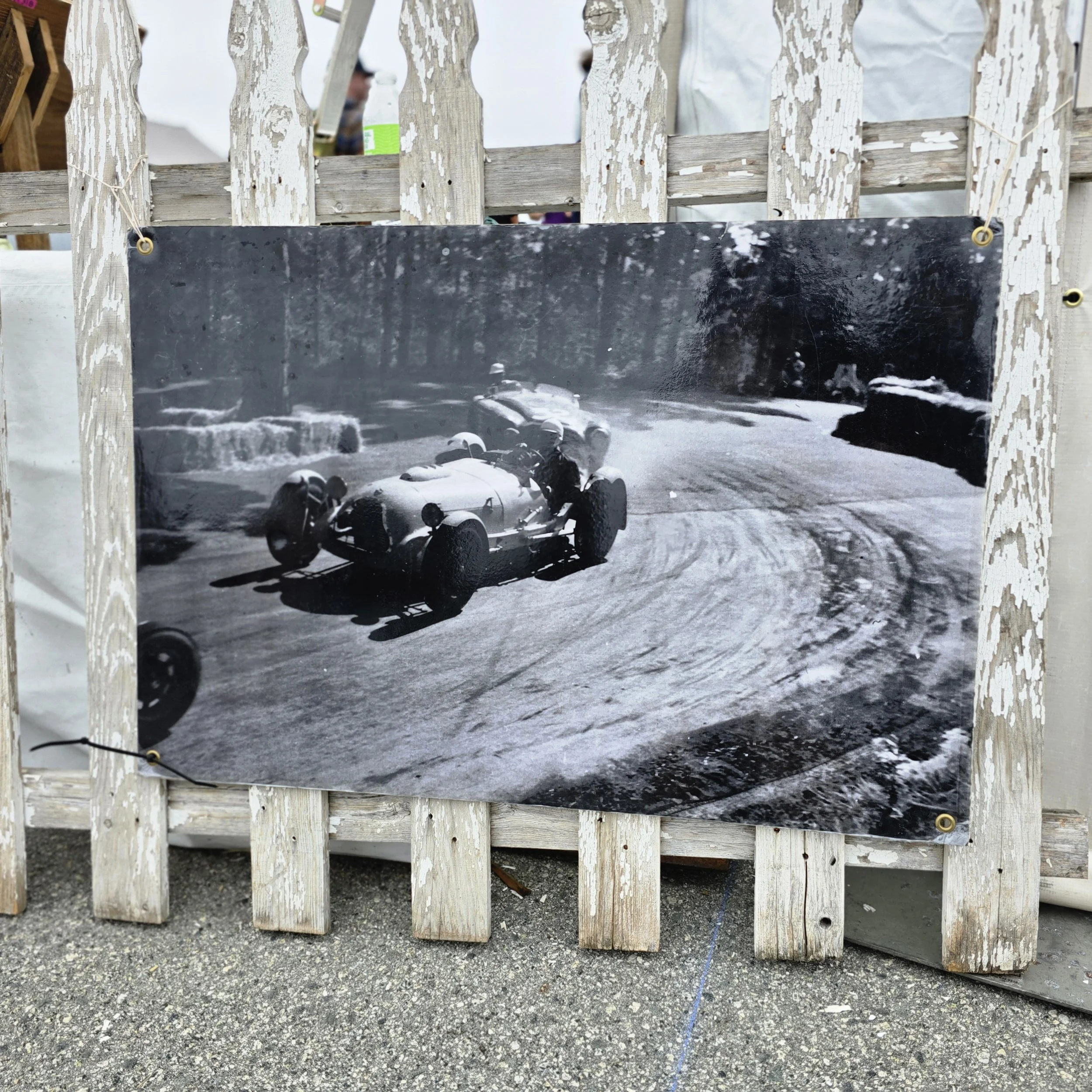
There is a pleasing circularity to all of this because Laguna Seca itself exists largely because of the original Pebble Beach Road Races. Sports car racing on the roads through the Del Monte Forest began in 1950. It was exciting, glamorous and, eventually, considered sufficiently dangerous that organizers decided perhaps racing through trees on public roads was not an endlessly sustainable concept. Laguna Seca was therefore constructed in 1957 on former Fort Ord land at a cost of approximately $1.5 million, raised by local businesses and individuals.
So during Car Week, you can spend Sunday admiring pristine historic automobiles at Pebble Beach and Saturday watching their considerably less sensible cousins being driven flat-out at the circuit that Pebble Beach racing helped create.
Perfect.
Calling the Reunion a "vintage race" rather undersells it.
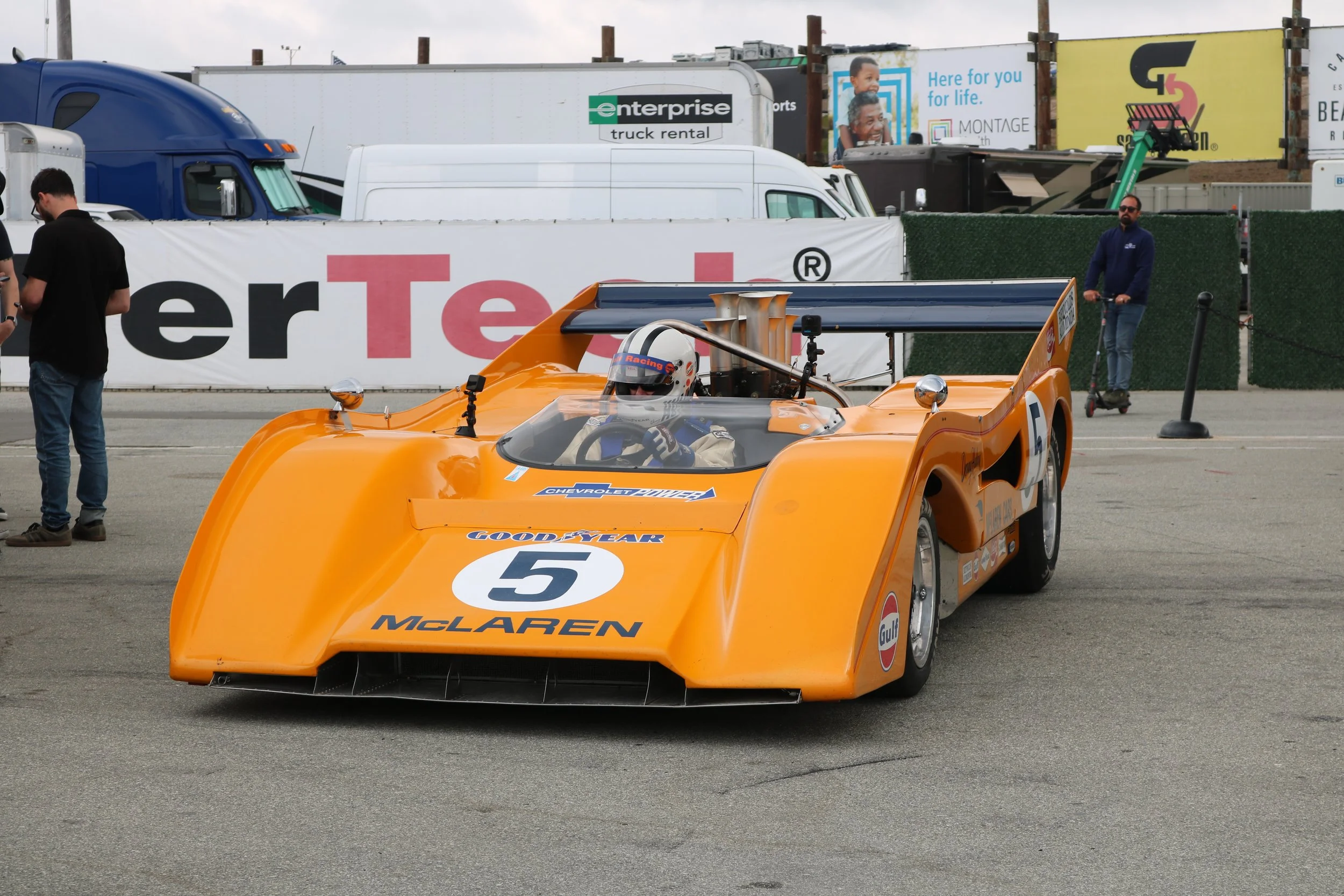
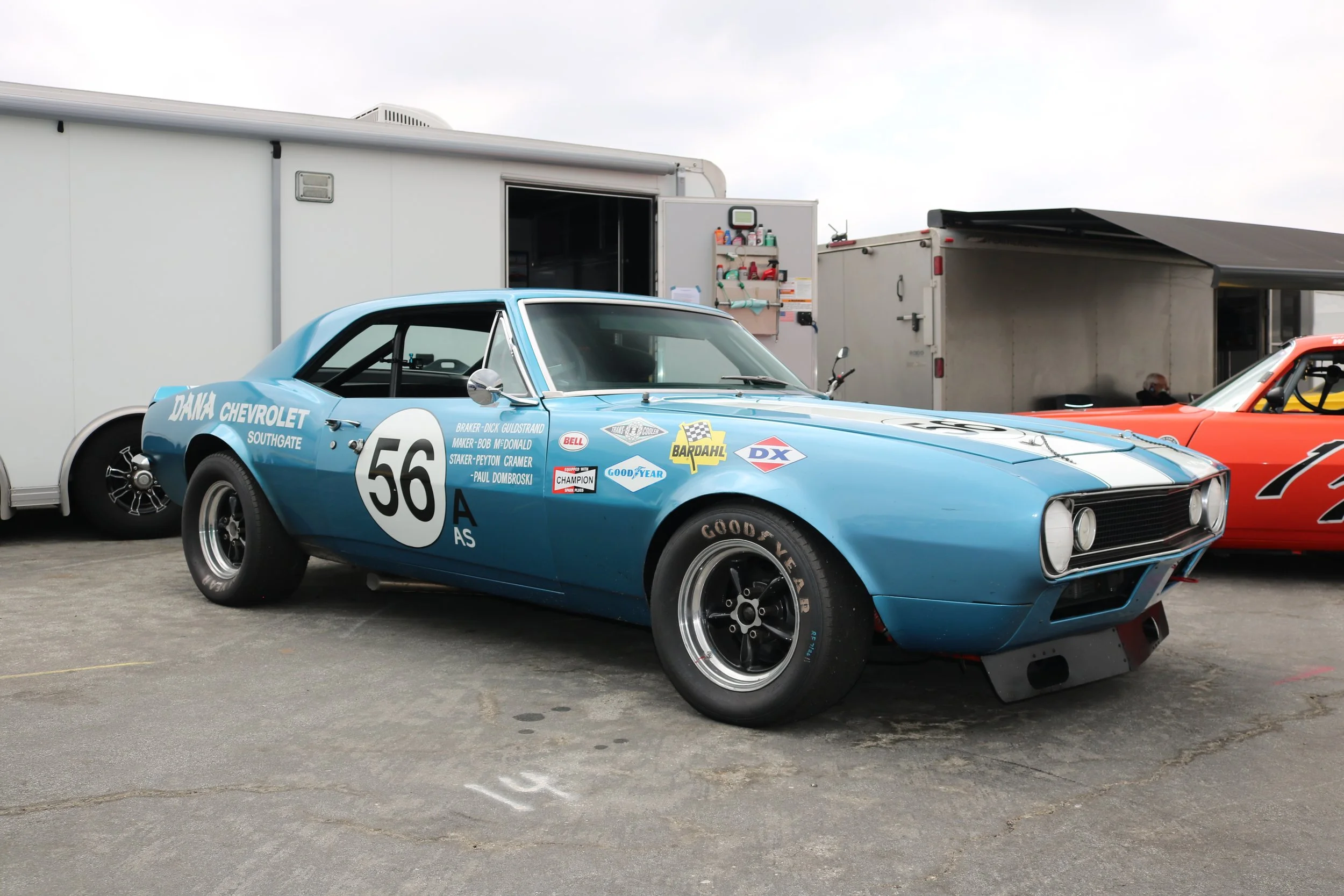
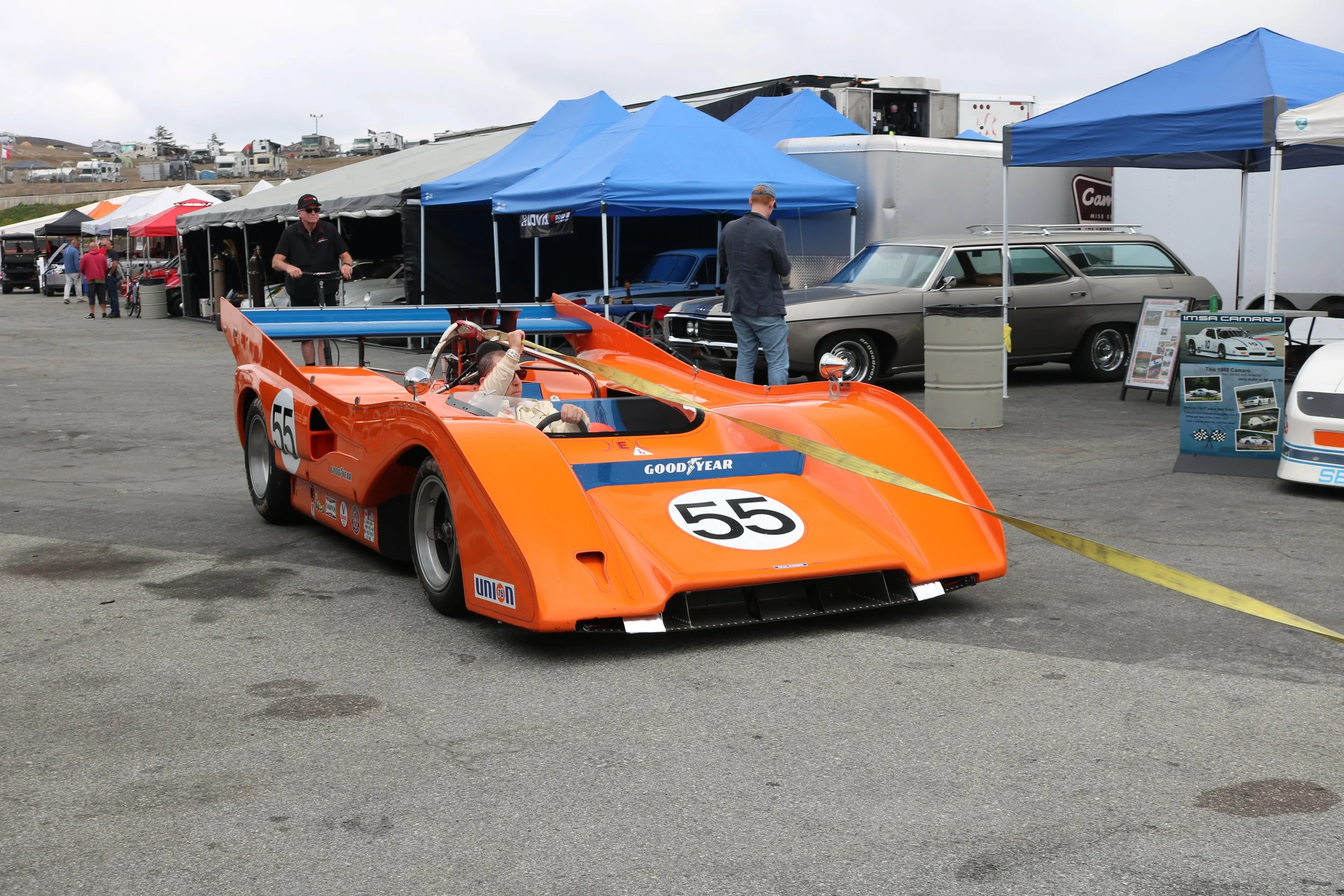
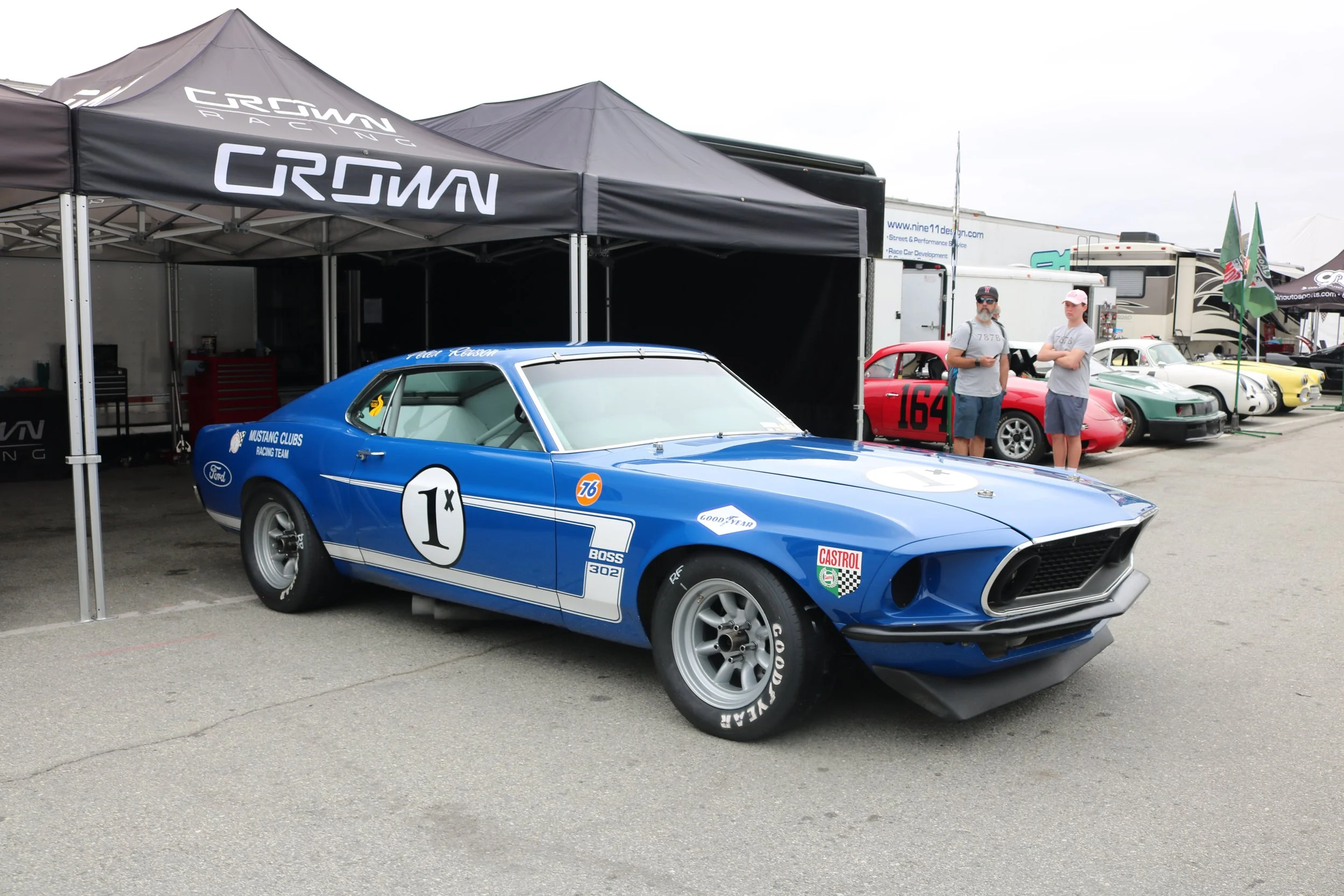
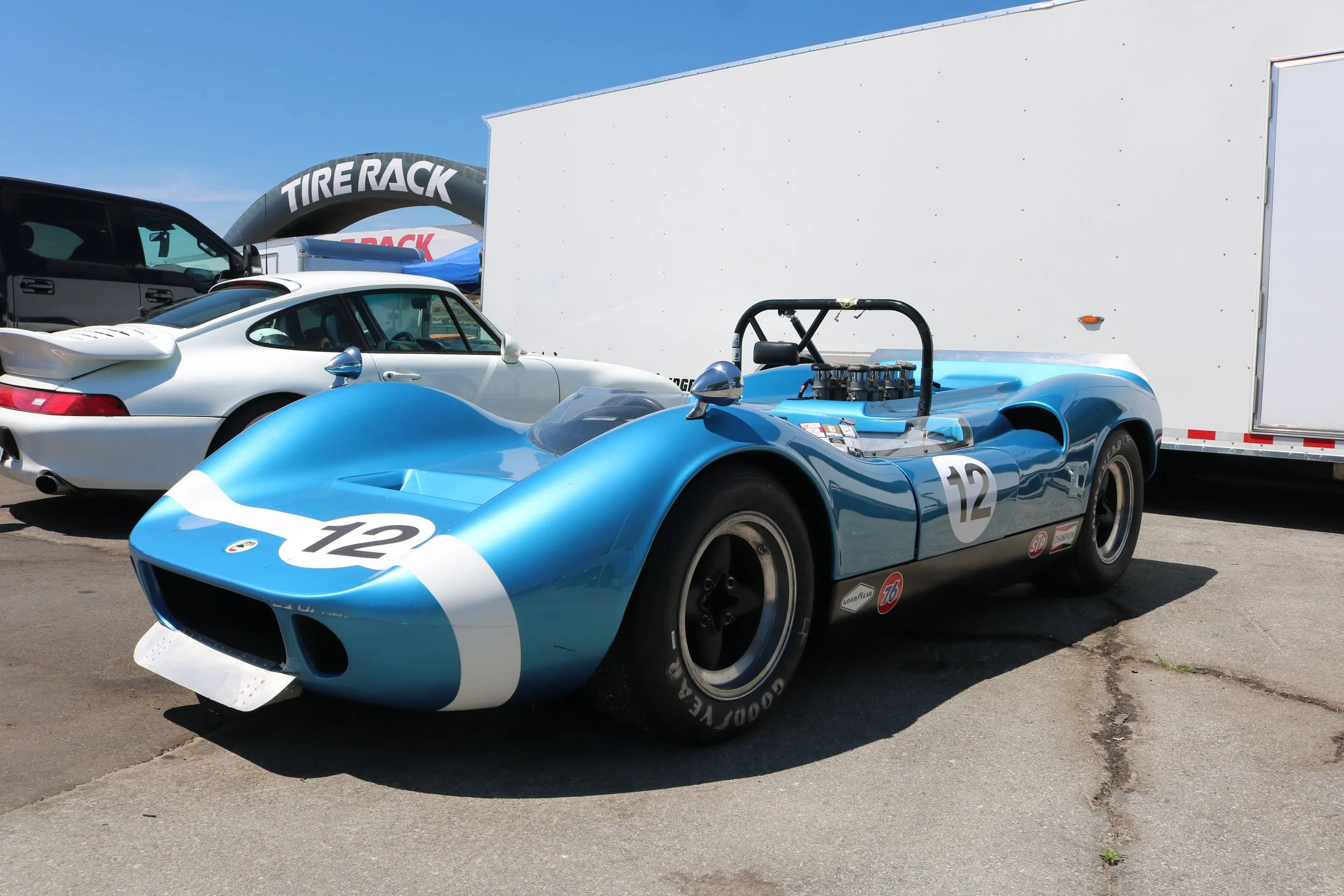
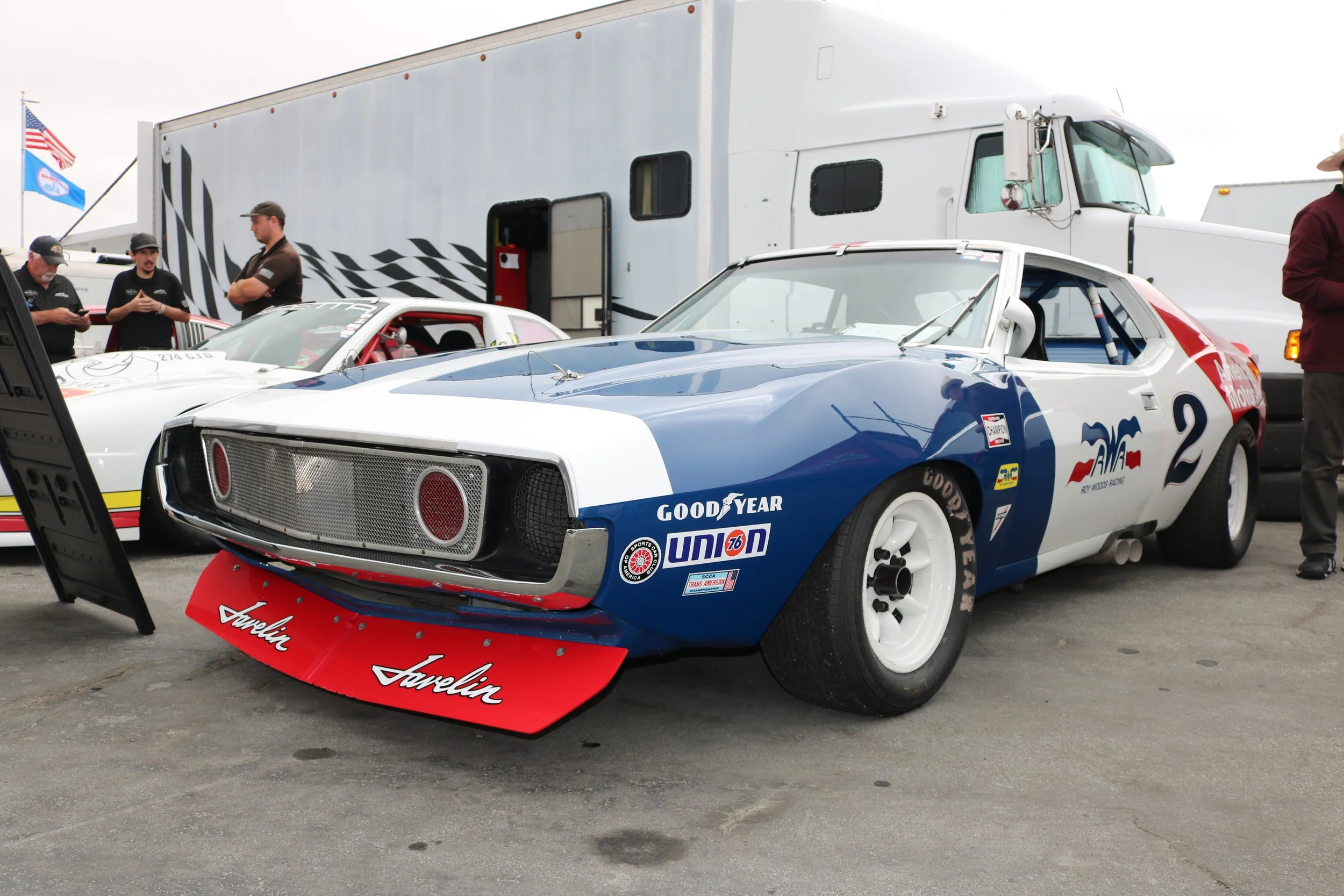
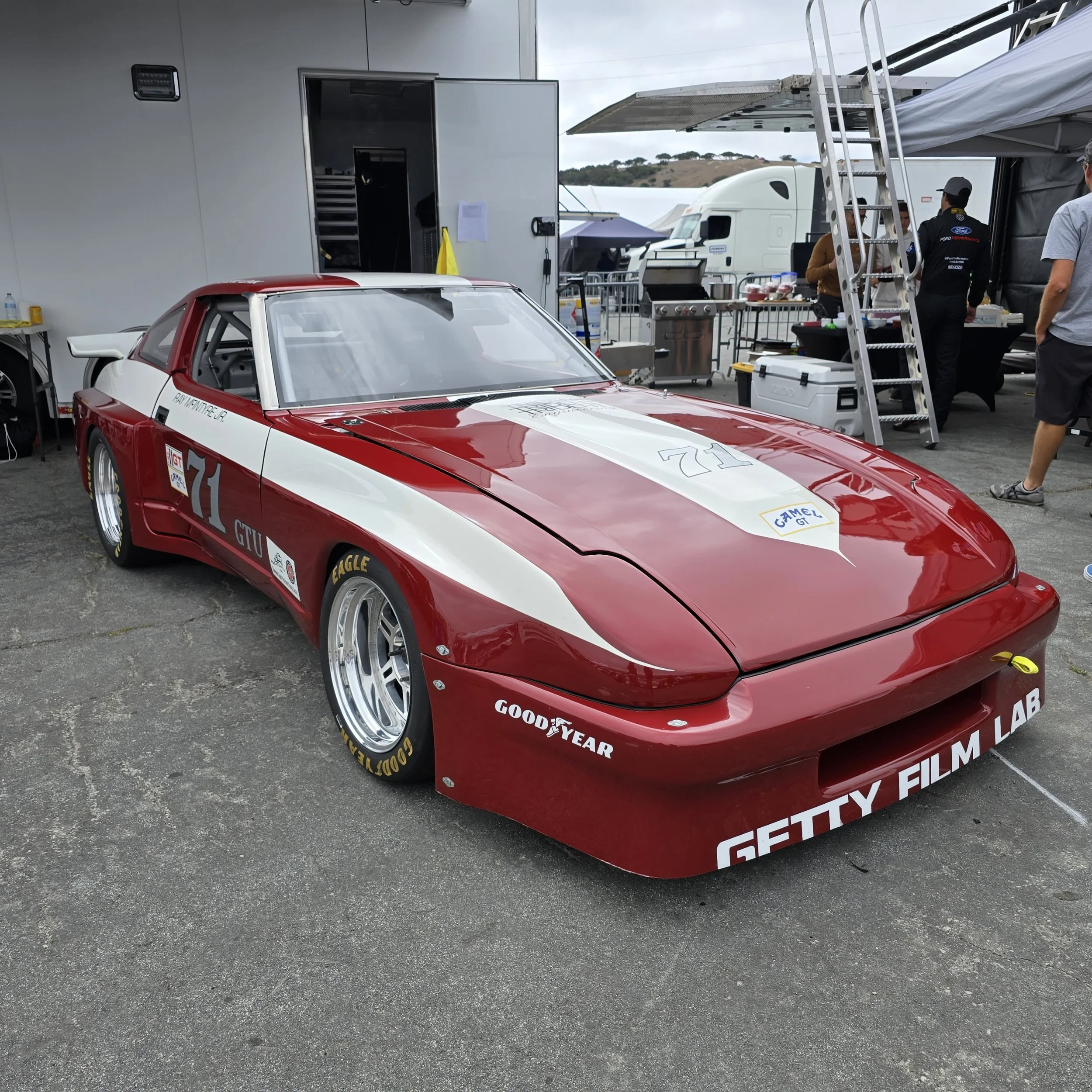
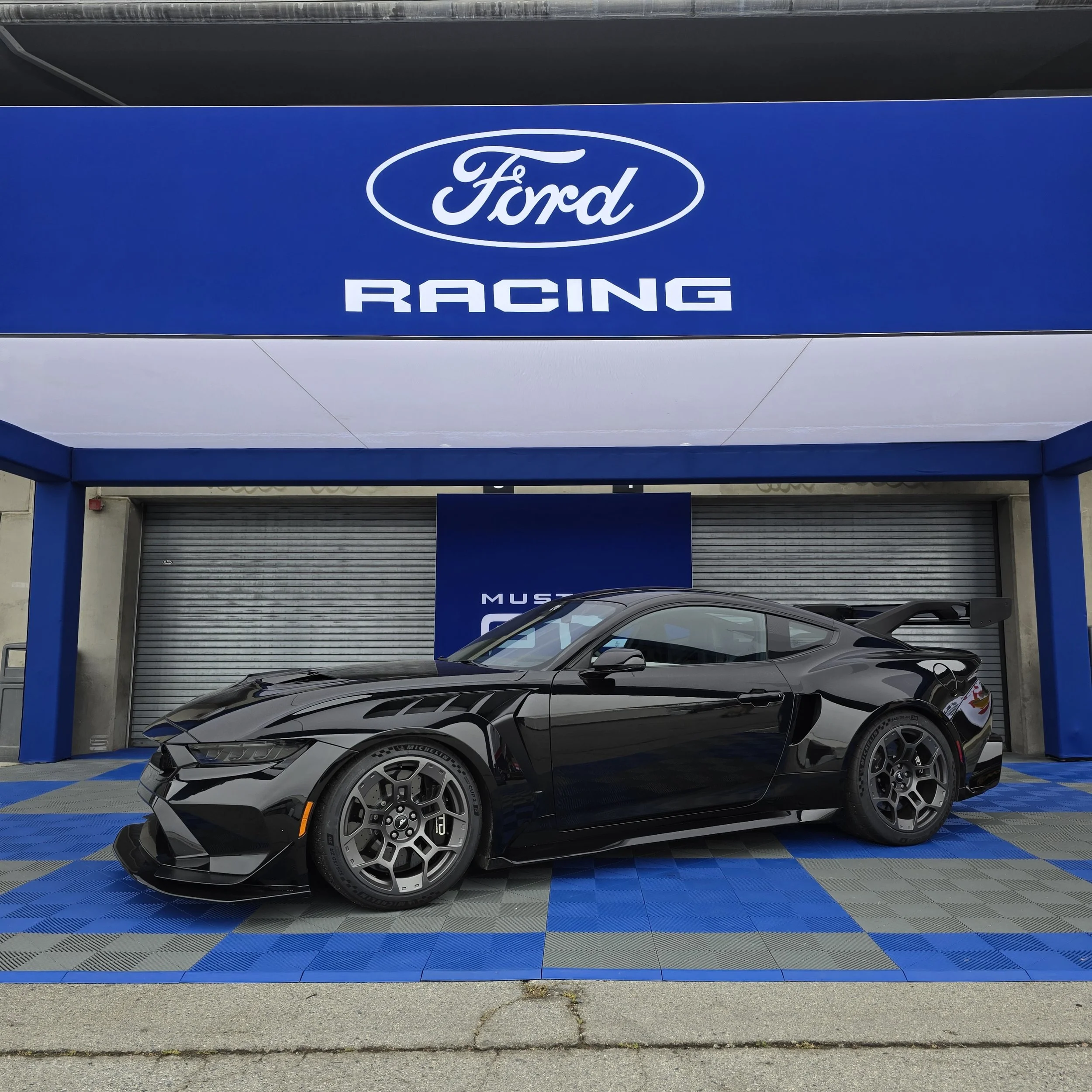
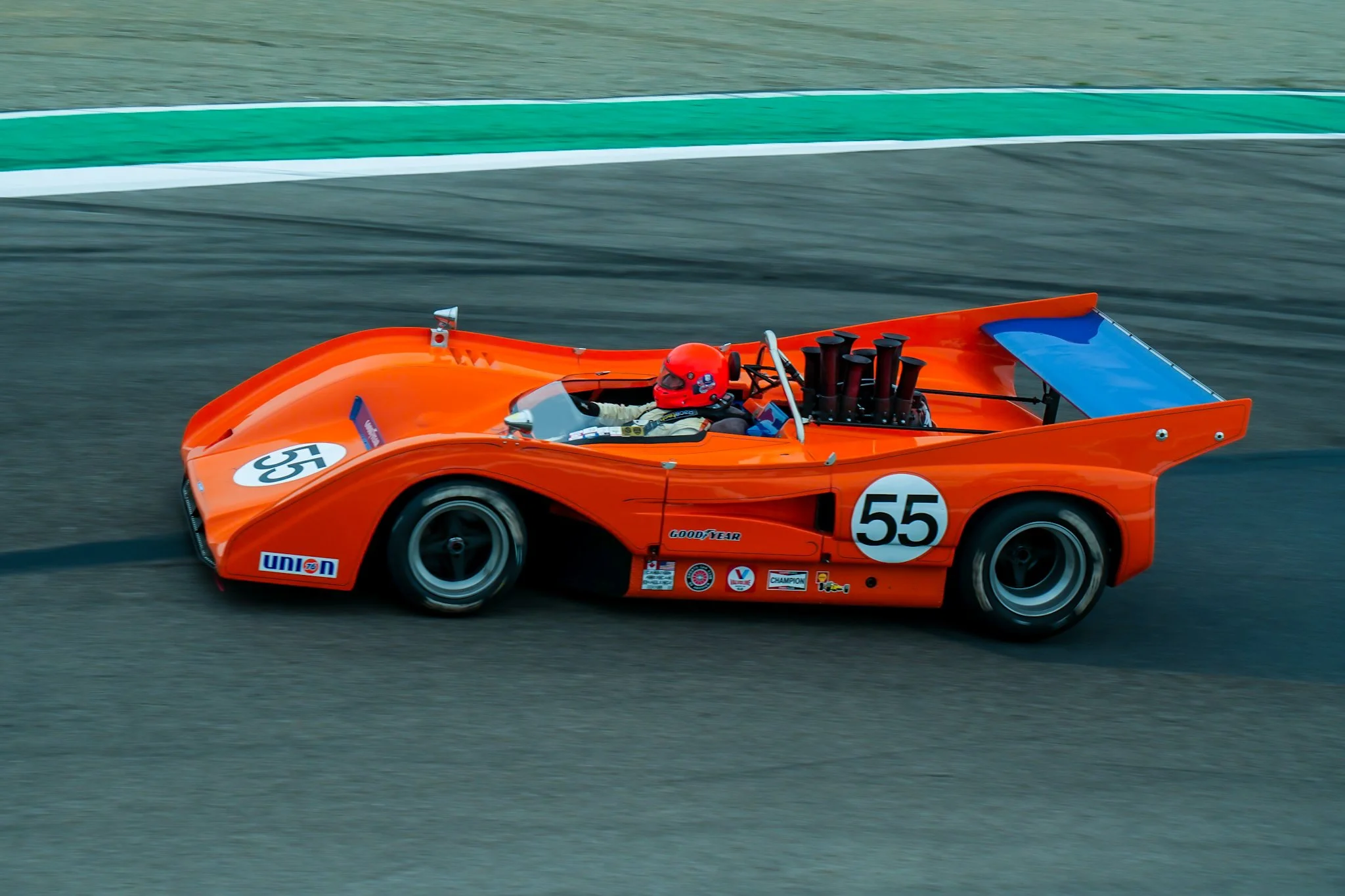
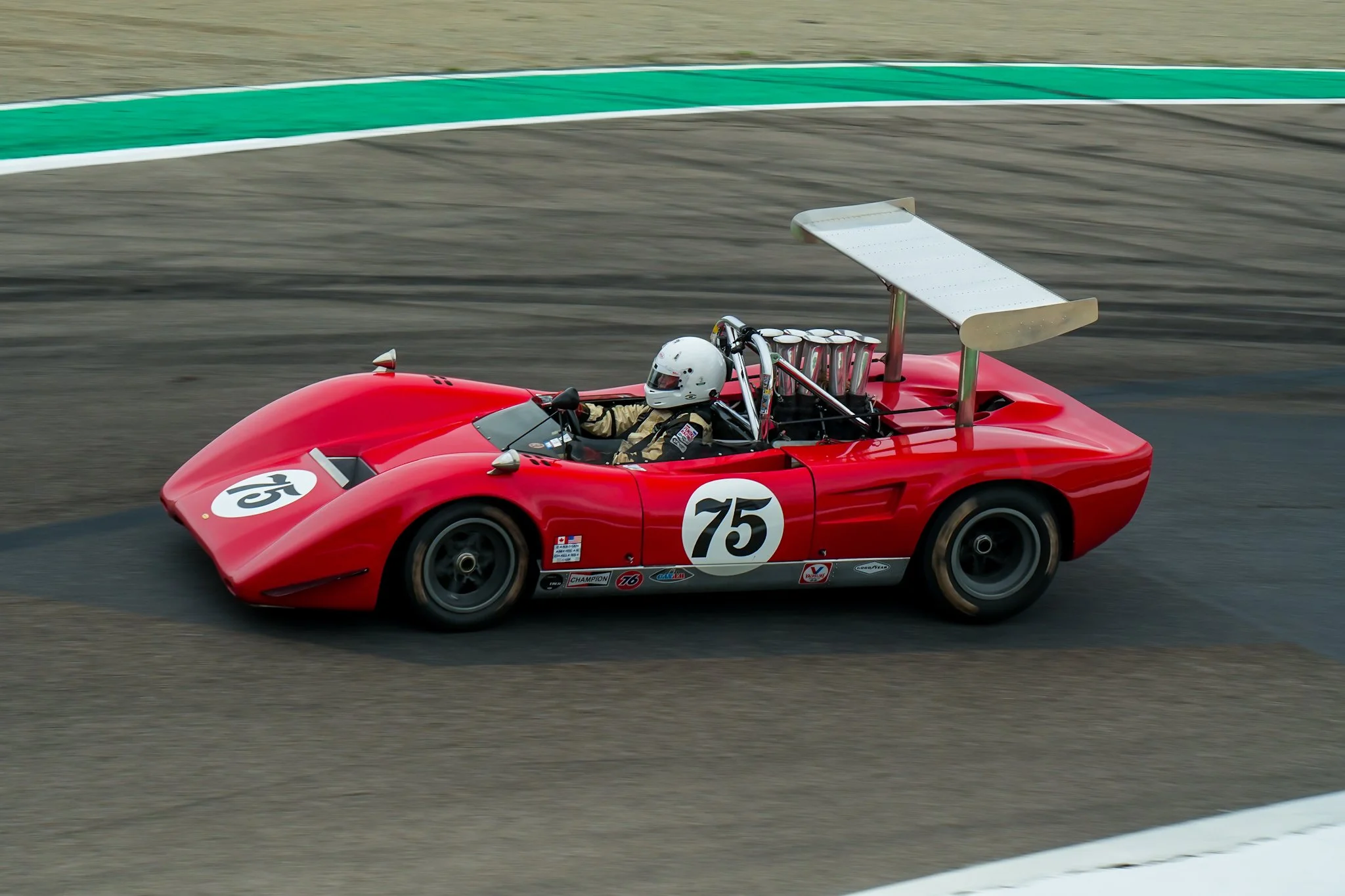
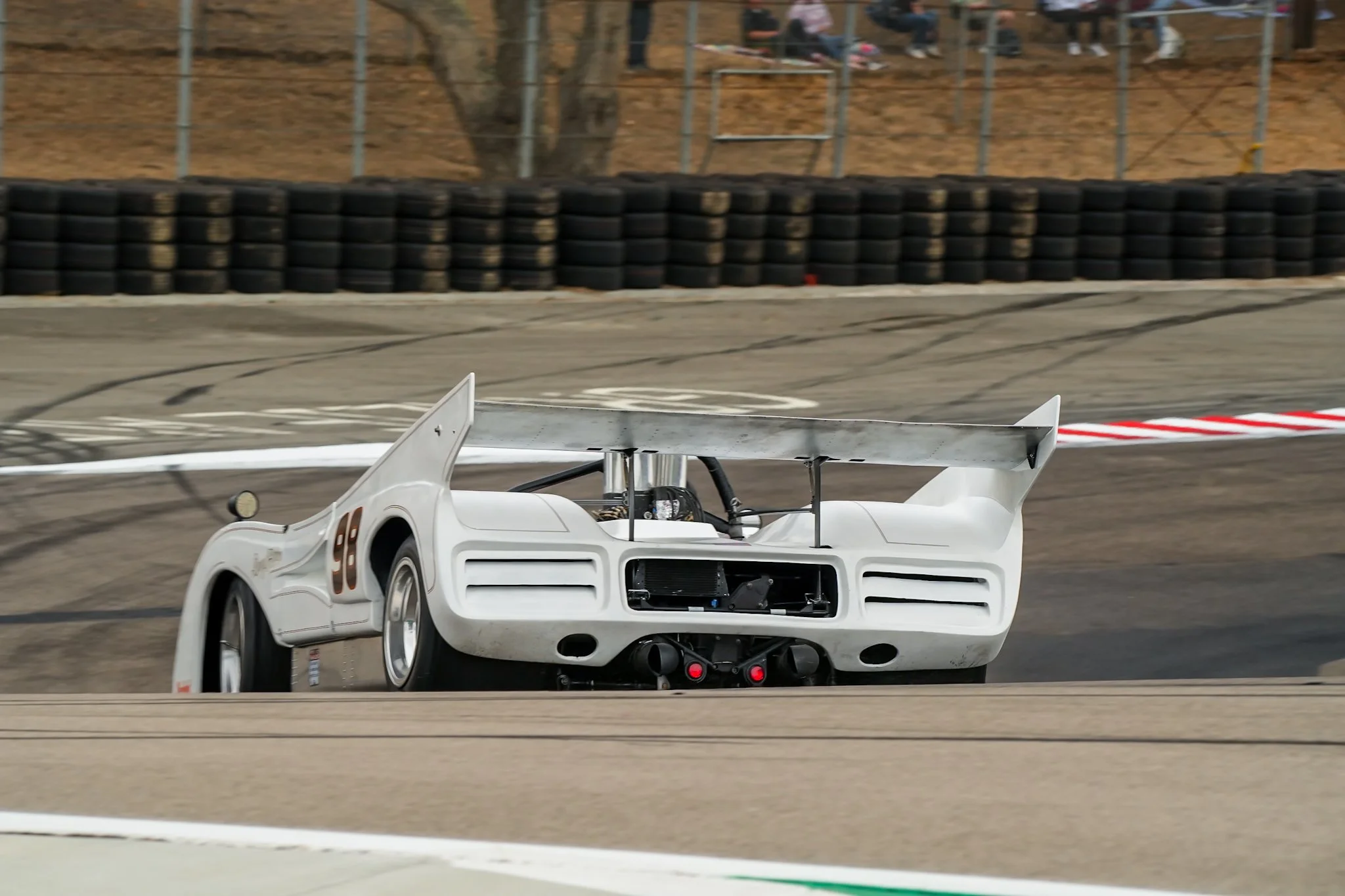
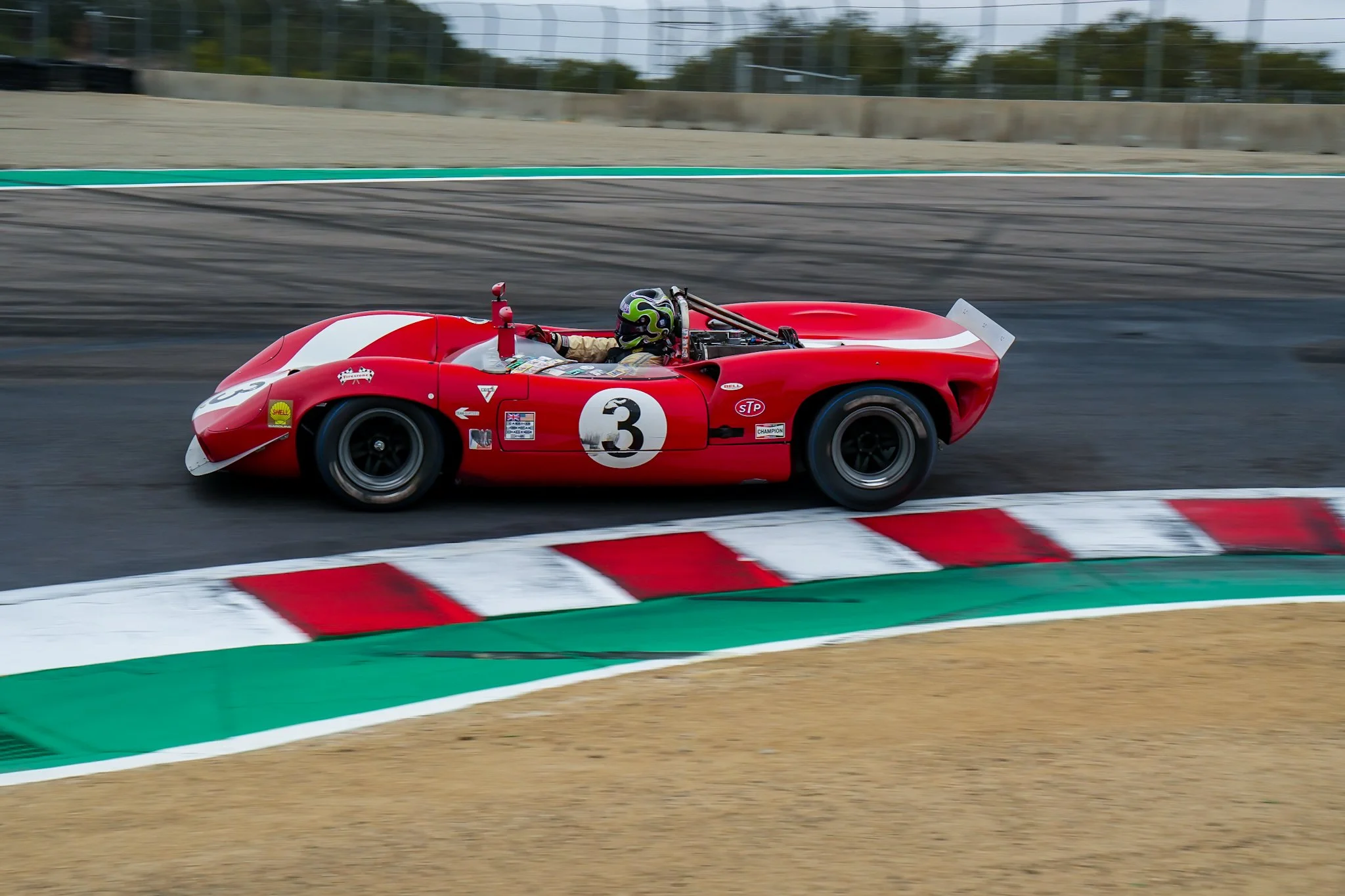
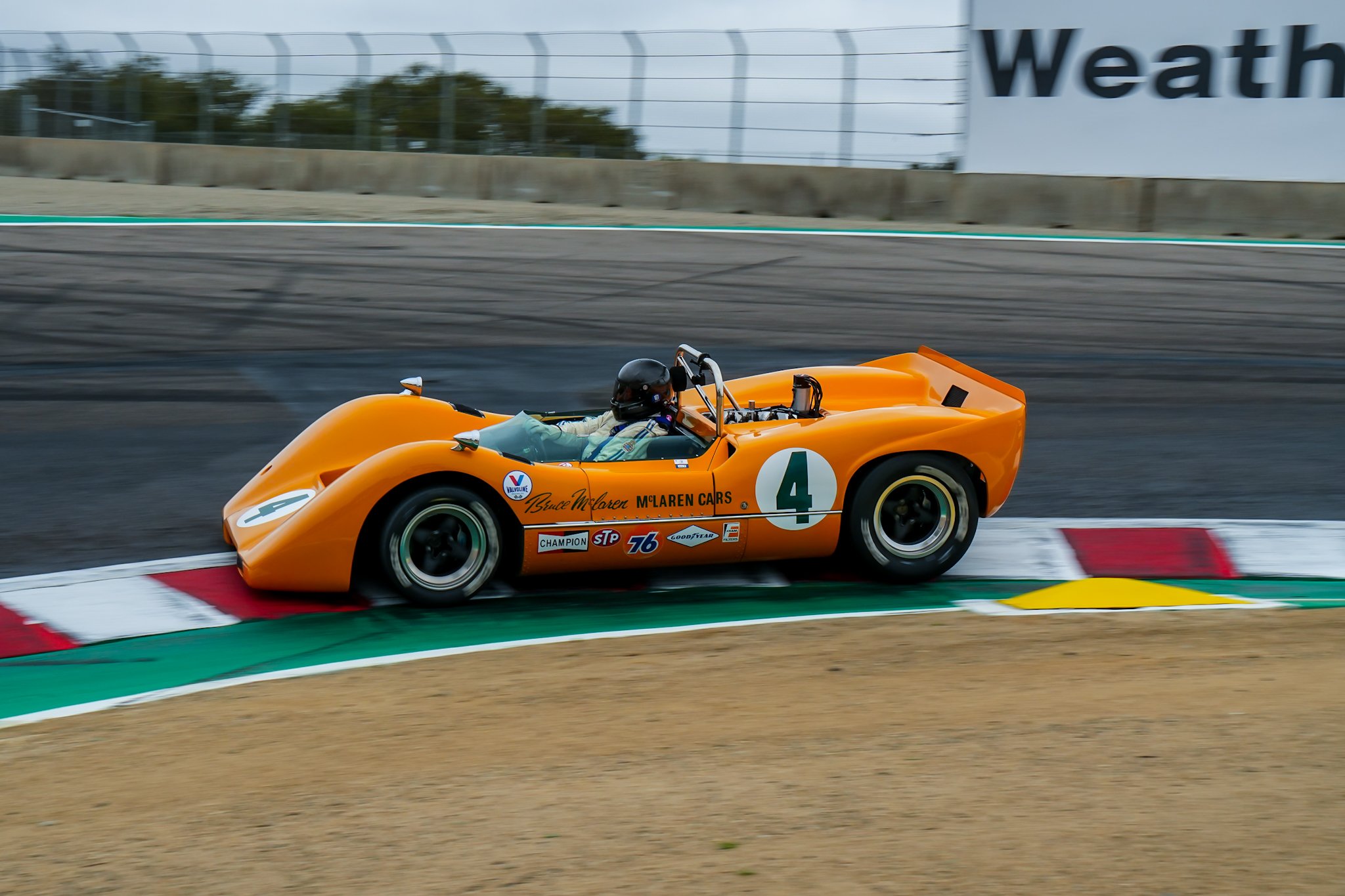
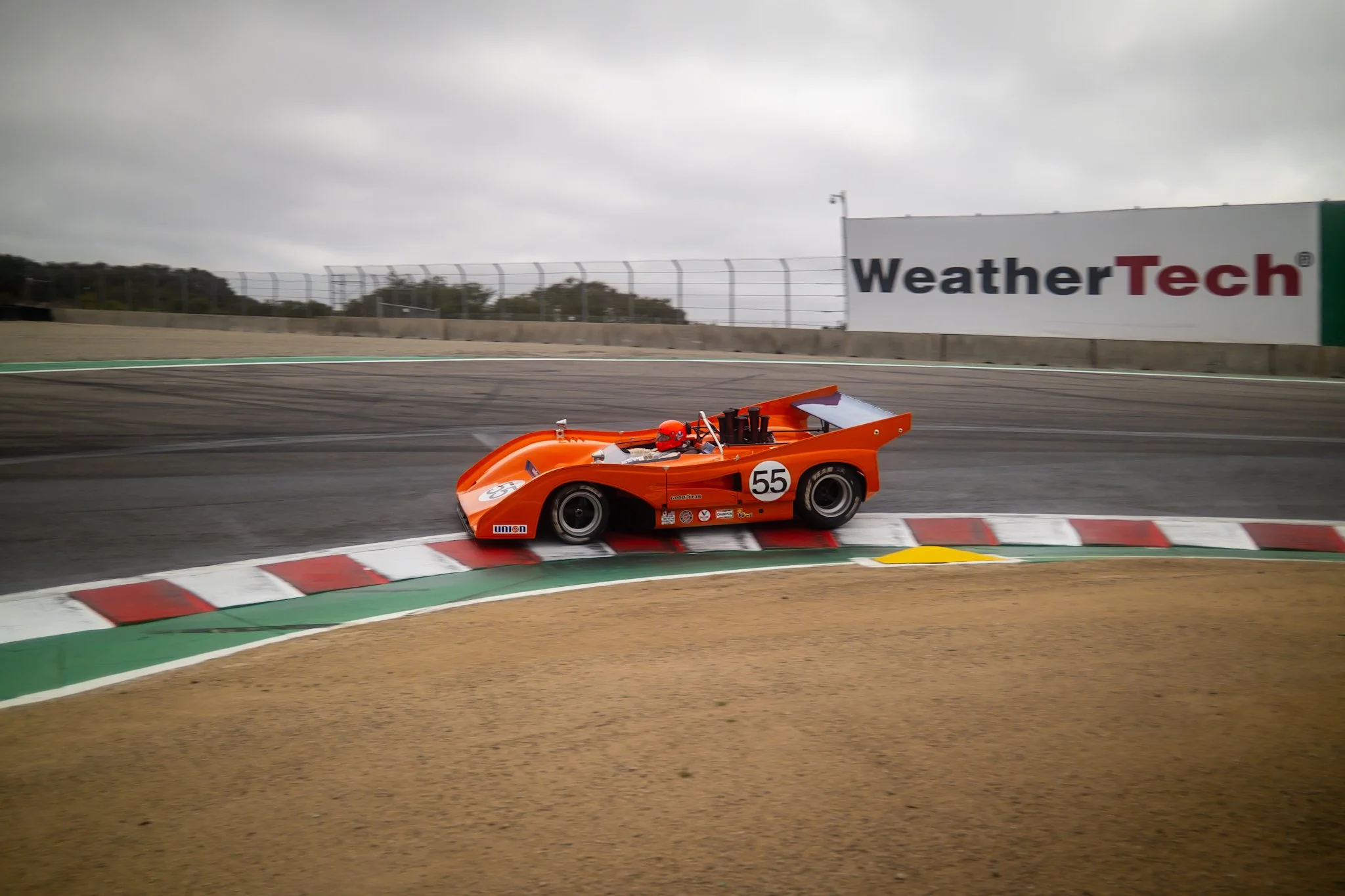
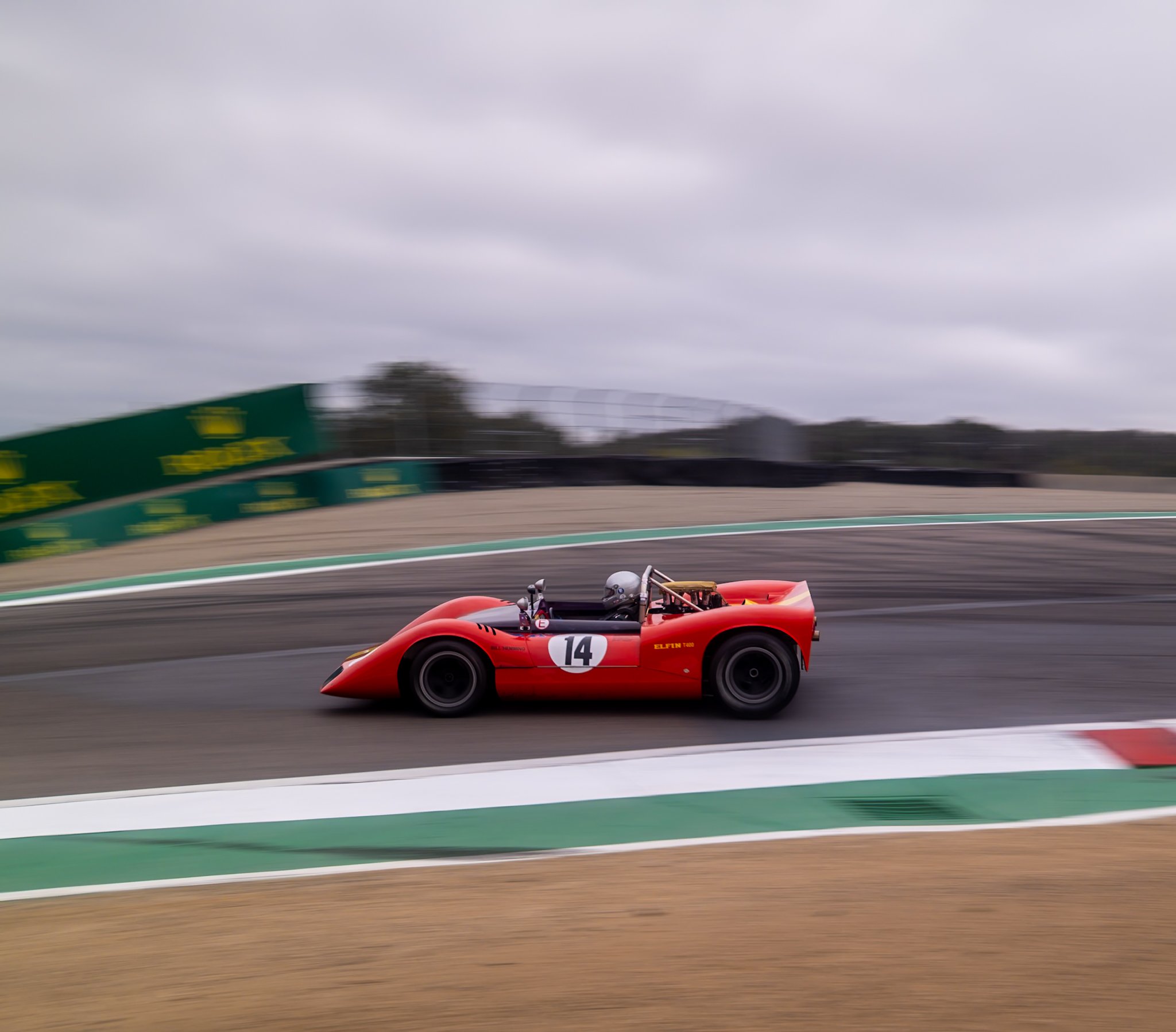
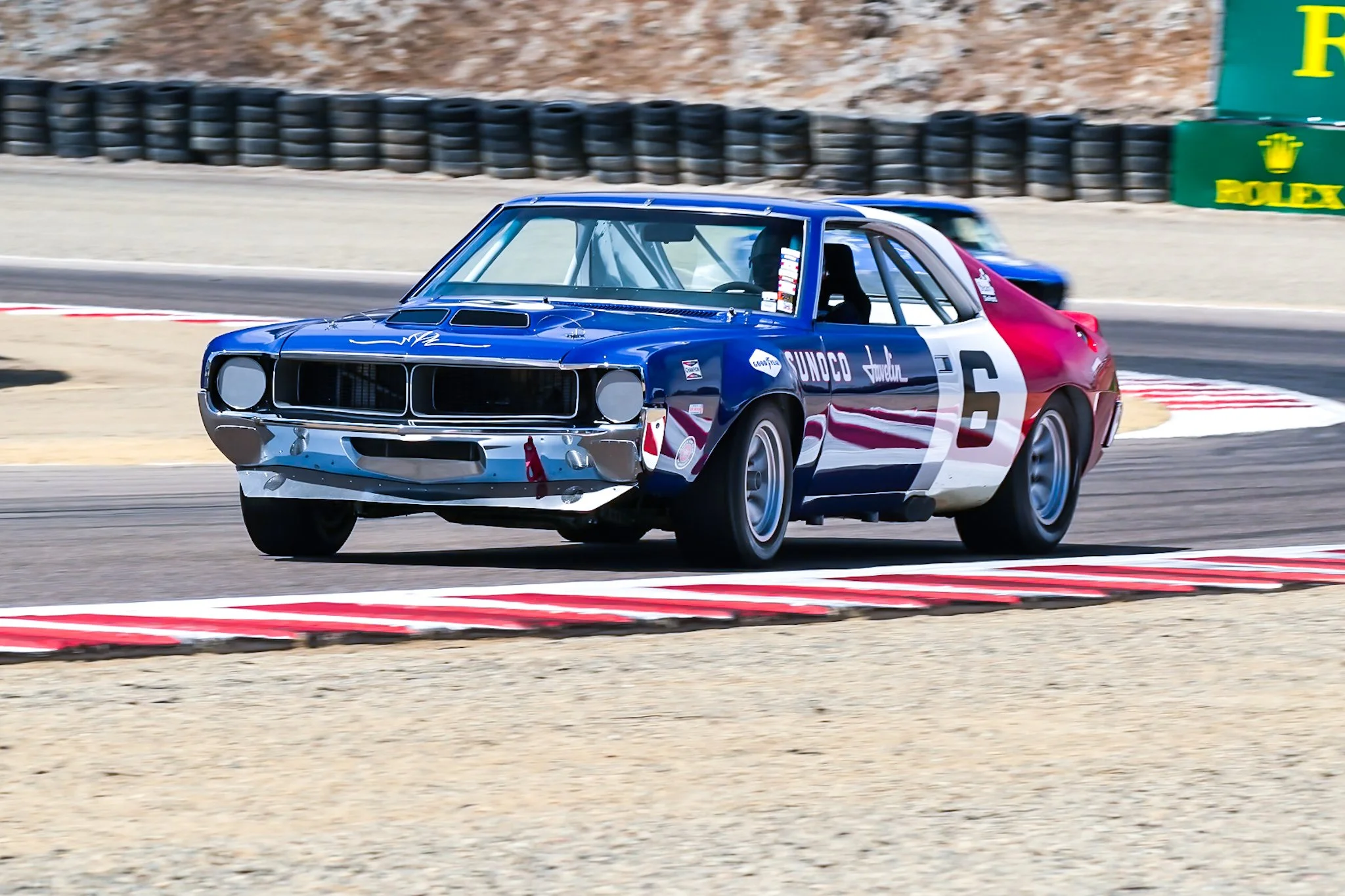
The organizers emphasize cars with genuine competition history and period-correct preparation. The result is an event where machinery associated with Le Mans, Formula One, IMSA, Can-Am, Trans-Am, IndyCar, NASCAR and motorcycle racing isn't sitting behind velvet ropes.
It's about being started and then raced around Laguna Seca's 2.238-mile, 11-turn circuit, including the Corkscrew — perhaps the most wonderfully ridiculous piece of pavement in American motorsport.
2026: Japan Finally Gets the Racetrack - and the lawn
The major story for 2026 is Icons of Japanese Motorsport, this year's featured marque celebration.
And it is overdue.
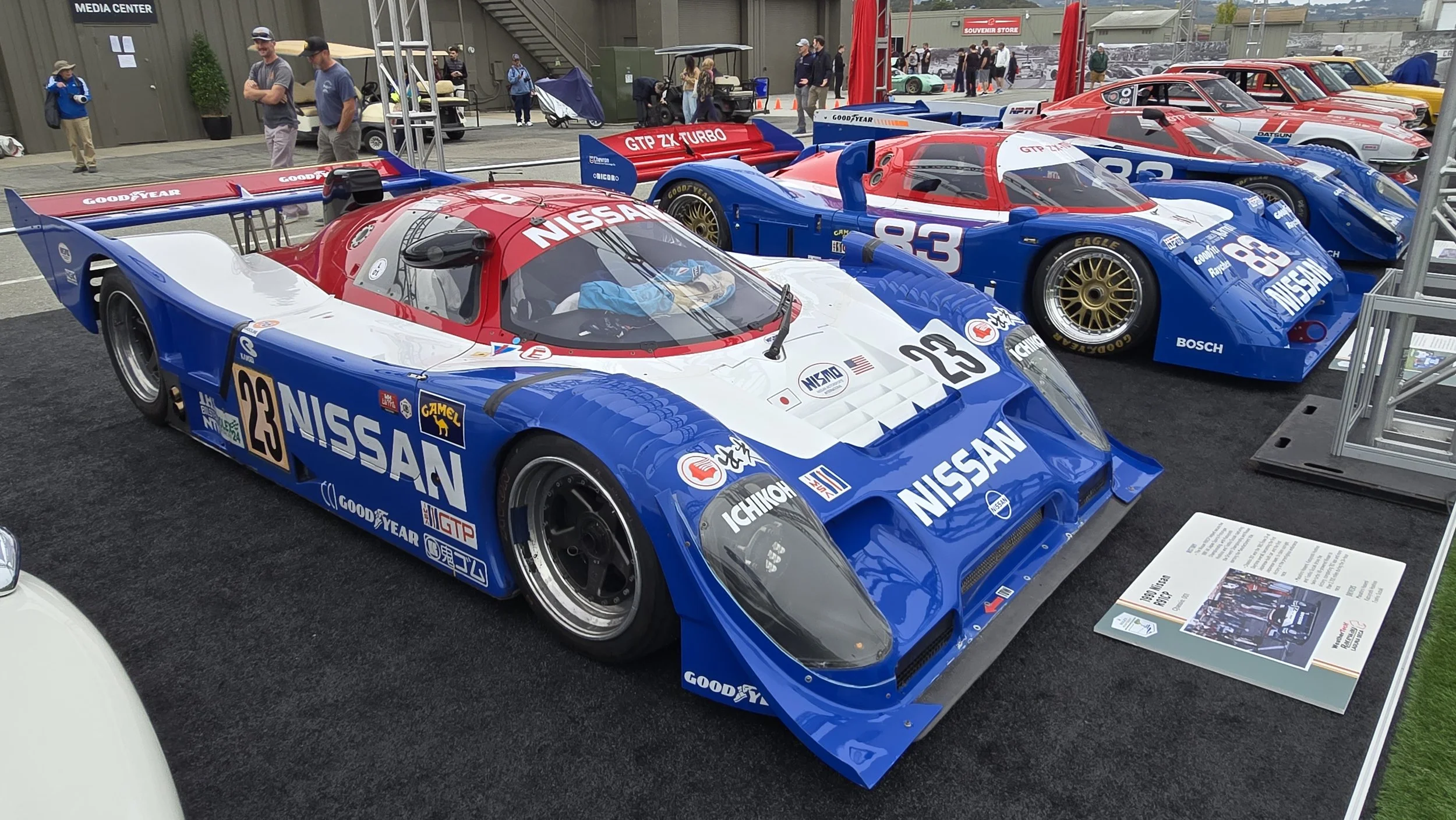
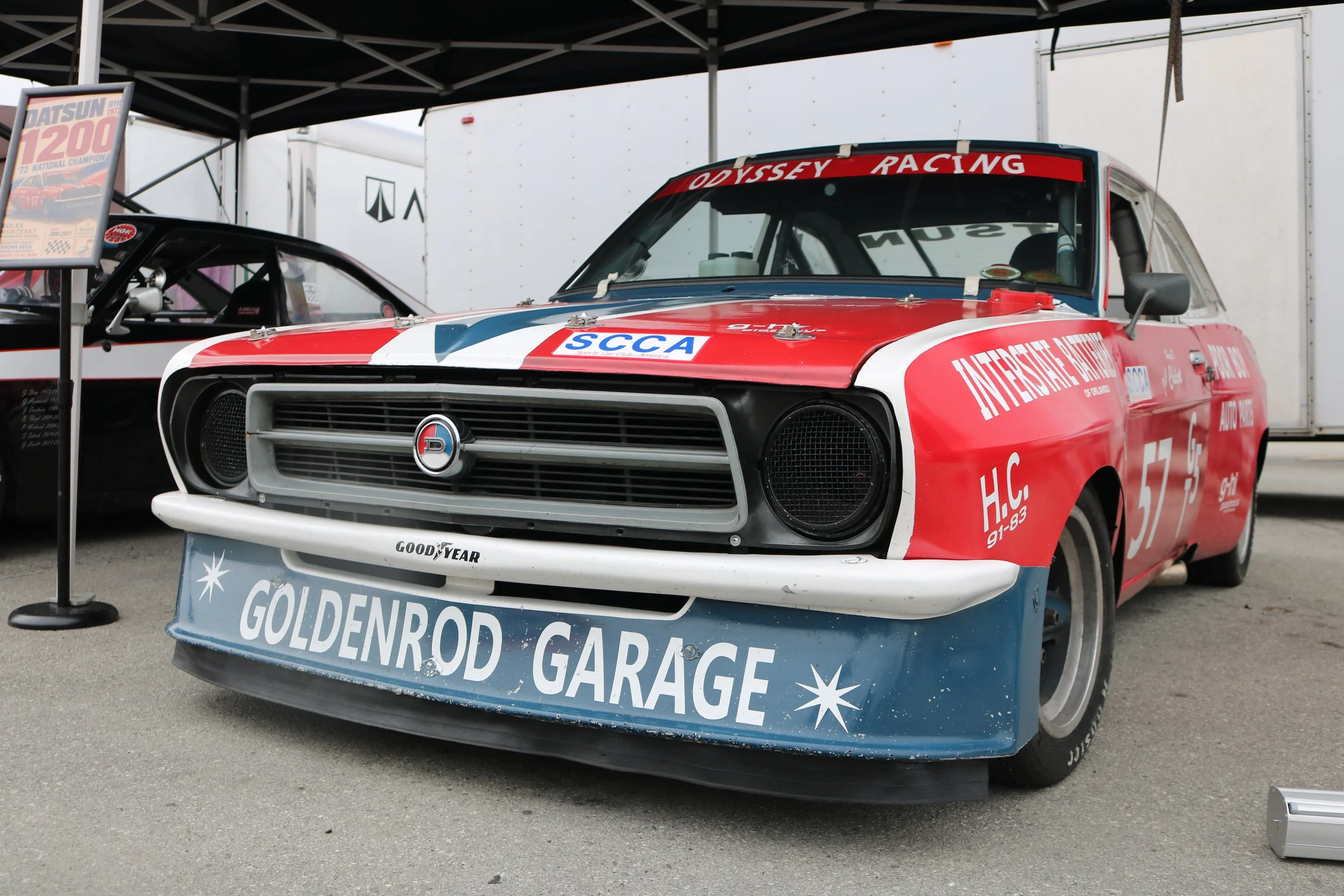
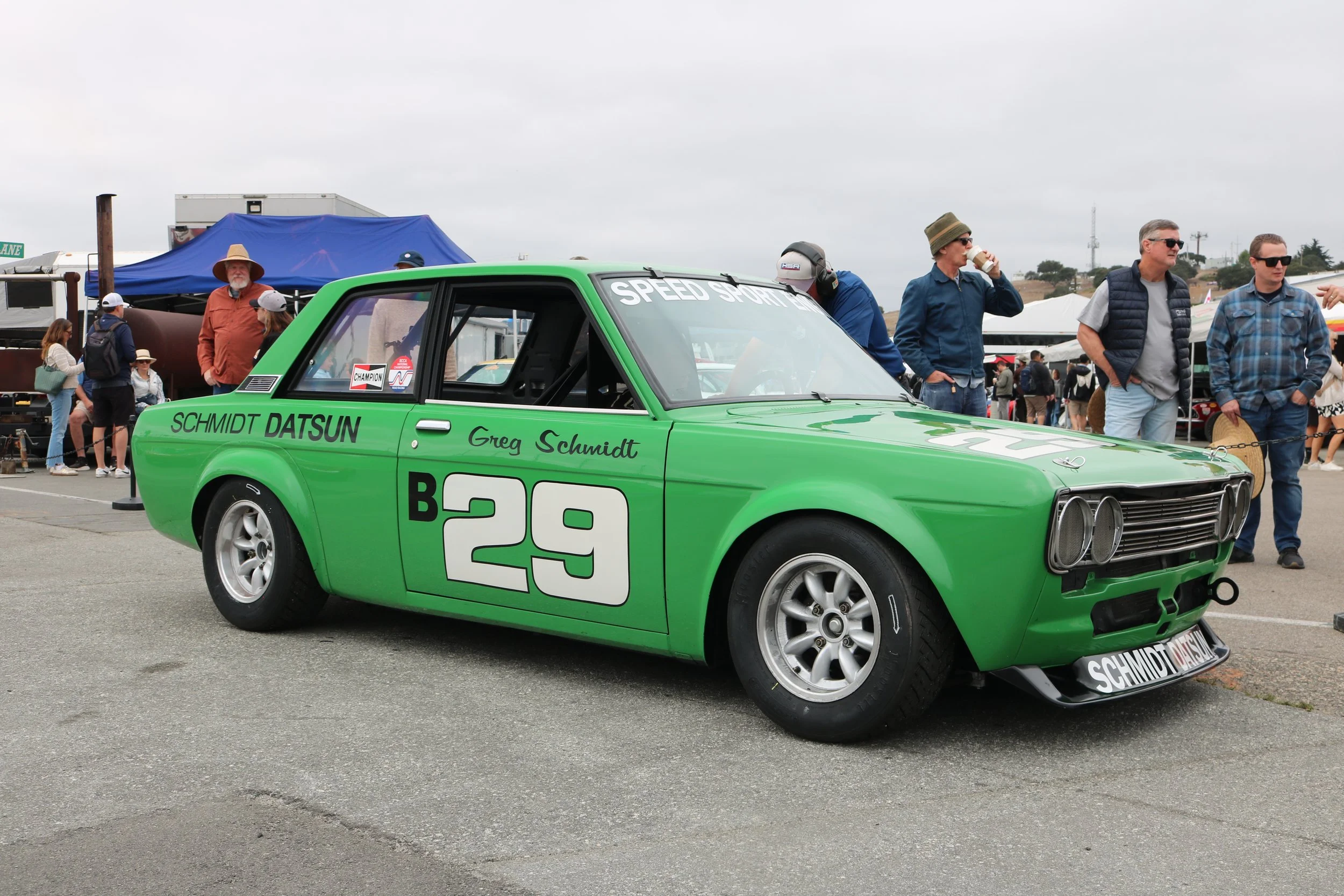
So many Datsuns and Nissans…maybe all of them.?
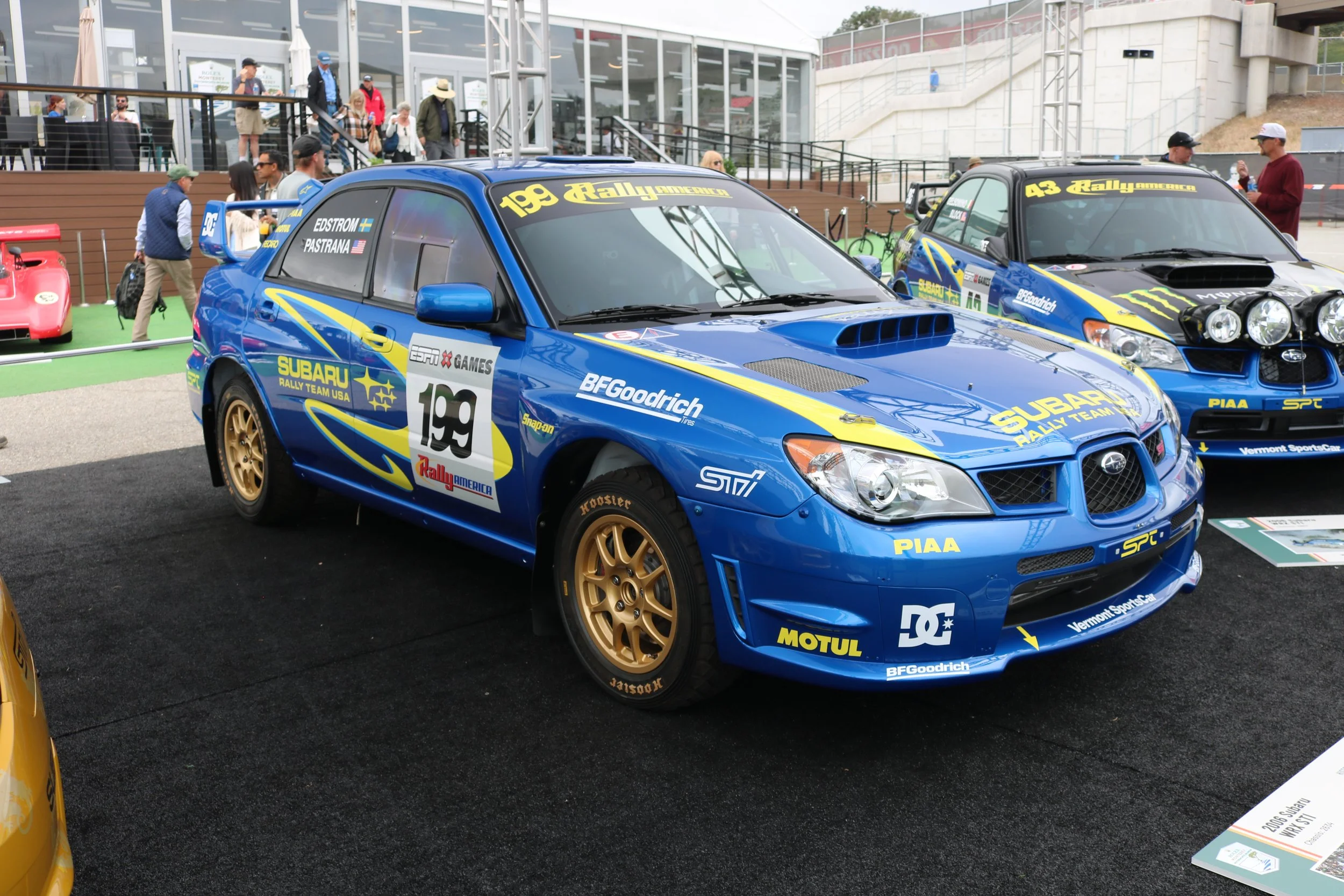
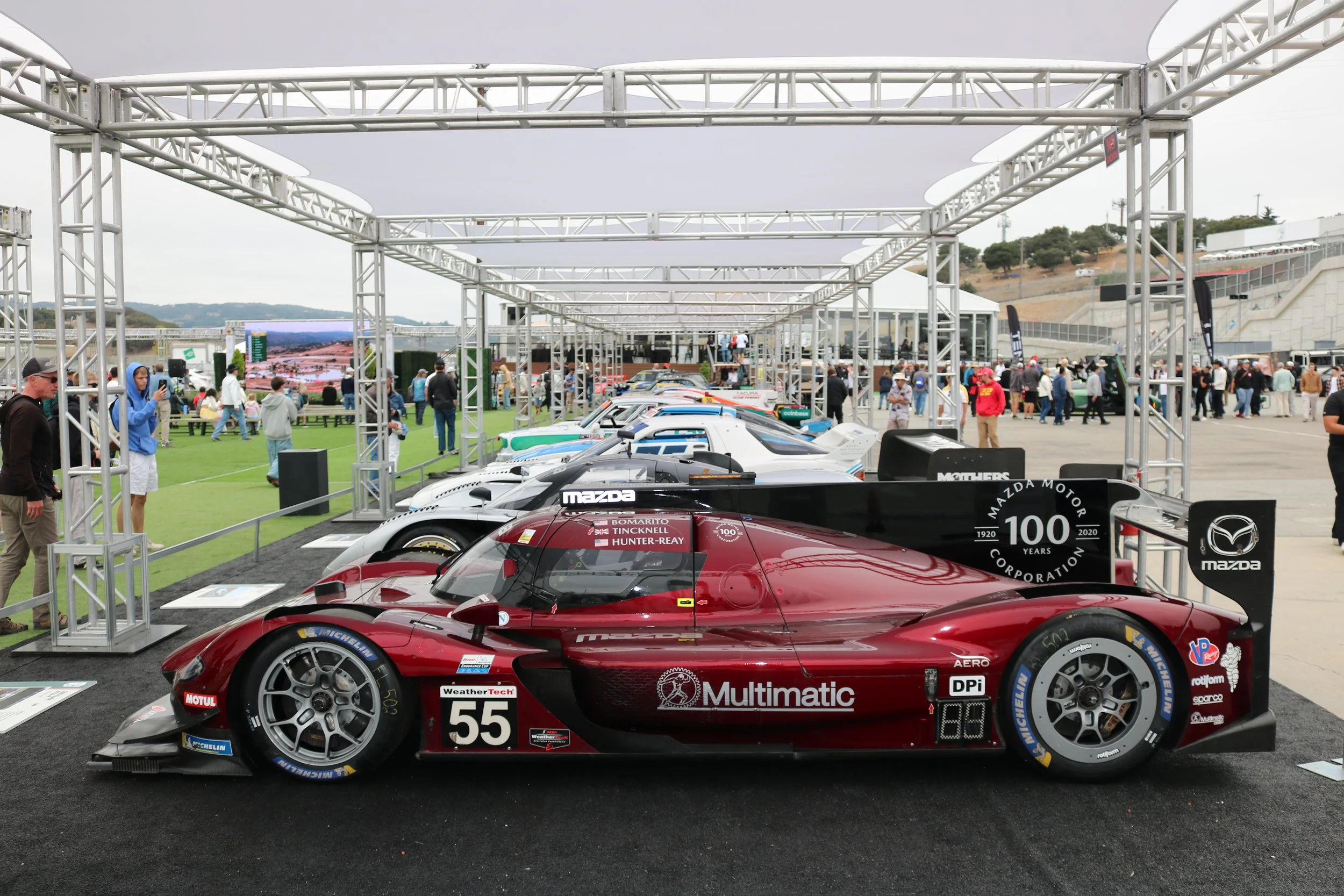
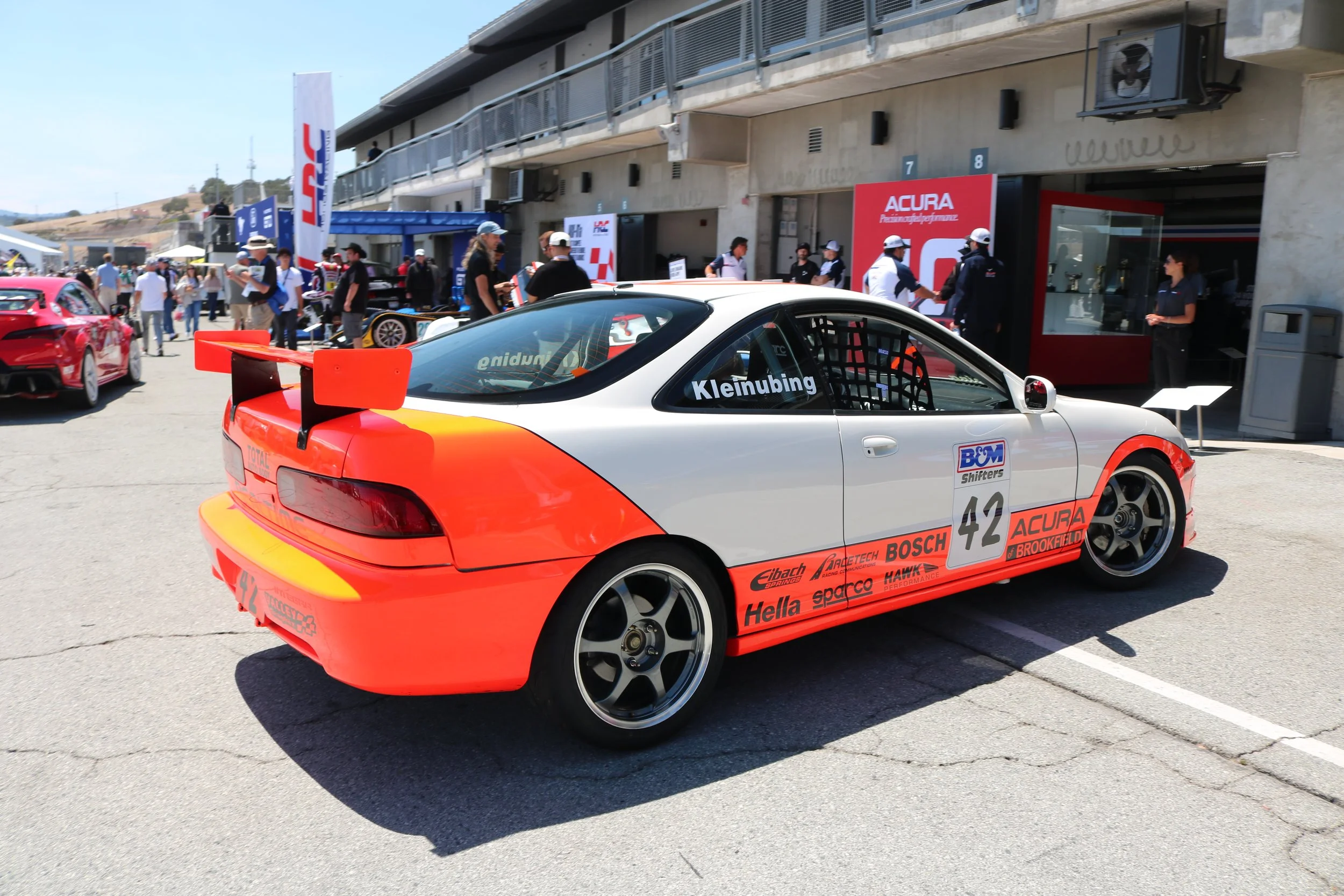
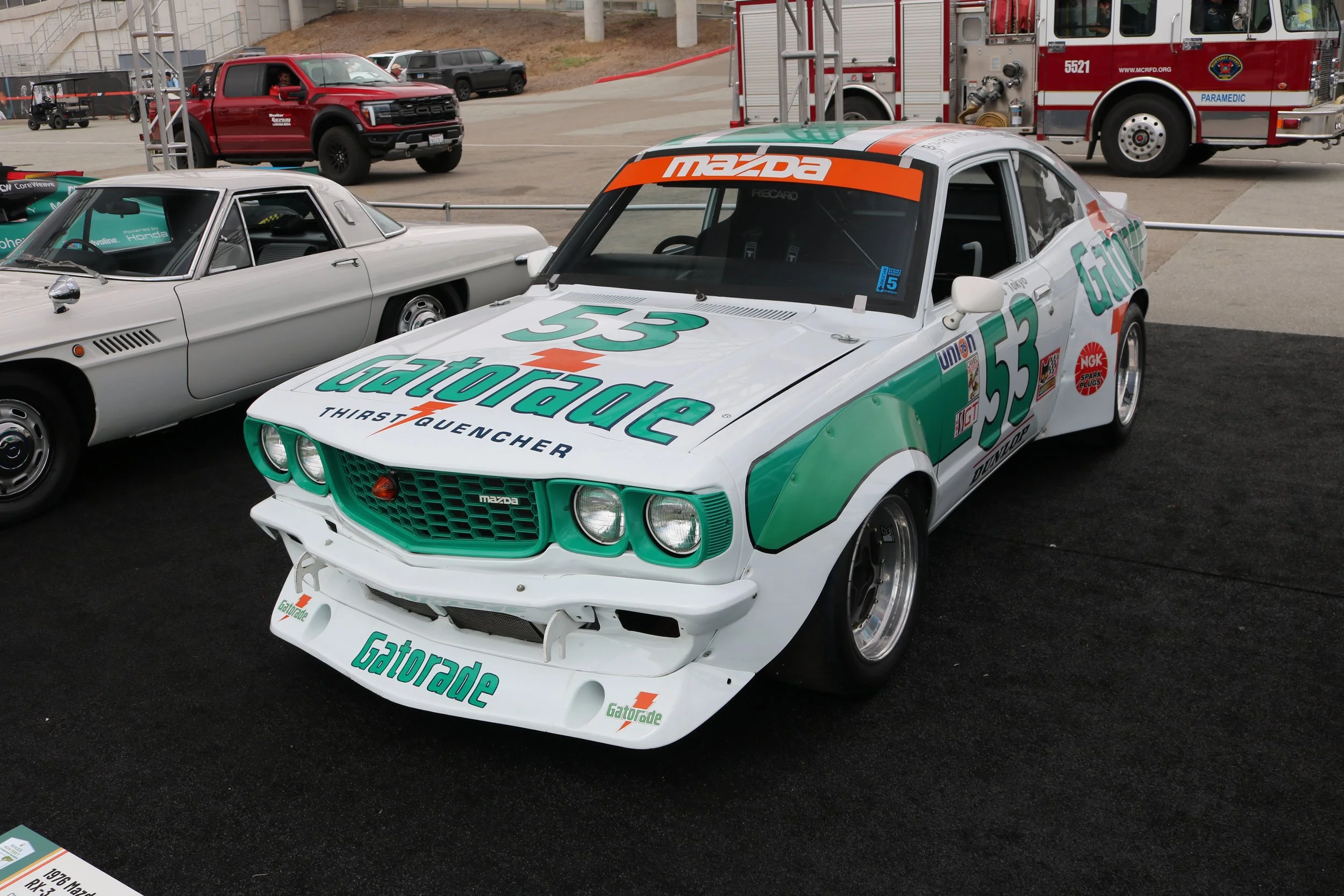
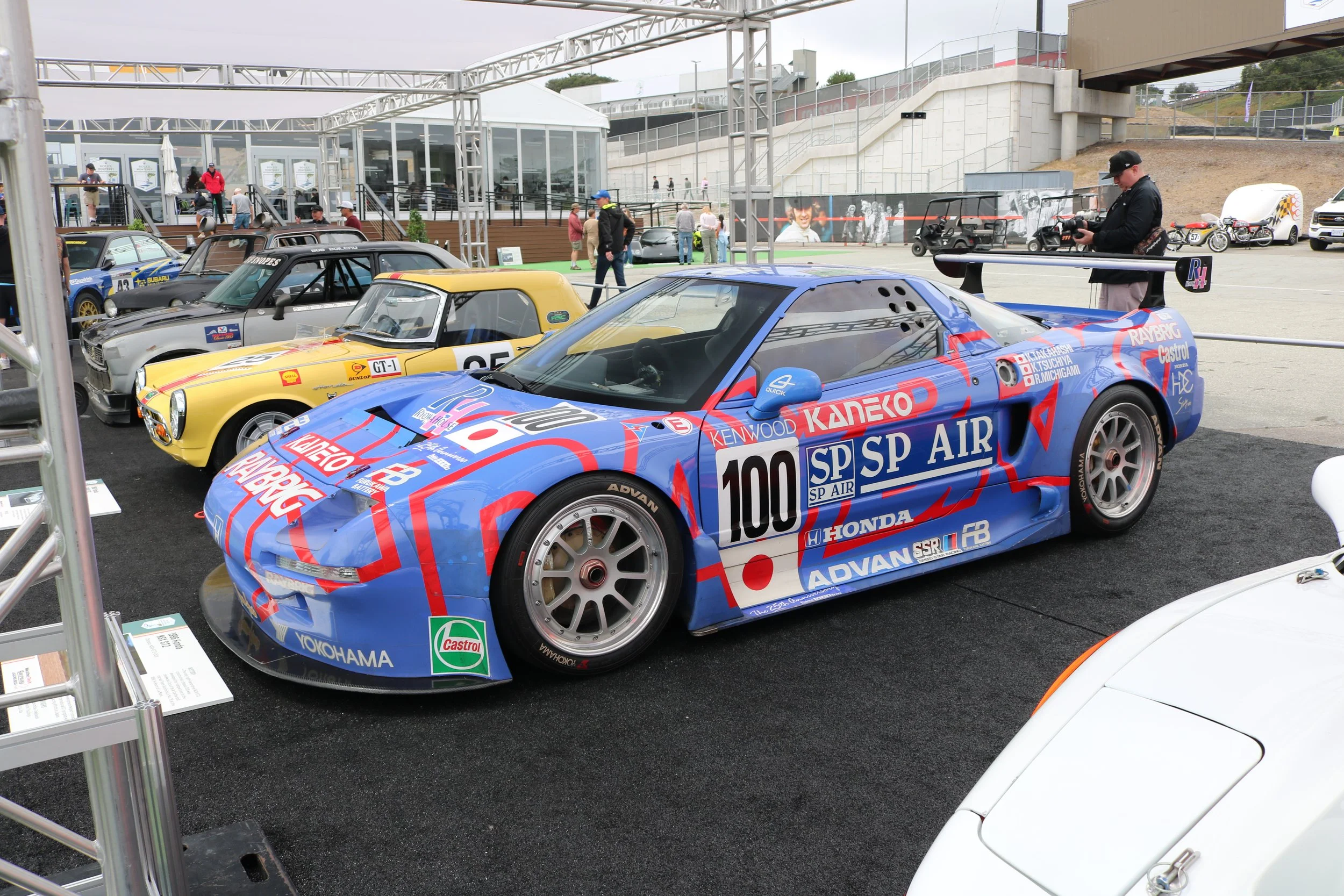
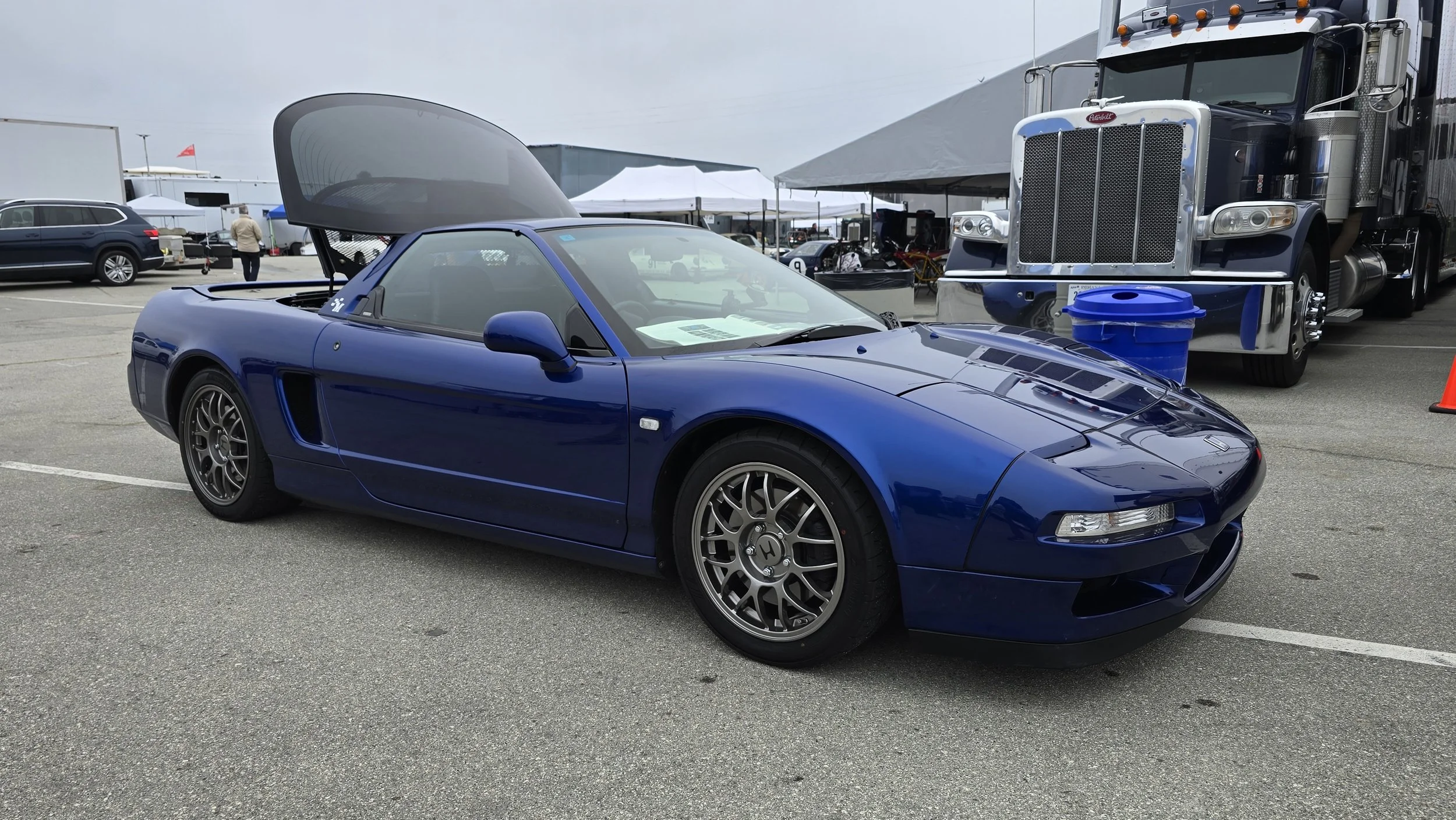
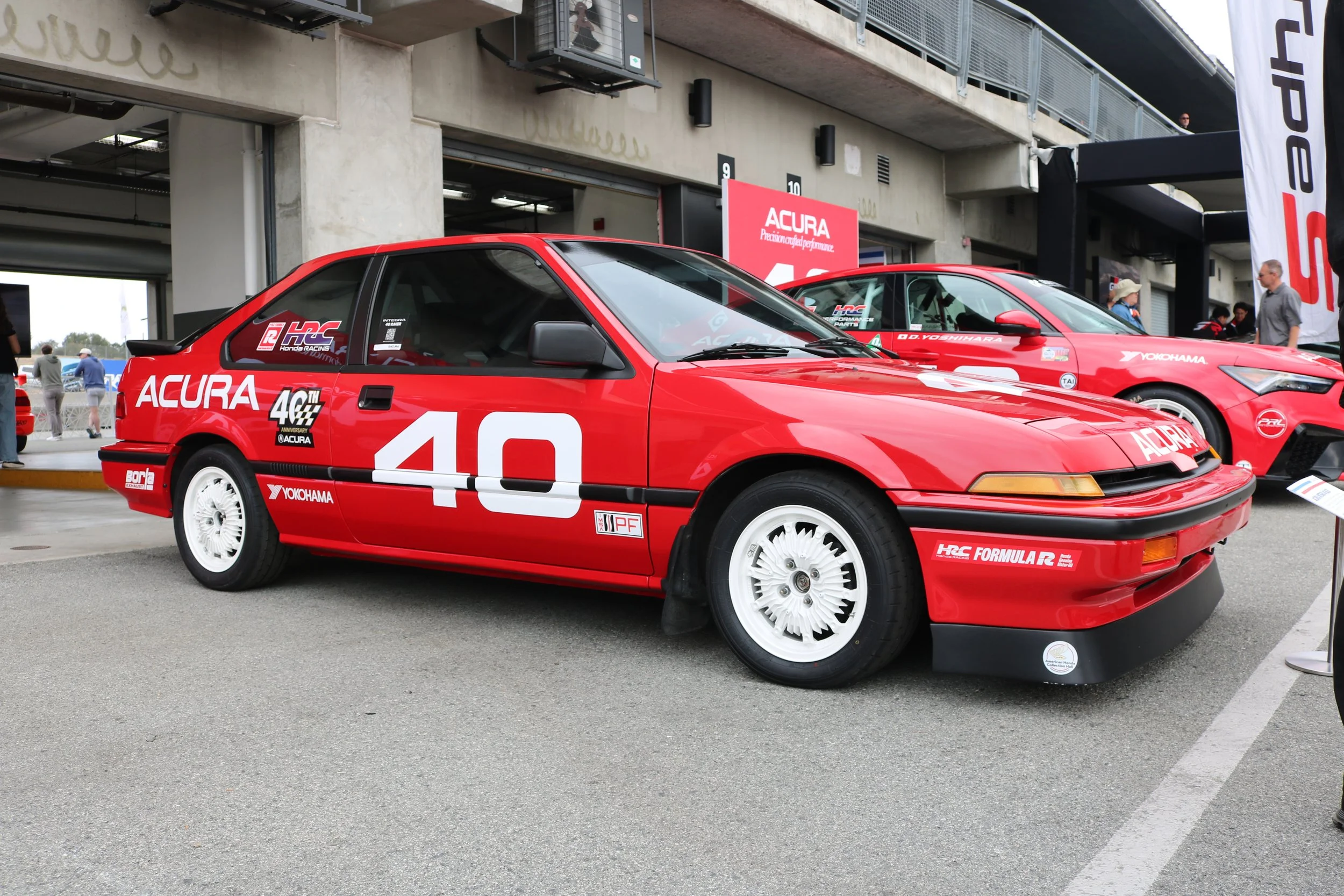
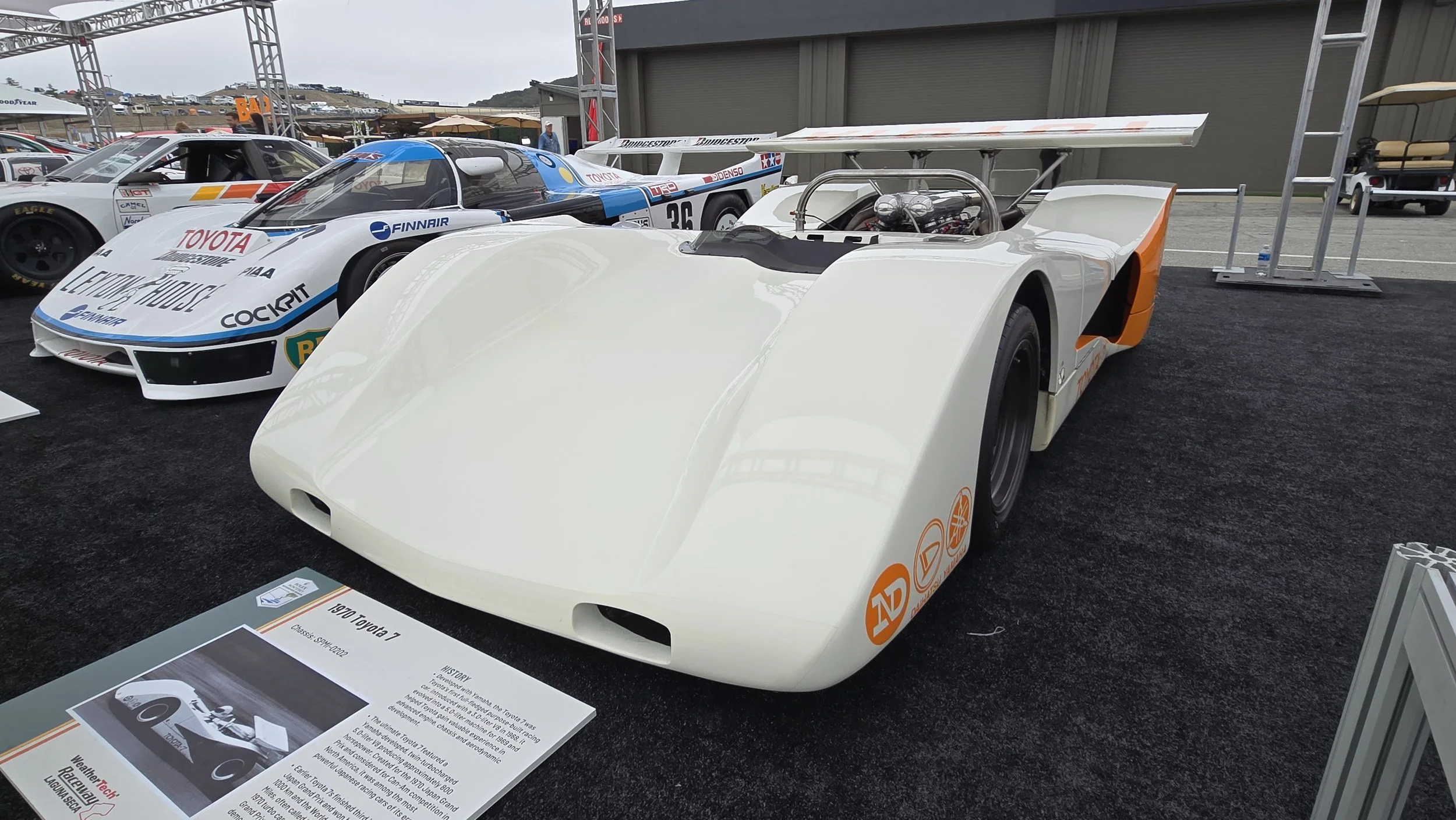
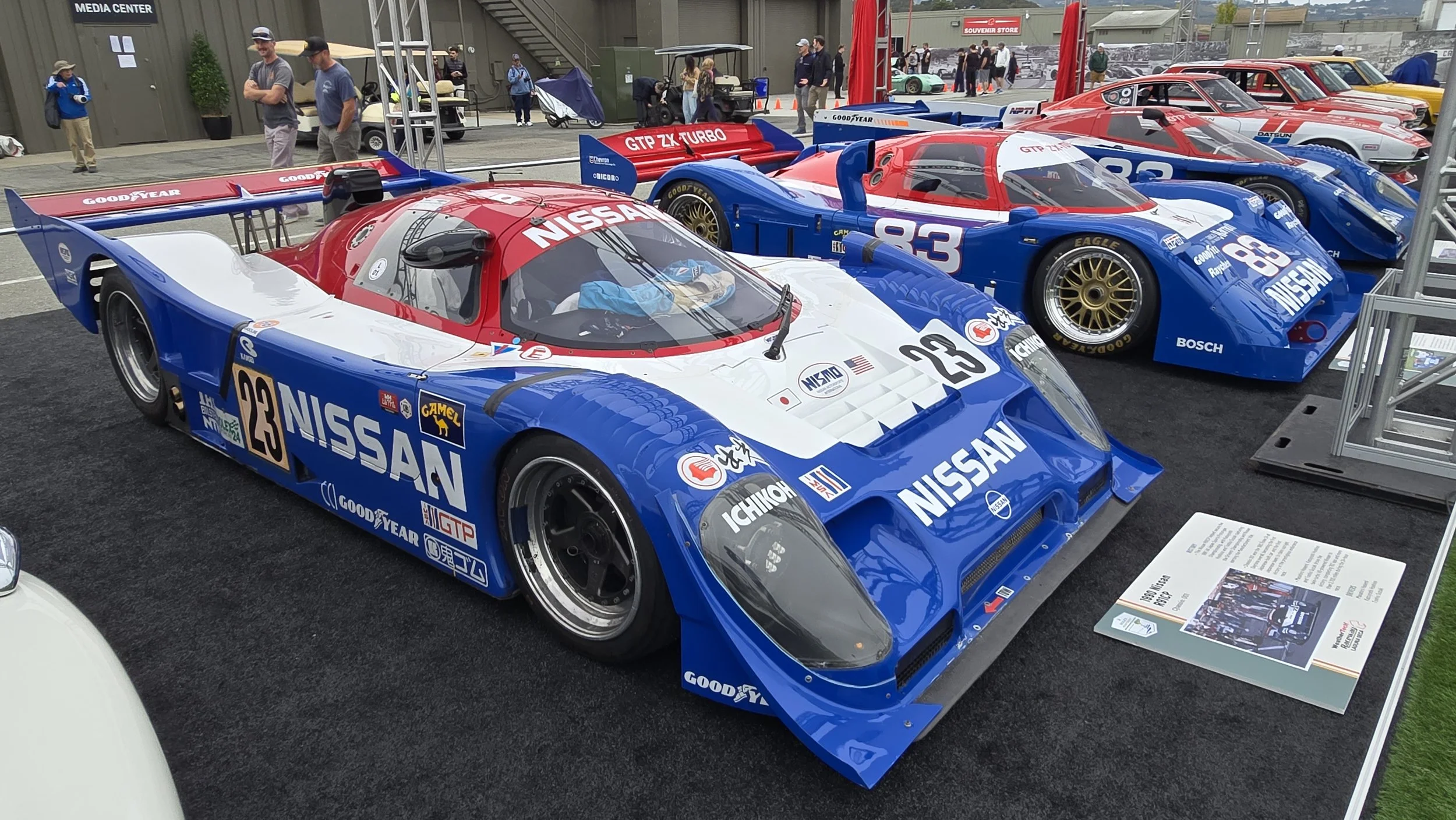
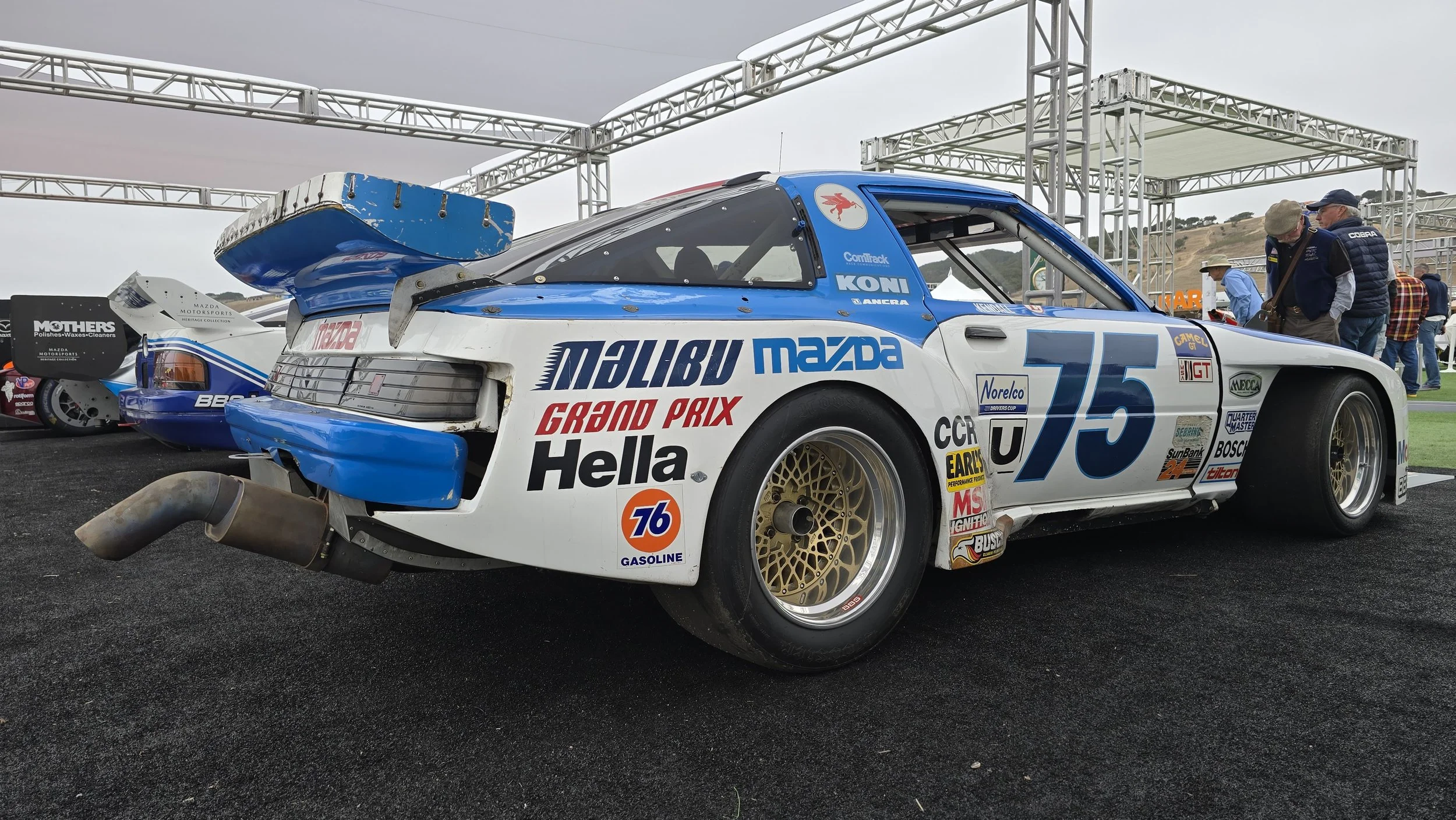
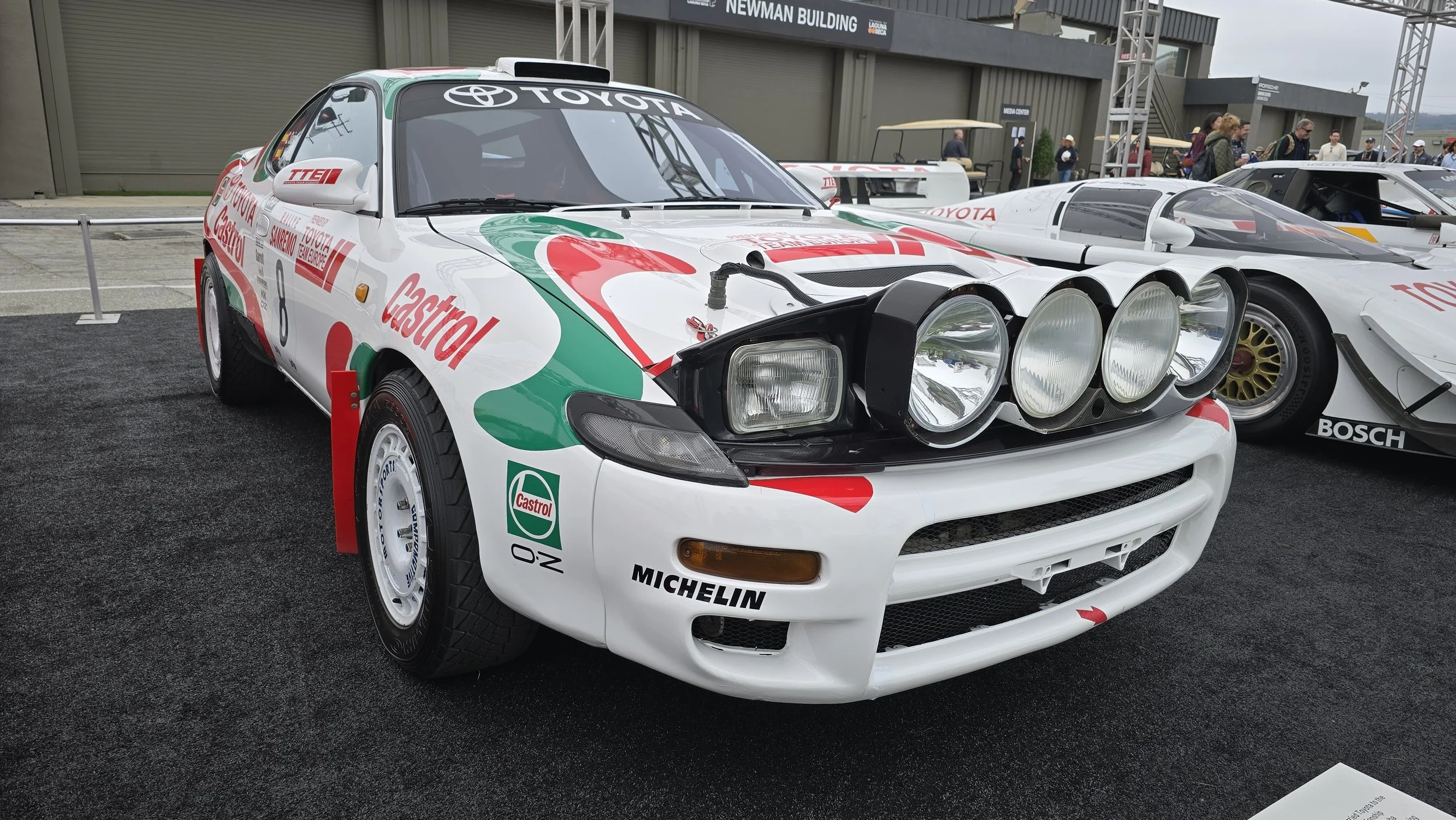
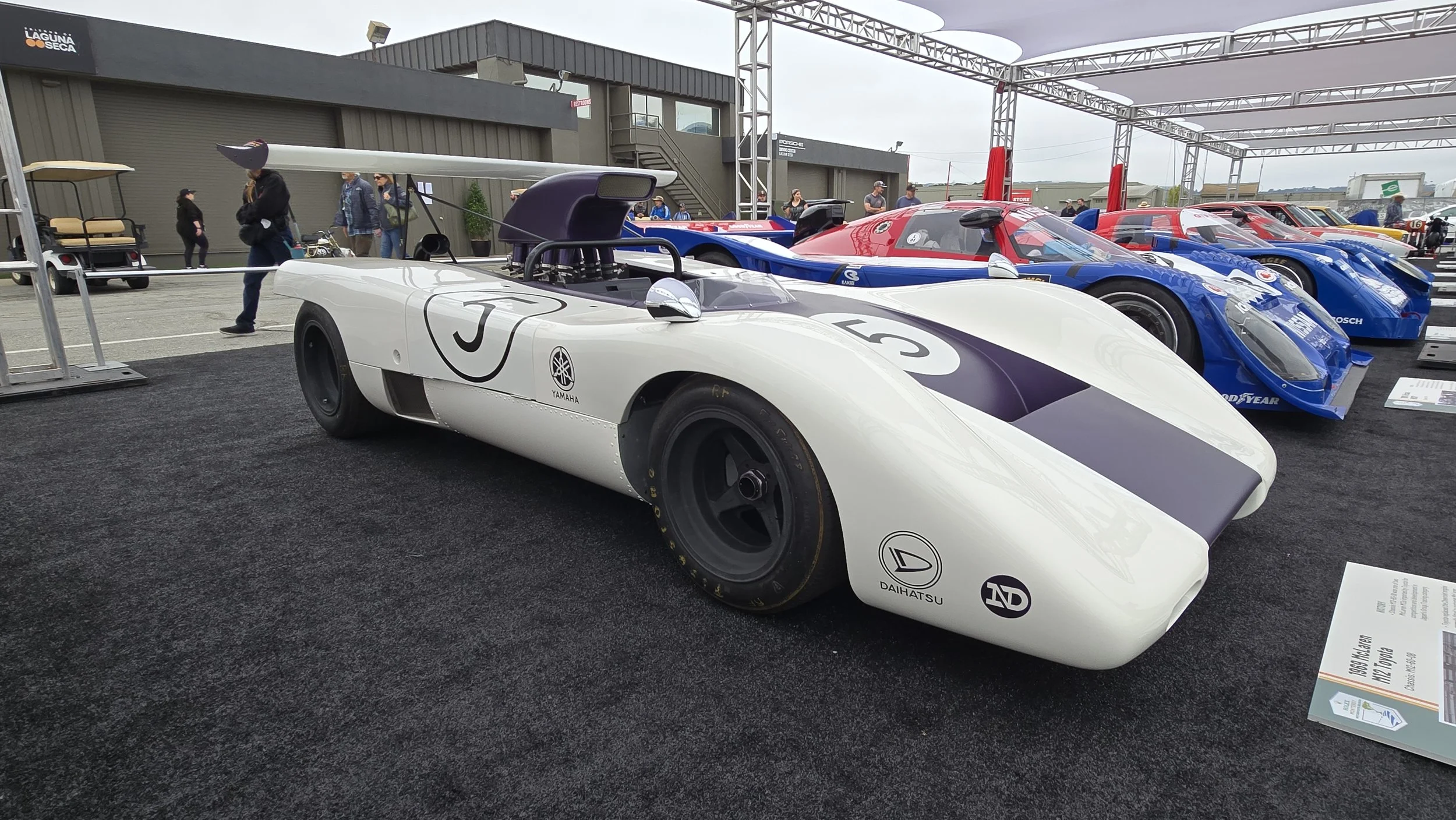
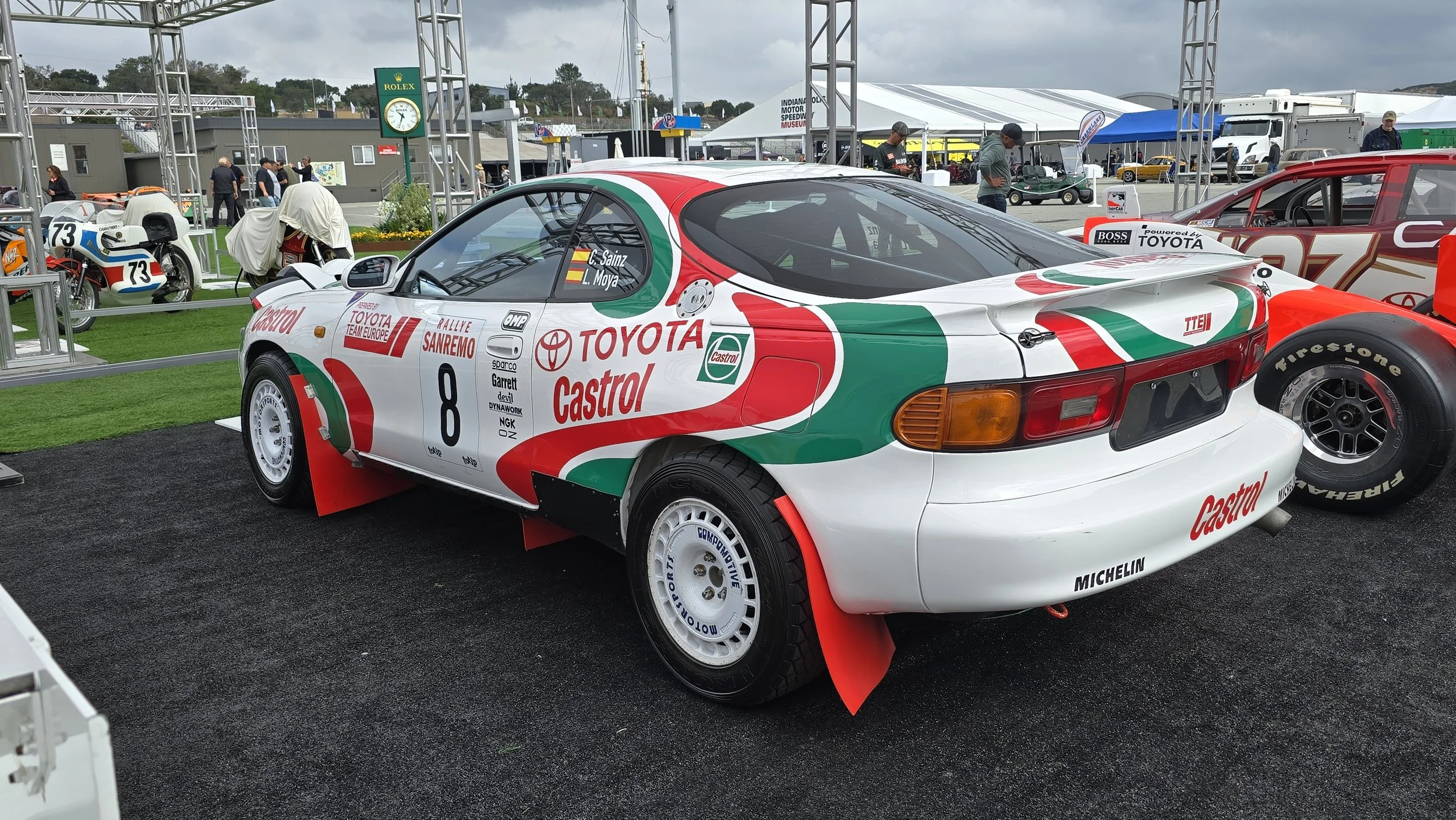
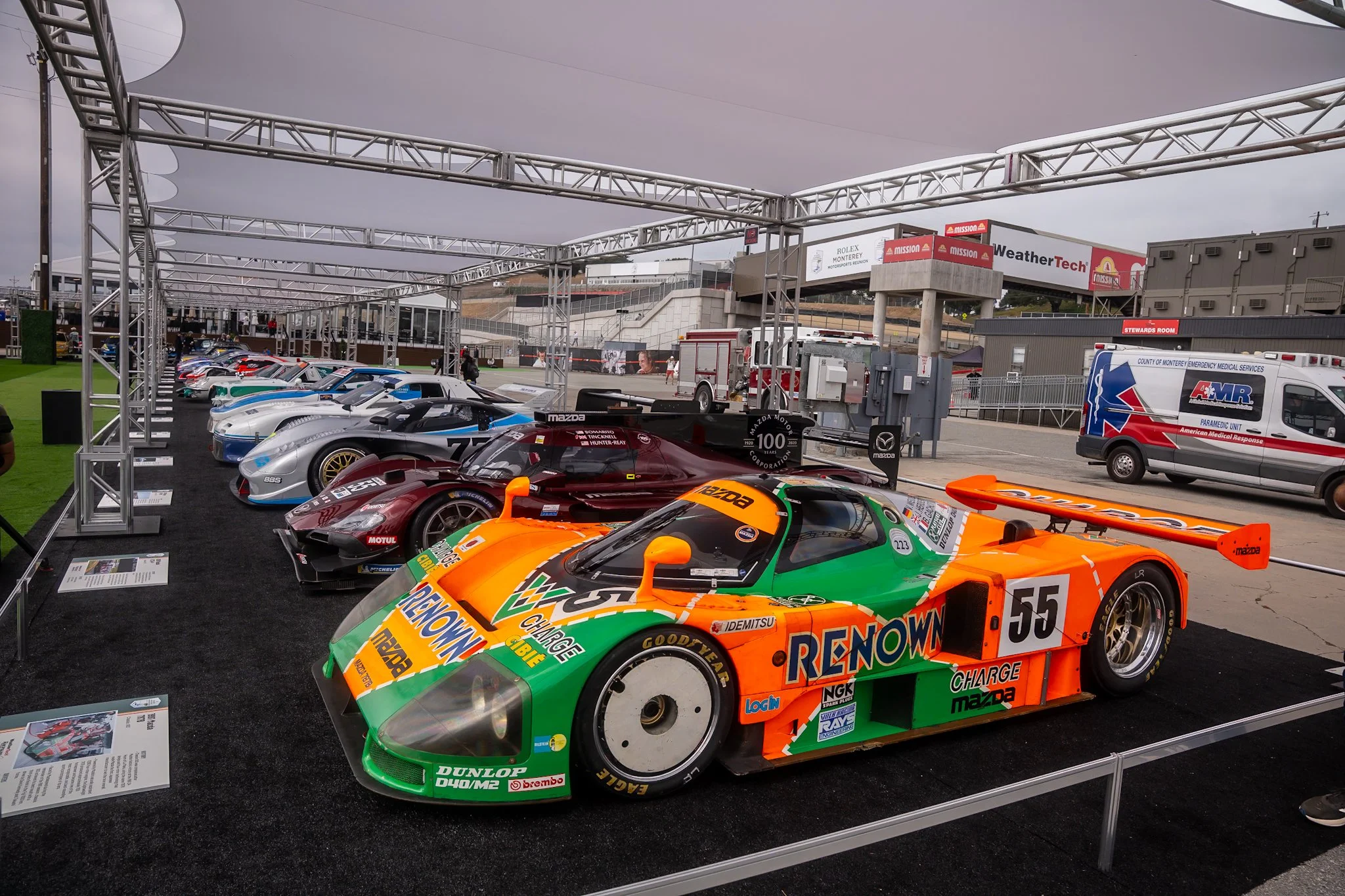
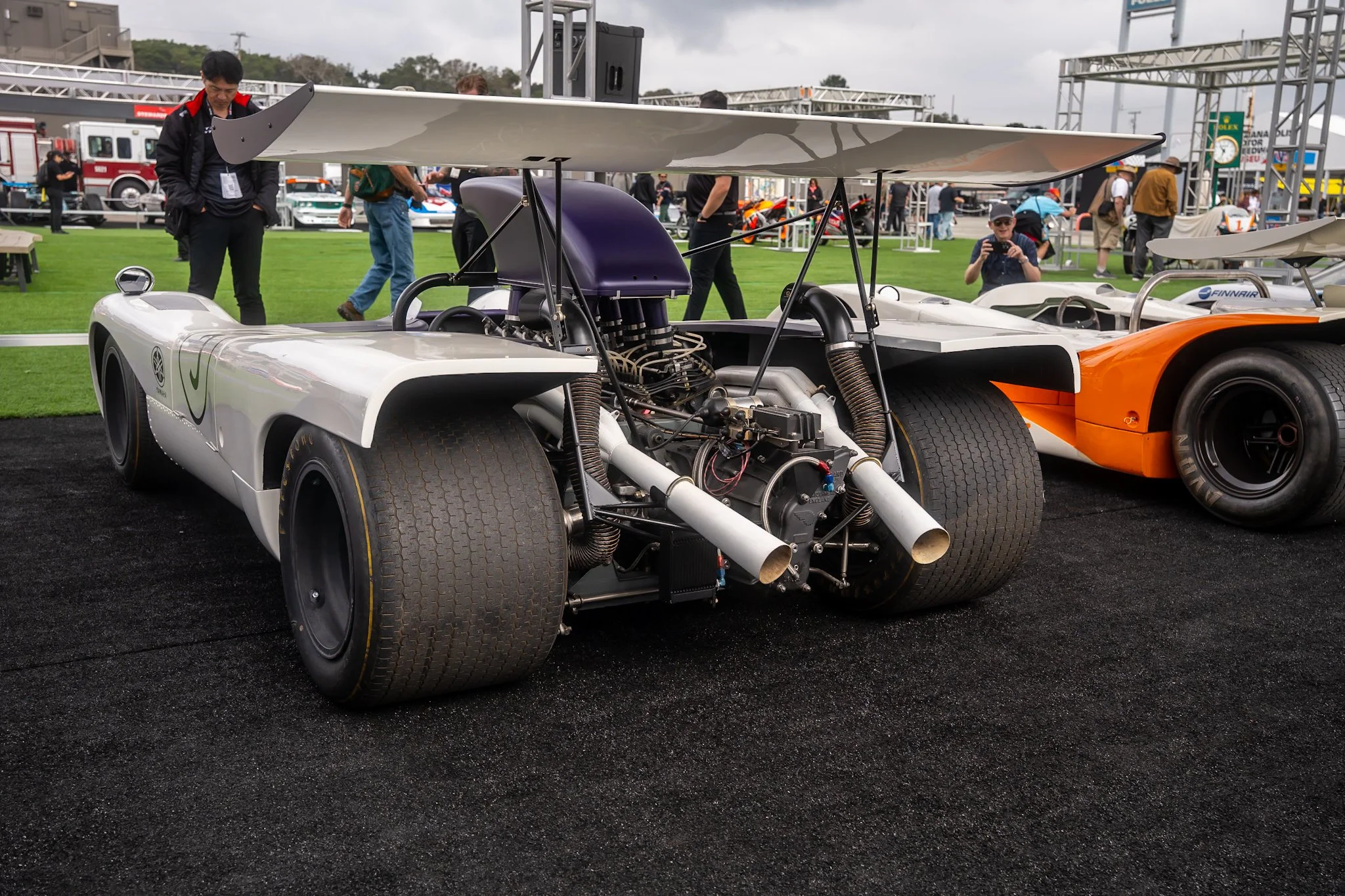
One of the standout features of the 2026 Rolex Monterey Motorsports Reunion was its expansive tribute to Japanese motorsport, a celebration that demonstrated just how deeply Japan has shaped international racing. More than 40 historic race cars and roughly two dozen motorcycles traced a competitive history stretching from early Grand Prix and motorcycle racing through rallying, IMSA, Formula 1, IndyCar and modern endurance competition.
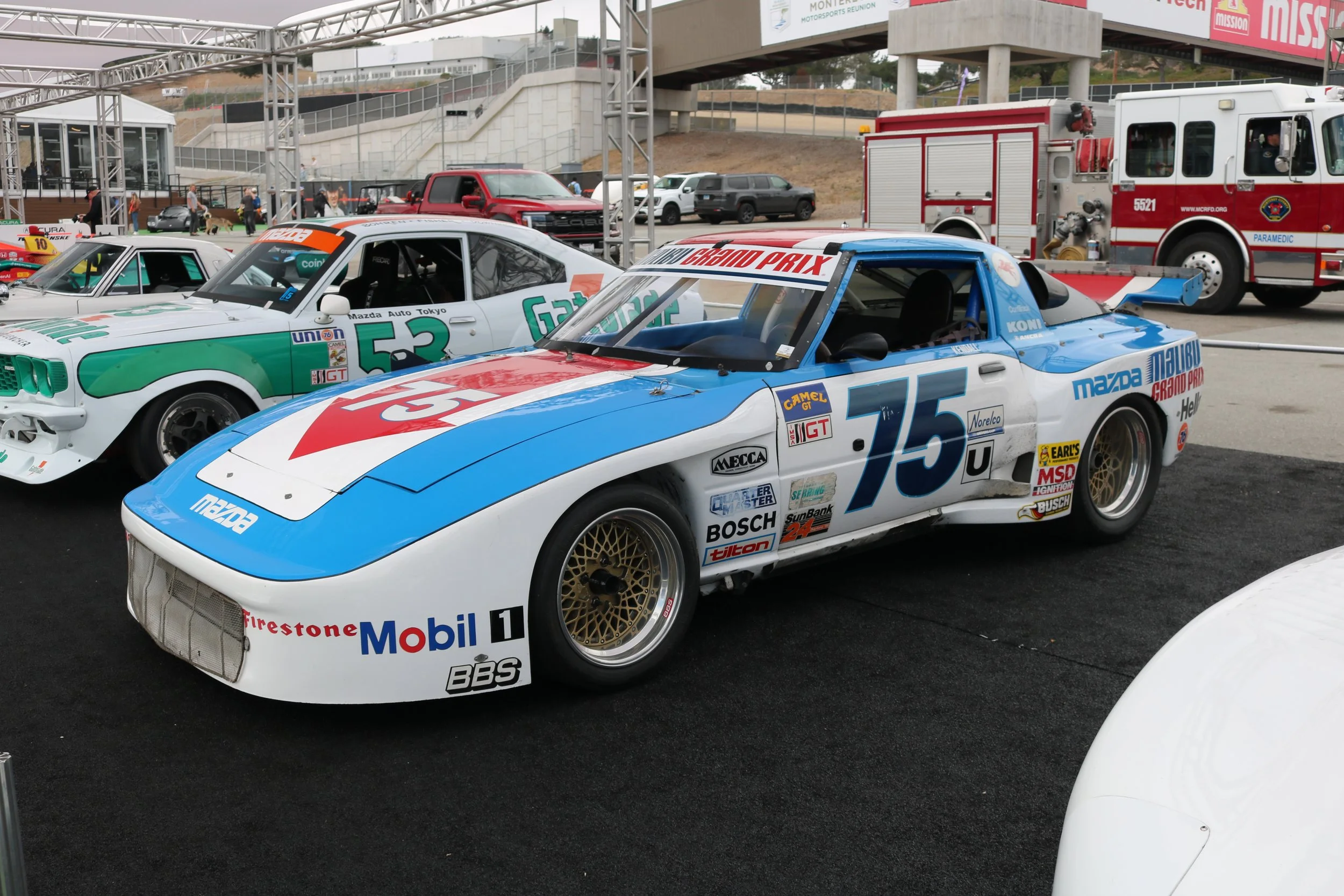
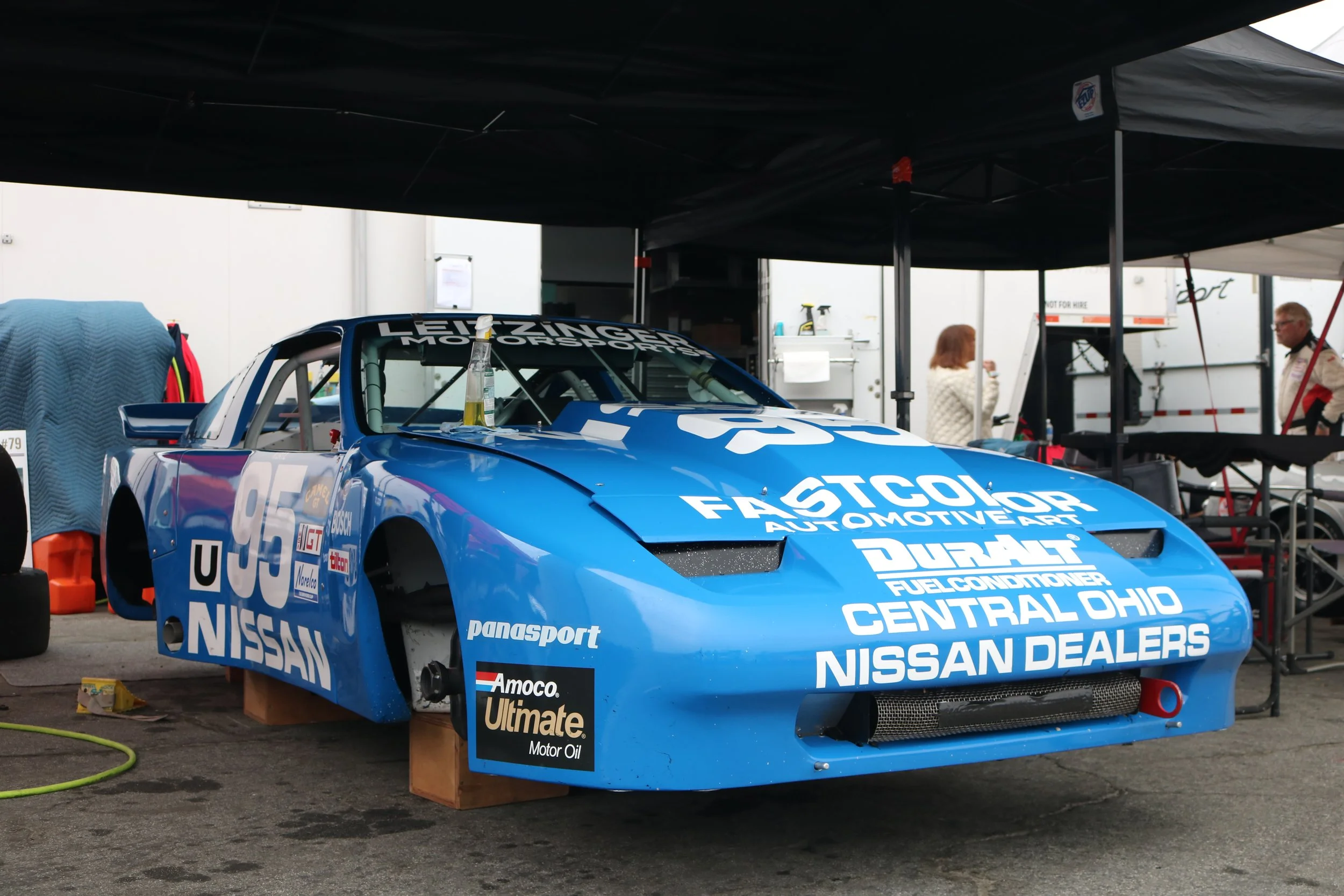
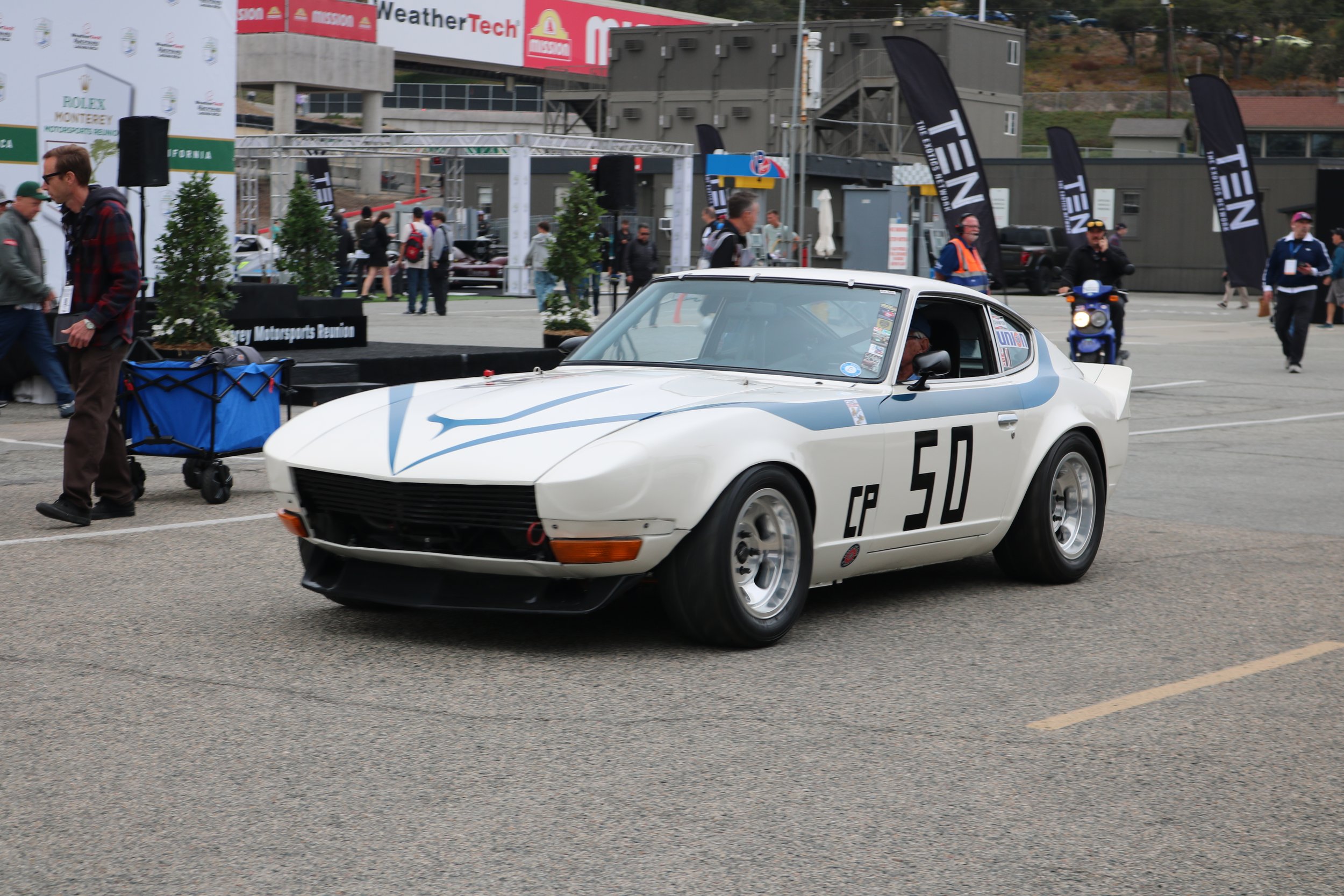
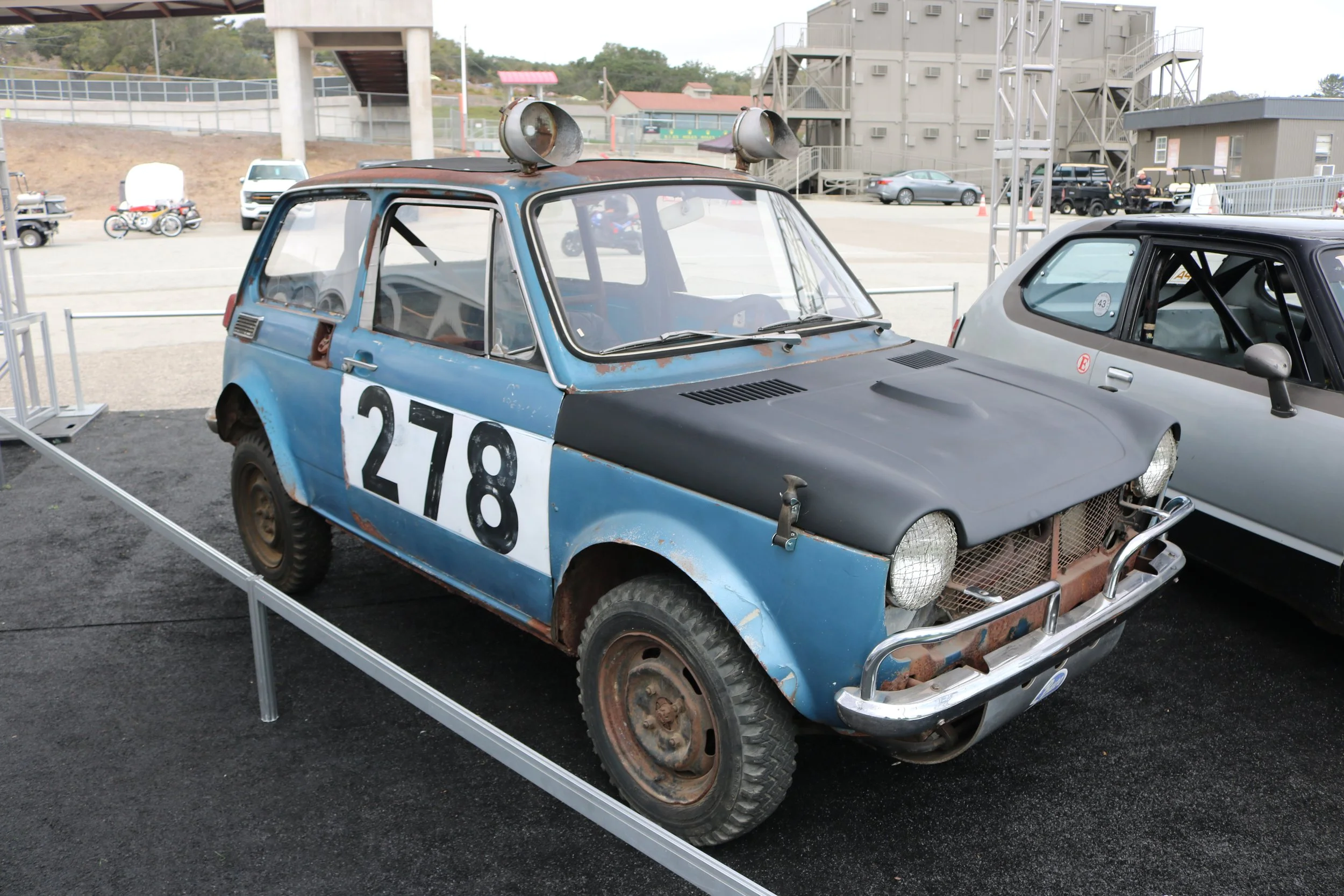
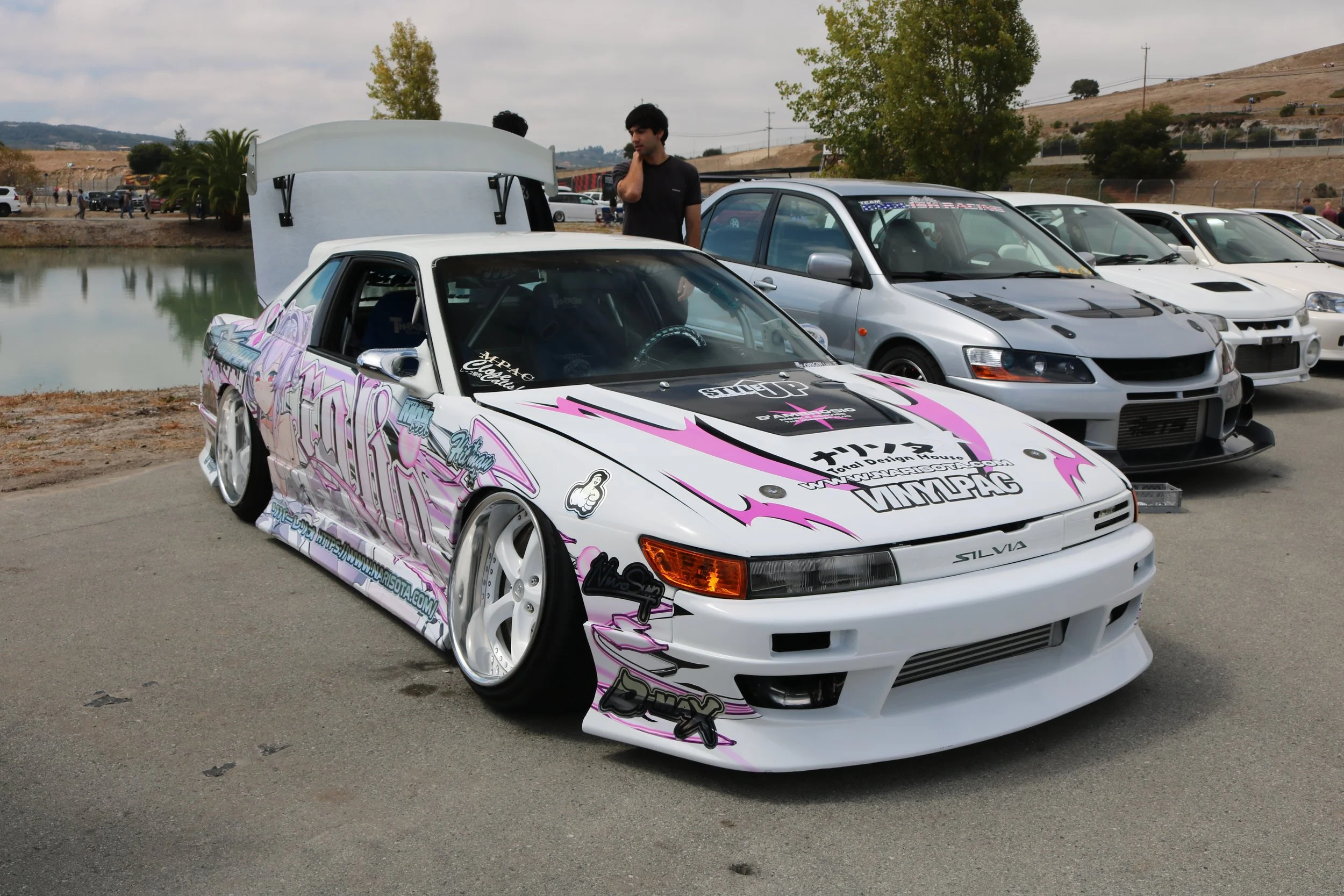
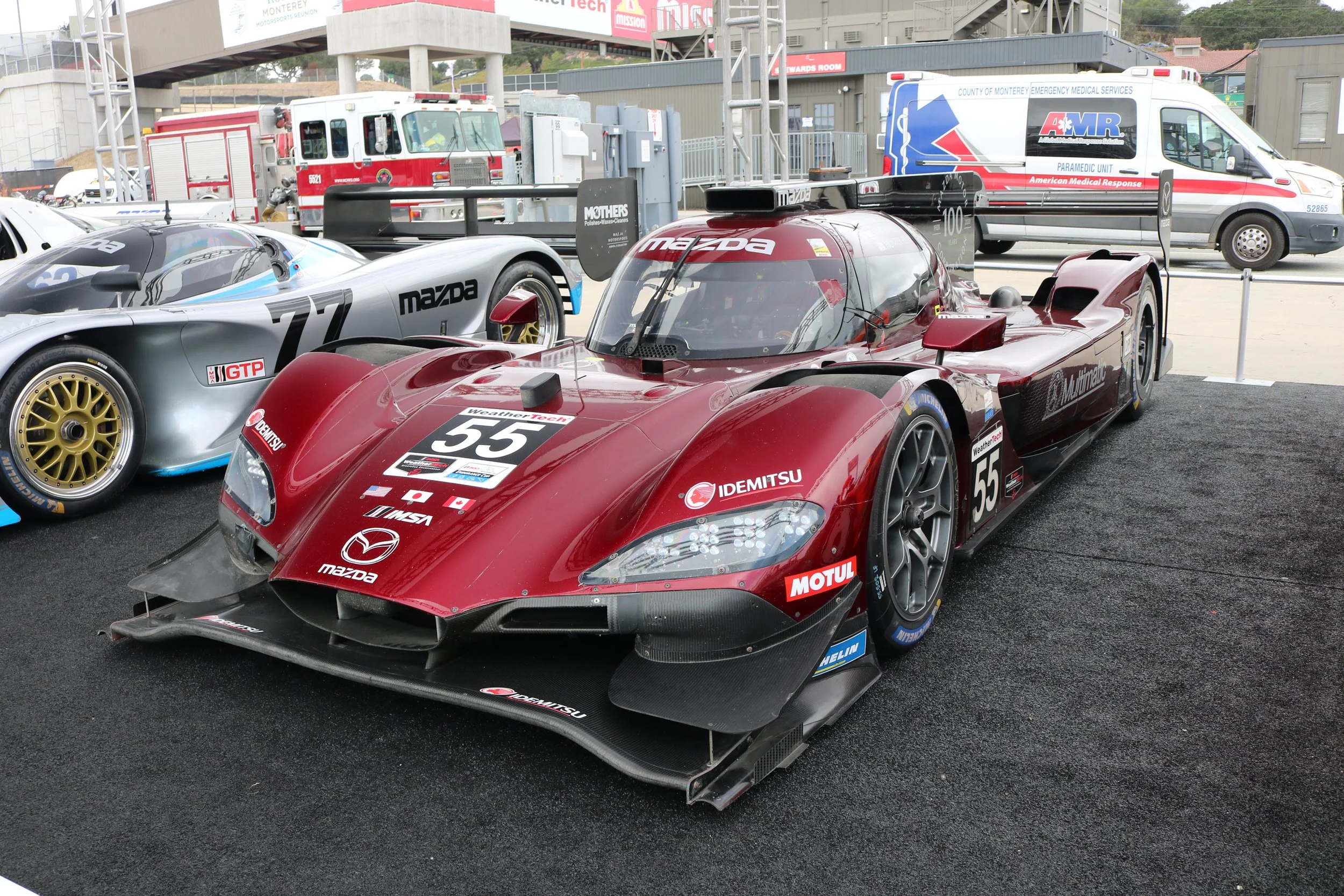
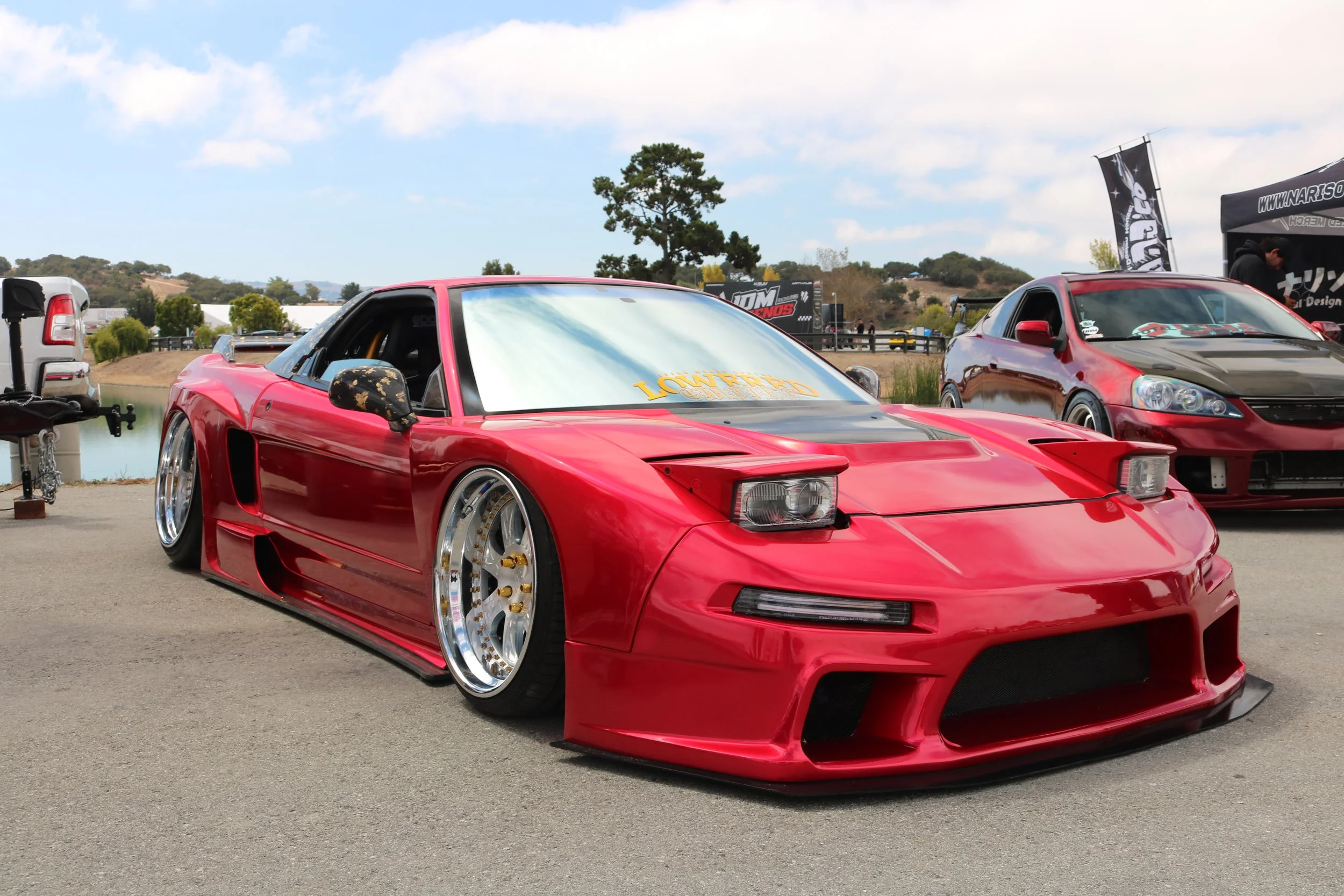
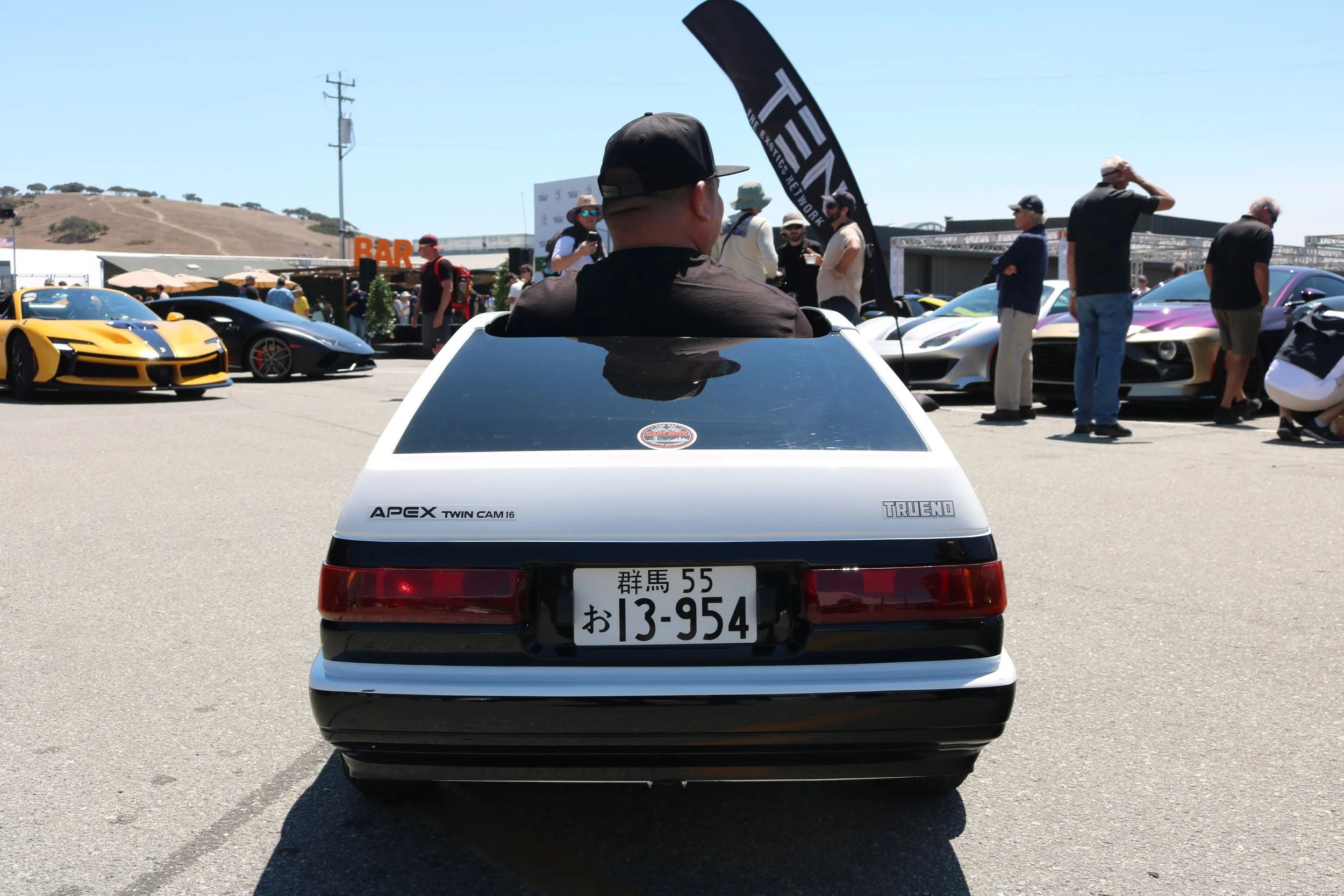
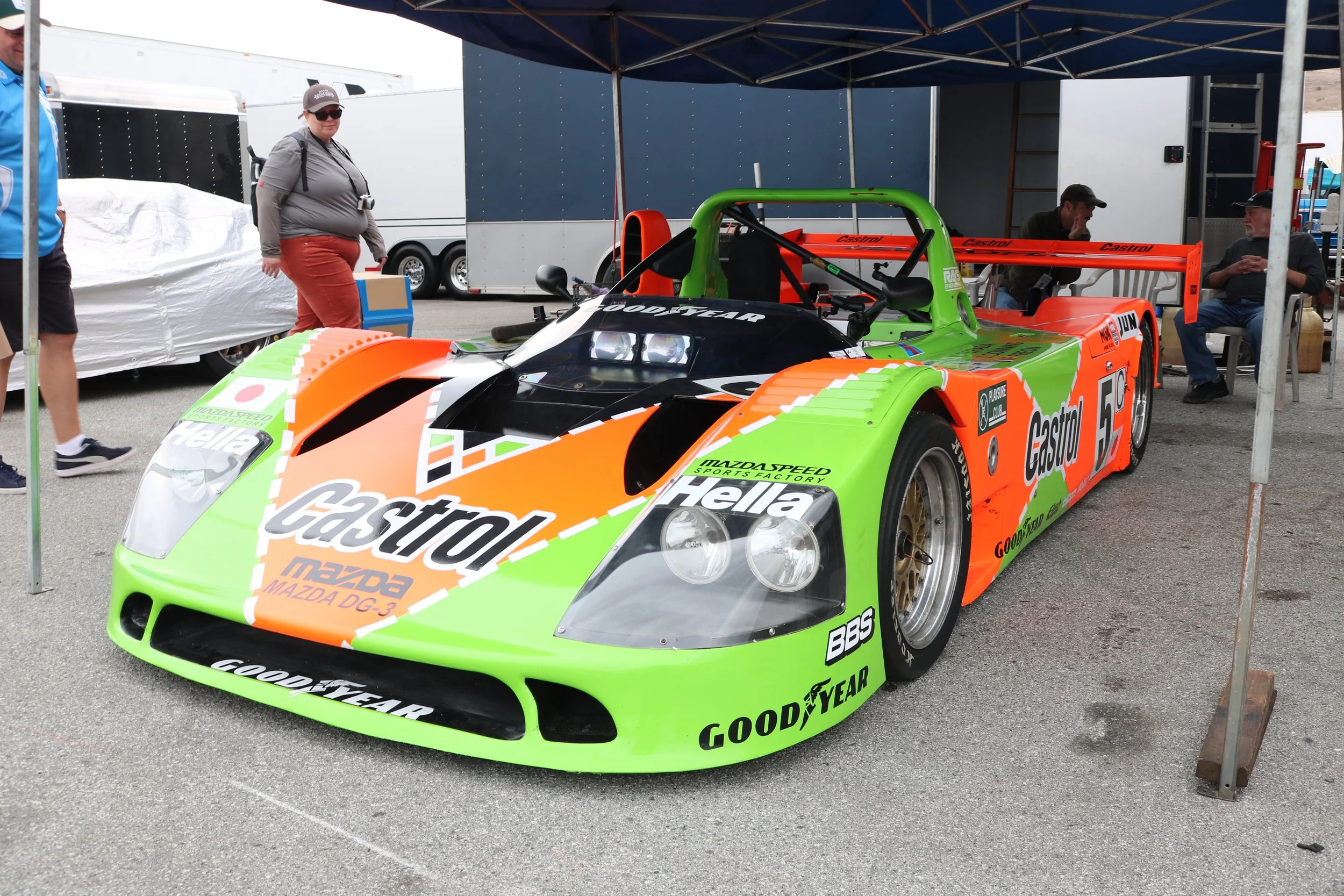
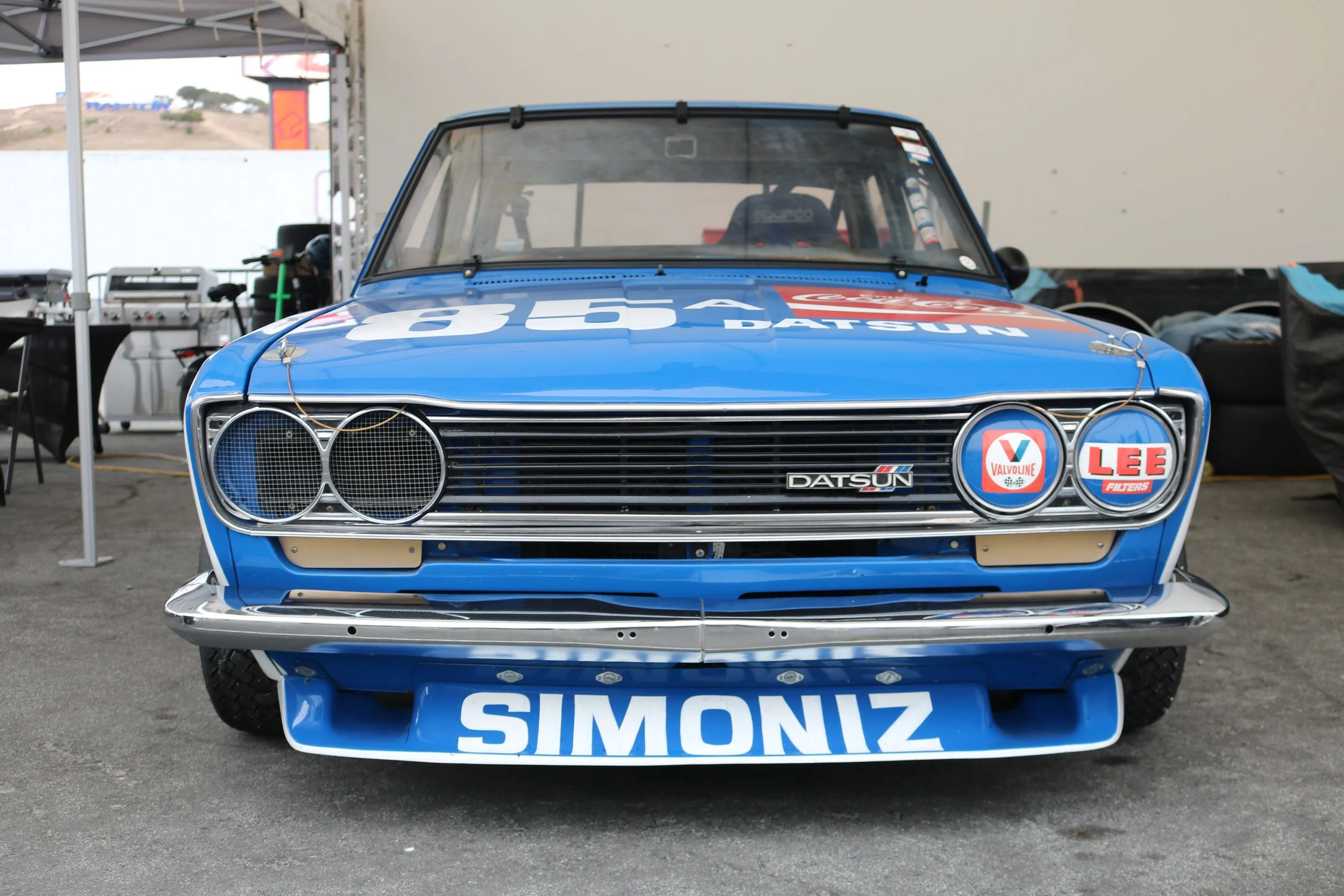
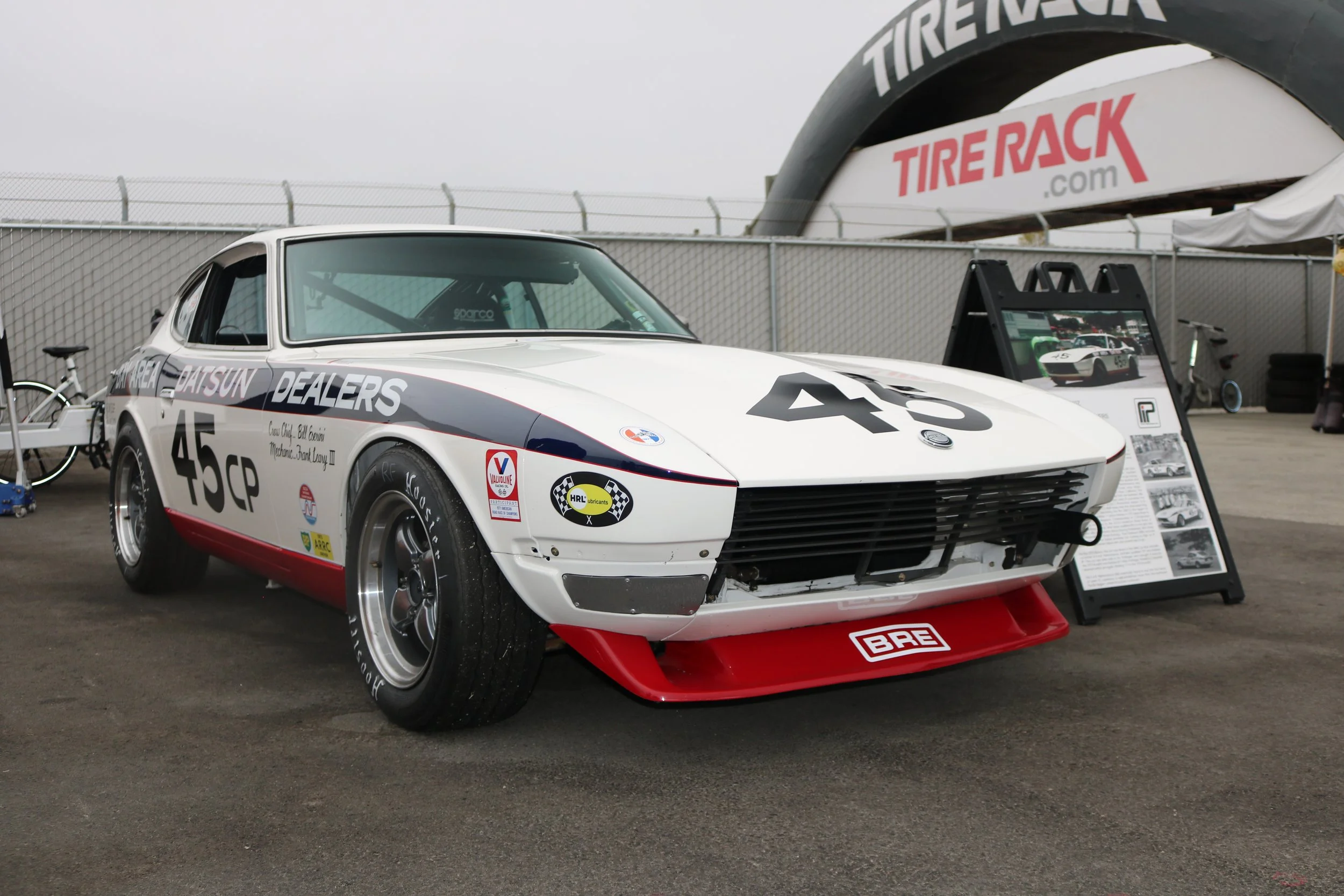
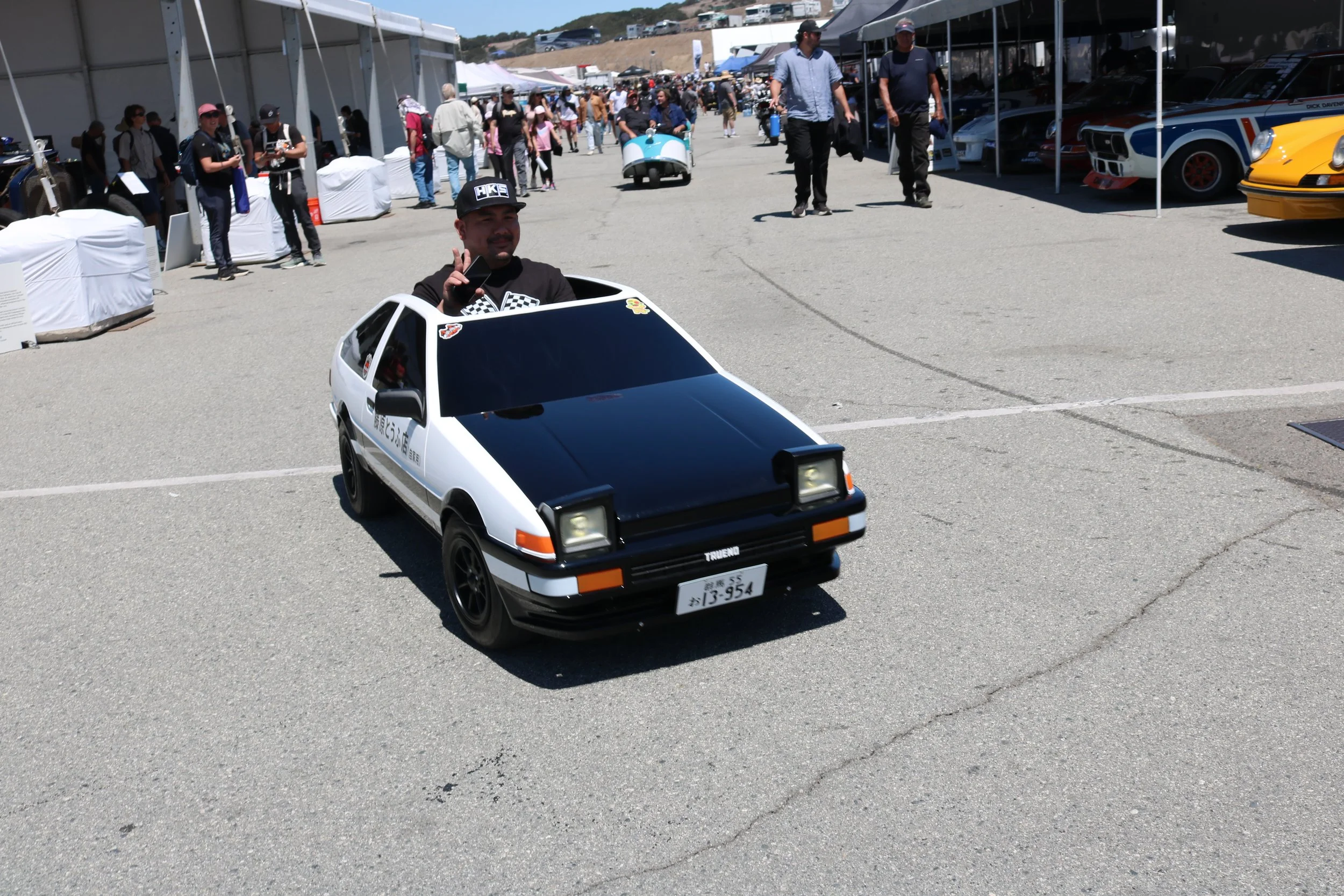
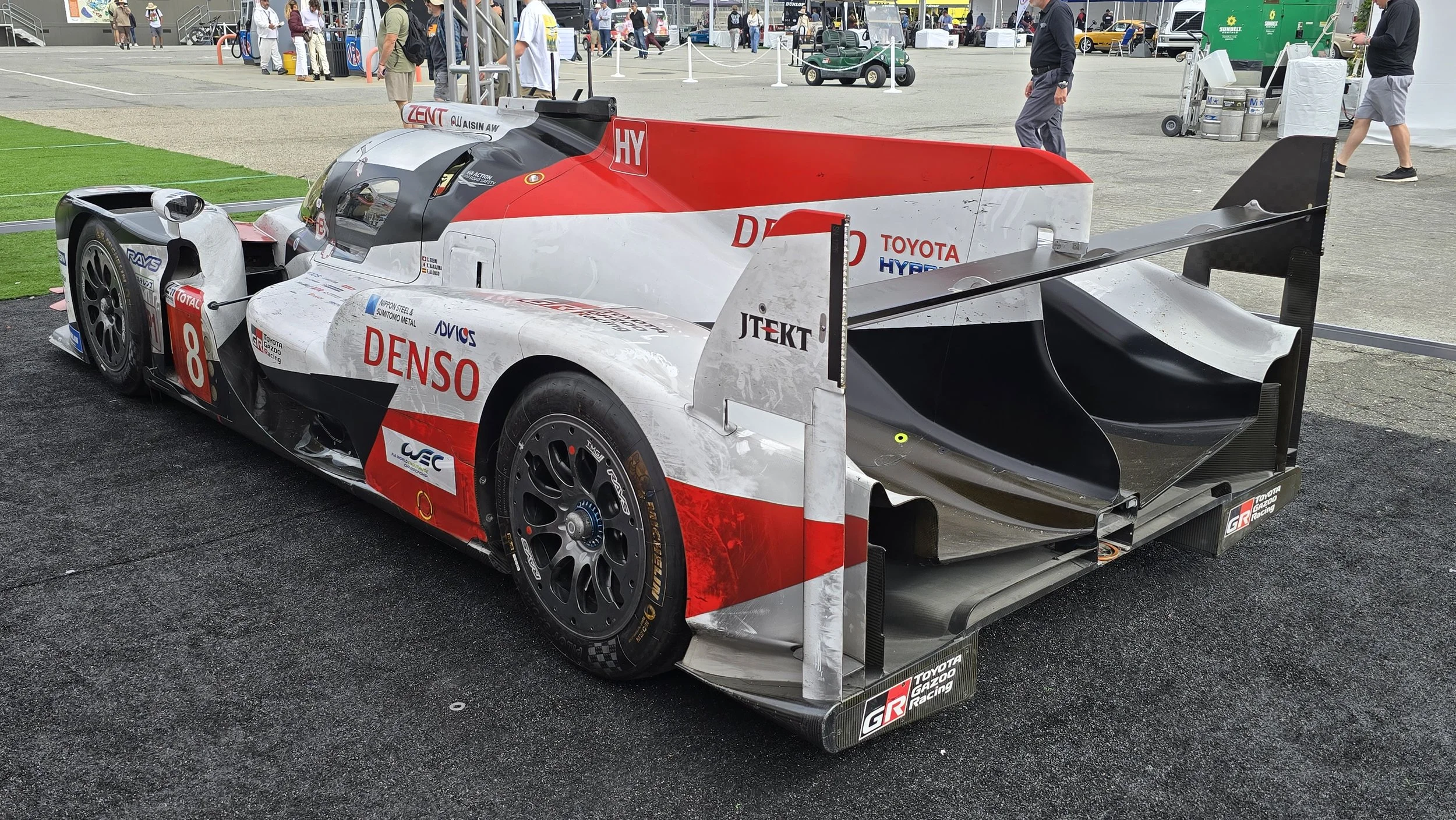
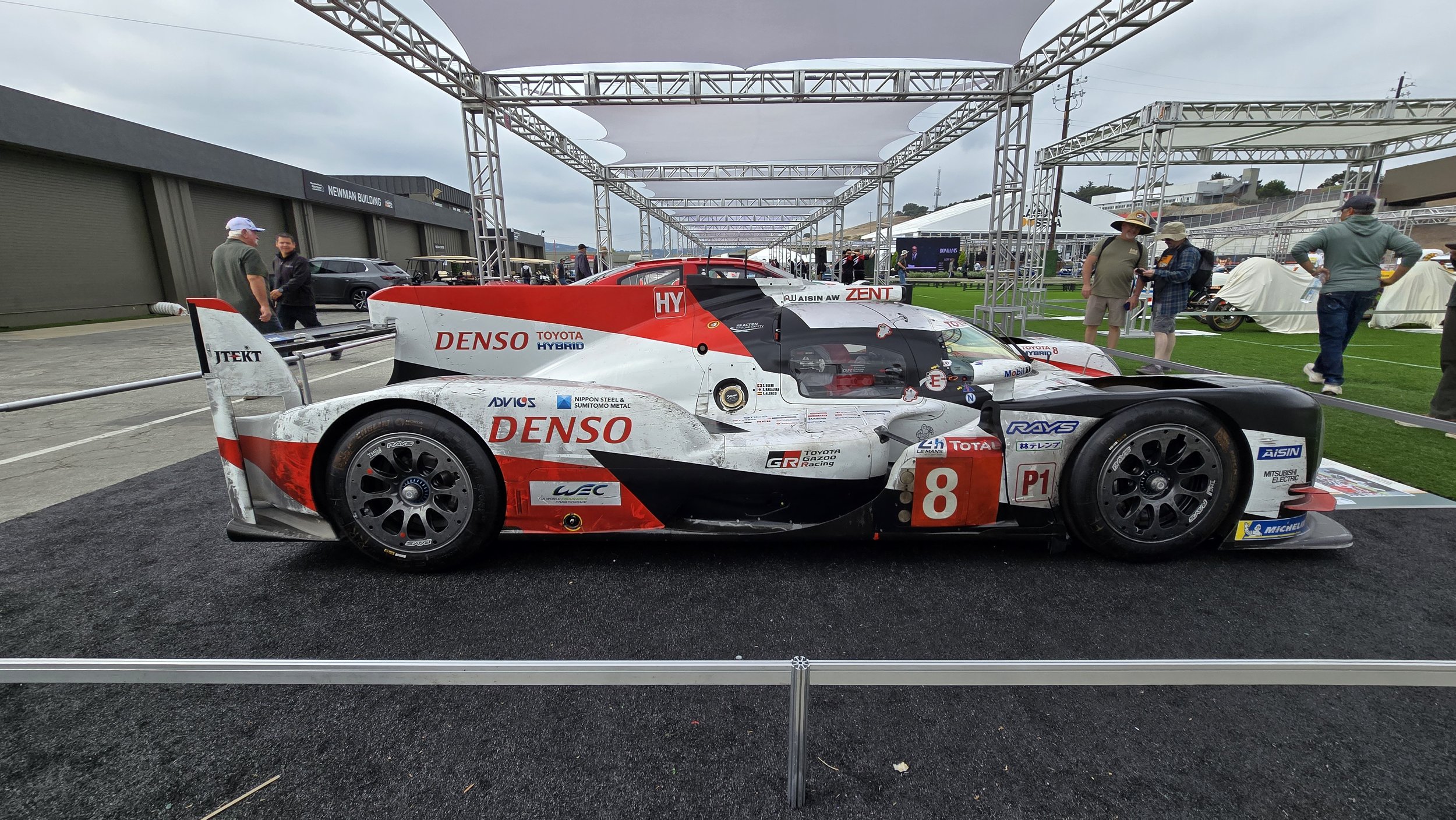
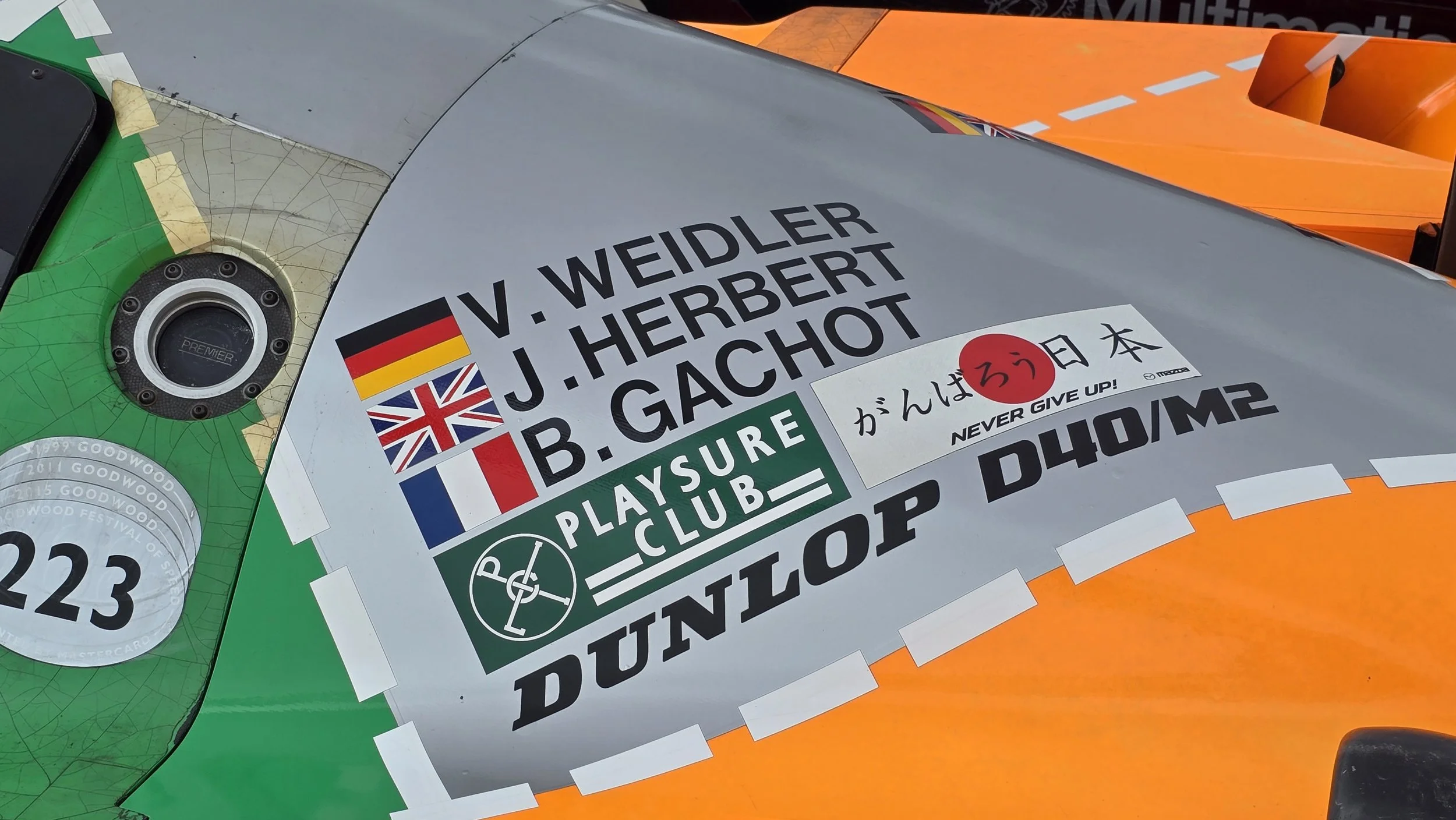
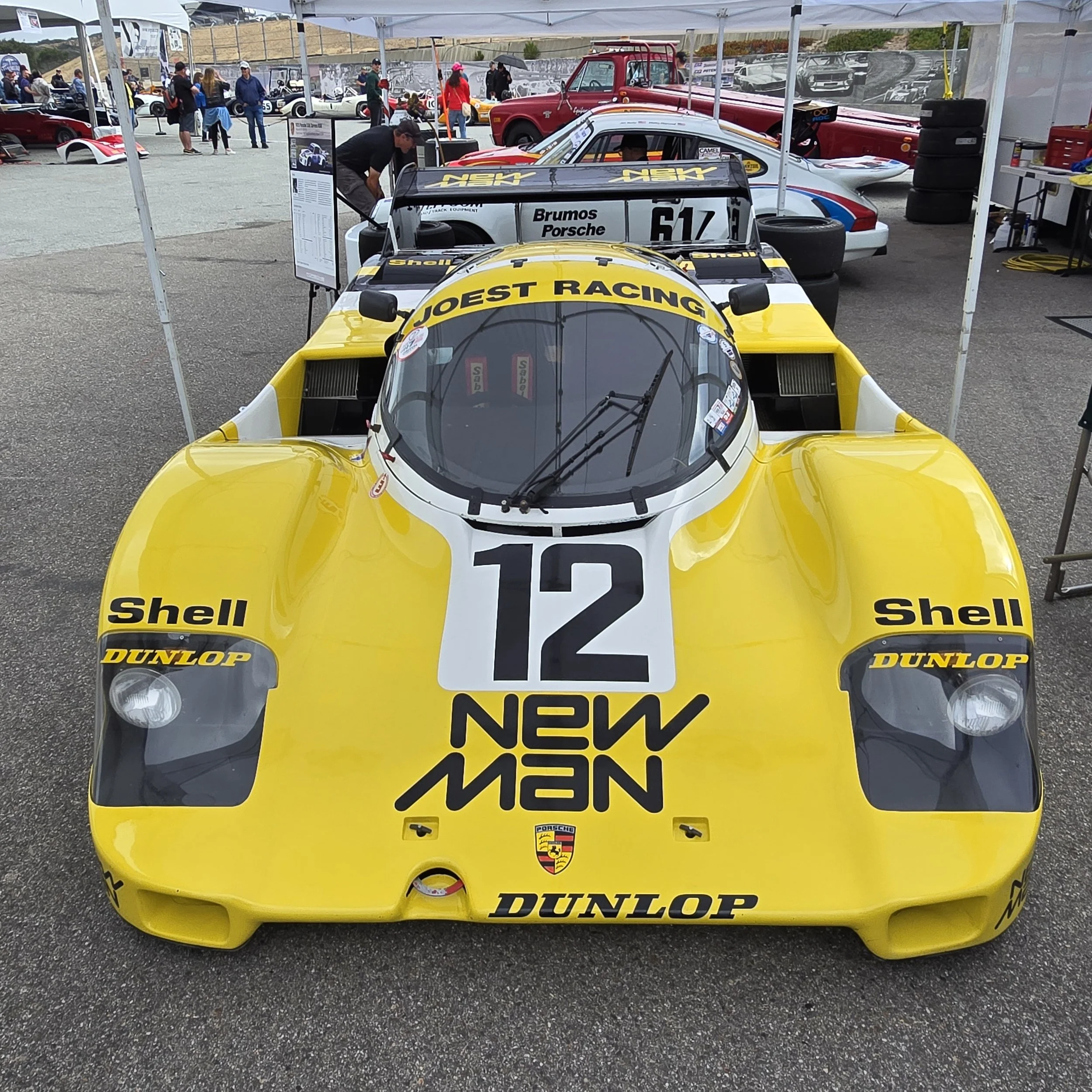
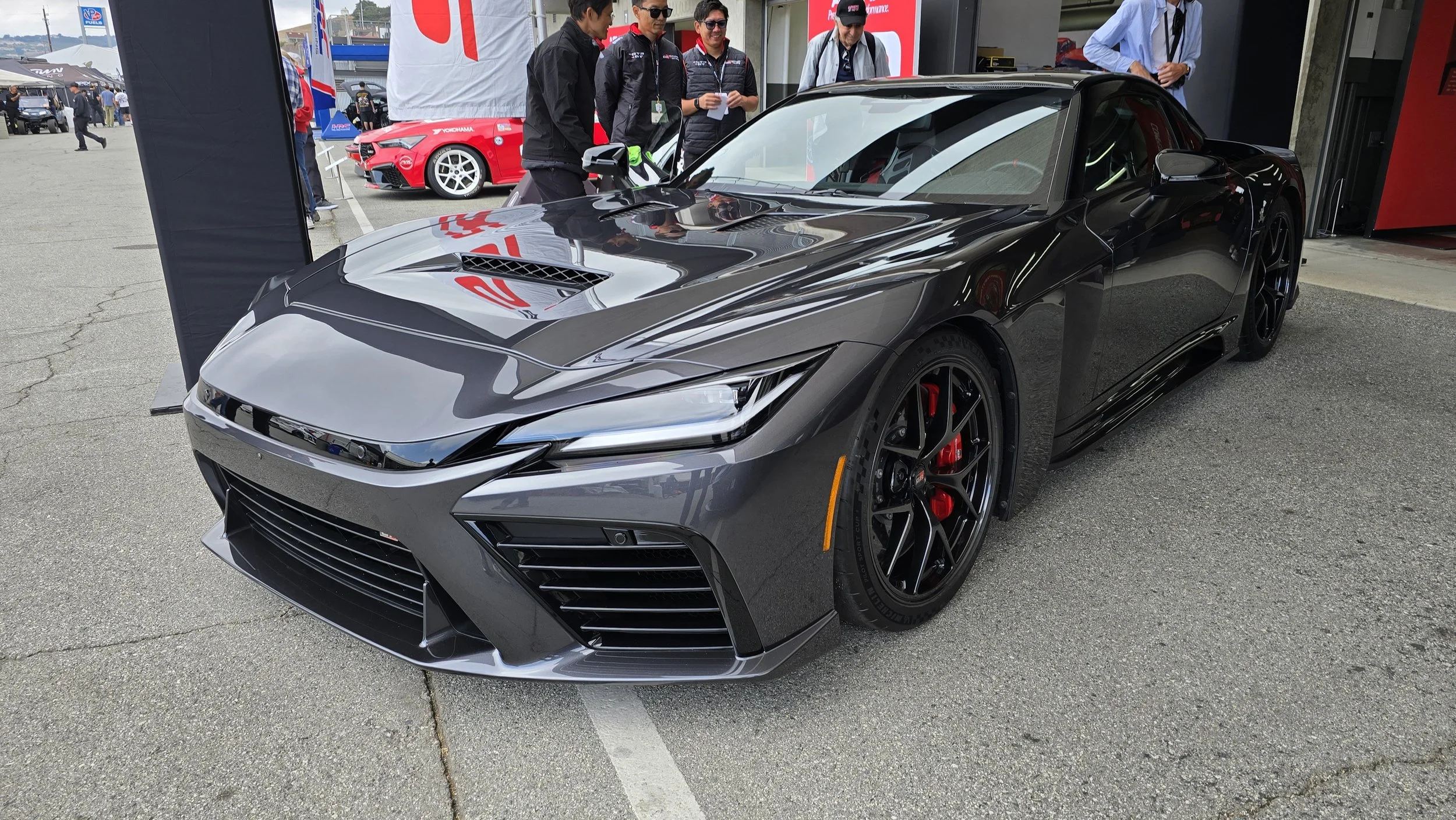
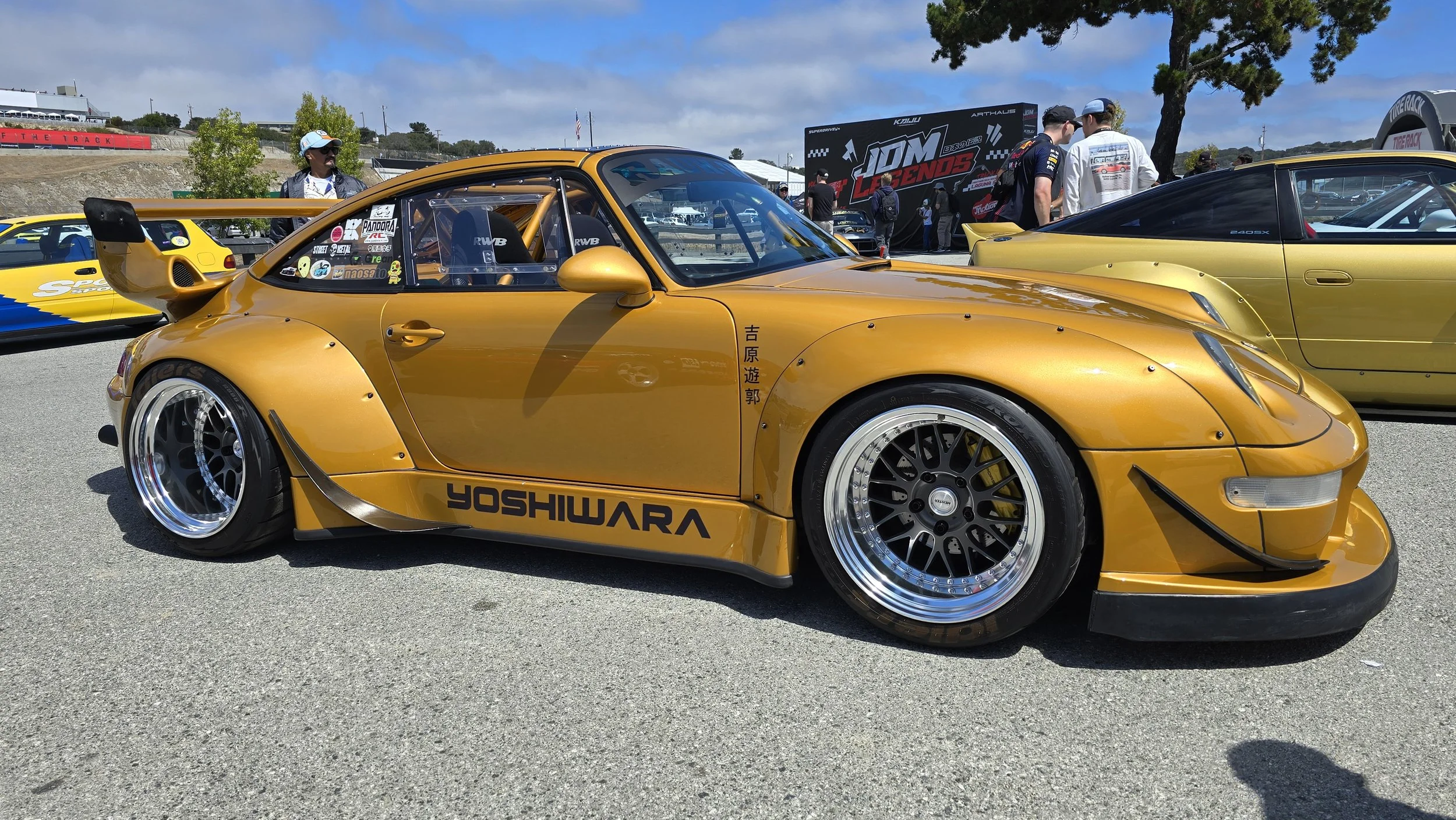
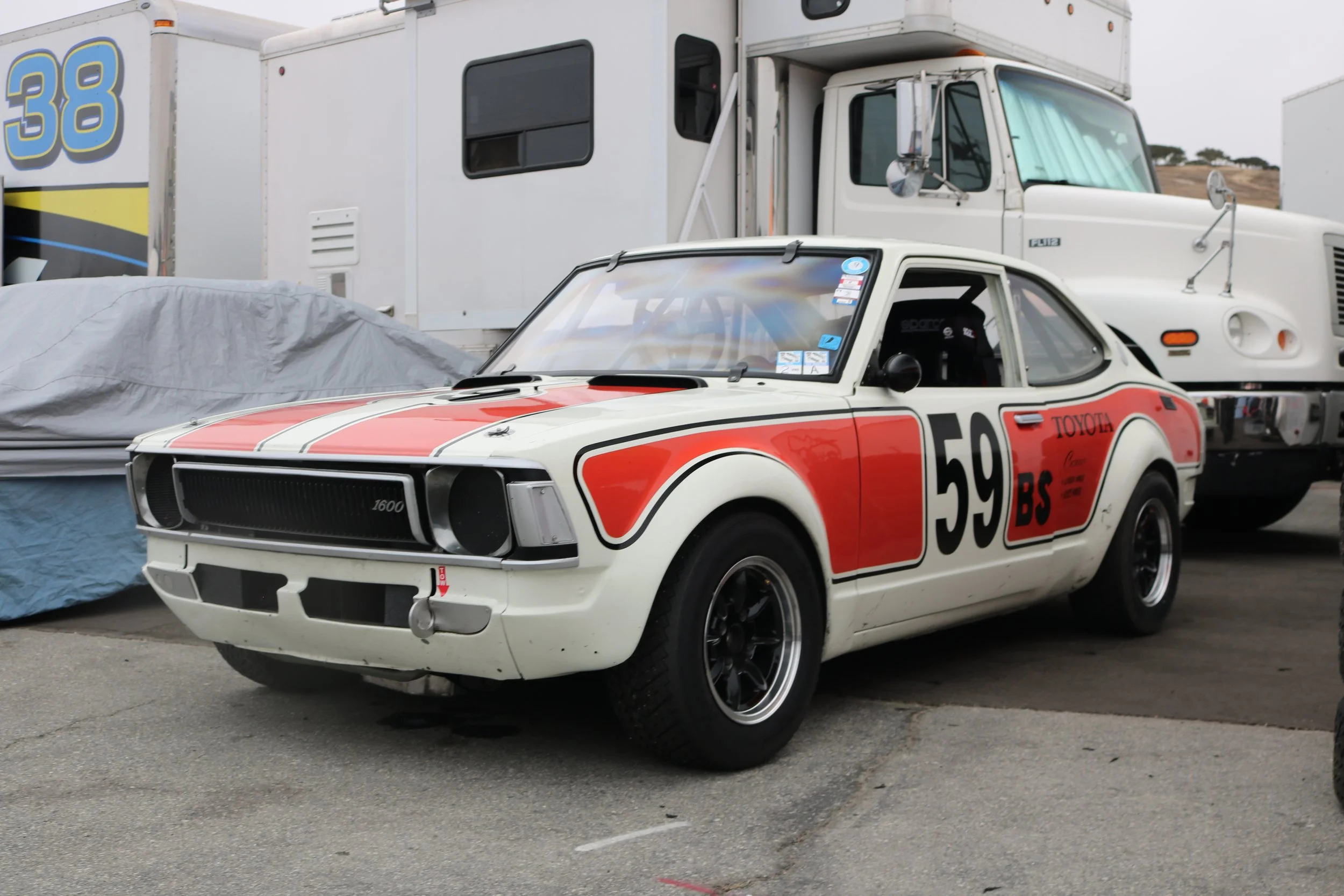
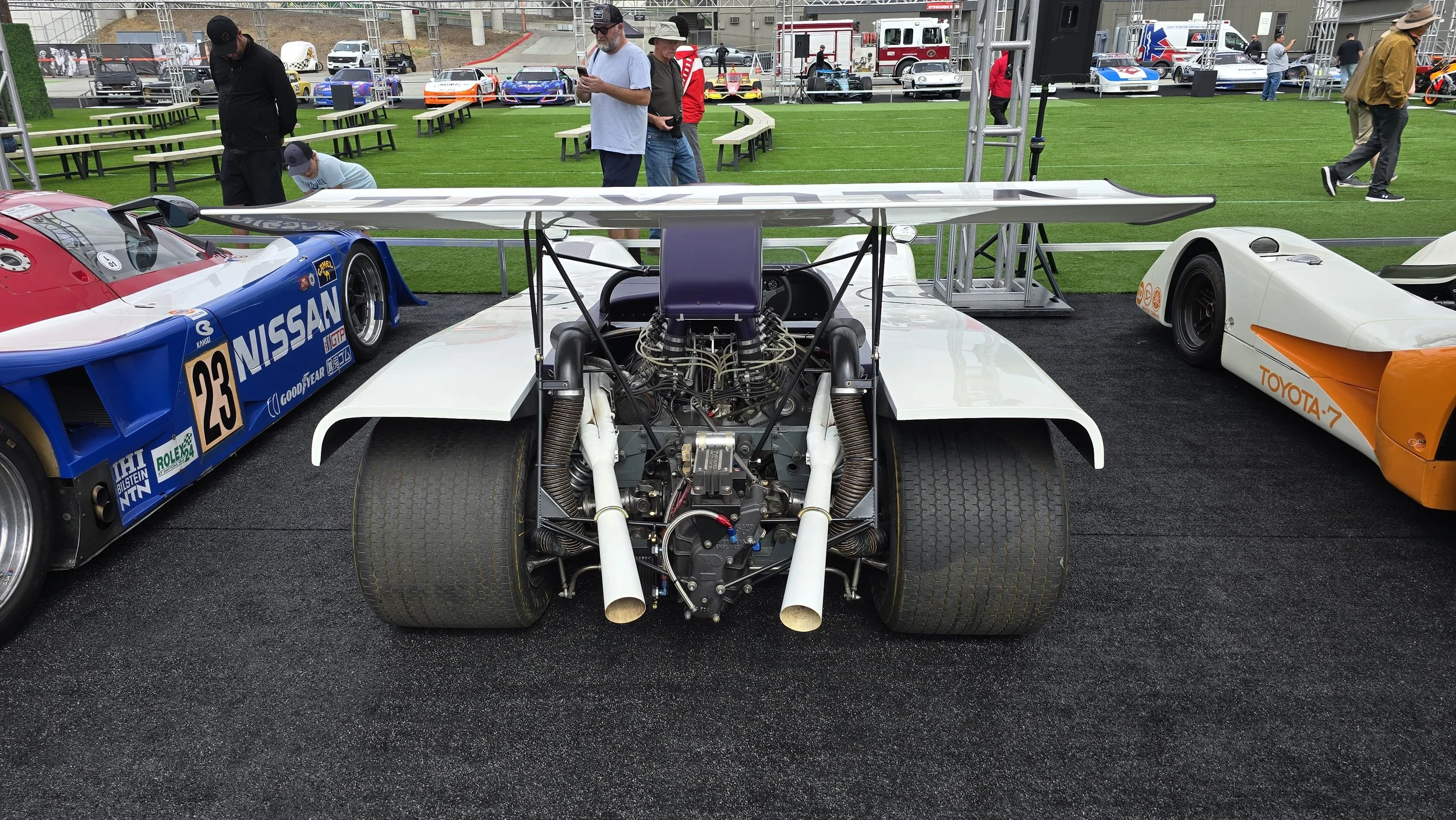
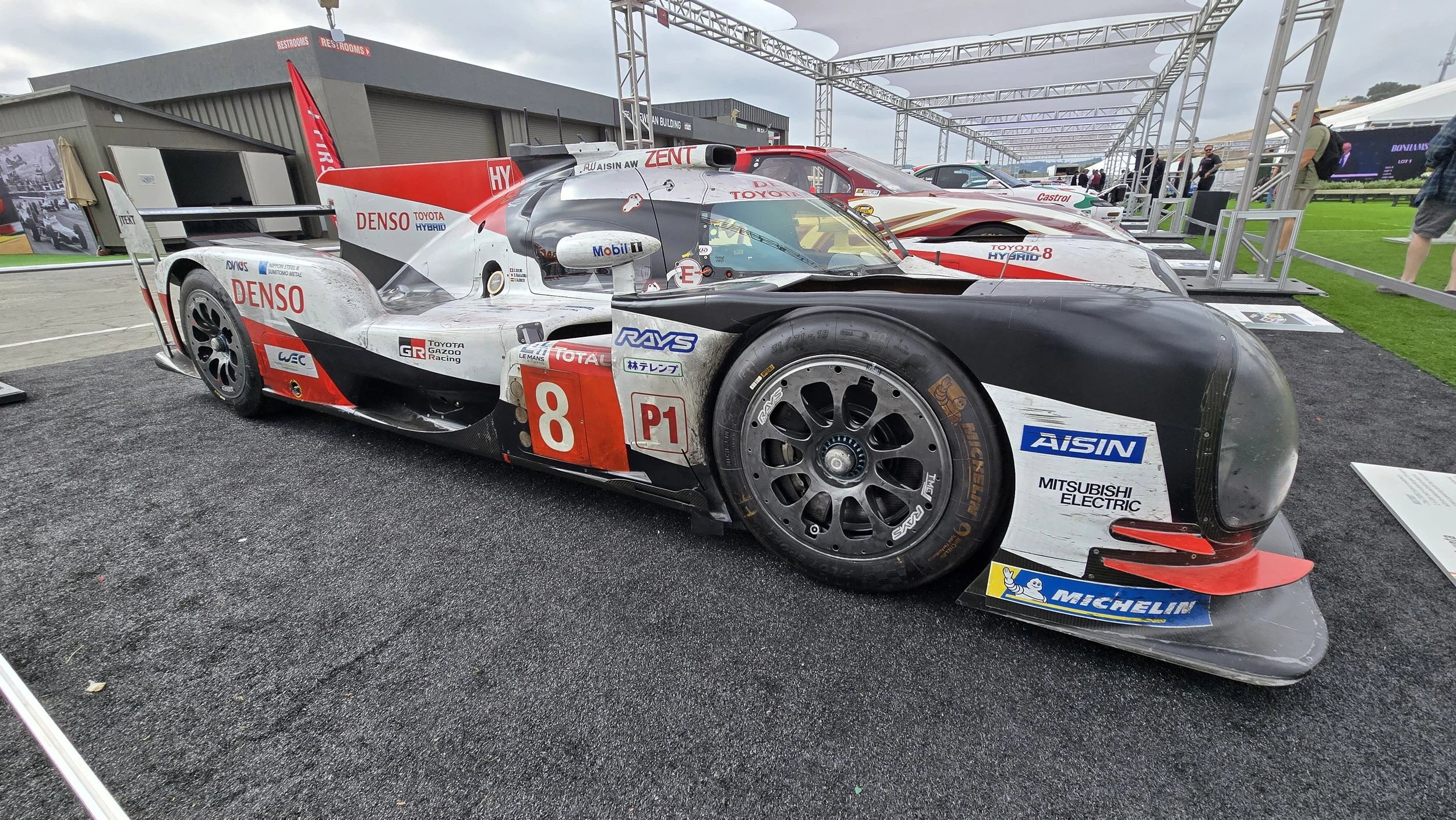
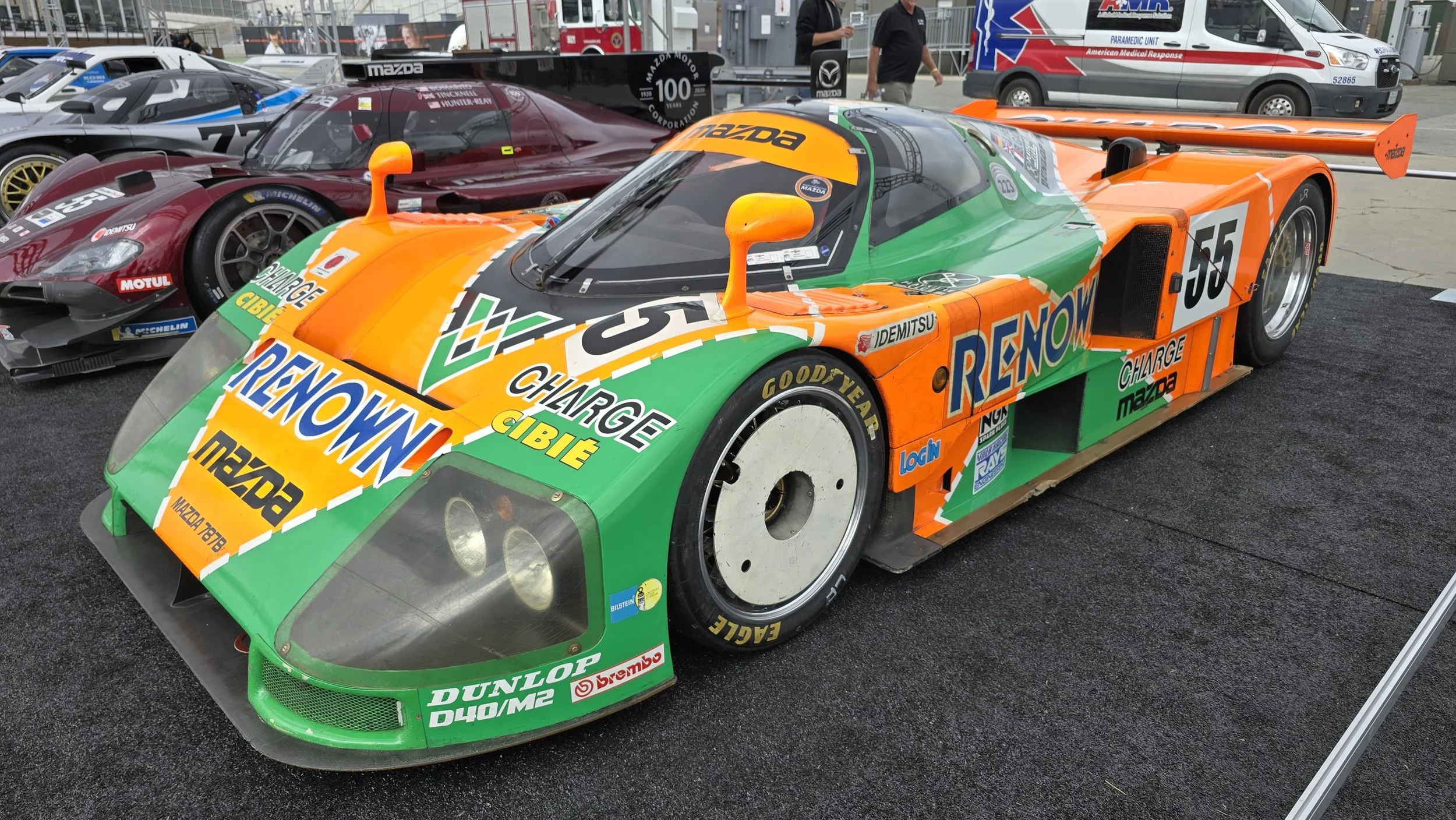
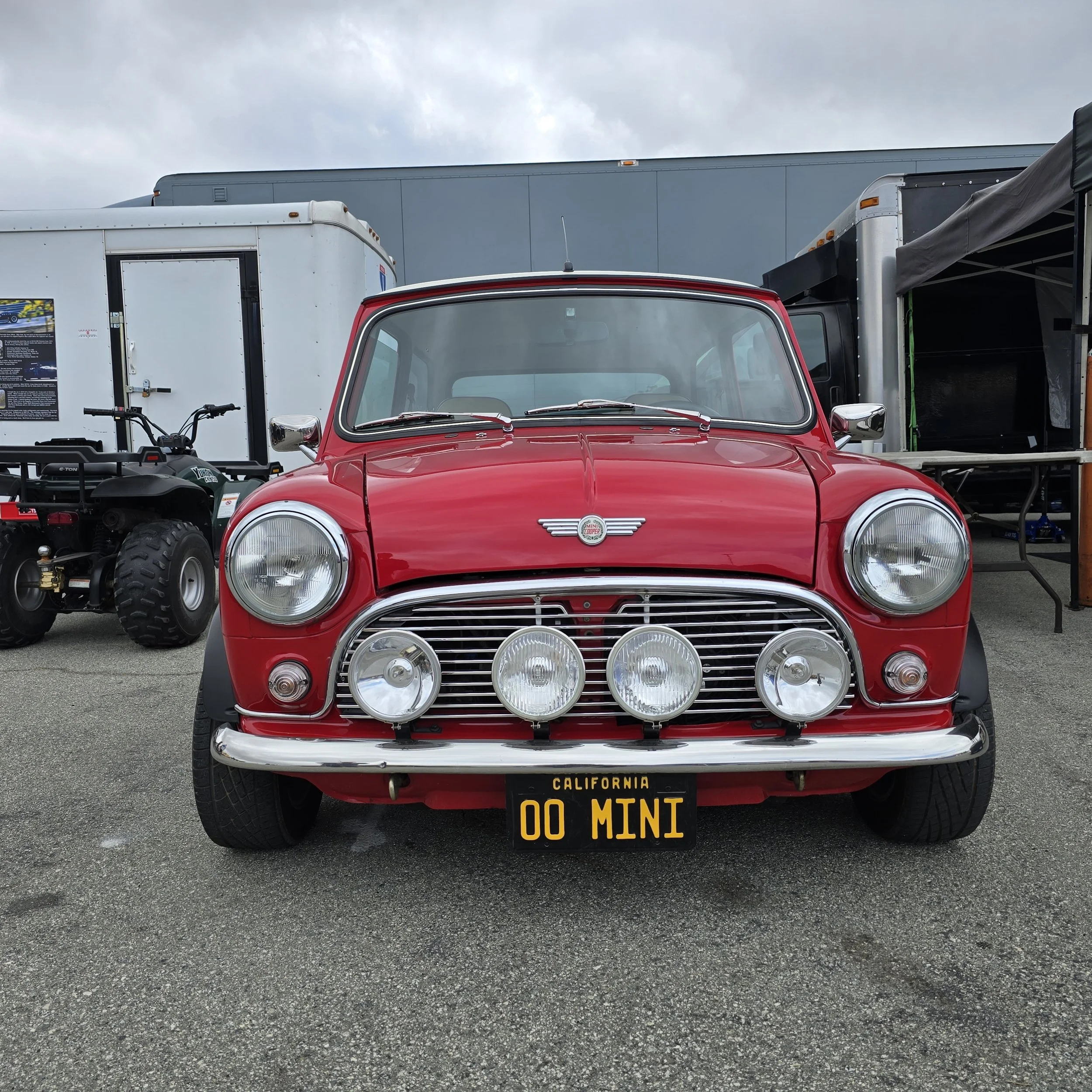
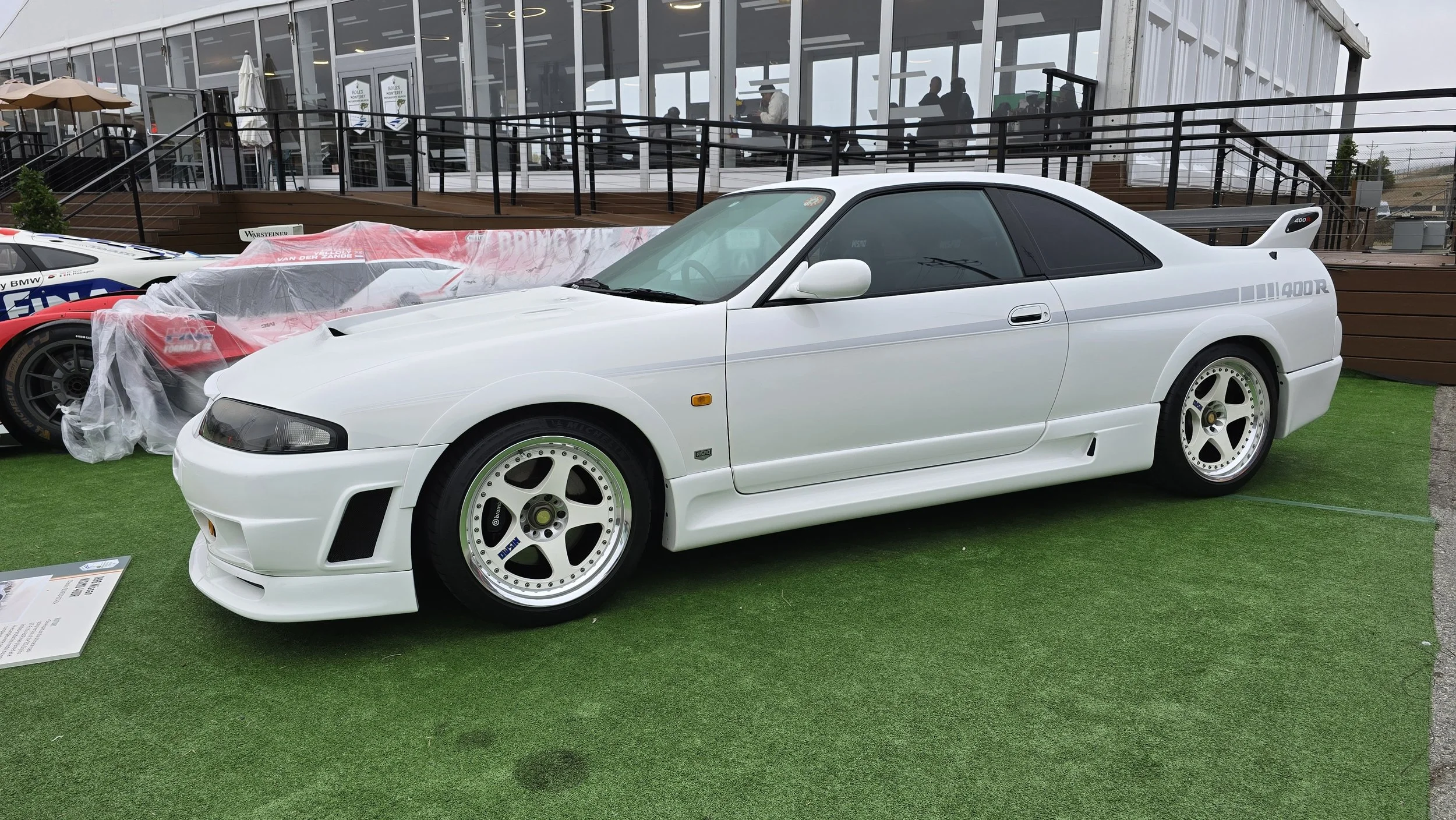
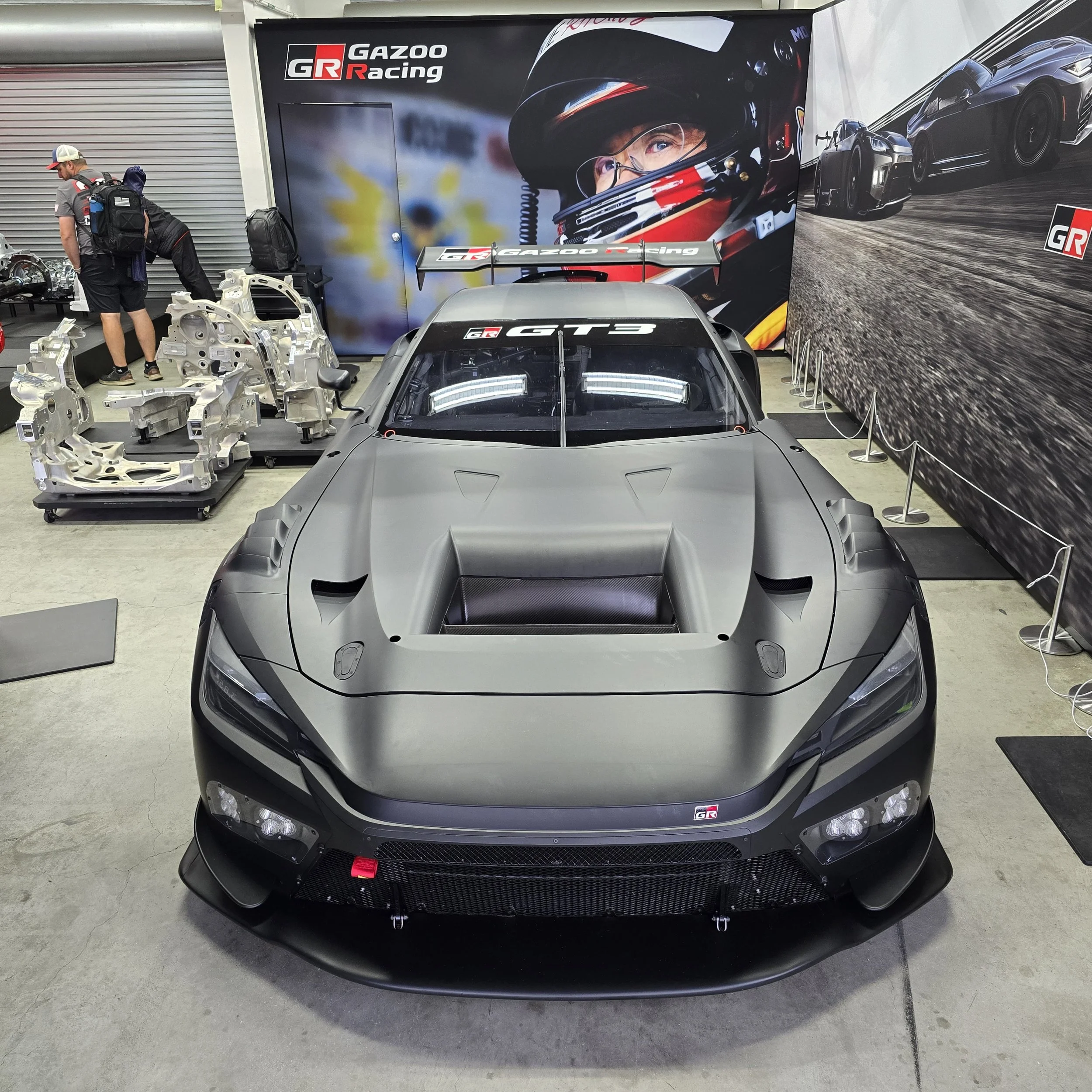
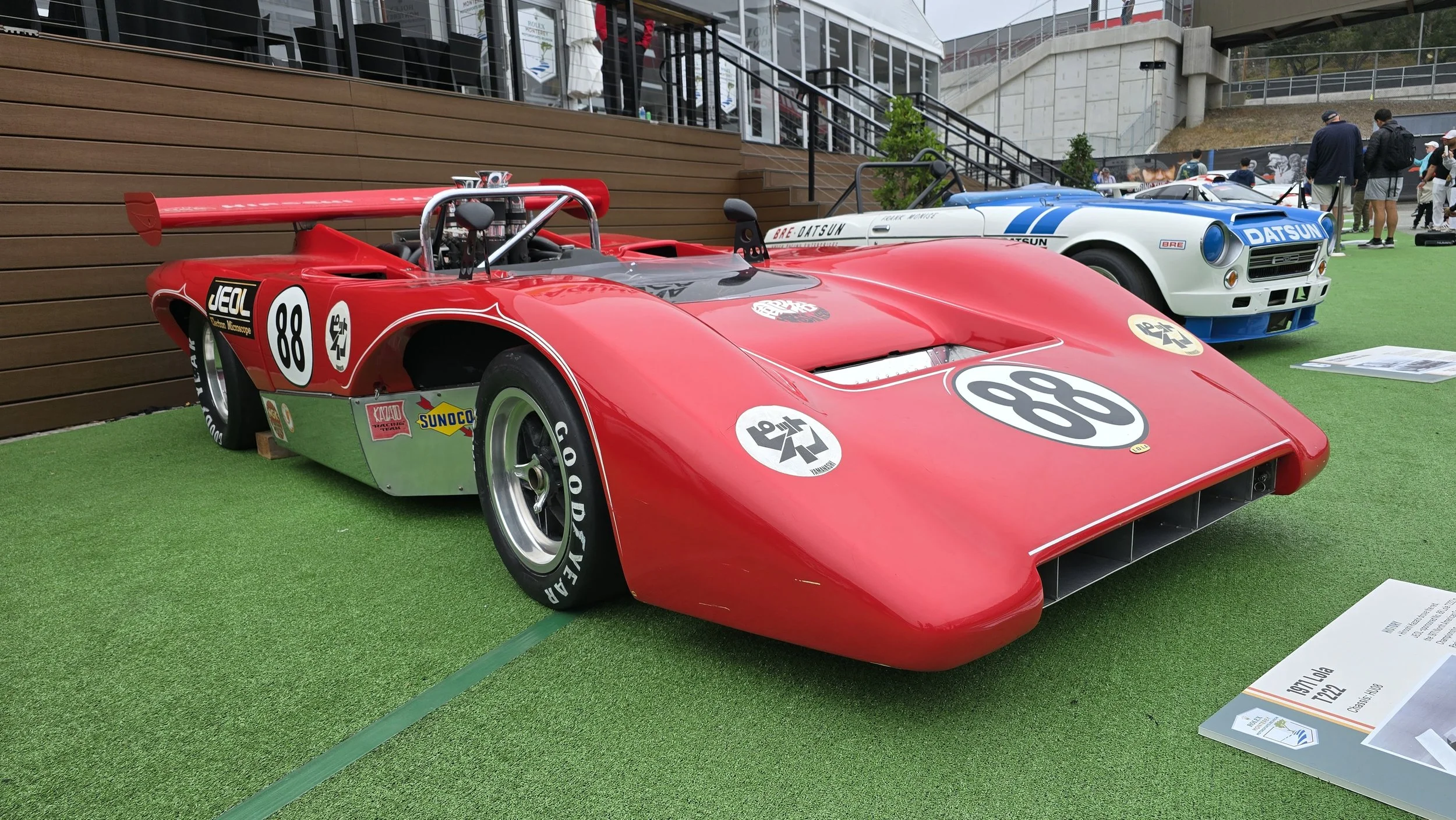
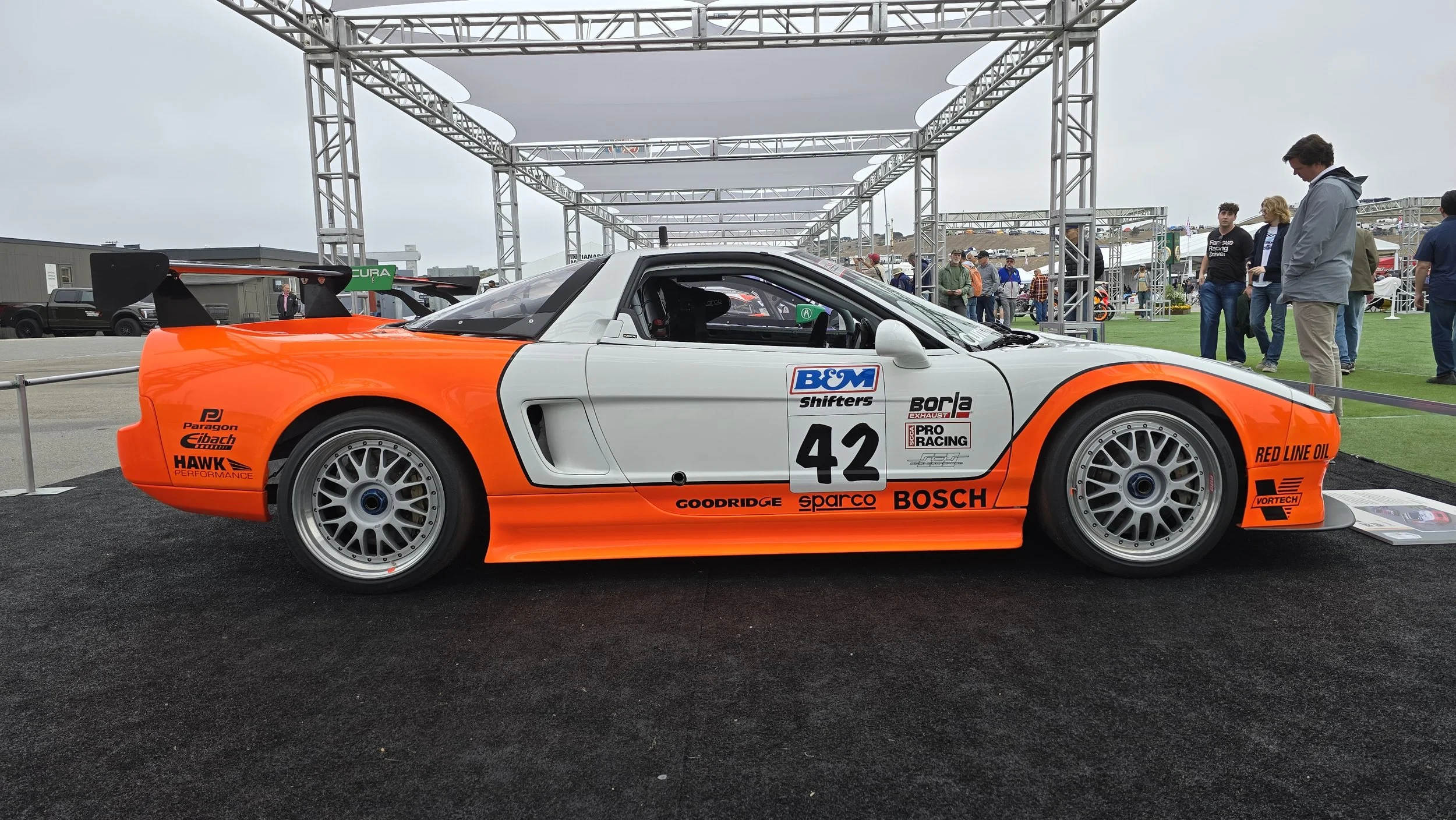
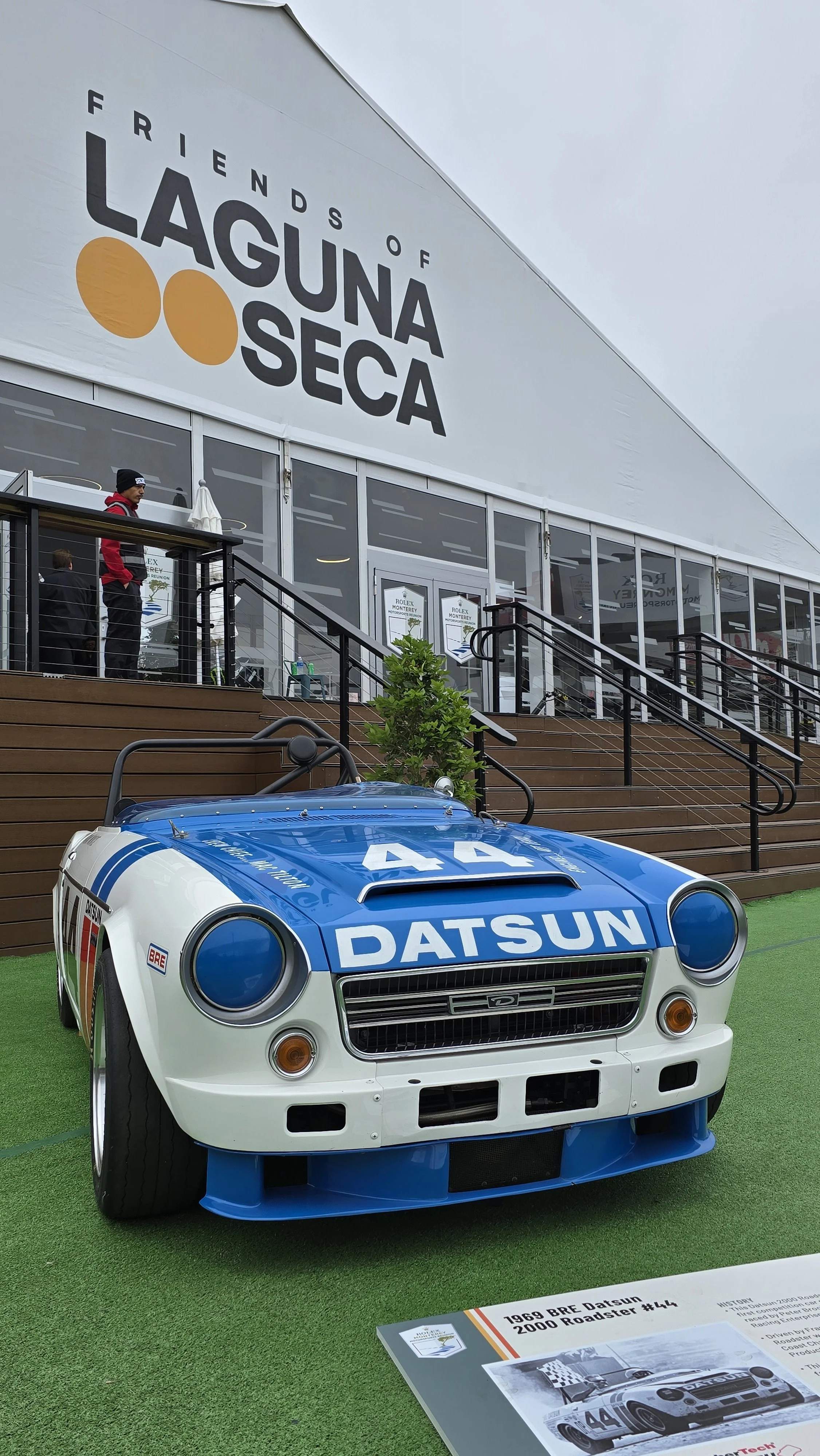
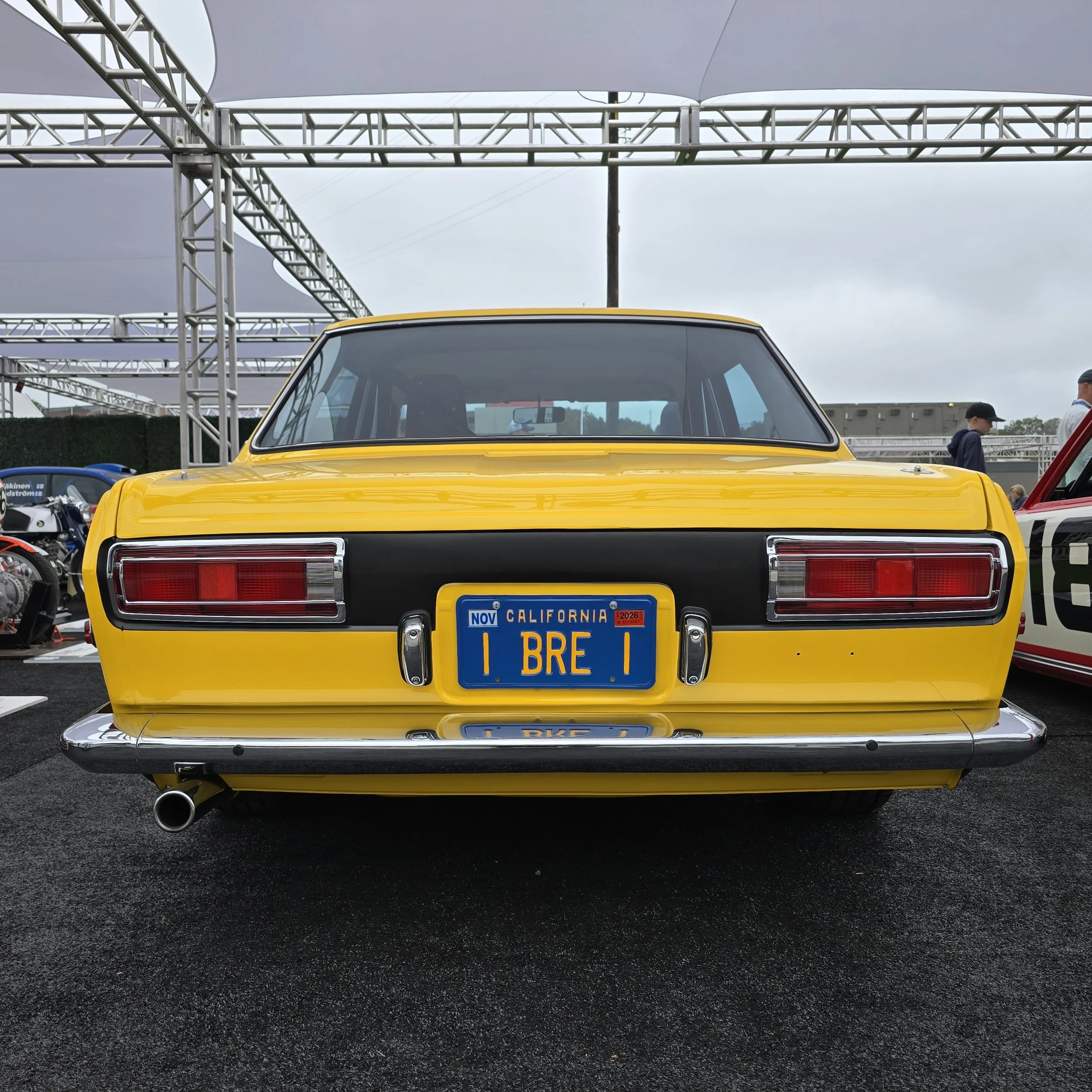
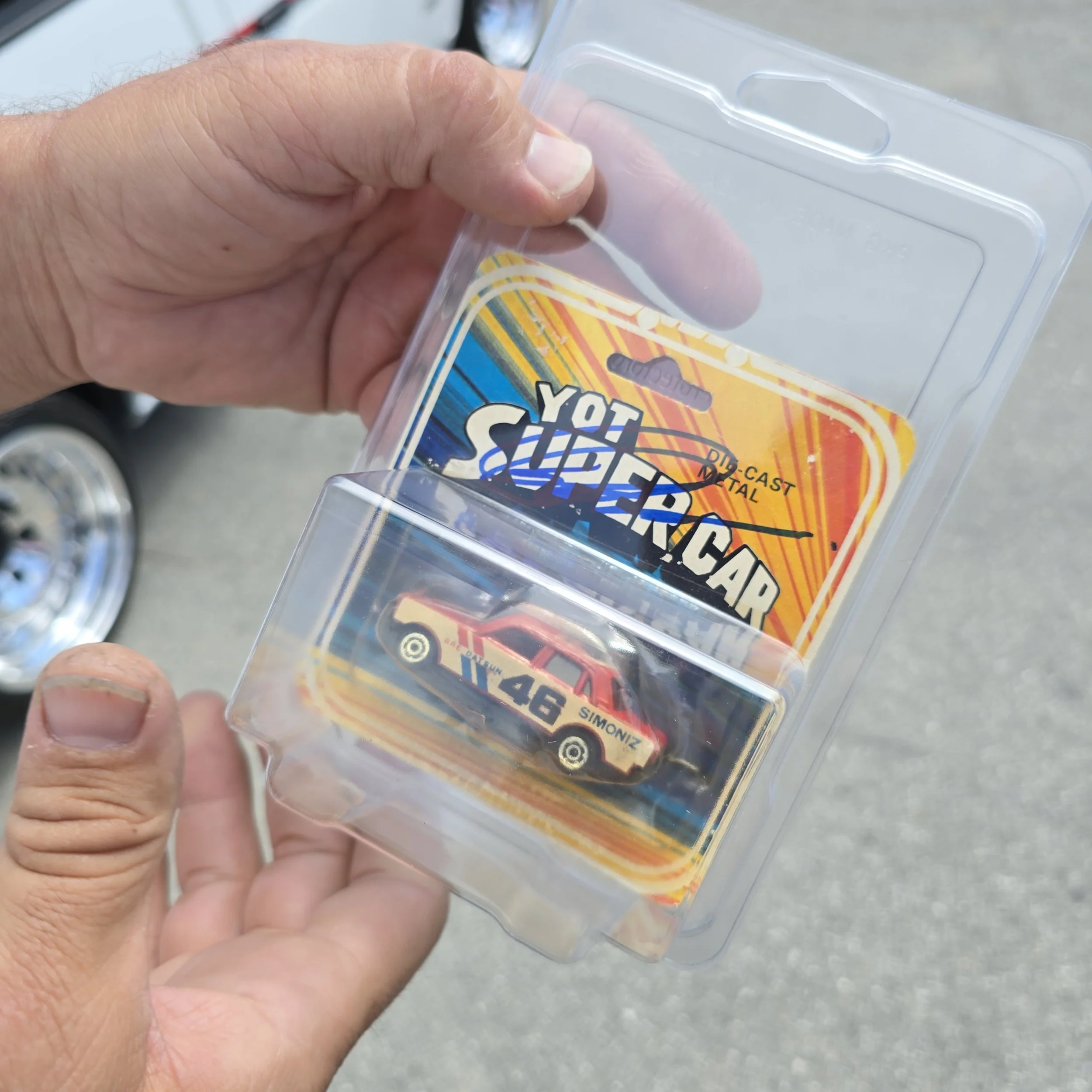
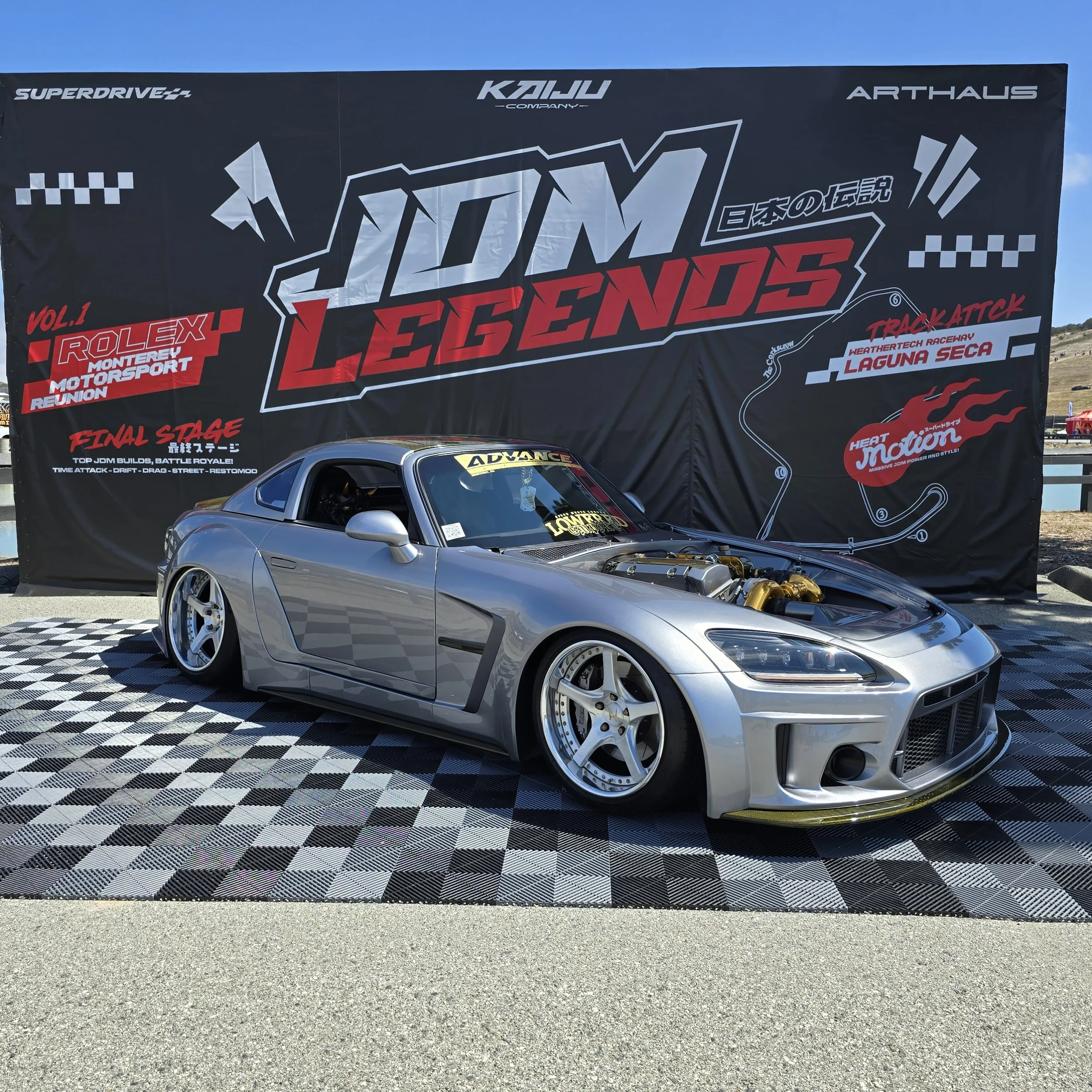
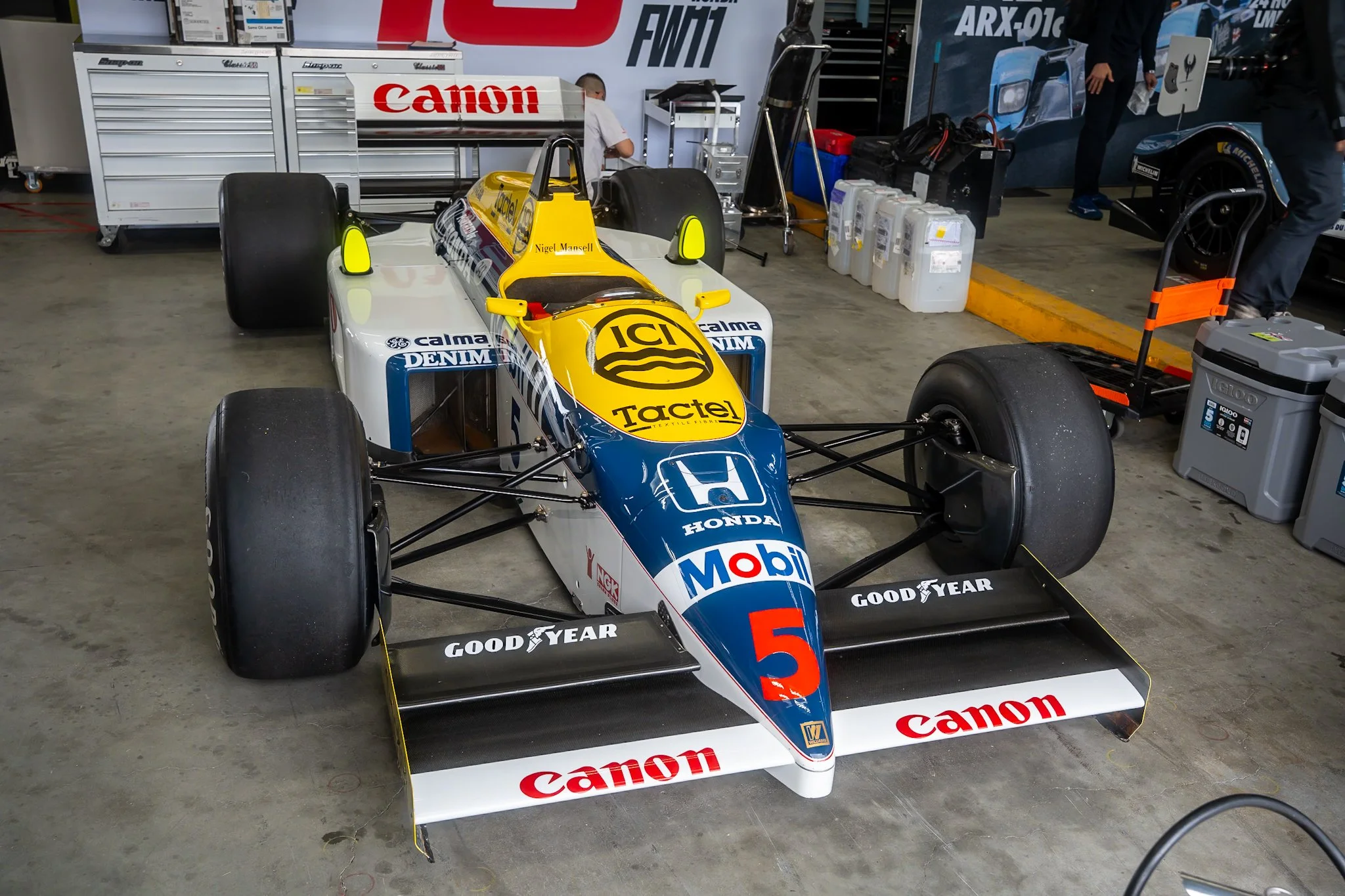
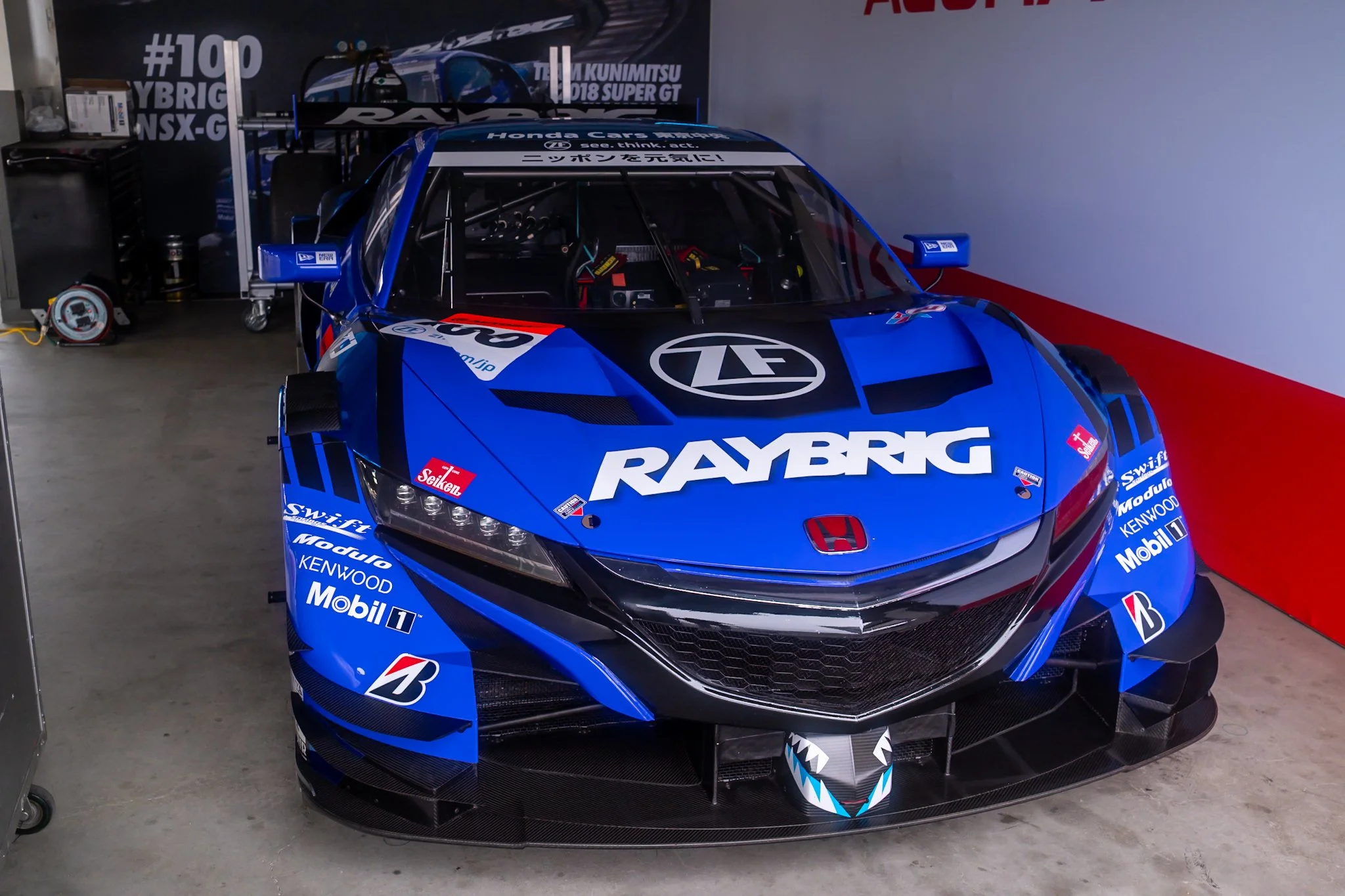
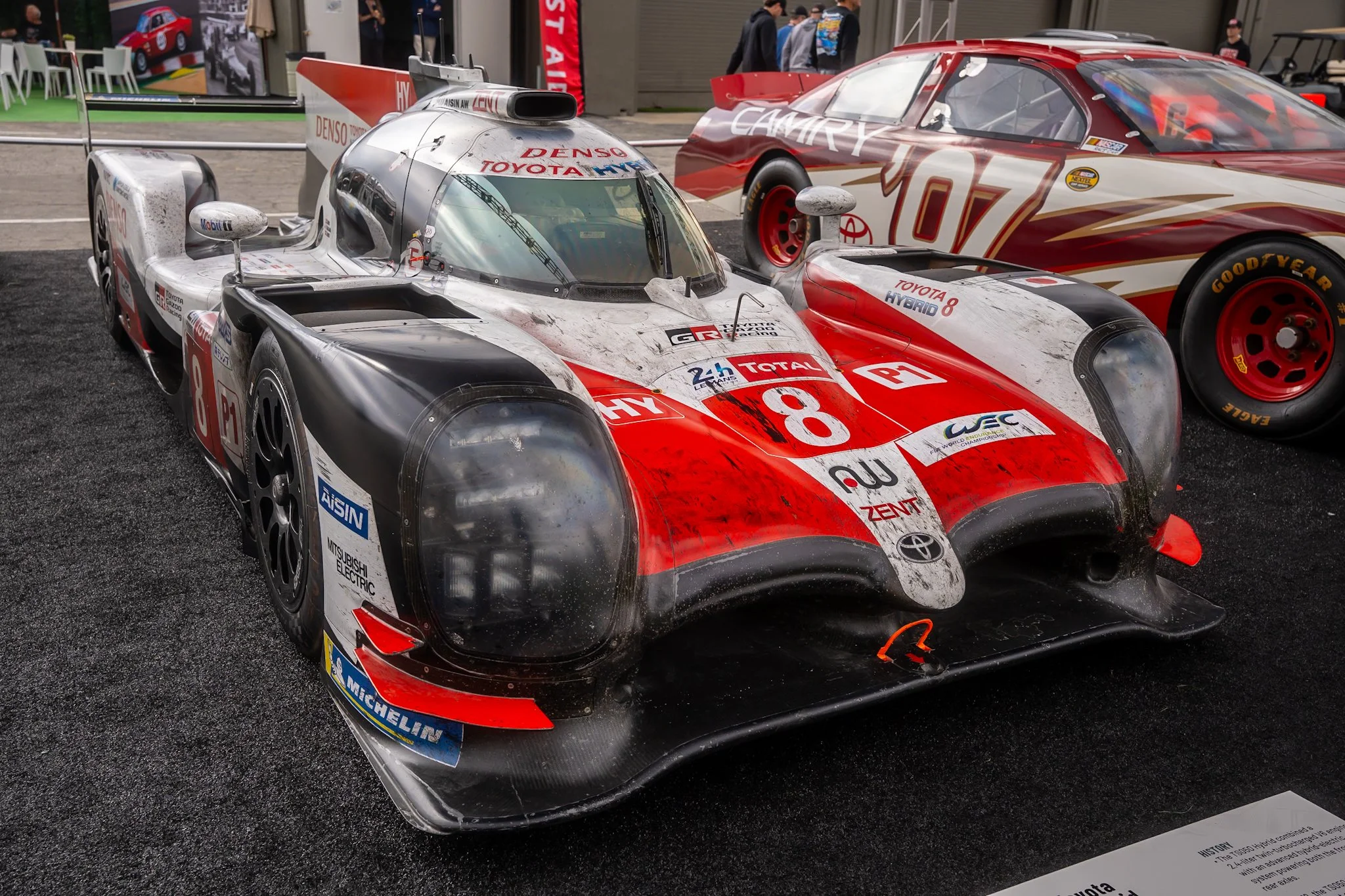
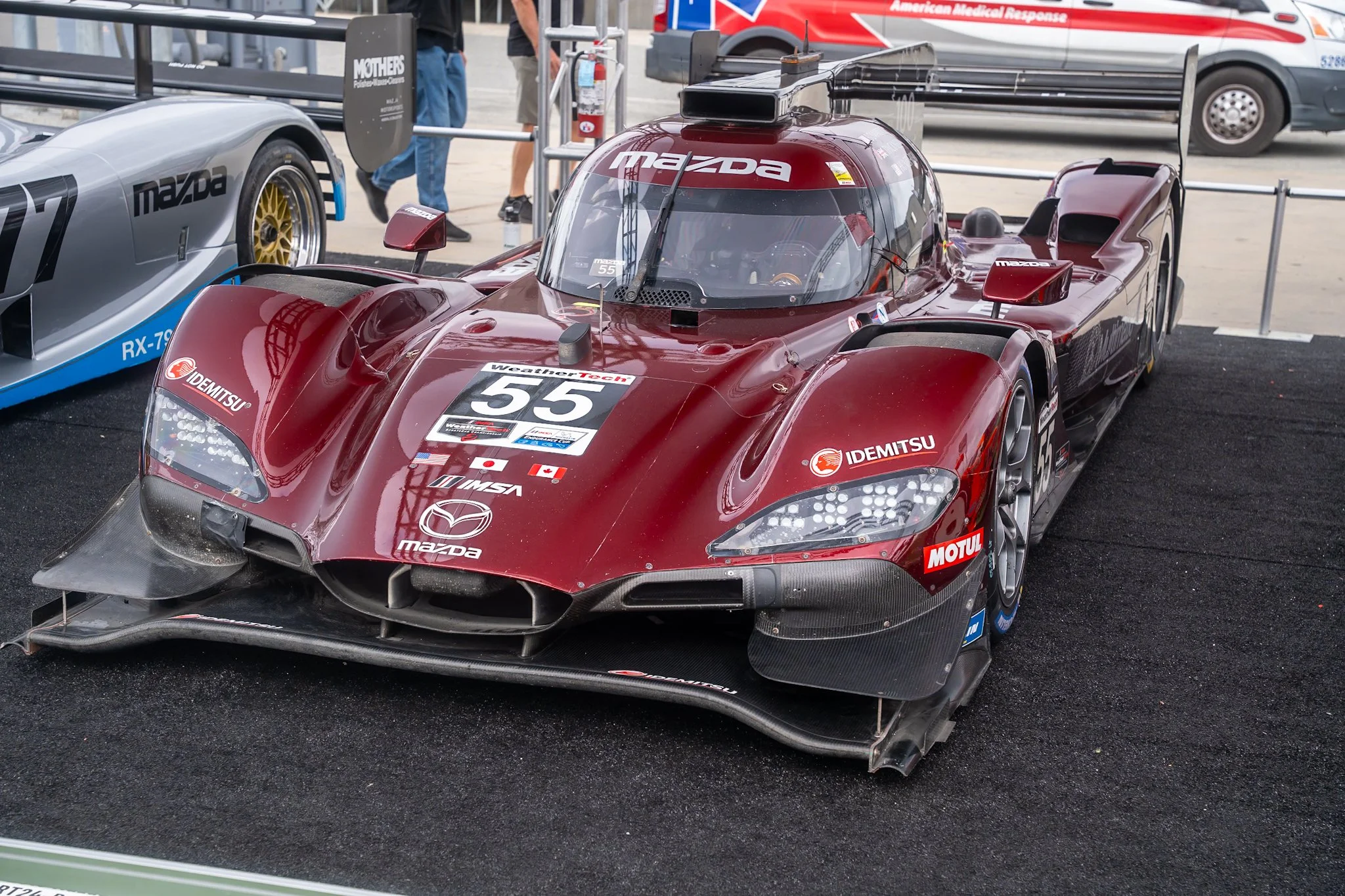
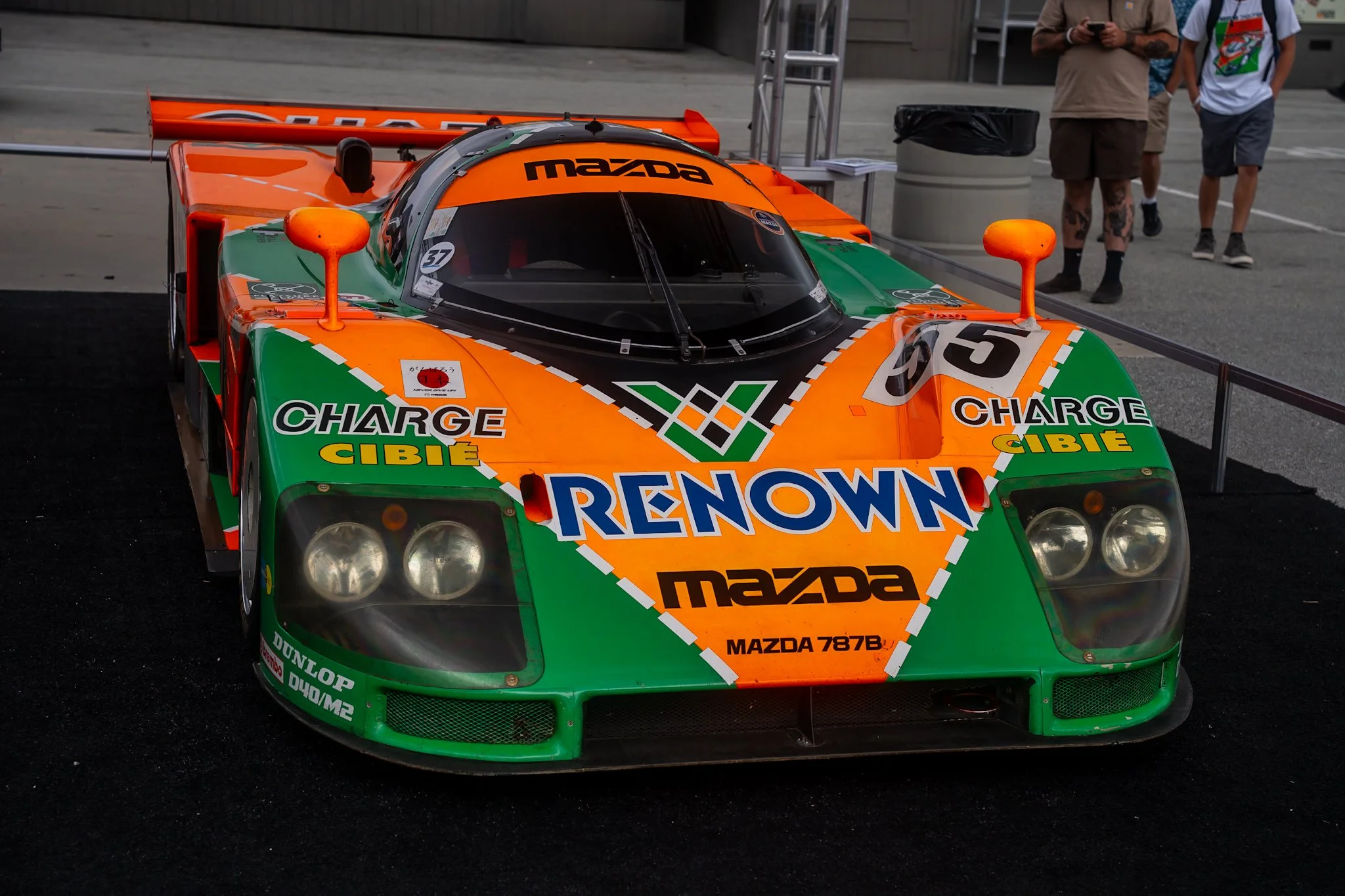
The centerpiece brought together an extraordinary collection of machinery, including the Honda-powered Williams FW11, Peter Brock’s BRE Datsun 510 and 240Z racers, Nissan’s fearsome GTP ZX-T, Toyota’s IMSA GTO and Group C machines, and Mazda’s screaming rotary-powered 767B and 787B. Perhaps most significantly, the display united the 1991 Mazda 787B and 2018 Toyota TS050 Hybrid, the cars that delivered Mazda and Toyota their (and Japan’s) first overall victories at the 24 Hours of Le Mans. What made the tribute particularly effective was its breadth: rather than celebrating a single manufacturer, Laguna Seca treated Japanese motorsport as a complete racing culture, showing how Honda, Mazda, Nissan, Toyota, Yamaha and others progressed from outsiders on the international stage into innovators and dominant forces across virtually every major form of competition. The Reunion even extended the theme beyond factory racing with its first dedicated JDM car show, acknowledging how that motorsport heritage eventually helped create a global enthusiast culture of its own.
On Sunday, we were plesantly surprised to see several of the cars displayed at Laguna Seca, lined up along the Pacific Ocean at the Pebble Beach Concours d’Elegance. Pretty awesome stuff.
Motorcycles Join the Reunion
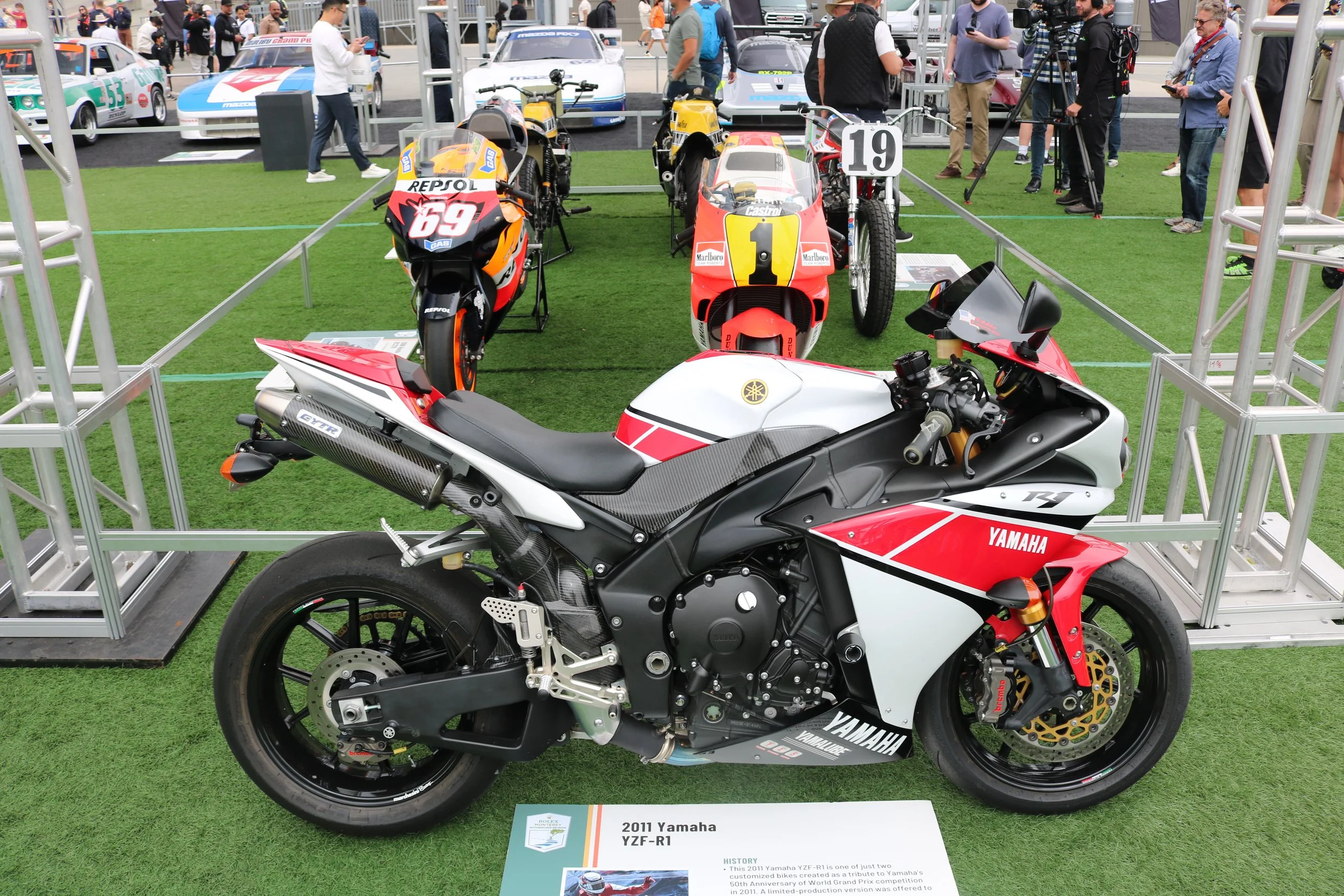
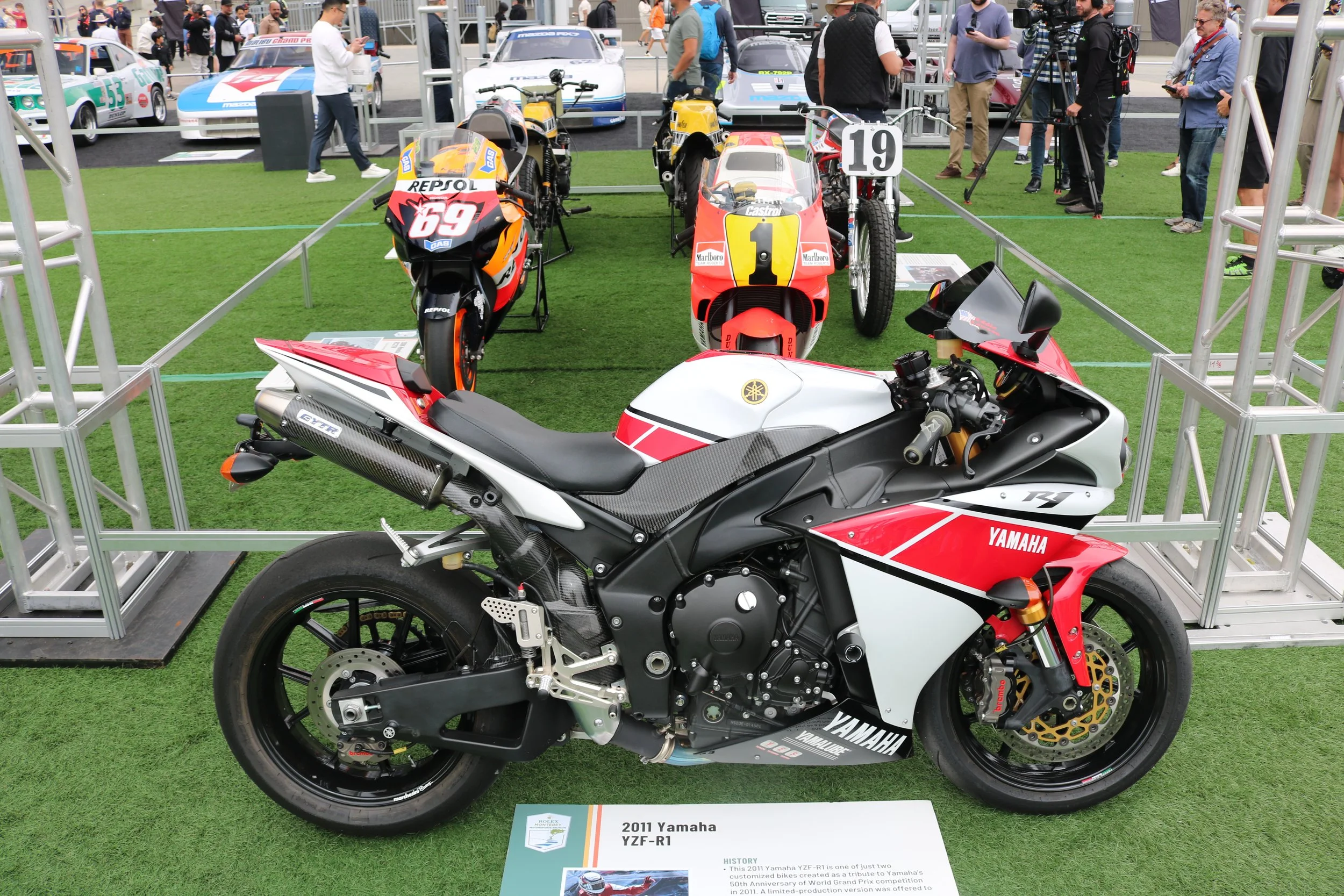
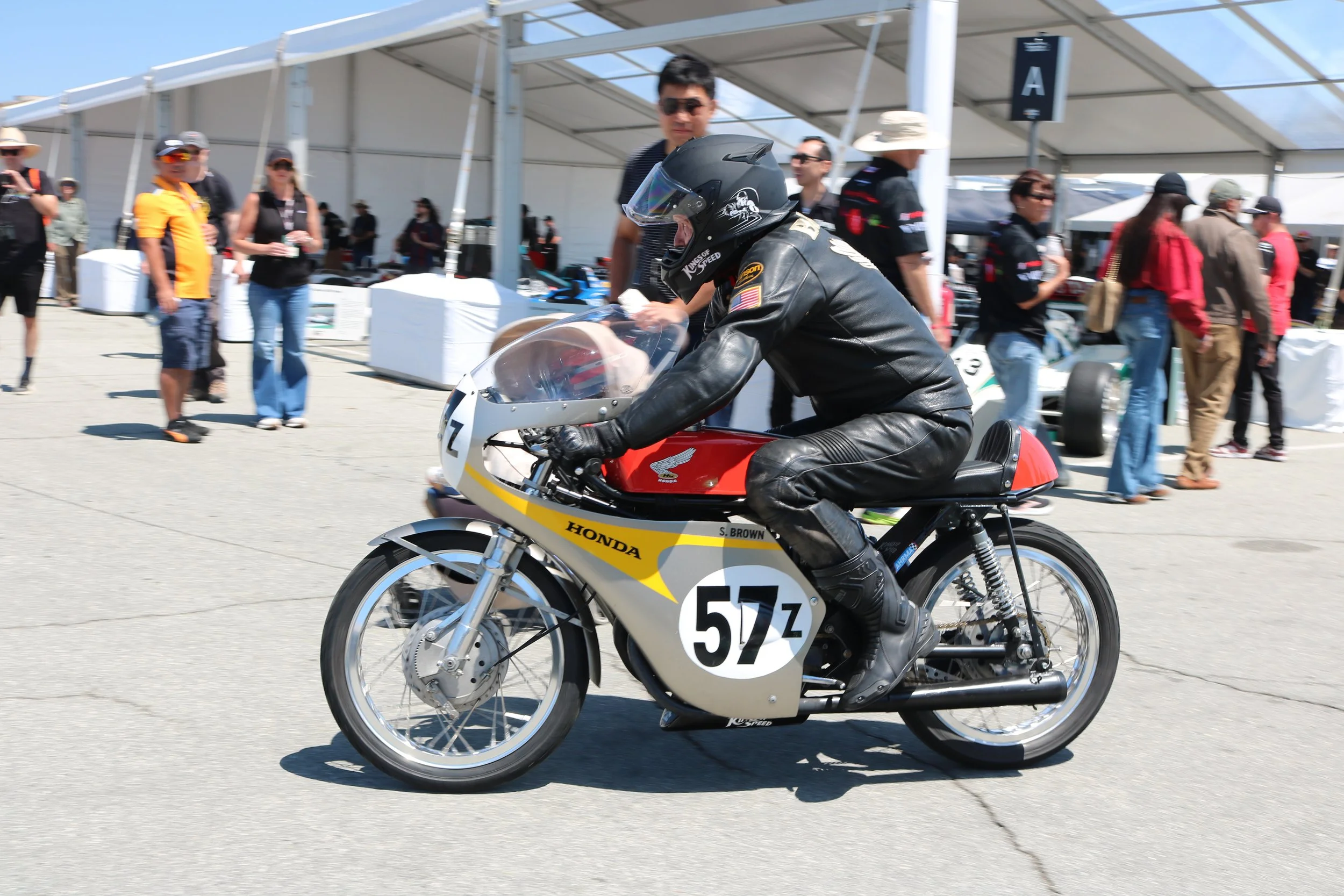
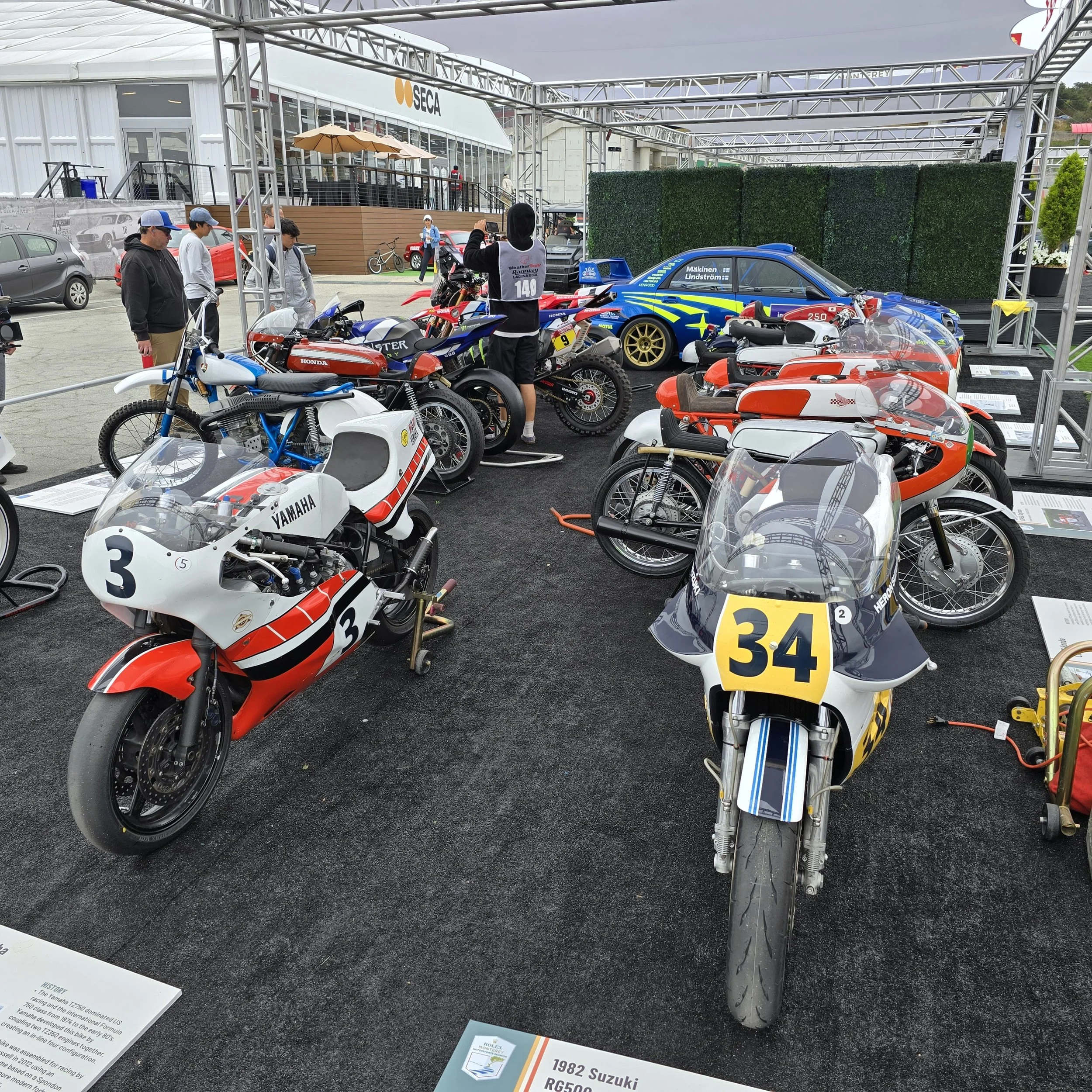
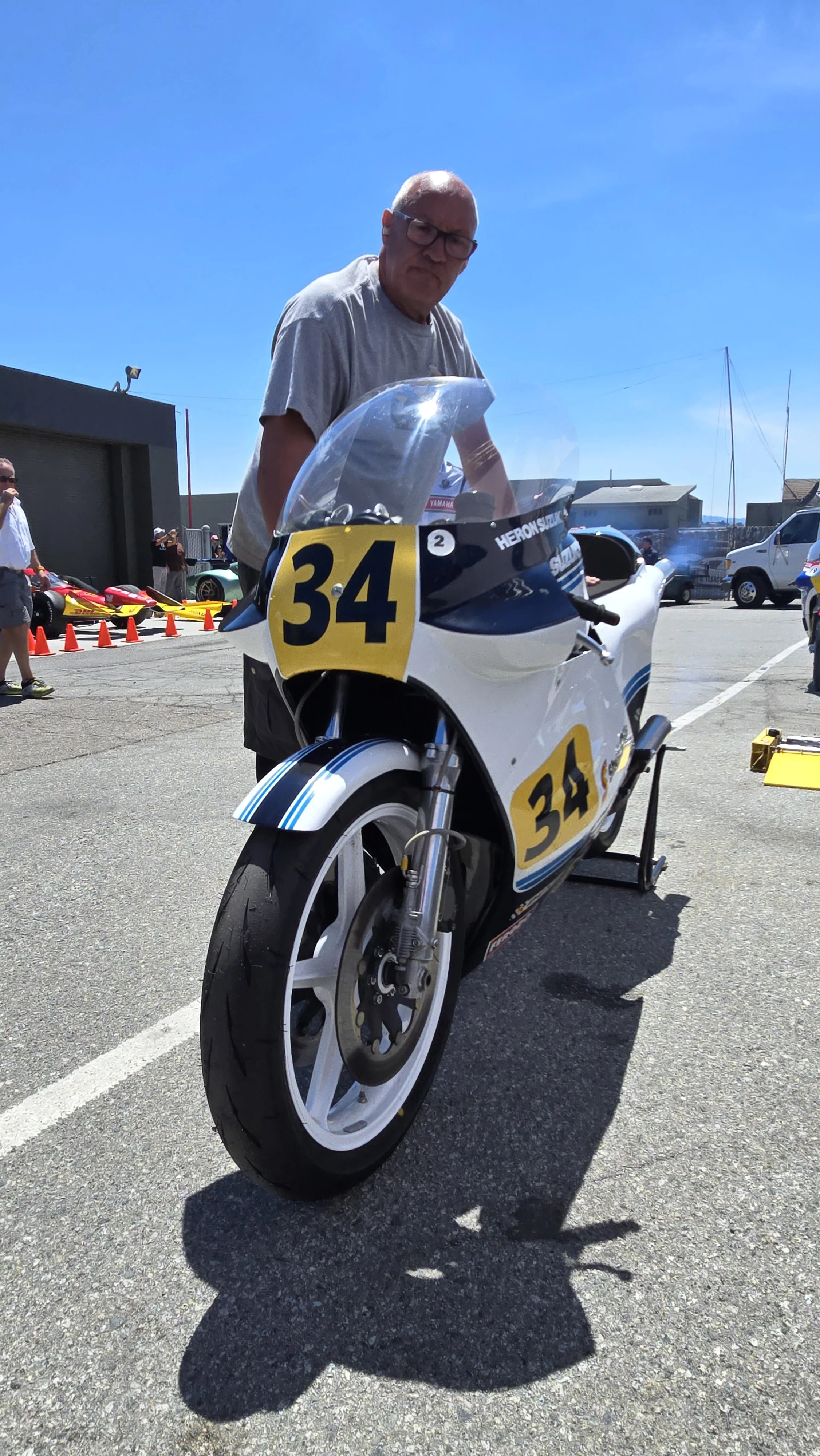
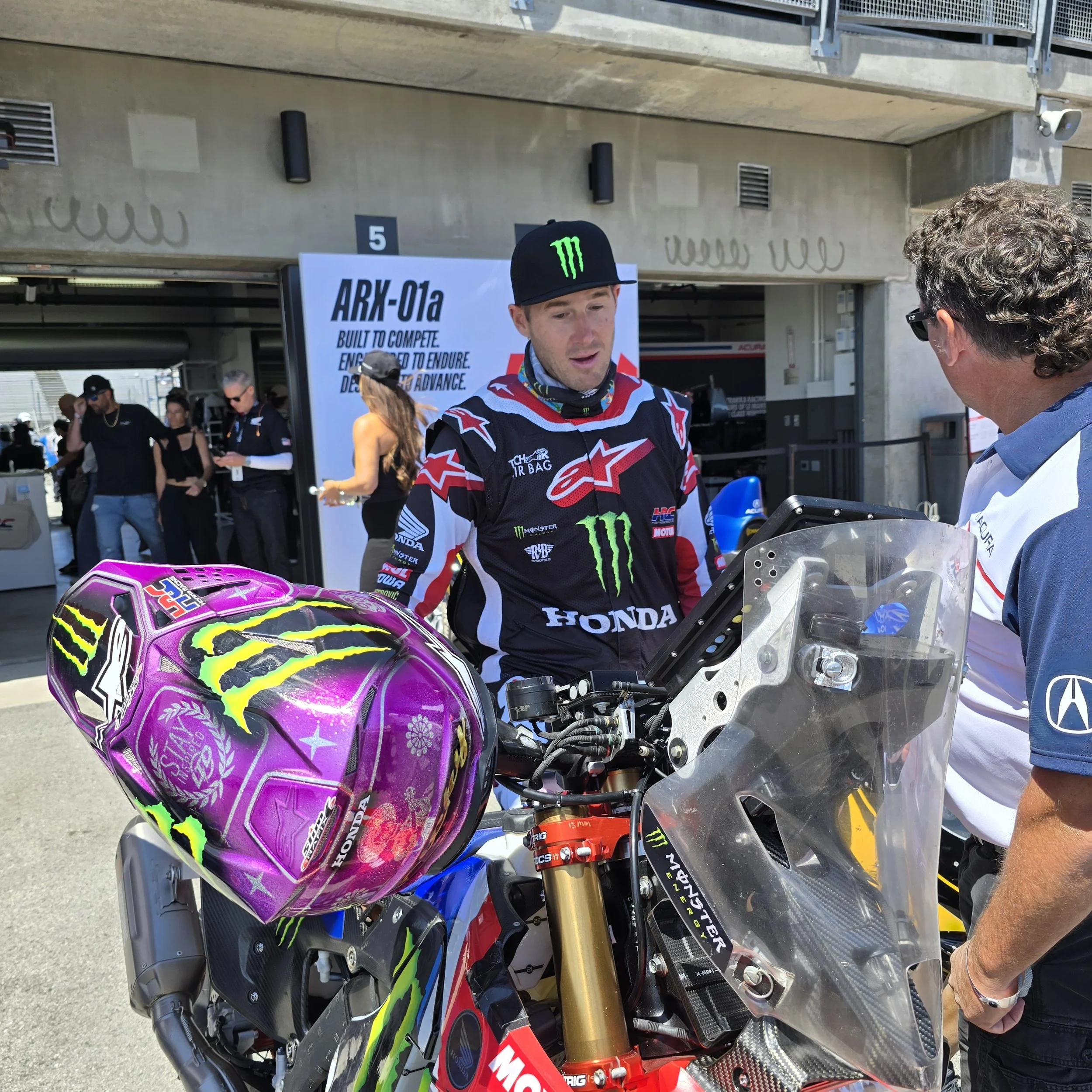
One of the genuinely significant changes for 2026 was the inclusion of historic racing motorcycles.
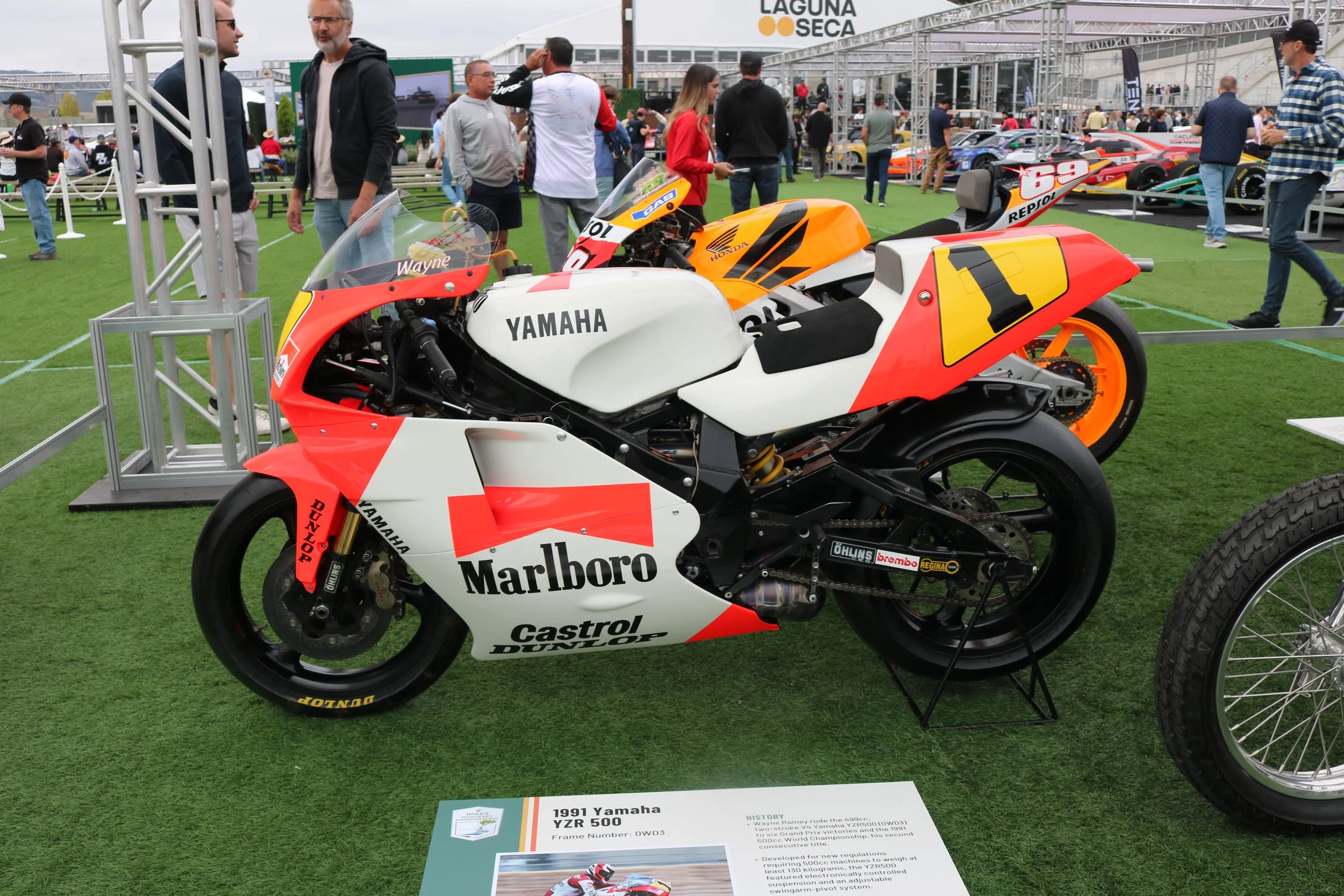
The Reunion brought motorcycles onto the program in a major way, including machinery associated with the extraordinary era in which American riders dominated top-level Grand Prix motorcycle racing.
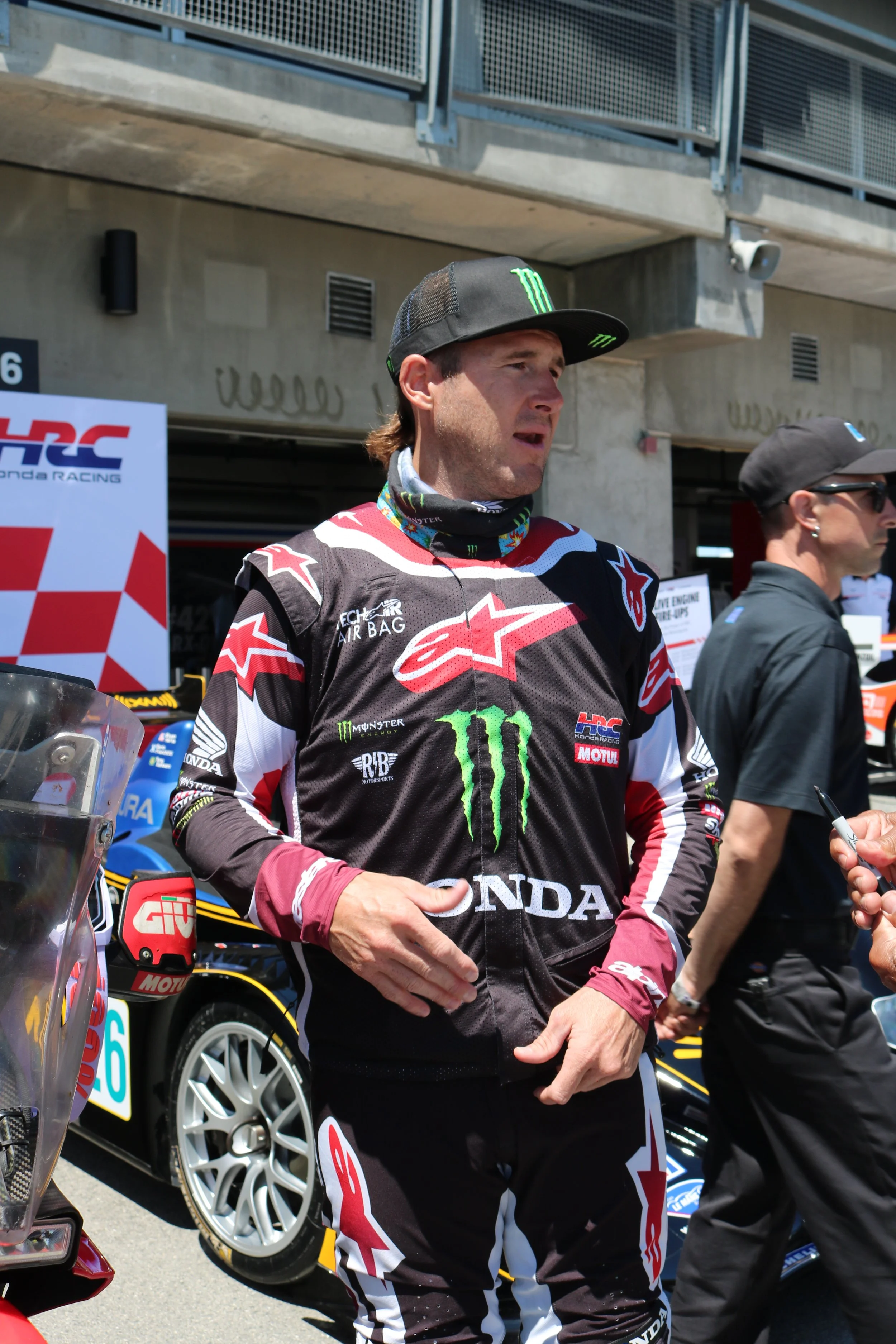
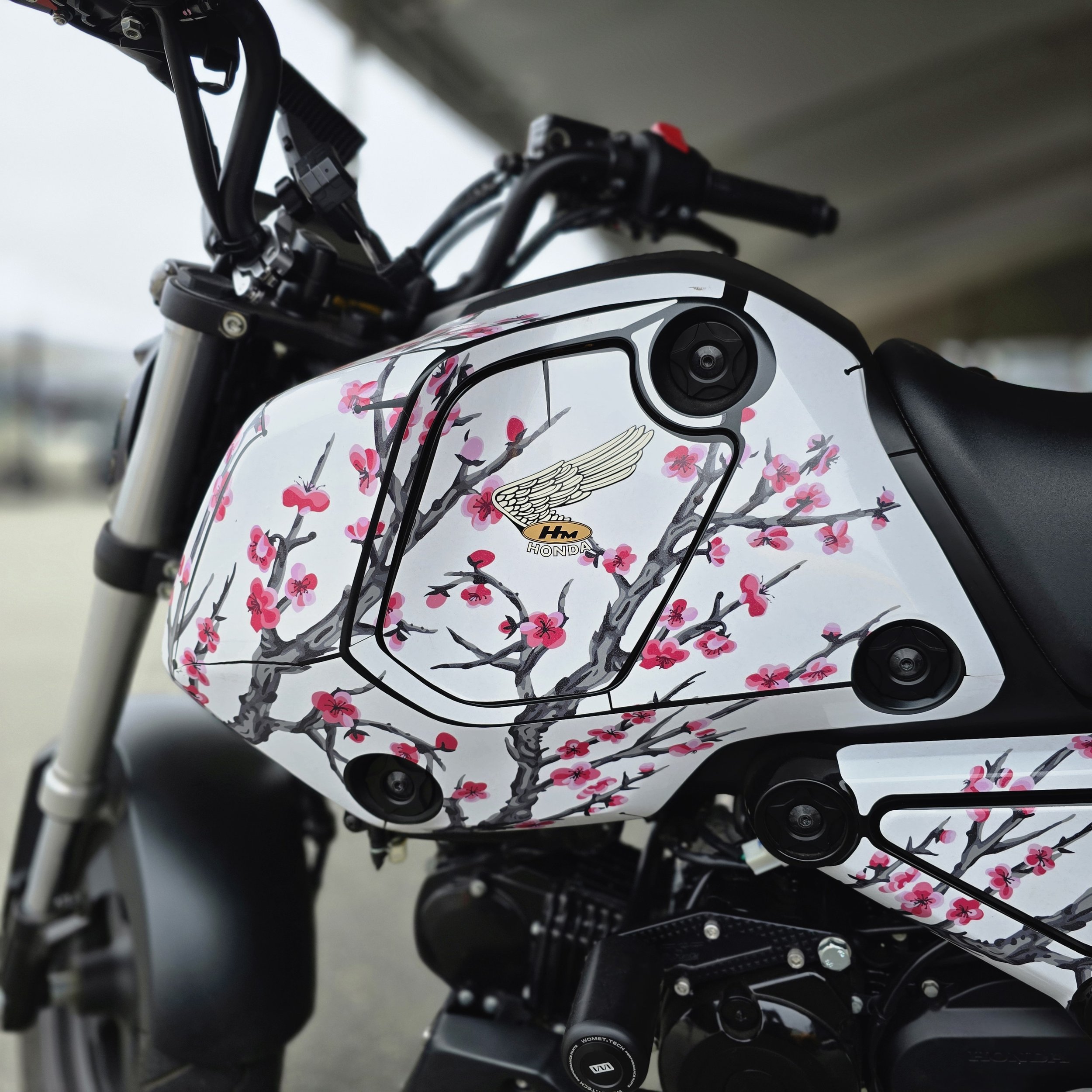
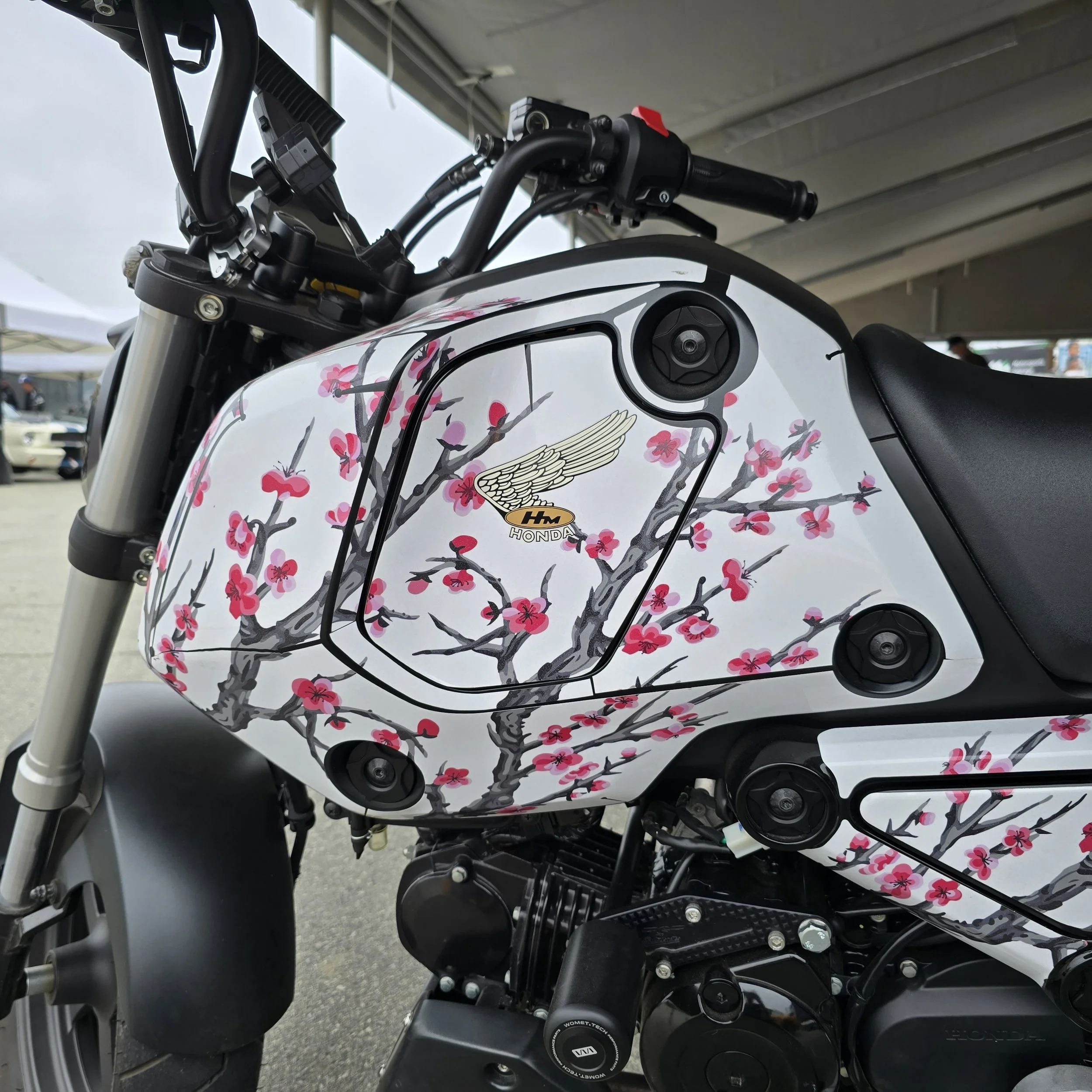
A number of former world champions and professional riders attended, with historic bikes from Honda, Yamaha, Suzuki and others represented. For an event traditionally dominated by four wheels, it substantially broadened the historical story.
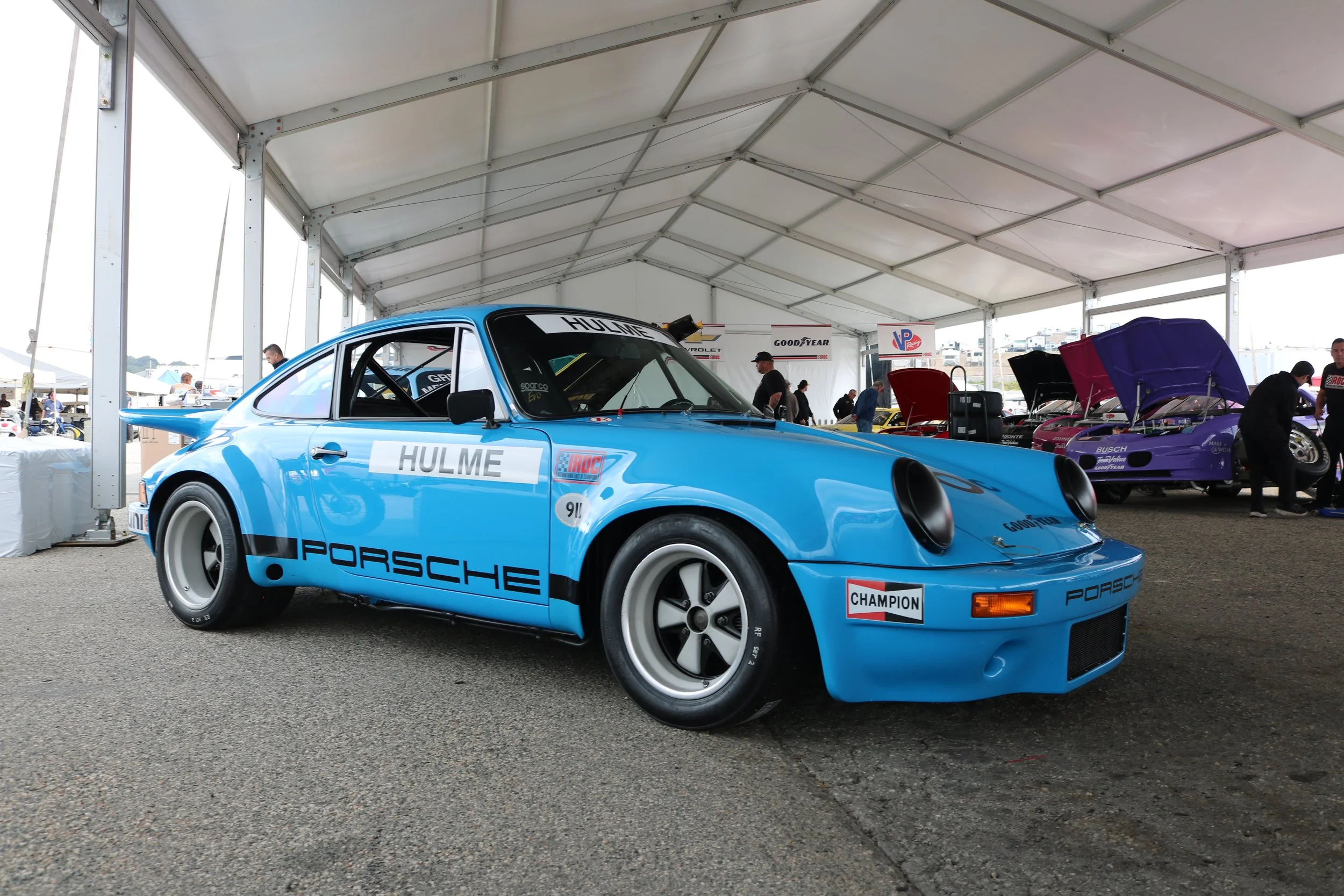
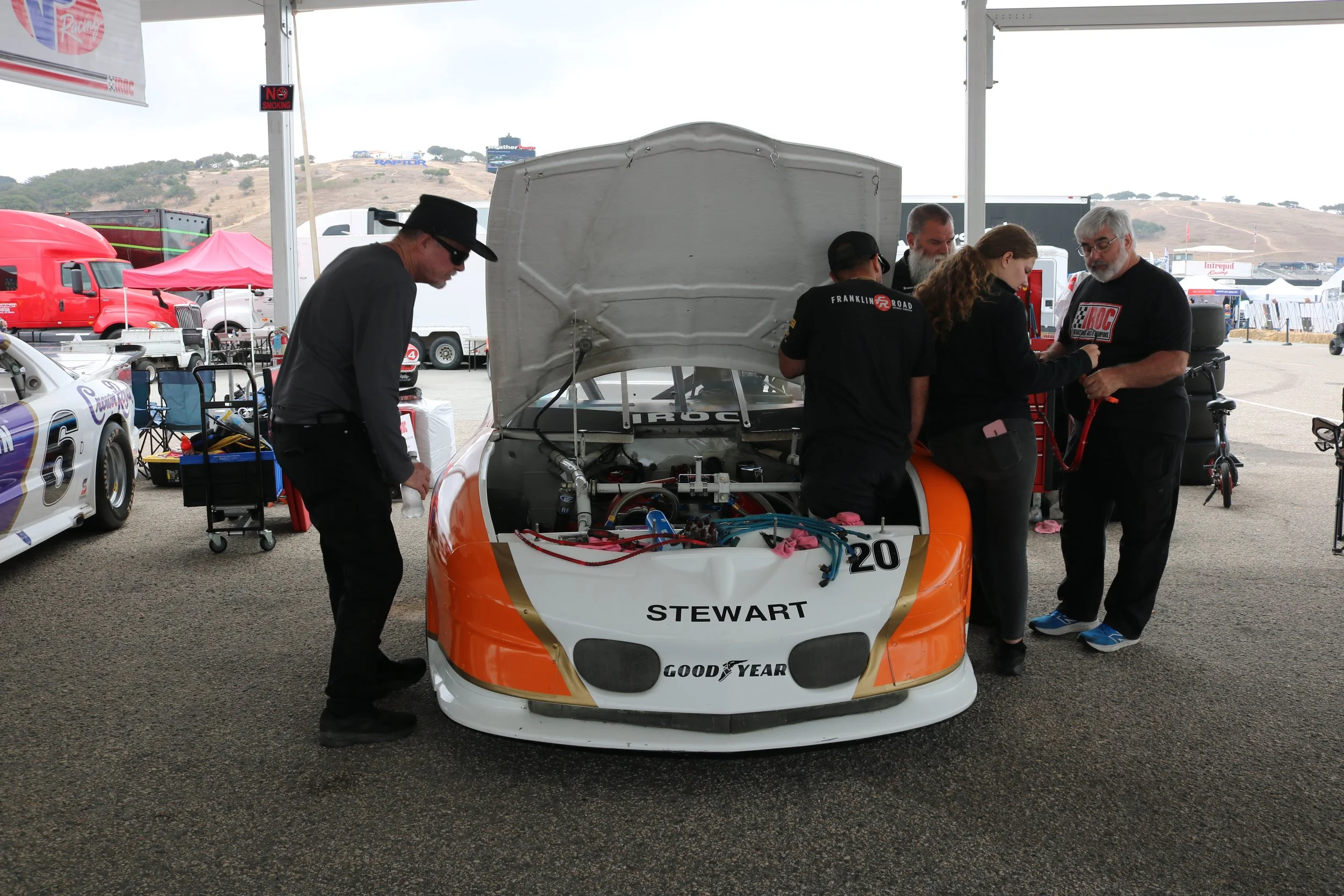
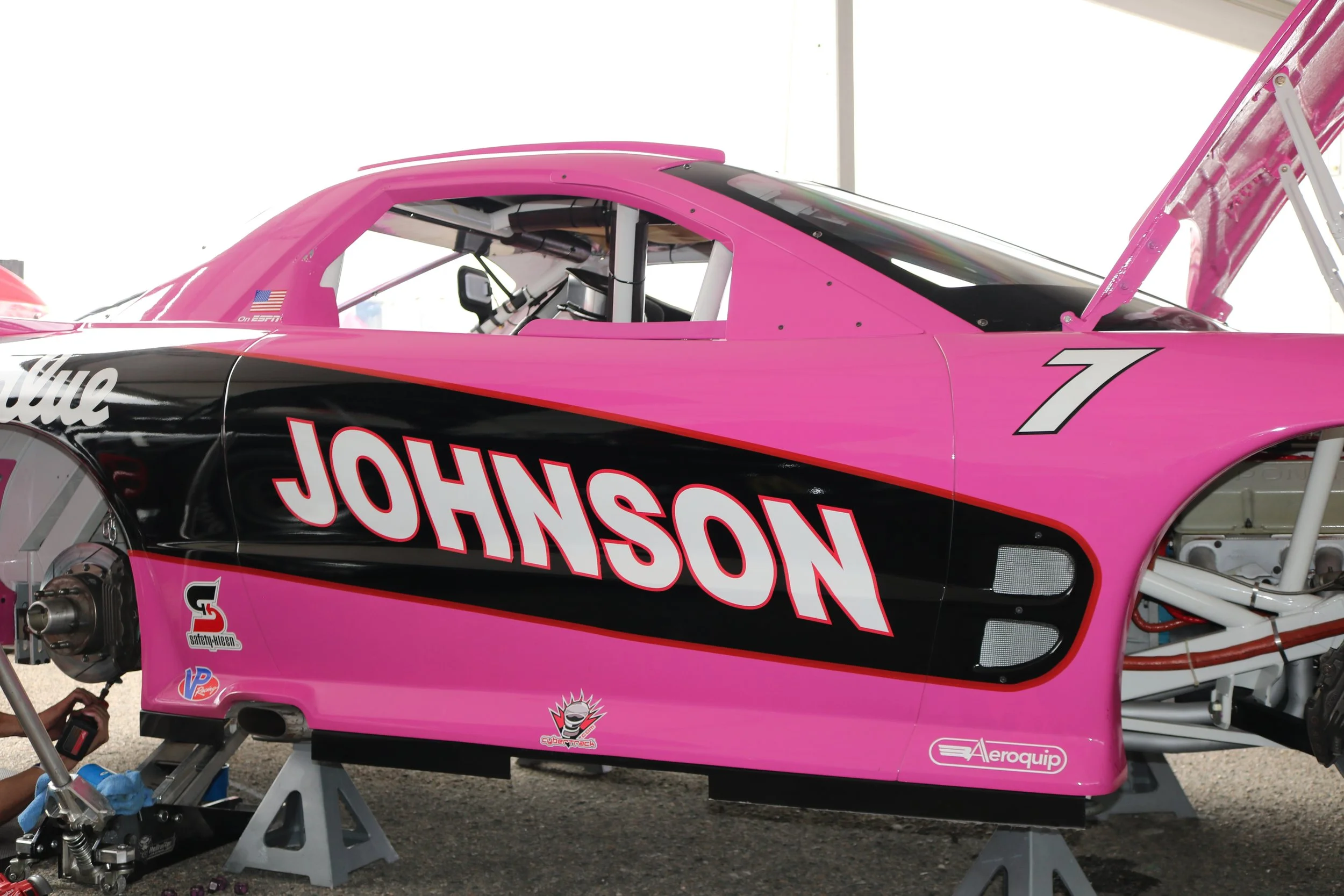
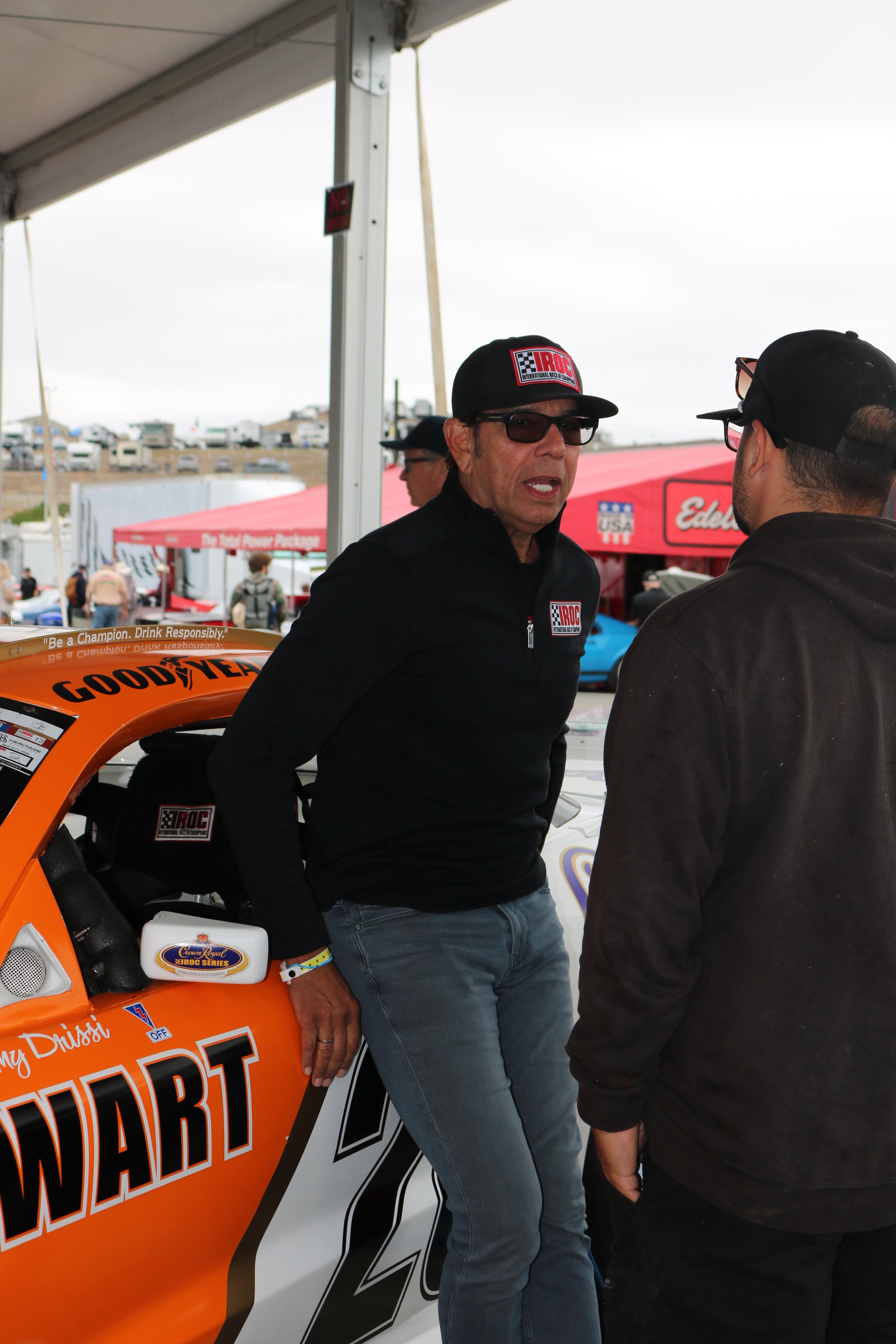
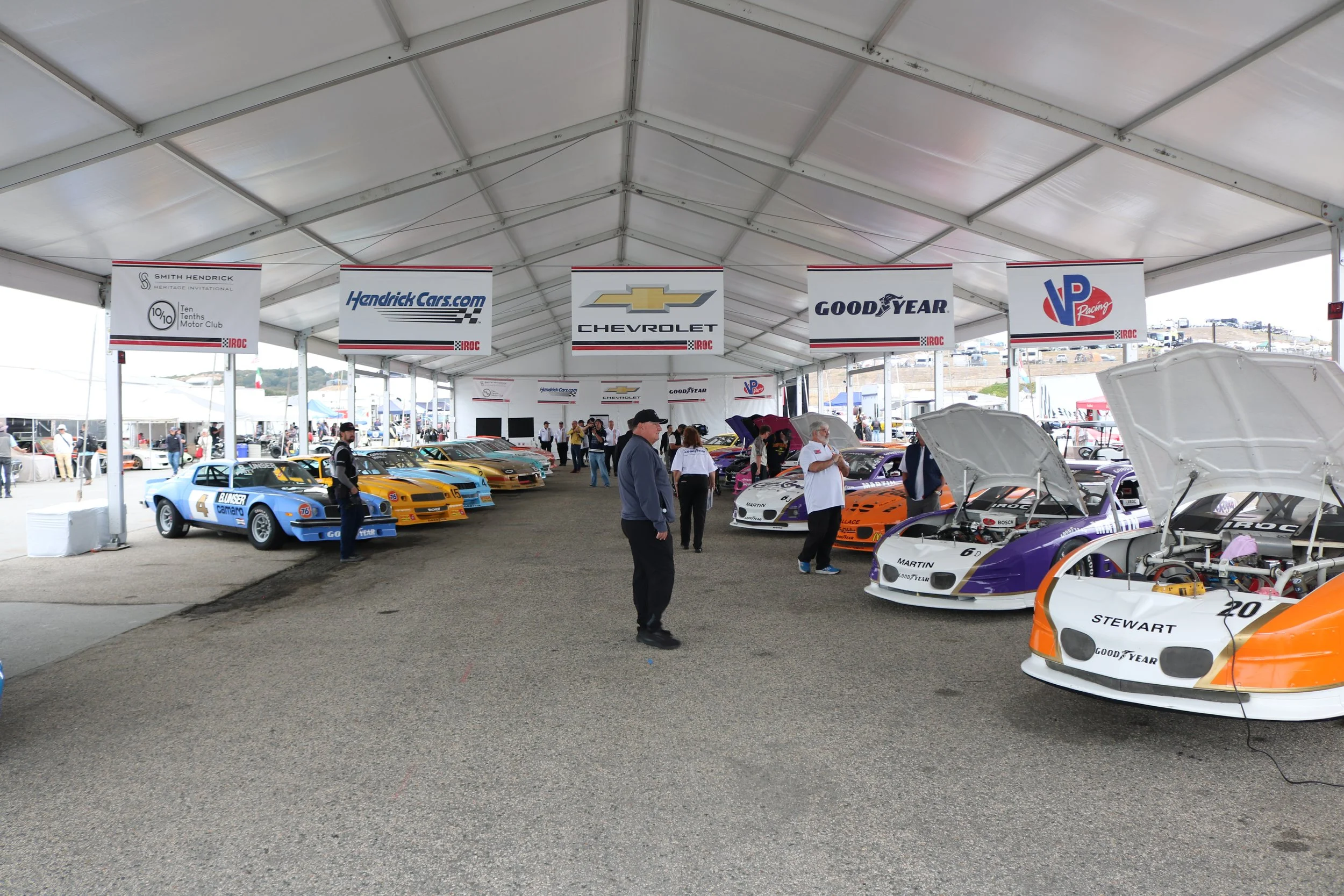
IROC was back!
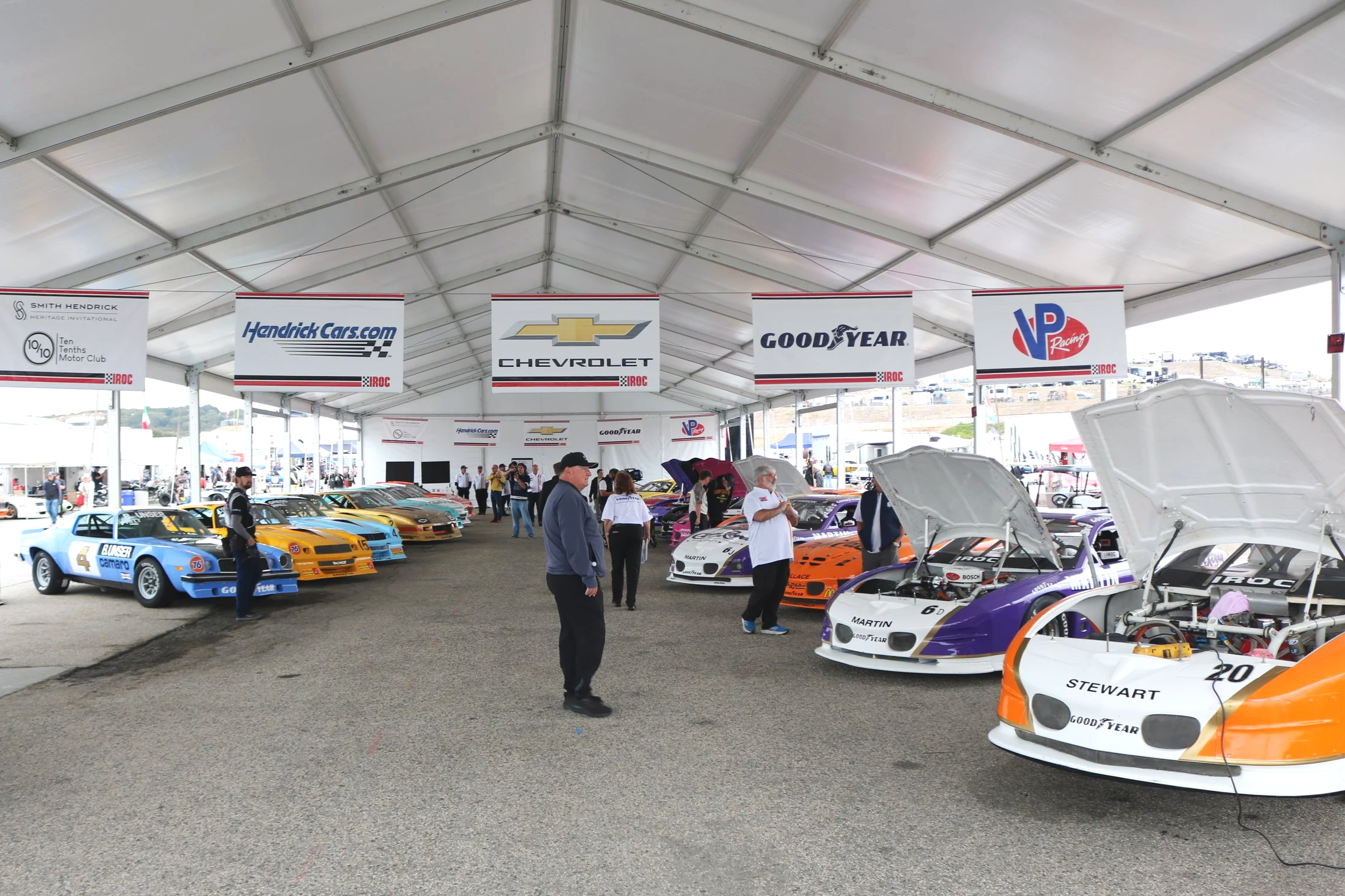
Taste the rainbow
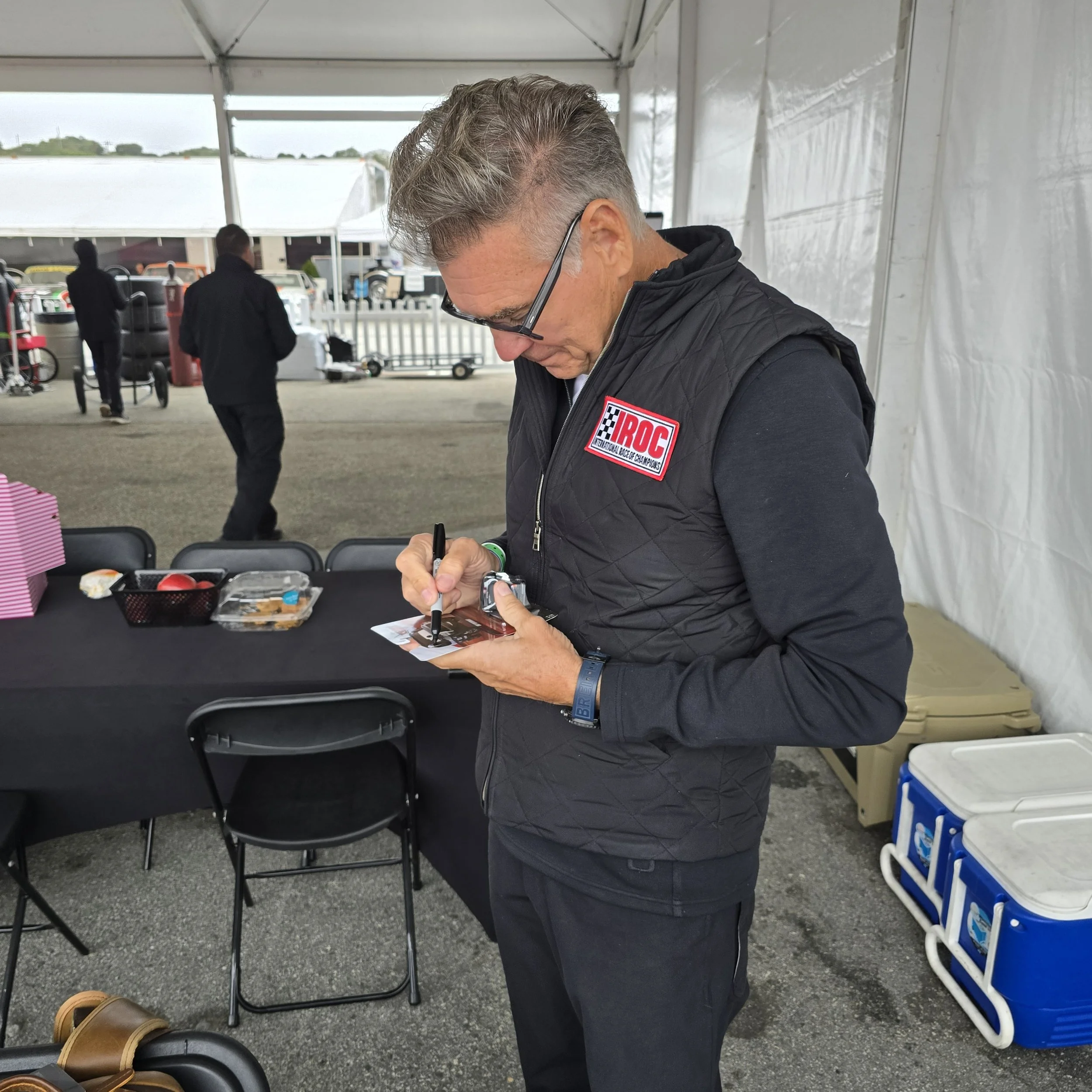
The International Race of Champions was founded in 1973 around an admirably simple idea: take champions from different racing disciplines, put them in identical cars and discover who had the fewest excuses!
IROC cars were featured at last year’s Reunion and returned for 2026 with another extraordinarily accomplished driver lineup.
Participants included:
Jimmie Johnson
Kurt Busch
Bobby Labonte
Dario Franchitti
Danny Sullivan
Scott Pruett
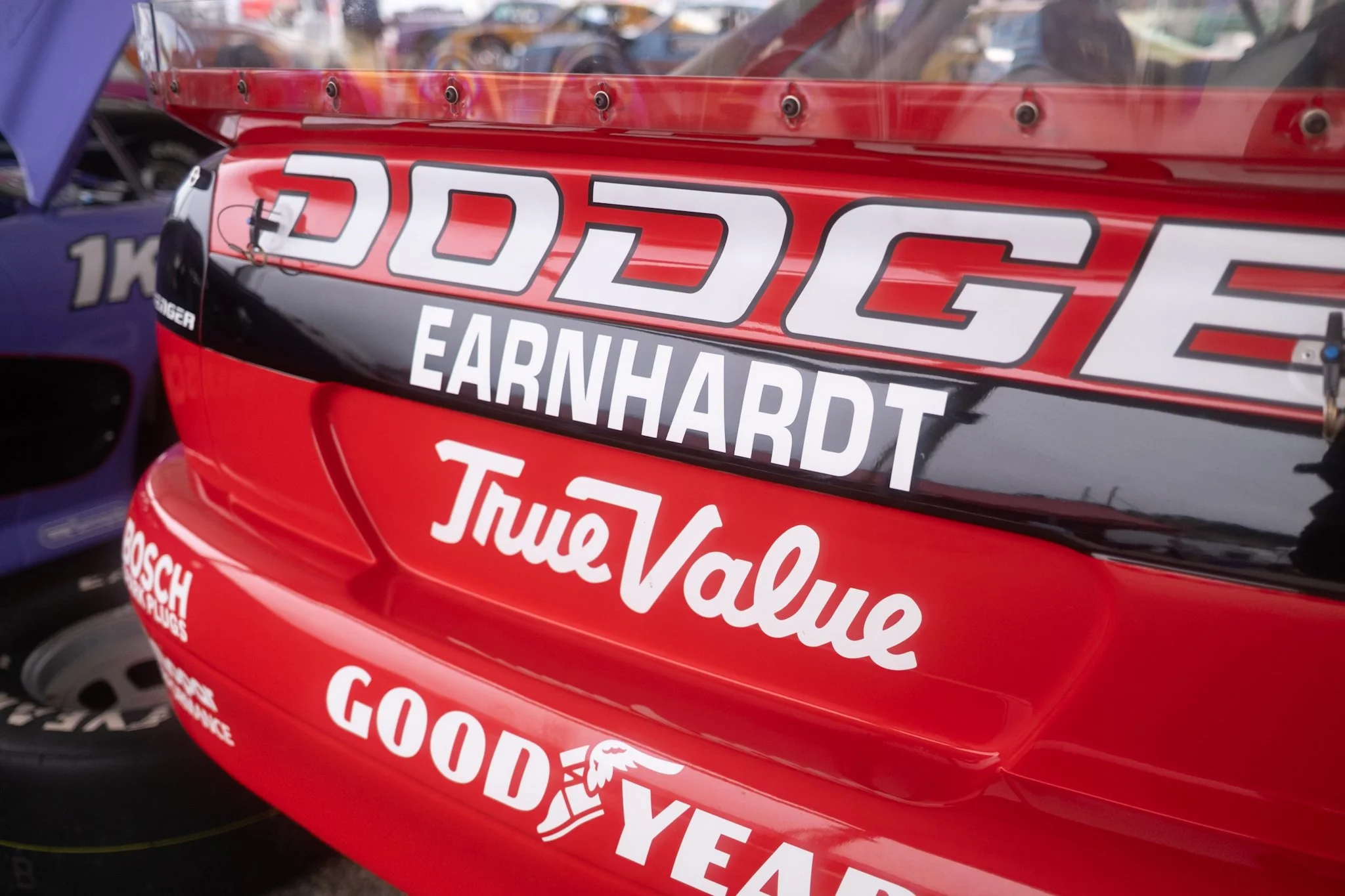
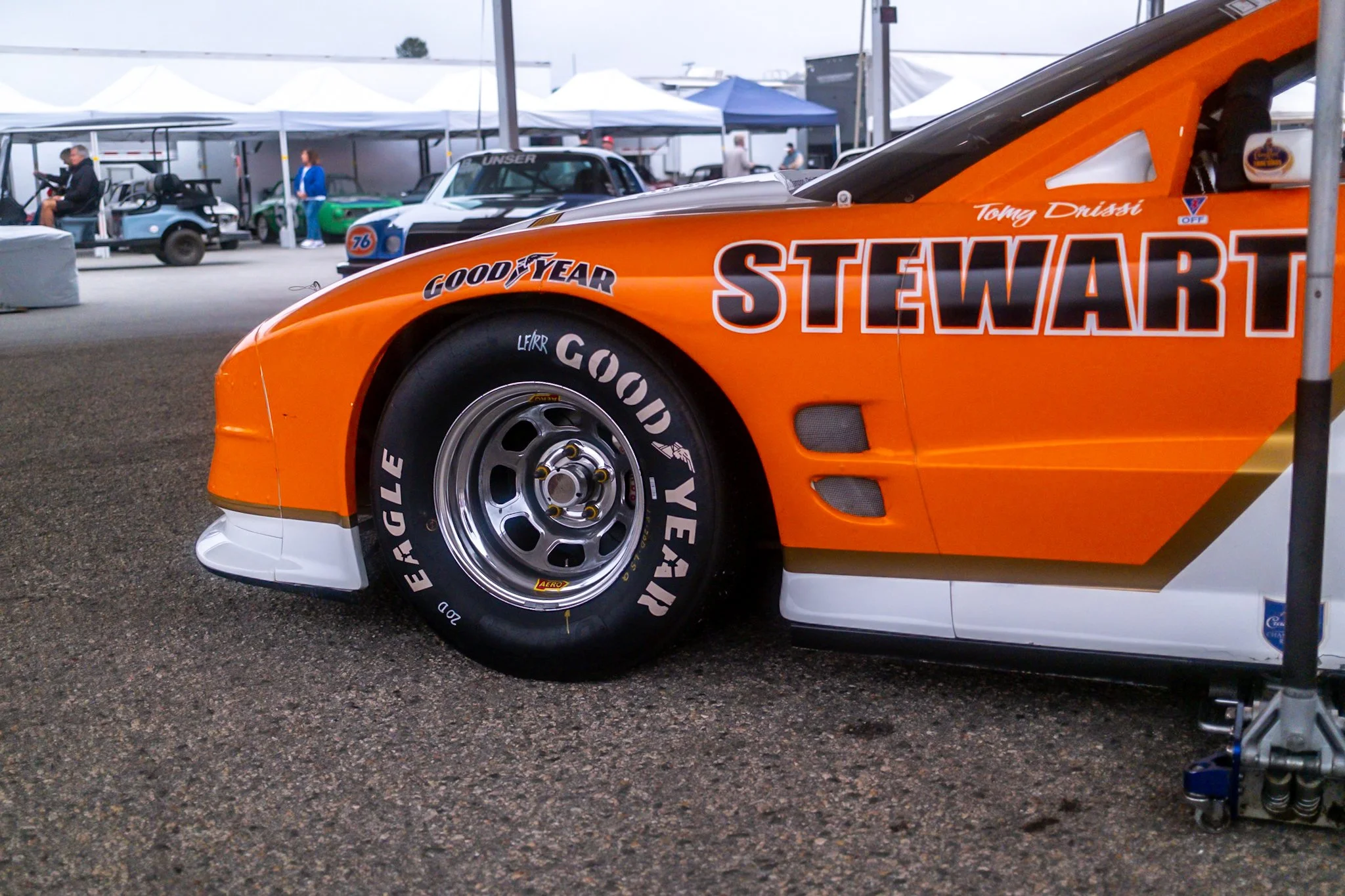
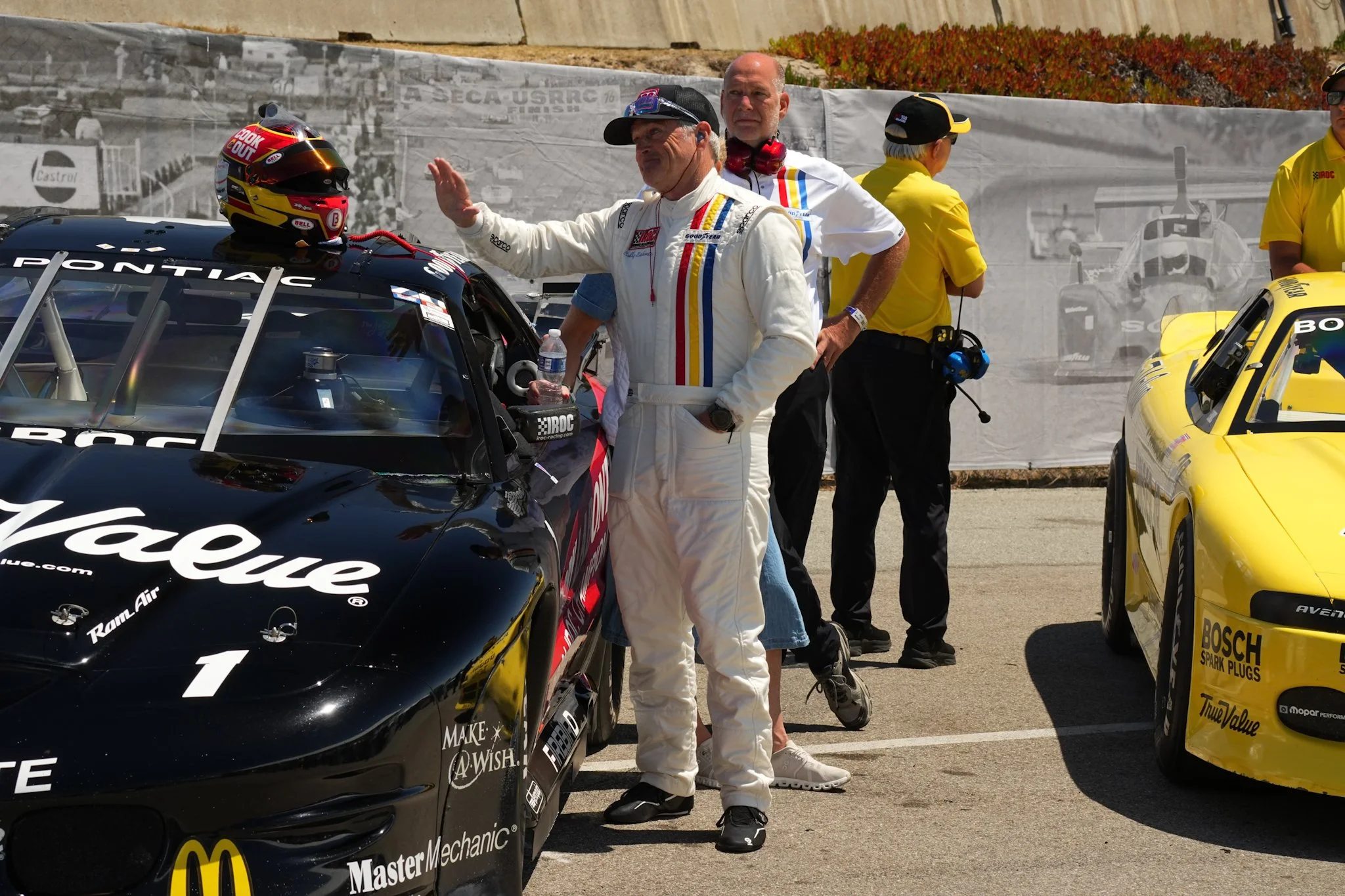
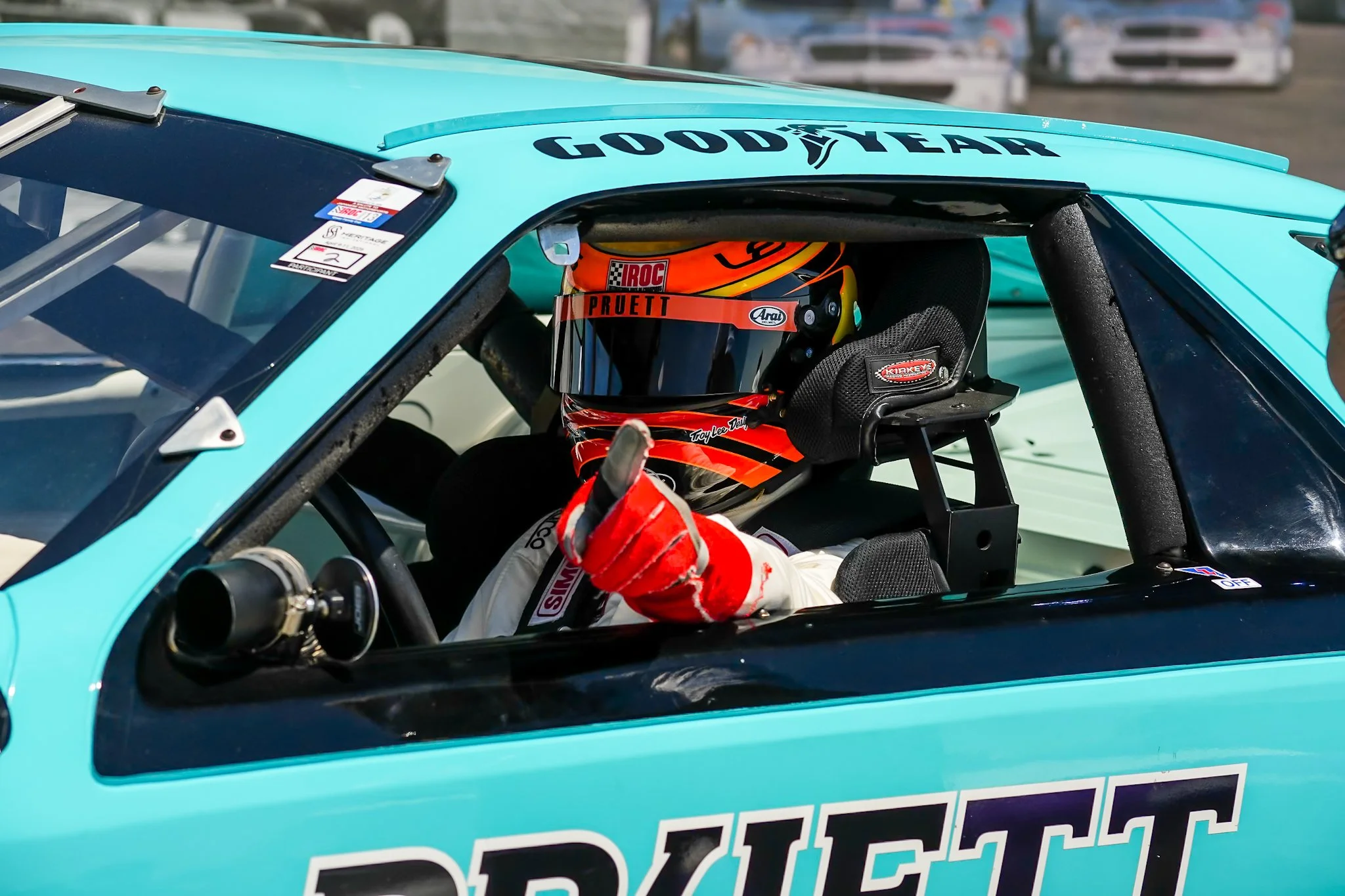
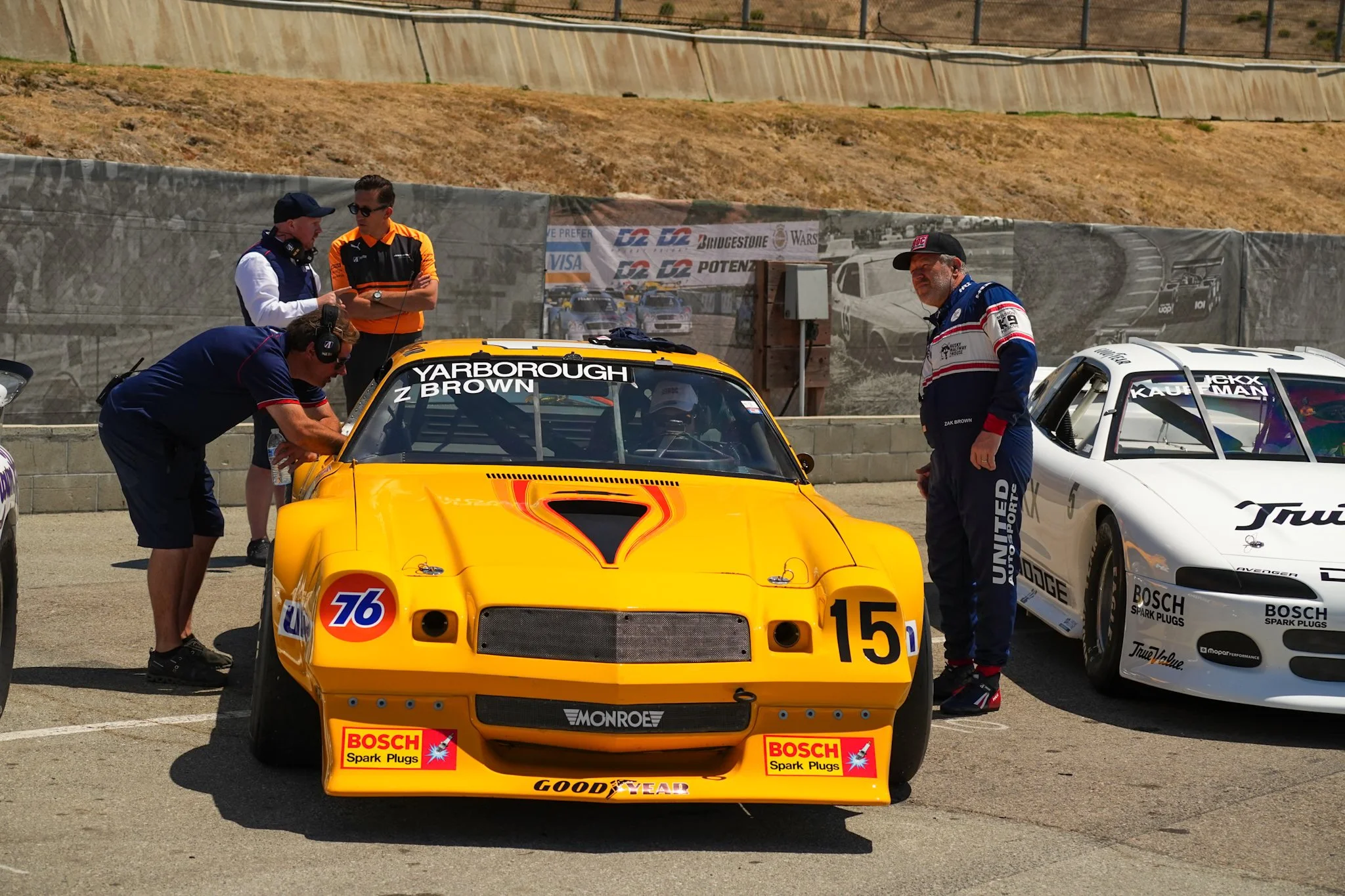
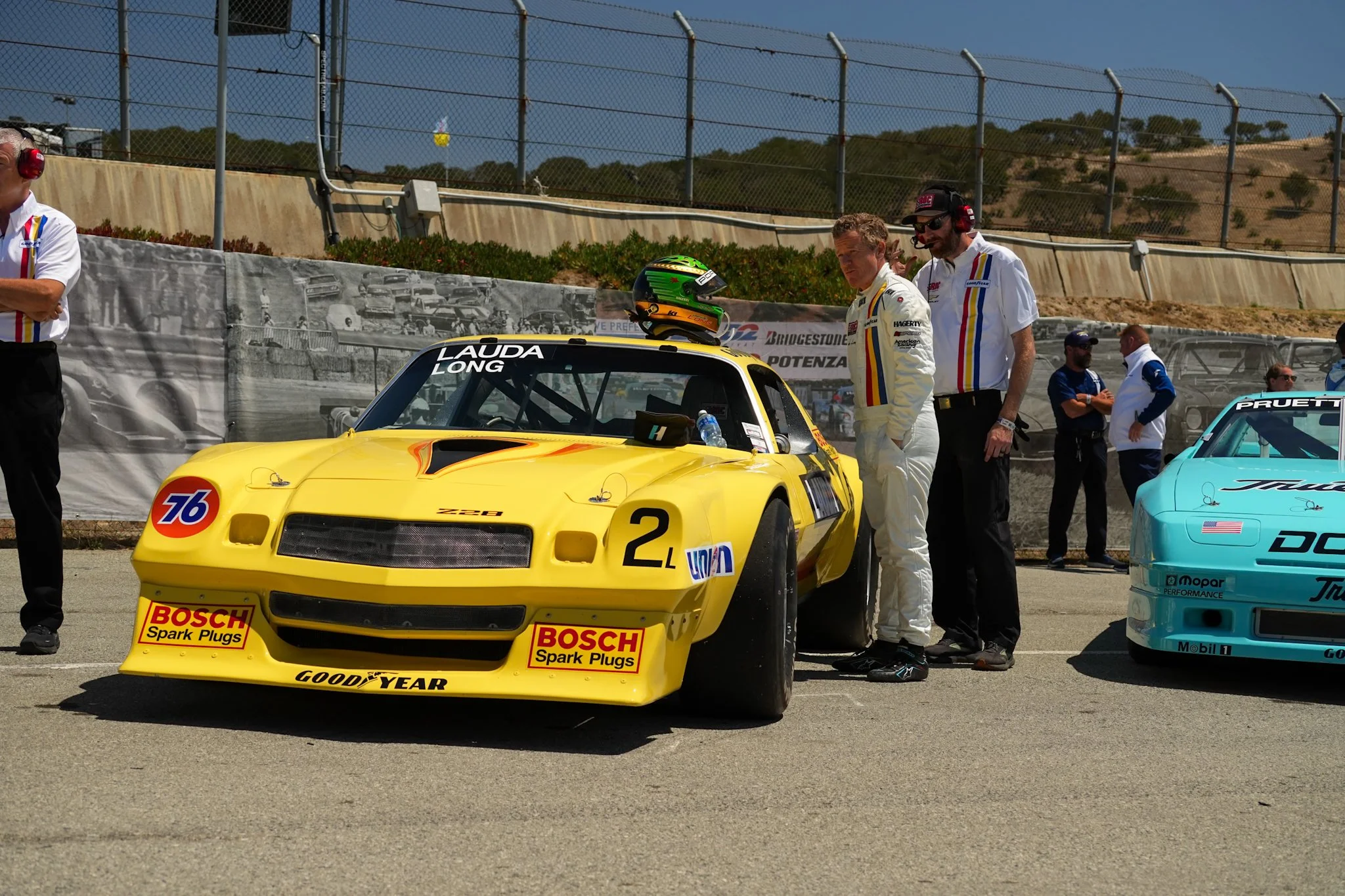
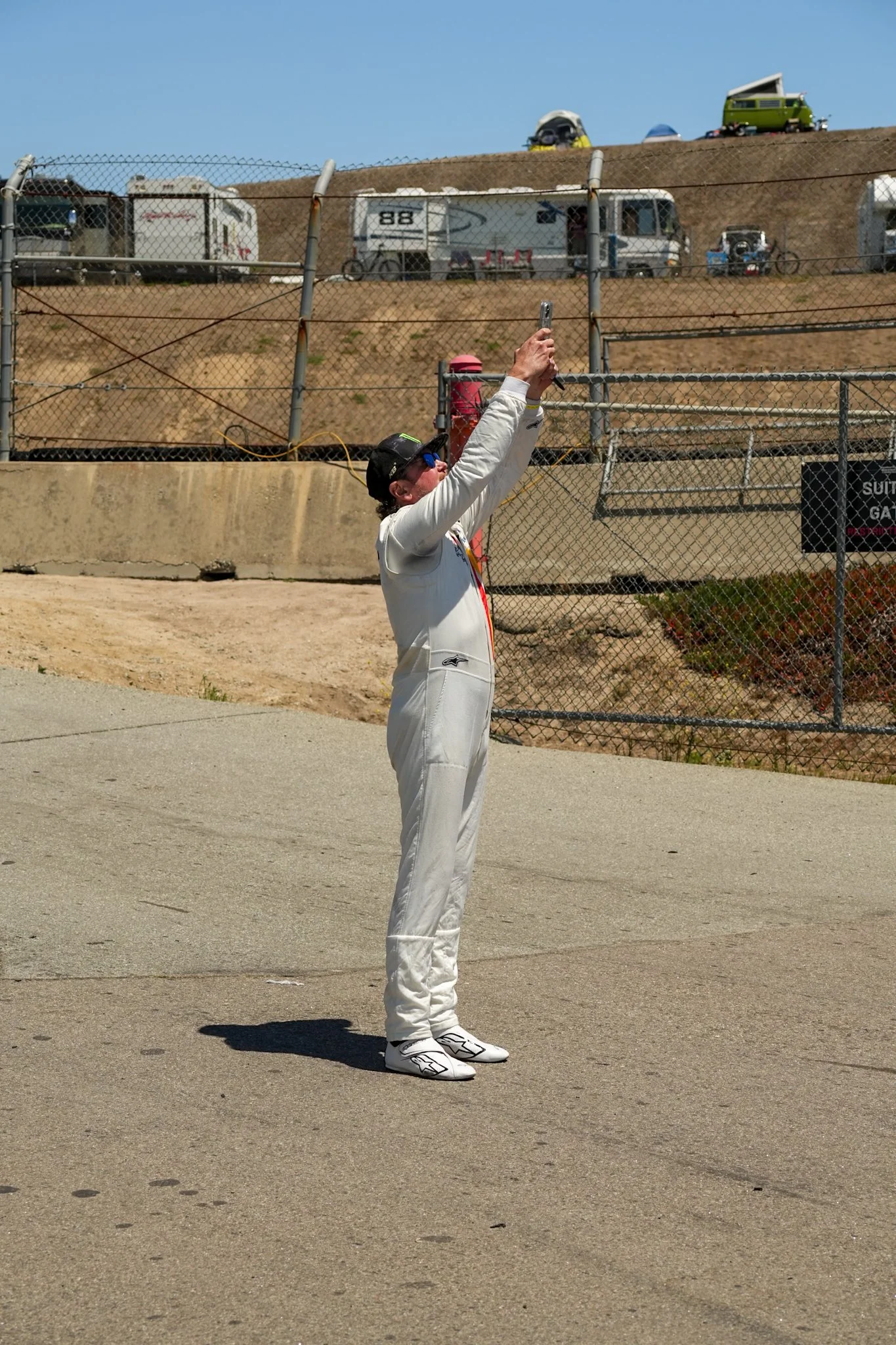
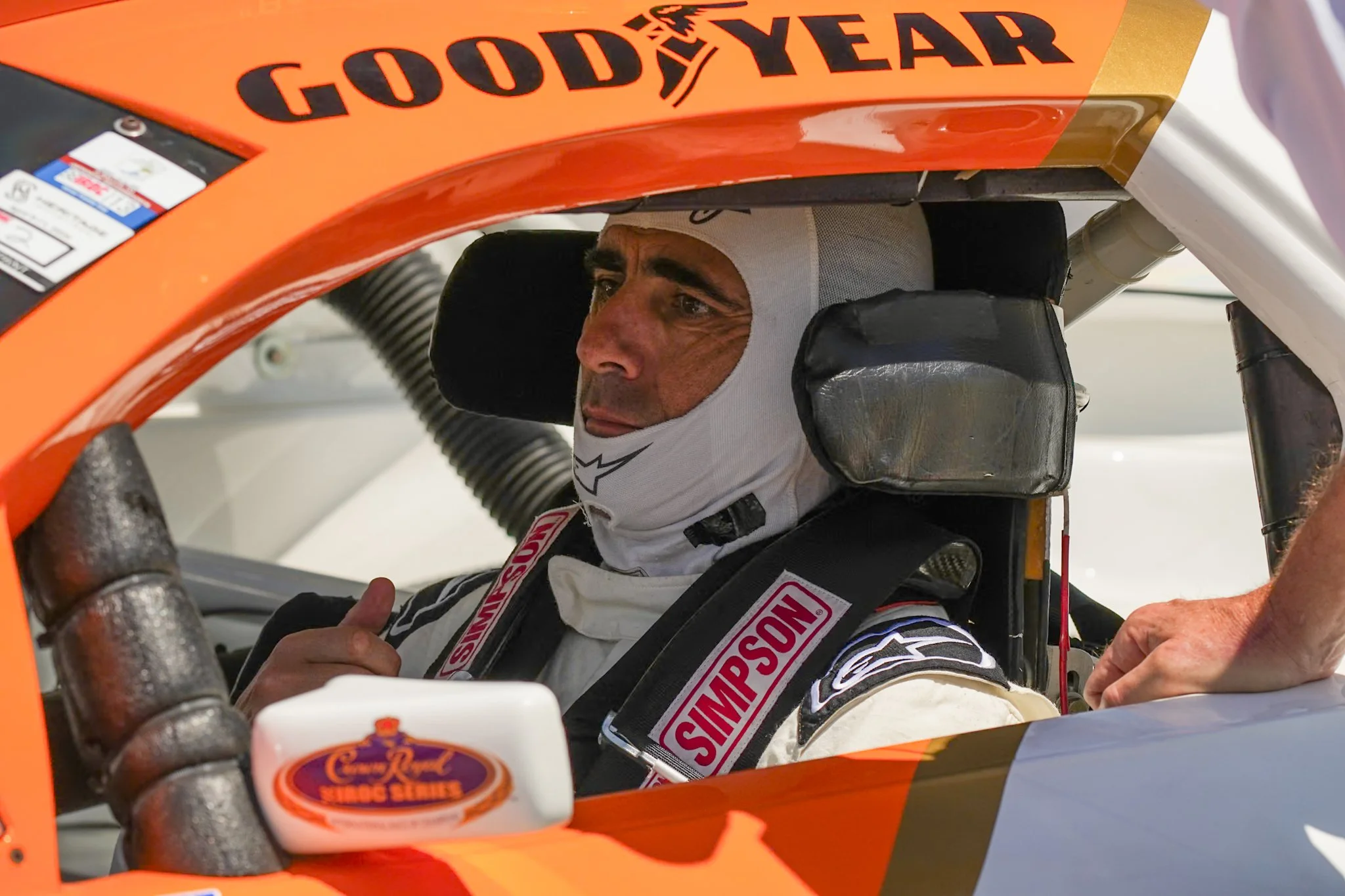
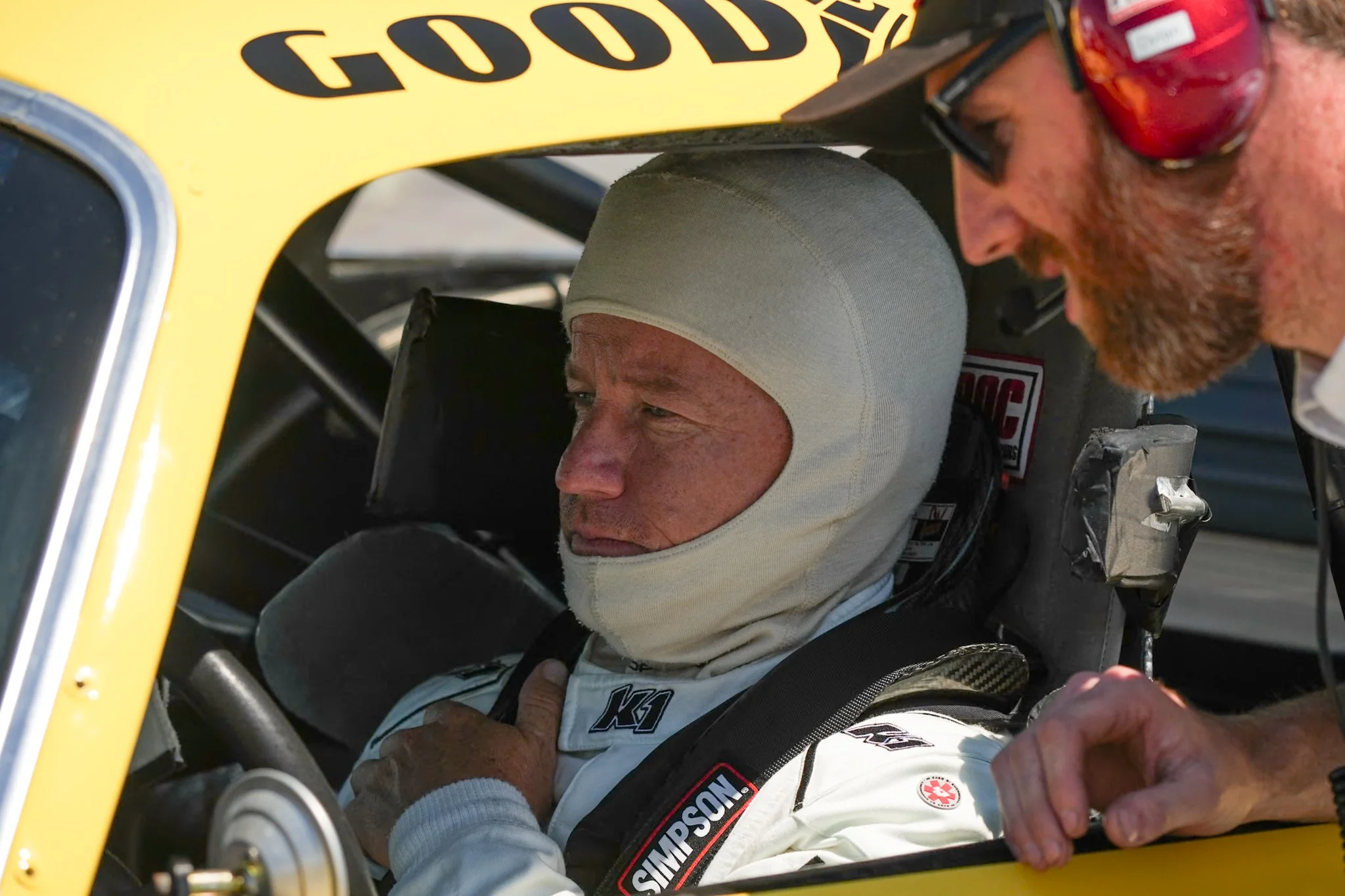
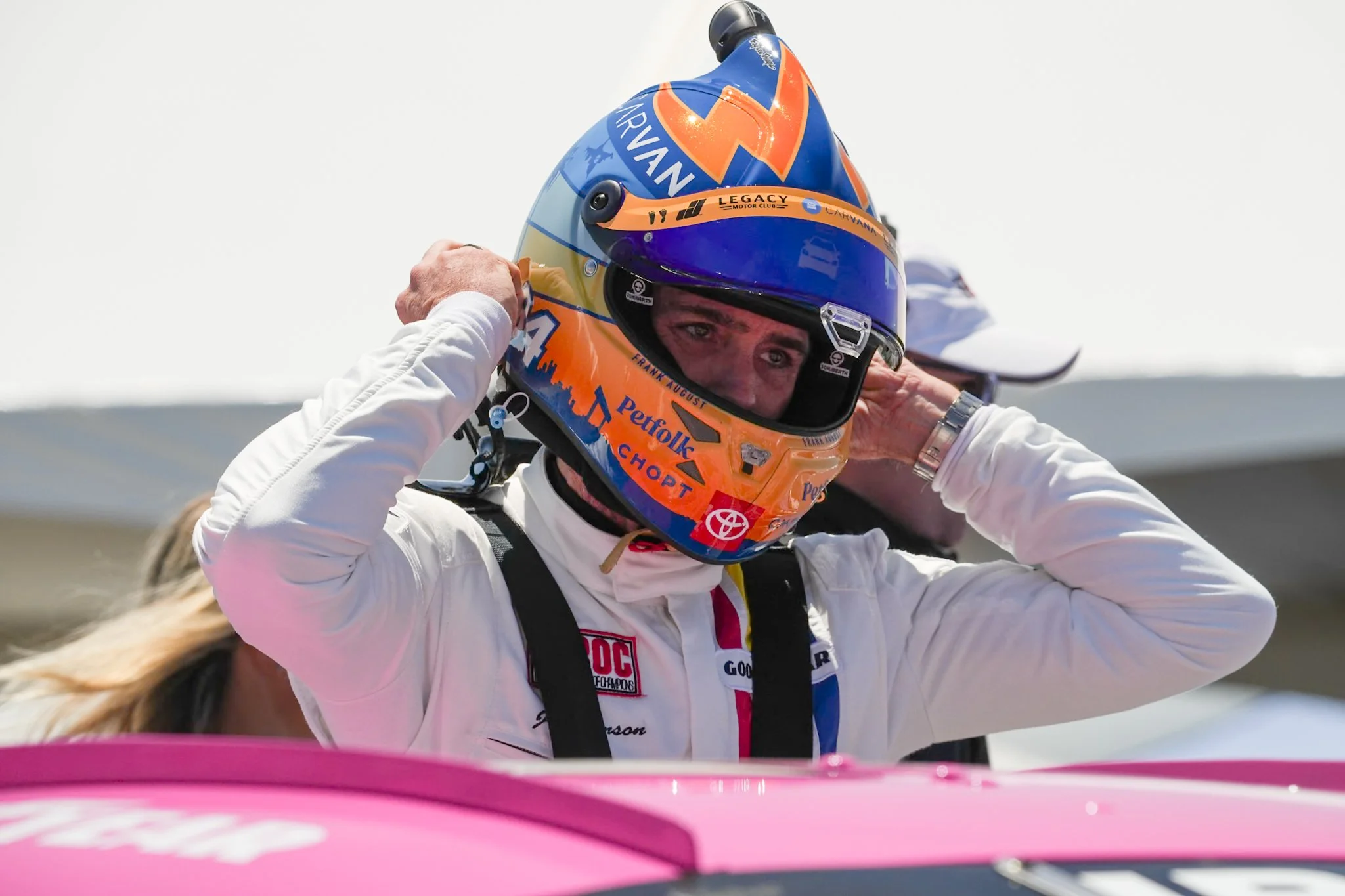
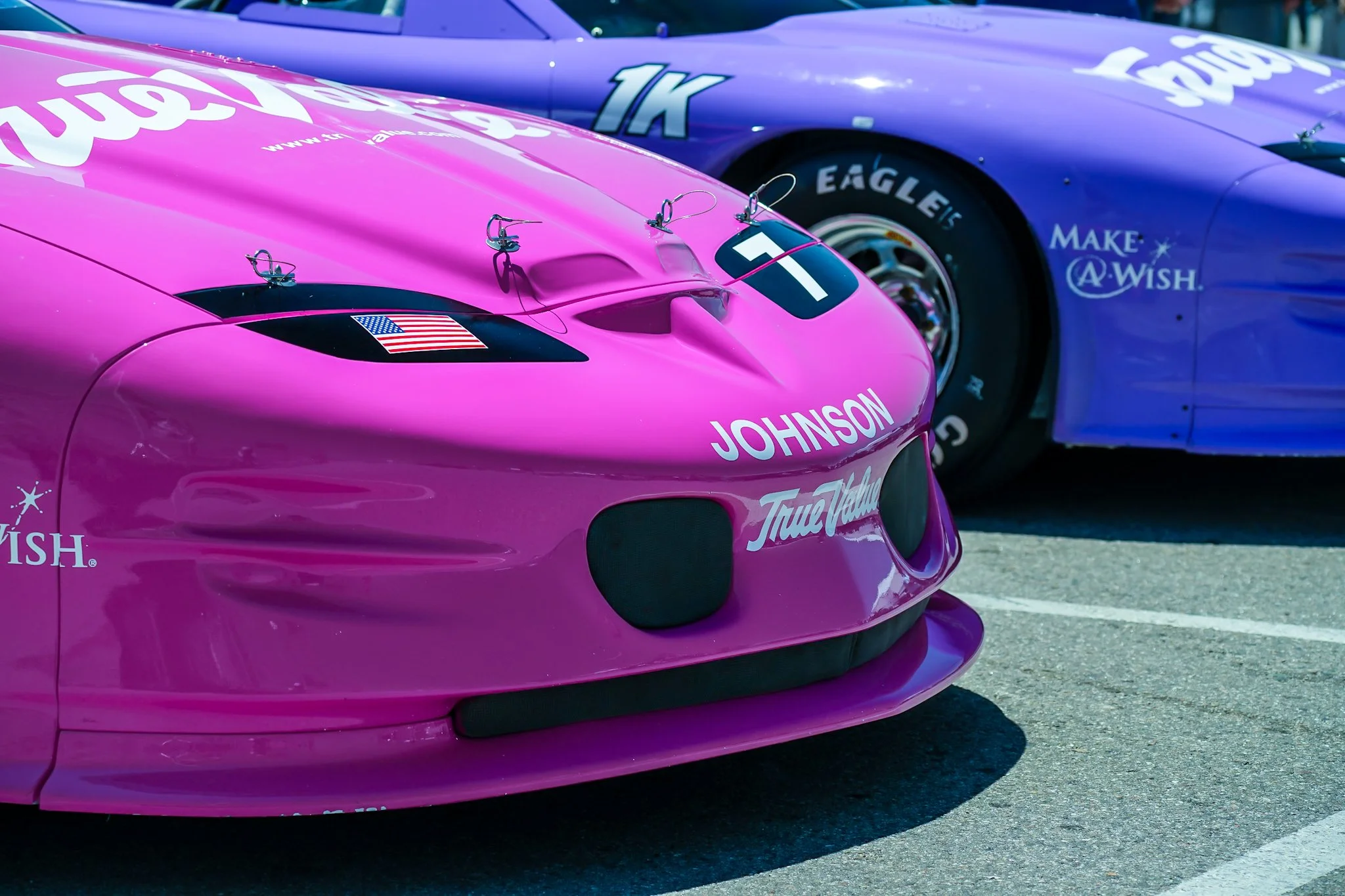
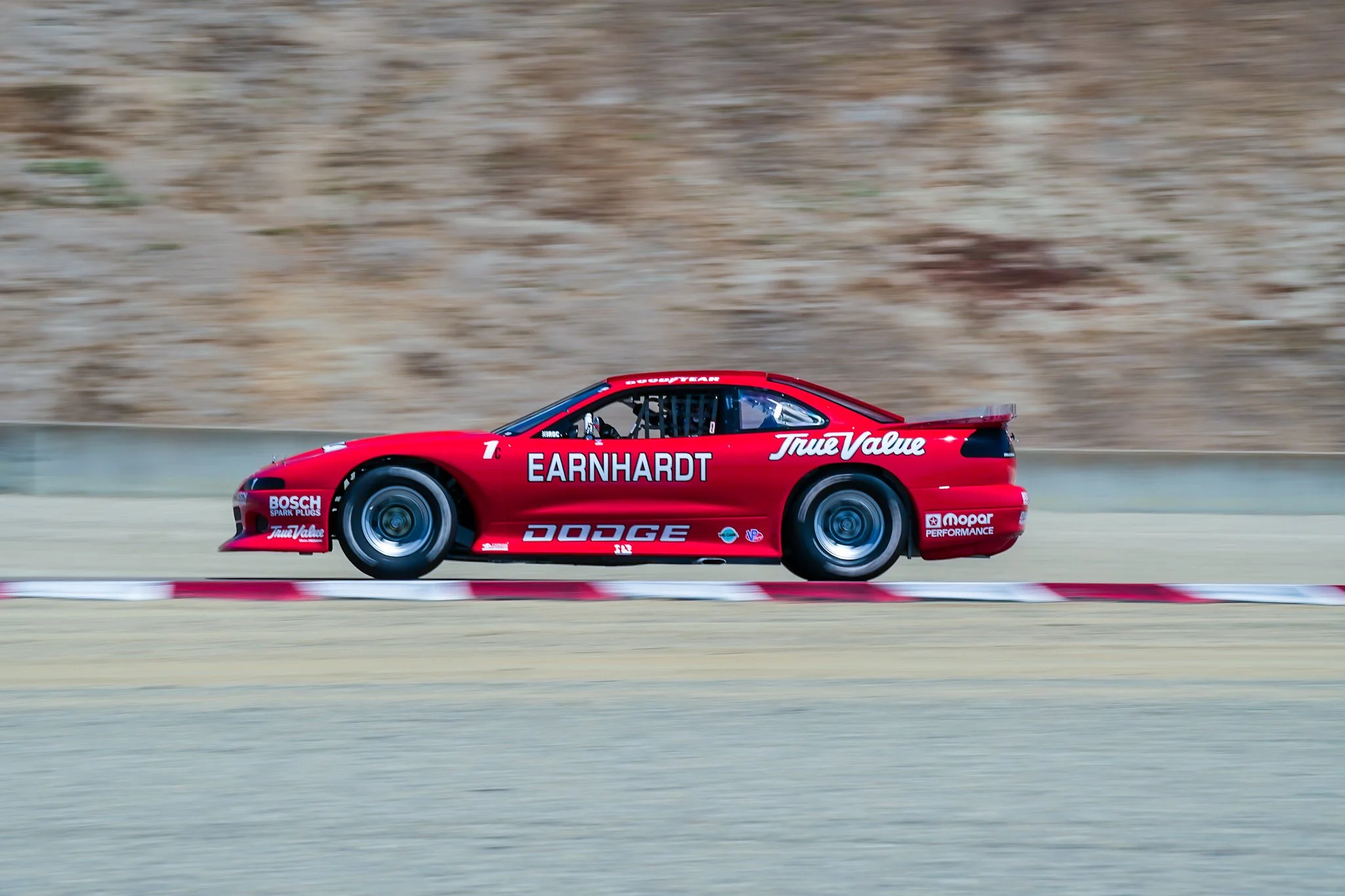
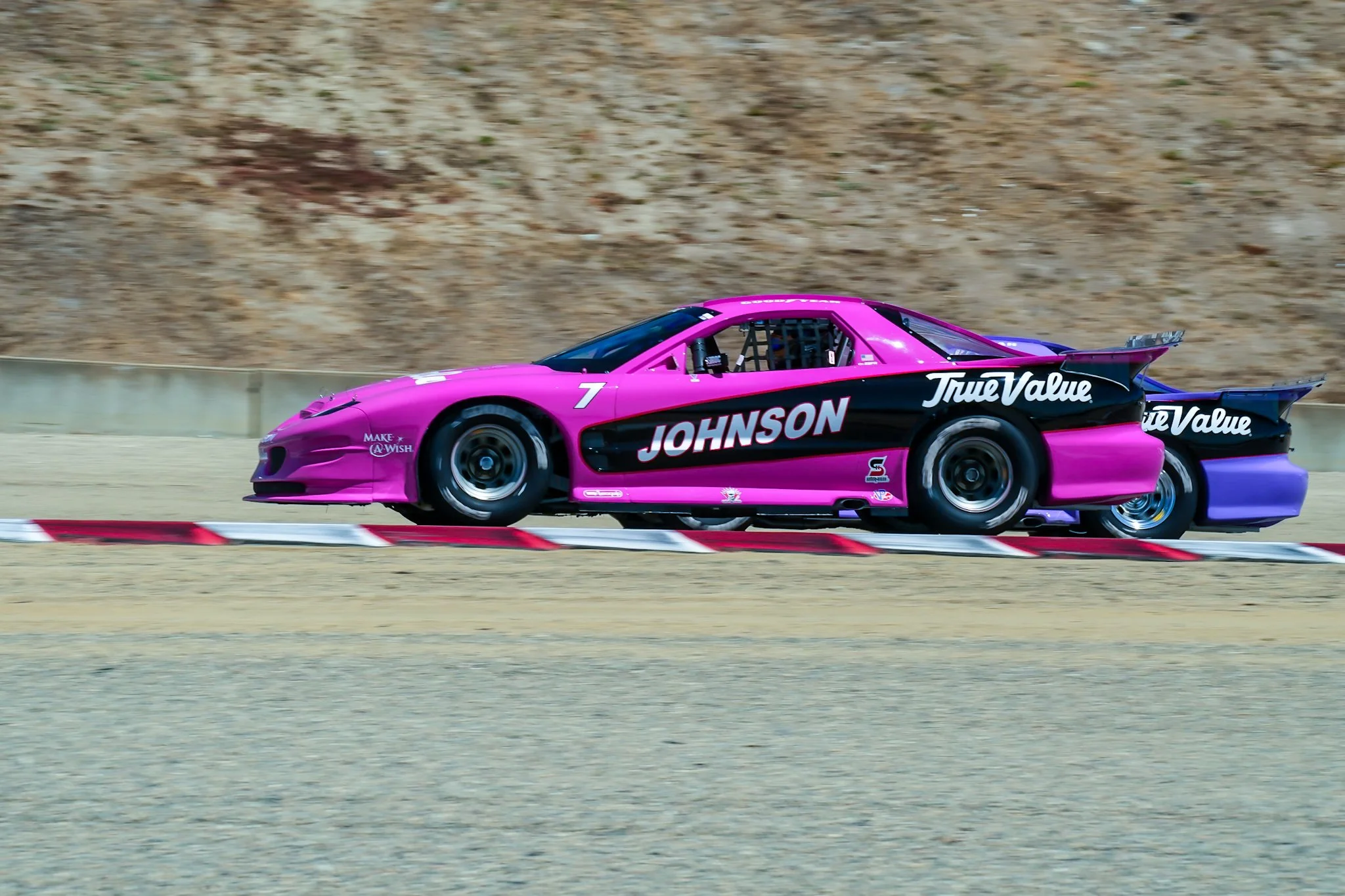
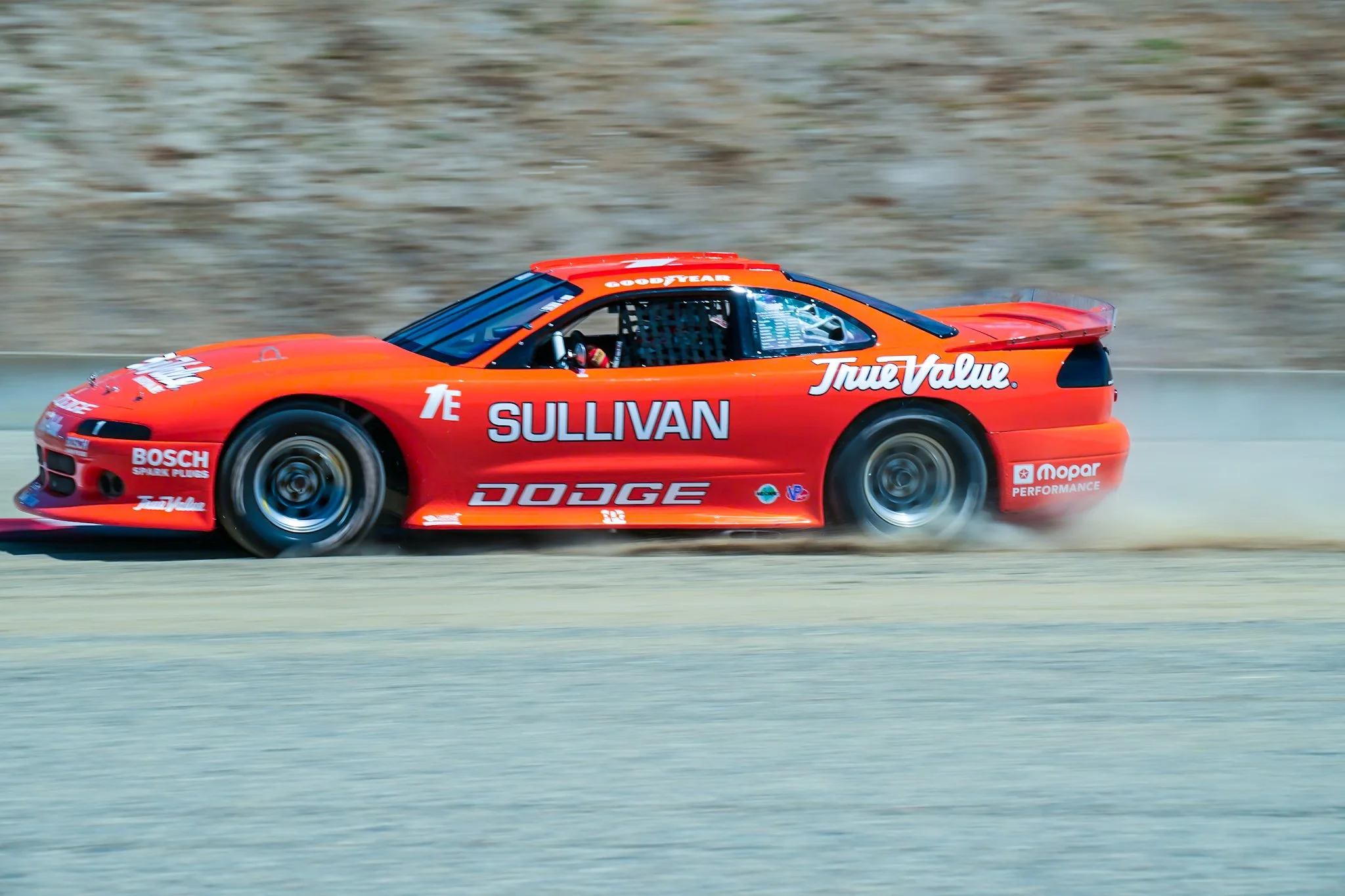
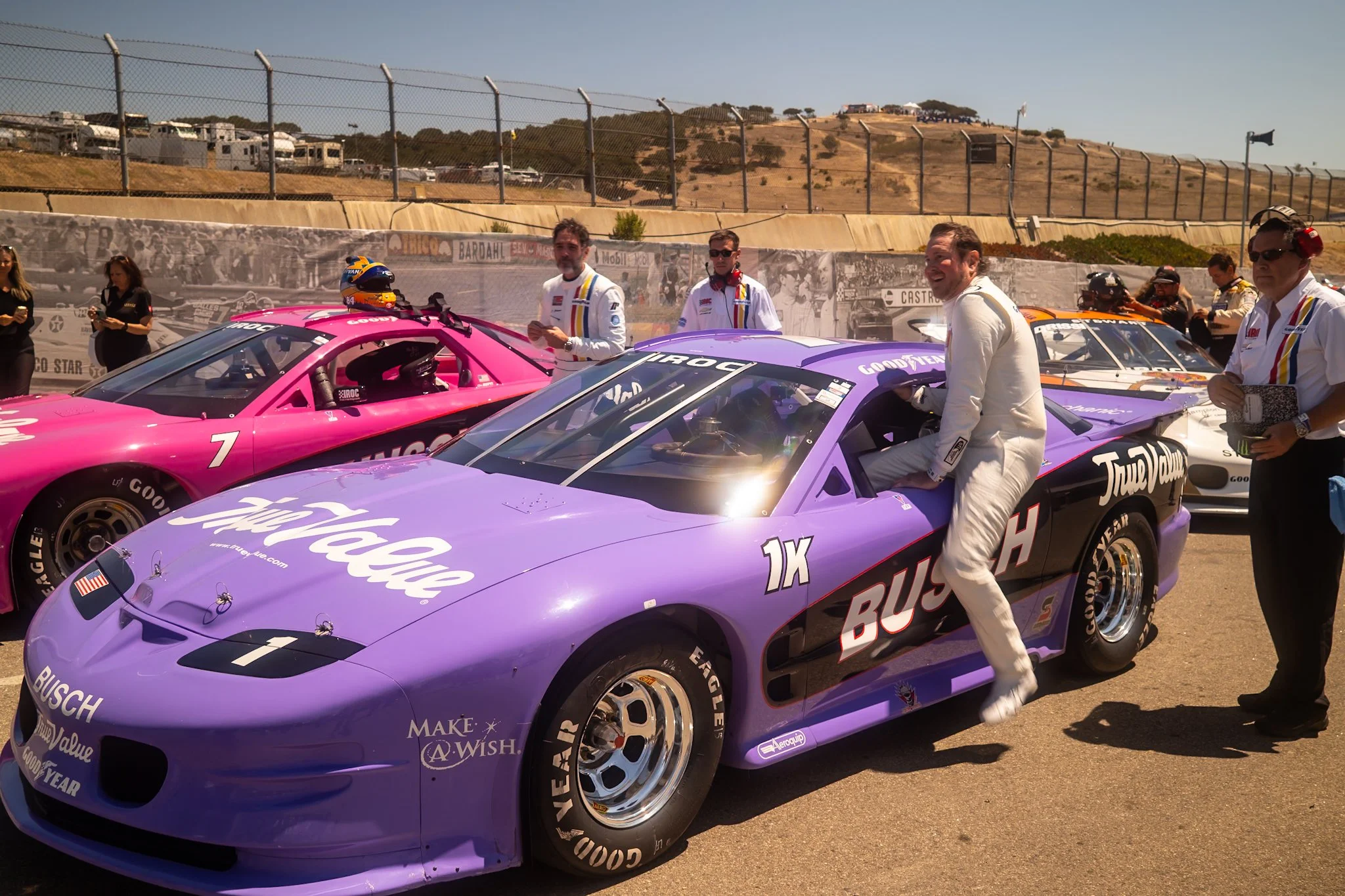
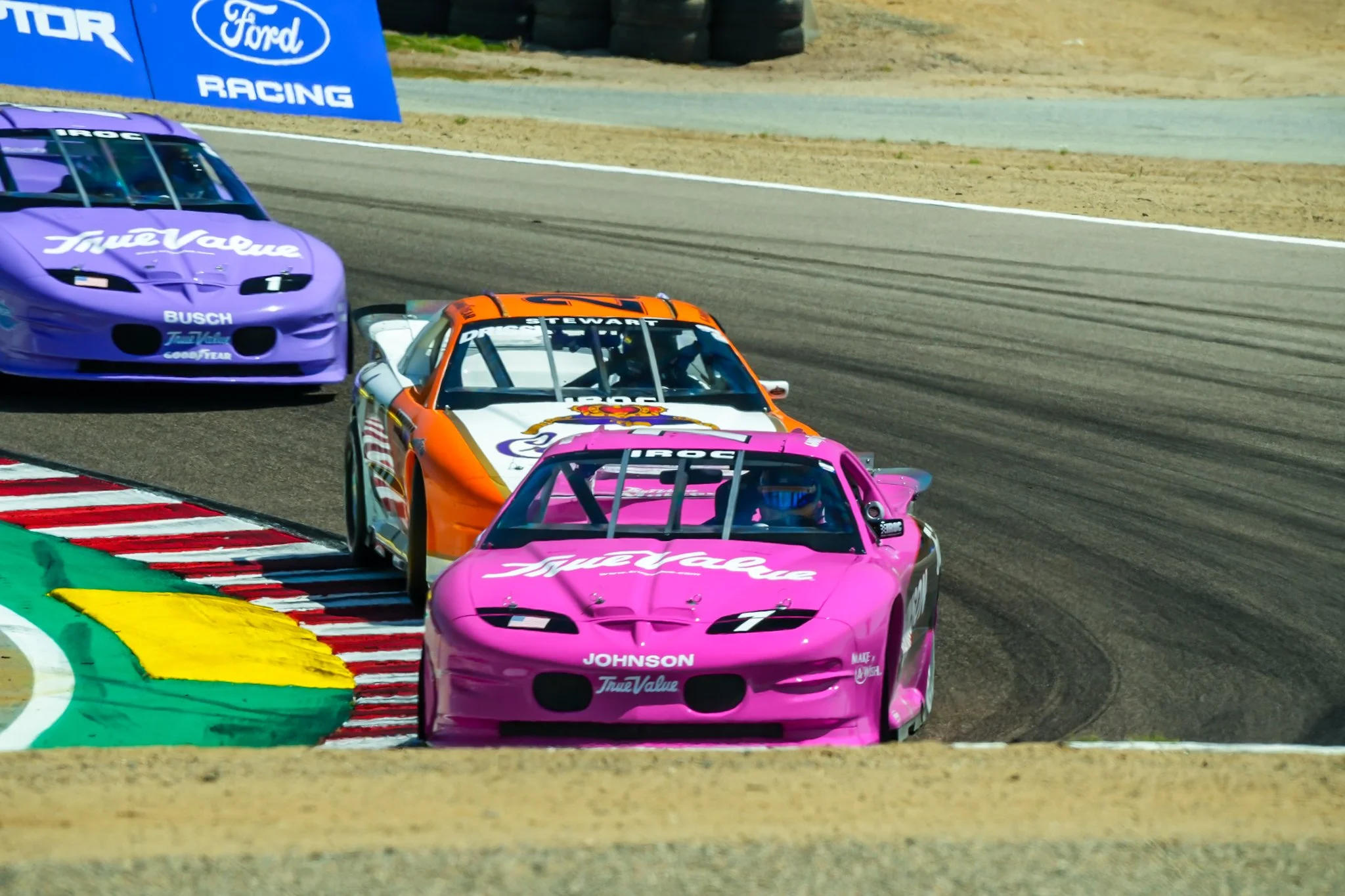
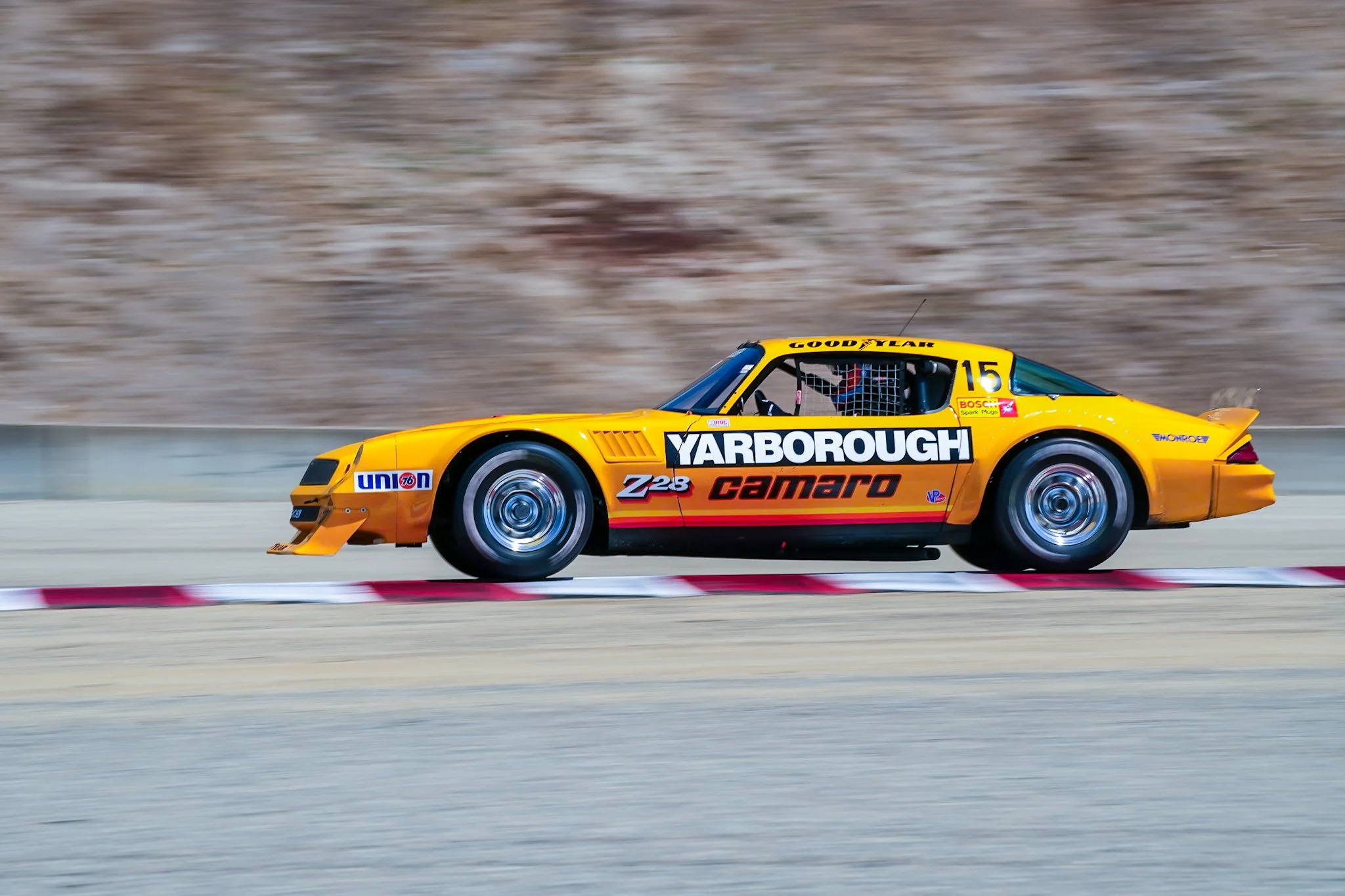
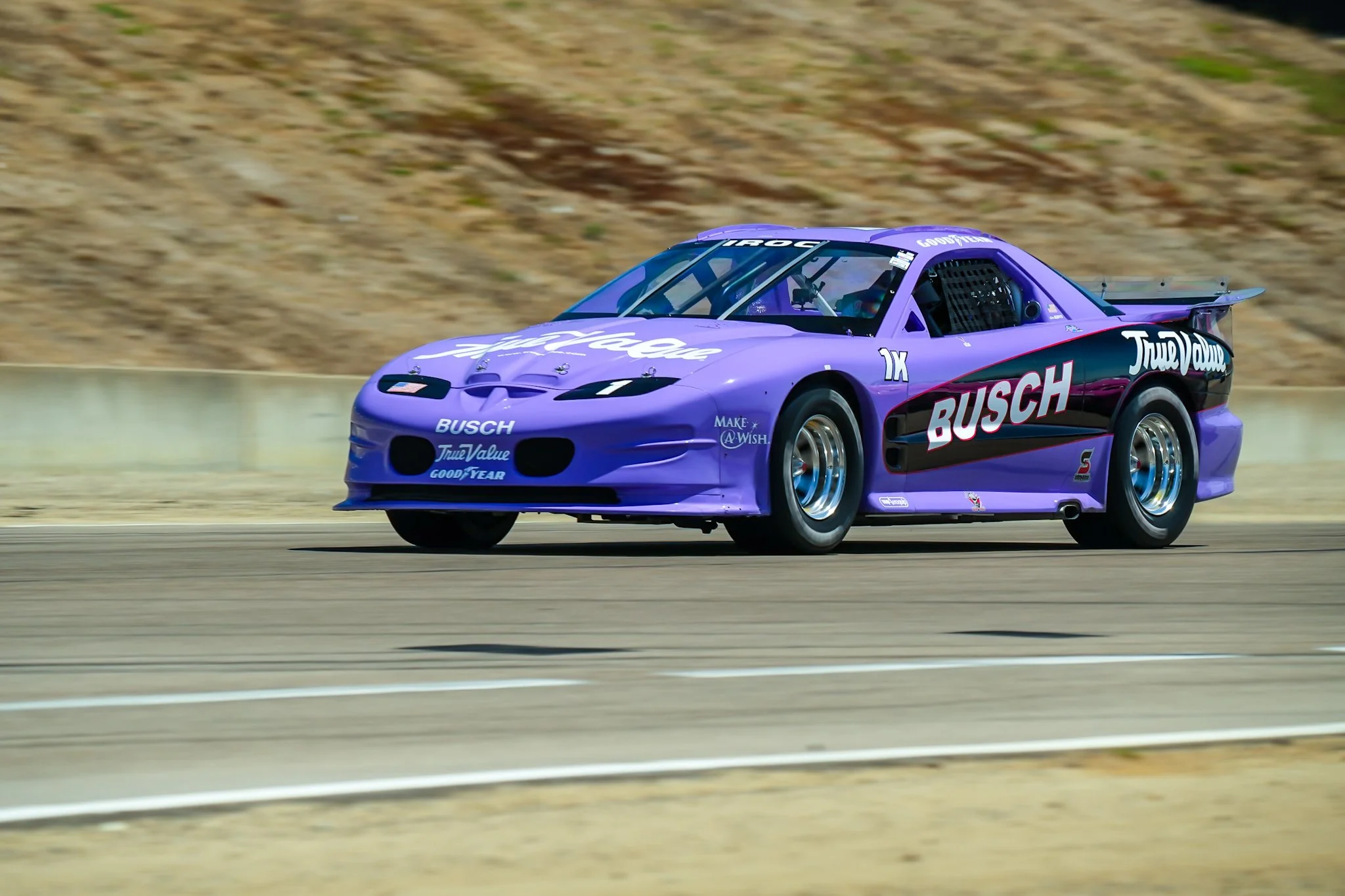
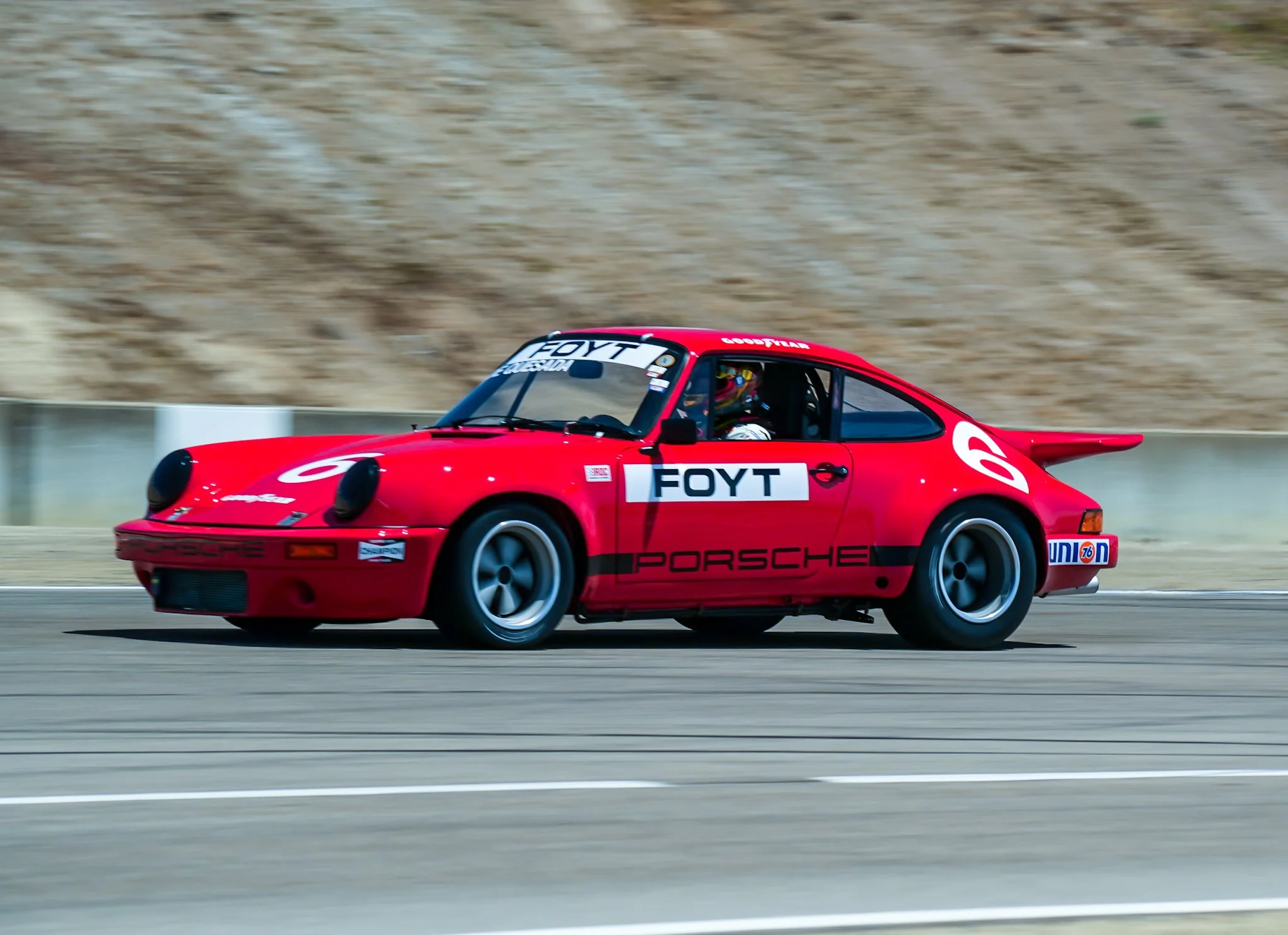
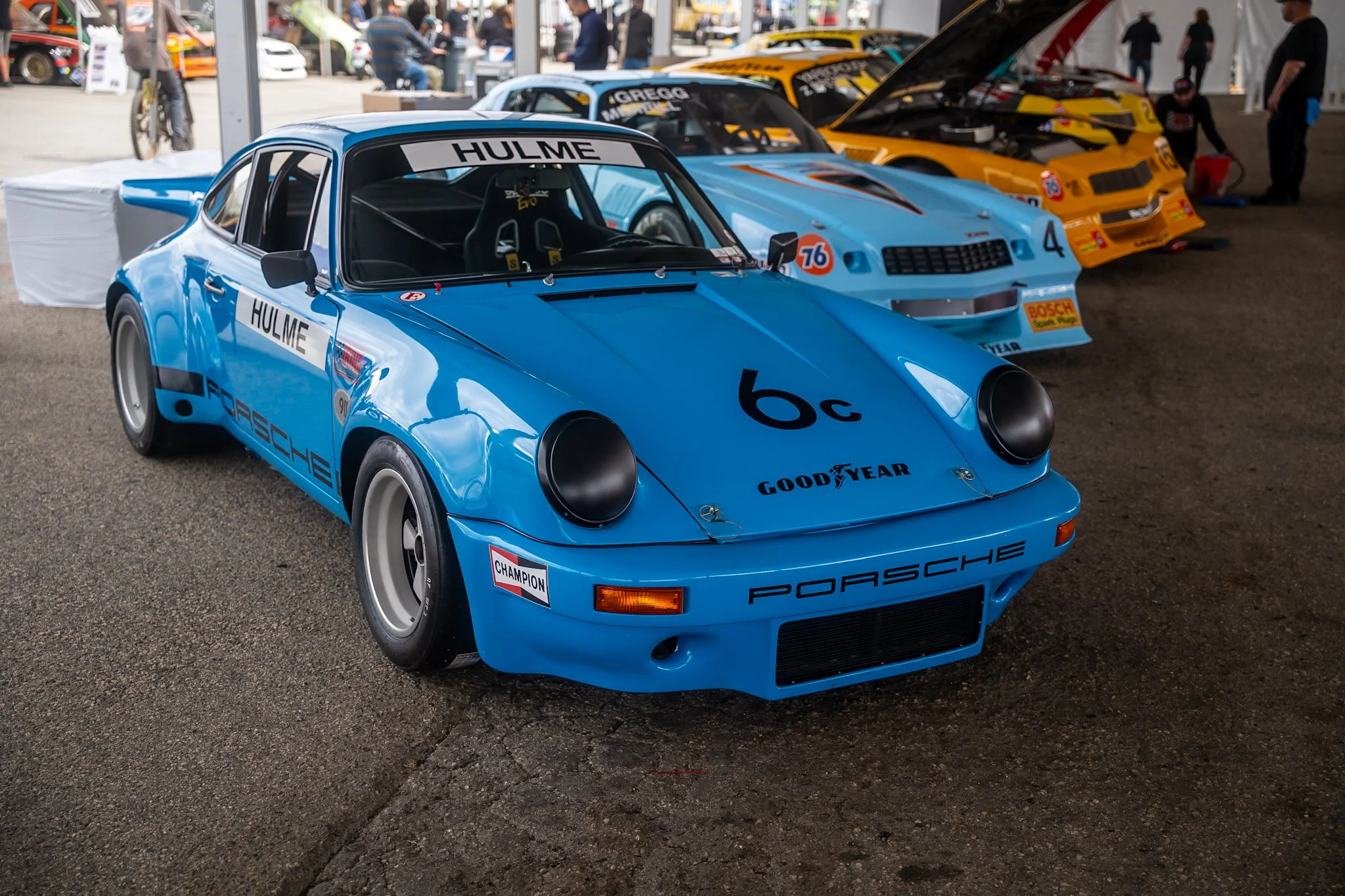
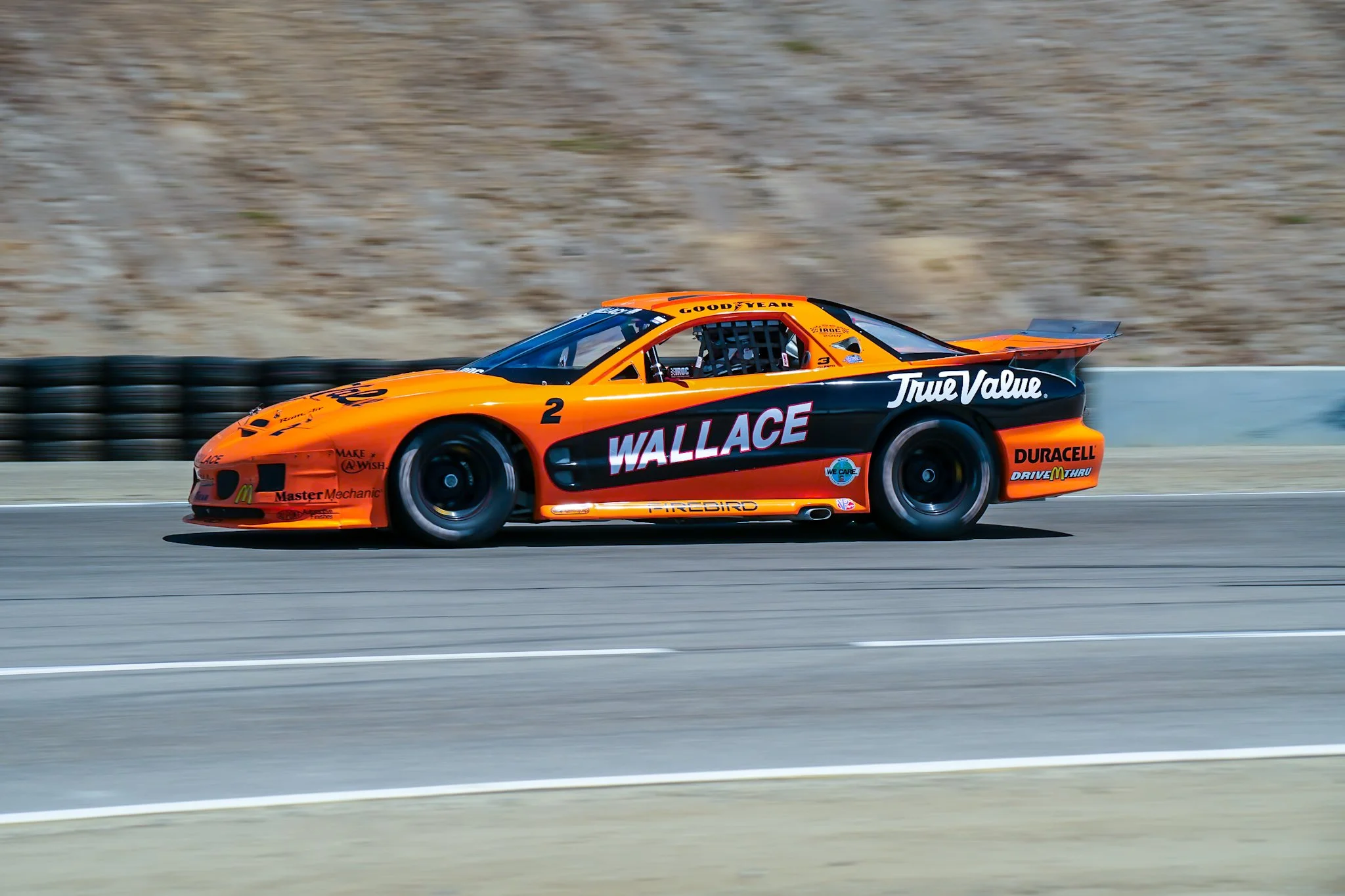
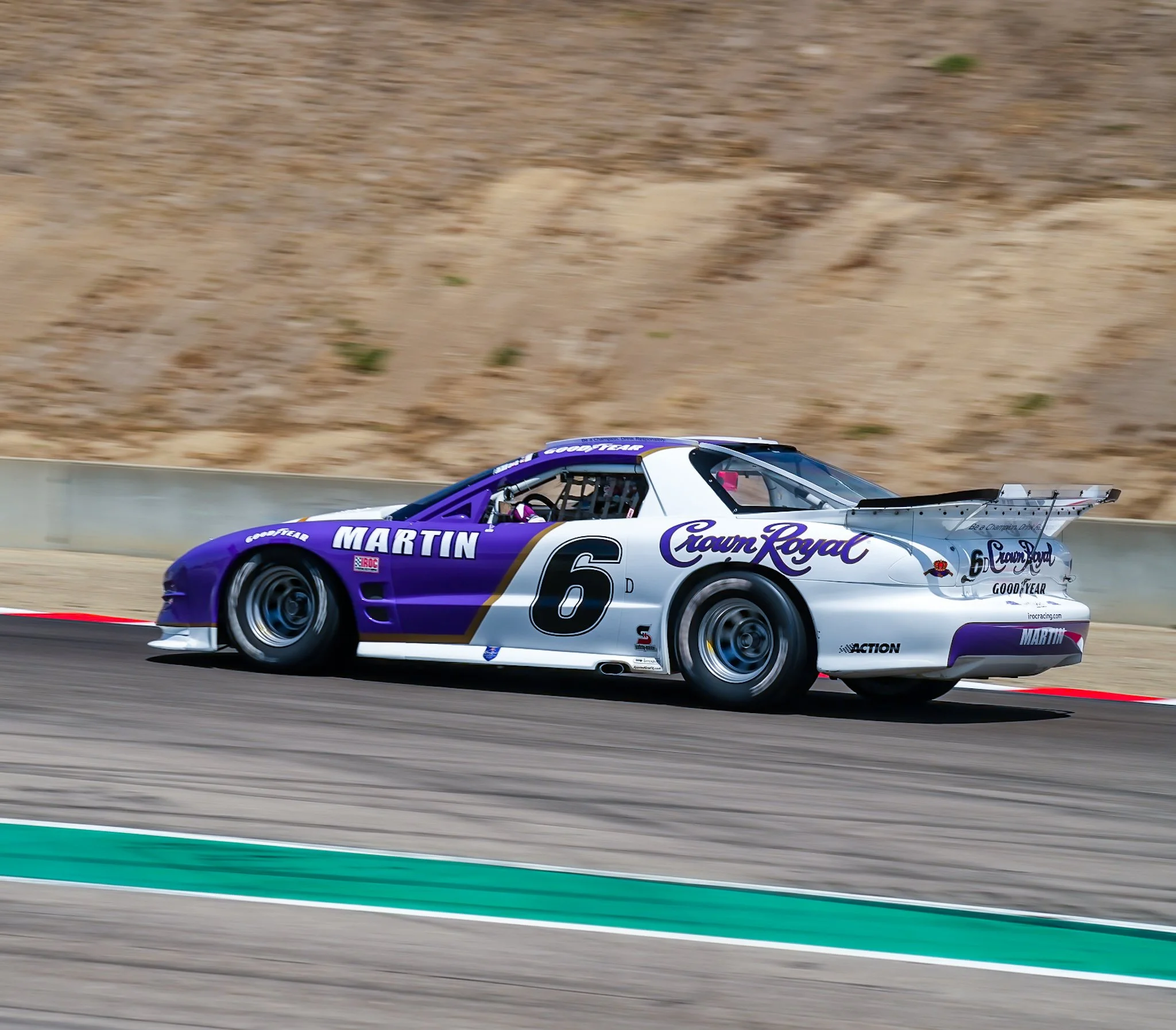
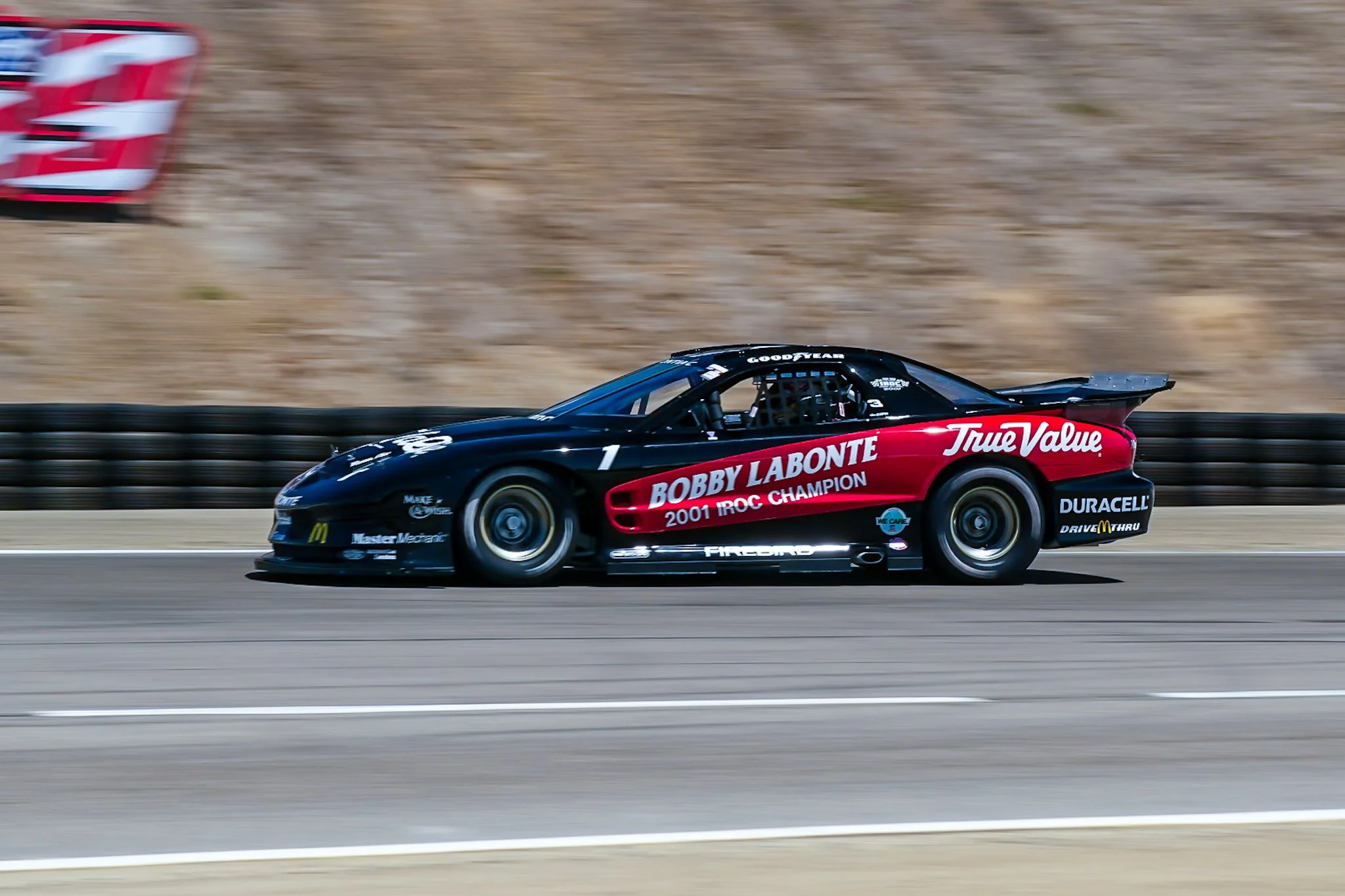
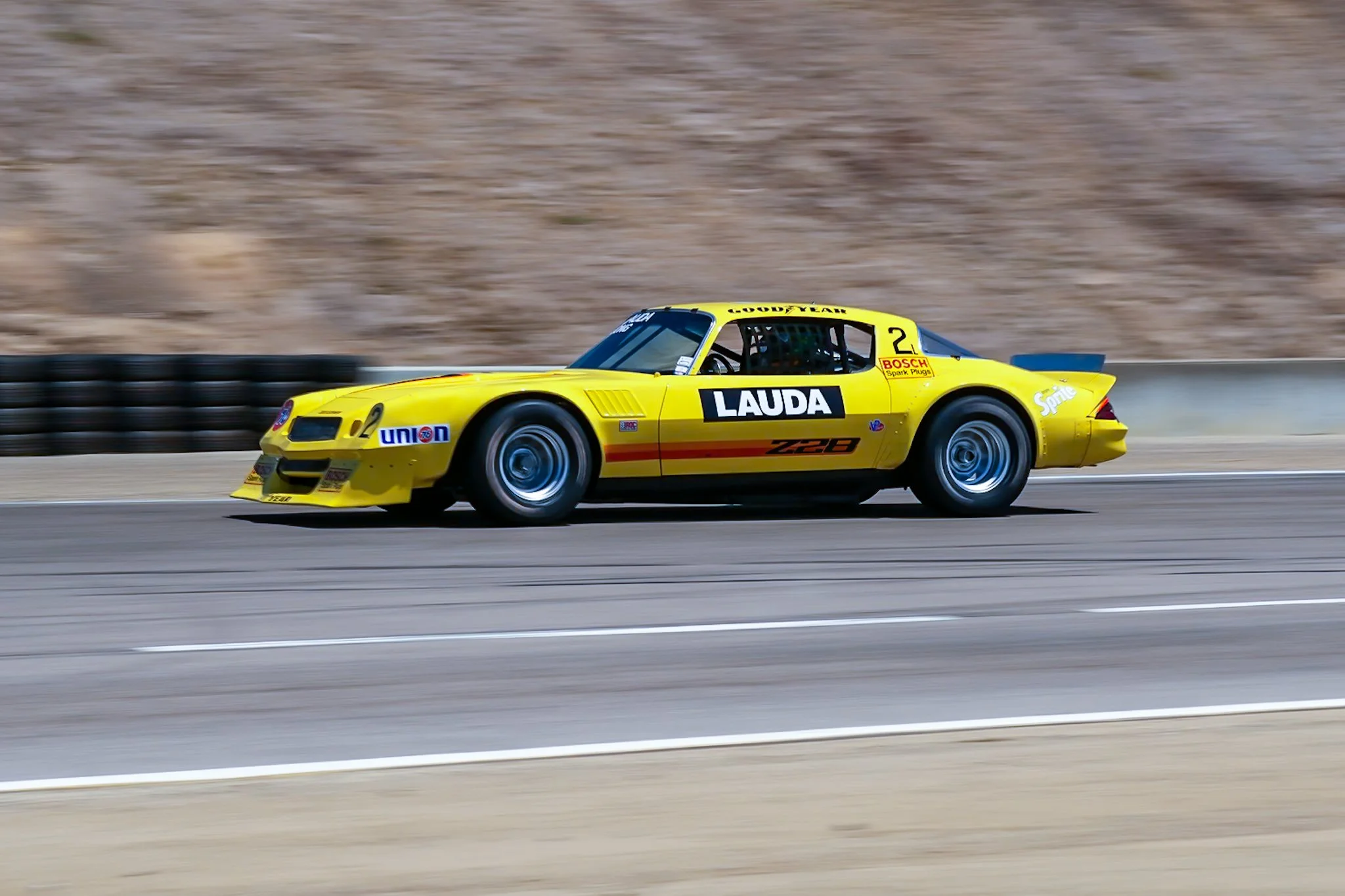
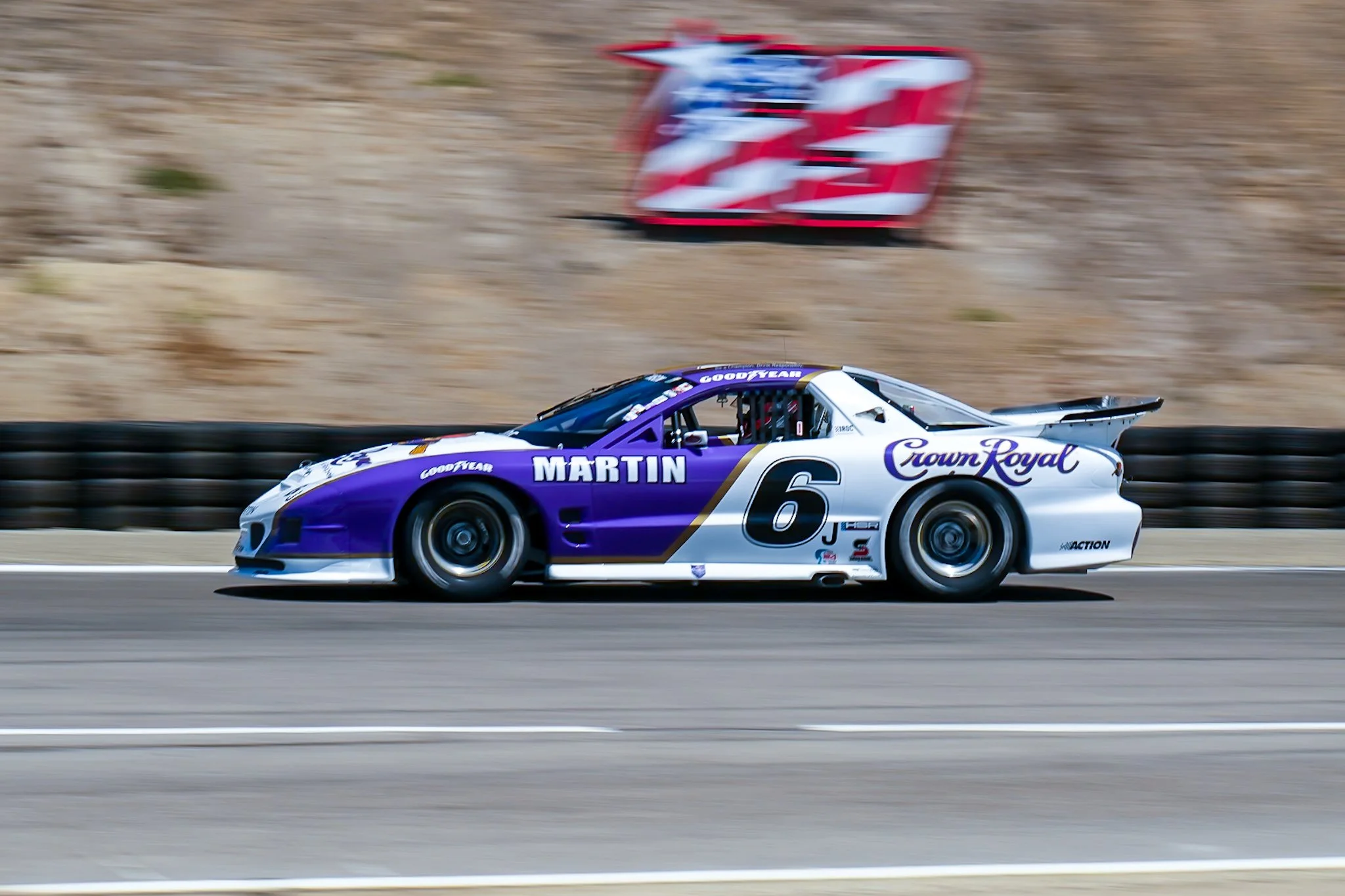
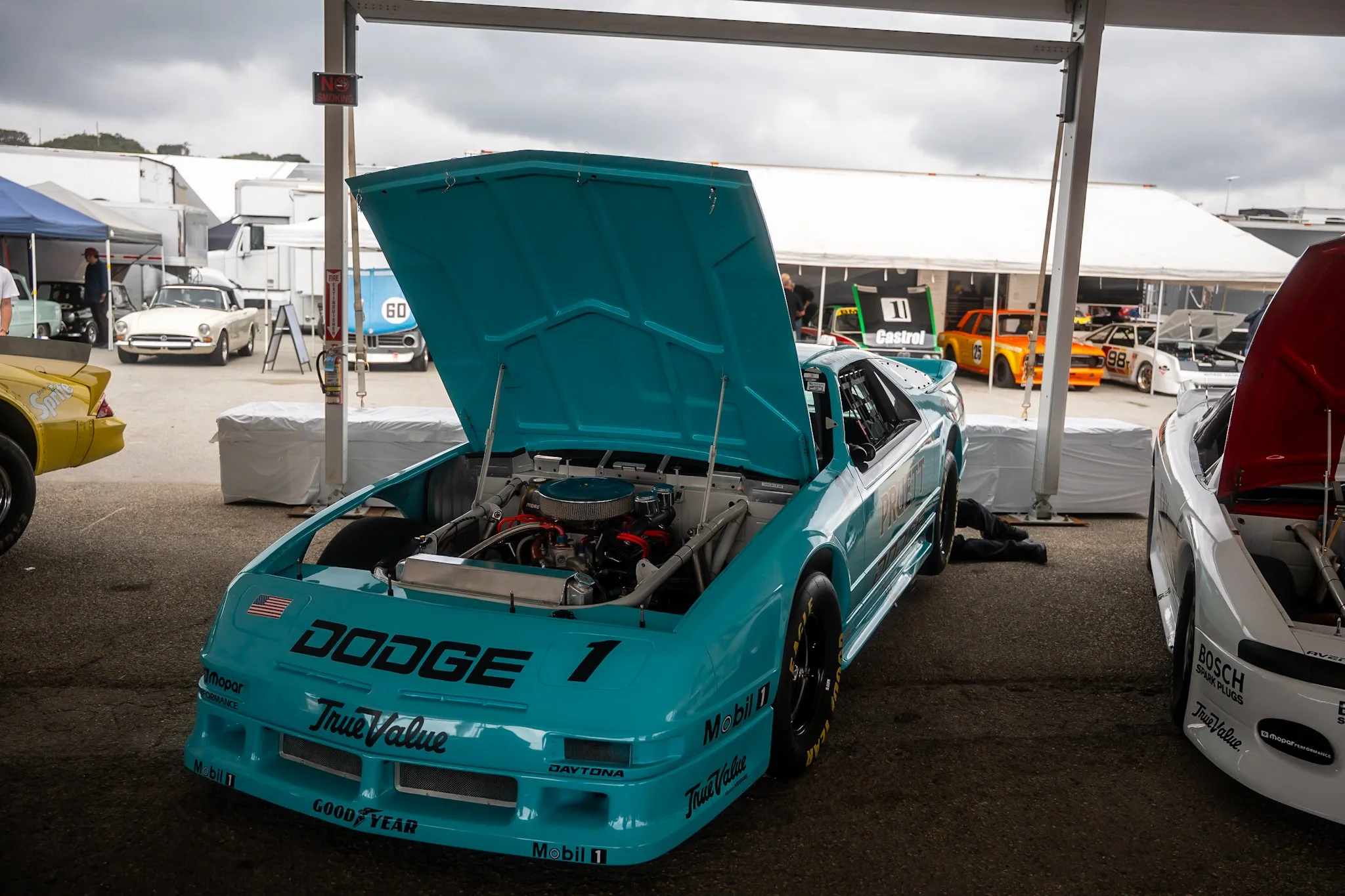
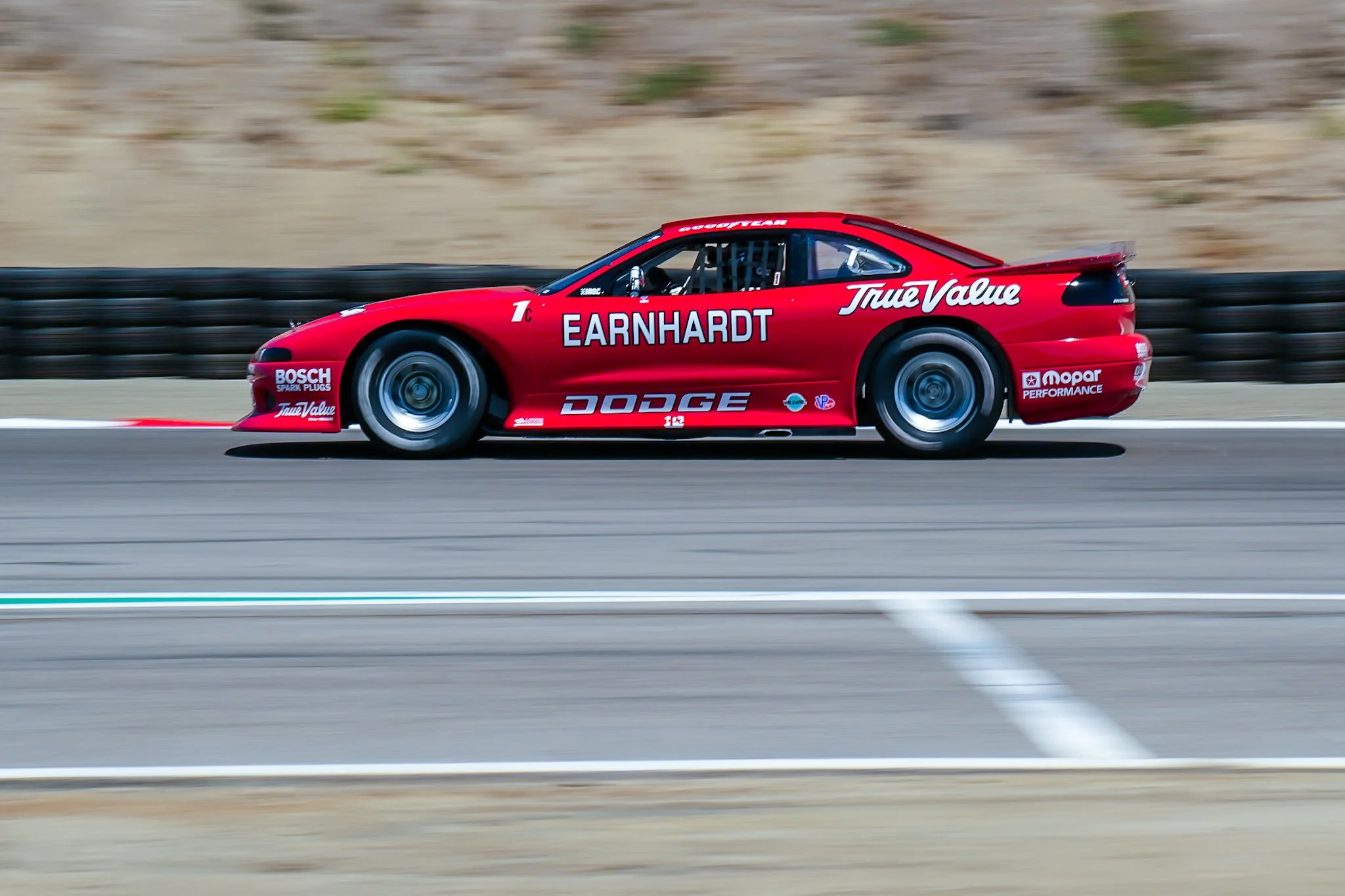
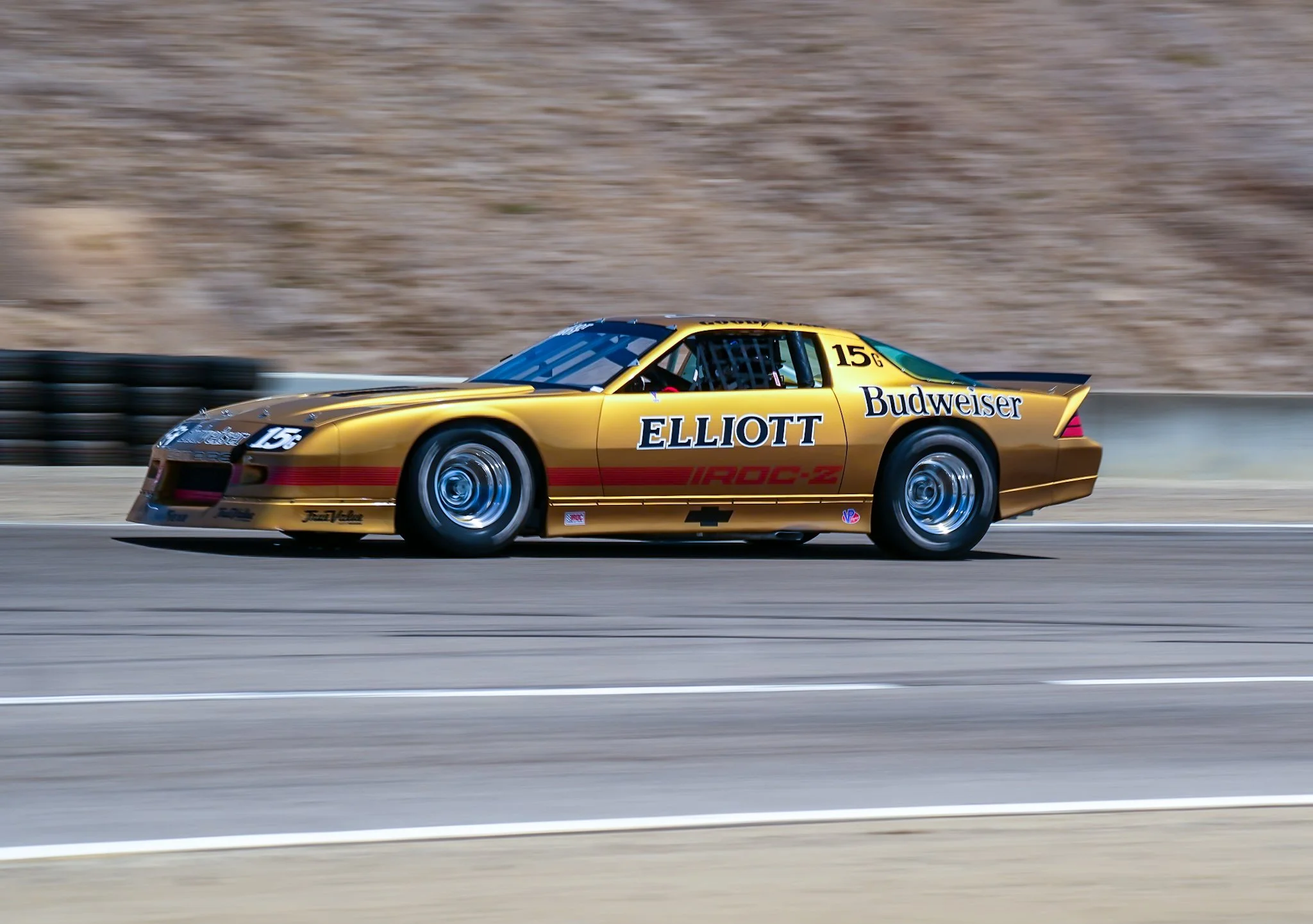
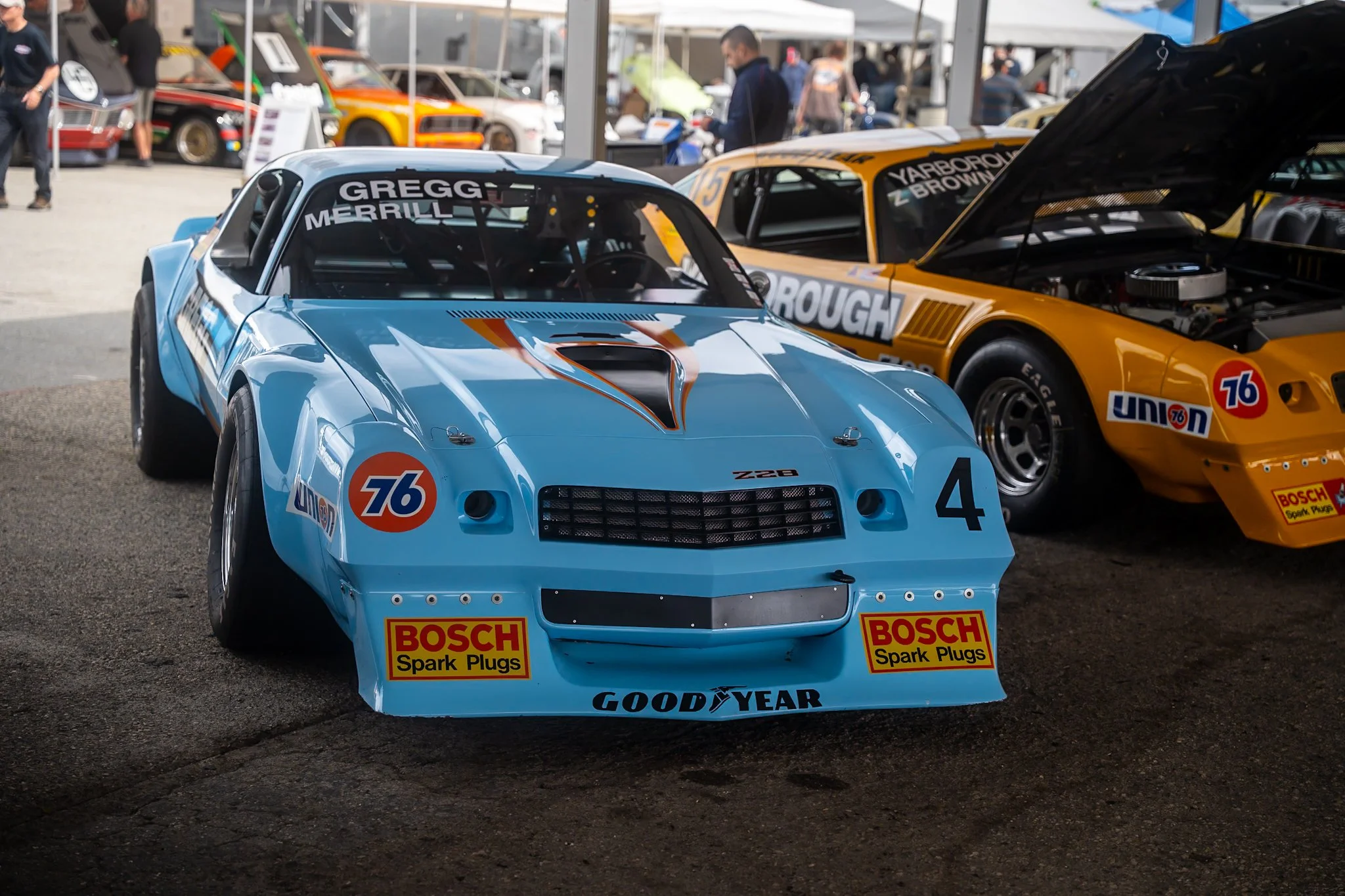
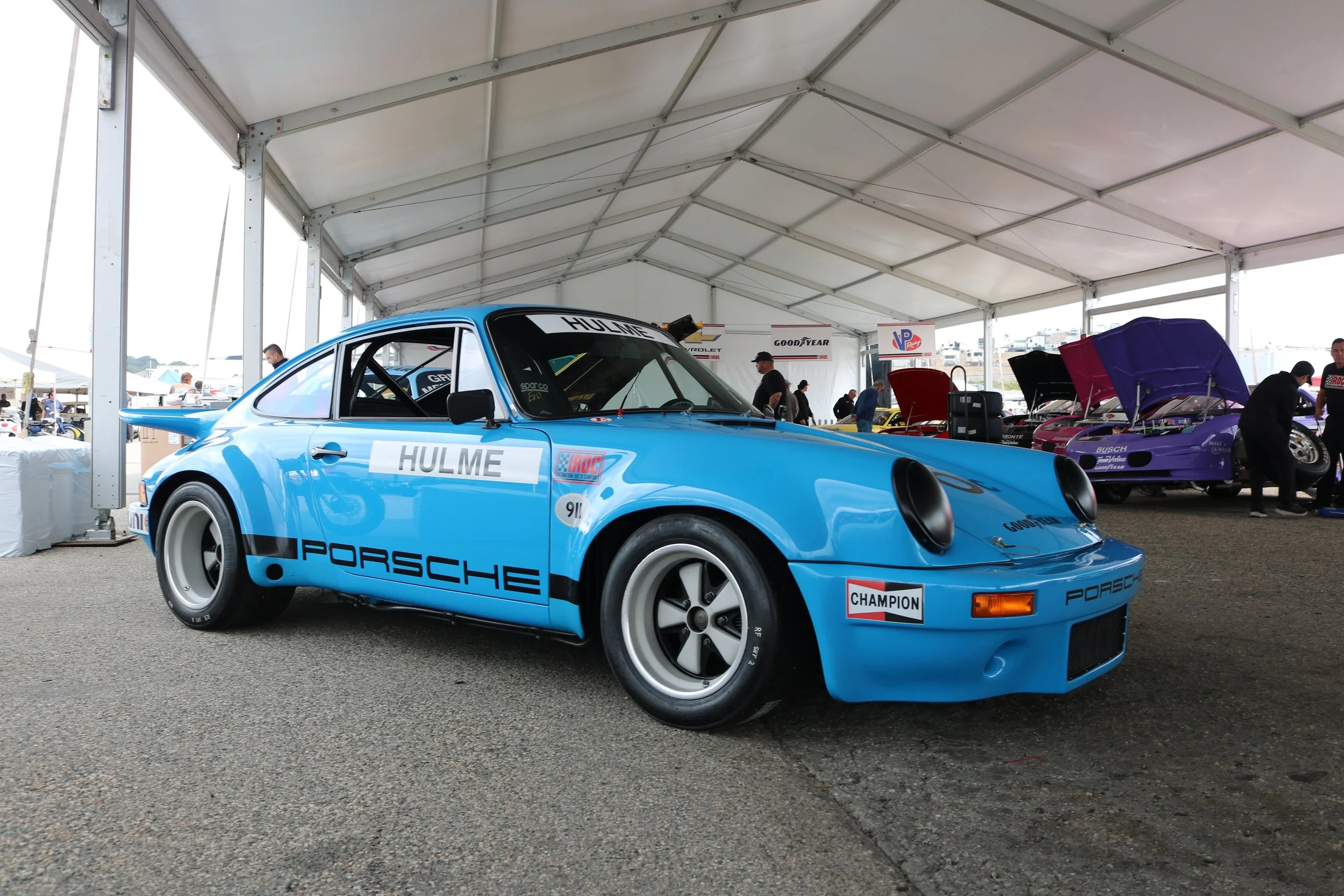
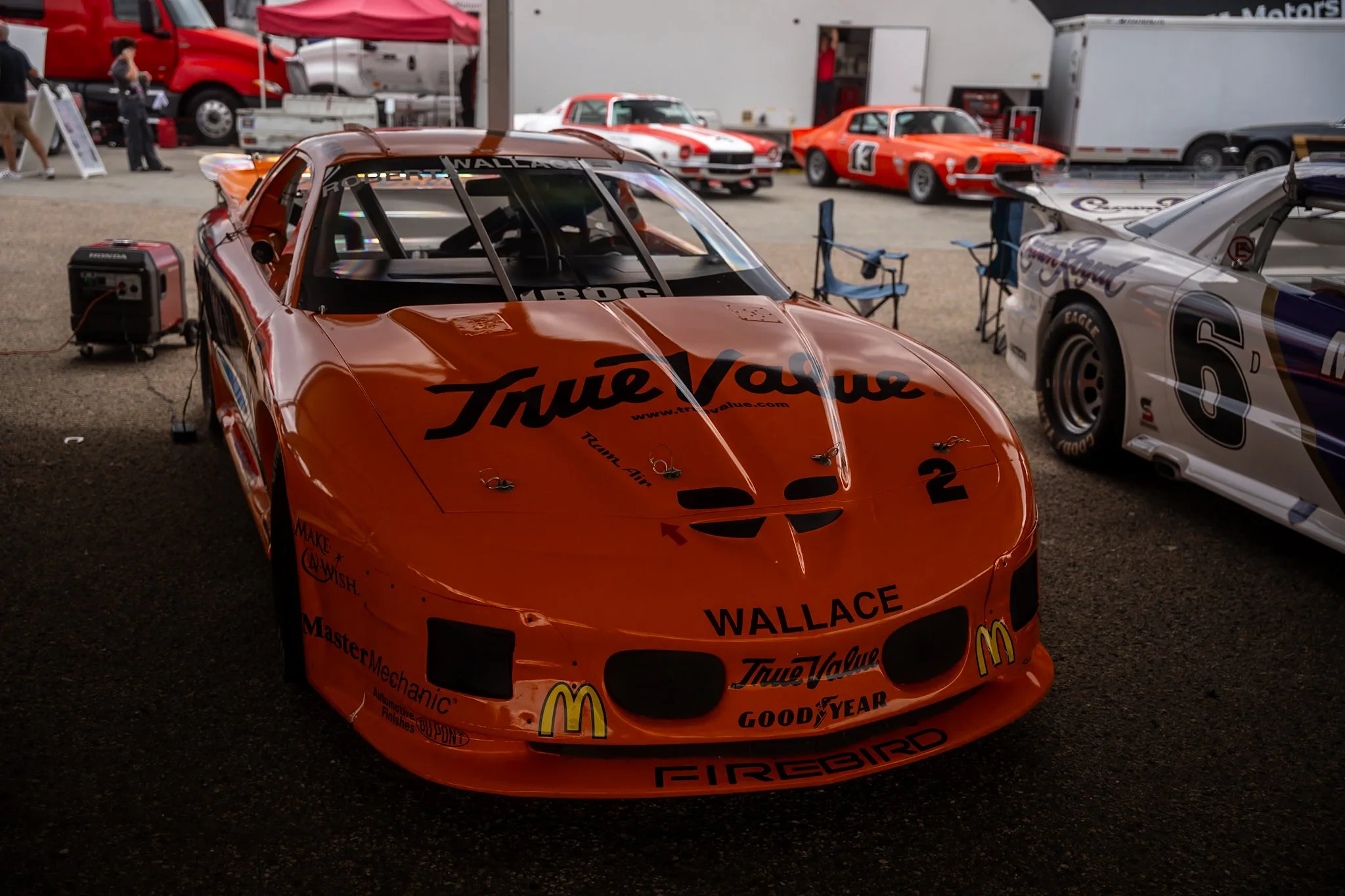
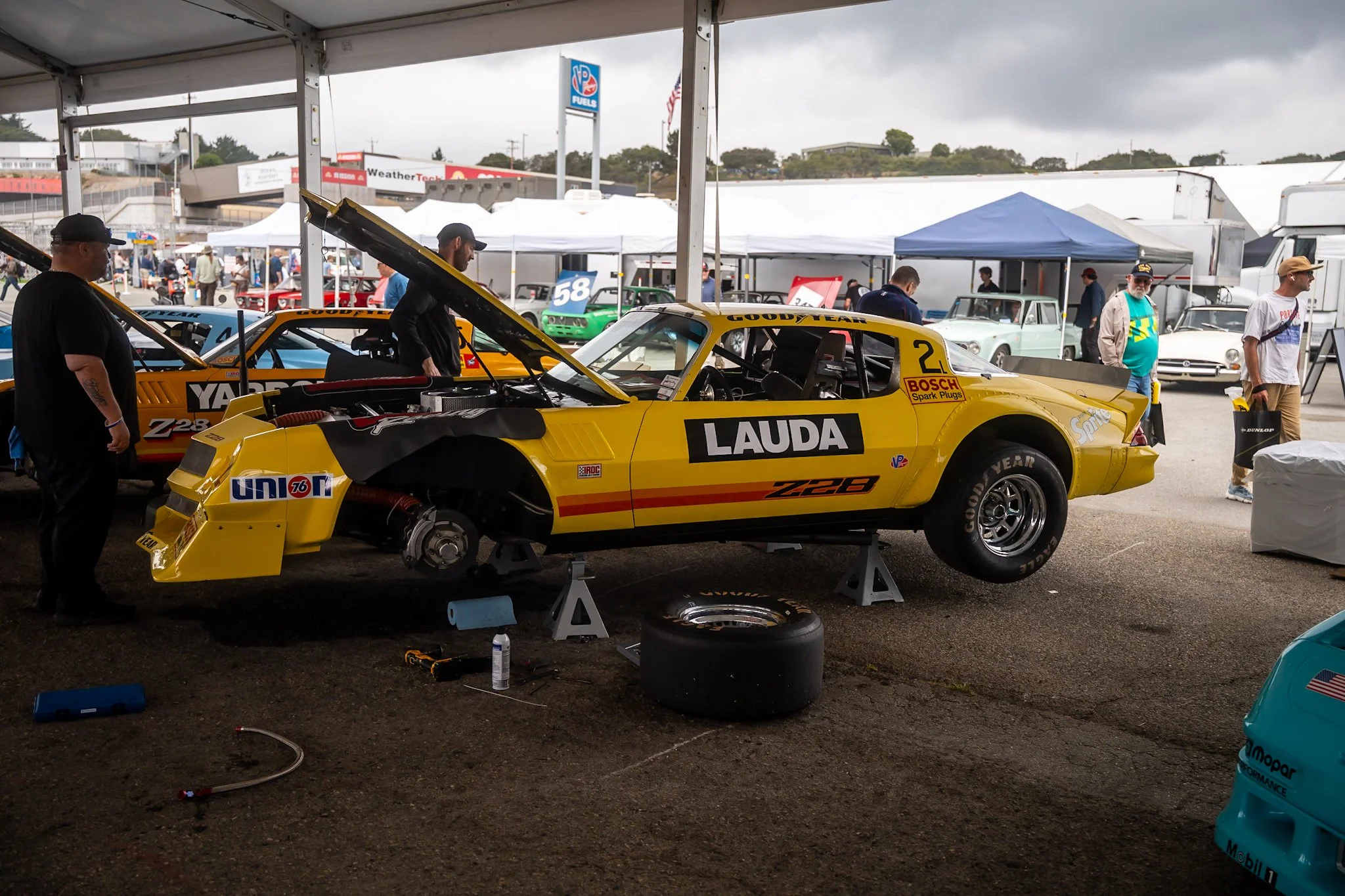
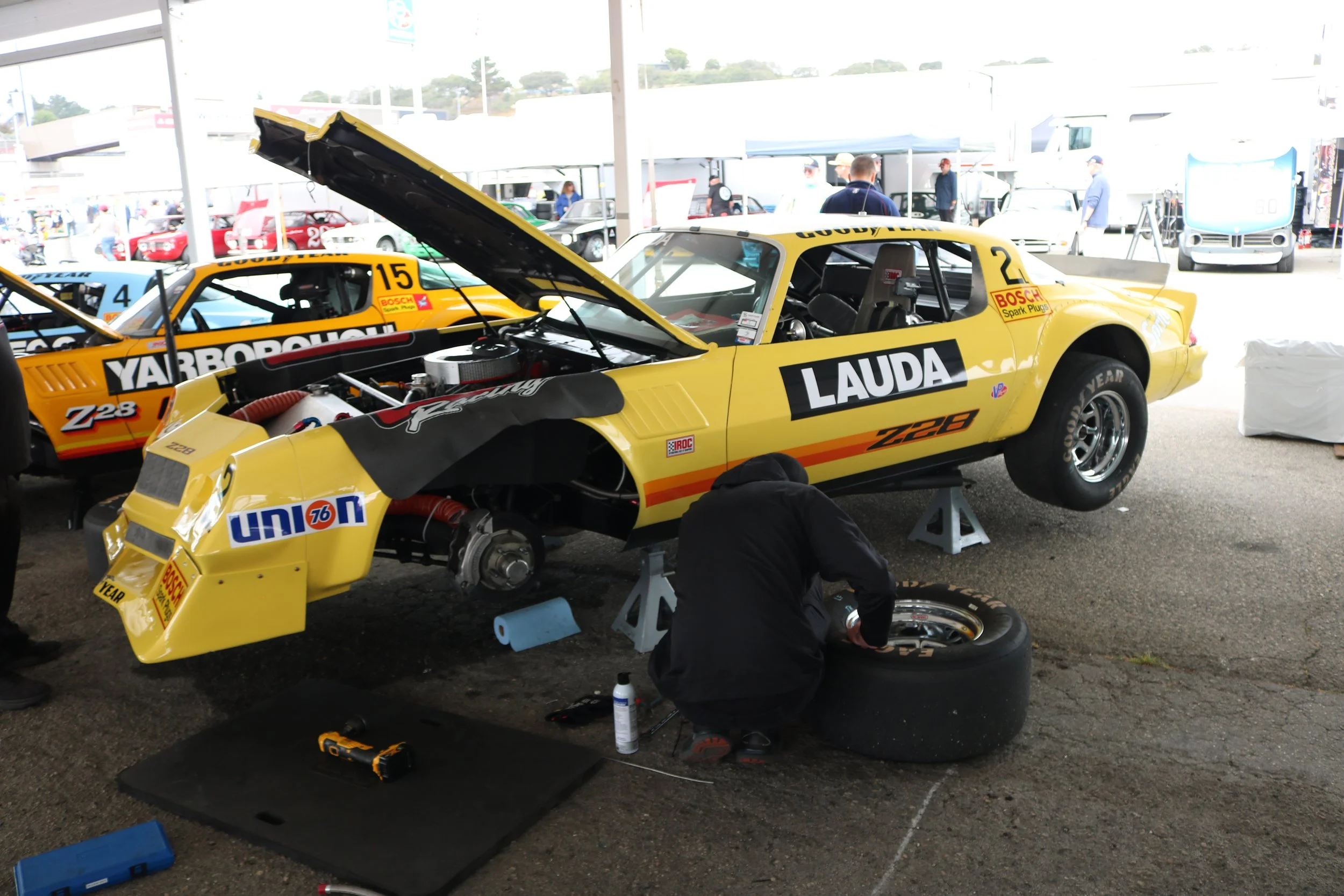
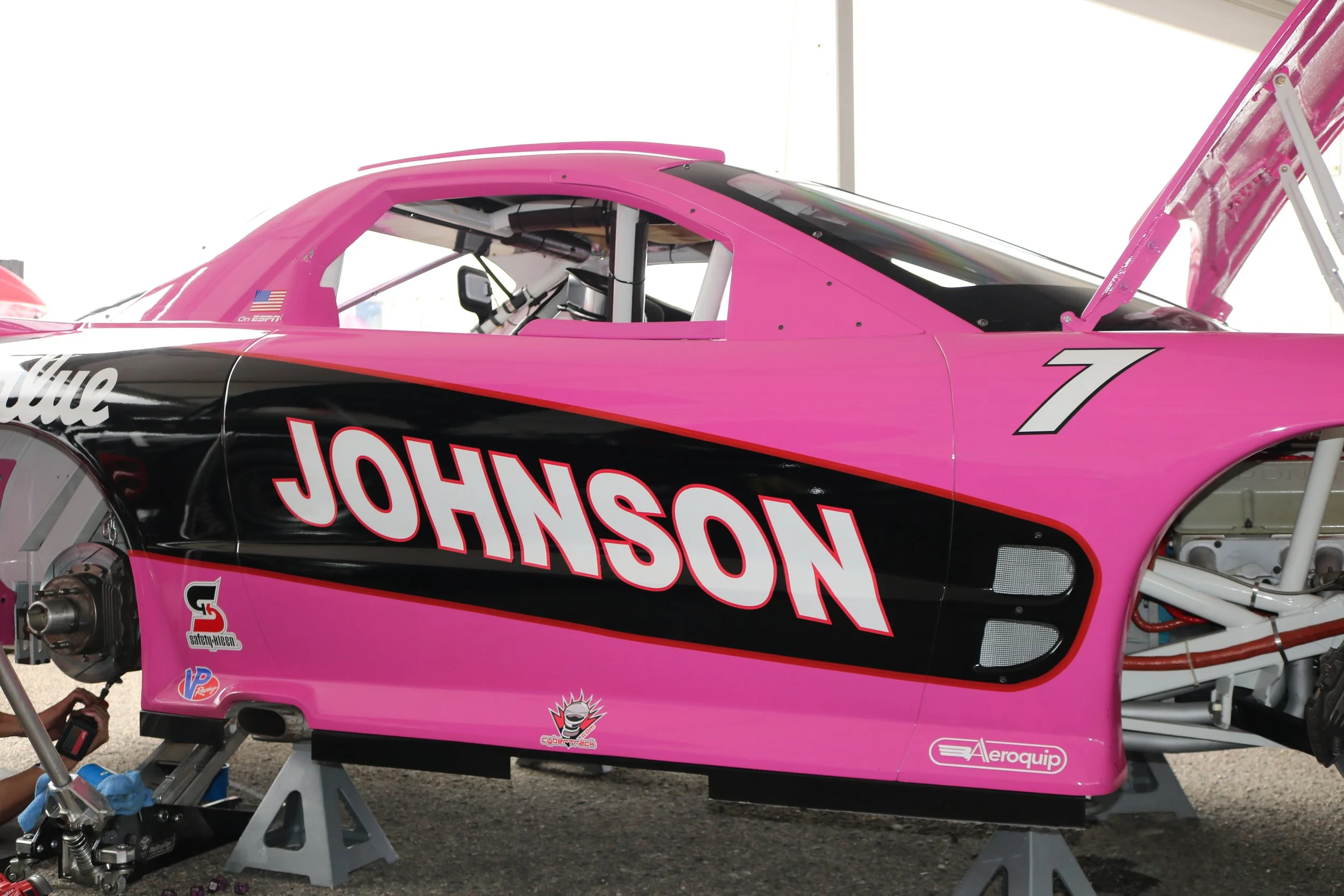
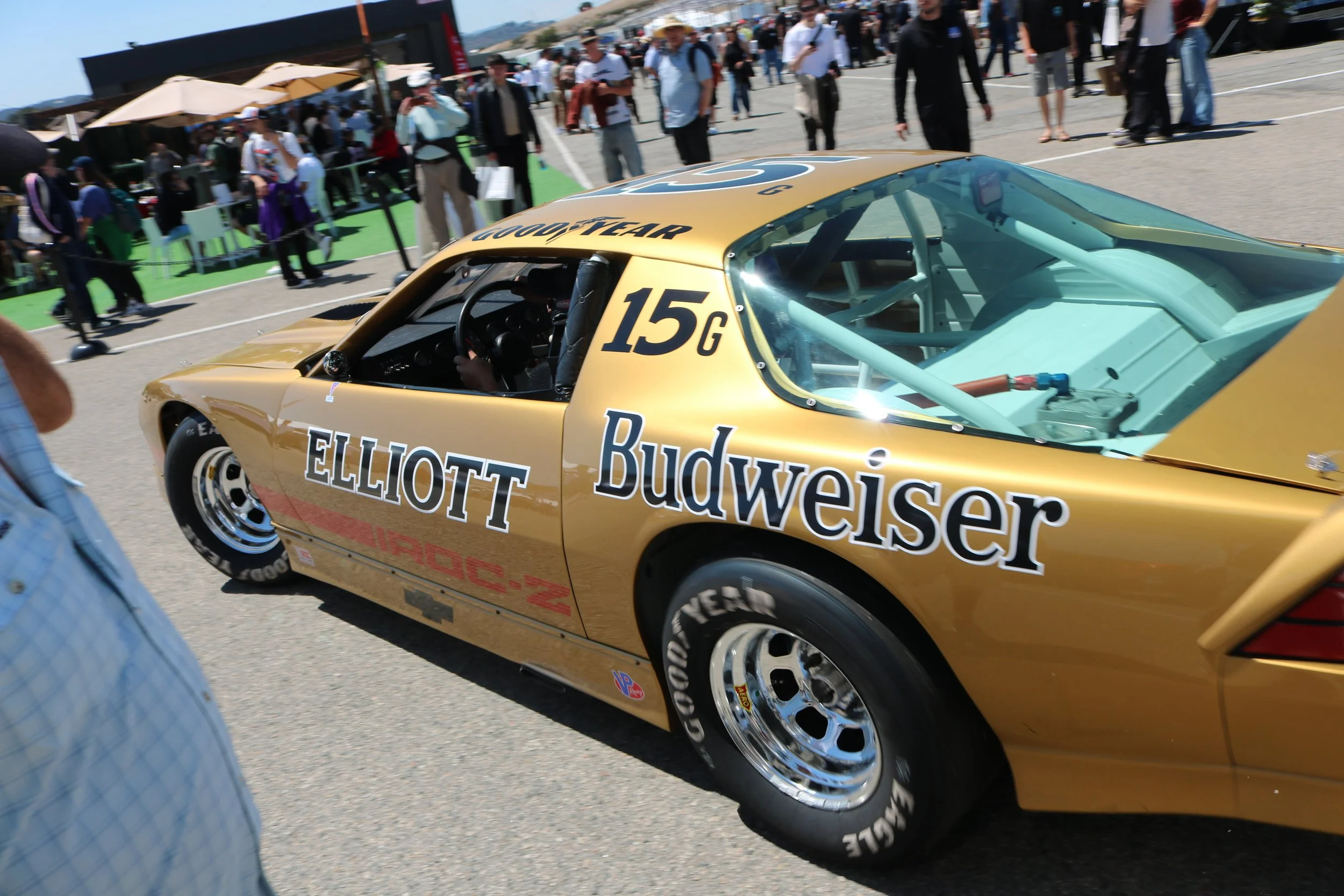
The IROC field gave the Reunion something slightly different from traditional historic racing because this isn't simply old machinery being demonstrated. There are serious drivers actively competing in it. Putting several racing champions into equal machinery remains one of humanity's better ideas. We all owe NASCAR legend Ray Evernham a debt of grattitude for getting all of these cars back together and prepped in their finest liveries so we could get a taste of this legenday series of champions.
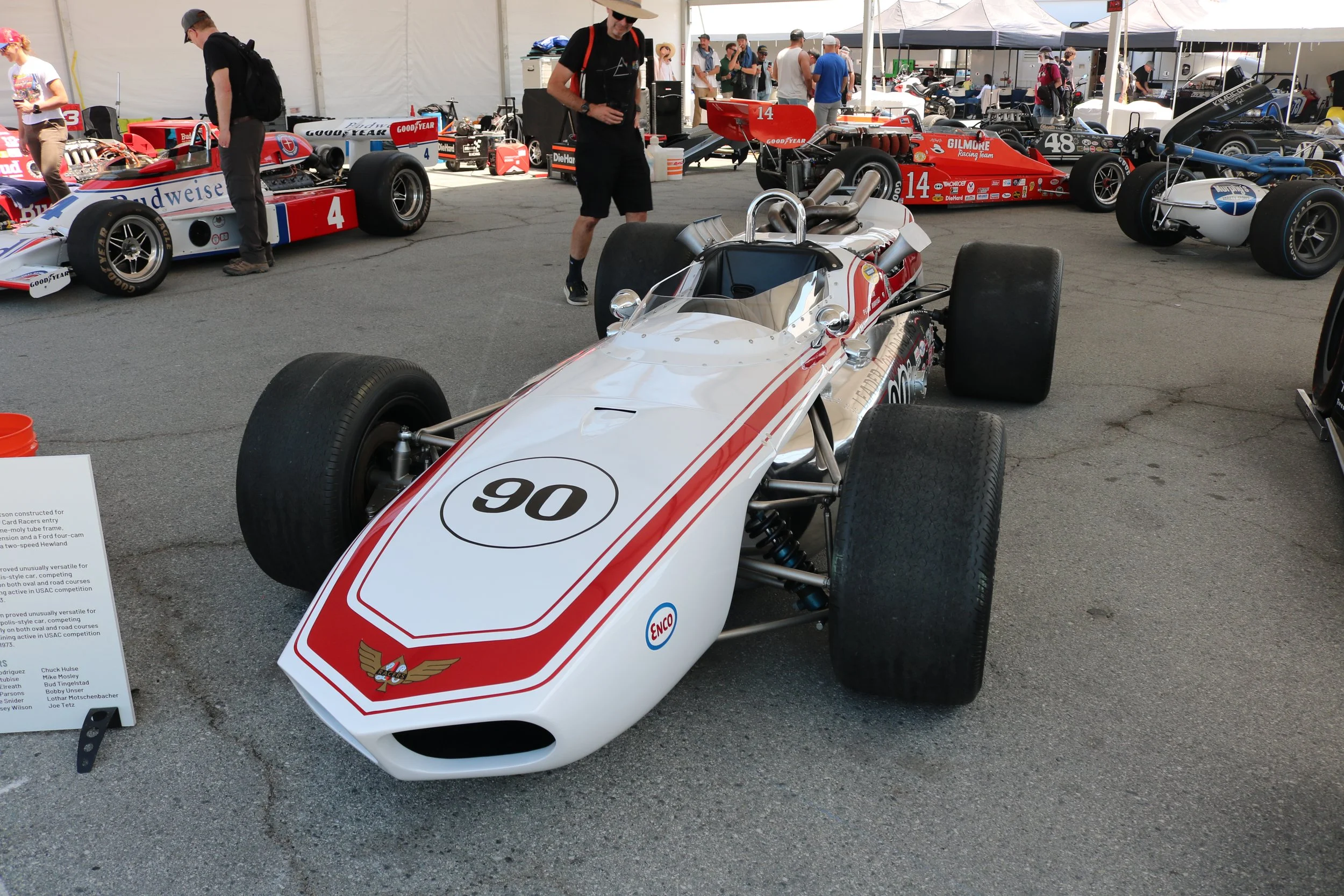
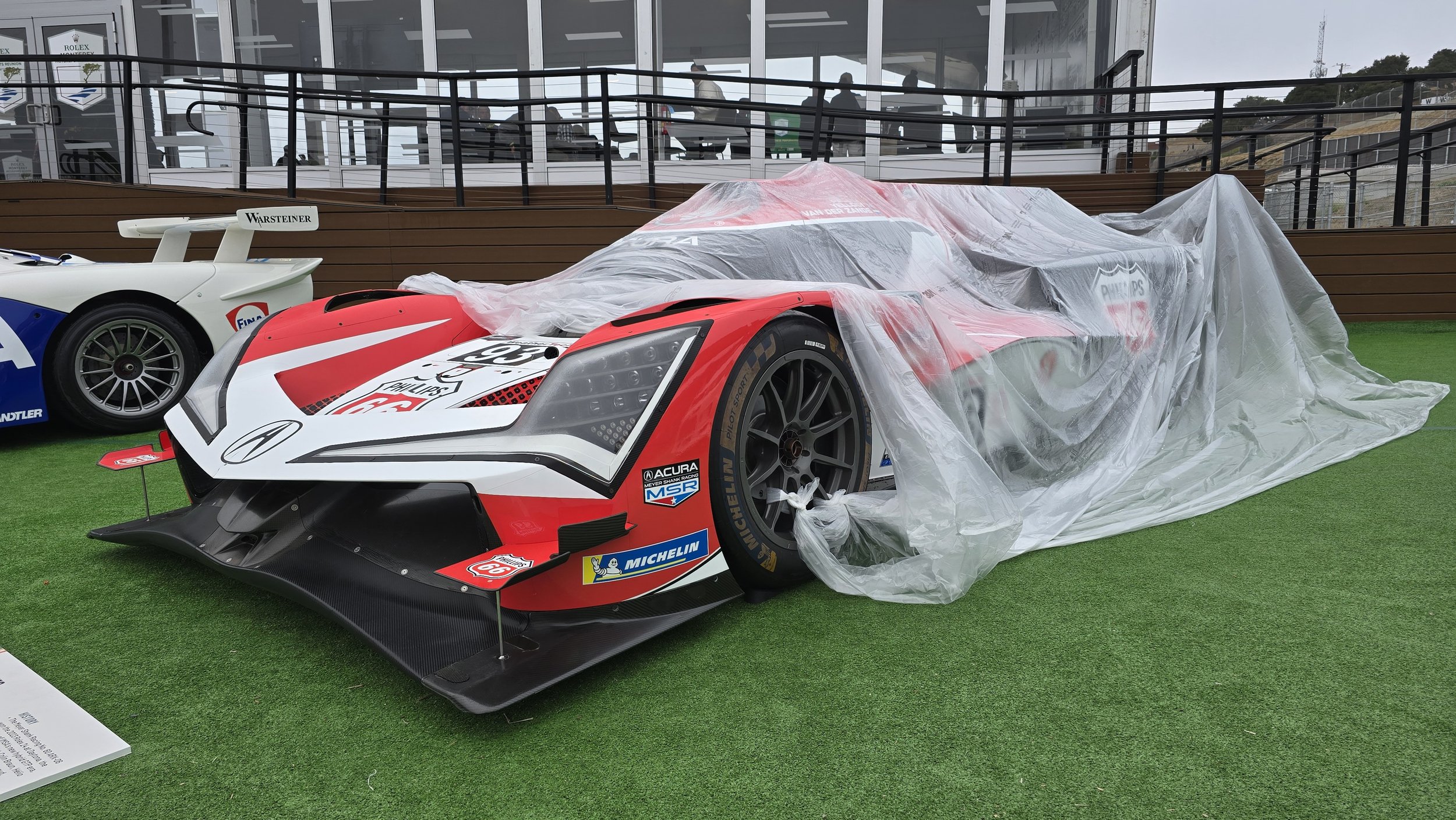
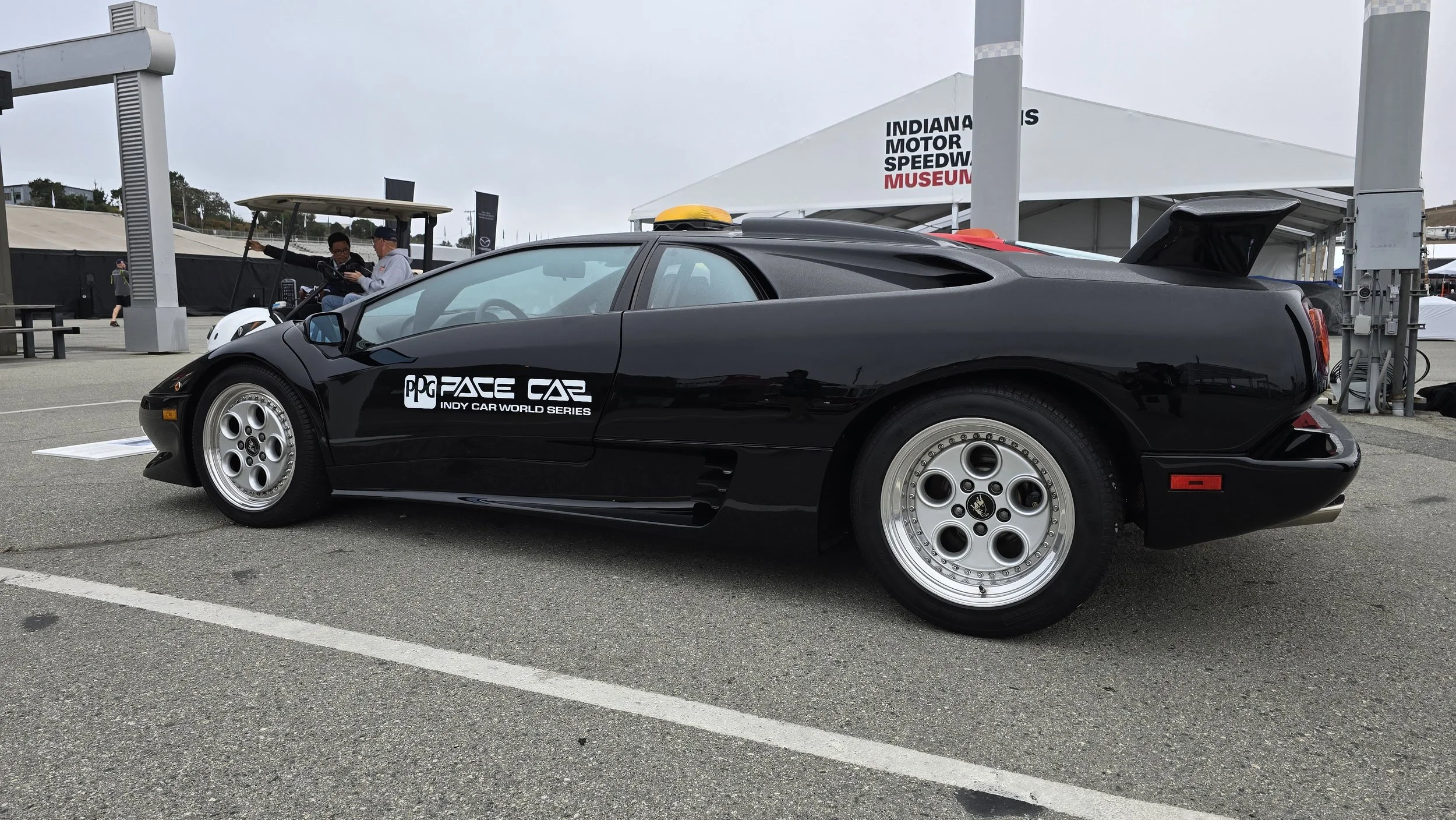
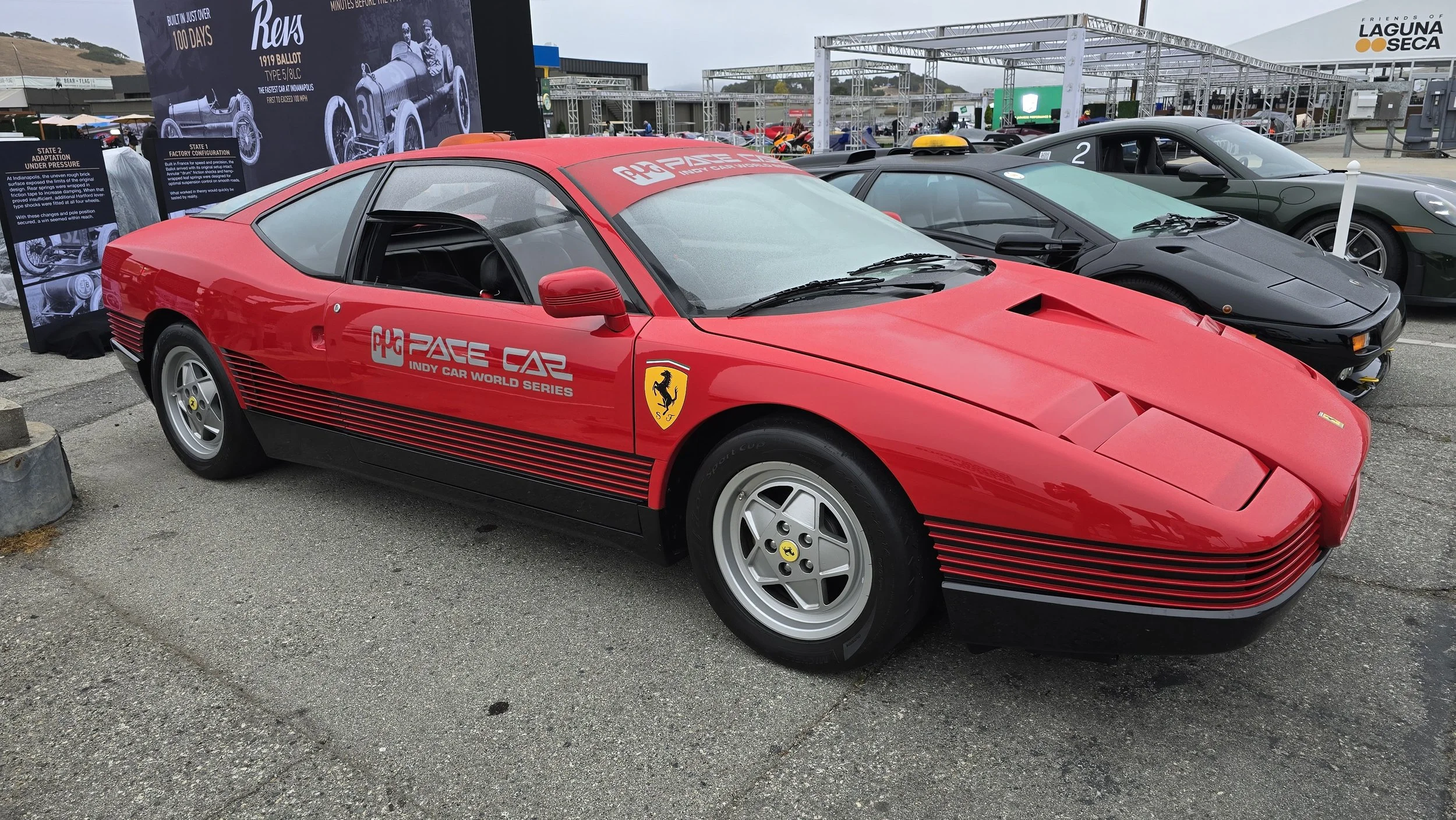
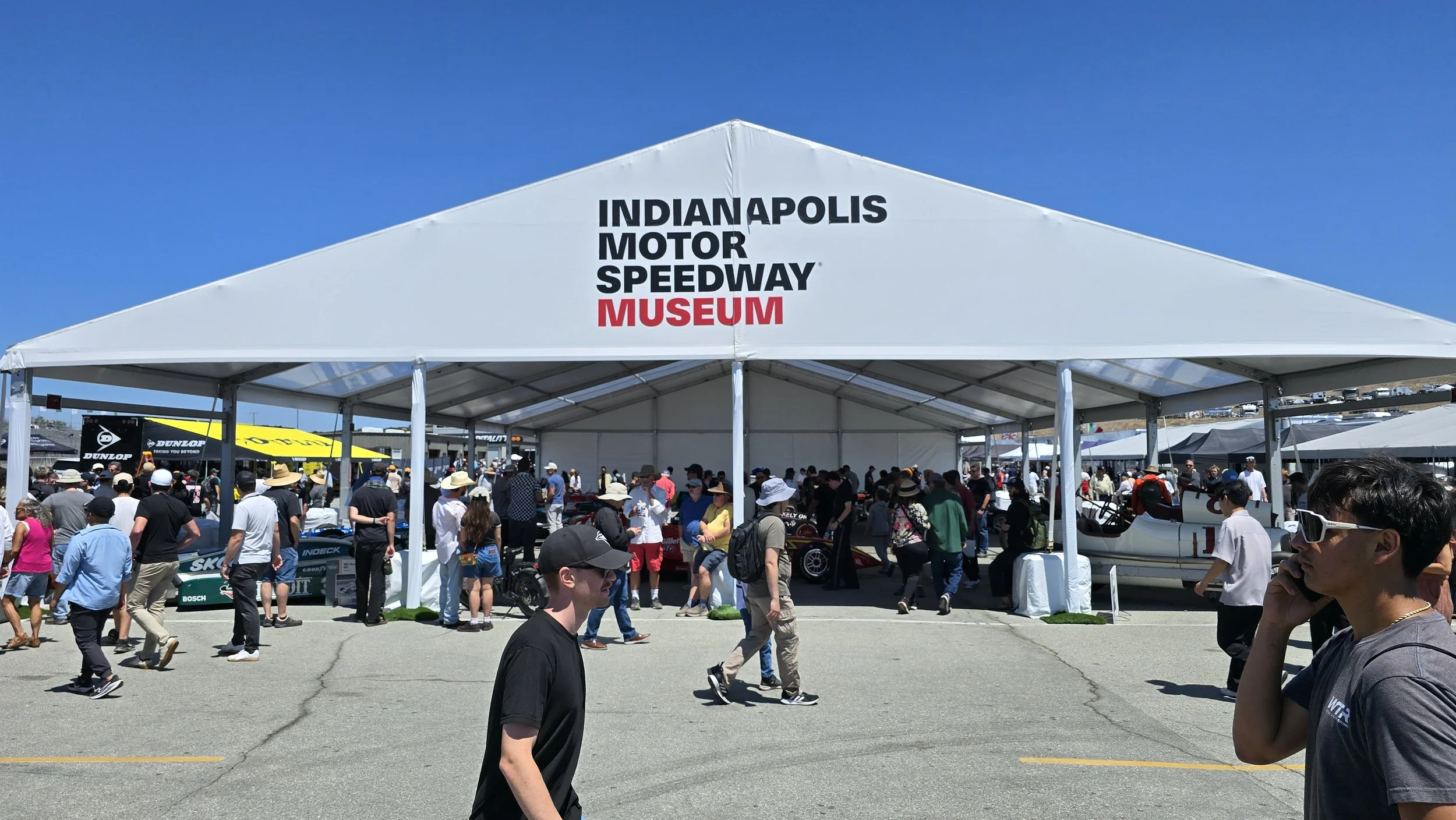
The cars from Indianapolis
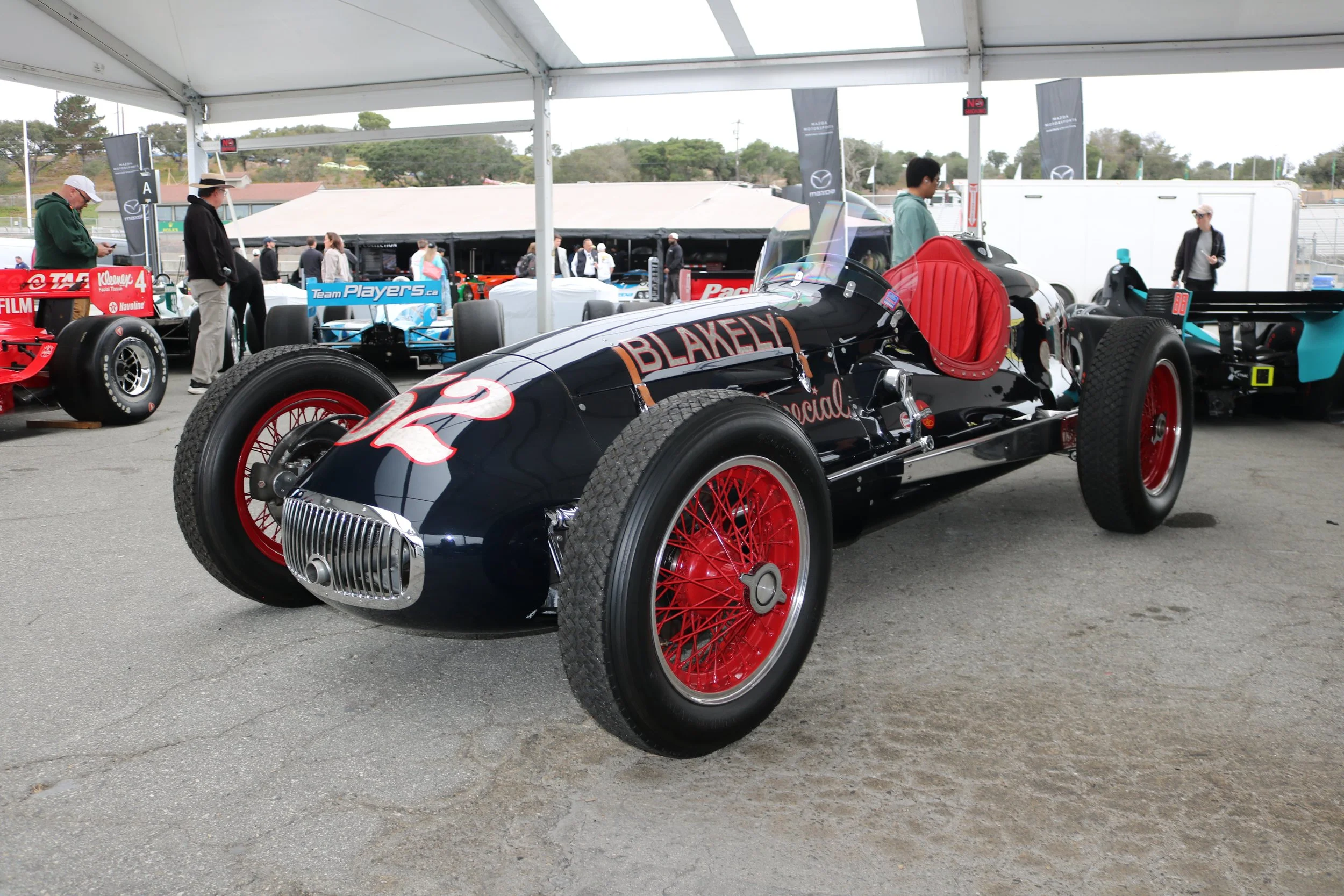
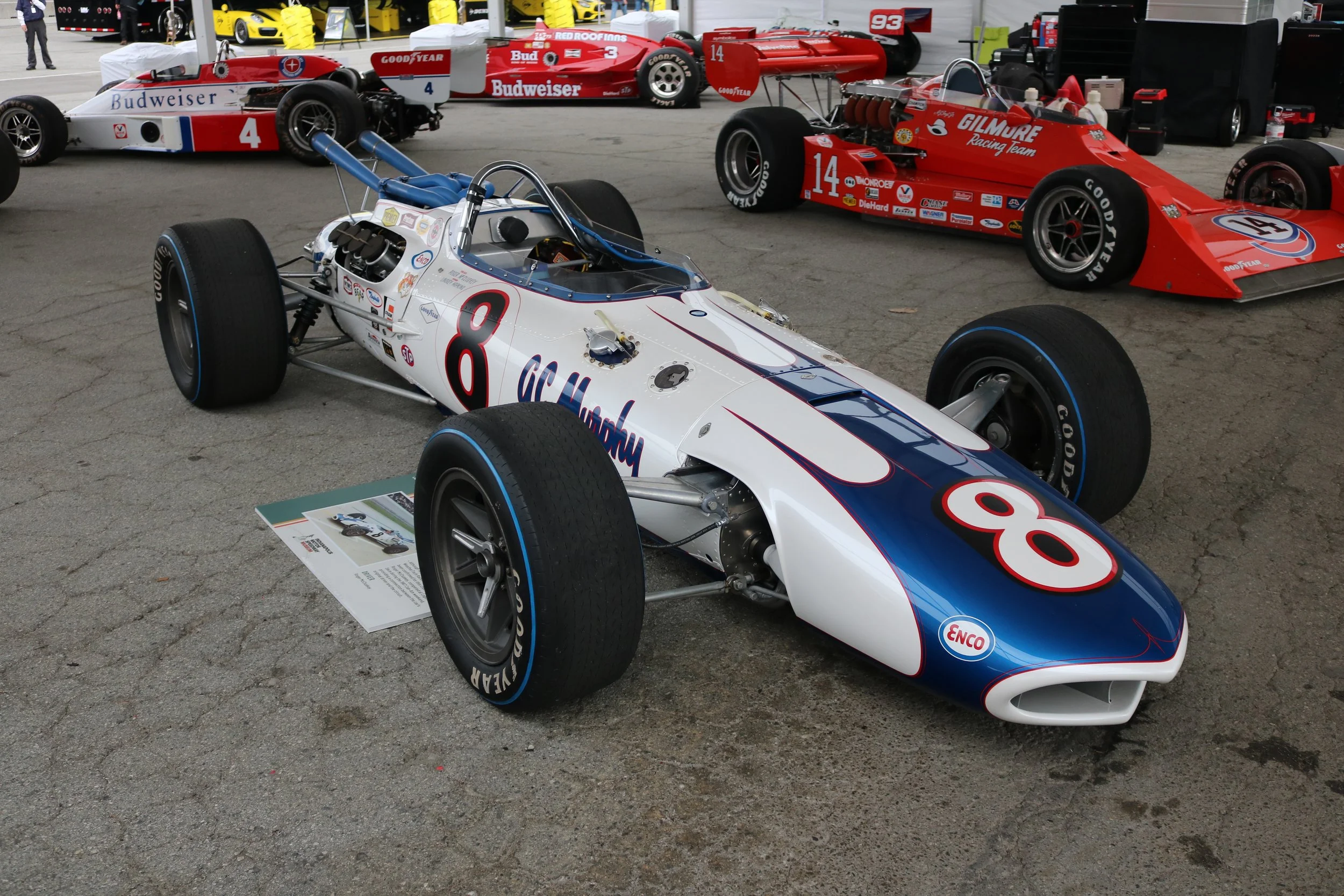
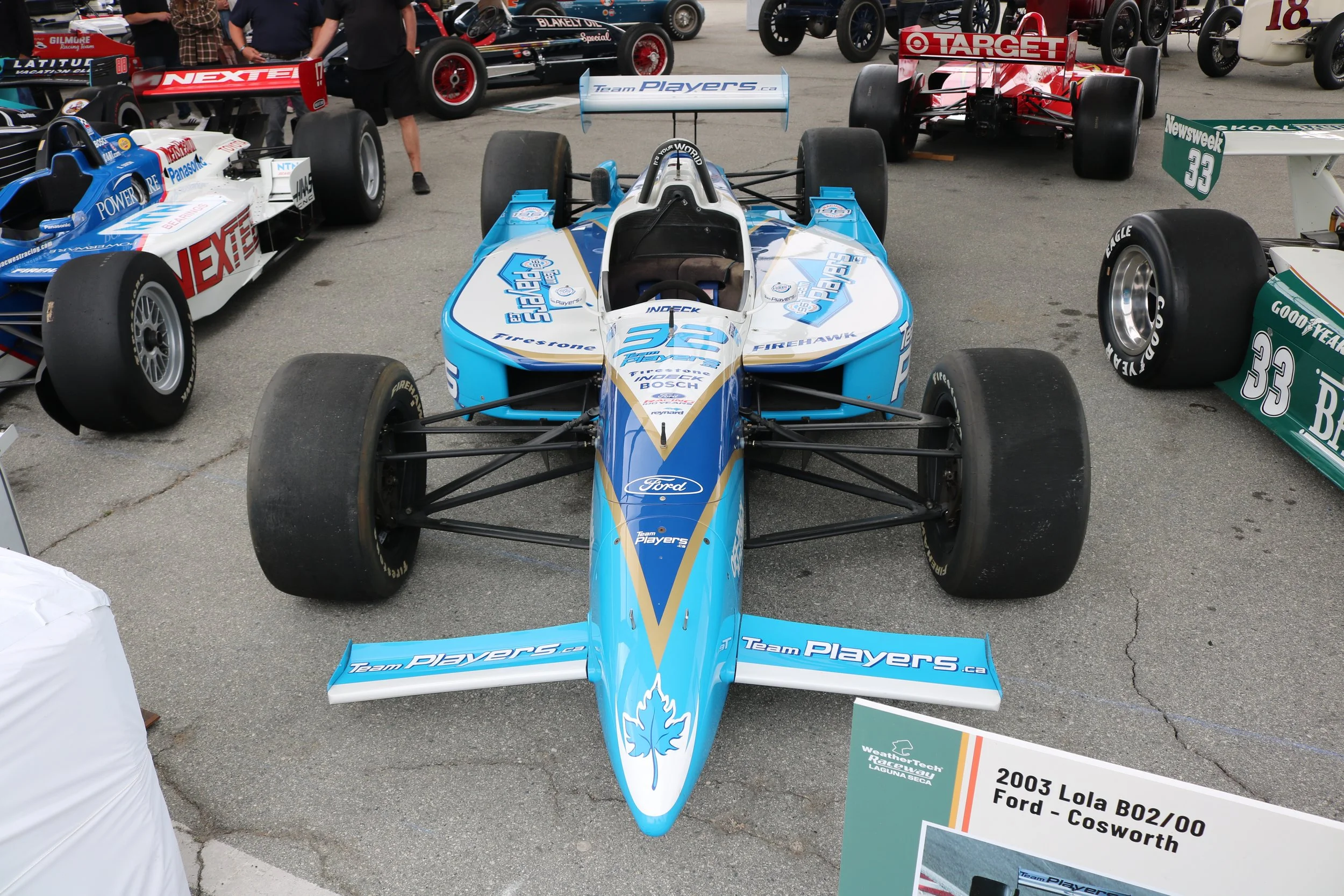
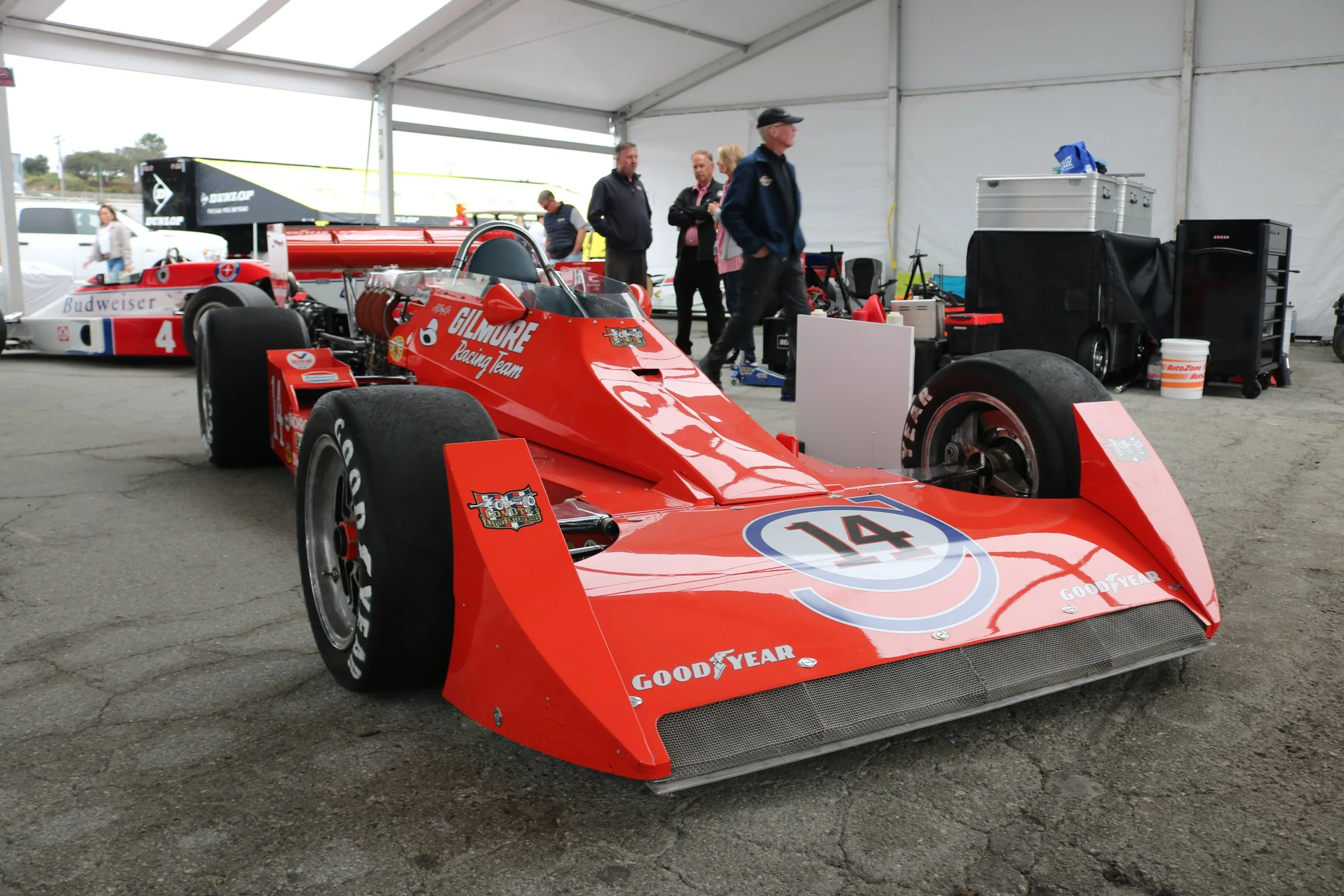
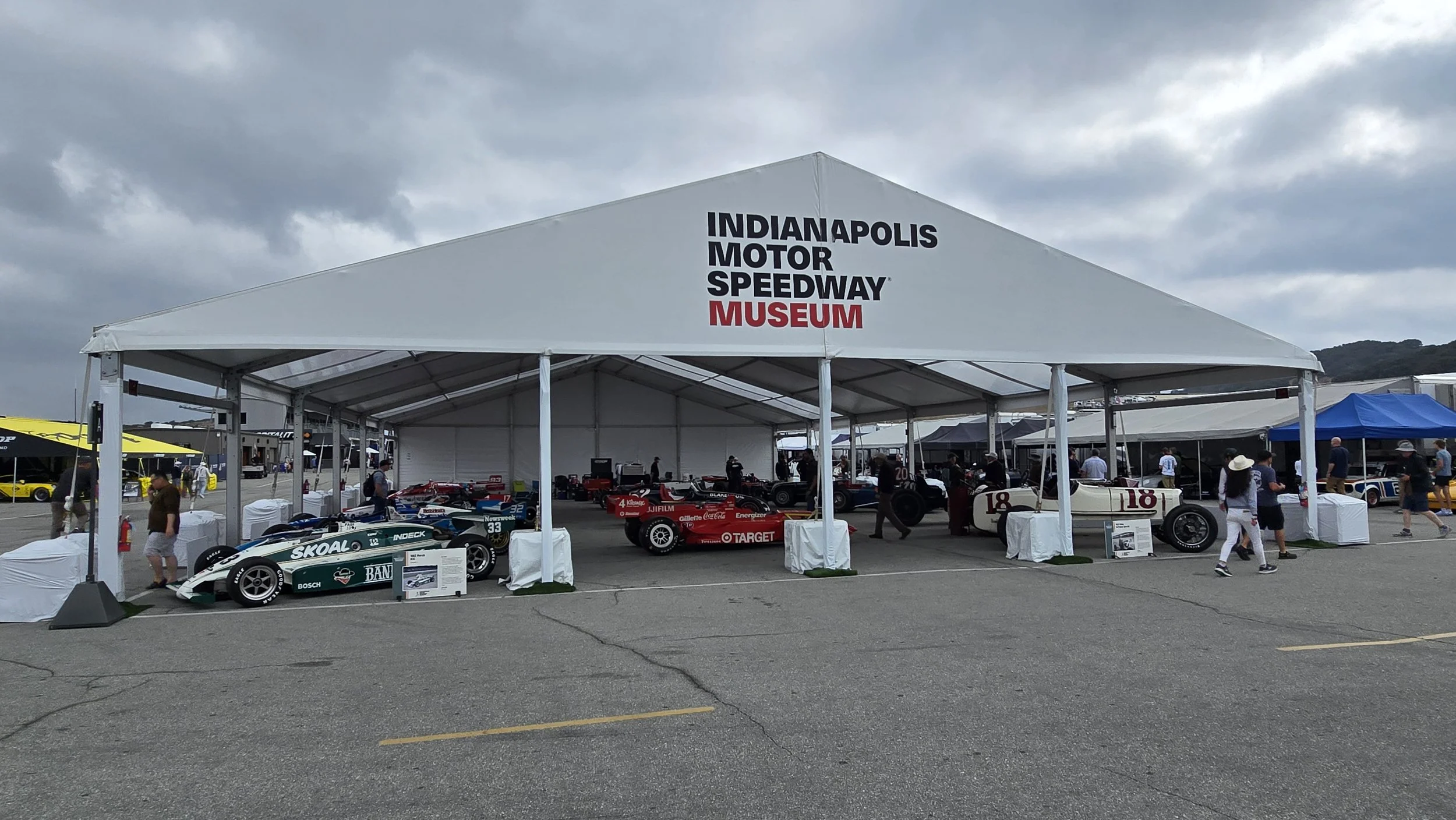
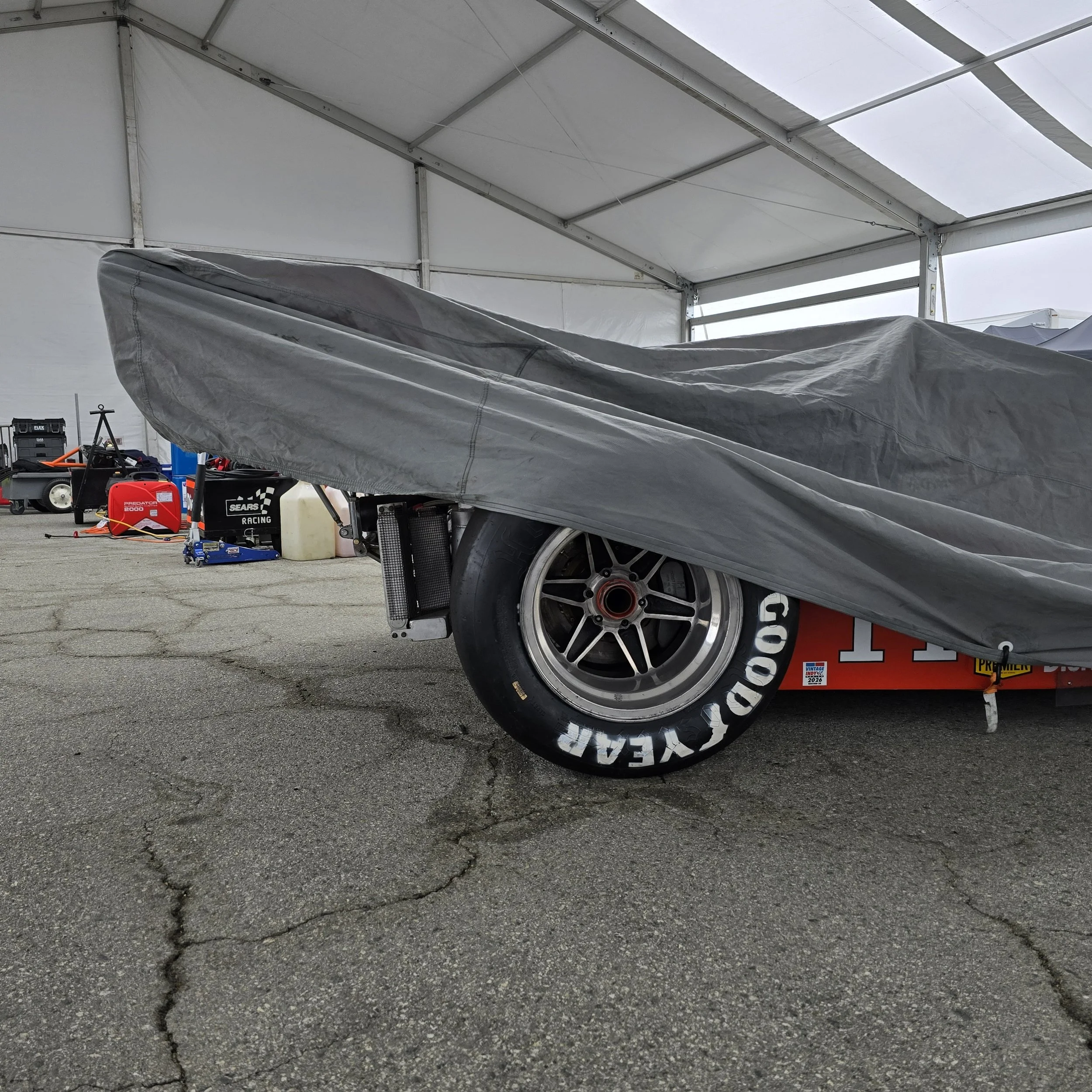
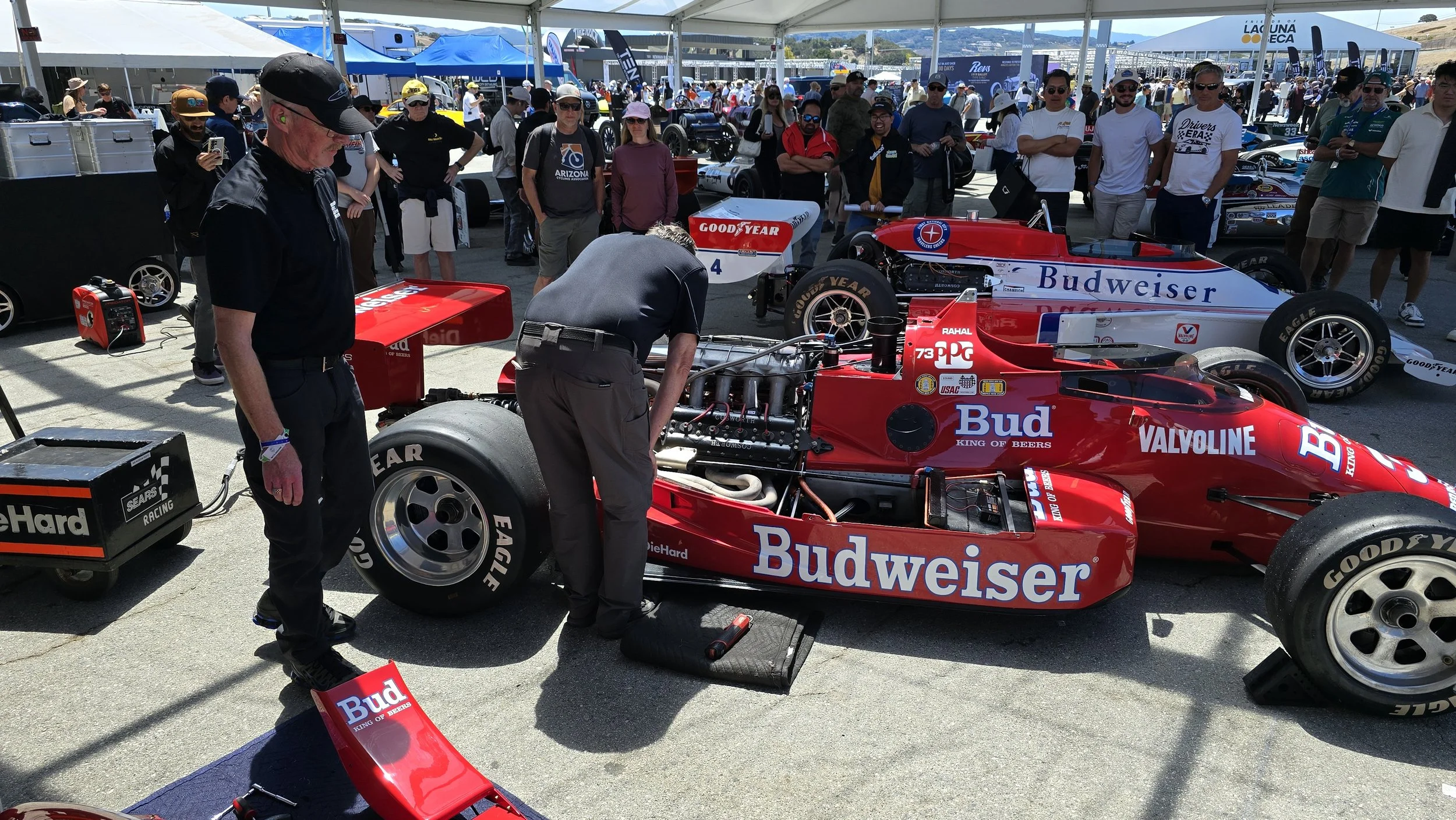
Not to be outshined by some fancied-up stock cars, the open-wheeled folks had another feature tent in the paddock displaying the depth and breadth of open-wheeled racing in America.
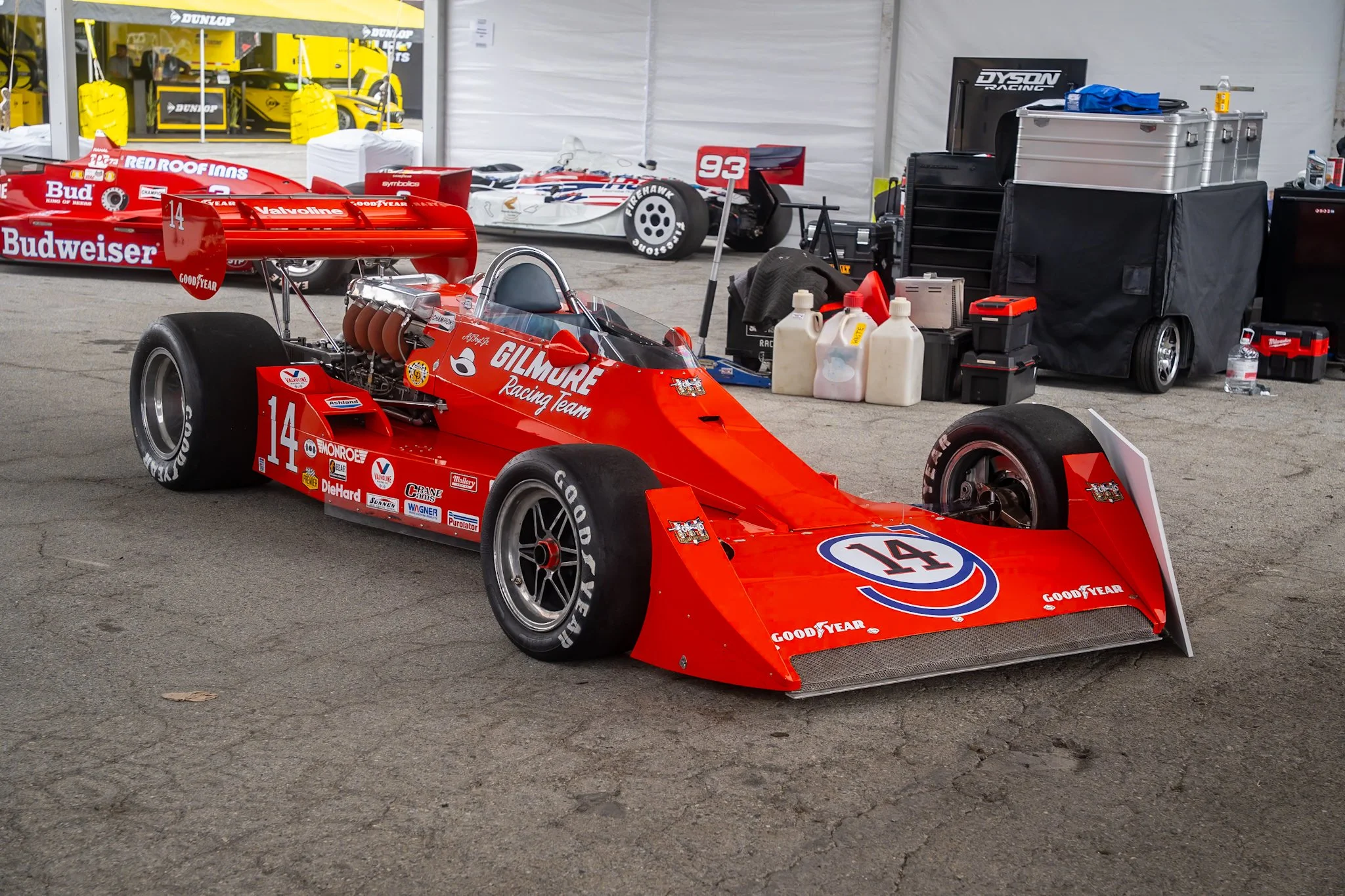
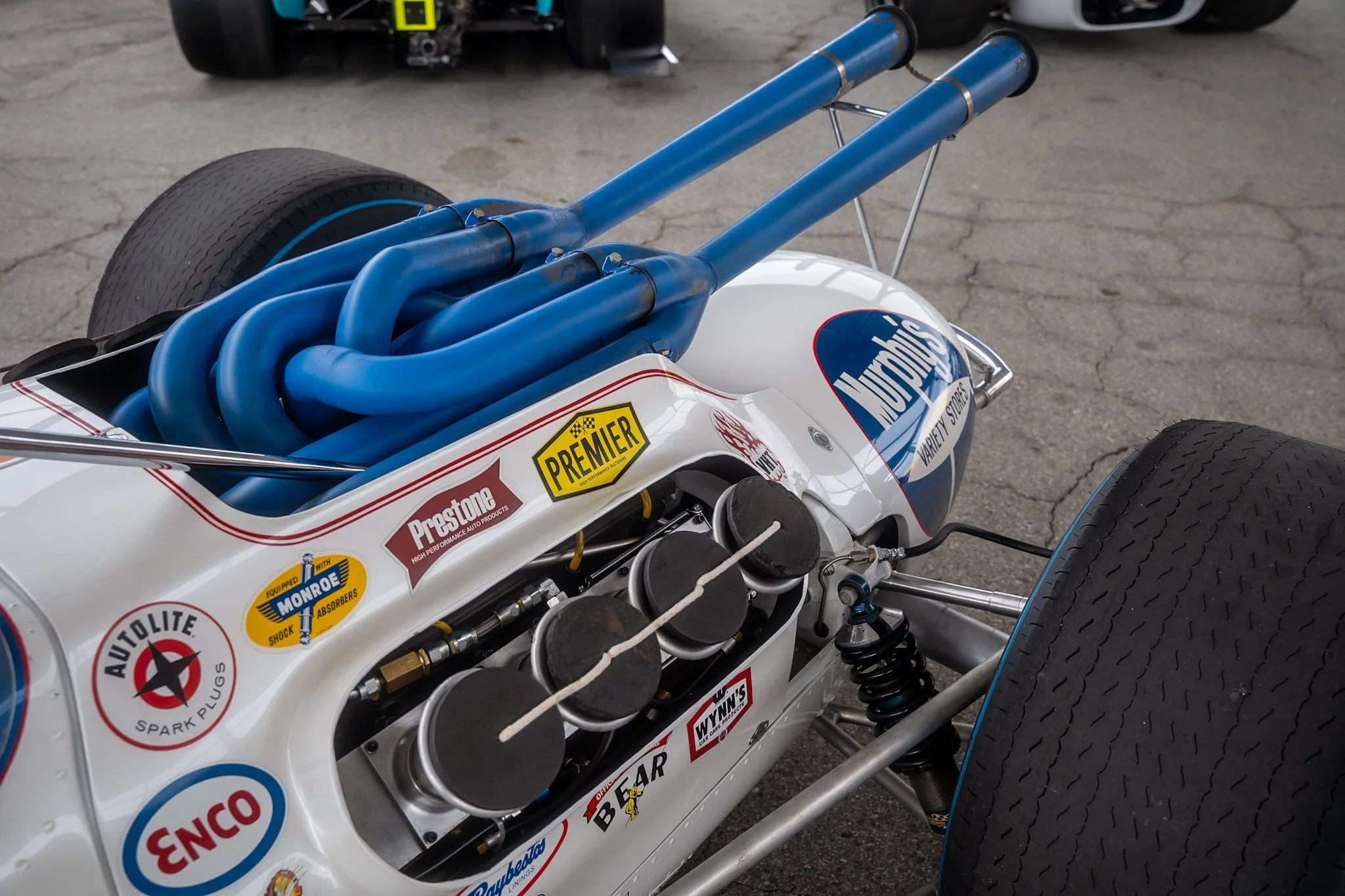
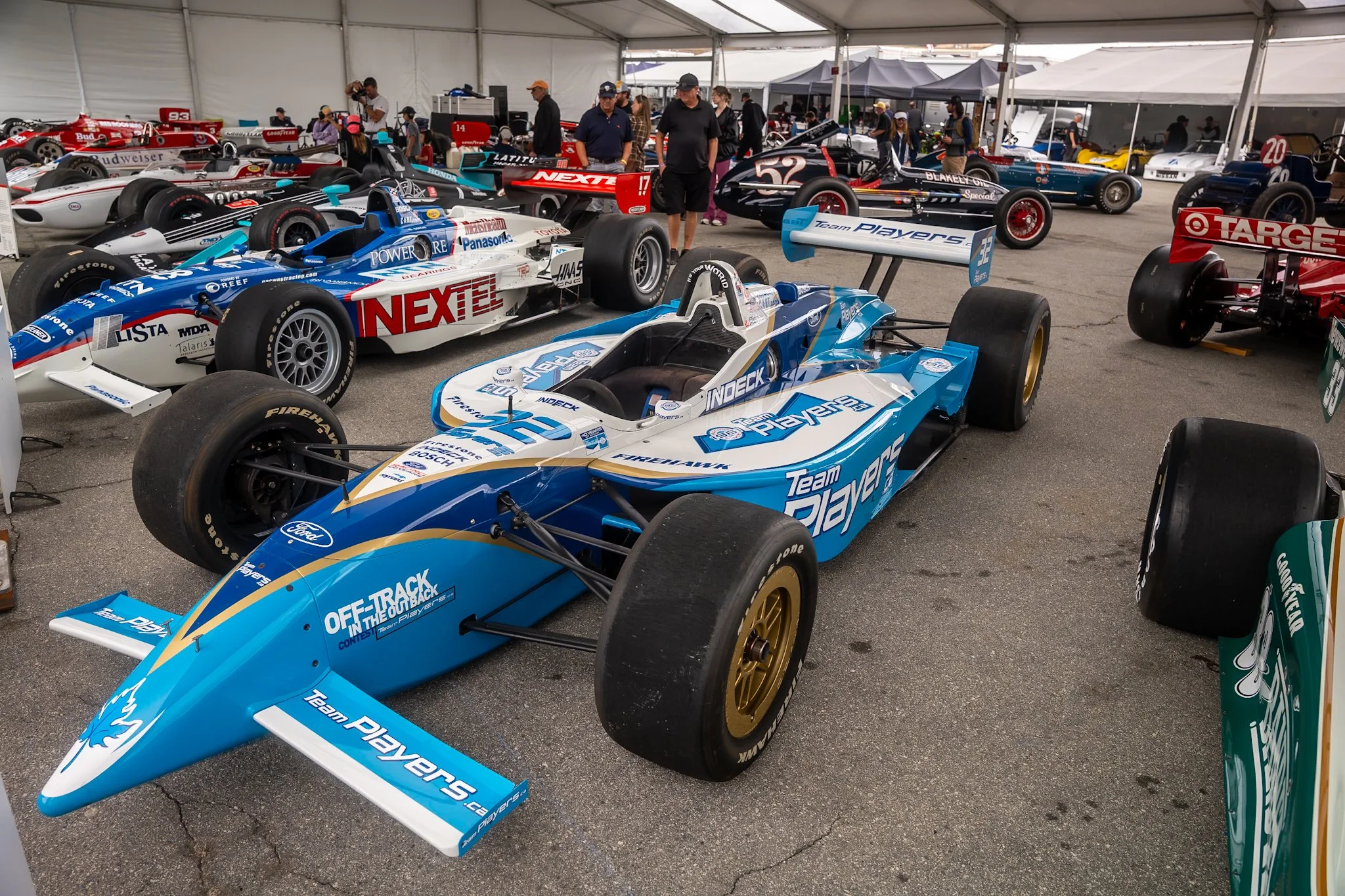
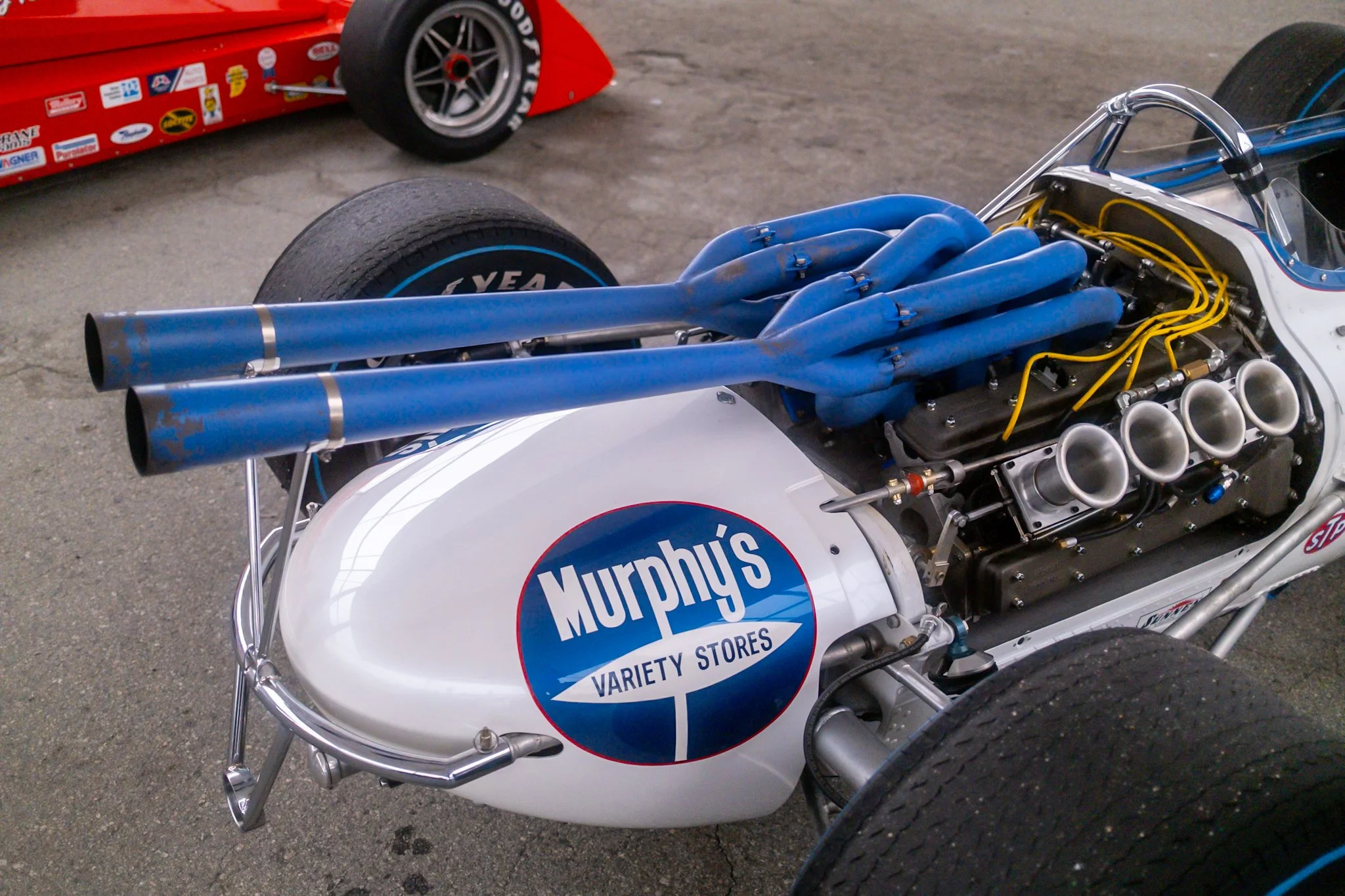
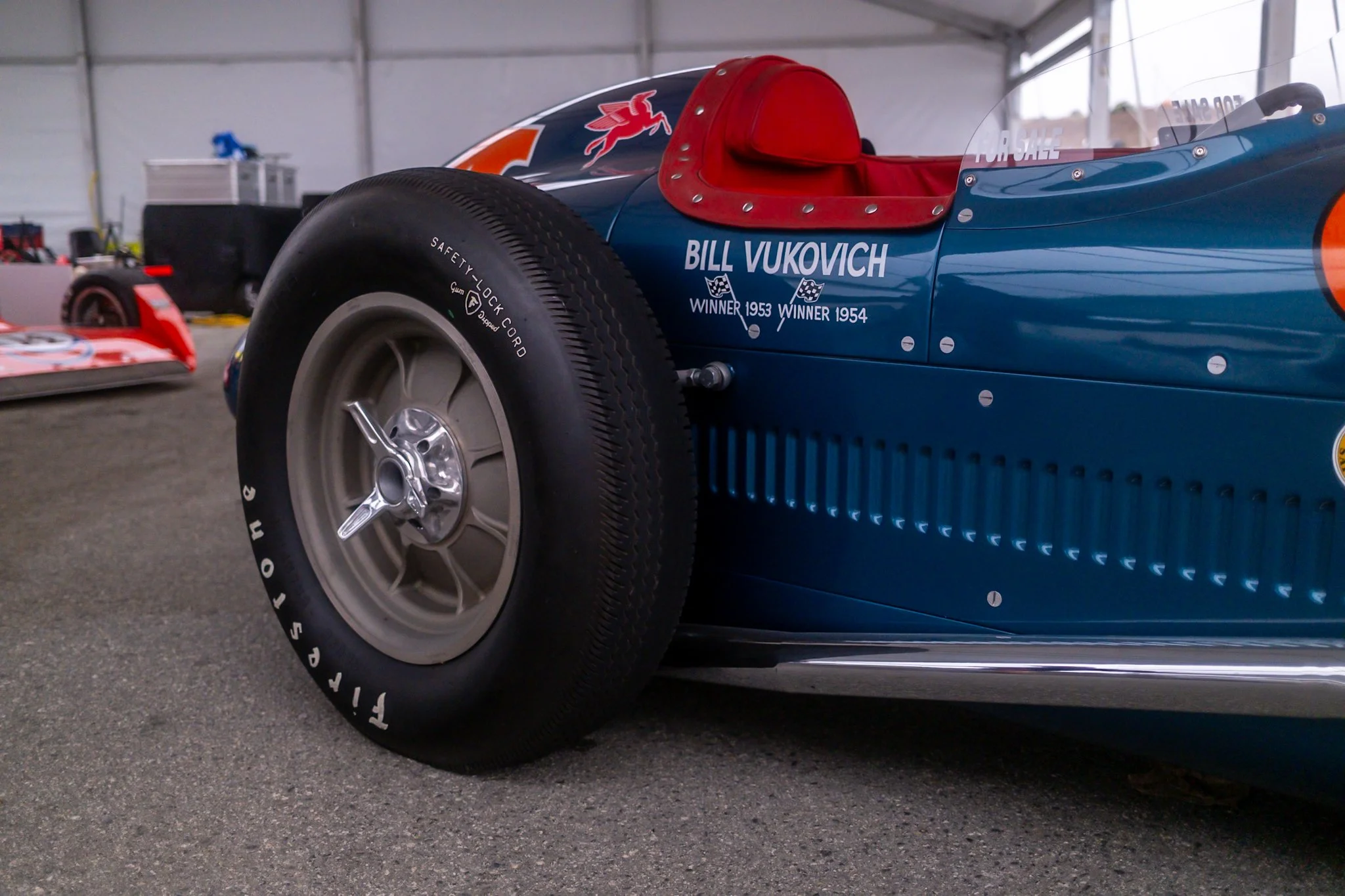
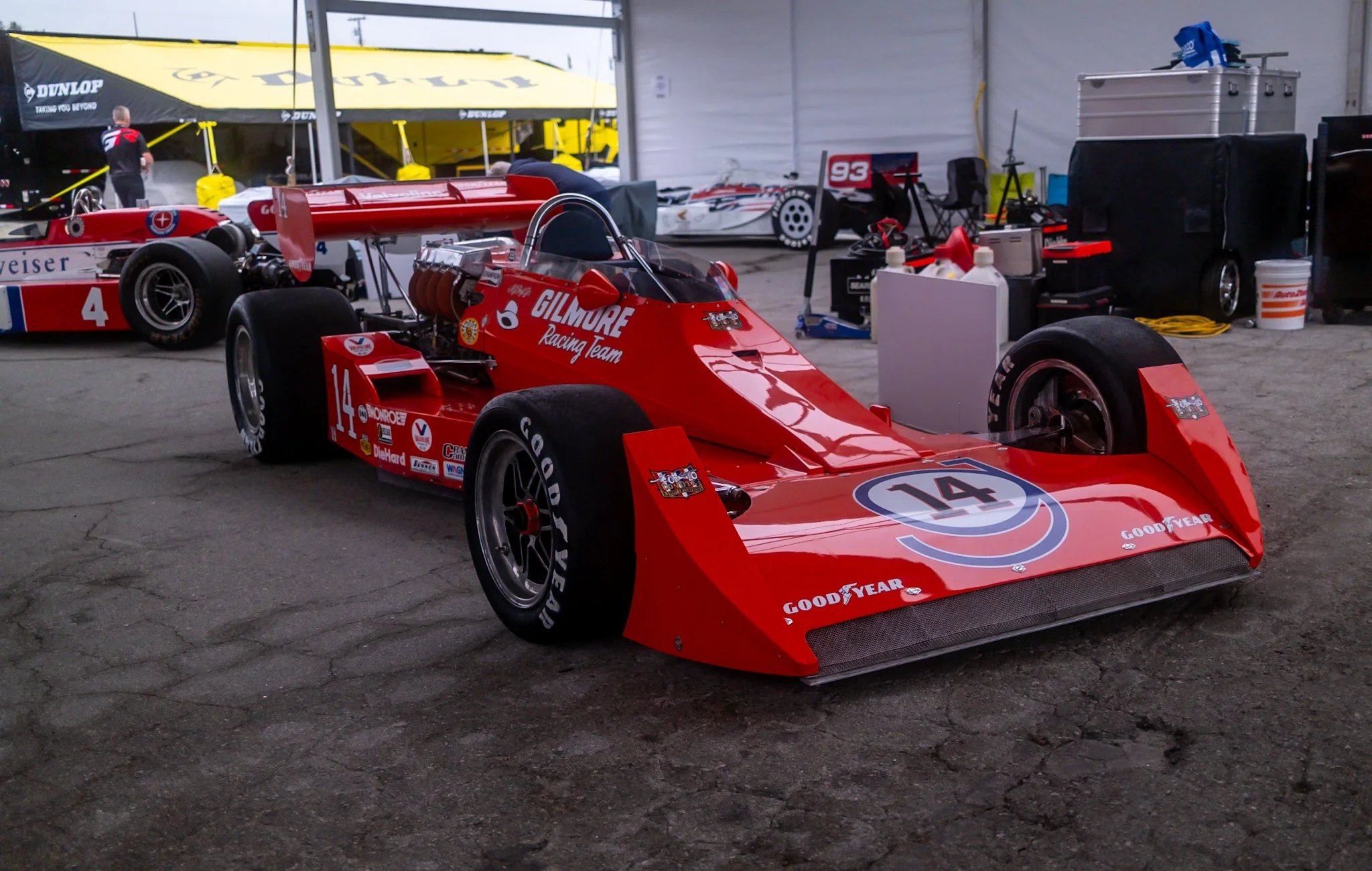
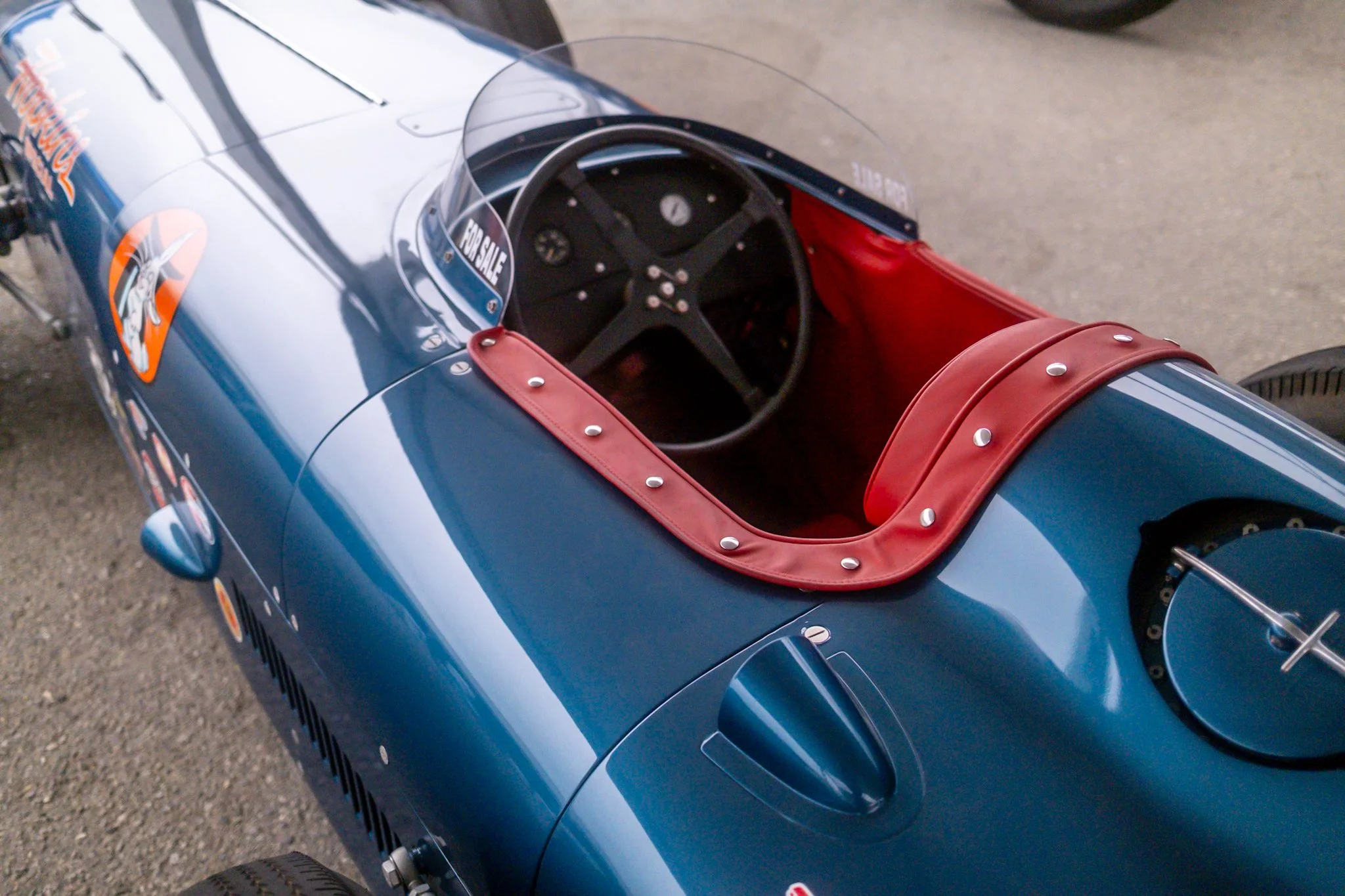
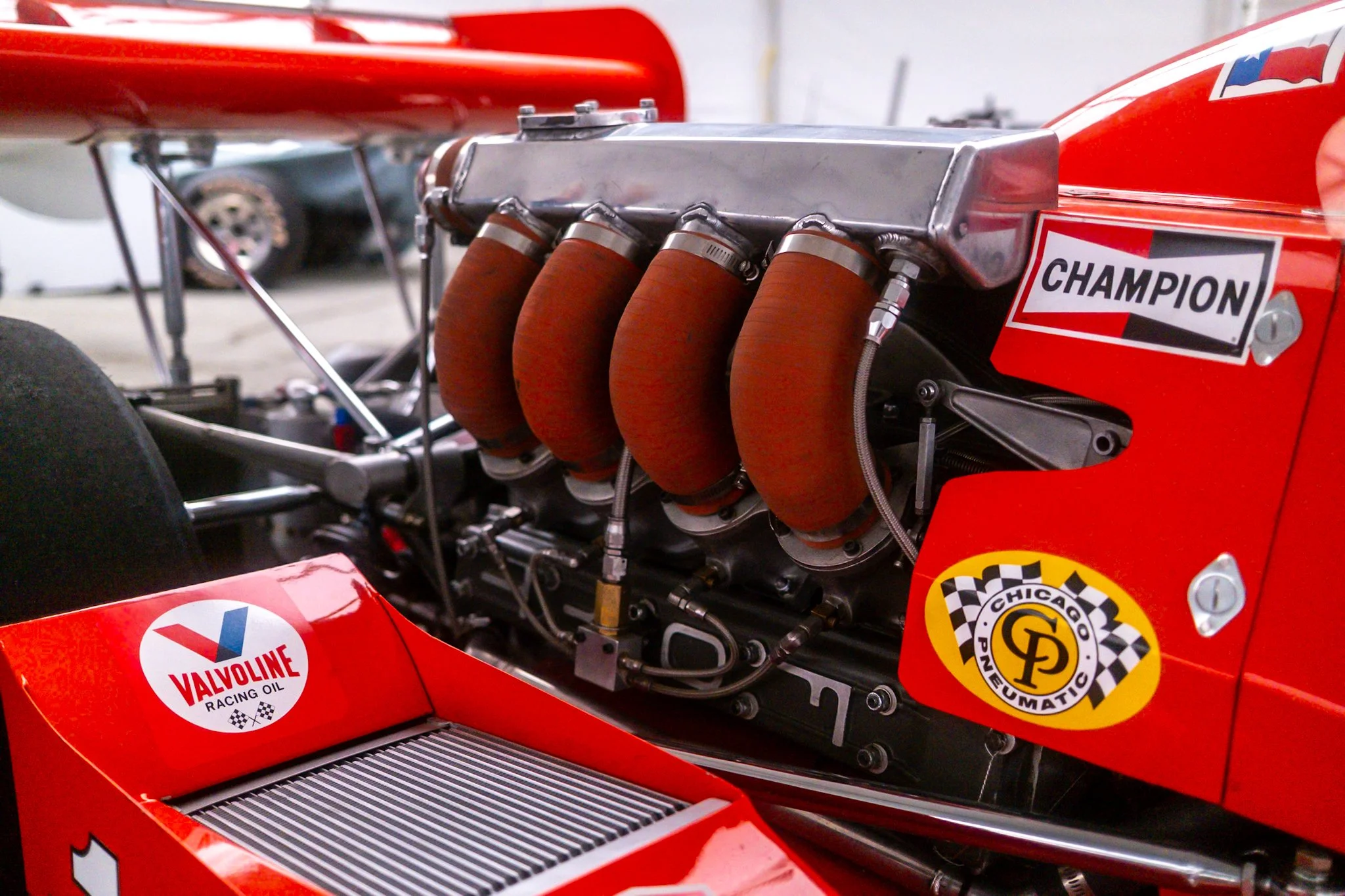
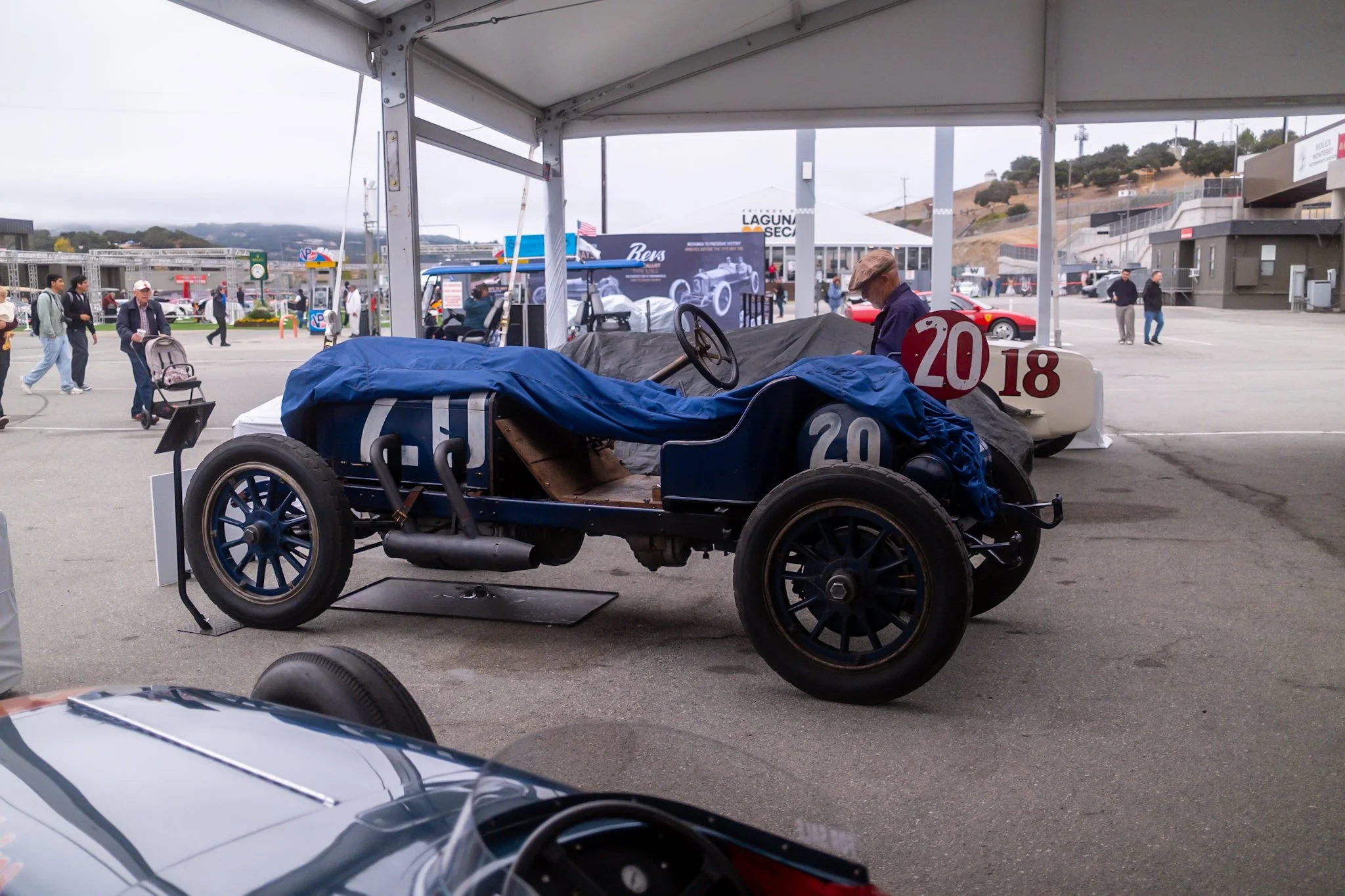
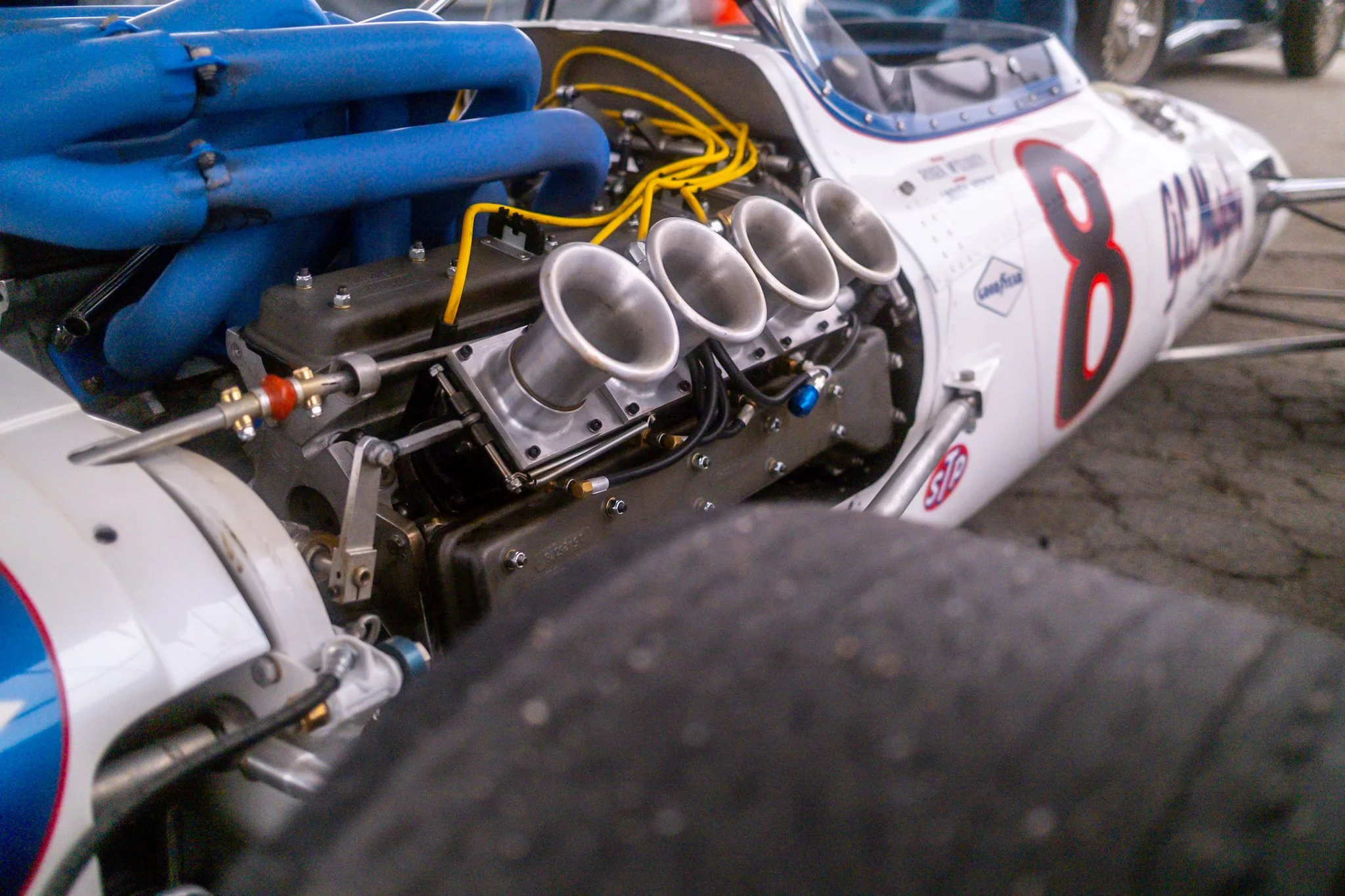
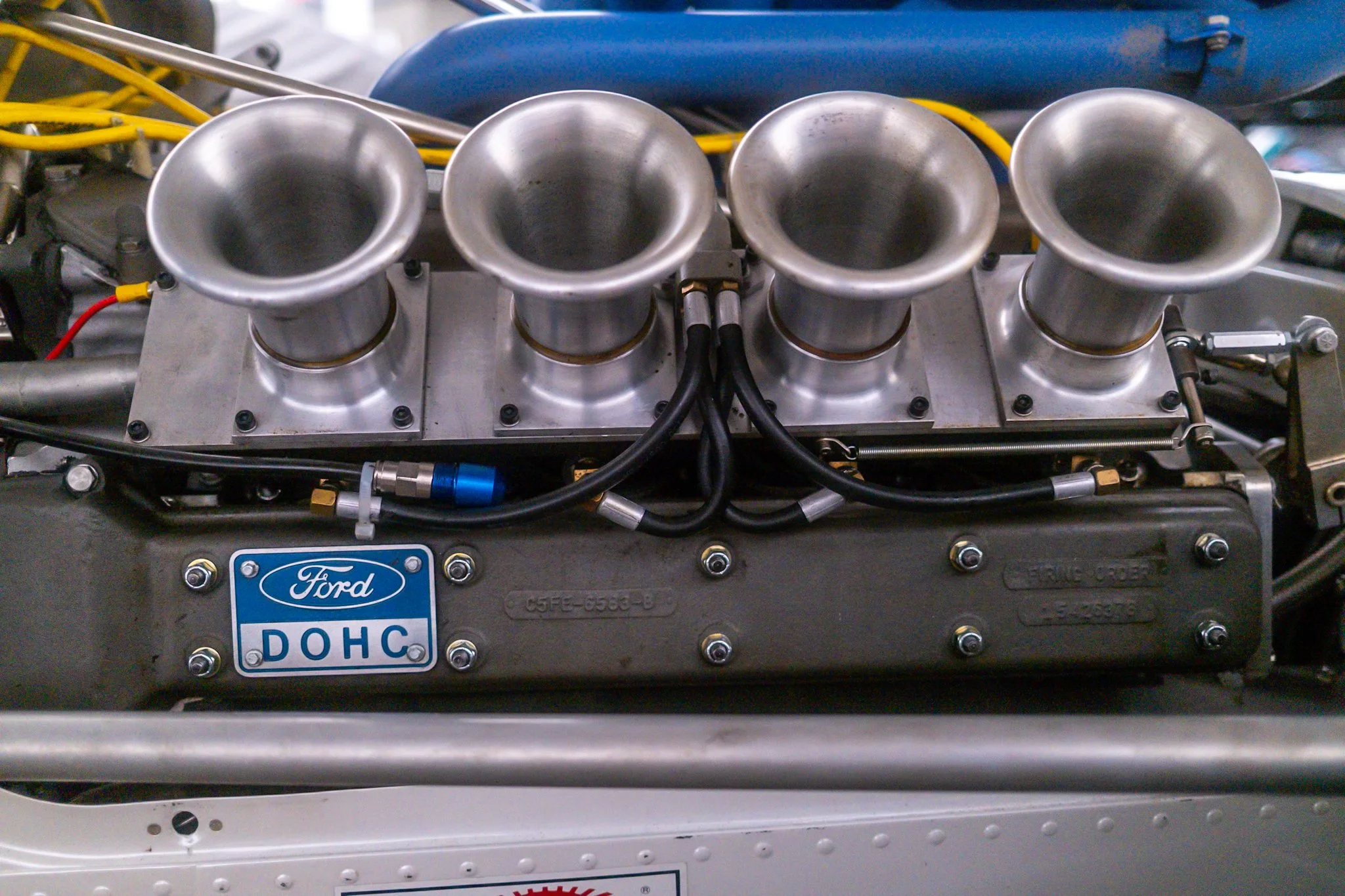
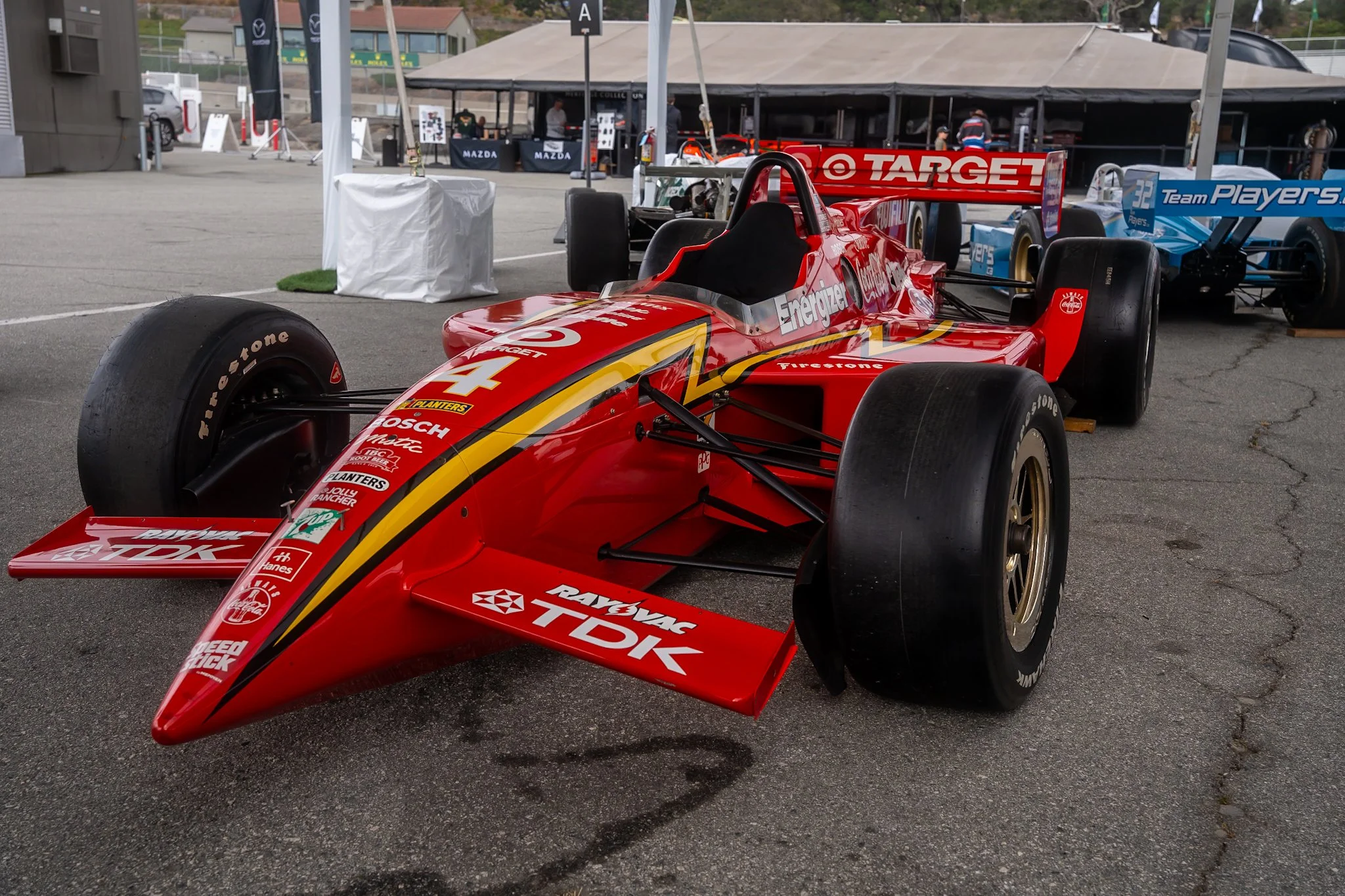
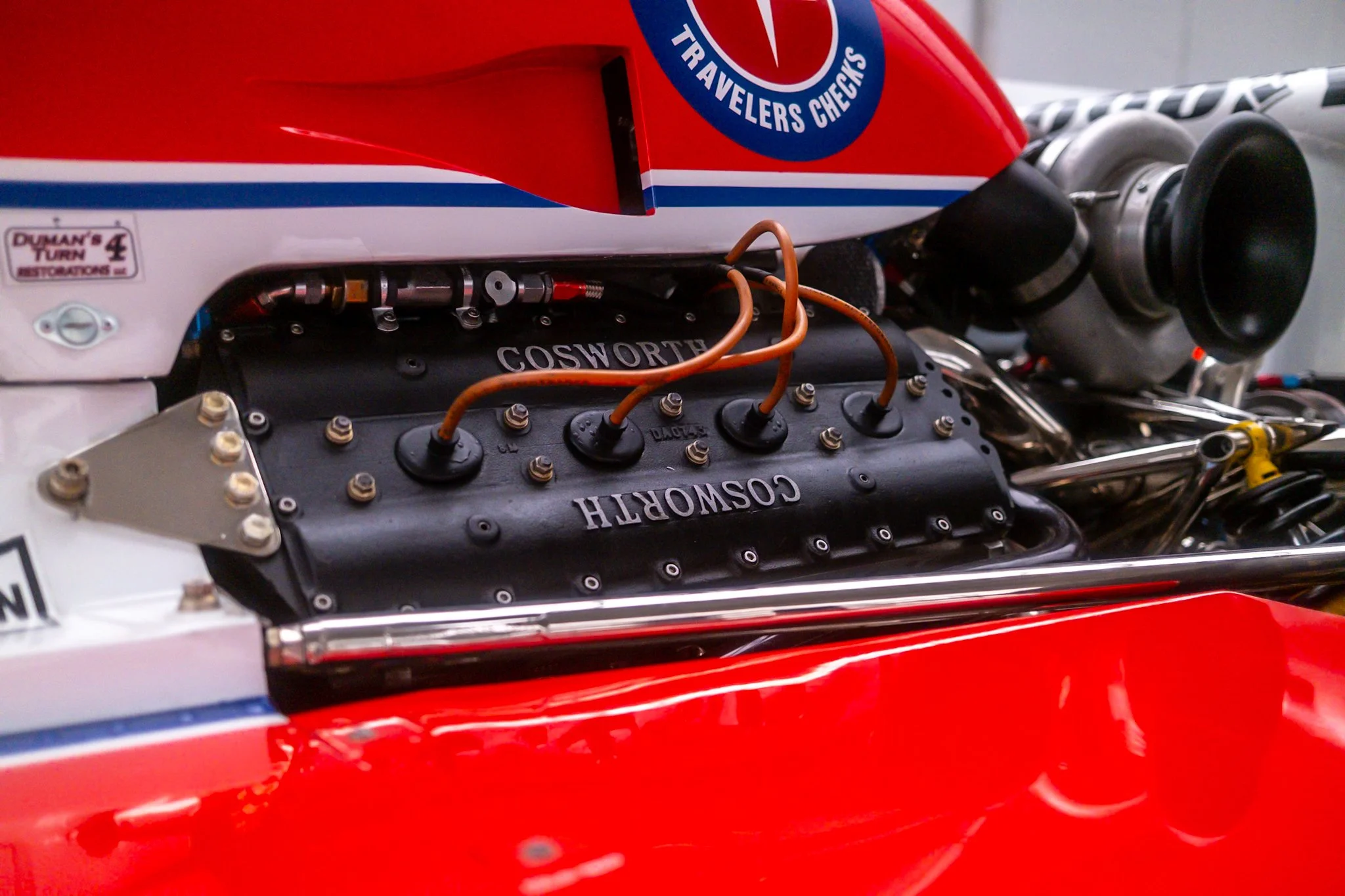
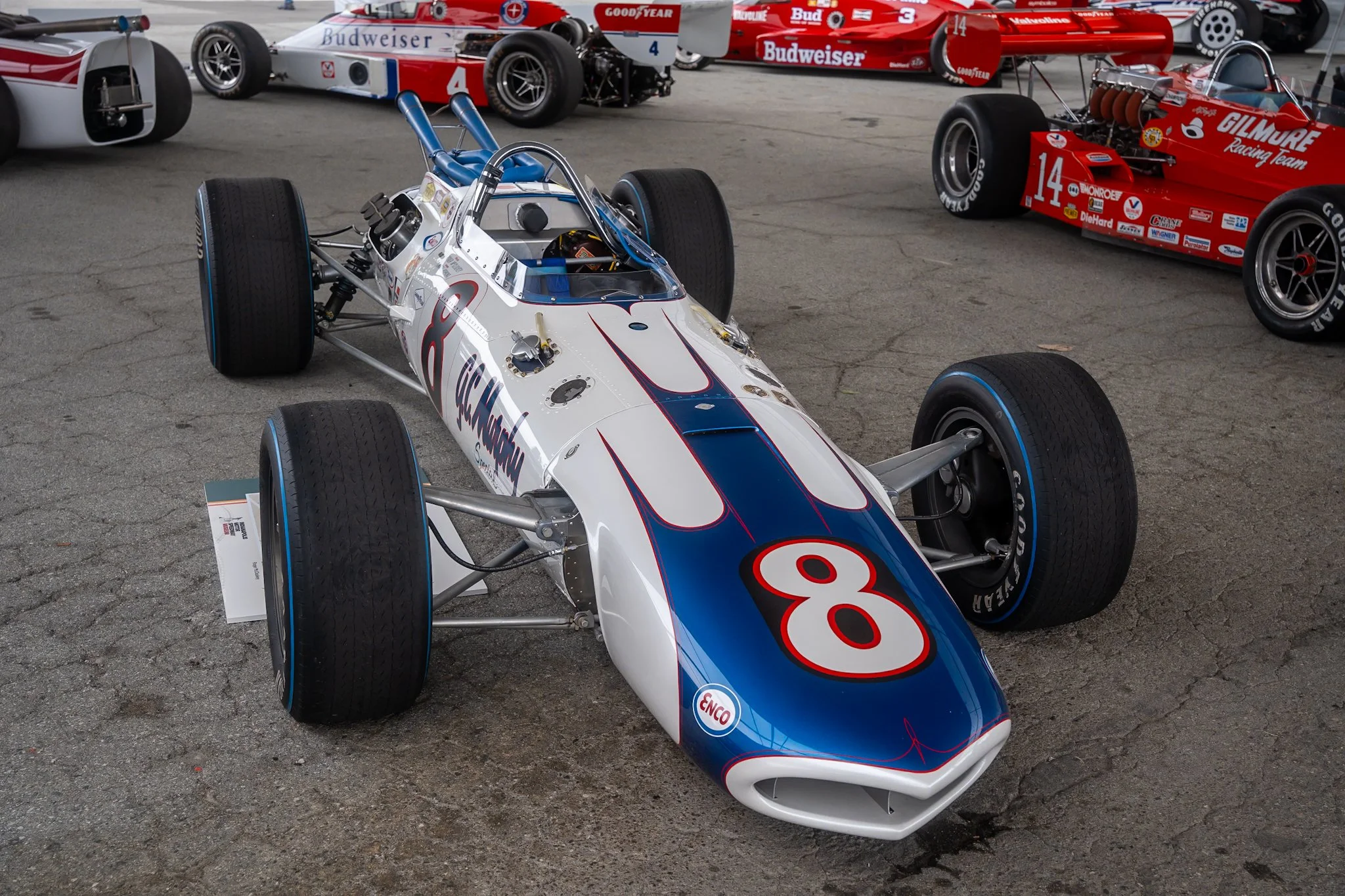
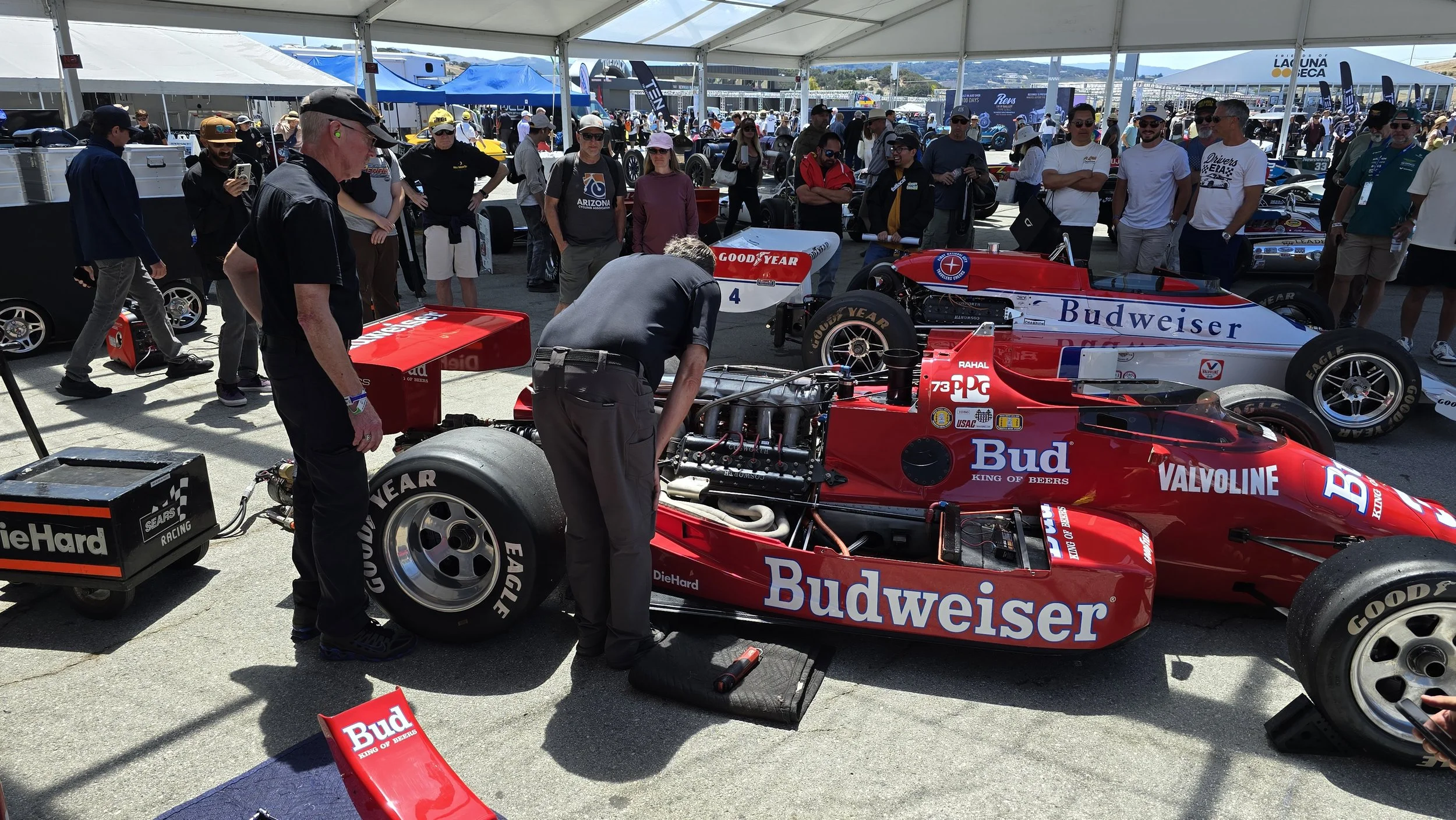
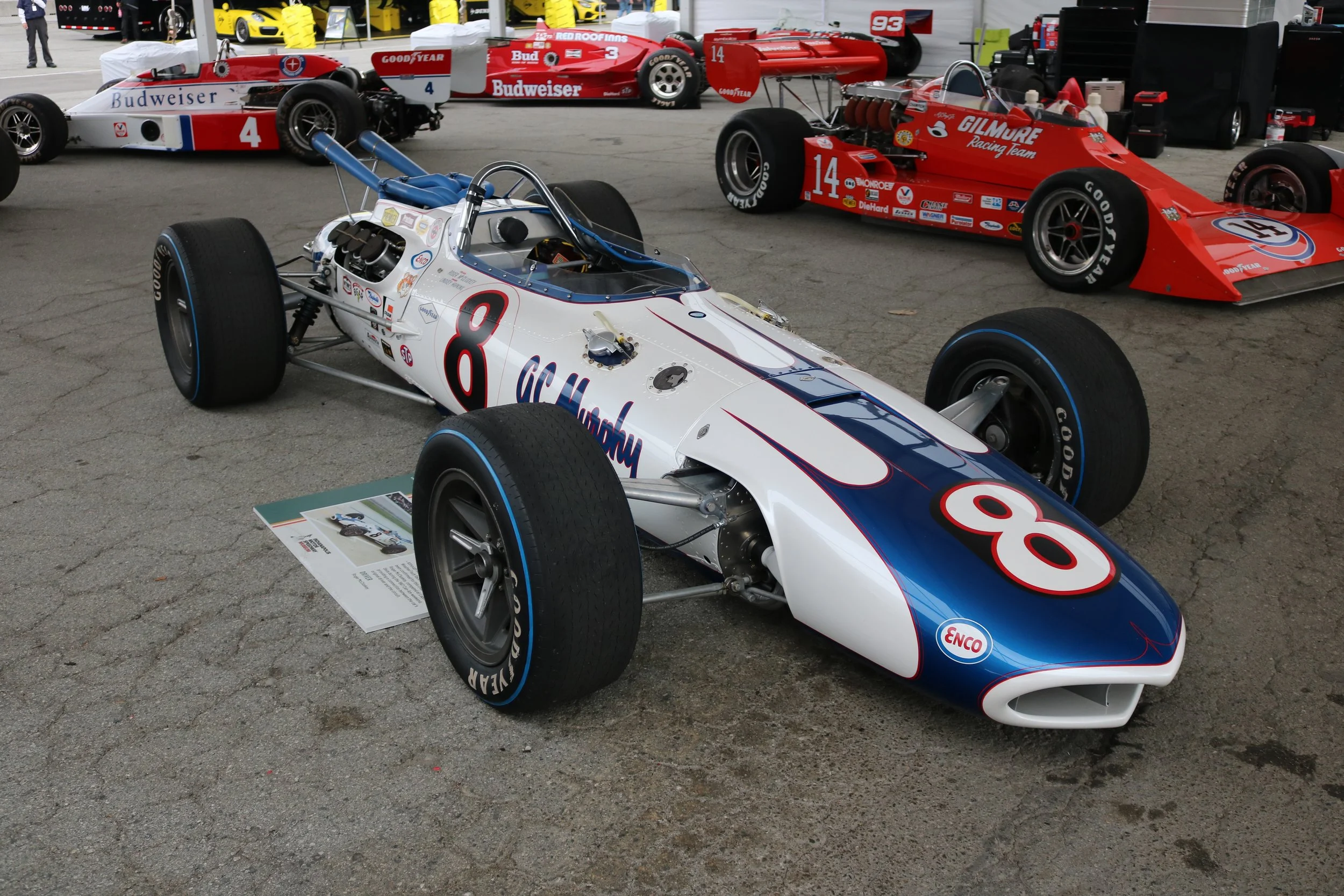
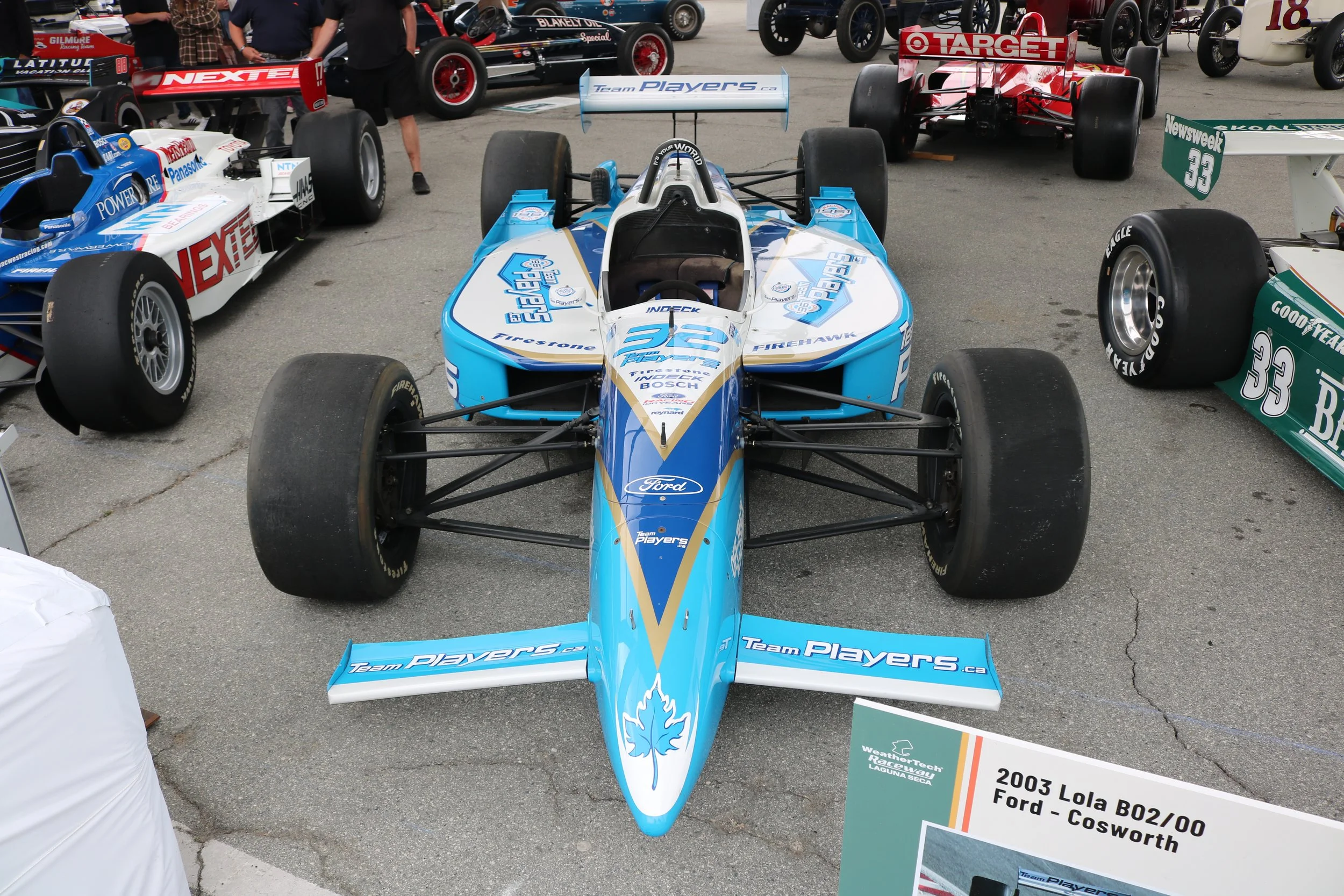
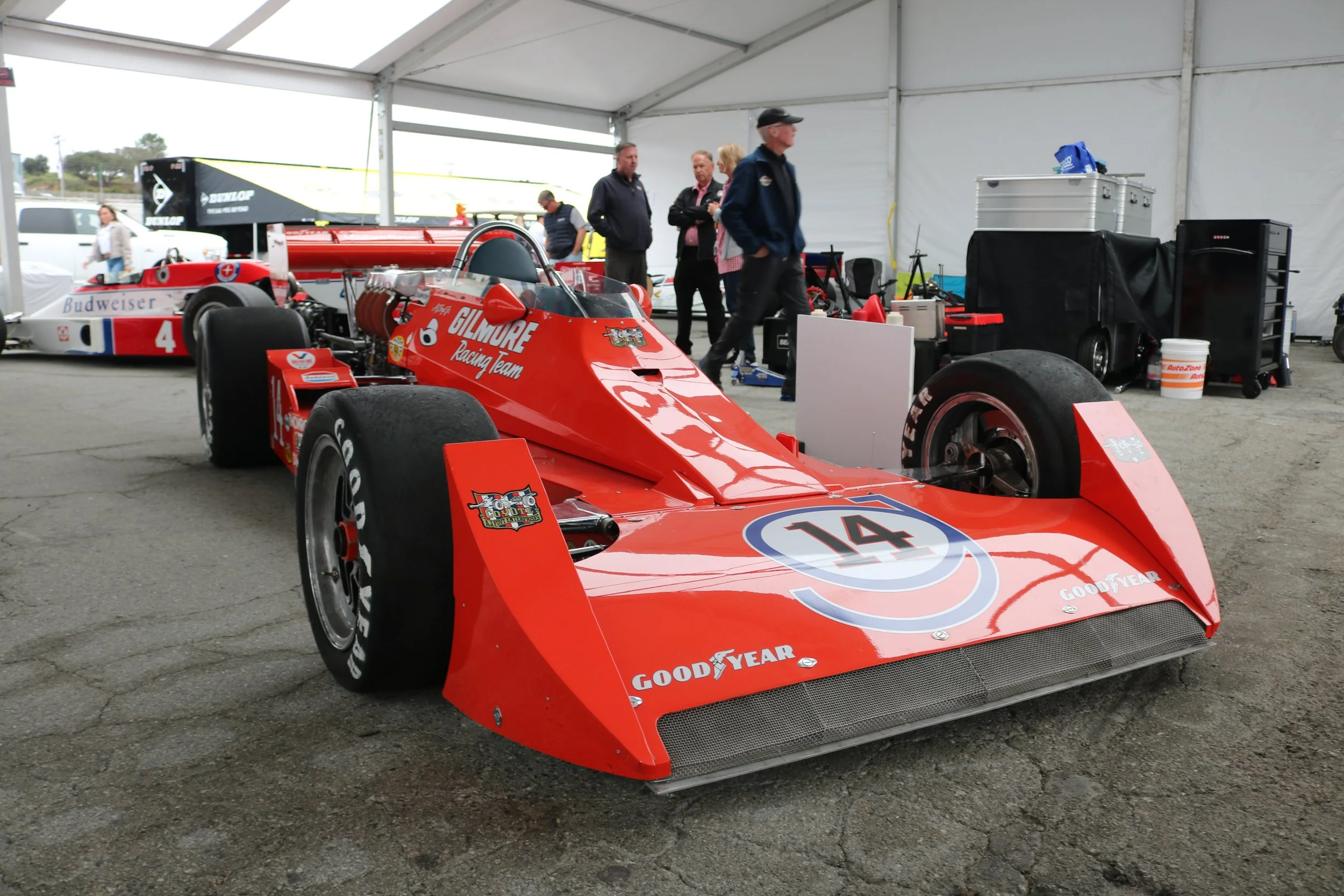
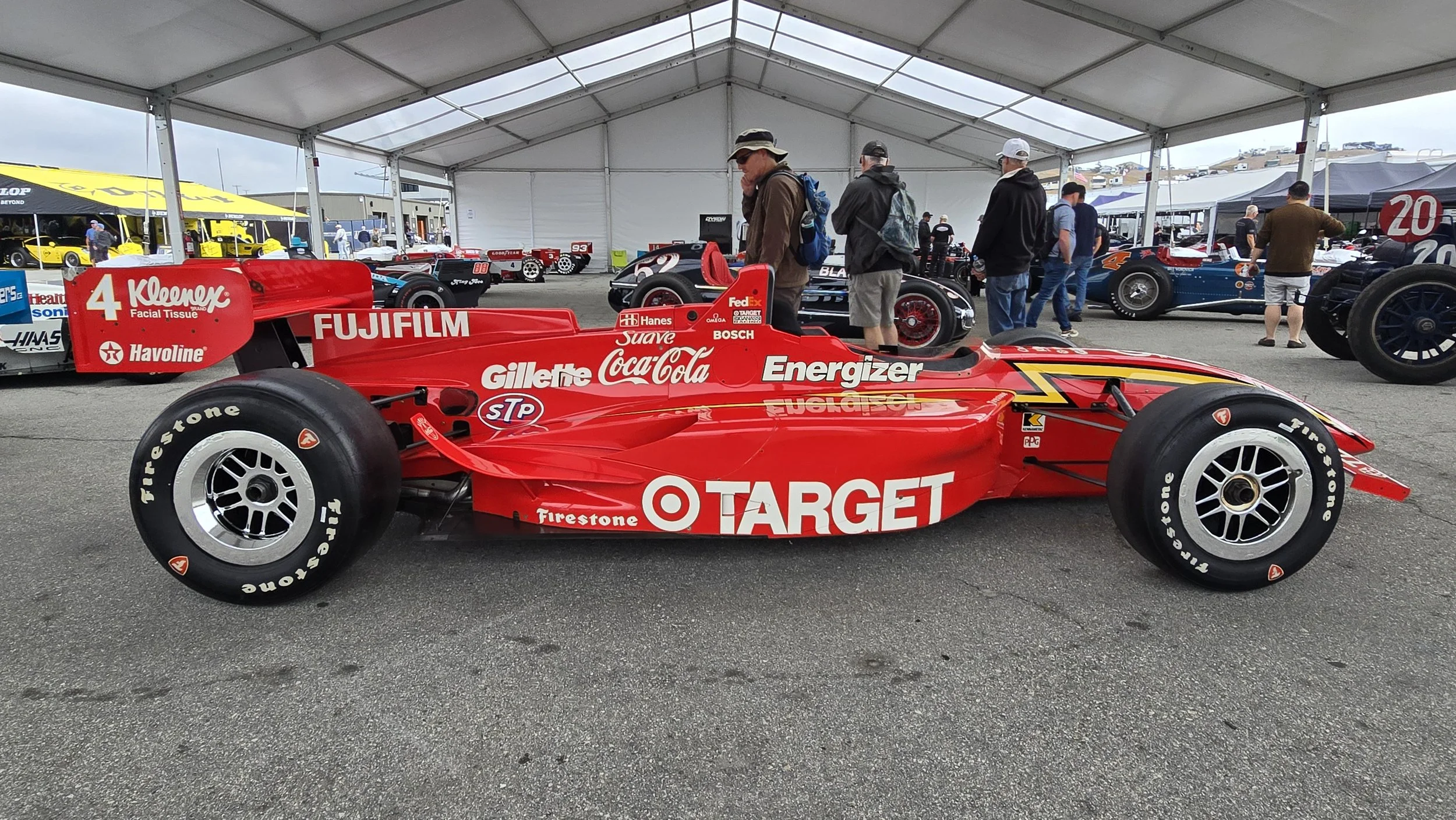
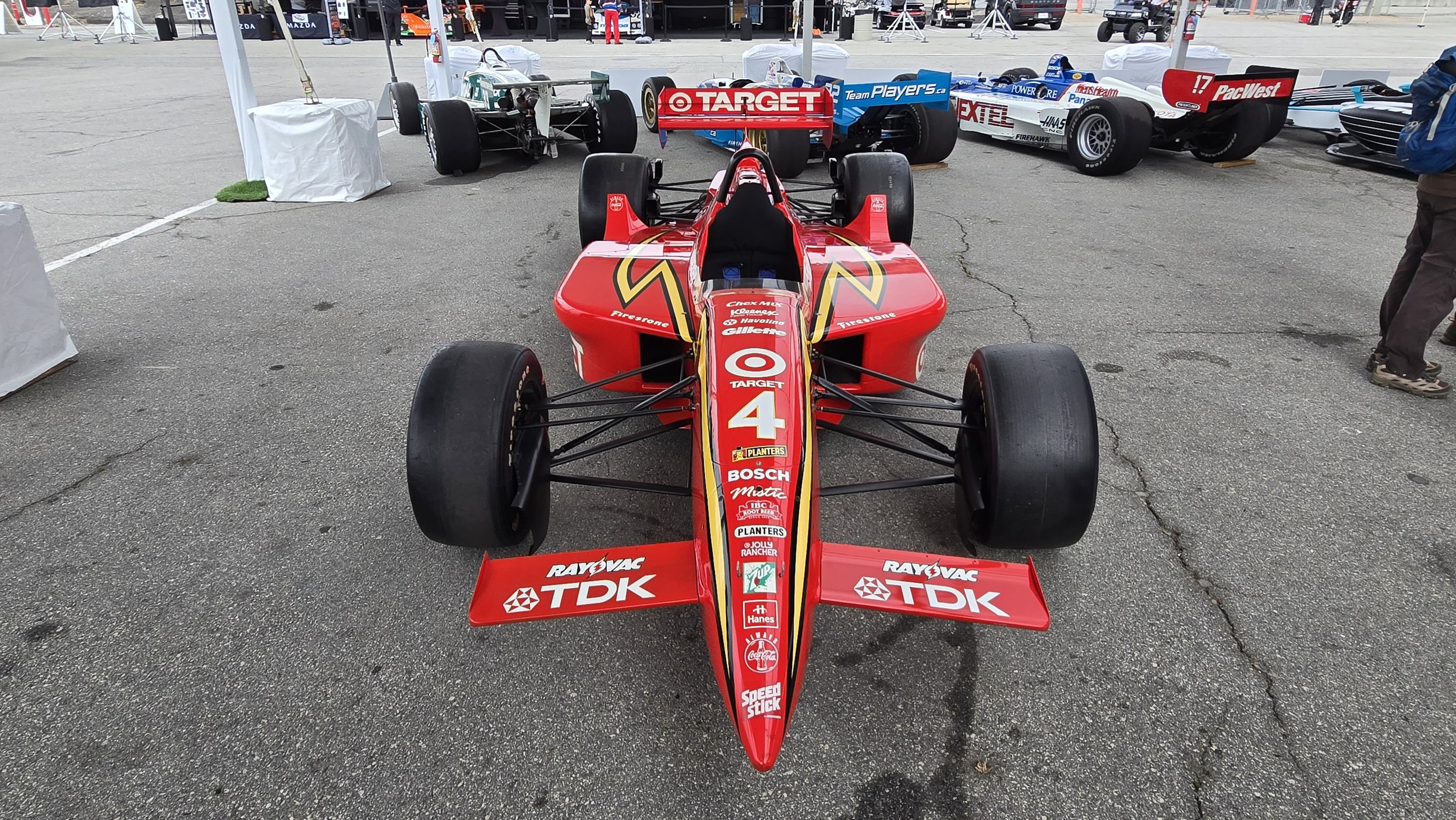
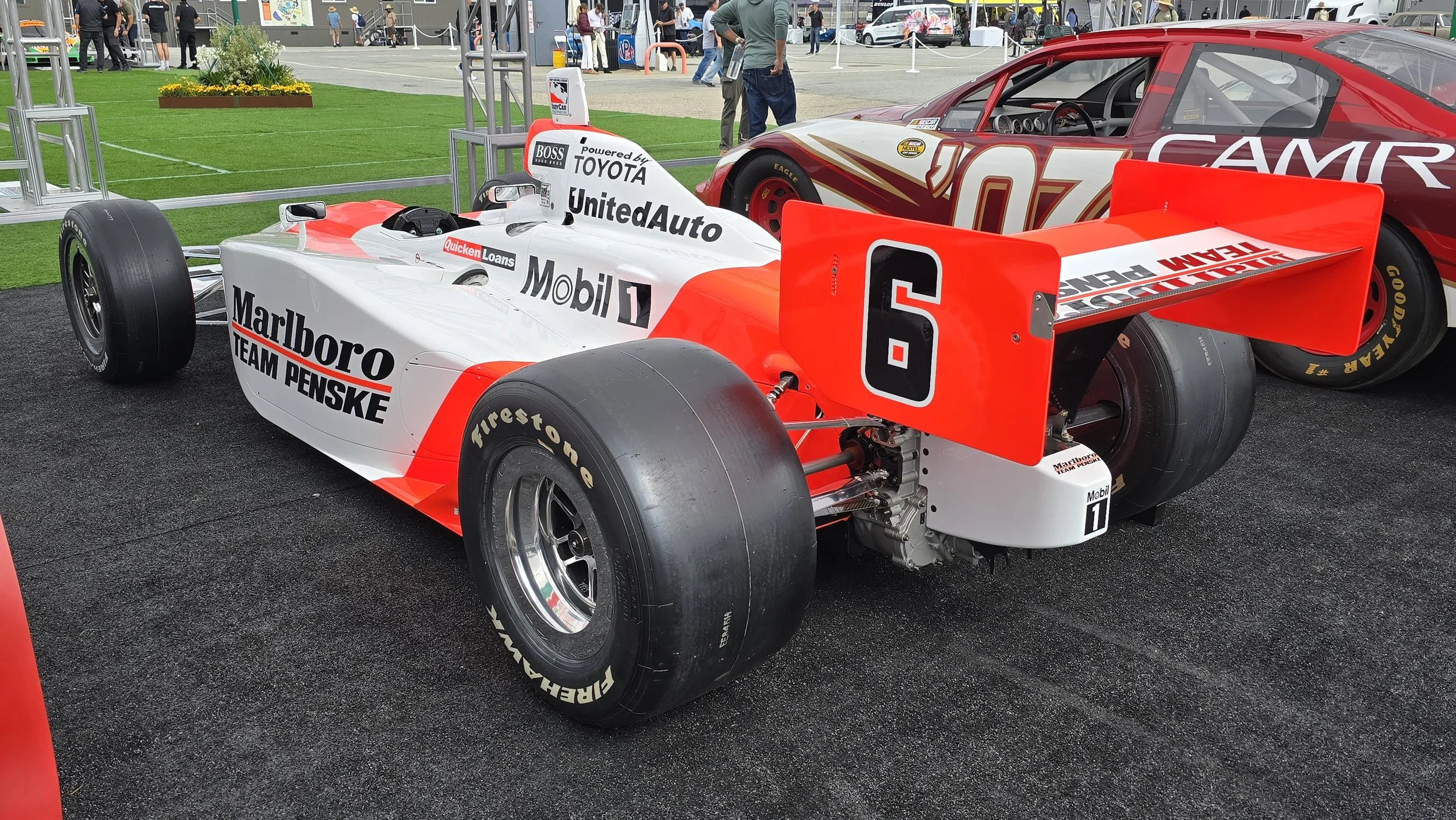
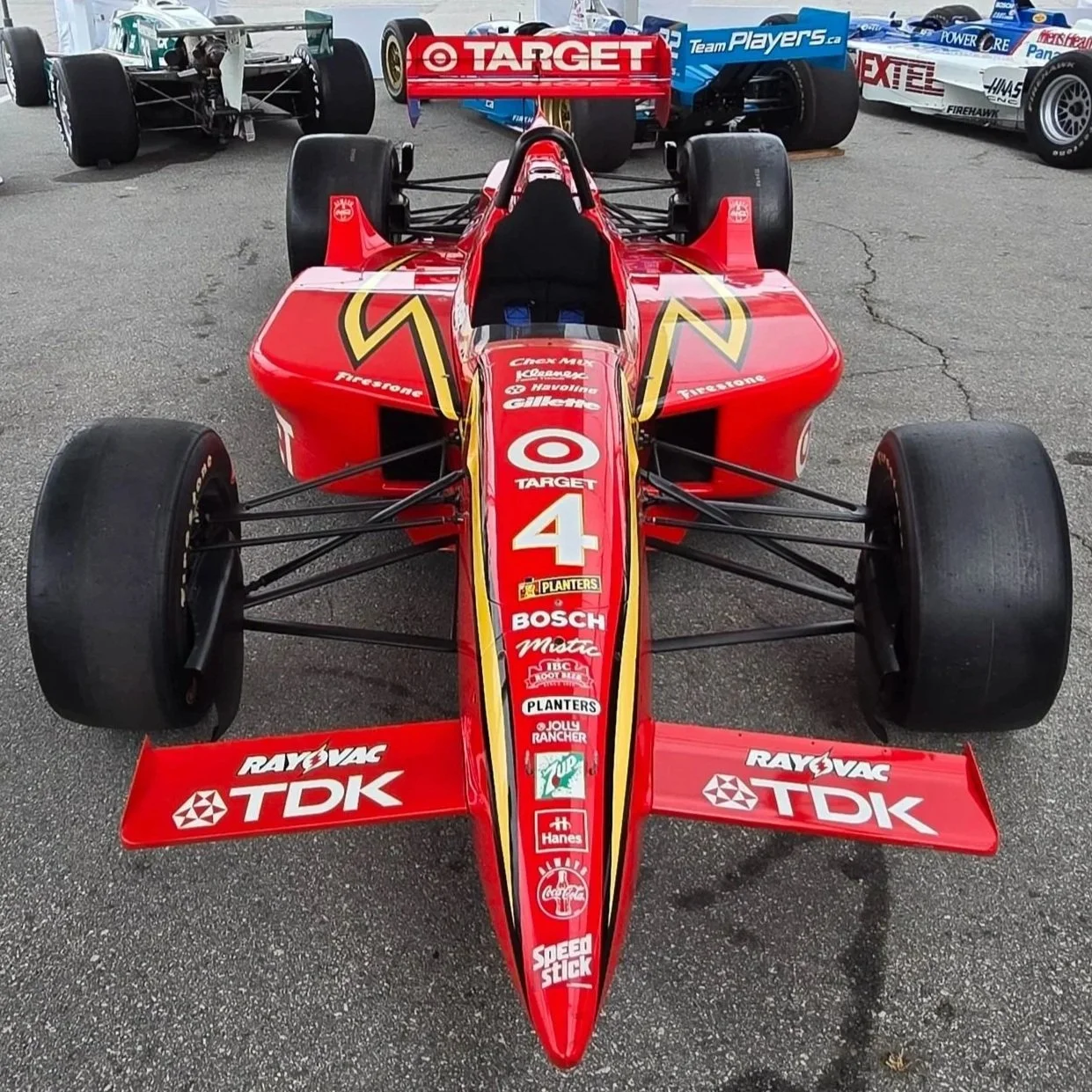
Among the amazing collection of machines was Bobby Rahal’s 1985 March, a car emblematic of CART’s turbocharged heyday, paired with Alex Zanardi’s 1996 Reynard, forever linked to his legendary Laguna Seca moment known worldwide as “The Pass.” Seeing Zanardi’s iconic mount displayed at the very circuit where he executed that iconic overtake added a layer of emotional and historical resonance, especially for those of us who were there for the pass in 96.
Make it stand out
#4 Target/Chip Ganassi Racing Reynard 96I Honda, driven by Alex Zanardi during his rookie CART season
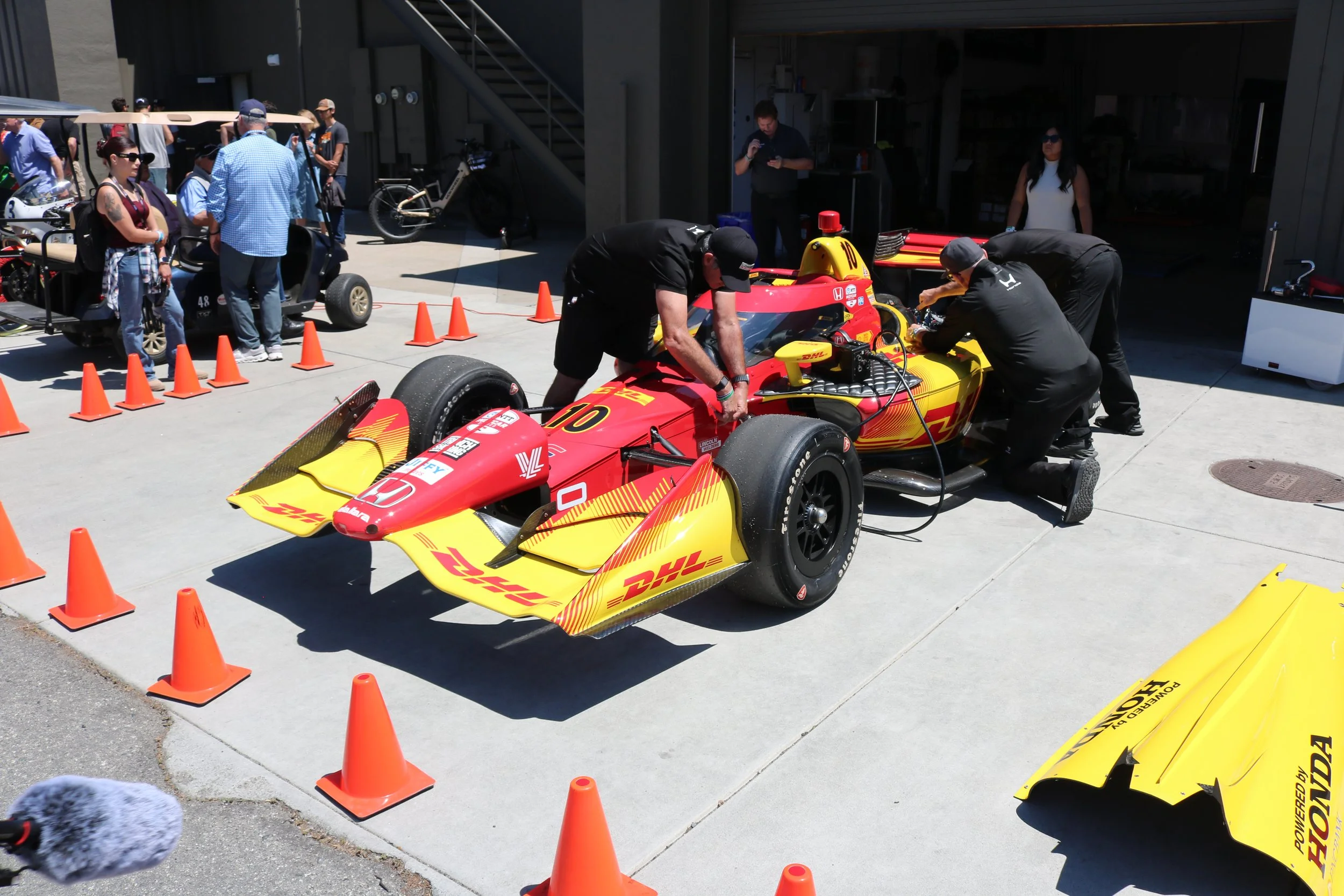
The display wasn’t static. A roster of accomplished drivers took select cars out for demonstration laps, giving us the visceral experience of hearing and feeling these machines in motion. Their participation underscored the Reunion’s ethos: historic cars should be driven, not just admired.
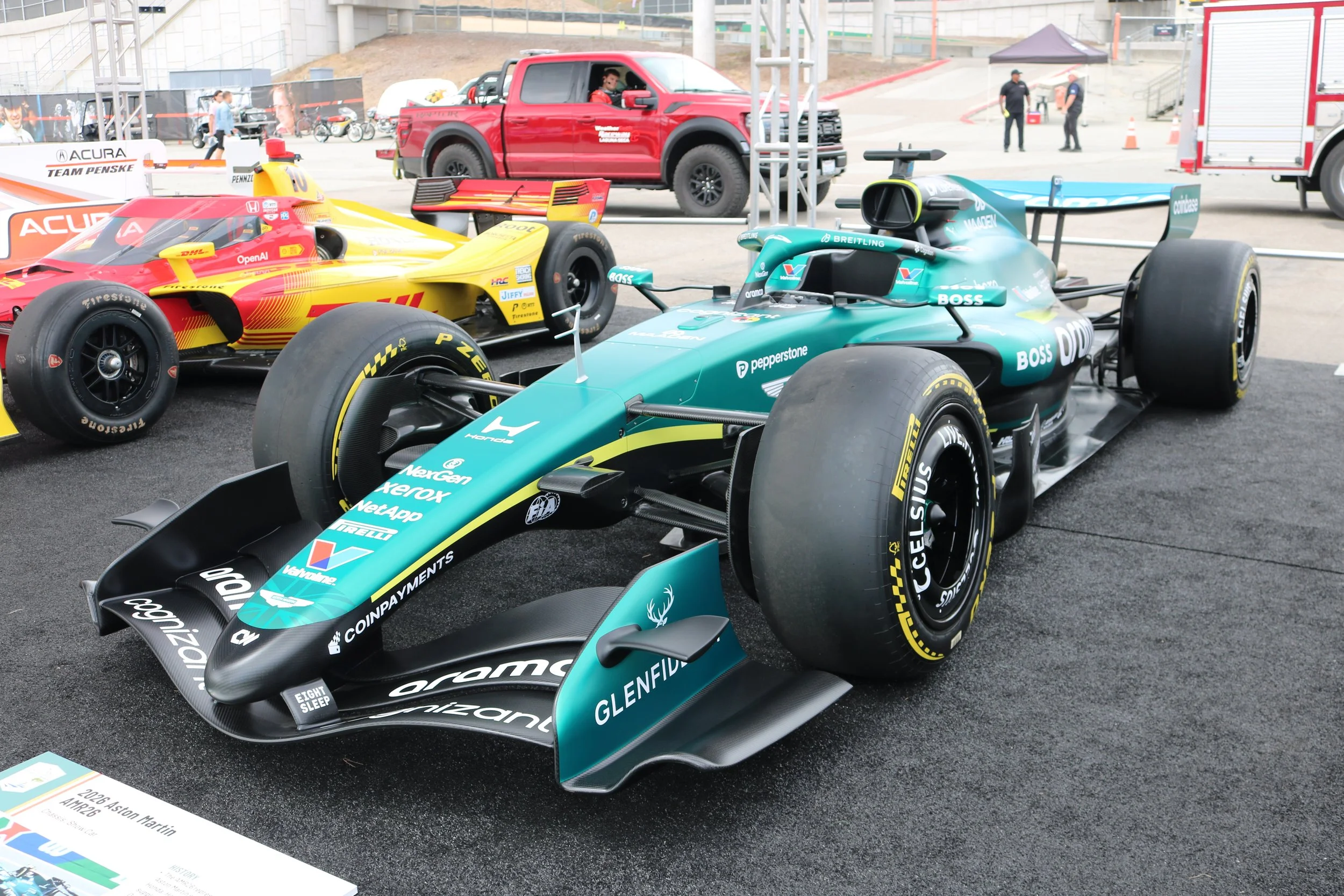
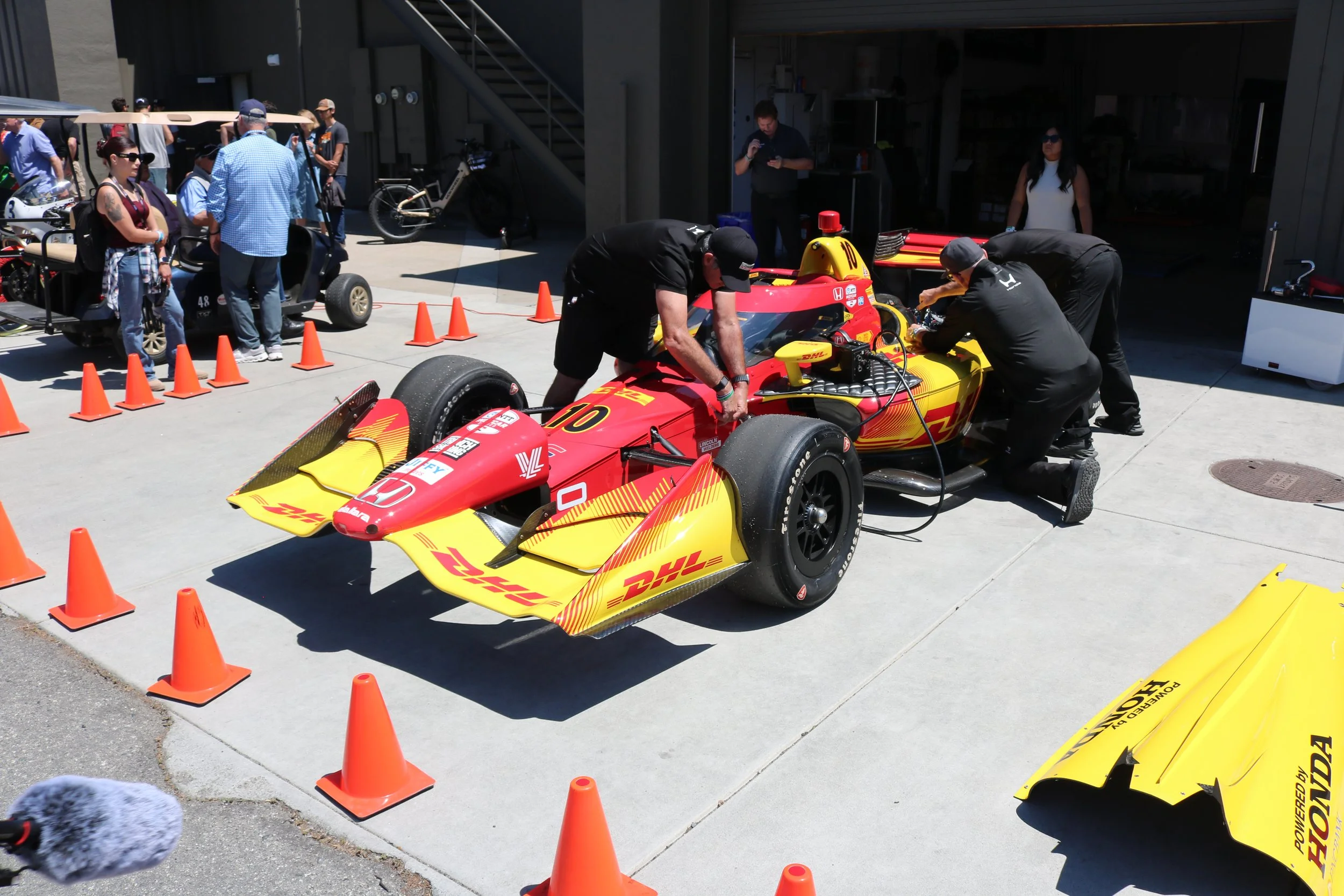
IndyCar’s inclusion also complemented the broader theme of innovation showcased throughout the paddock. In the official group photo, Alex Palou’s Honda‑powered Dallara IndyCar appeared prominently alongside legendary Japanese race cars such as the Mazda 767B and Toyota TS050 Hybrid—an intentional juxtaposition that celebrated cross‑disciplinary motorsport excellence. This placement for the event’s title photo reinforced IndyCar’s role in the Reunion’s narrative of technological progress and global racing heritage.
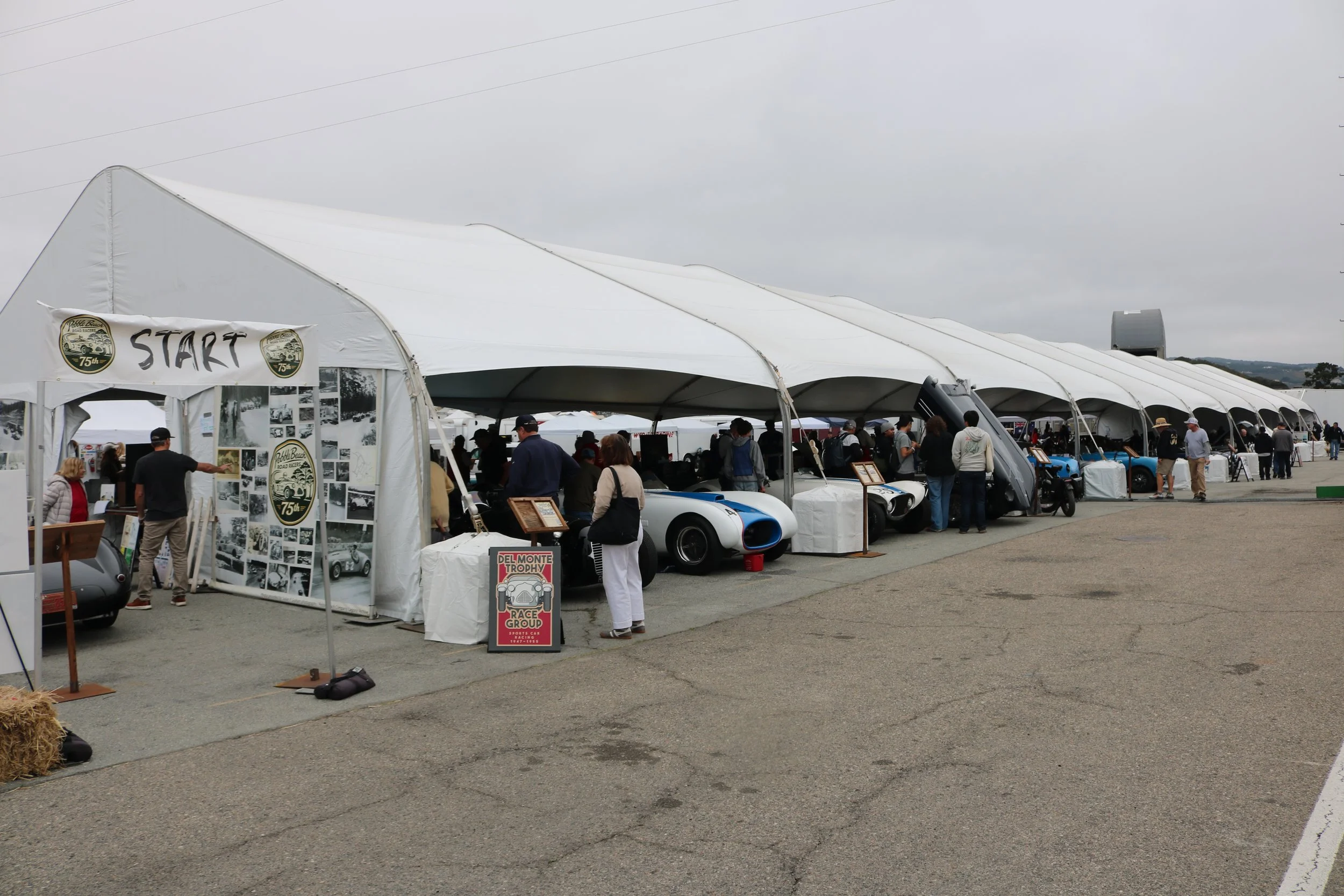
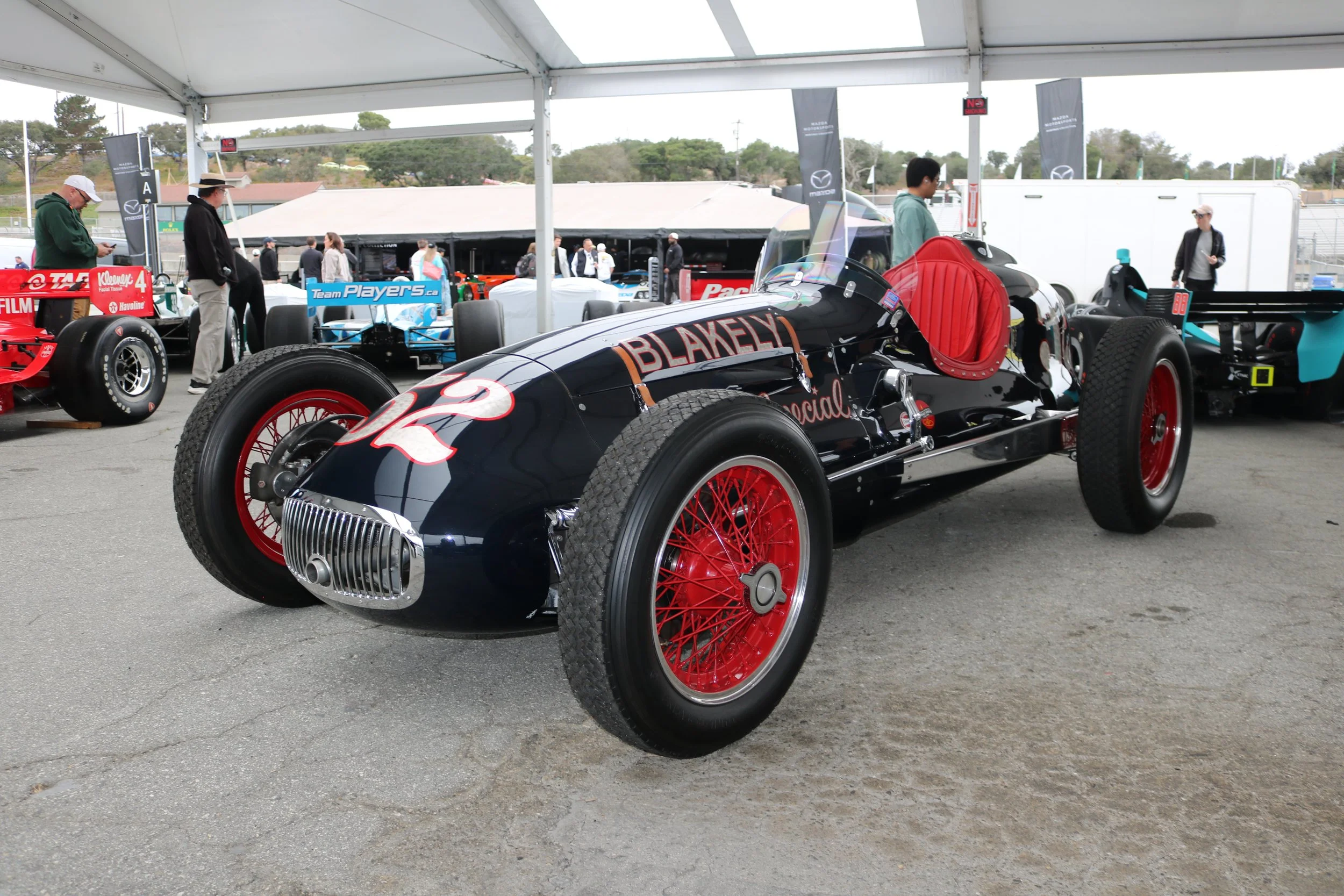
The Pebble Beach road racers: Del Monte Trophy Race Group
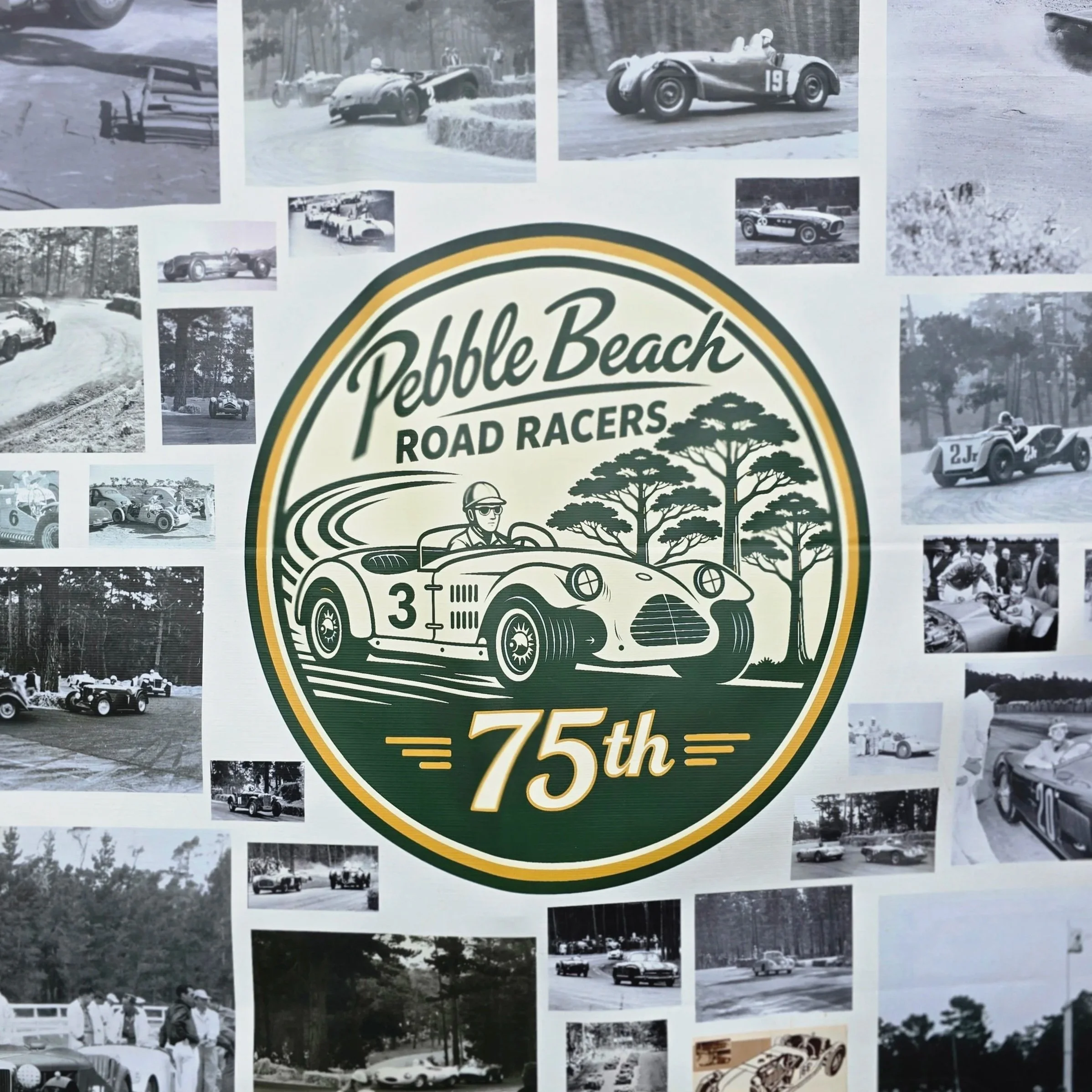
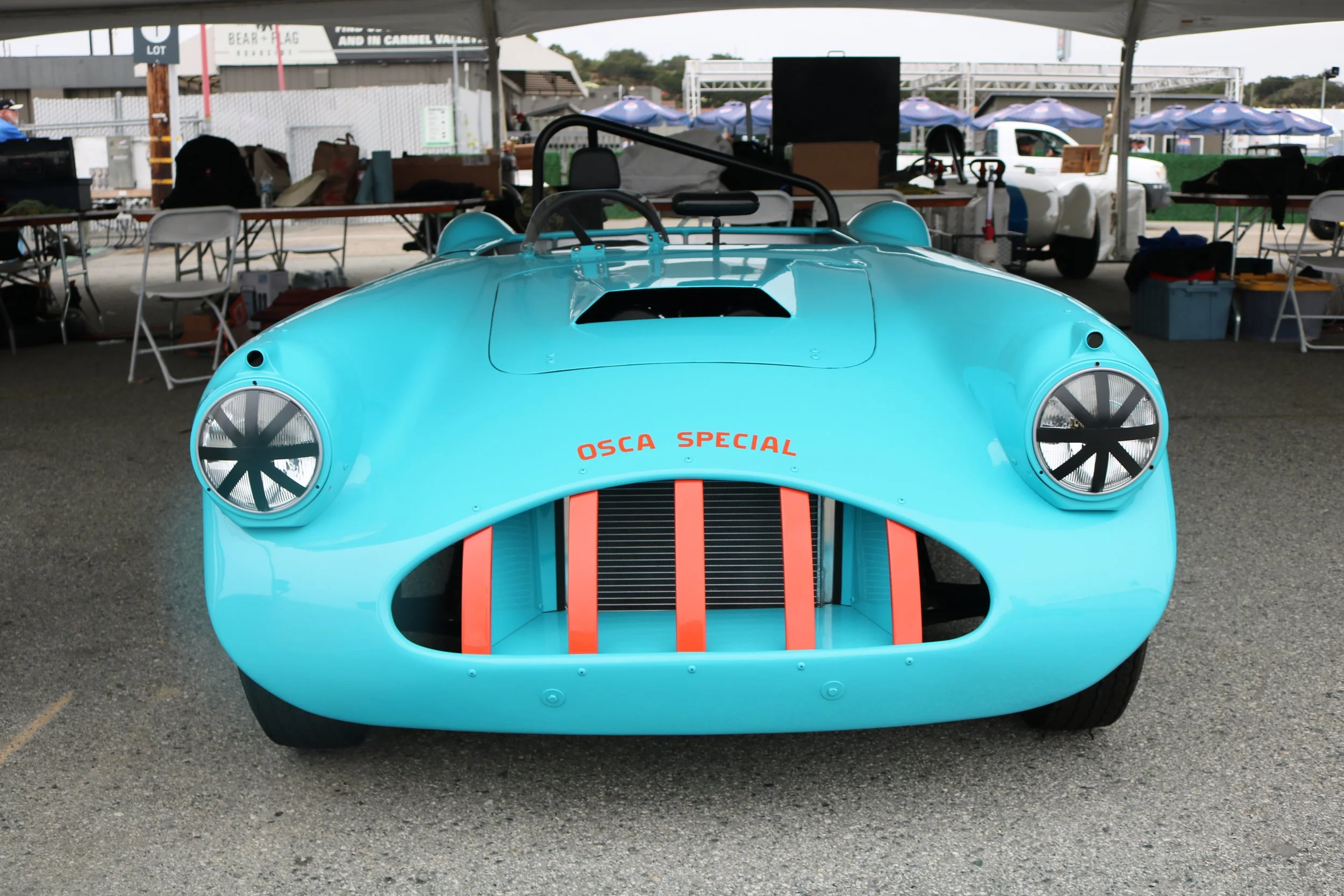
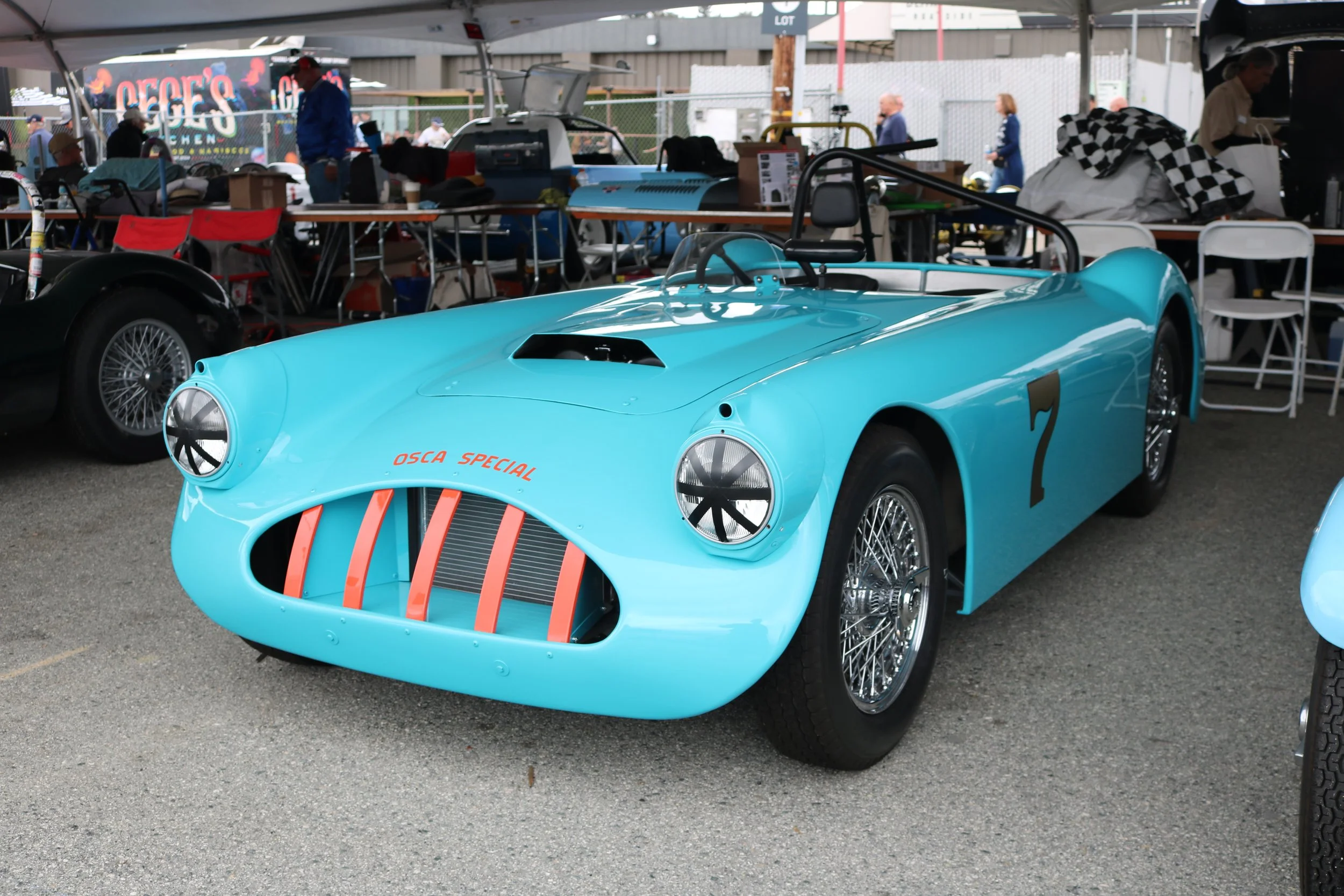
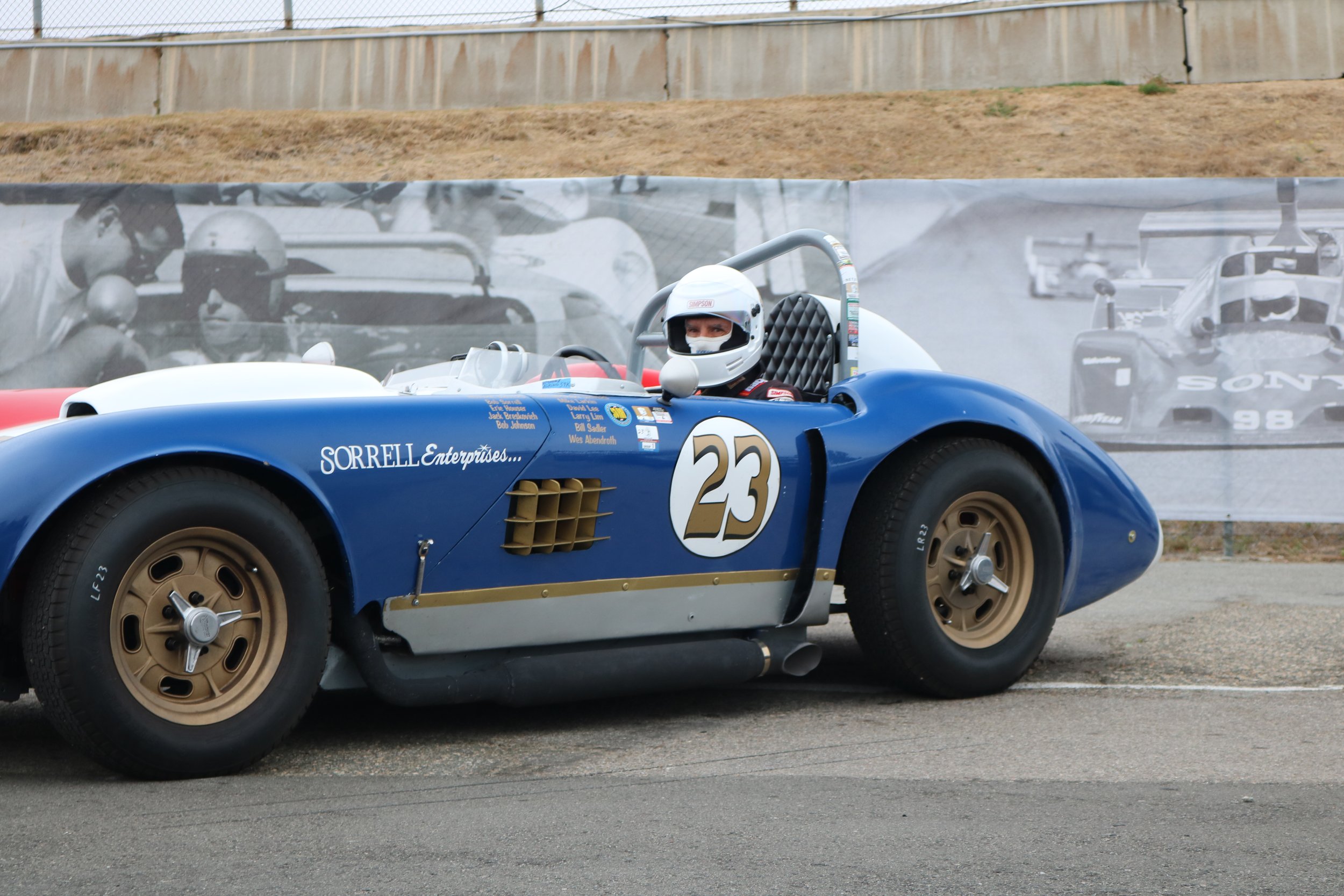
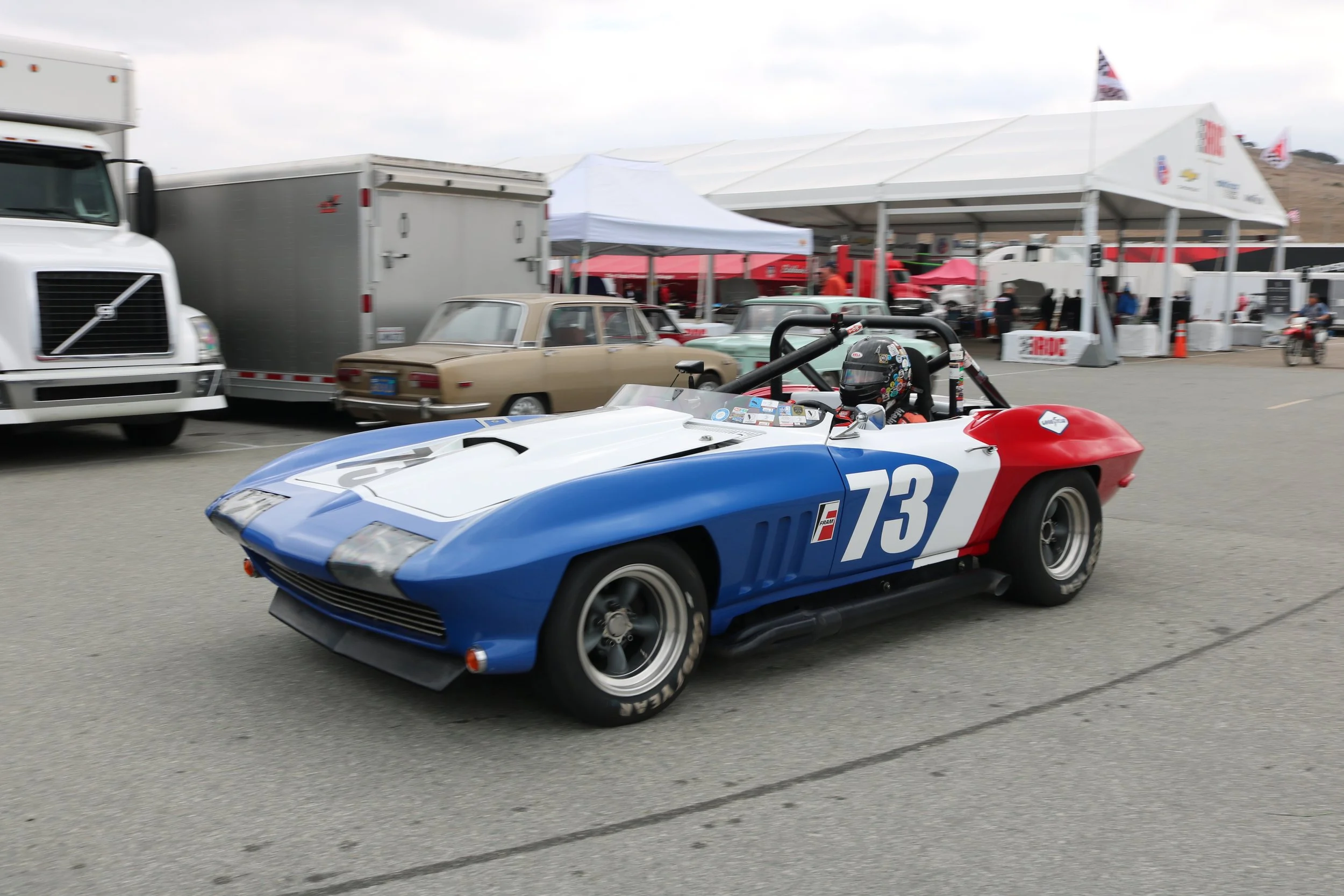
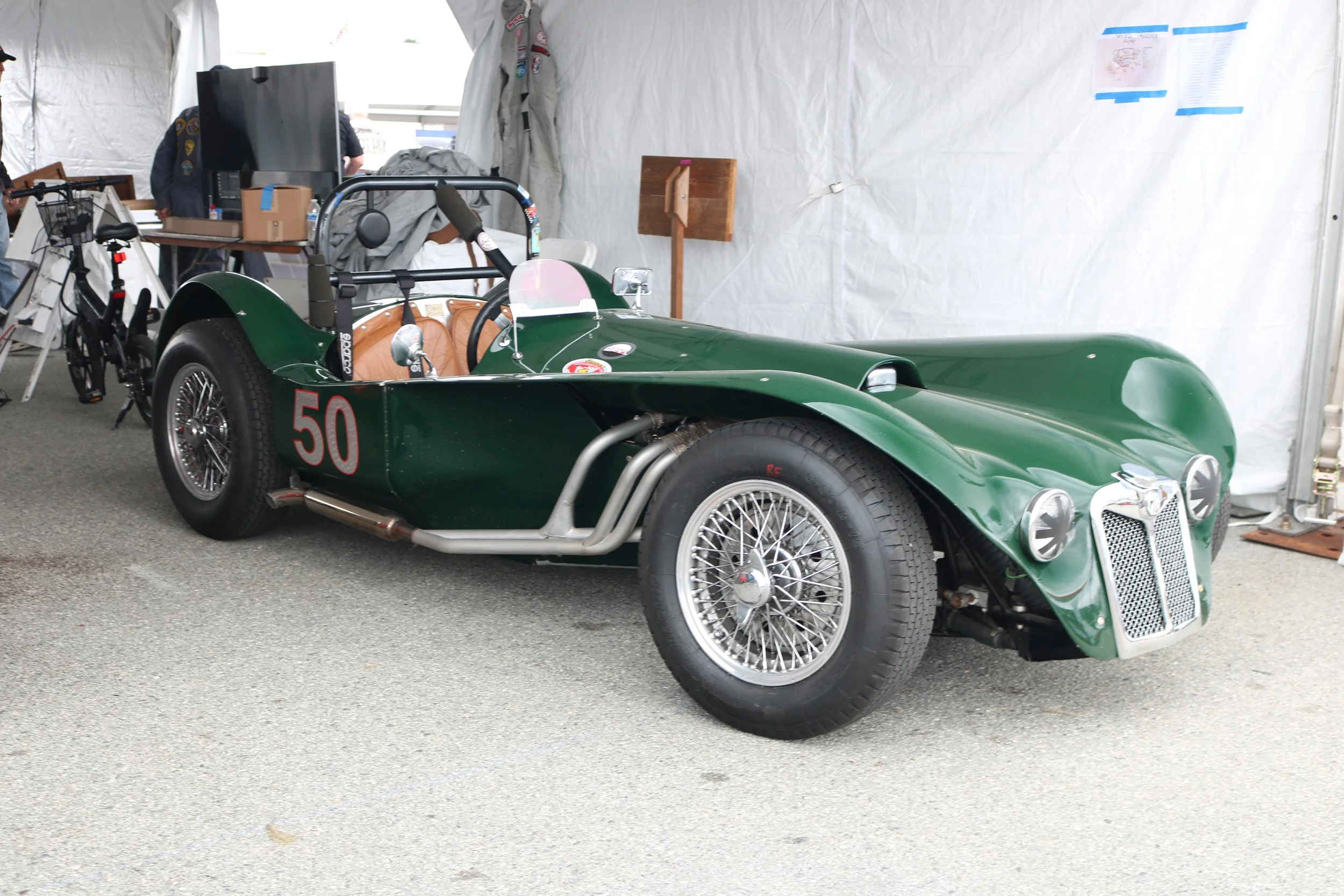
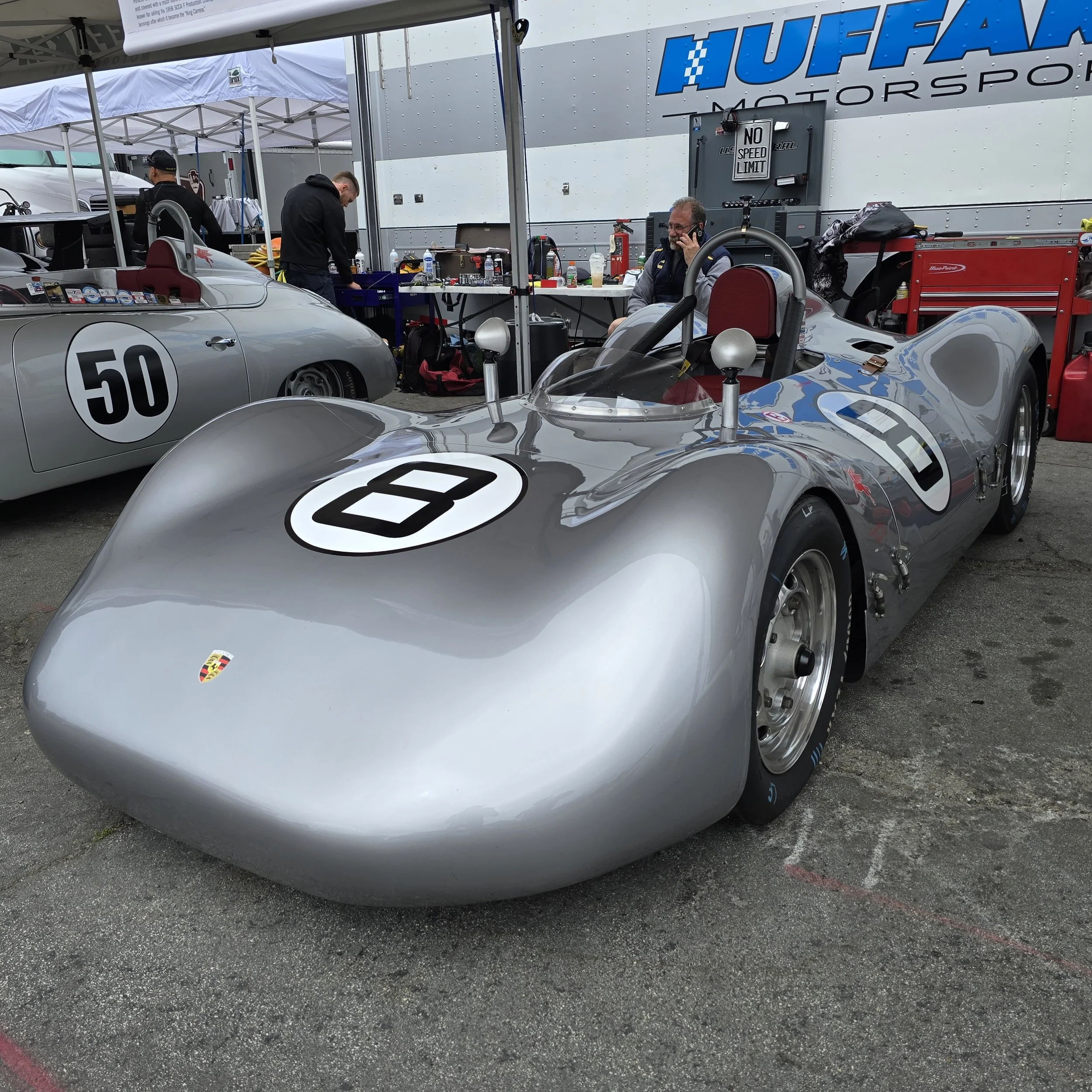
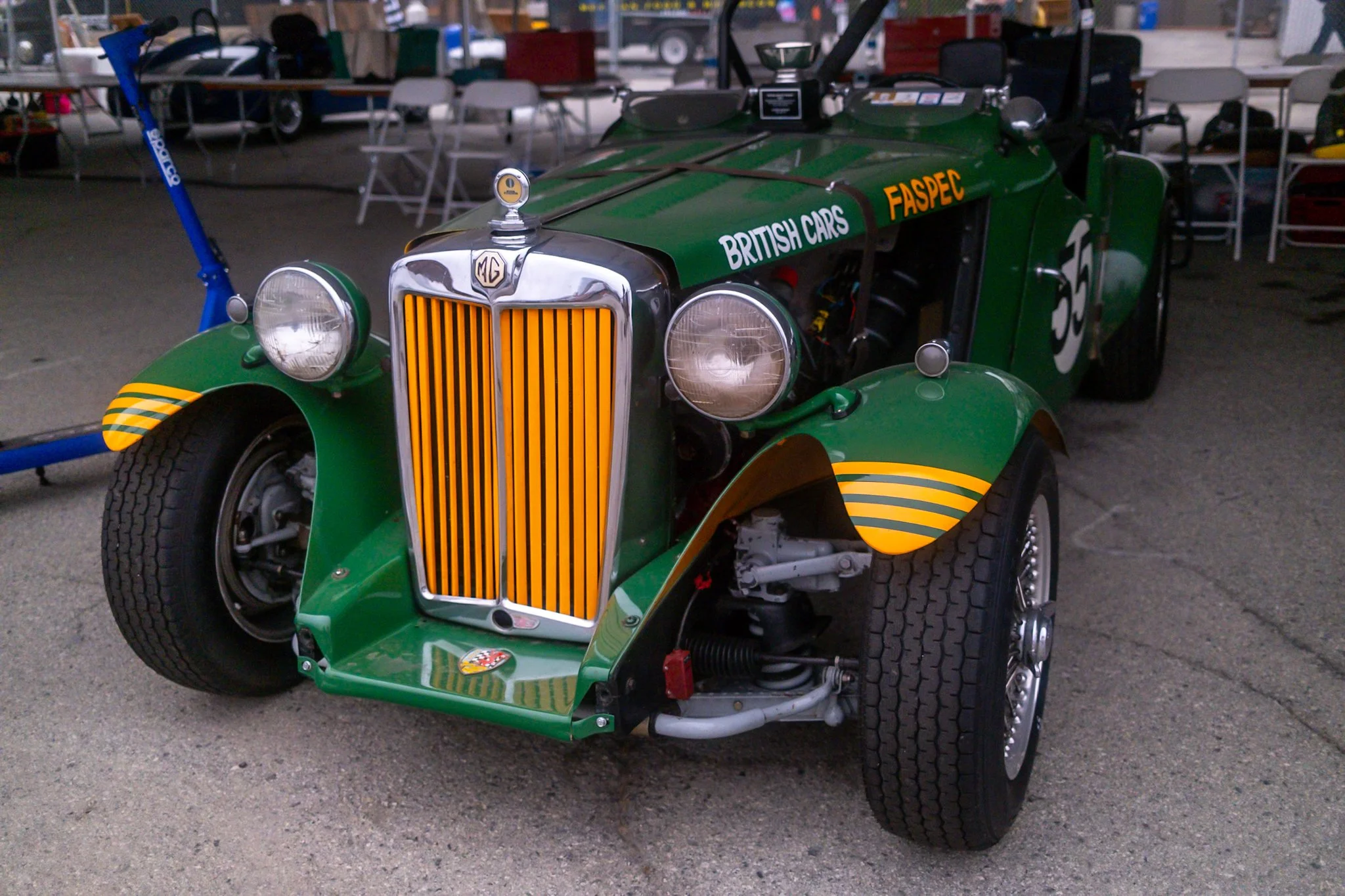
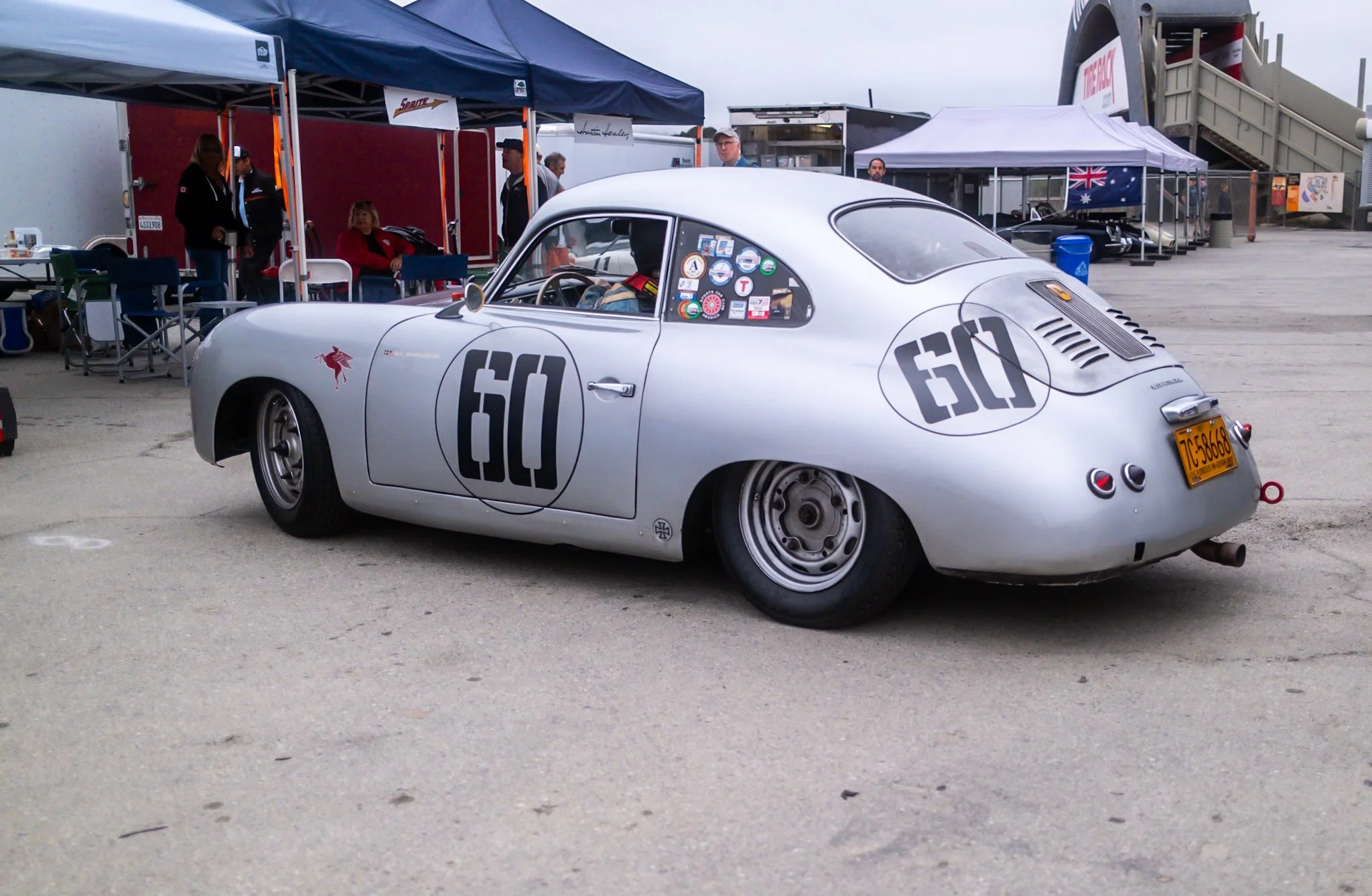
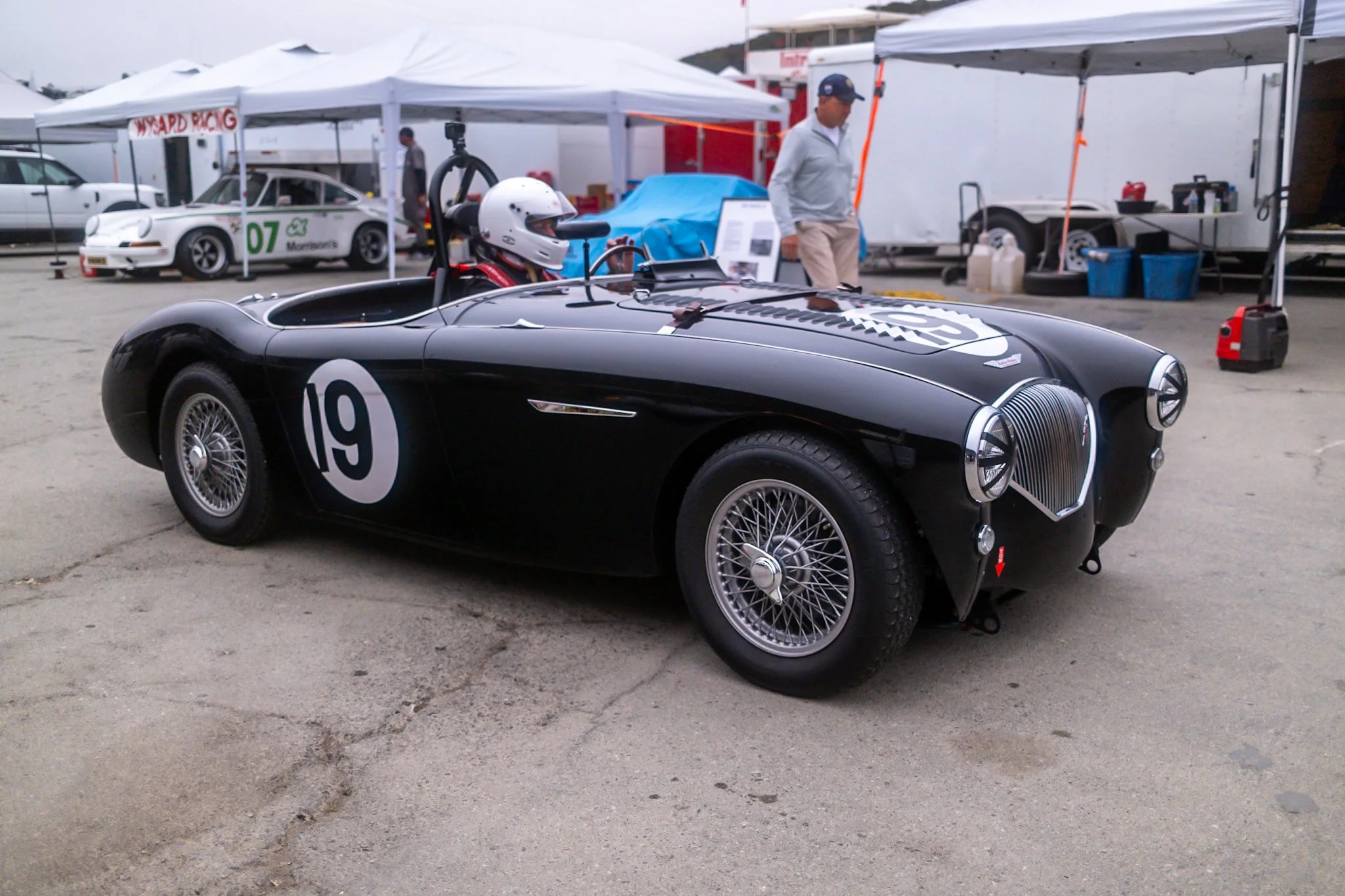
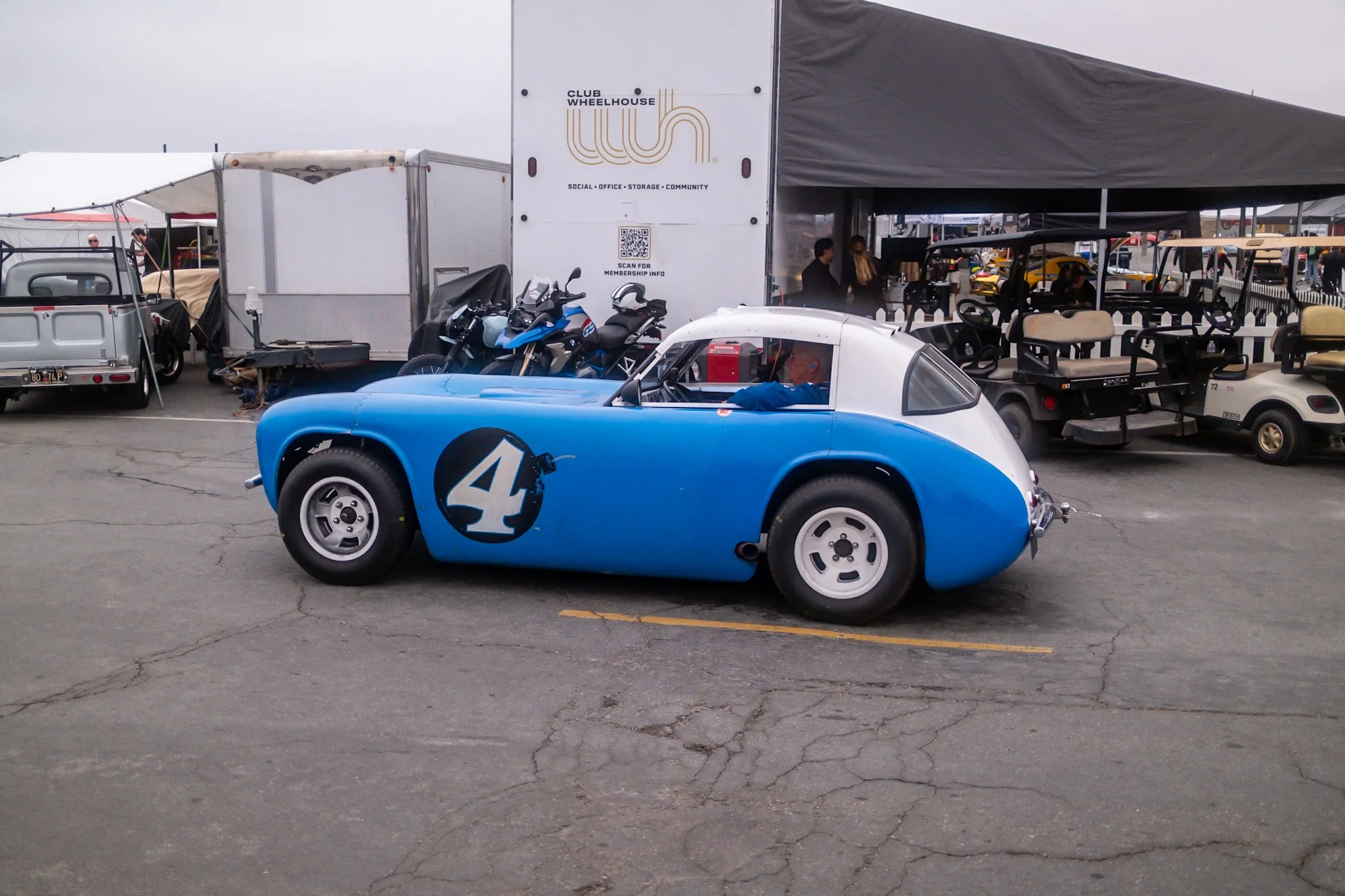
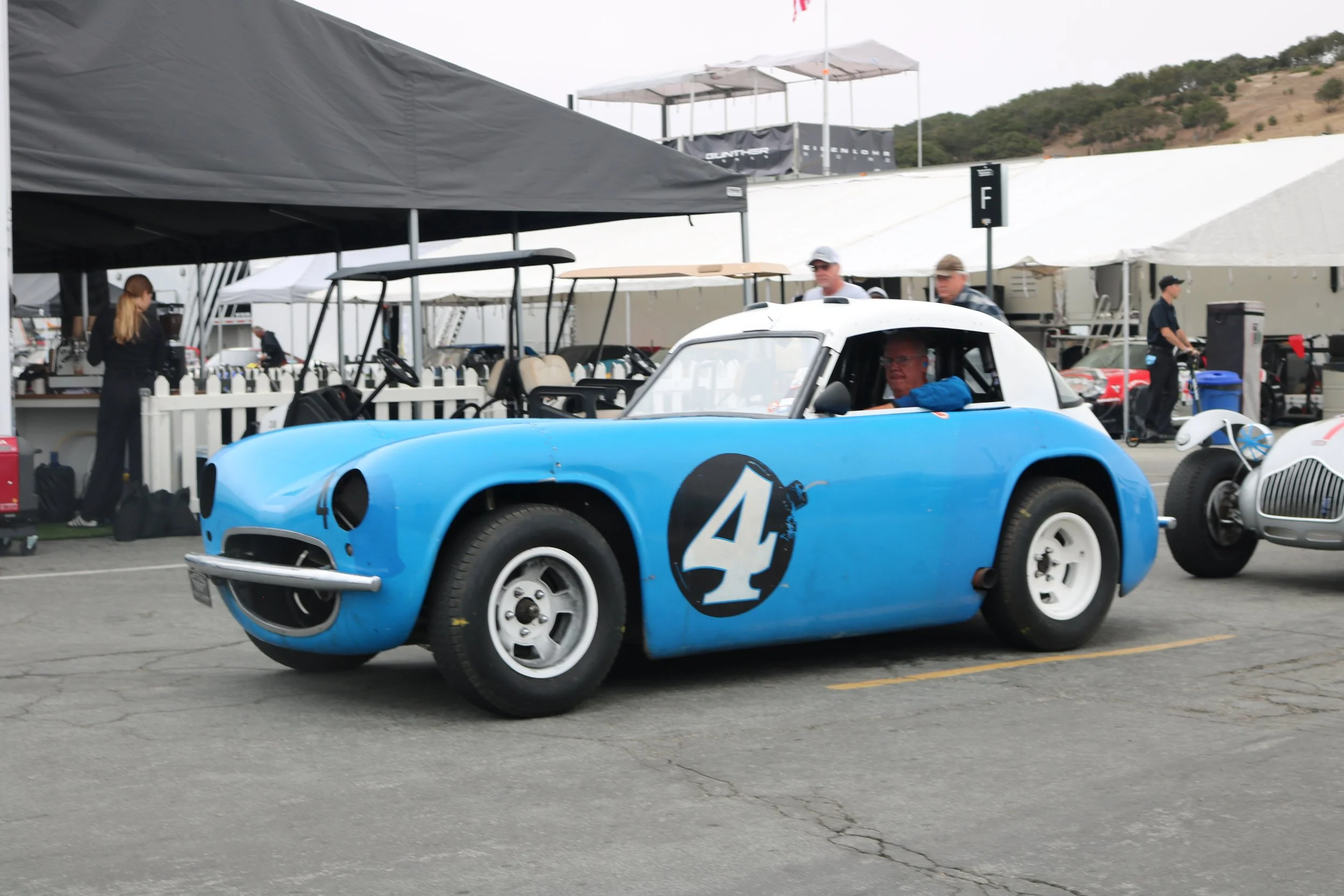
Probably the most appropriate display of the event was a third, yes third, feature tent displaying scores of amazing production-based and home made cars that actually raced through the Del Monte forest in the original Pebble Beach road races from 1950 through 1956. If not for these cars, there likely wouldn’t ever have been a Monterey Historics or Motorsports Reunion.
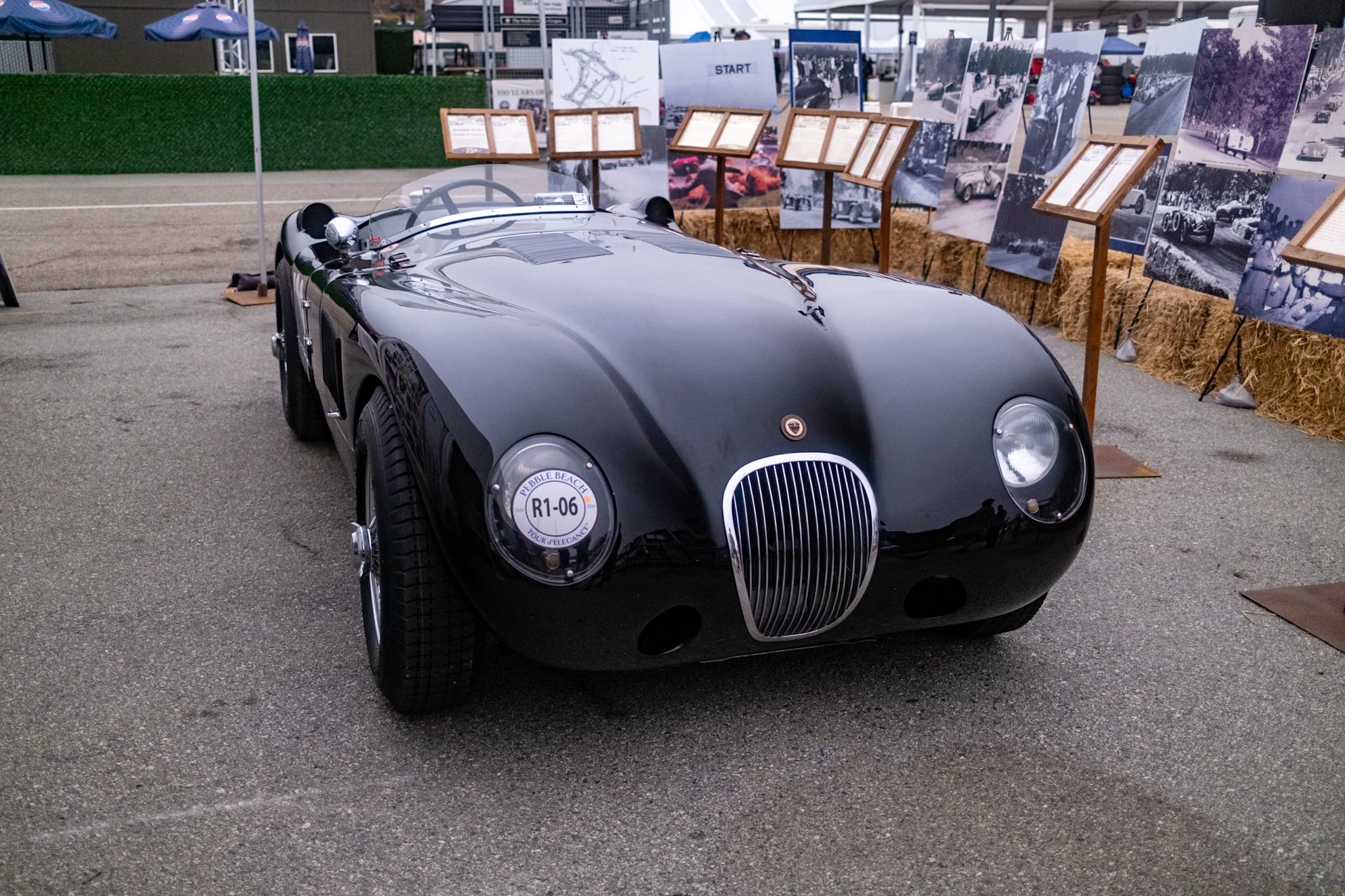
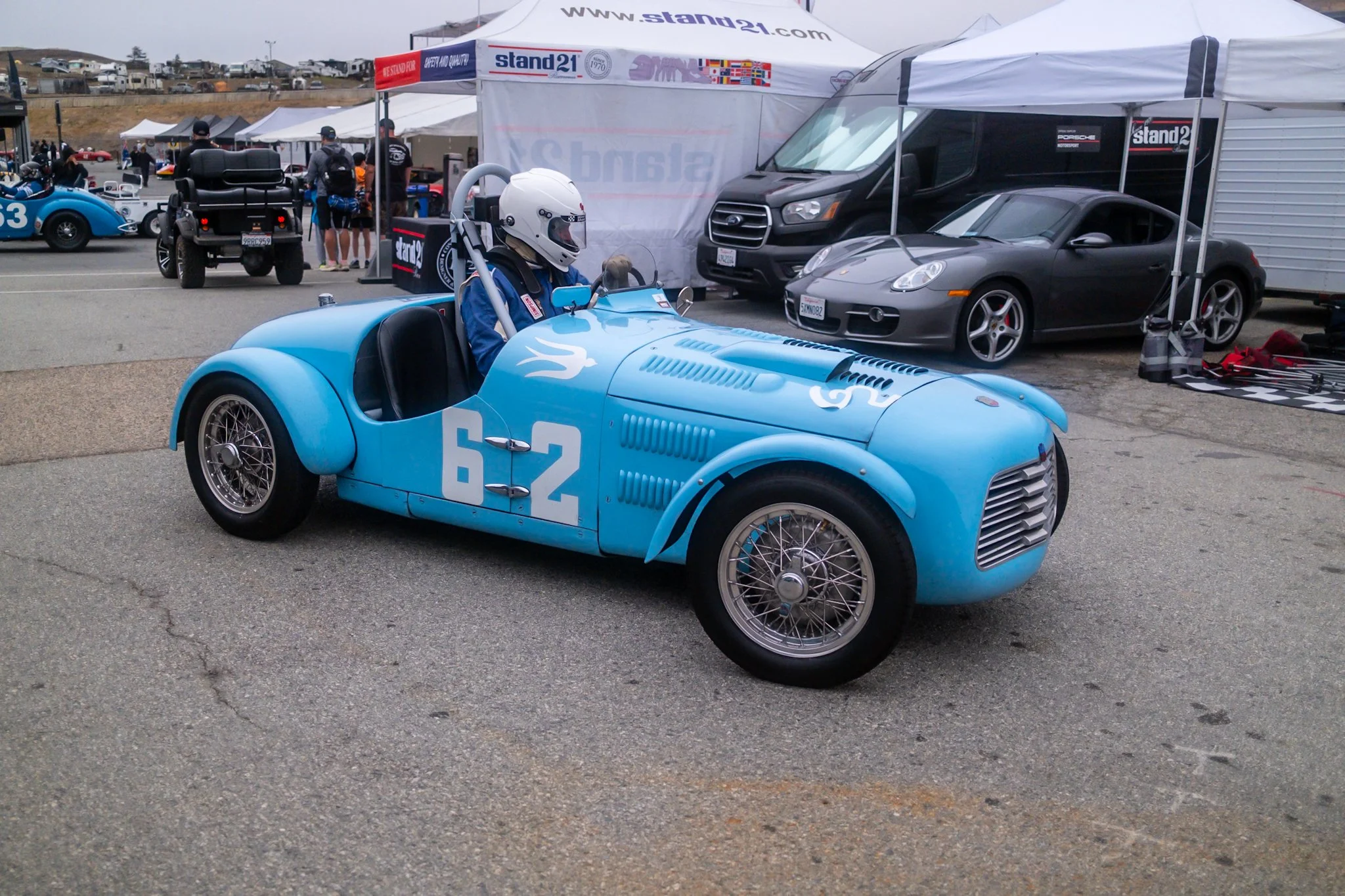
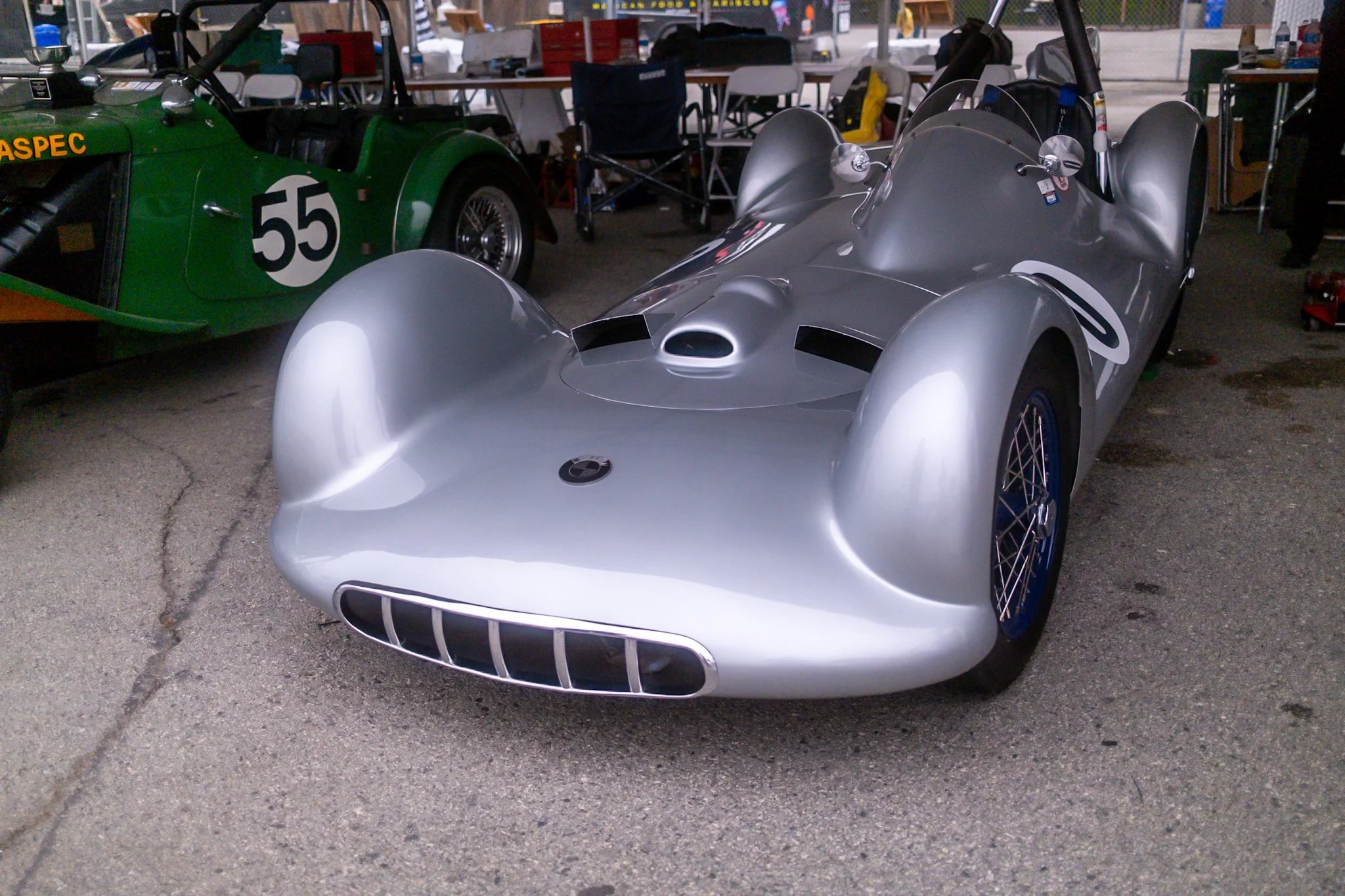
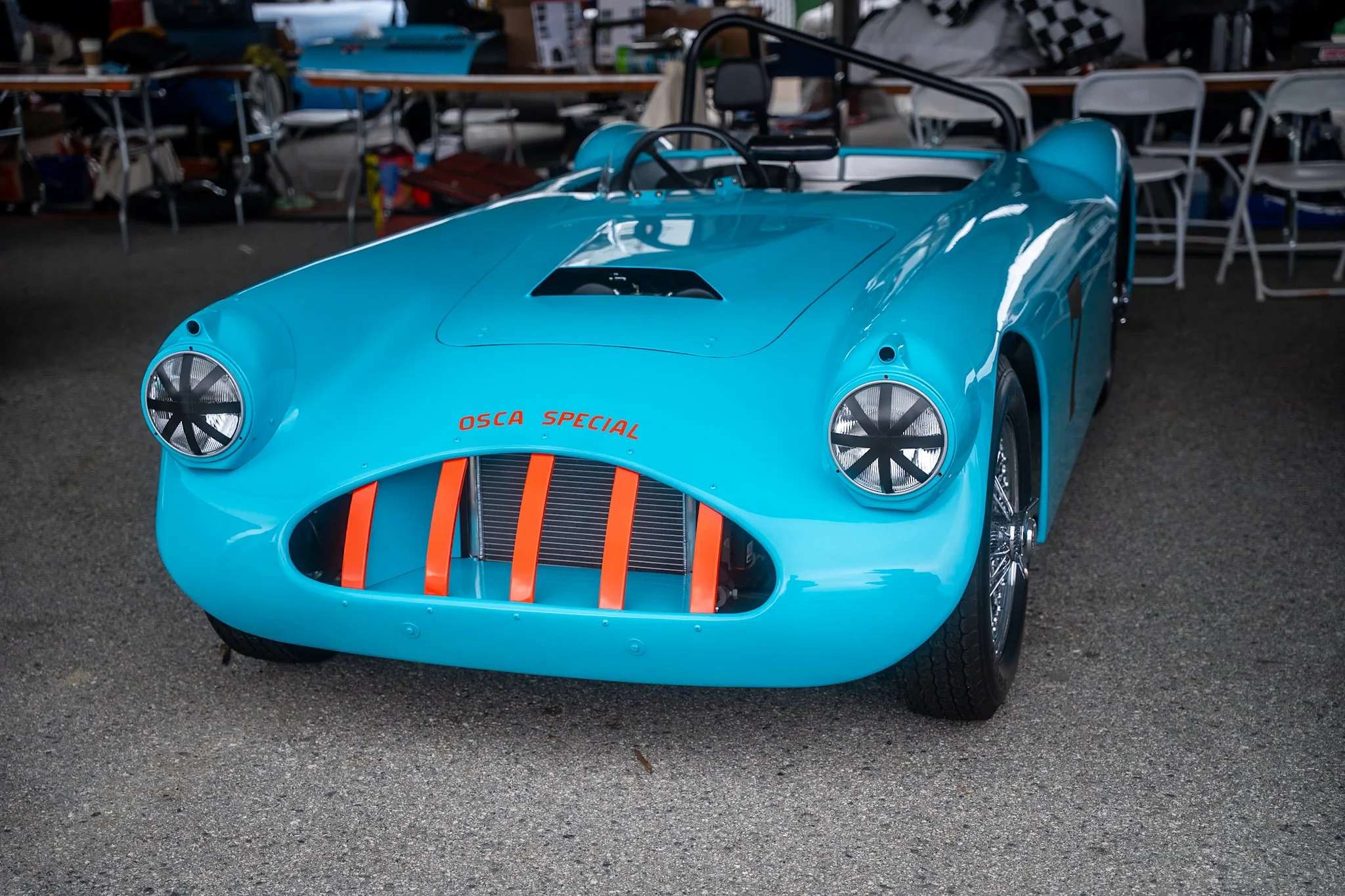
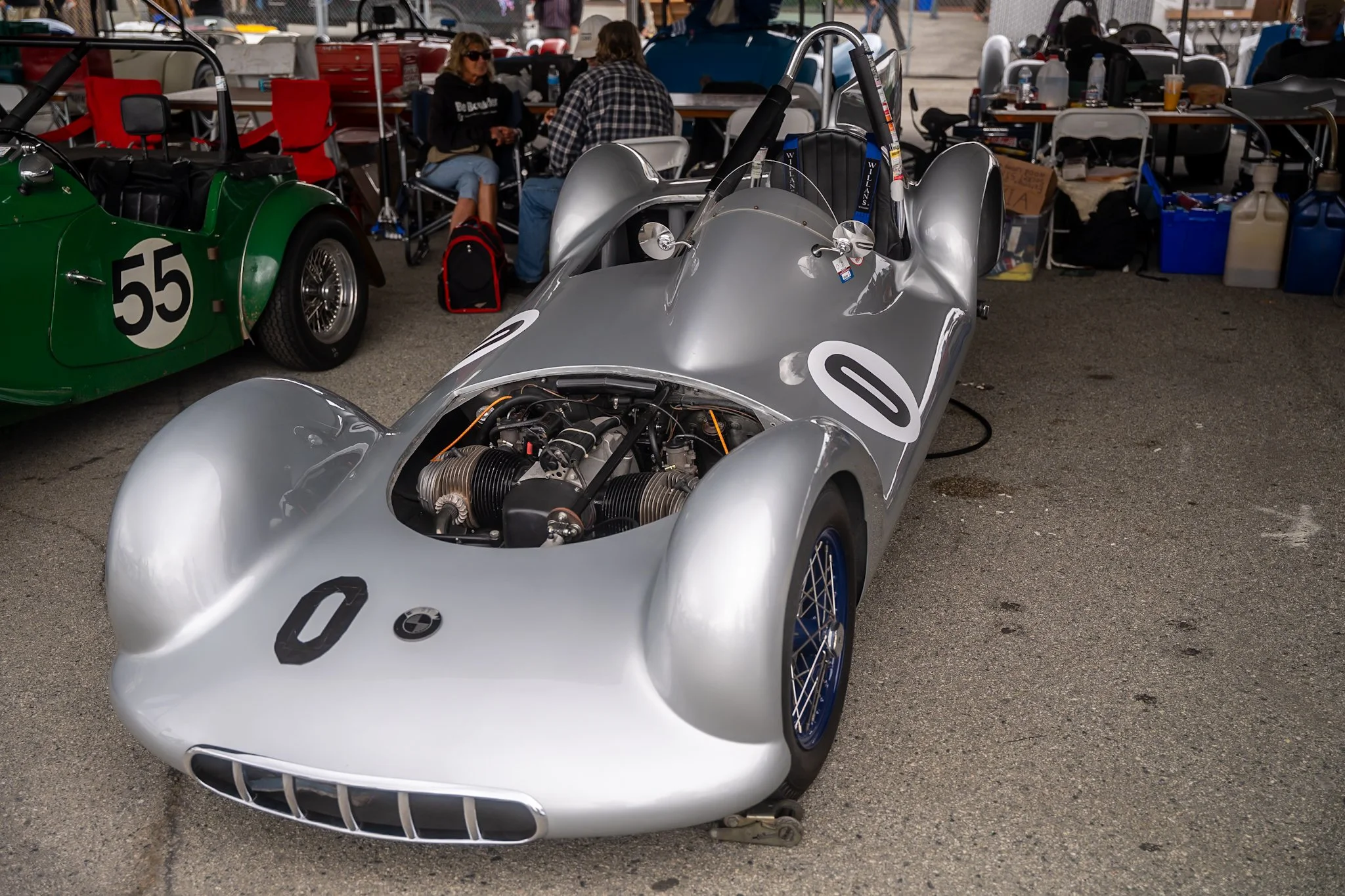
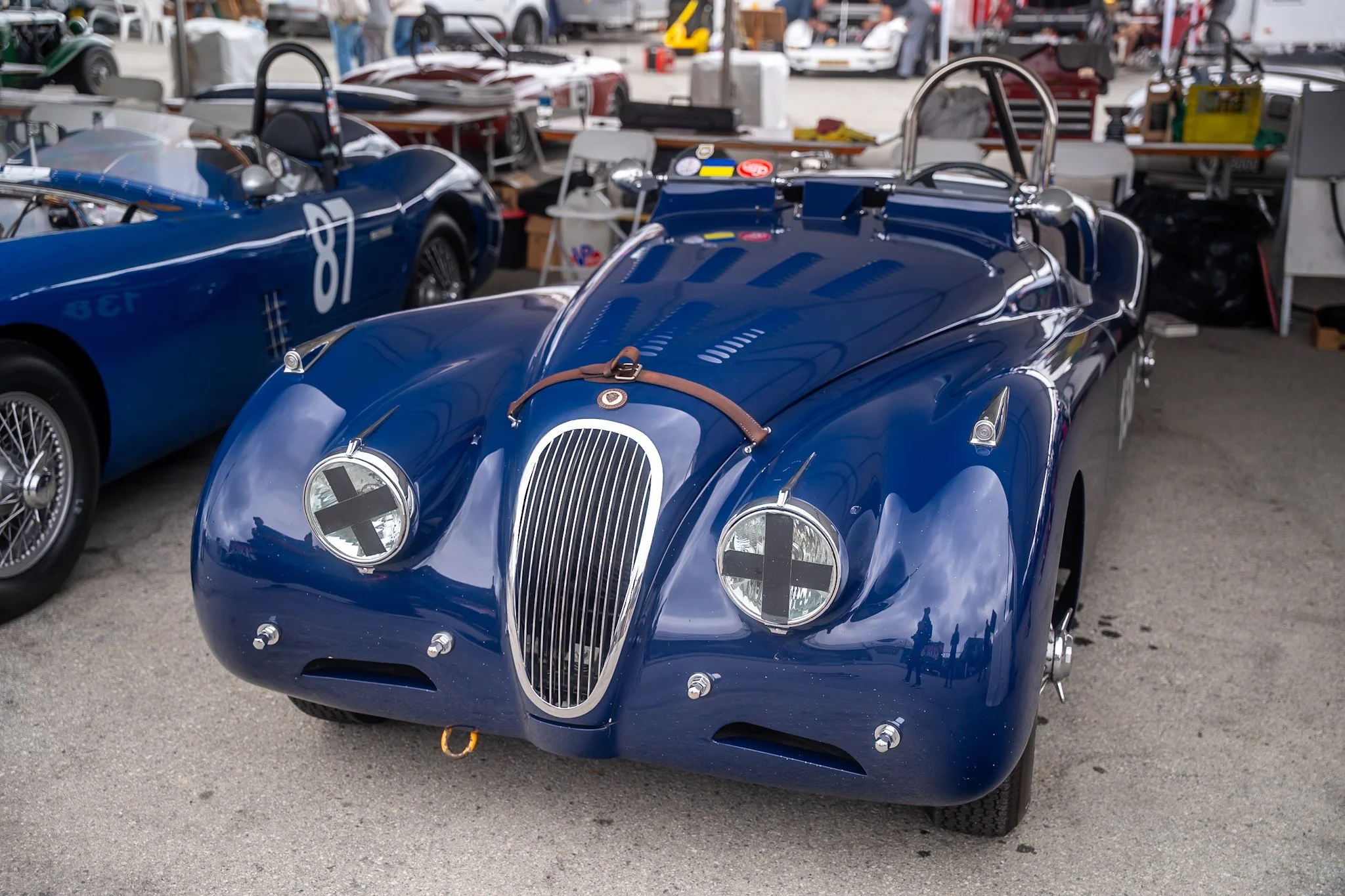
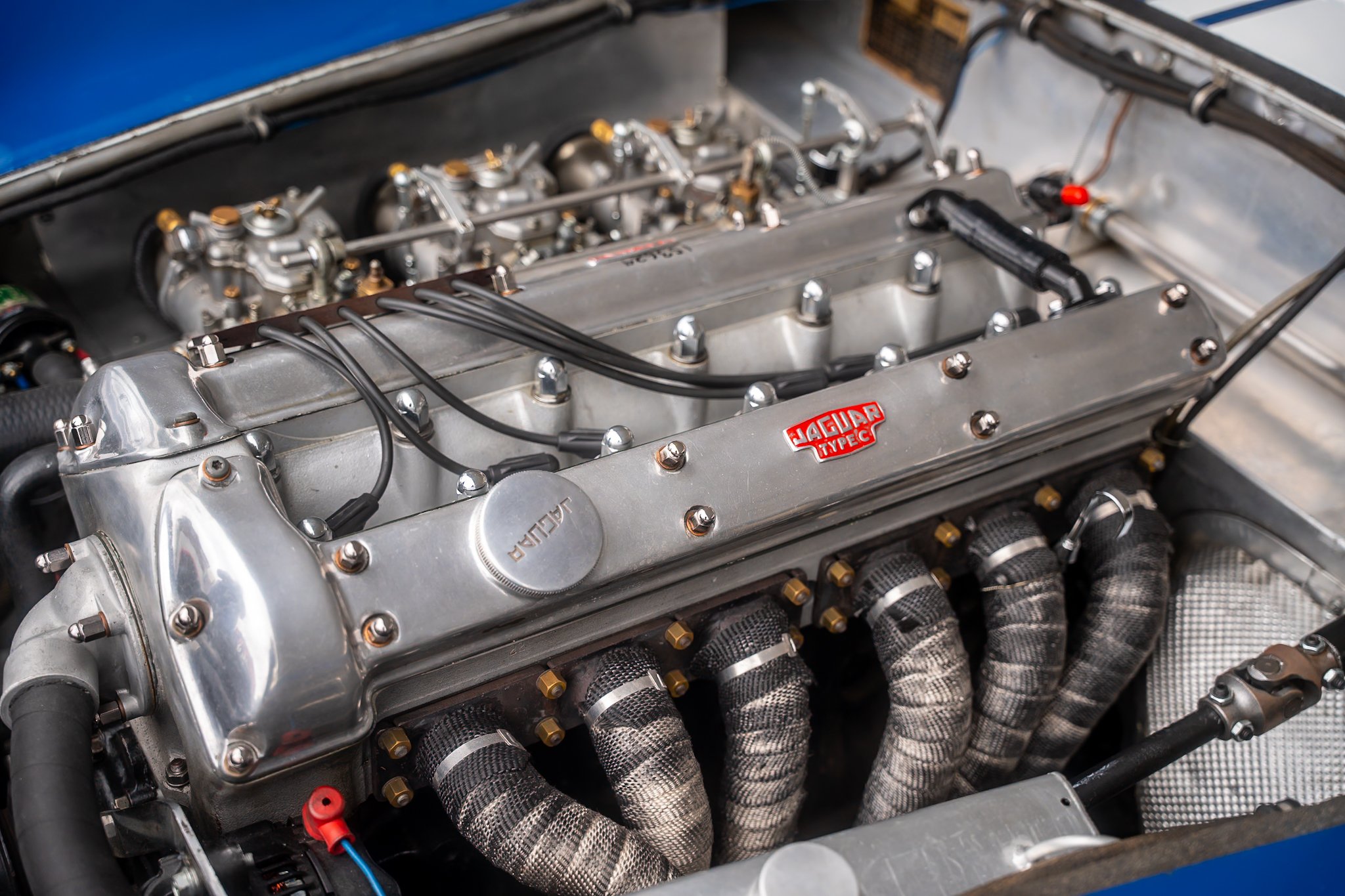
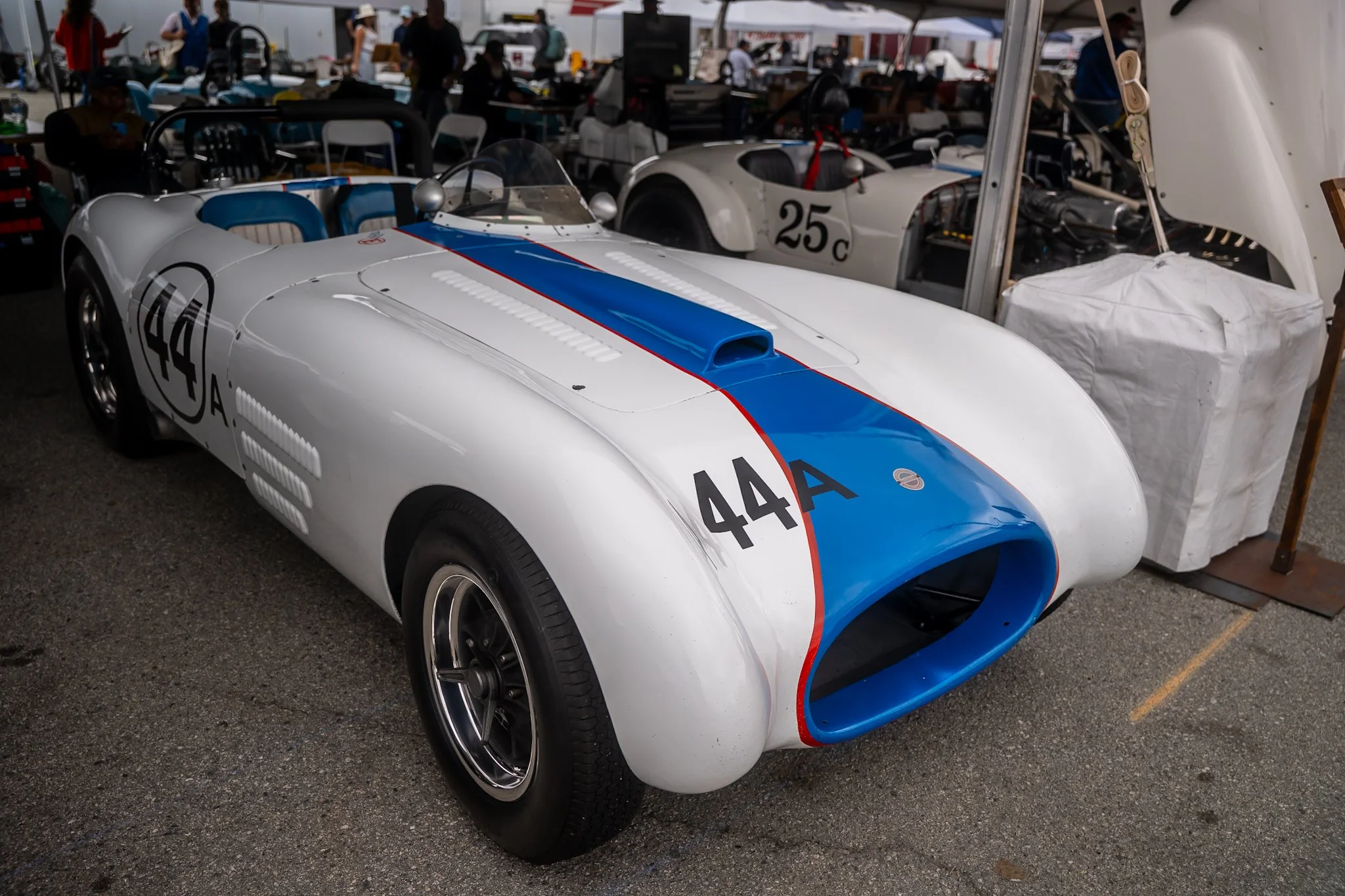
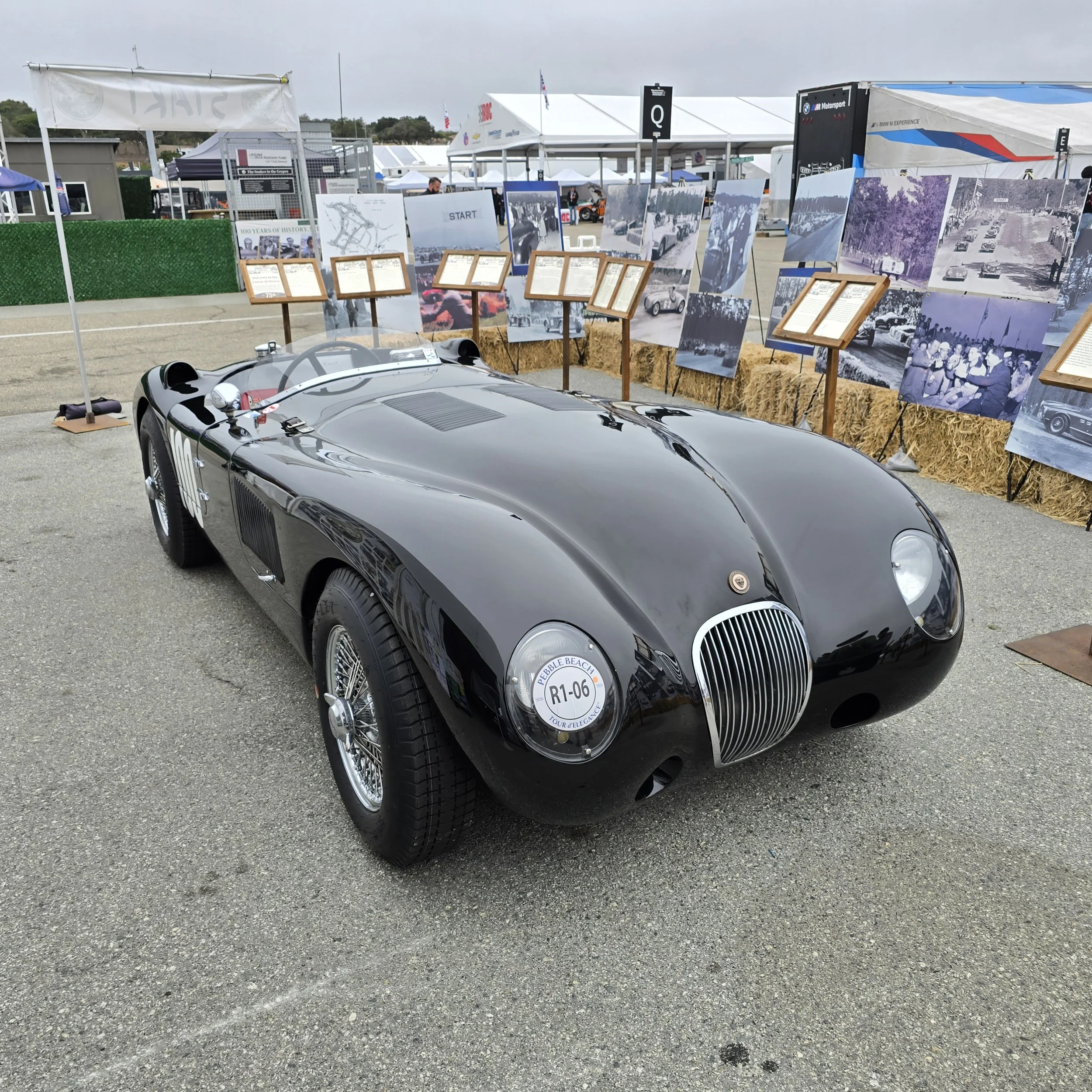
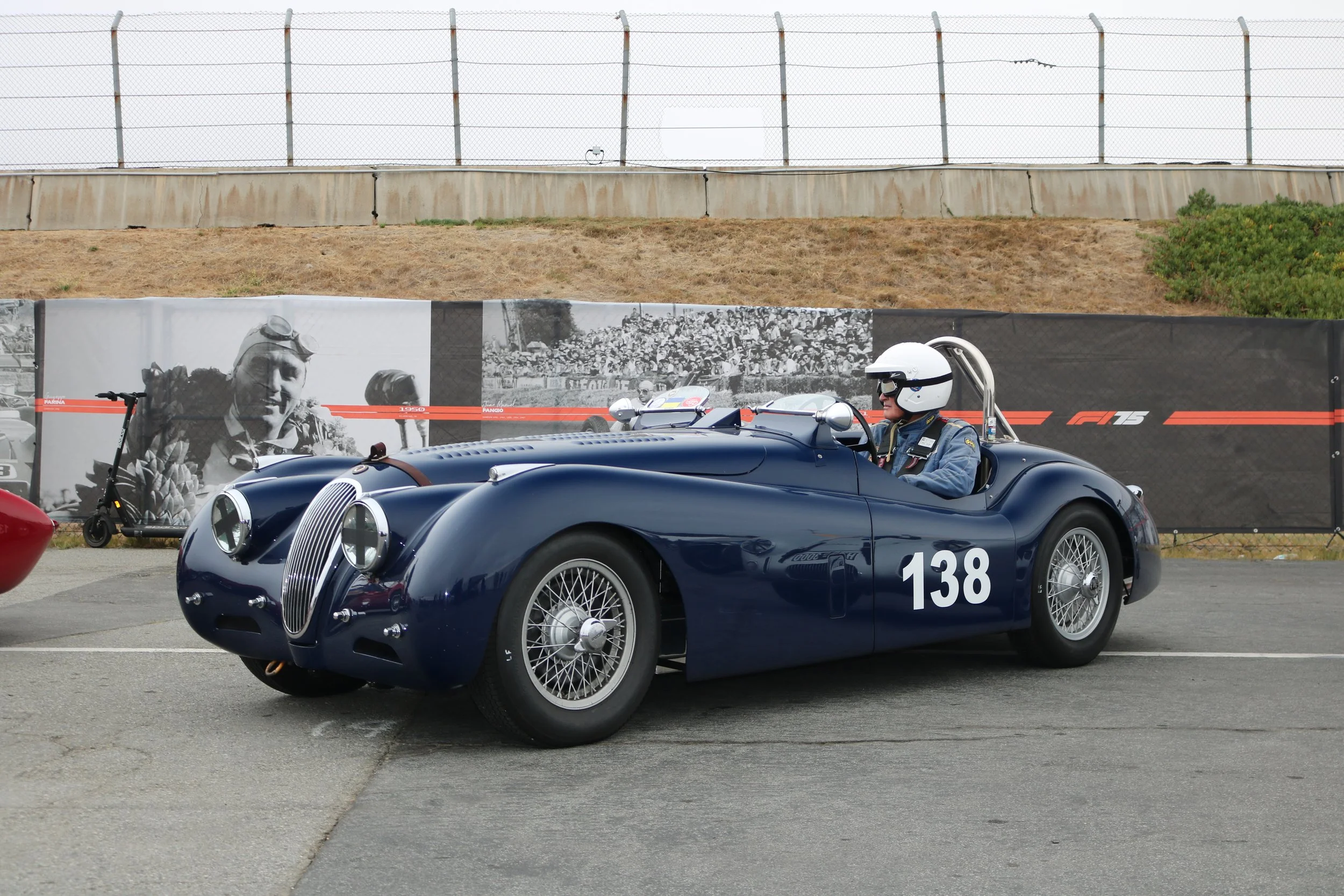
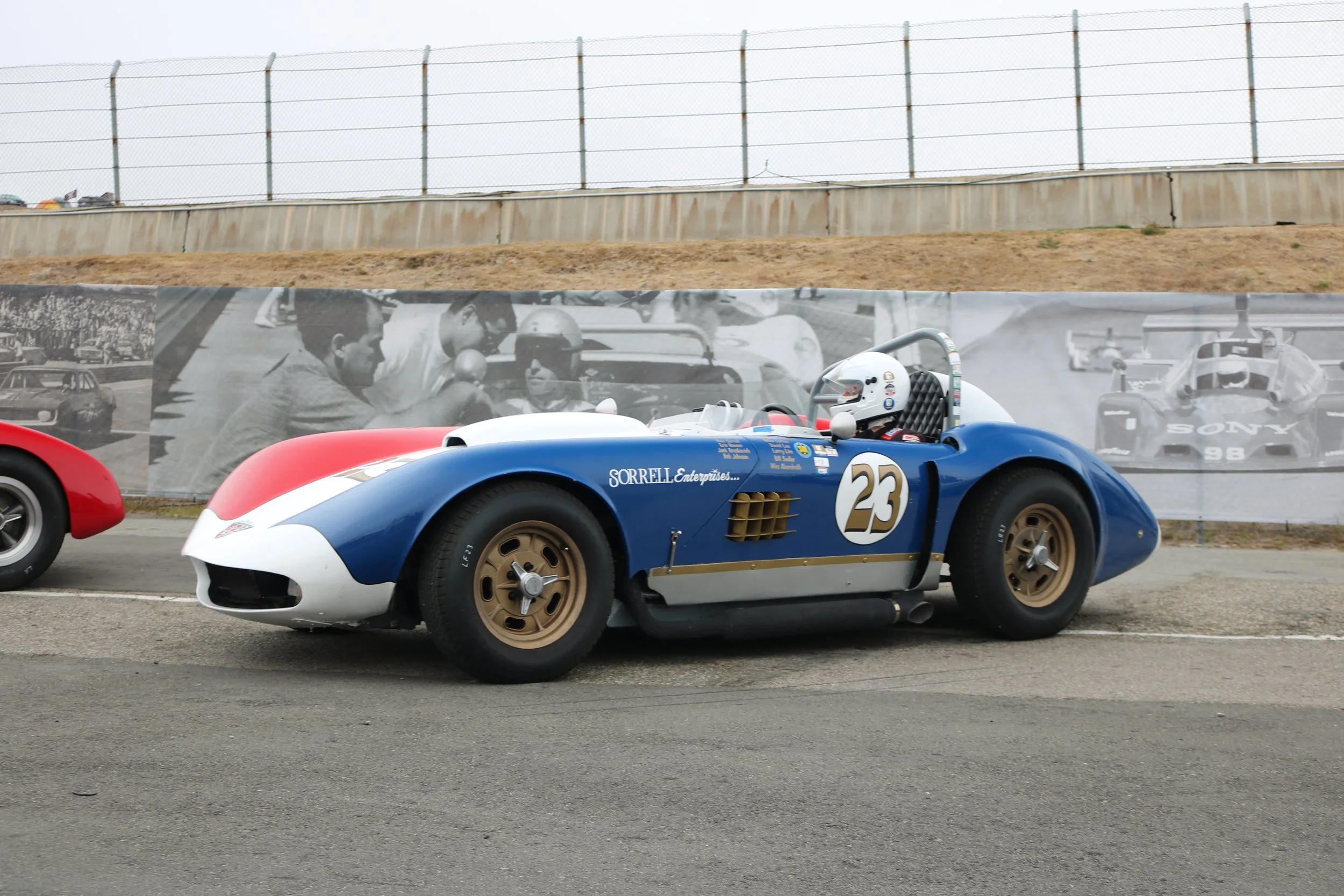
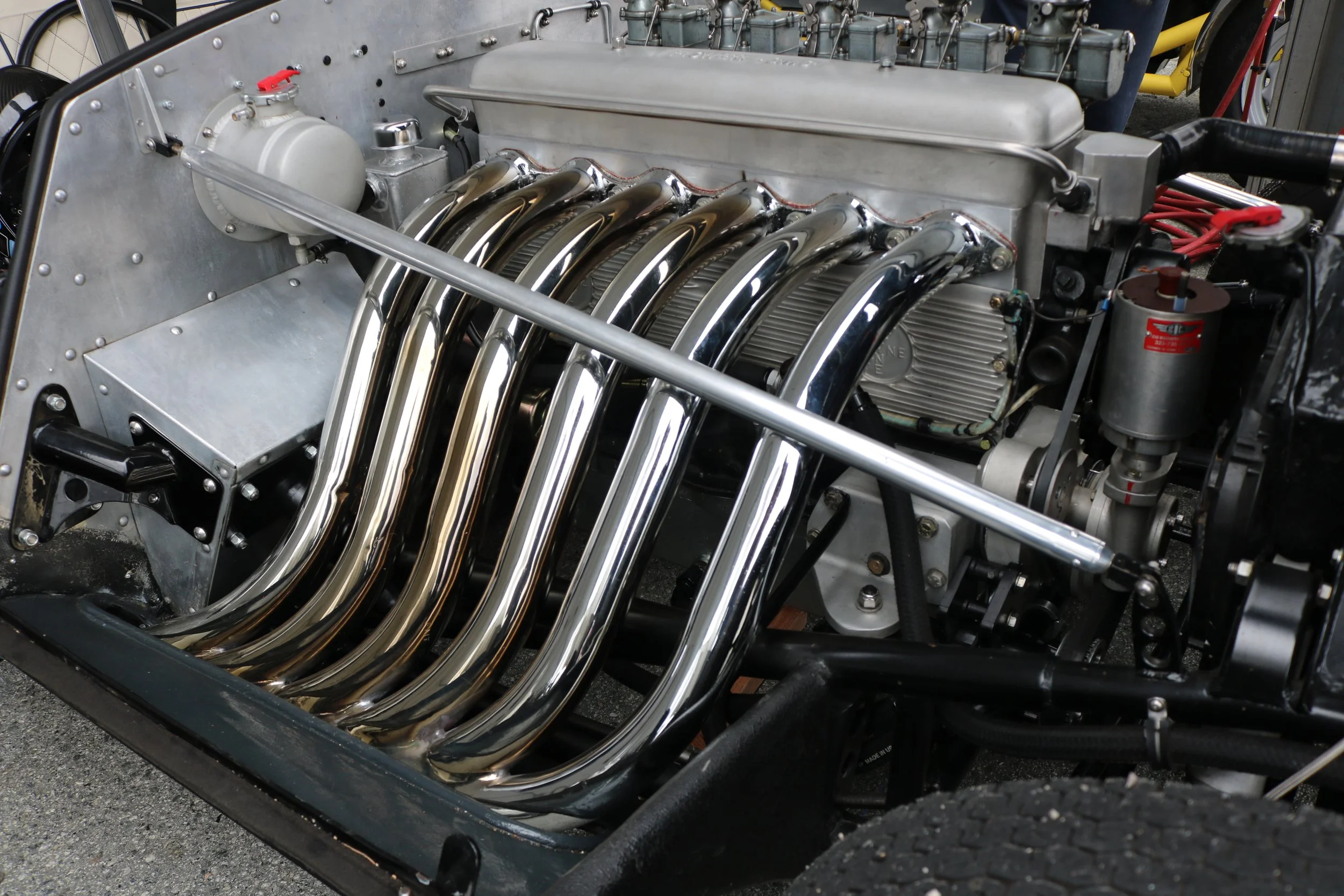
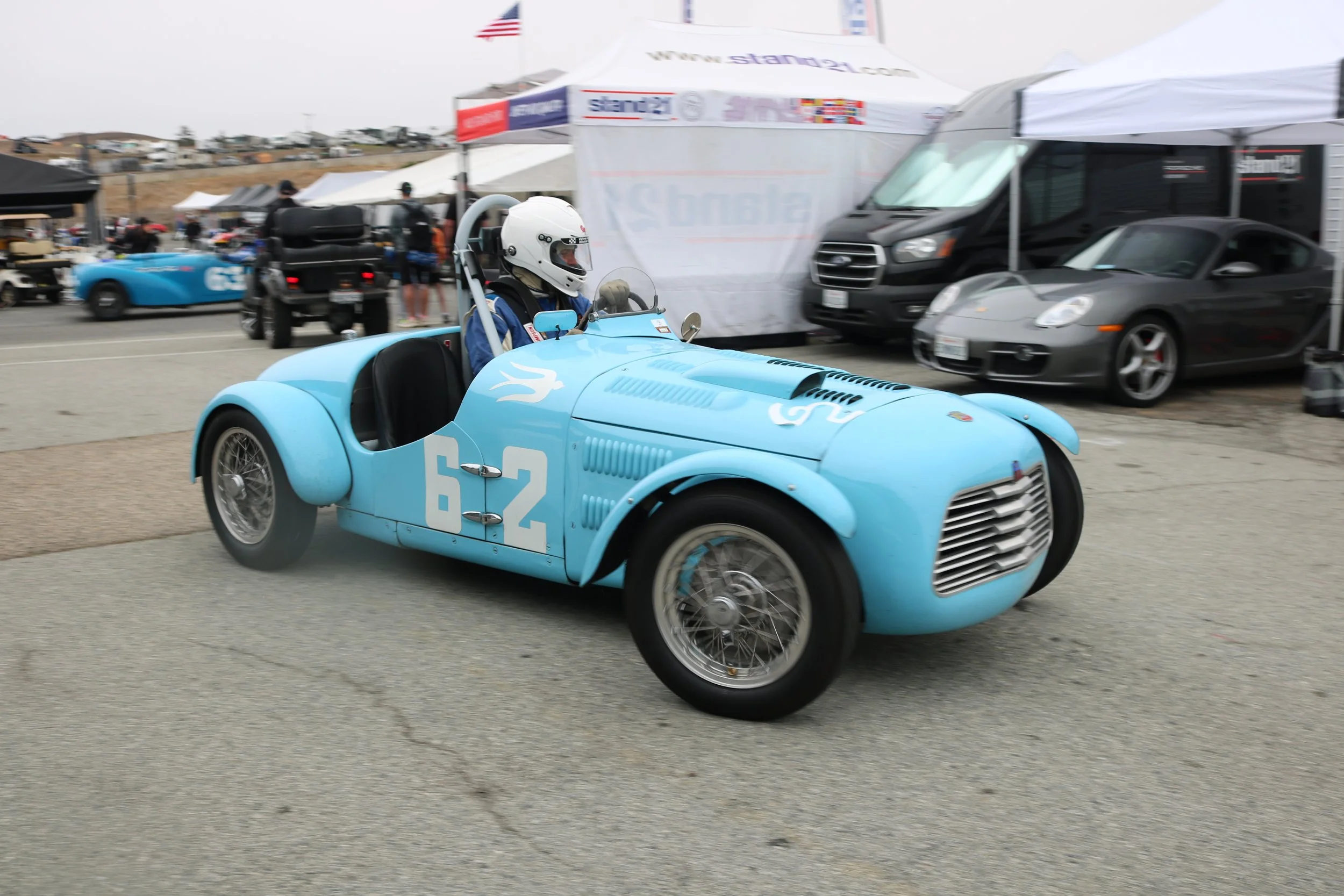
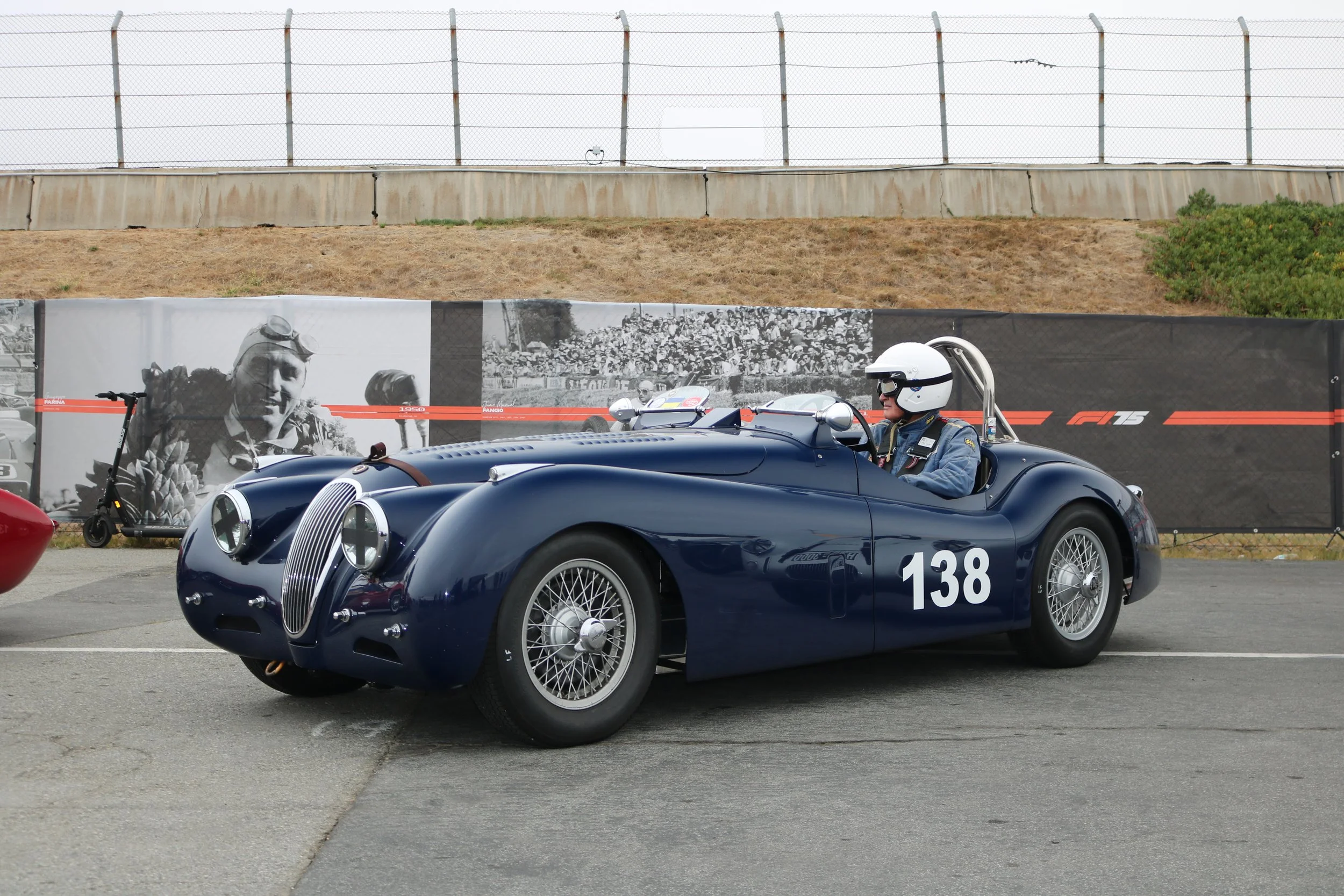
Among the group were two cars that really stood out to us. The first was the 1950 Jaguar XK120 based Don Parkinson Special. This handmade aluminum special was driven by Don Parkinson (Phil Hill’s brother-in-law) in the inaugural Pebble Beach race in 1950 and again in 1951. Phil Hill helped re-engineer the car with Parkinson and others after the car mashed into a tree in 1951, and both Parkinson and Hill continued to campaign the car in its current form. We were further treated when we saw Hill’s son and grandson arrive with the car on the lawn at the Pebble Beach Concours d’Elegance on Sunday morning, along with Hill’s 1st place trophy for winning the first sanctioned race through the Del Monte forest on November 5th 1950.
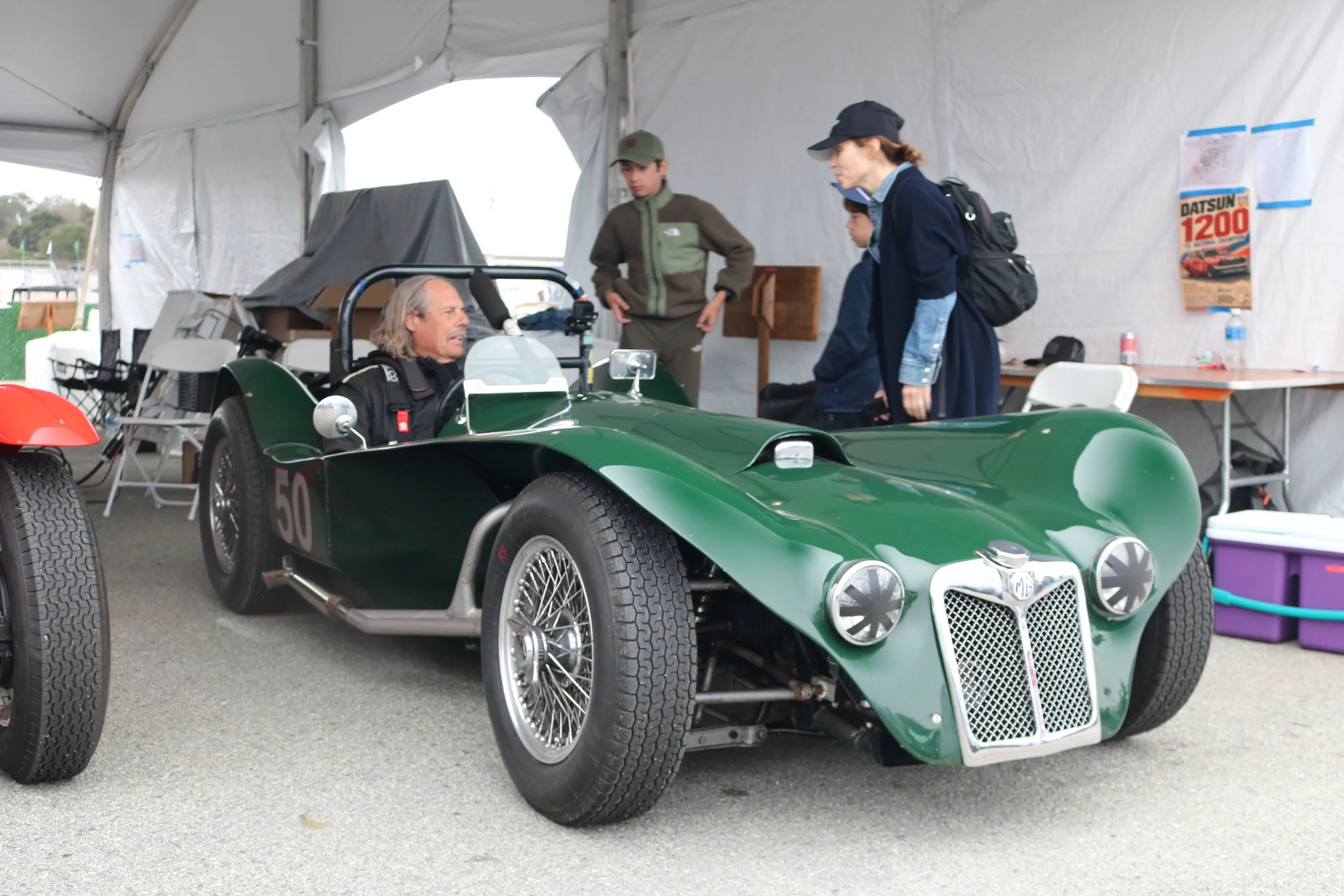
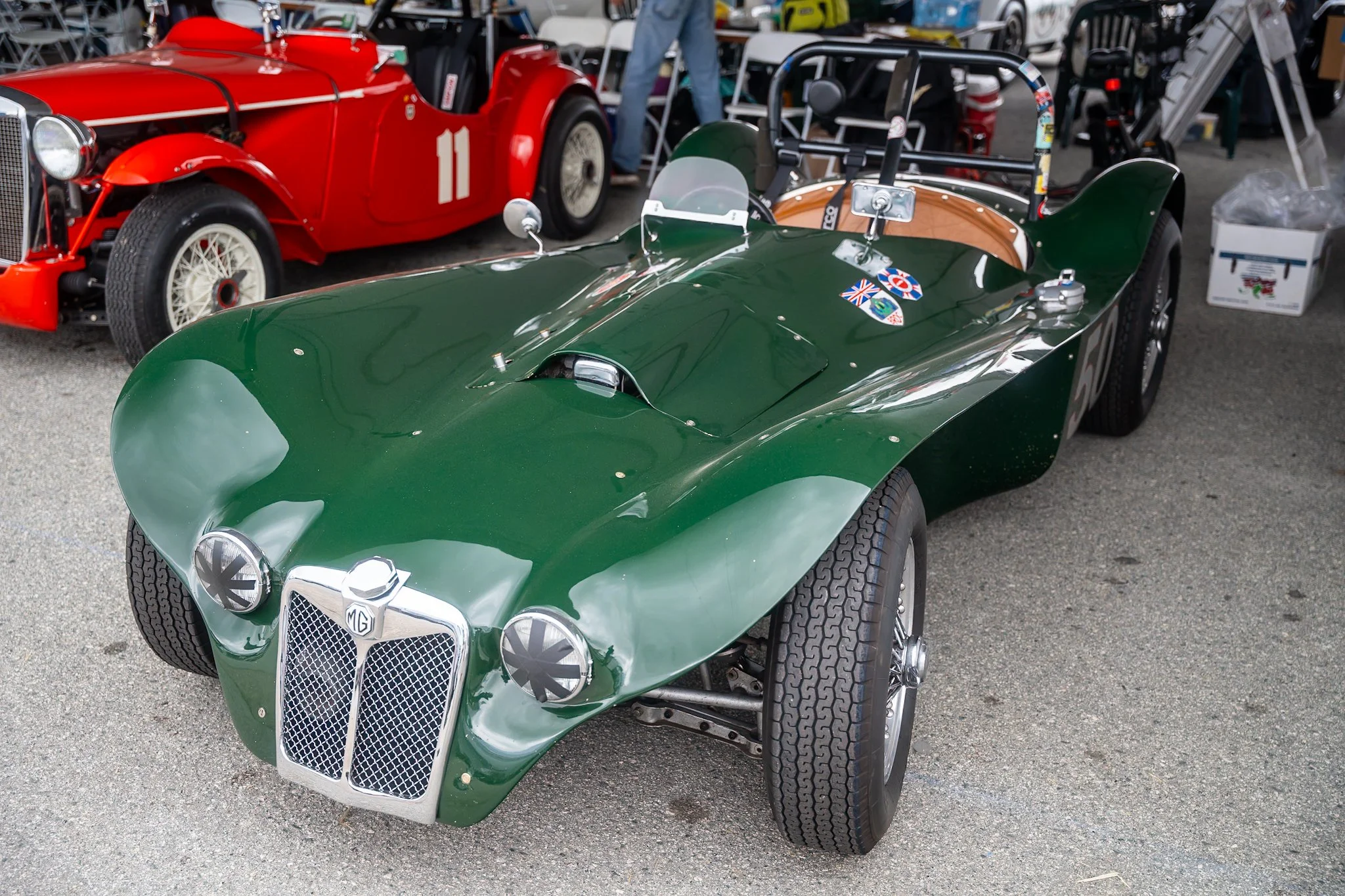
The second car we want to highlight is the MG based, “Flying Shingle,” built by racing legend, and driver’s driver, Ken Miles. (Yes, the same Ken Miles played by Christian Bale in the film, Ford v Ferrari.) What made the Flying Shingle memorable wasn’t just its oddball shape, but the way Miles used it to embarrass far more powerful machinery. He campaigned the car extensively in Southern California club racing, where it became a crowd favorite thanks to its improbable speed and Miles’ famously smooth driving style.
The Shingle helped cement his reputation as a fiercely capable driver and a gifted engineer long before his later fame with Shelby American, Ford’s GT program, and the 1966 Le Mans effort. In many ways, the Flying Shingle represents the purest version of Miles’ ethos: build something clever, drive it brilliantly, and let the results speak louder than the horsepower. It was amazing to see it at the Reunion and also fittingly on the lawn at the Pebble Beach Concours again on Sunday morning.
More Than 400 Race Cars
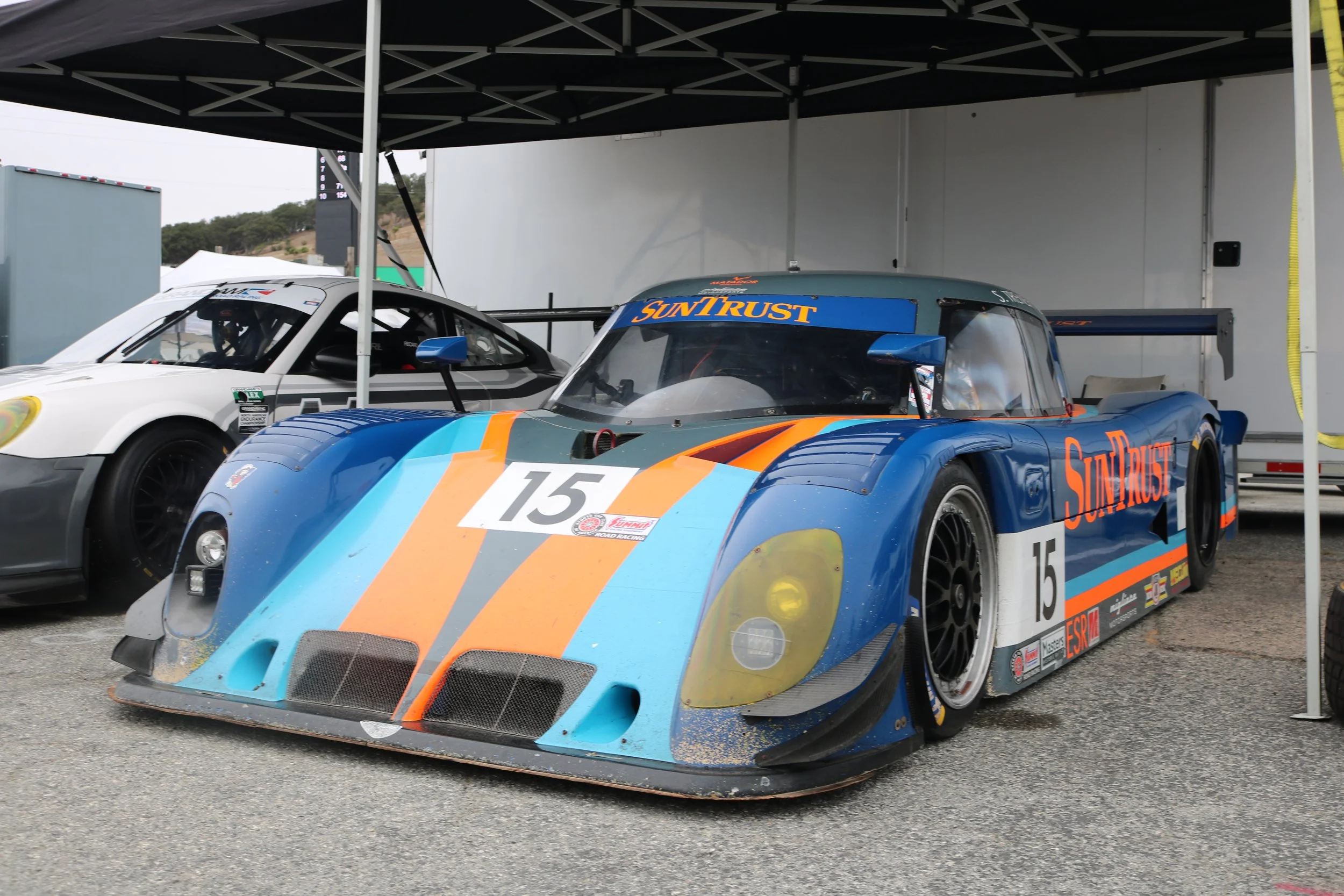
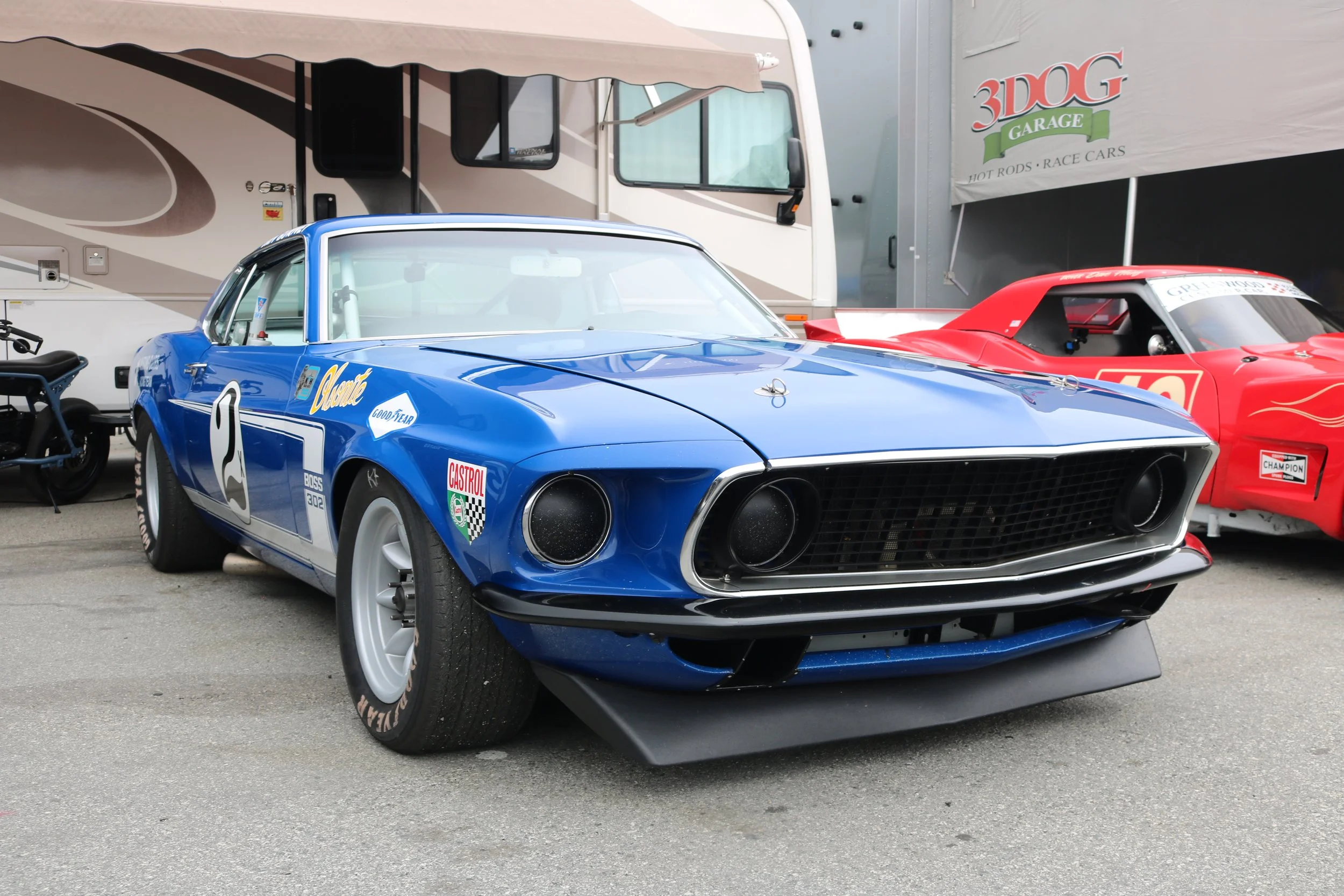
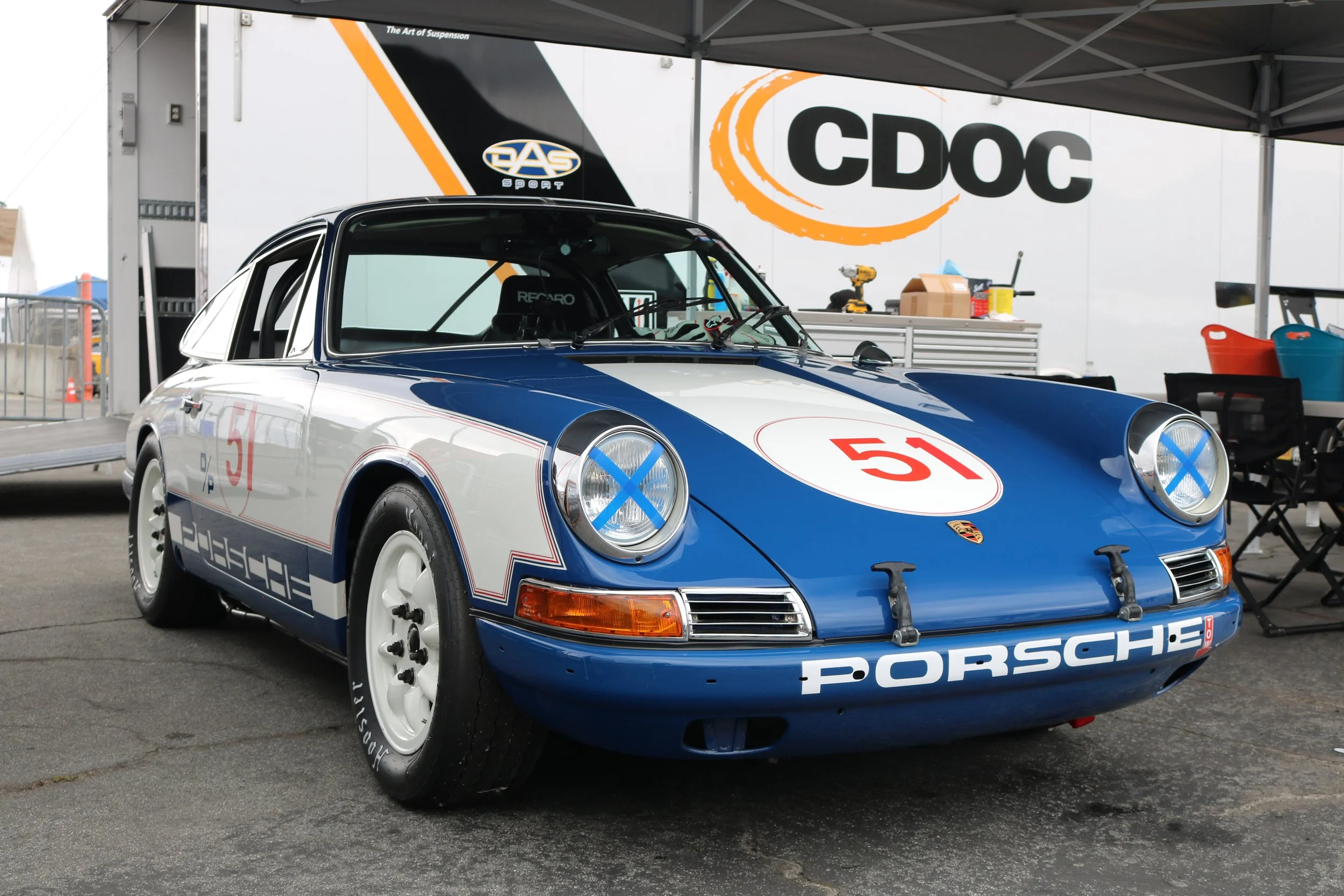
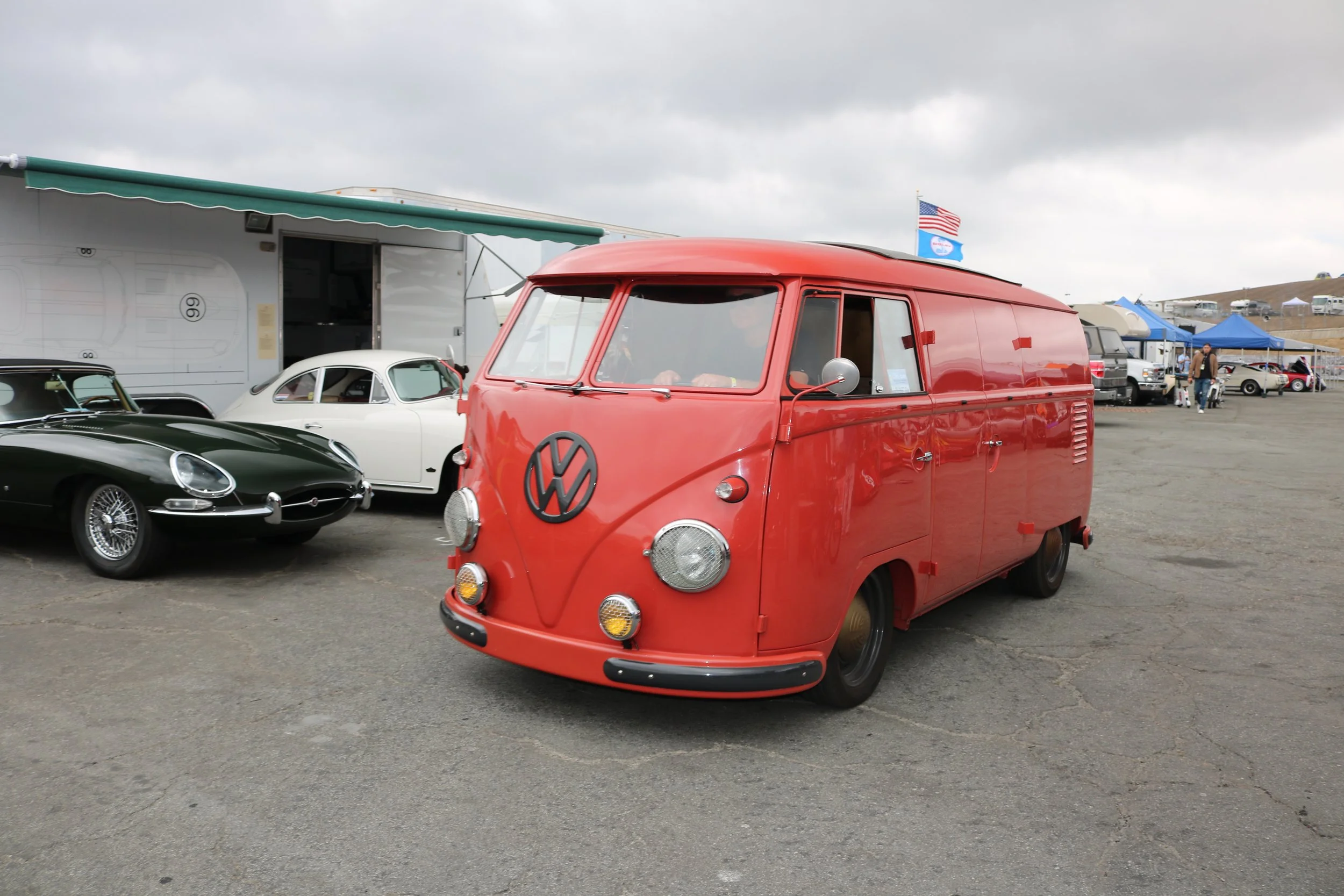
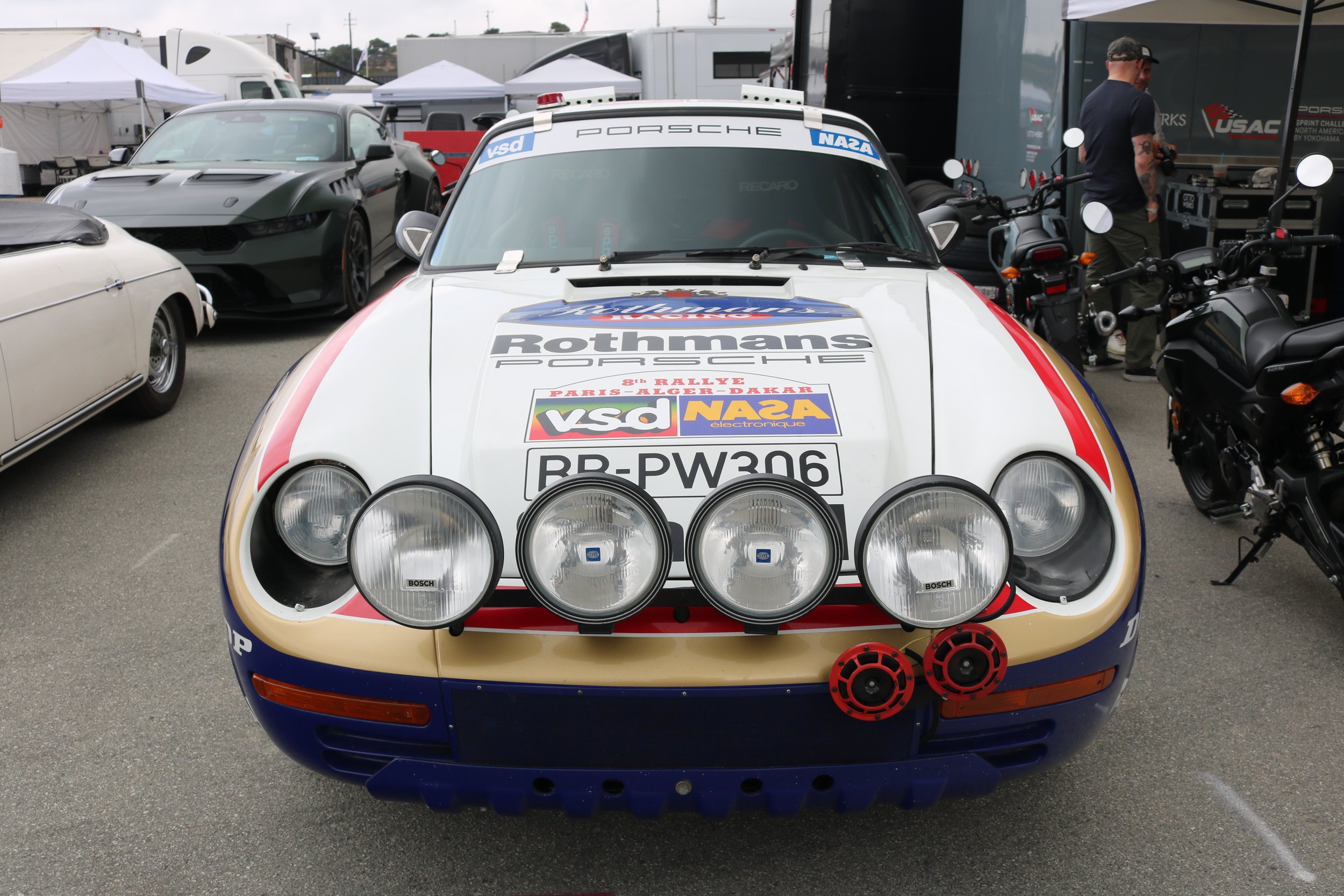
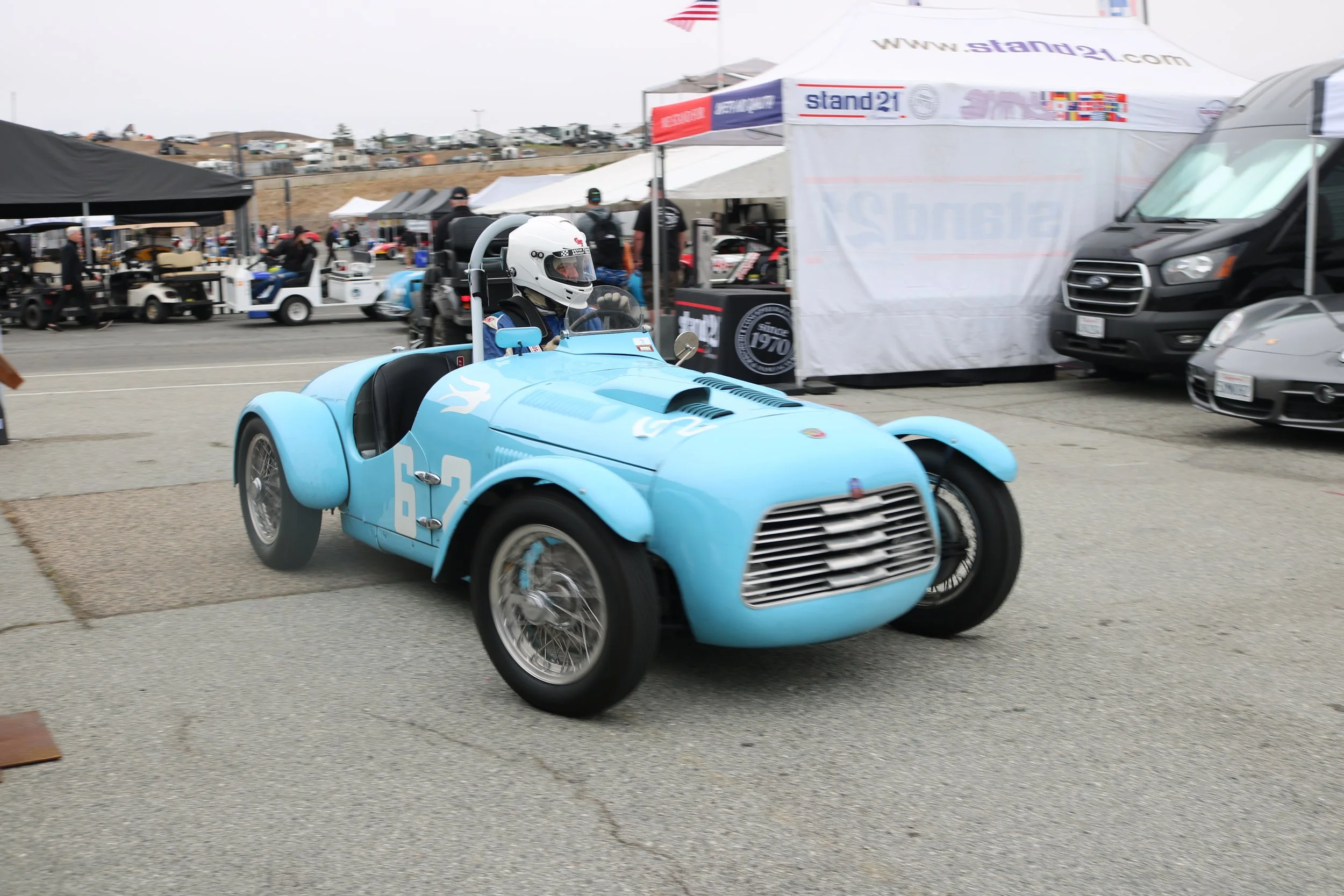
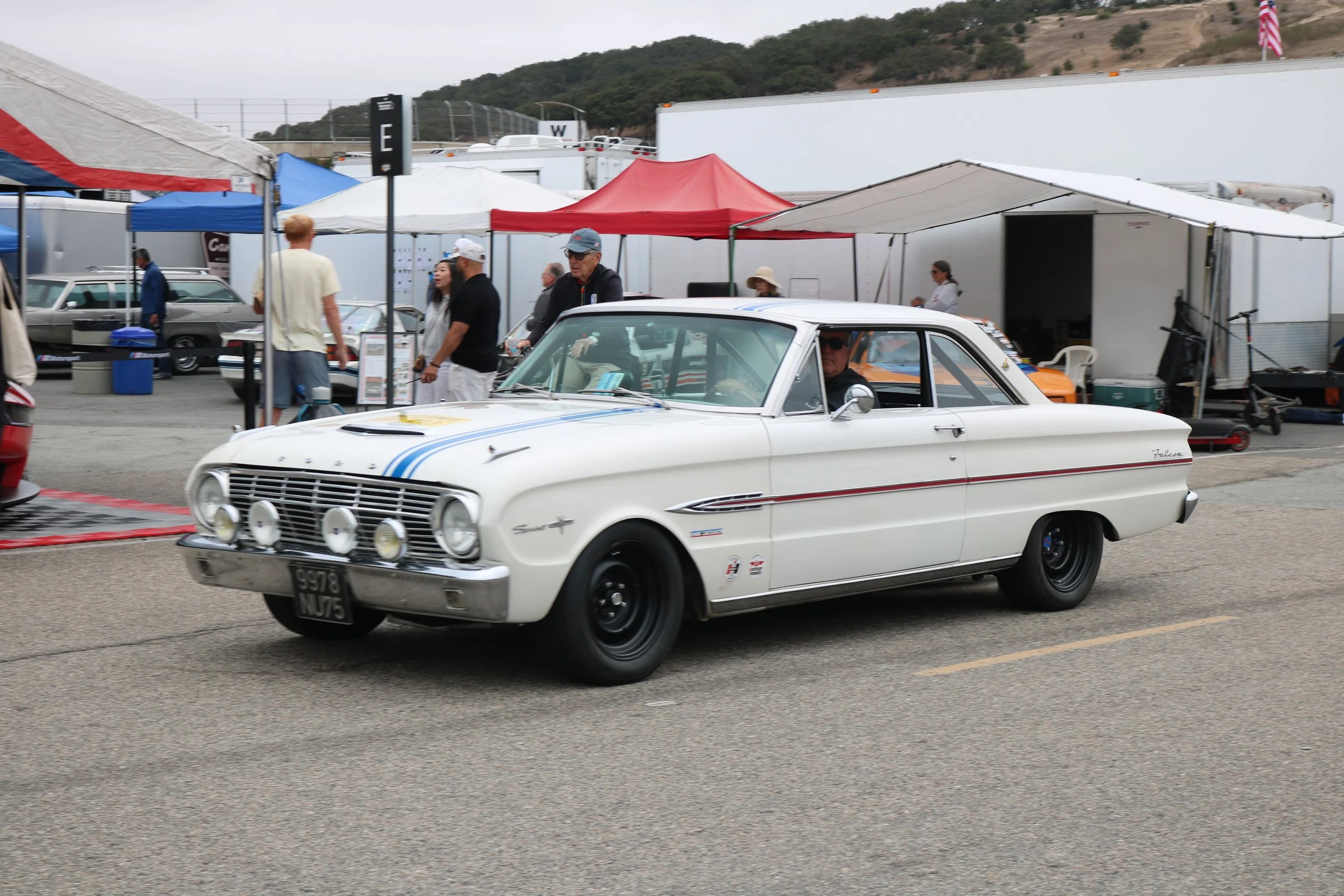
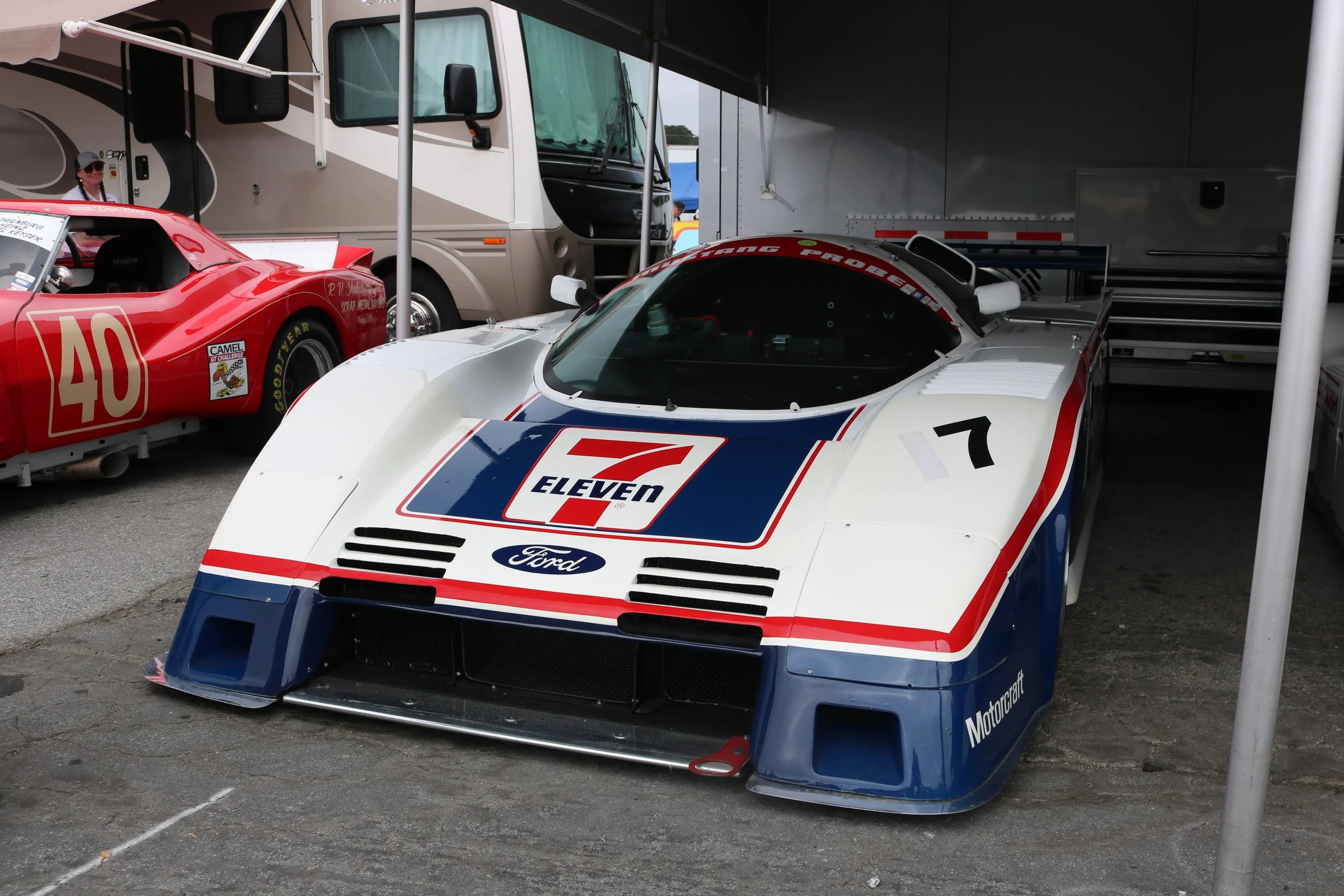
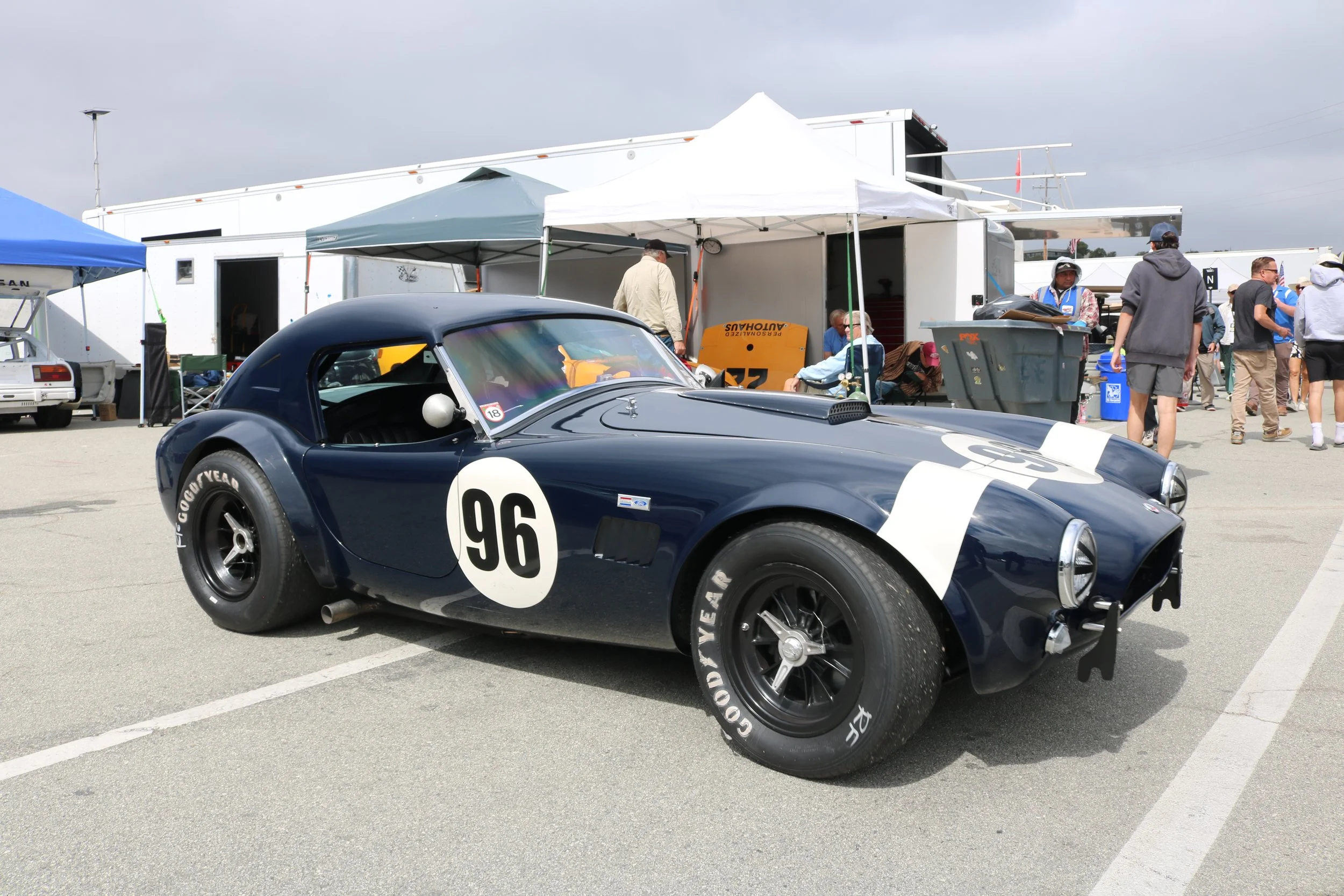
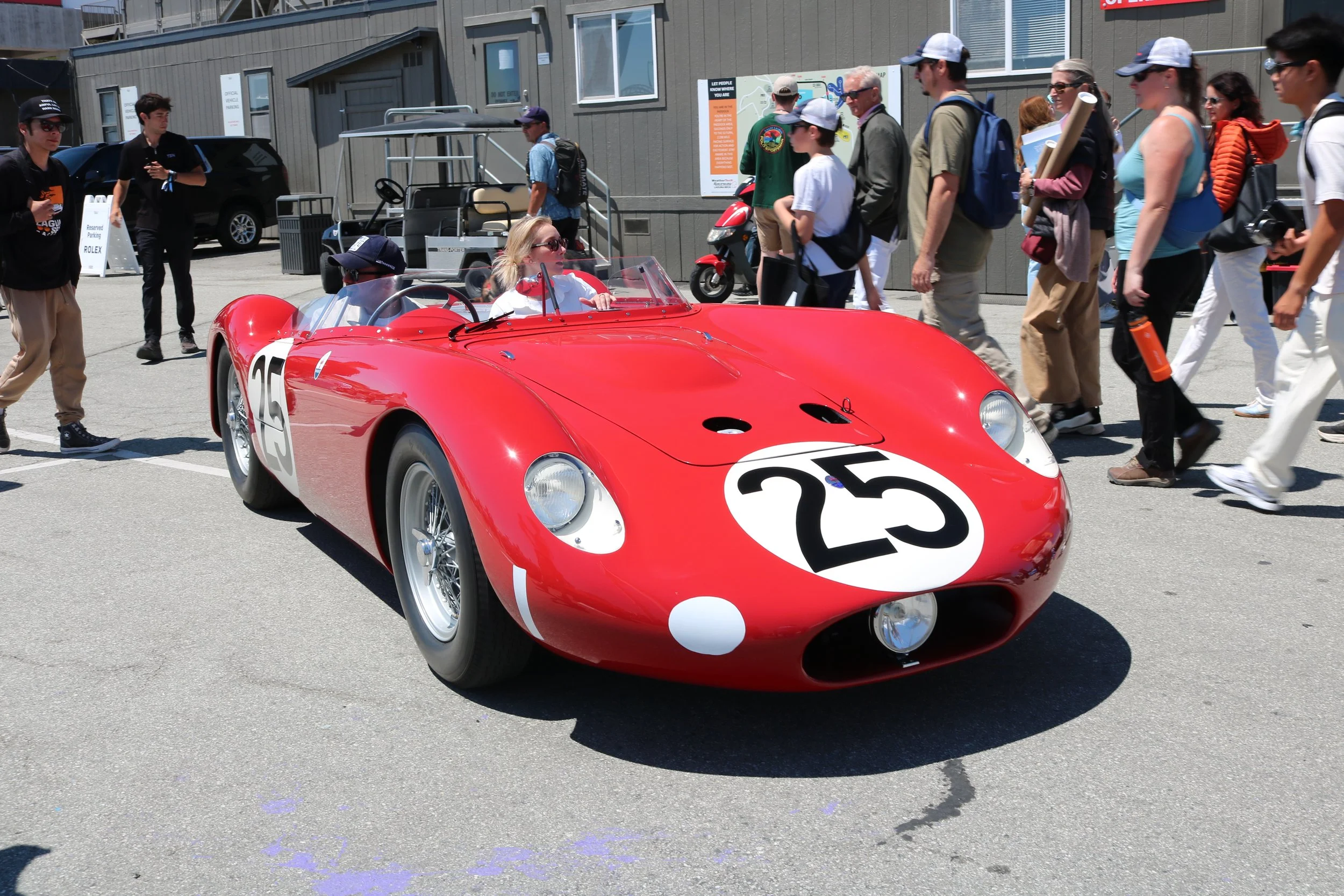
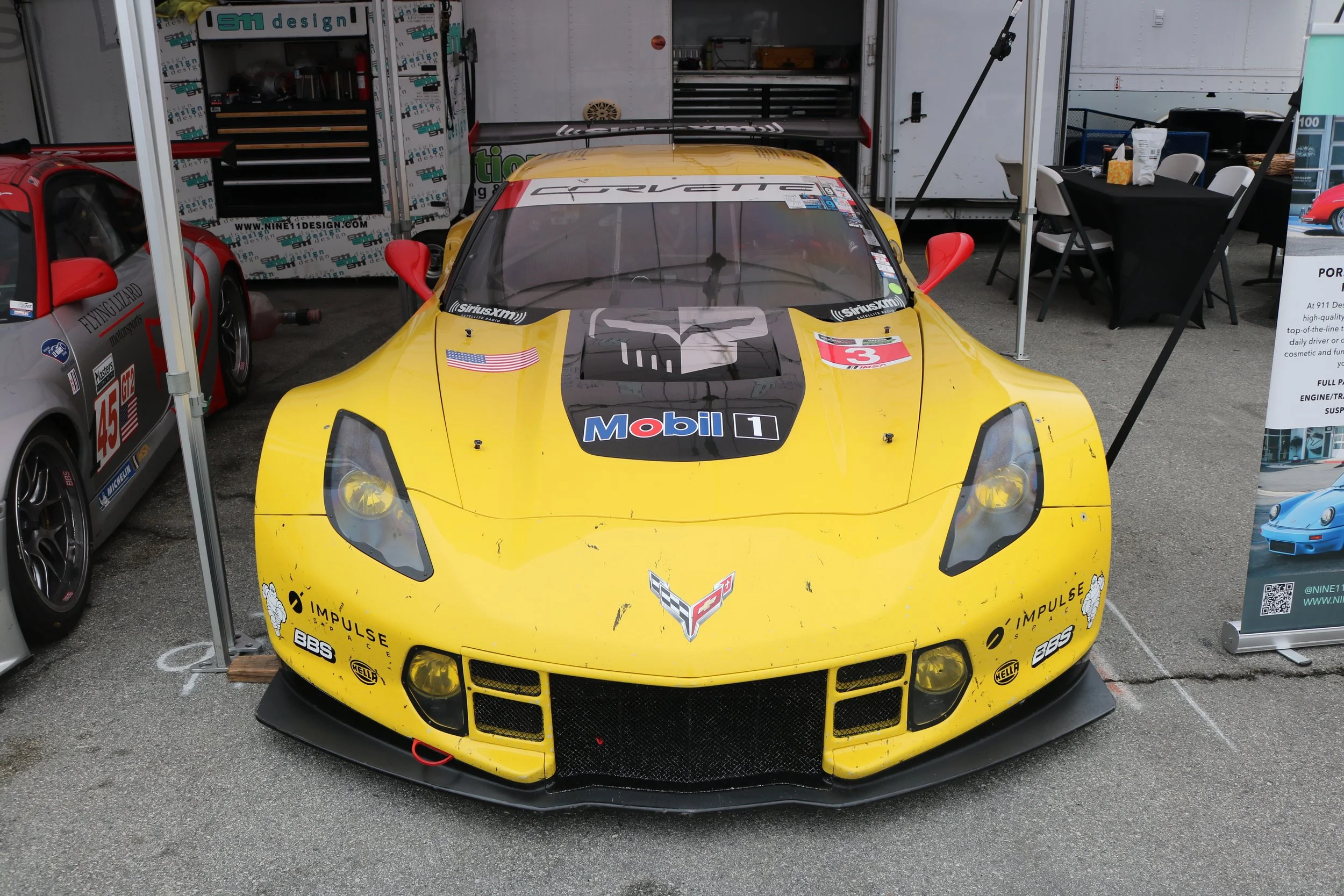
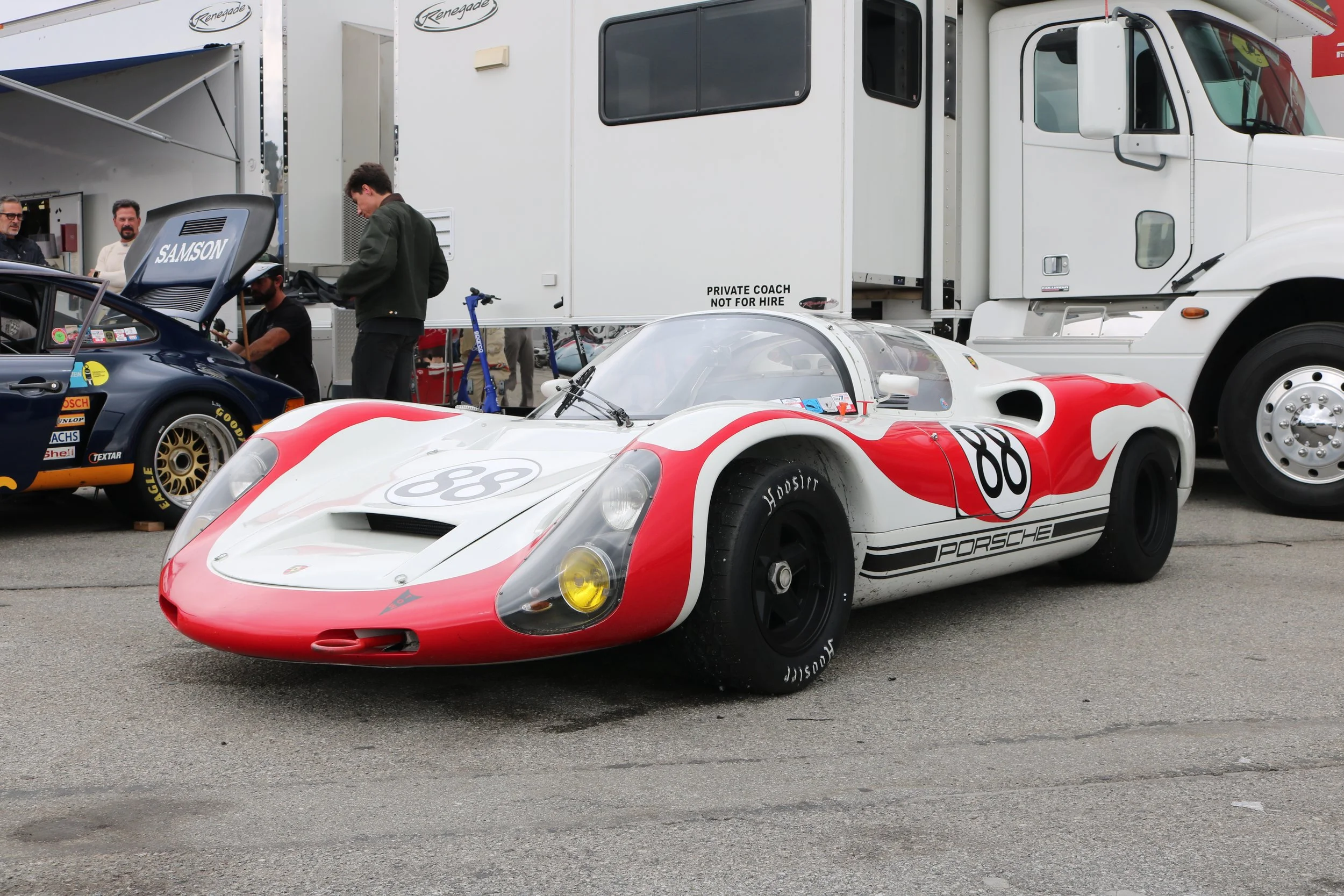
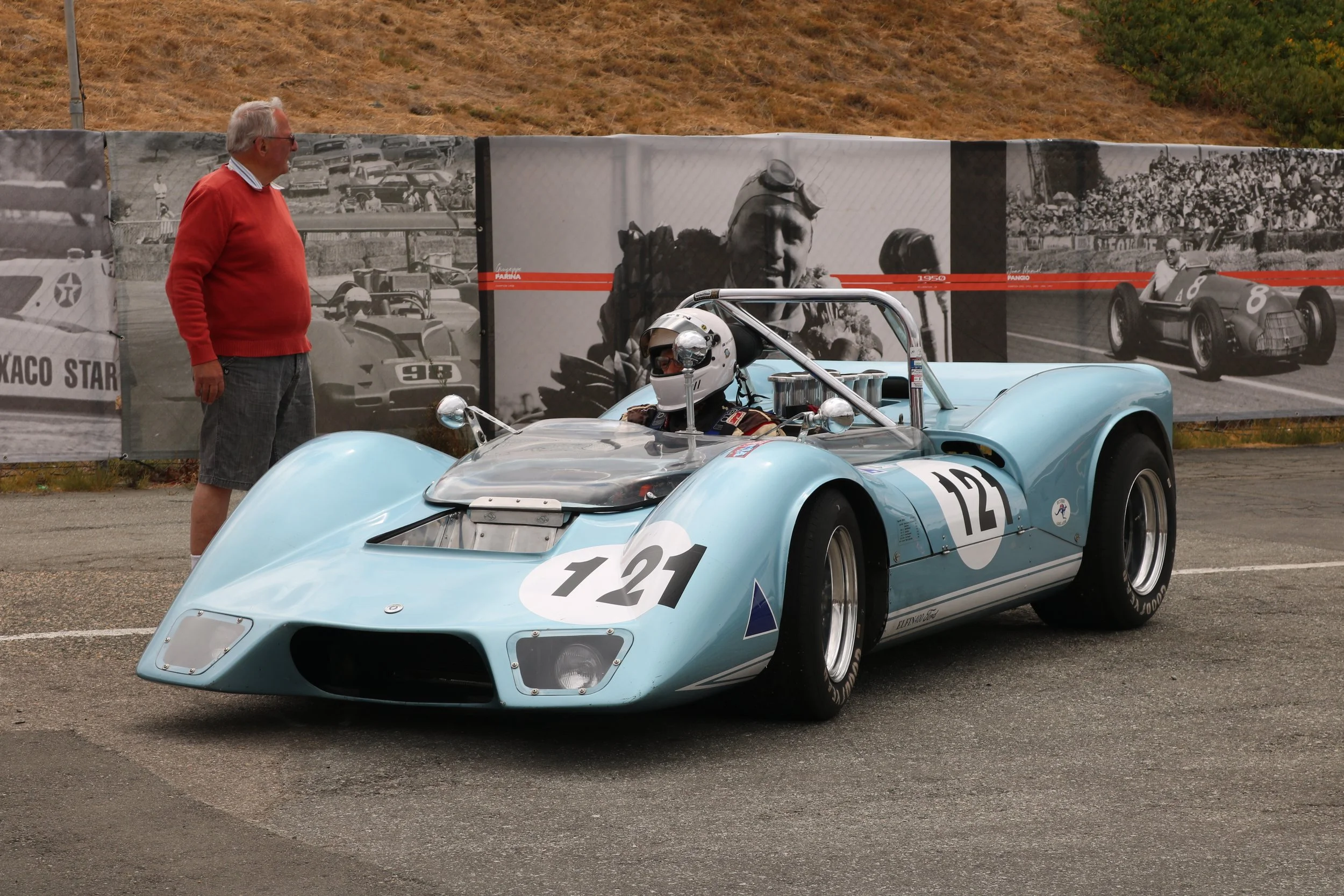
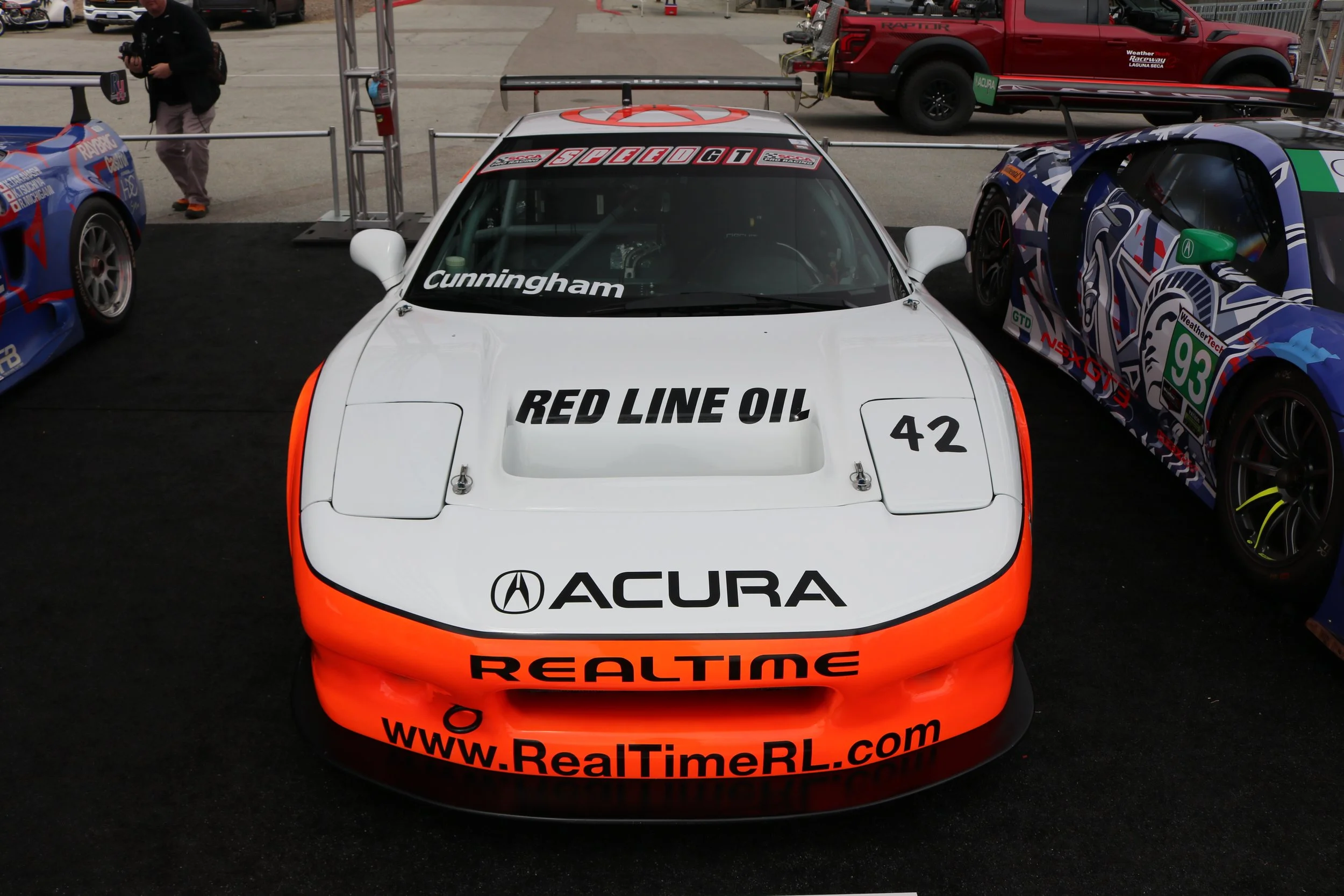
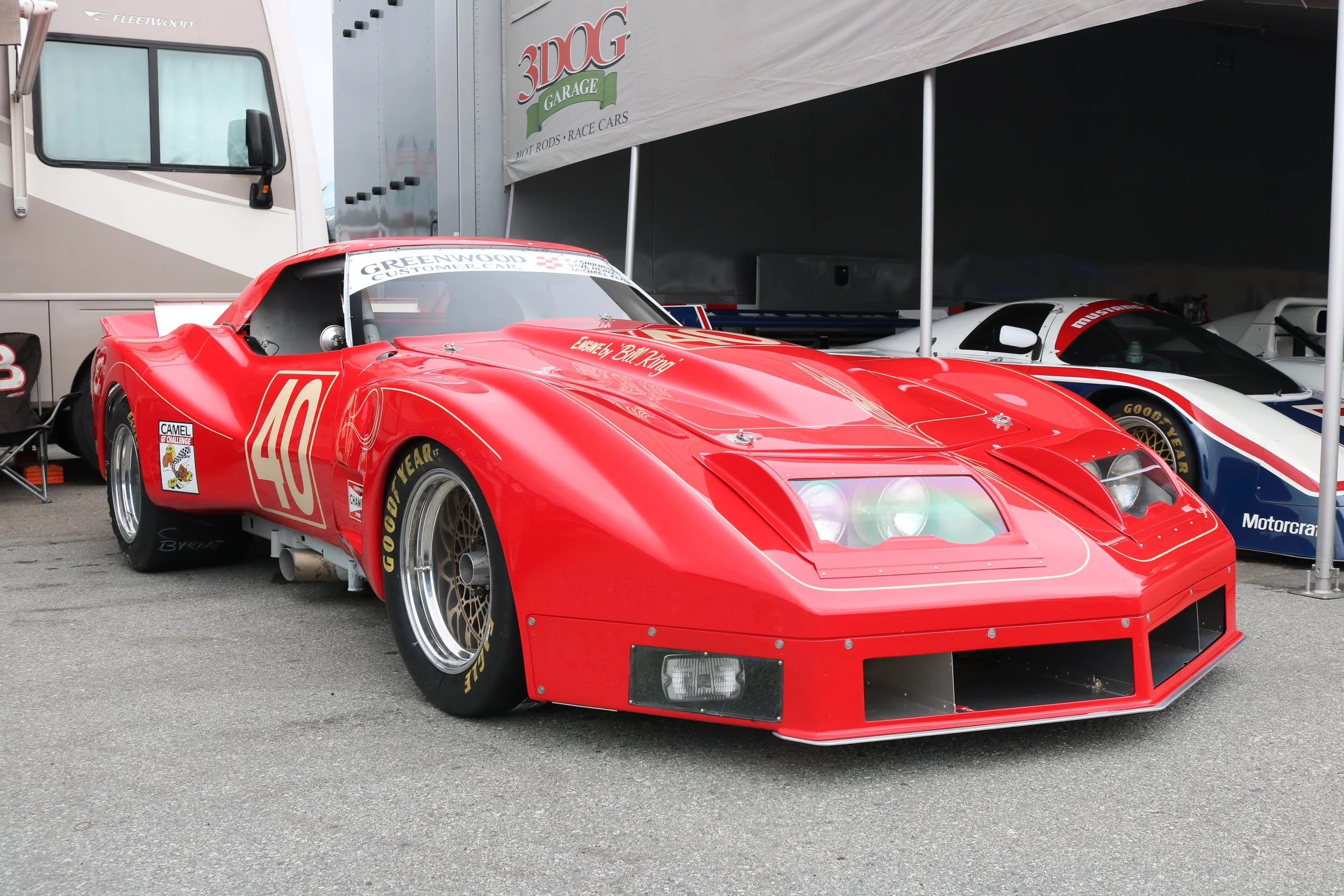
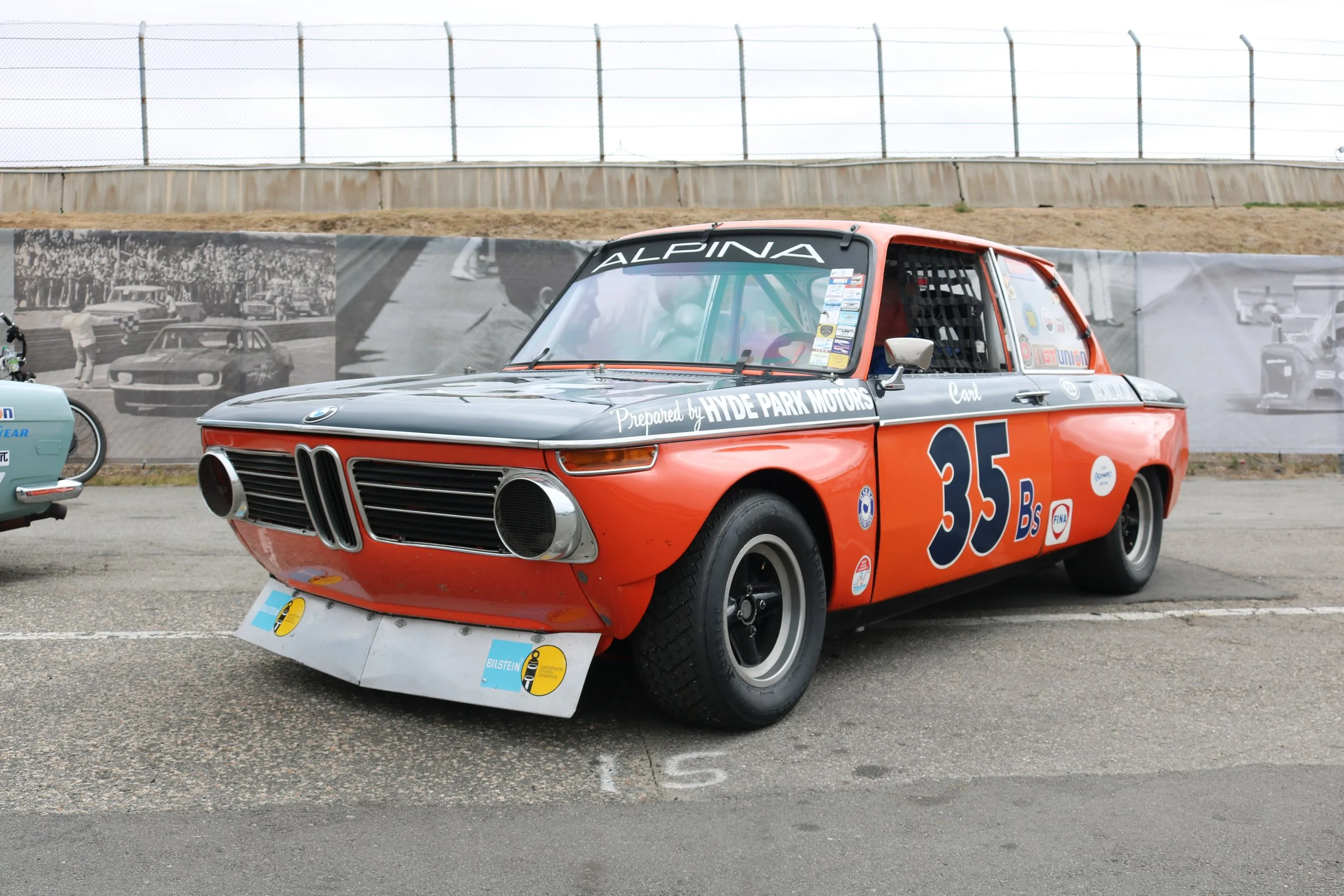
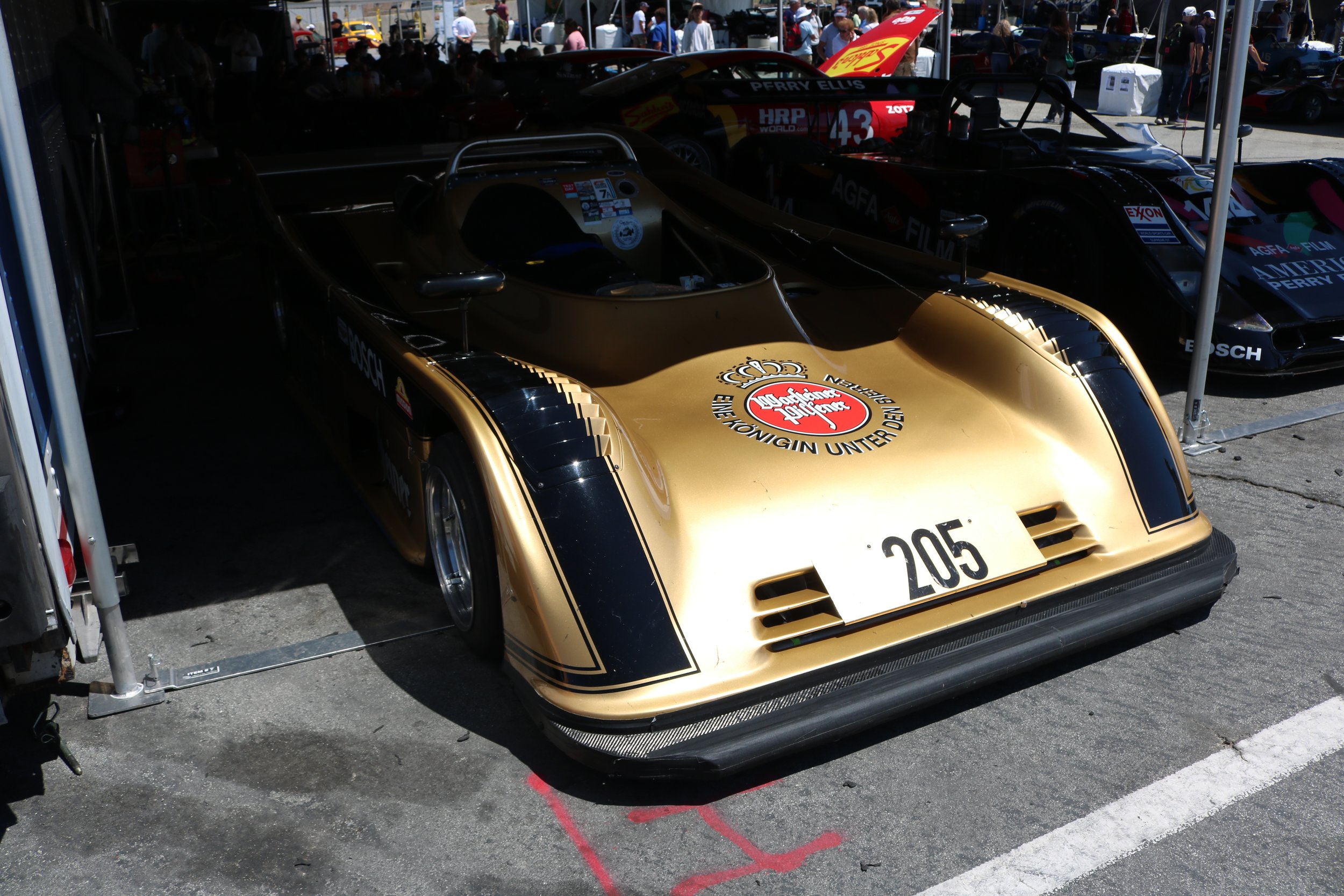
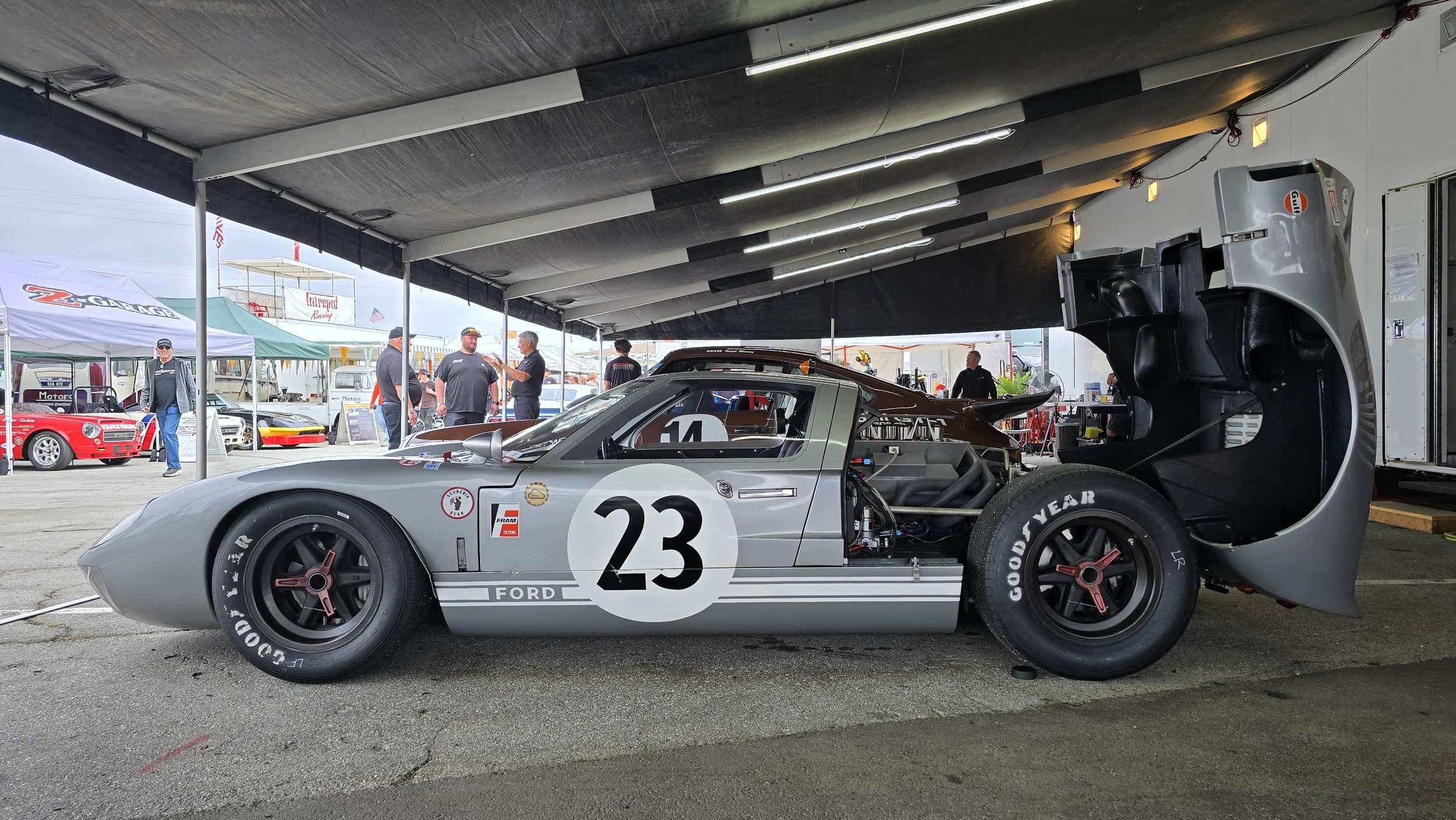
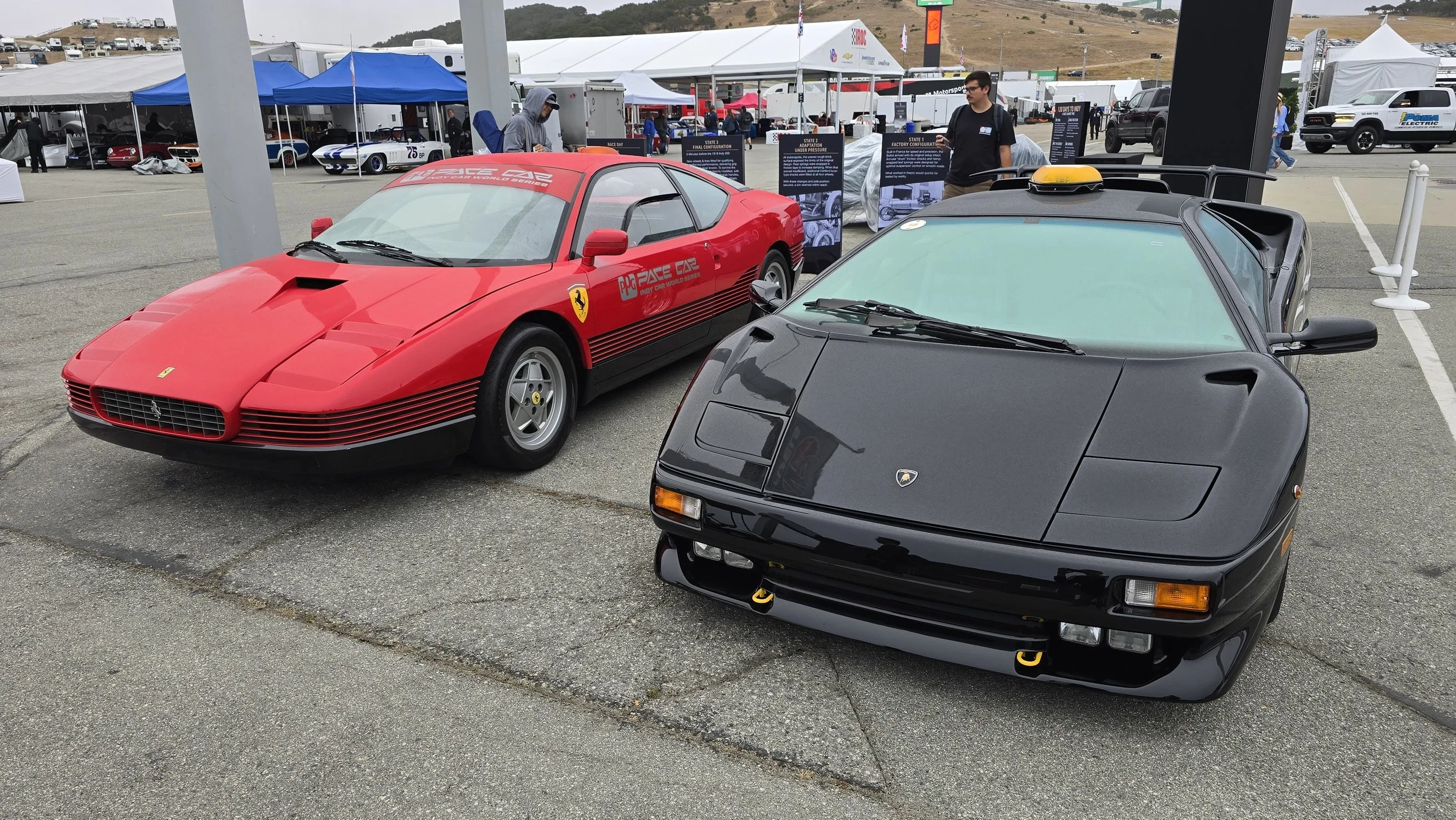
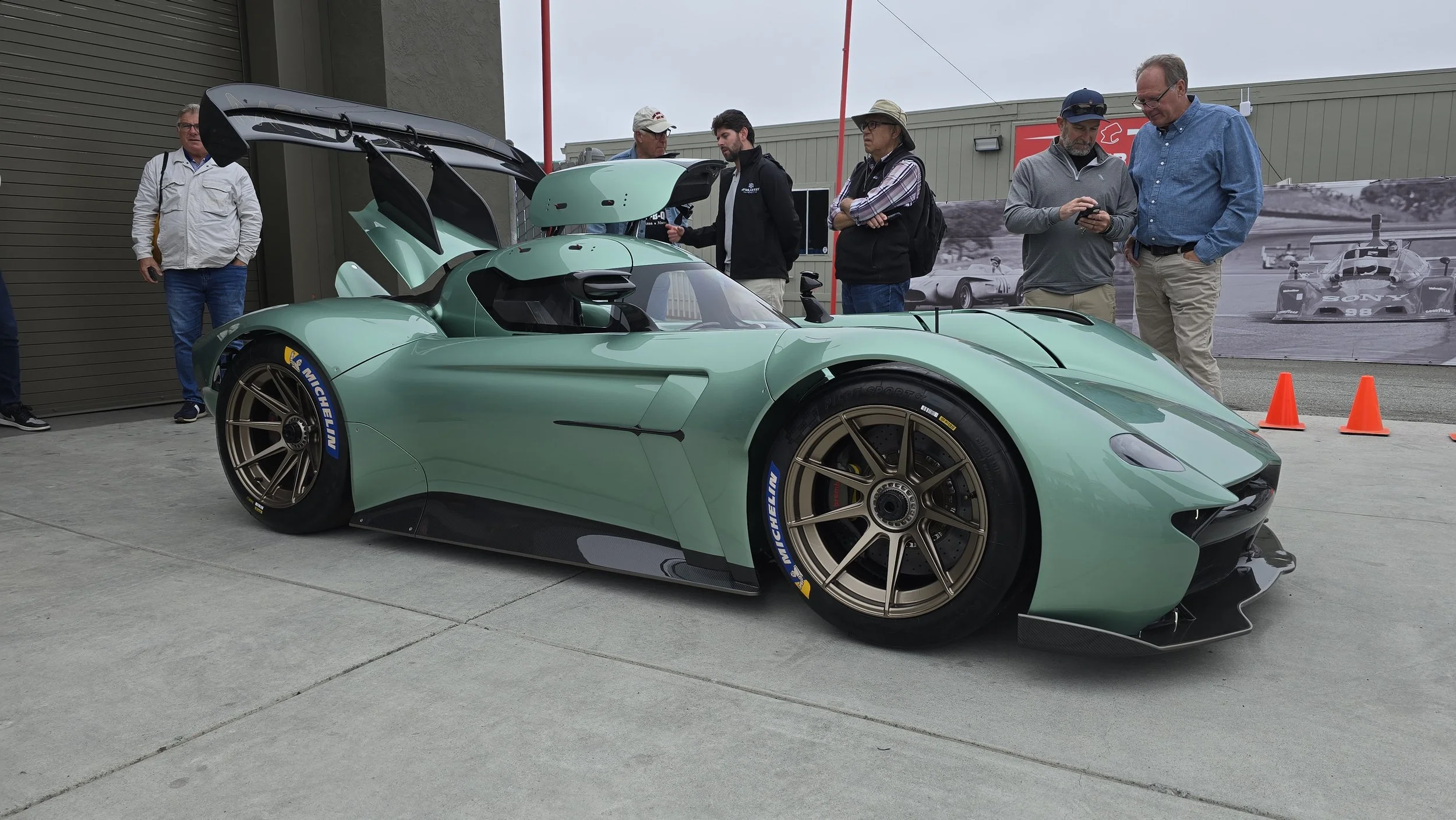
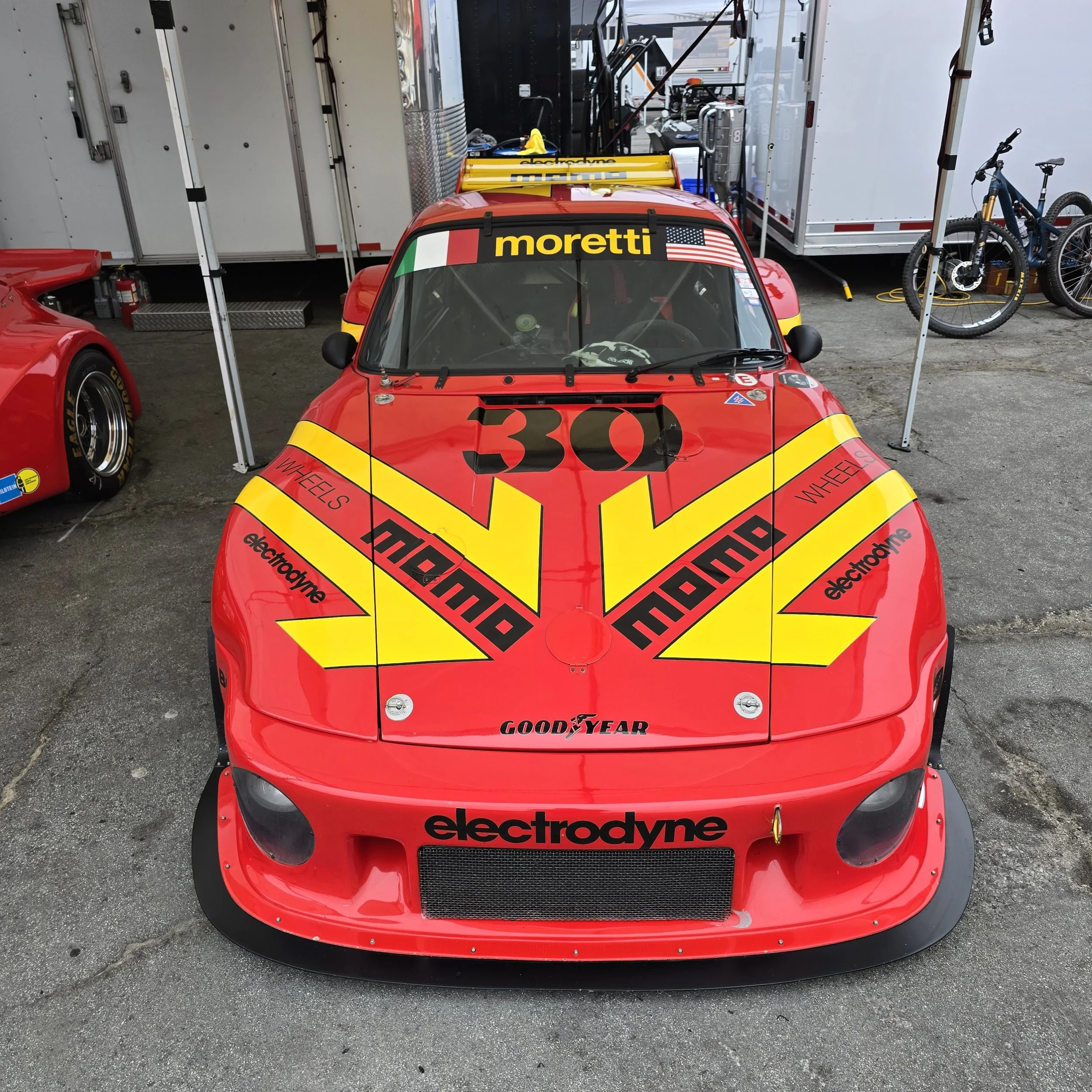
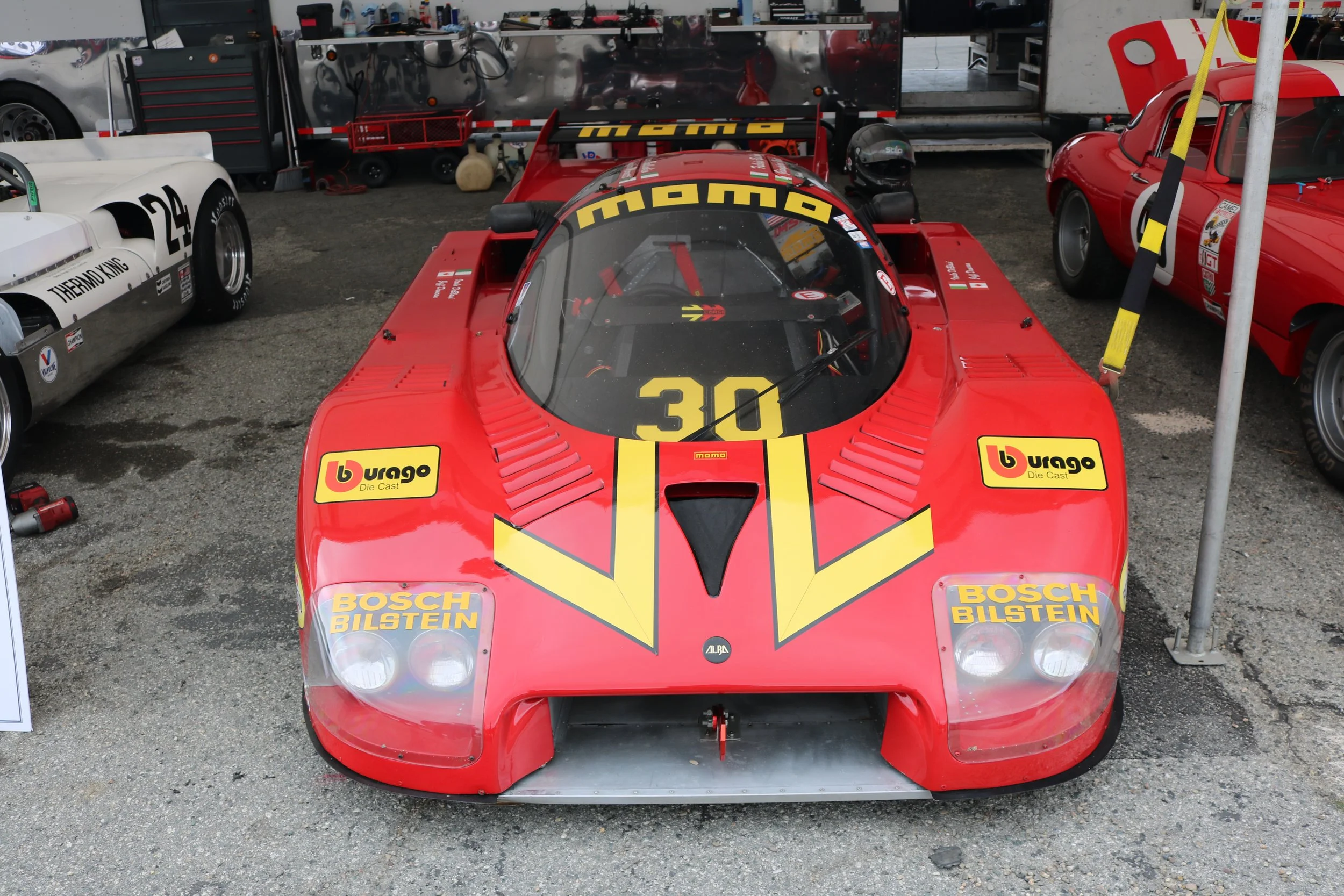
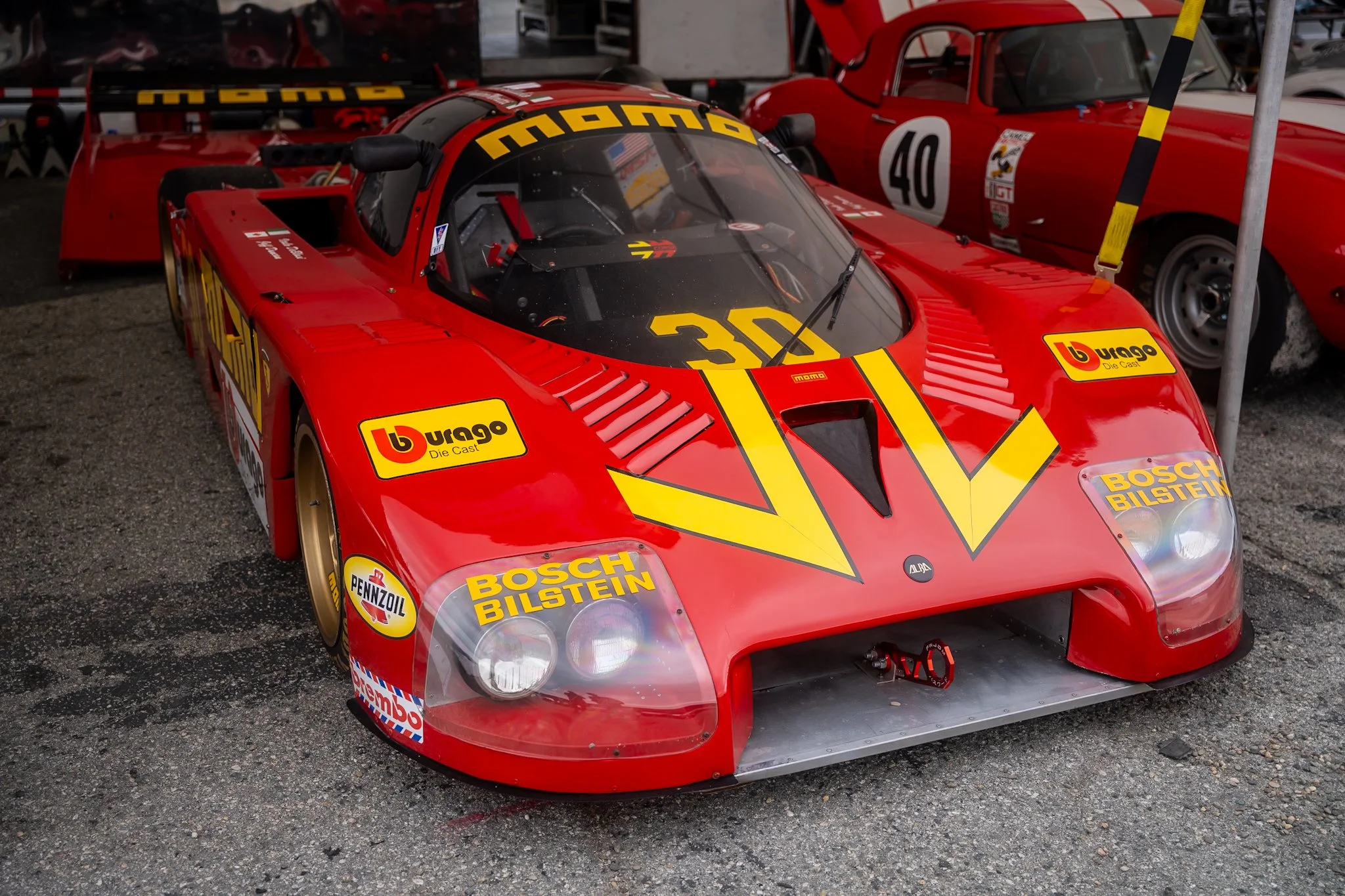
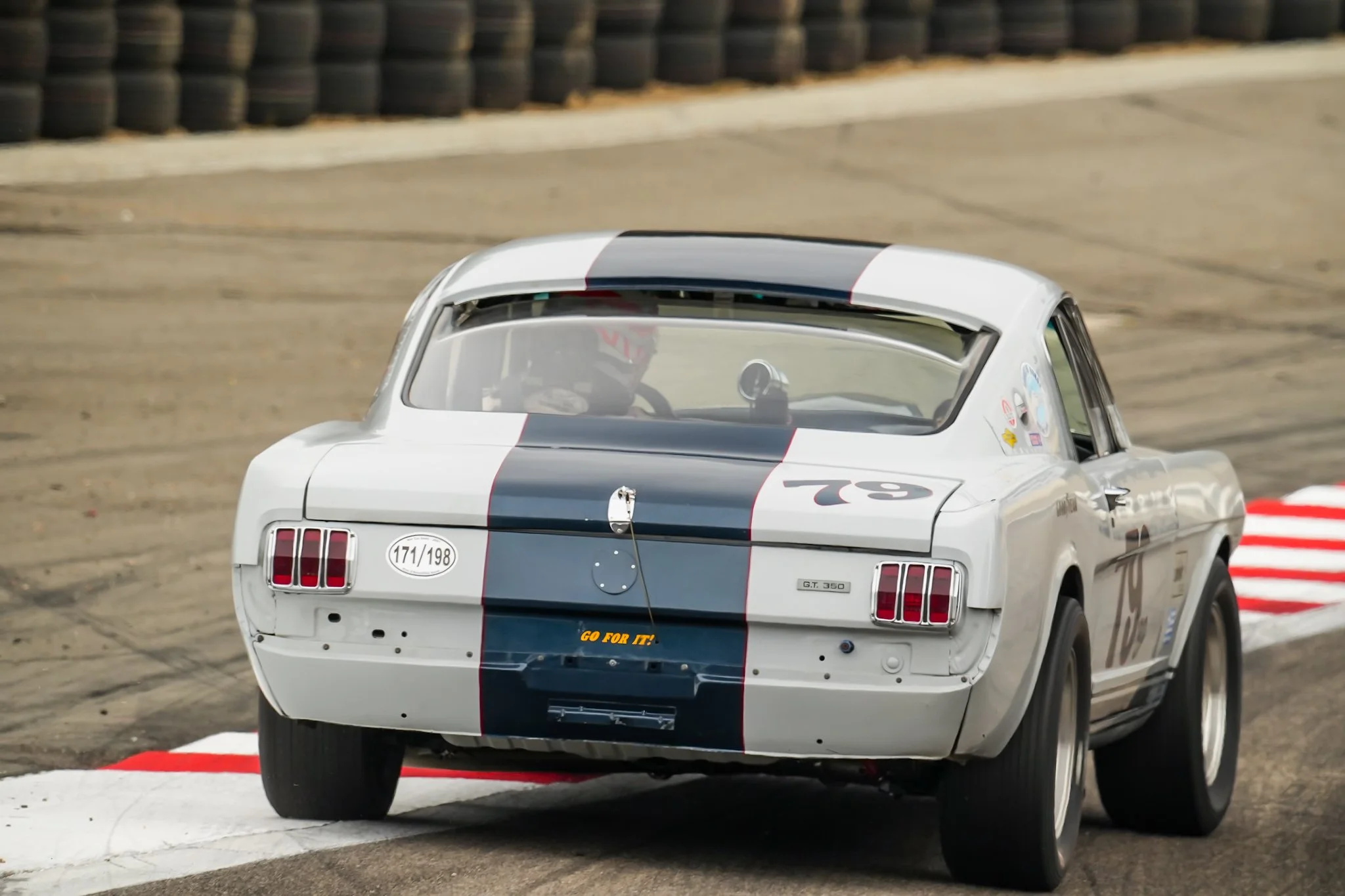
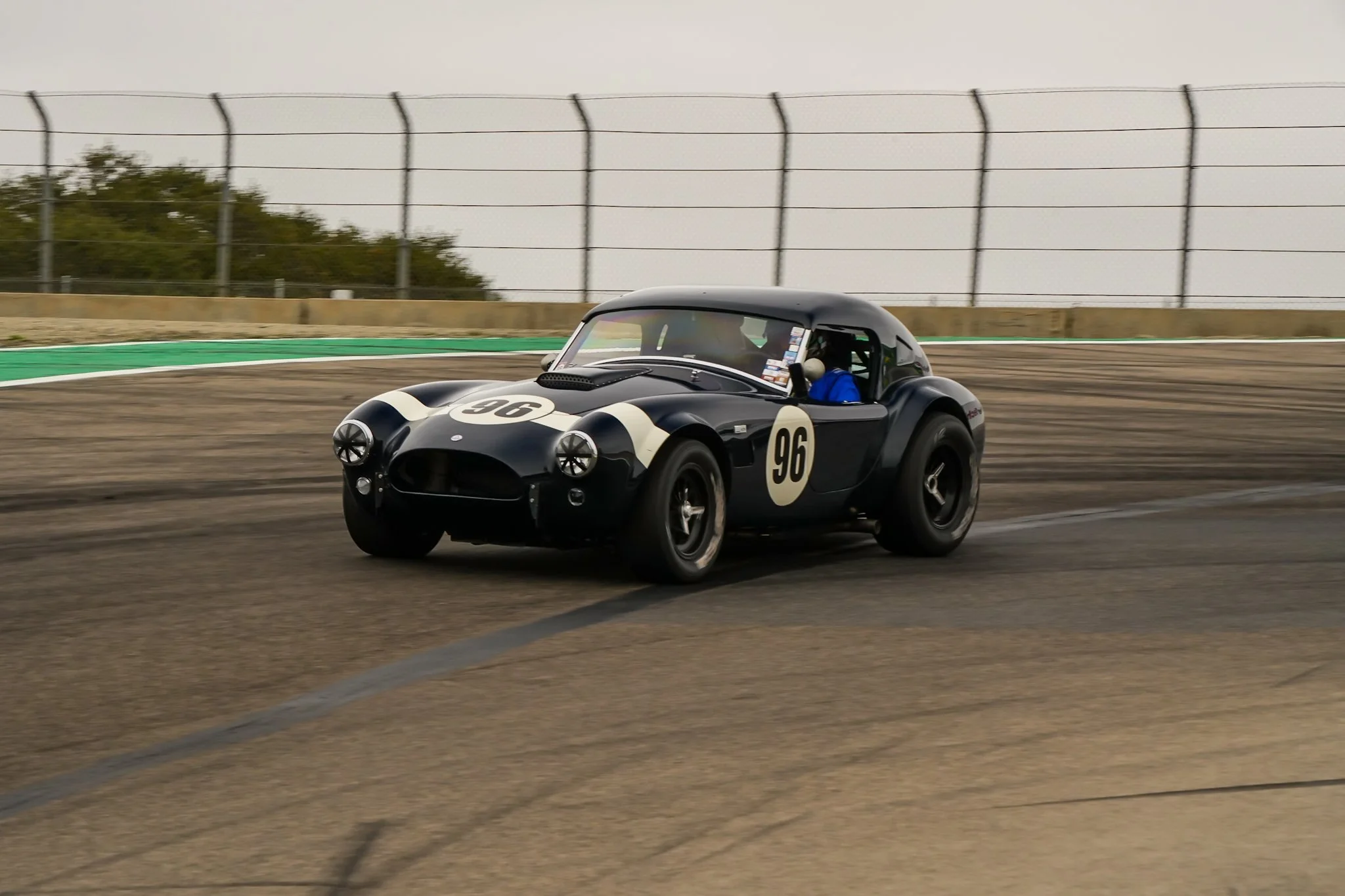
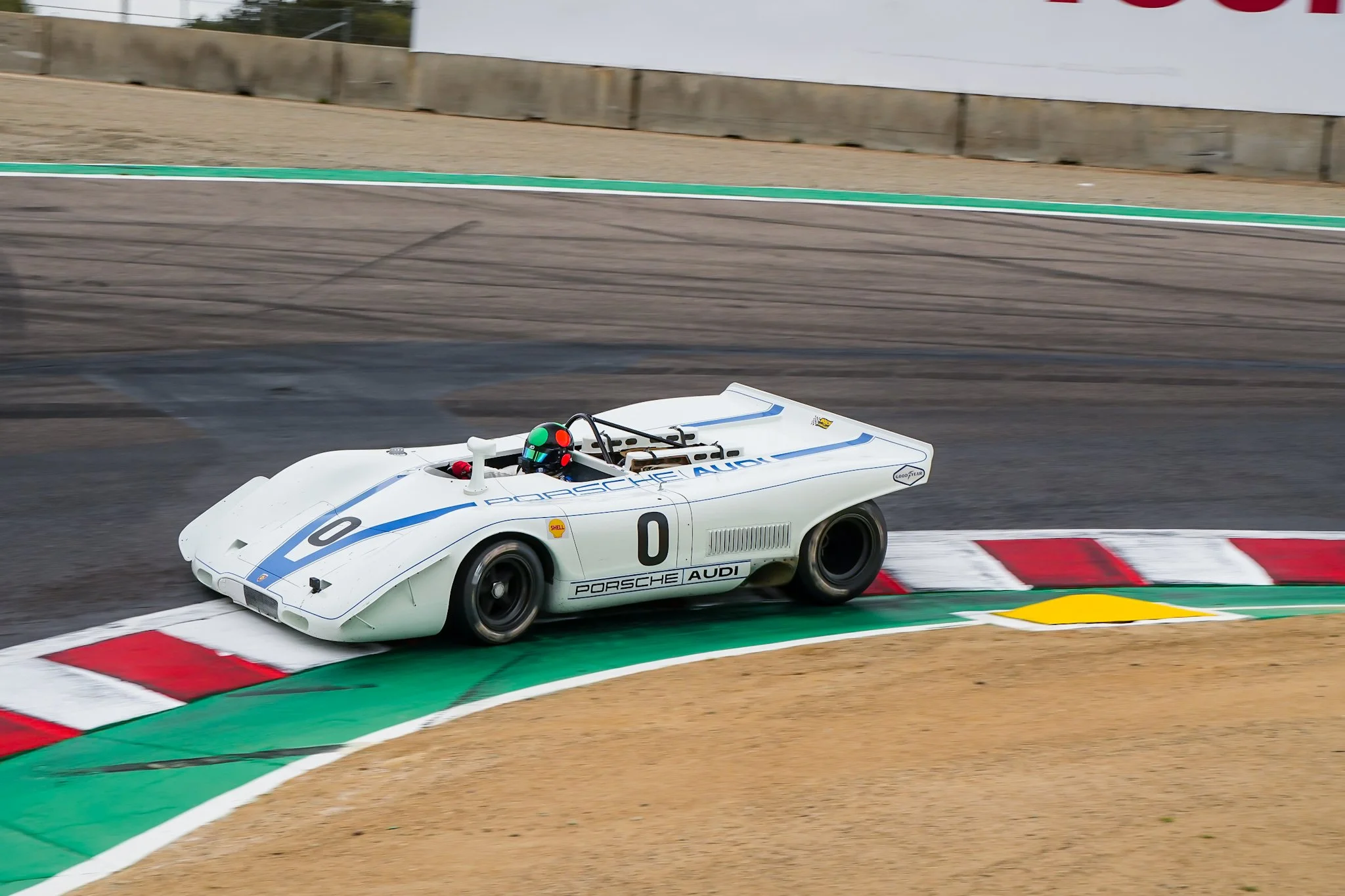
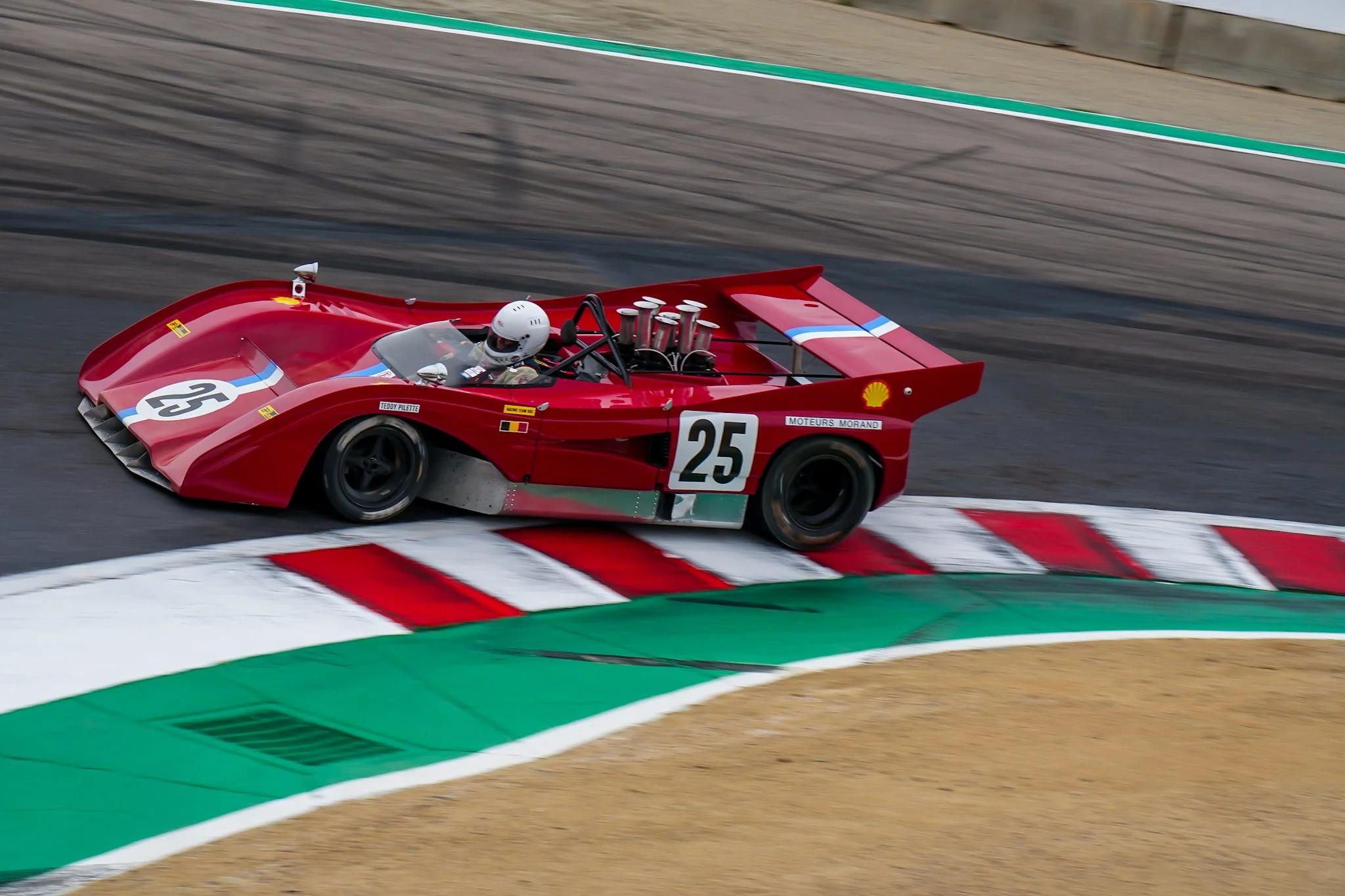
Beyond the Japanese theme, the Reunion was simply enormous. More than 400 authentic historic competition cars filled the paddock, with numerous racing groups spanning multiple generations of motorsport. The field covered everything from early pre-war racing machinery to modern prototypes from the 90s and even into the early 2000s, which creates the peculiar situation where you may walk past something you coveted on television or witnessed racing in anger on a Sunday and now there it is with in touching distance.
The Paddock Is Half the Event
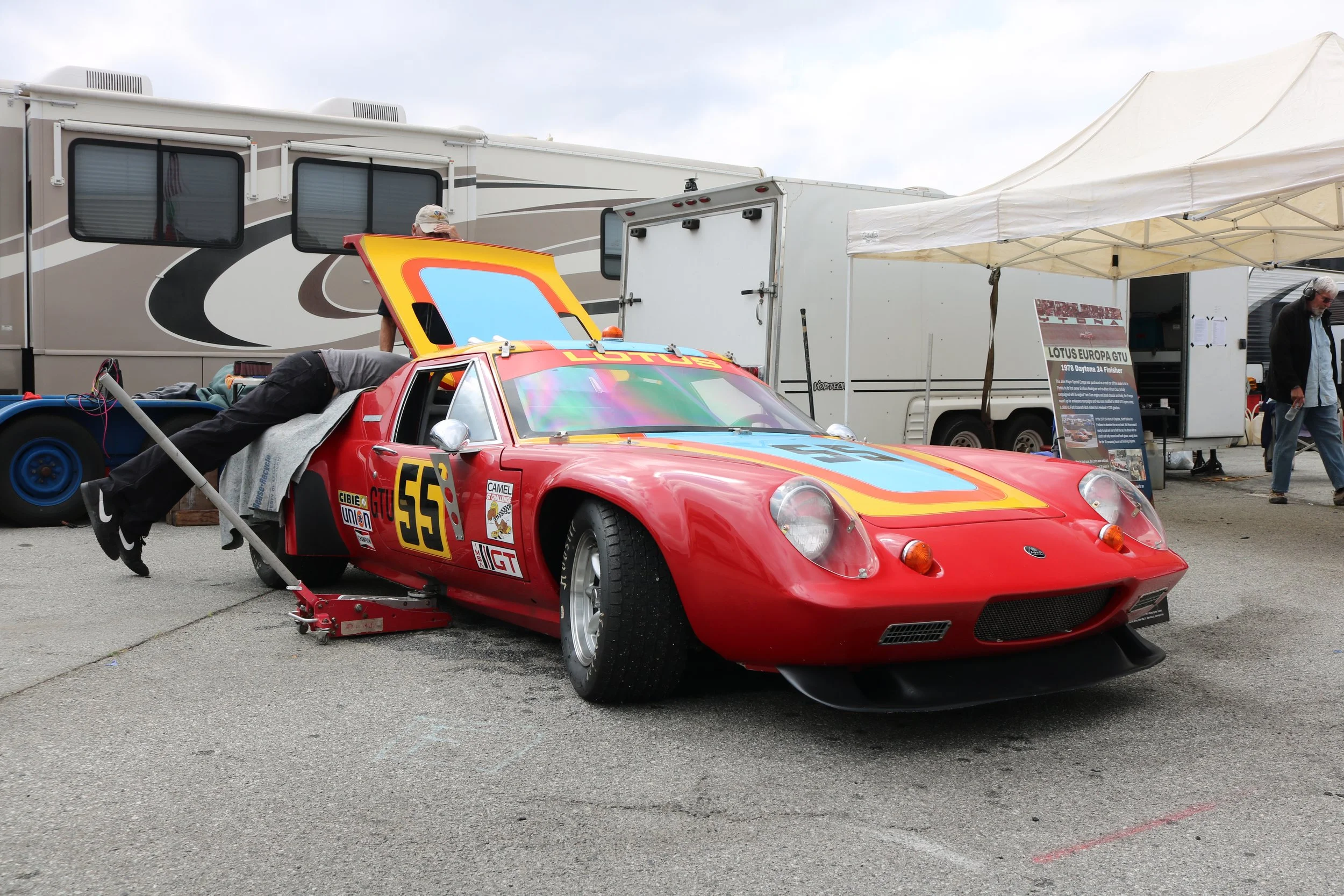
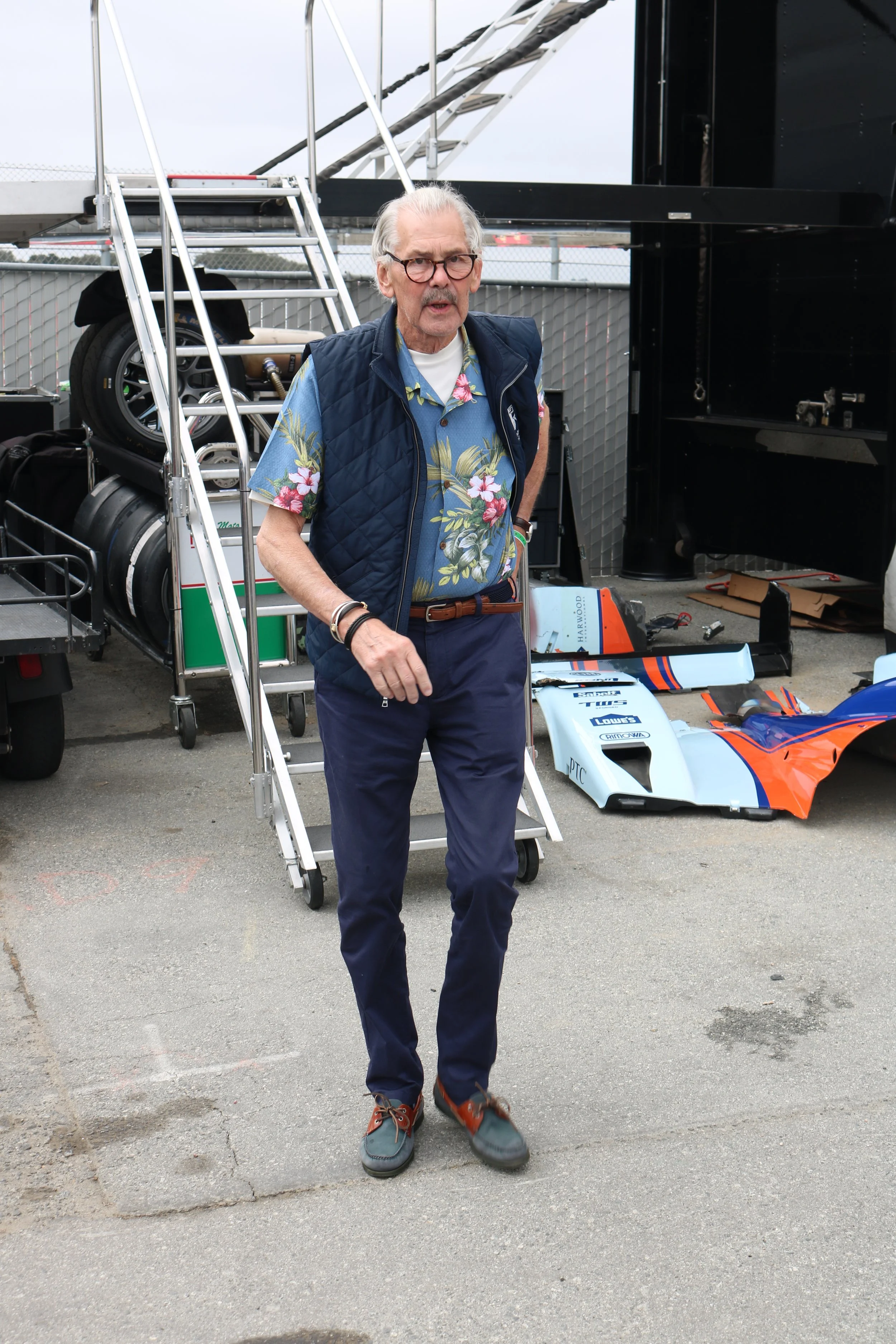
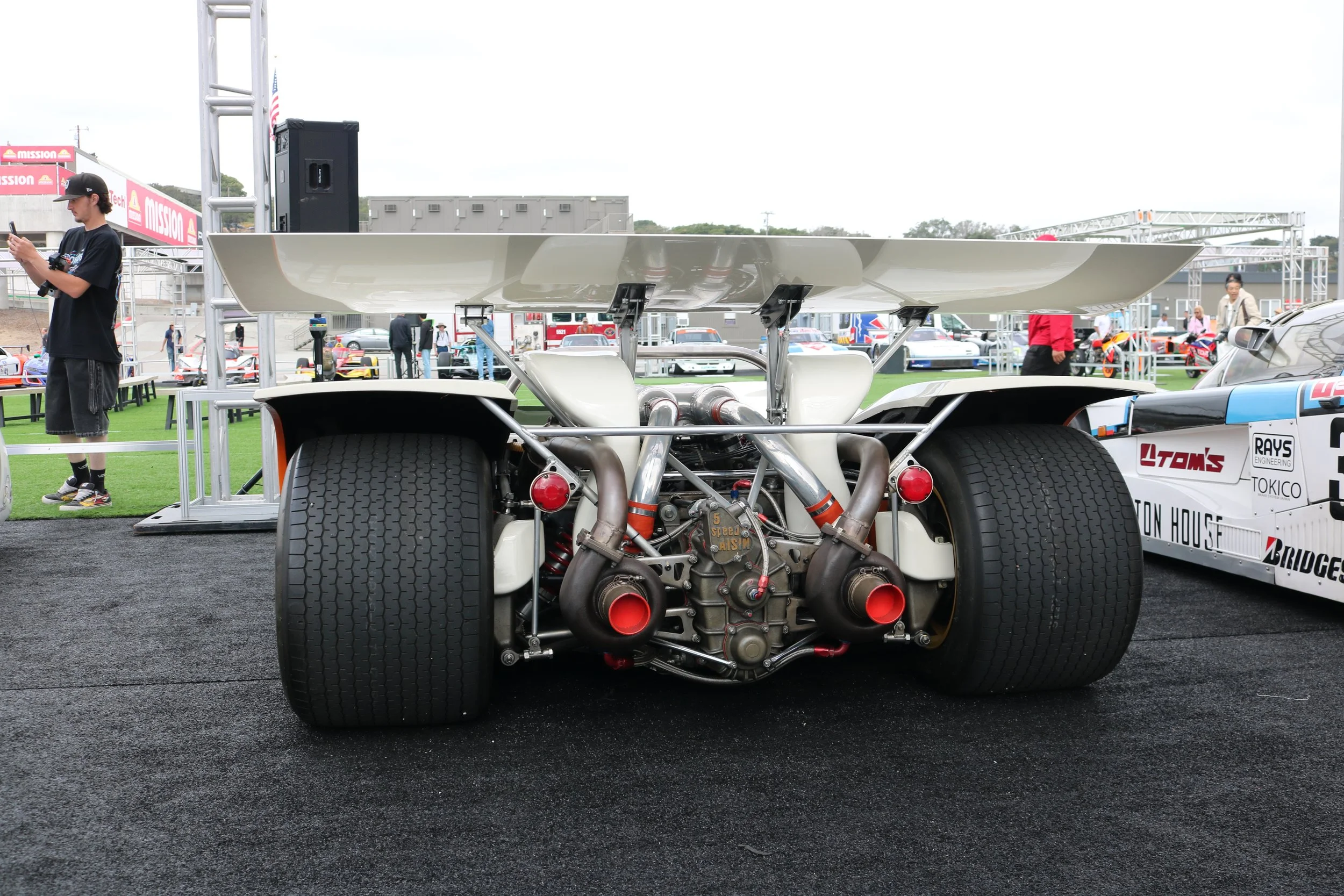
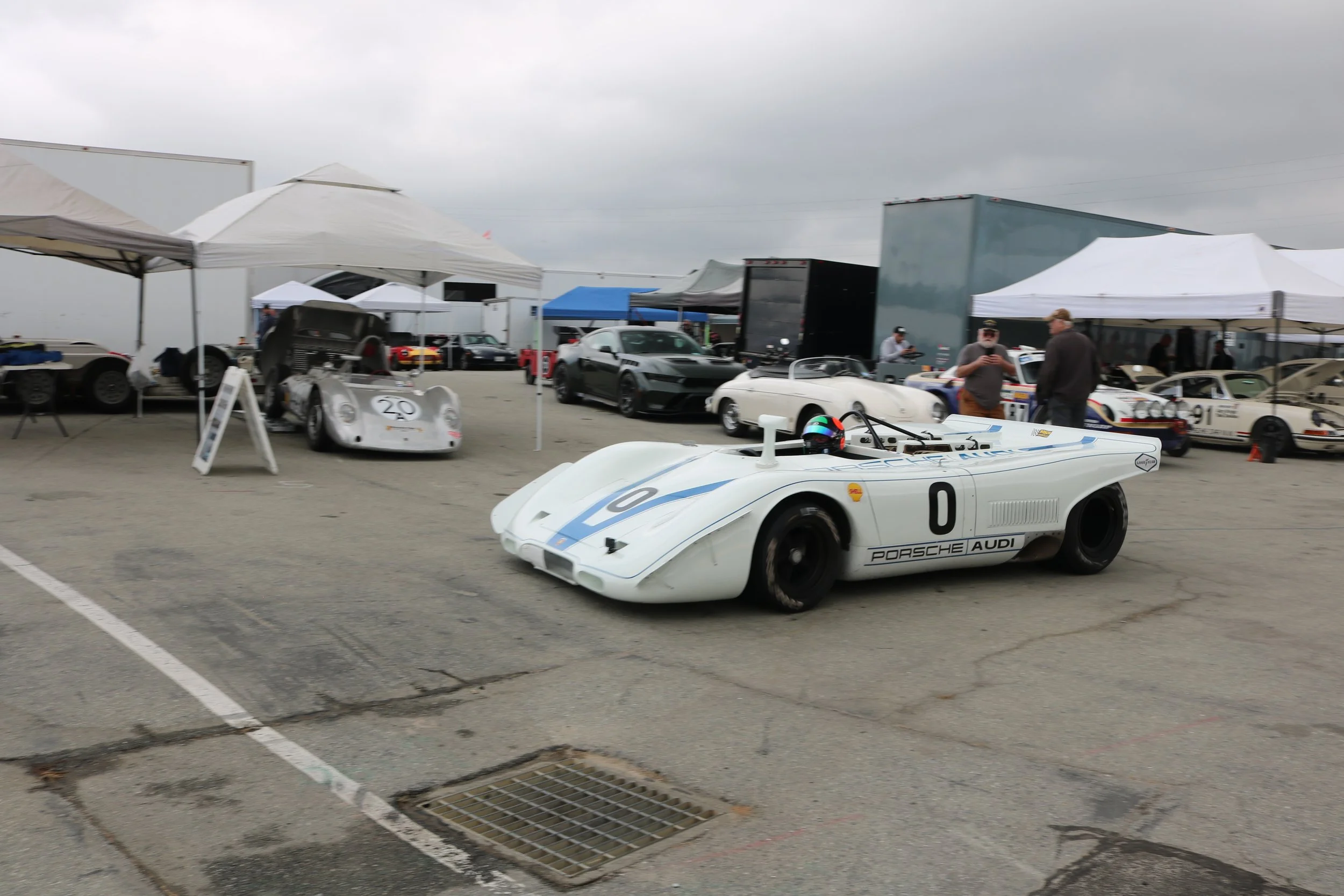
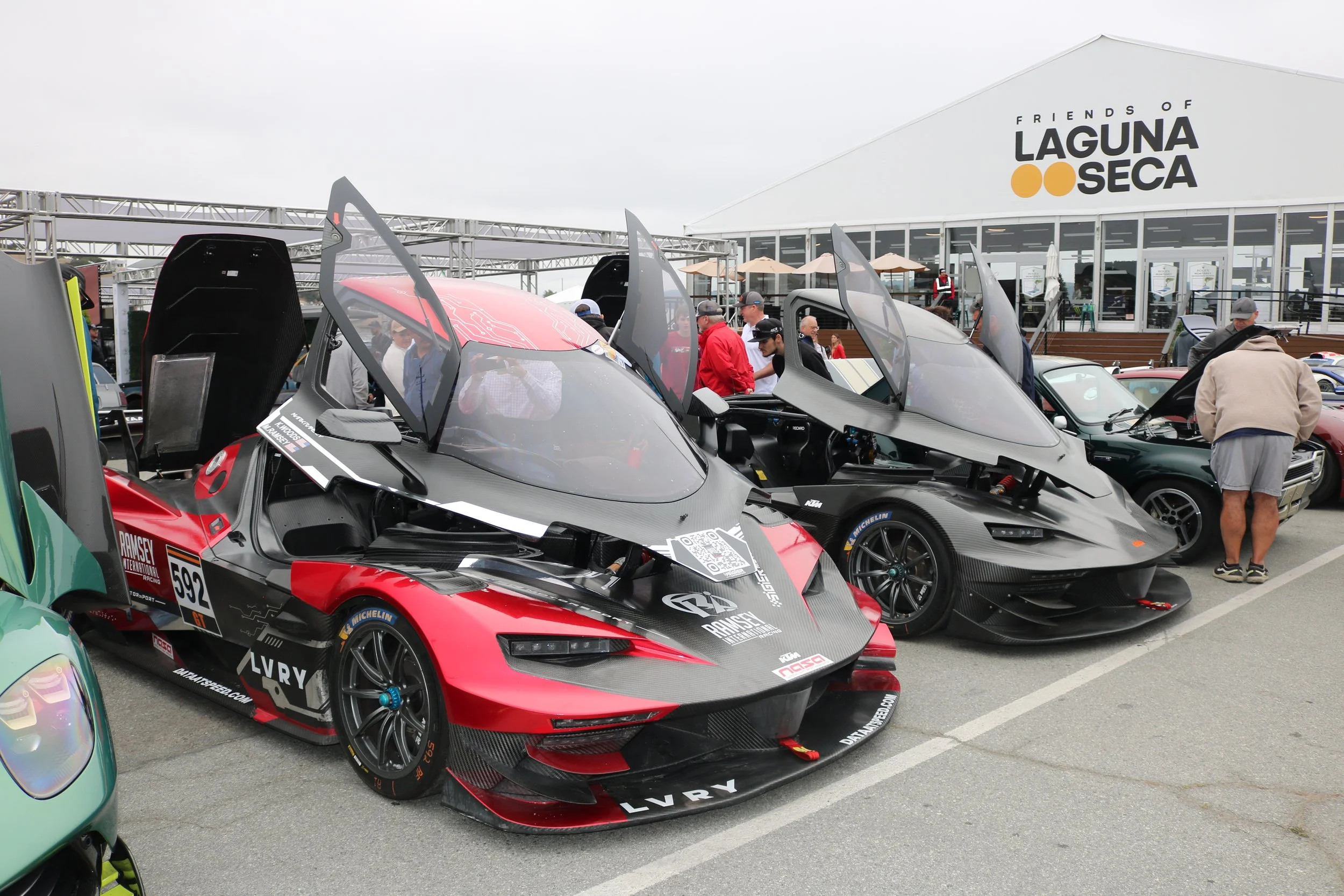
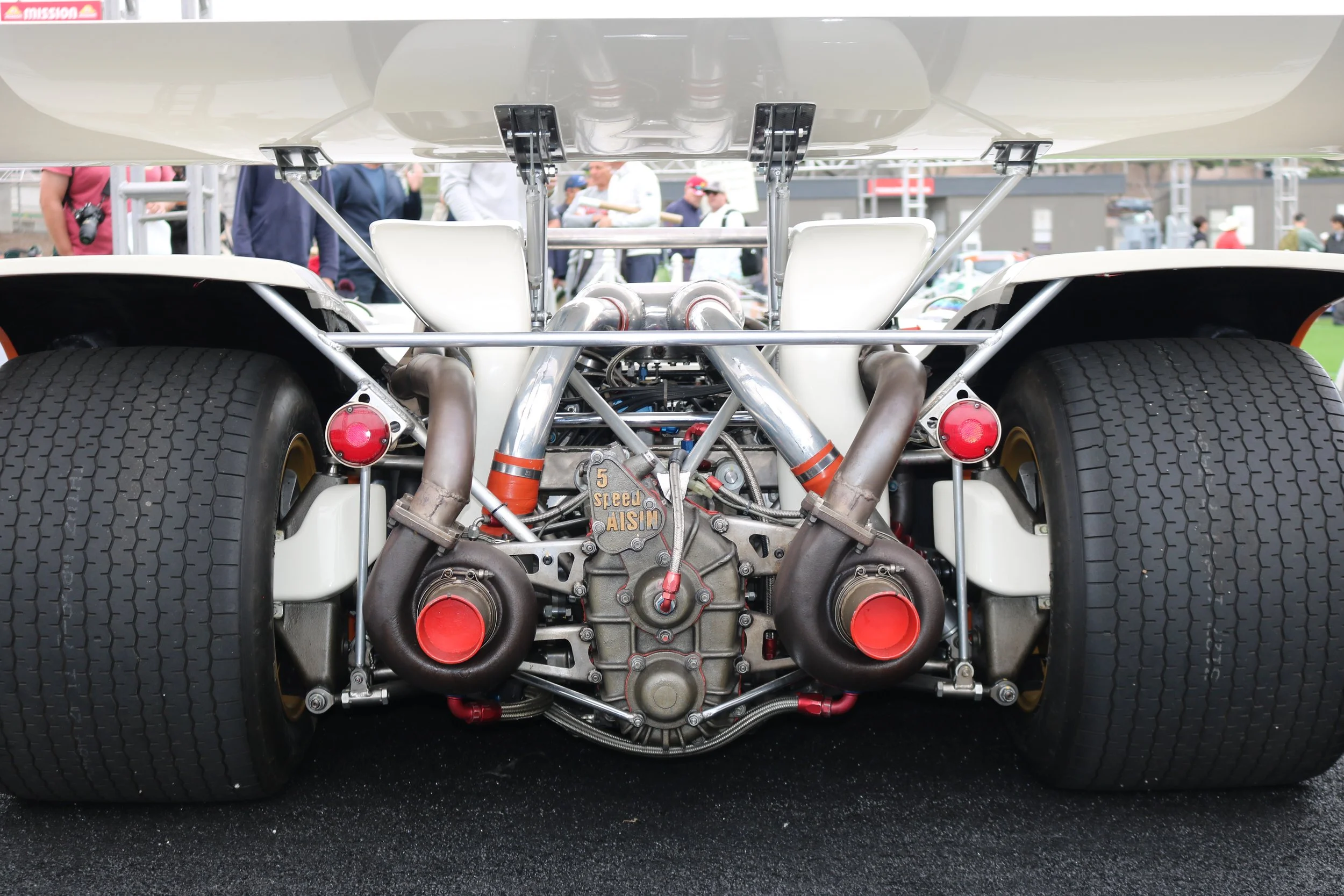
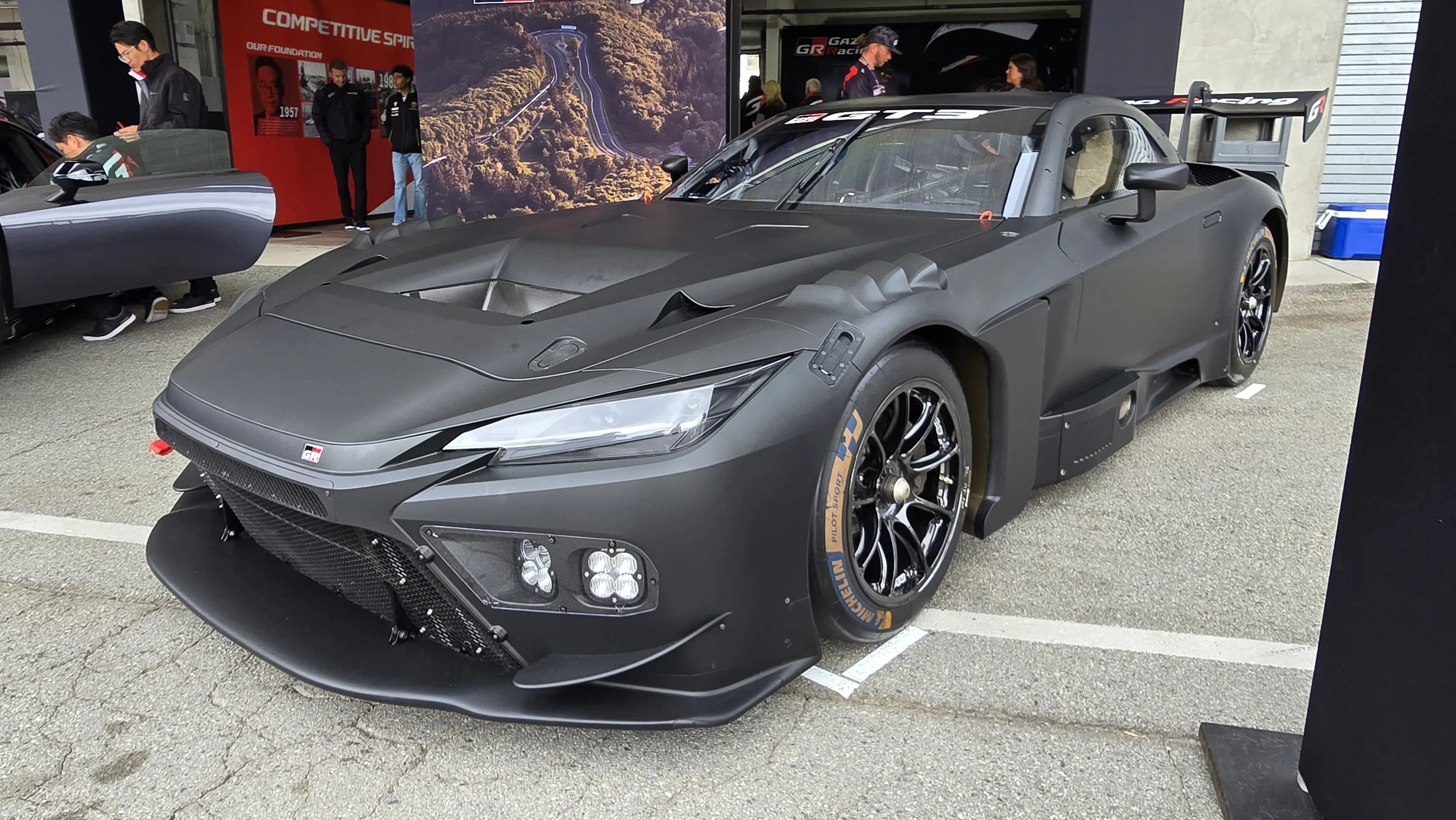
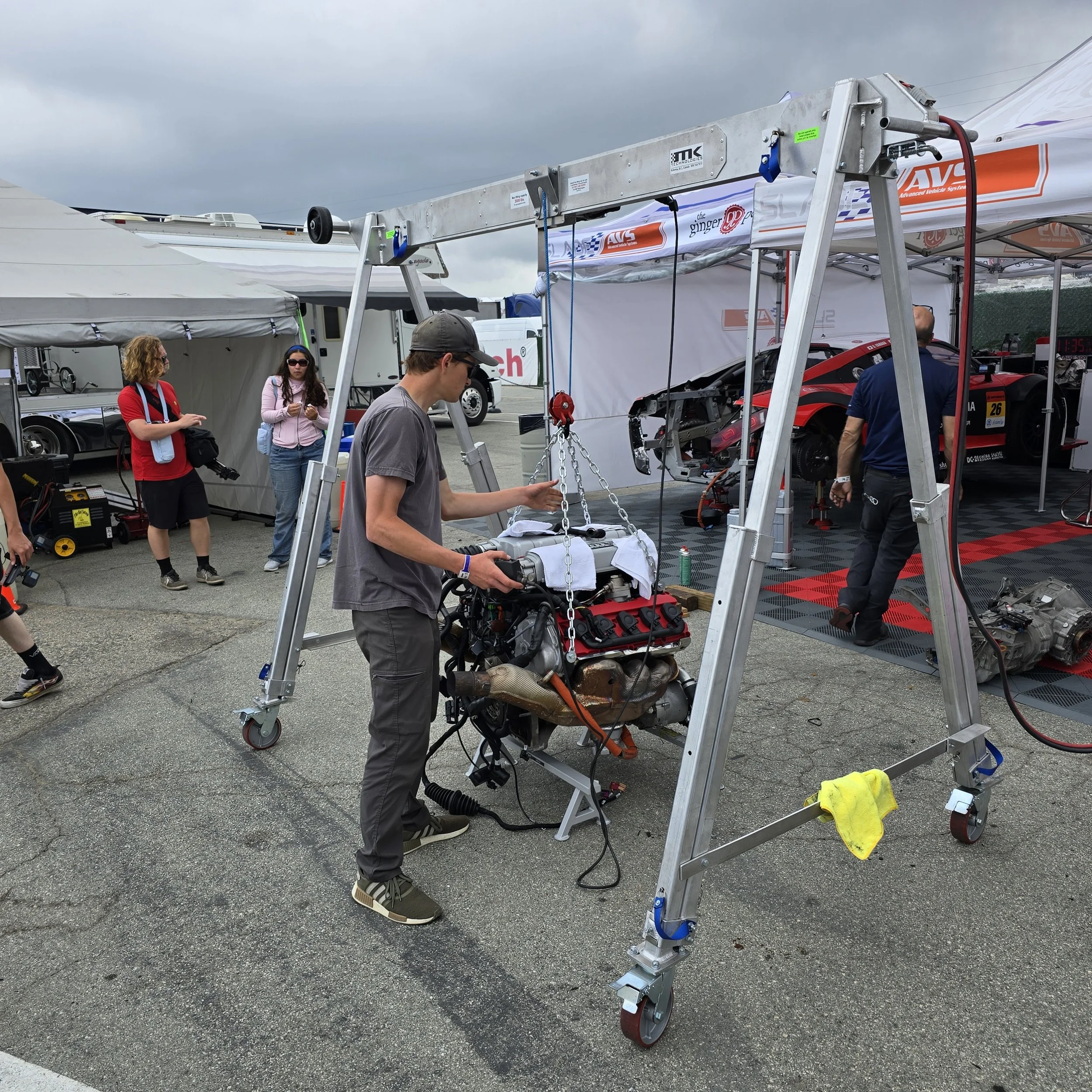
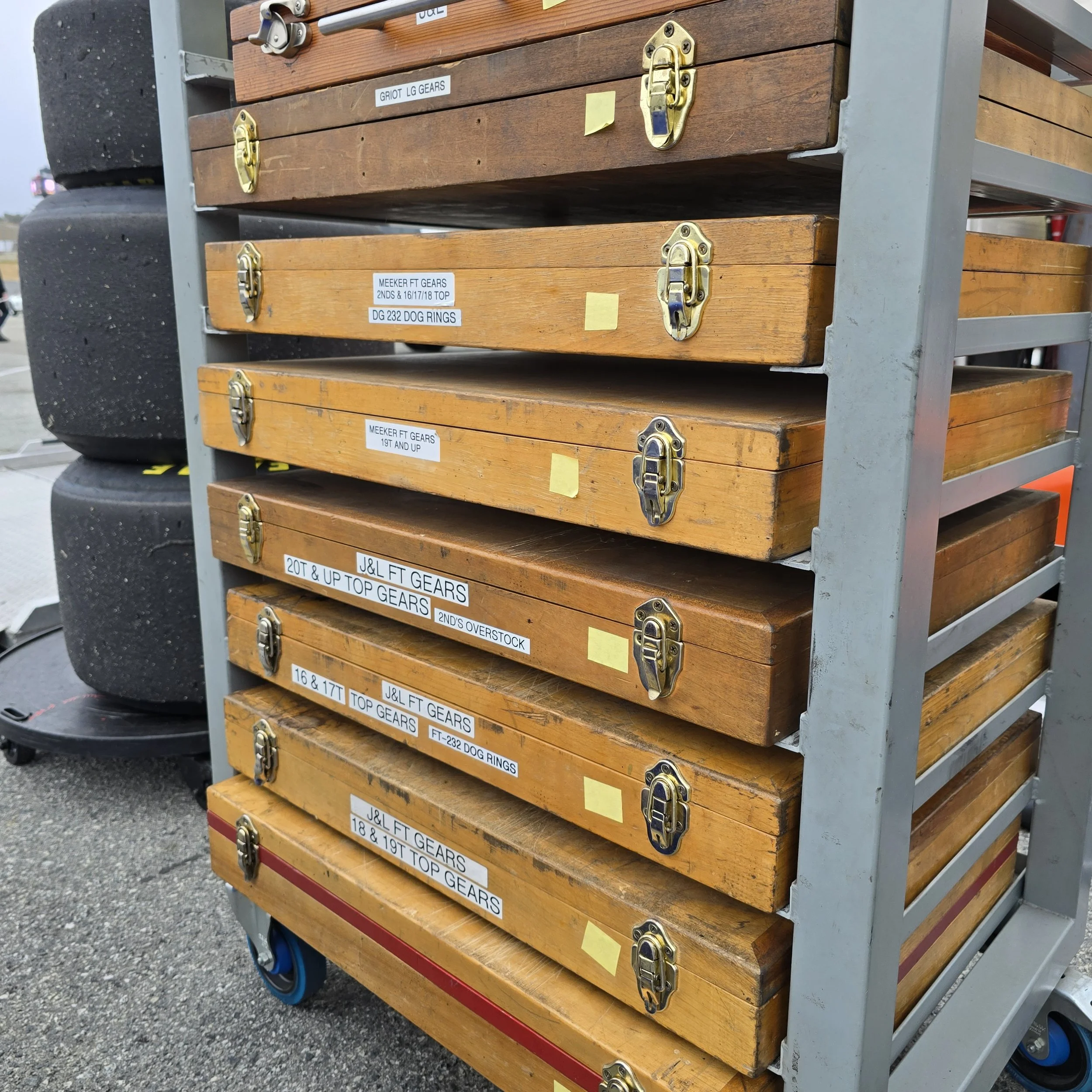
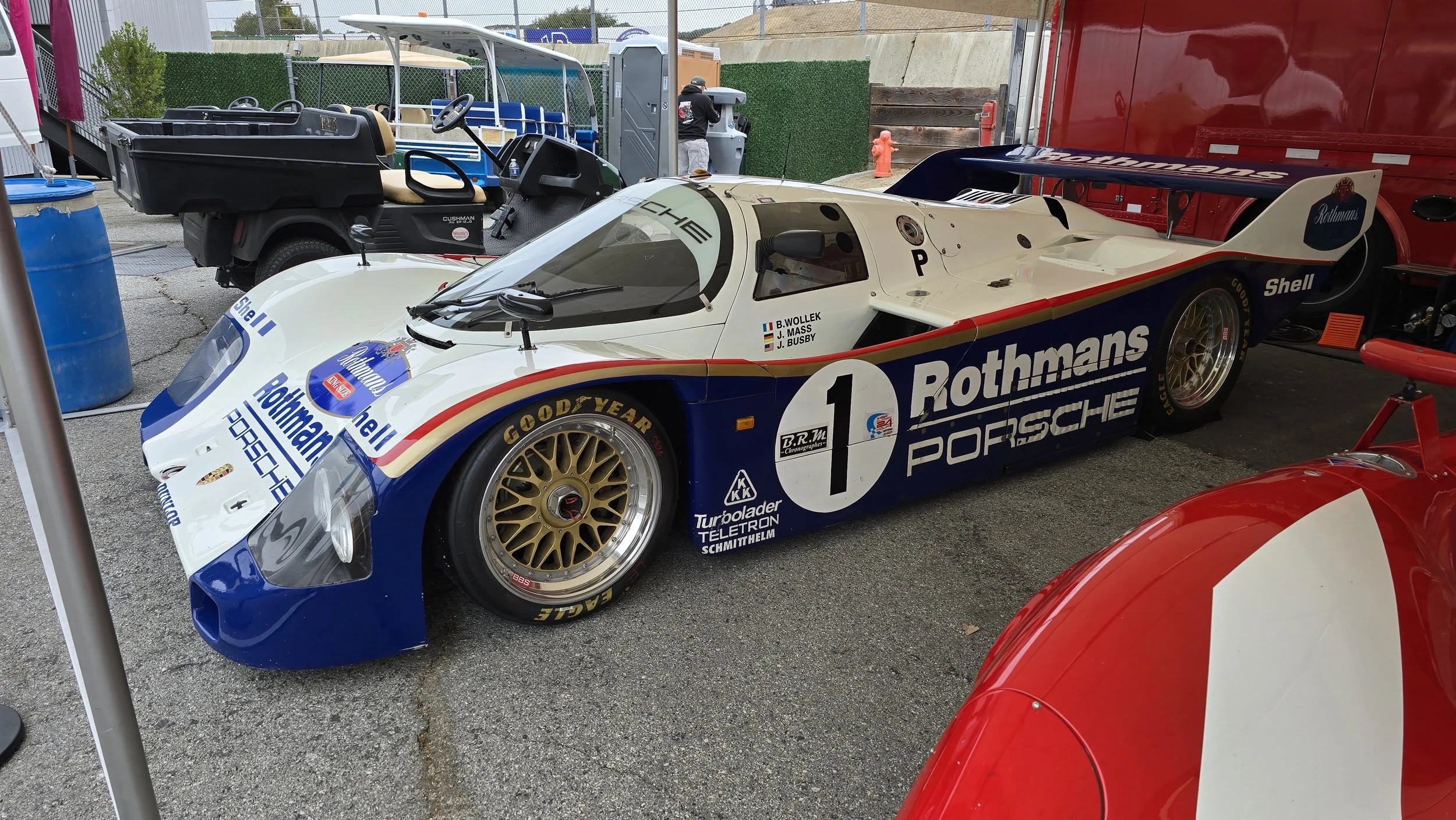
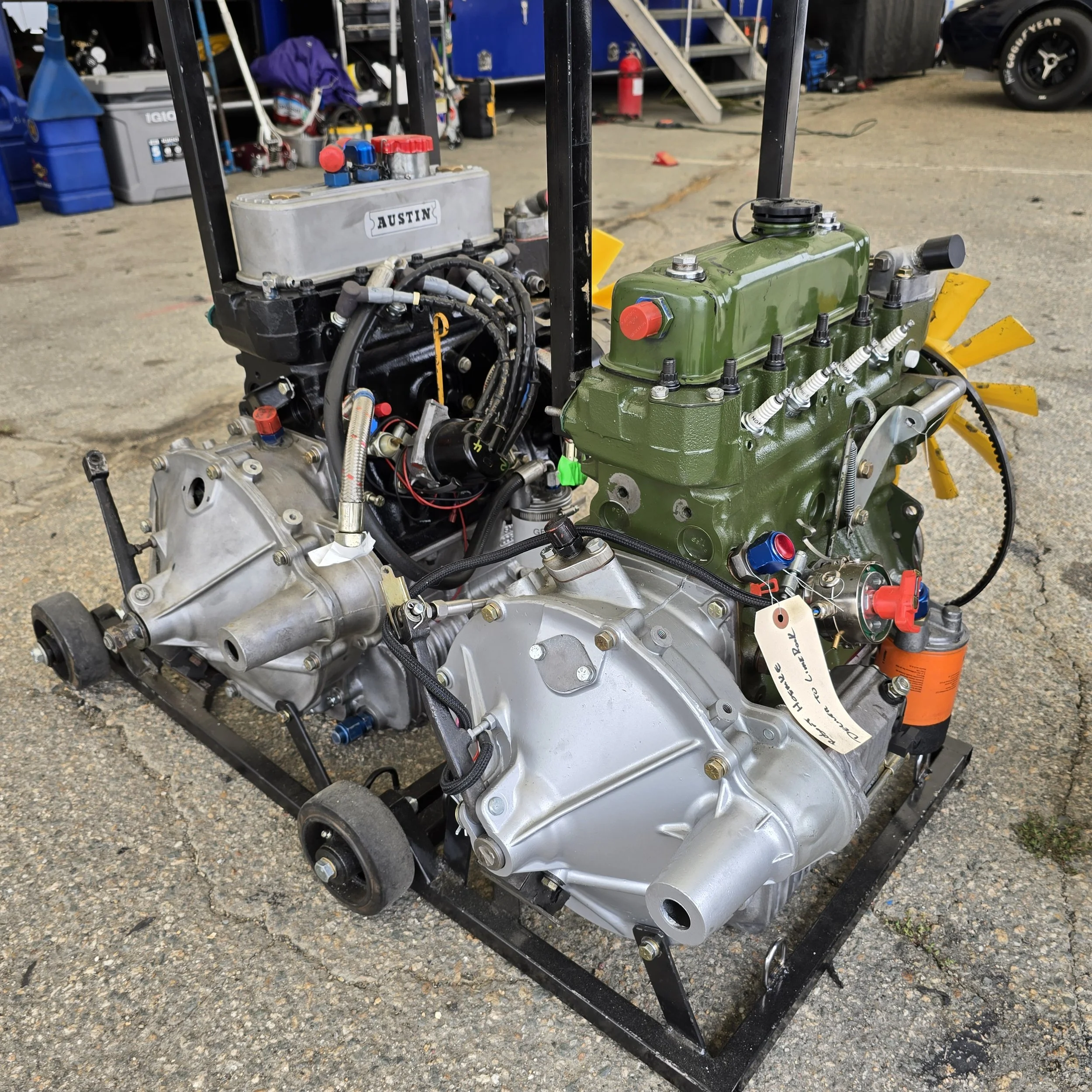
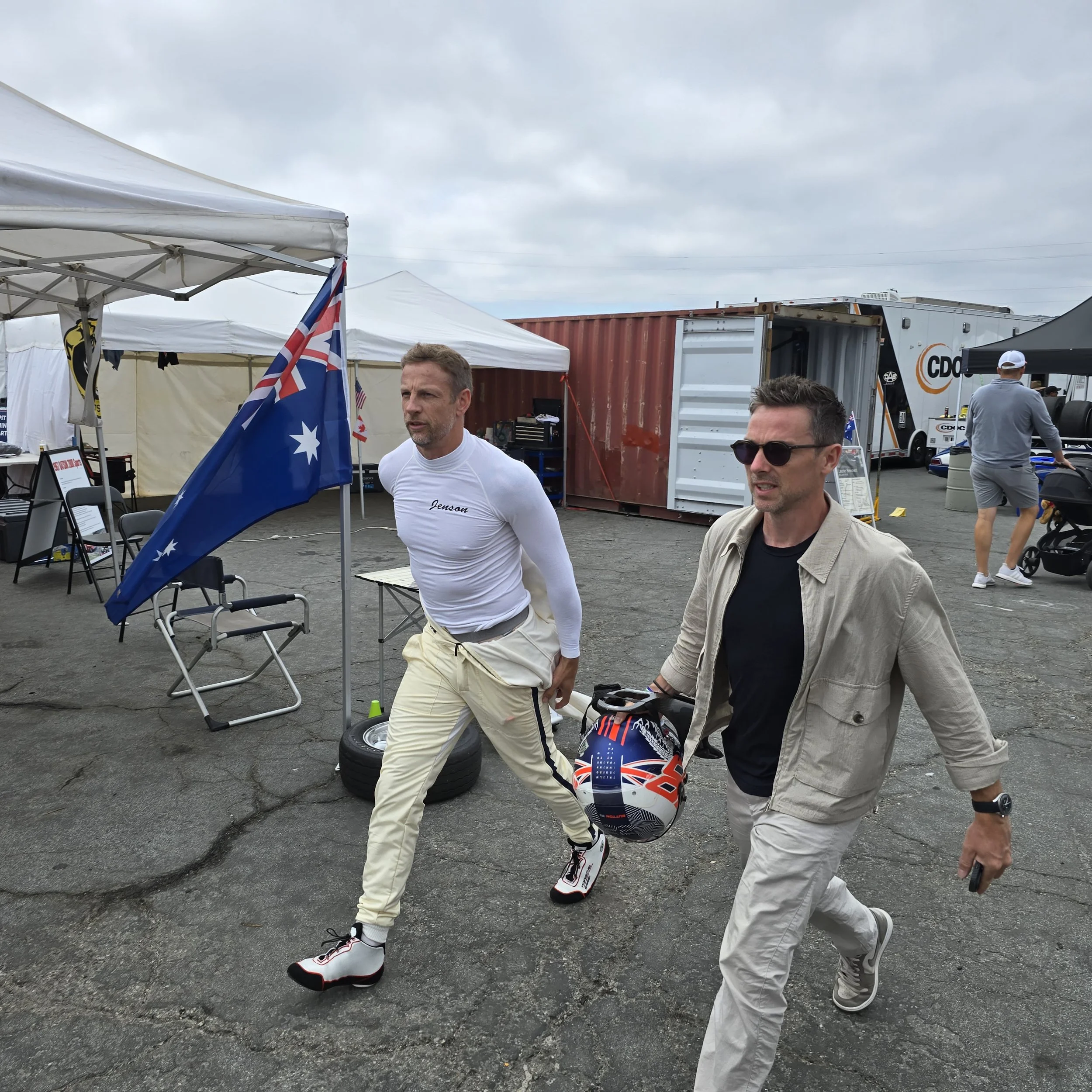
The racing is only part of the Reunion. The paddock is arguably just as important. Unlike a modern professional race weekend where teams understandably protect garages and technical areas, the Reunion allows spectators unusually close access to significant racing machinery, car owners, and in many cases the people who raced them. Cars sit on stands with their bodywork removed. Engines are warmed up. Owners, mechanics, and drivers discuss the history of the cars. World champions wander around. And sometimes there is nobody separating you from a Le Mans-winning prototype except a small folding chair and your own sense of self-control. It is one of the rare places where motorsport history feels (and is) genuinely accessible.
Why the Reunion Matters
Pebble Beach celebrates preservation. The Quail celebrates collecting, design and the modern exotic-car world. The Rolex Monterey Motorsports Reunion celebrates something slightly different: use.
Race cars are fundamentally machines built to move quickly. Their engines were designed to become hot. Their brakes were designed to glow. Their gearboxes were designed to be abused by people with unusually developed confidence. And however beautifully a historic racing car may be restored, displaying it permanently beneath fluorescent lights eliminates a rather important part of its reason for existing. The Reunion refuses to do that. It puts them back on a racetrack. Some are priceless. Some are irreplaceable. Many are deafening, and every year, several hundred owners look at one of the most valuable racing cars ever built and apparently decide:
"Yes. I think I'll race that."
Which is exactly as it should be.
Parting shot…
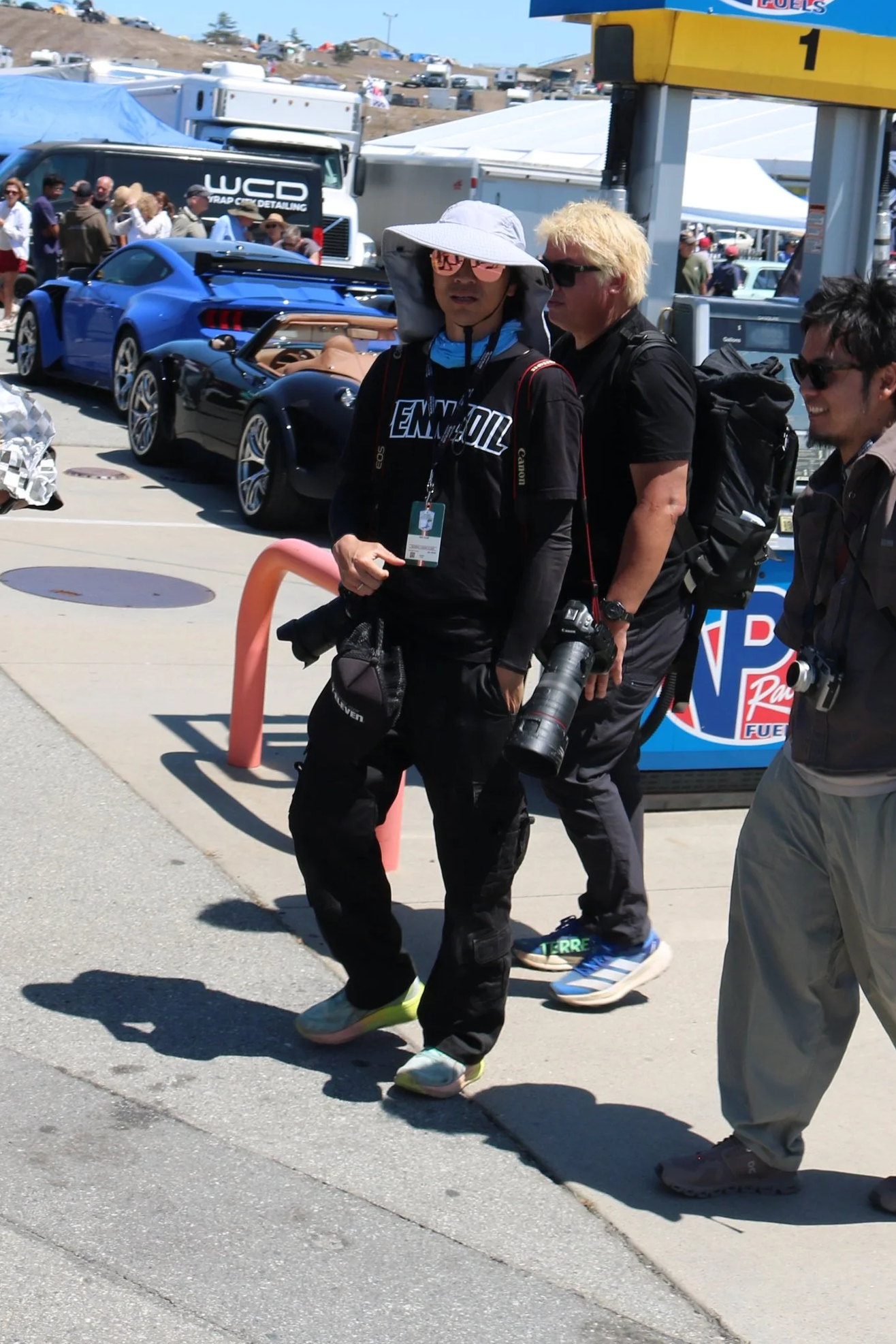
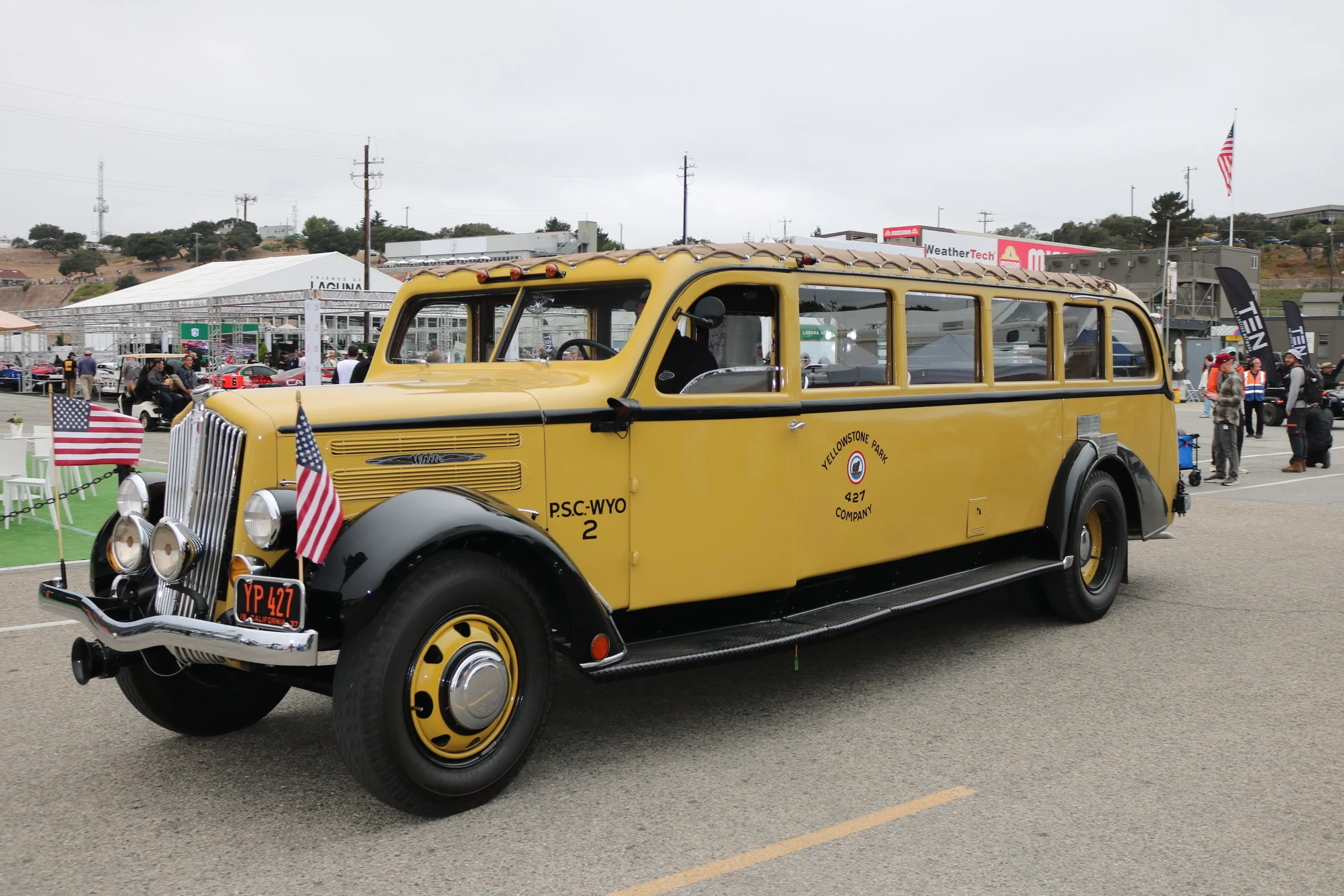
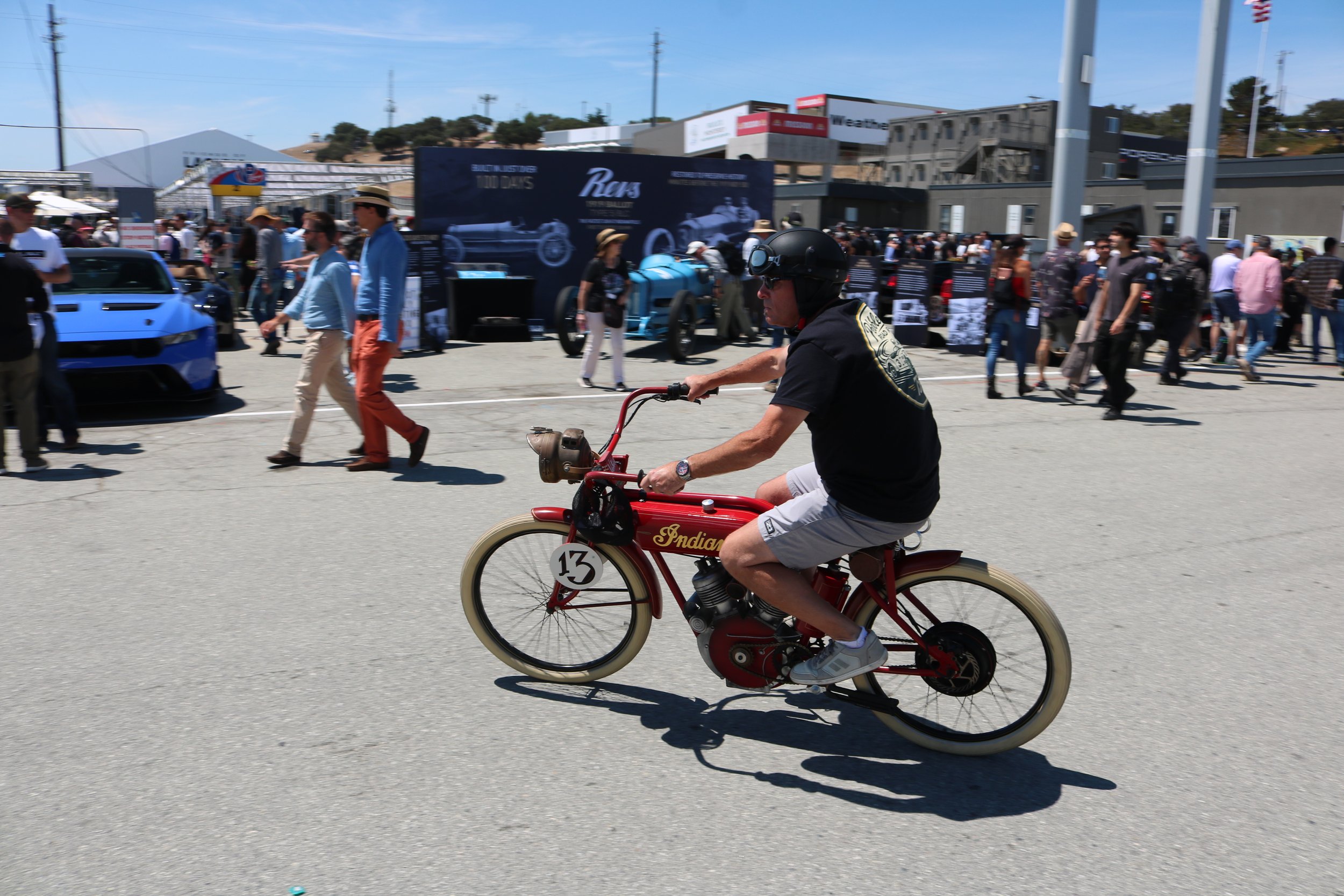
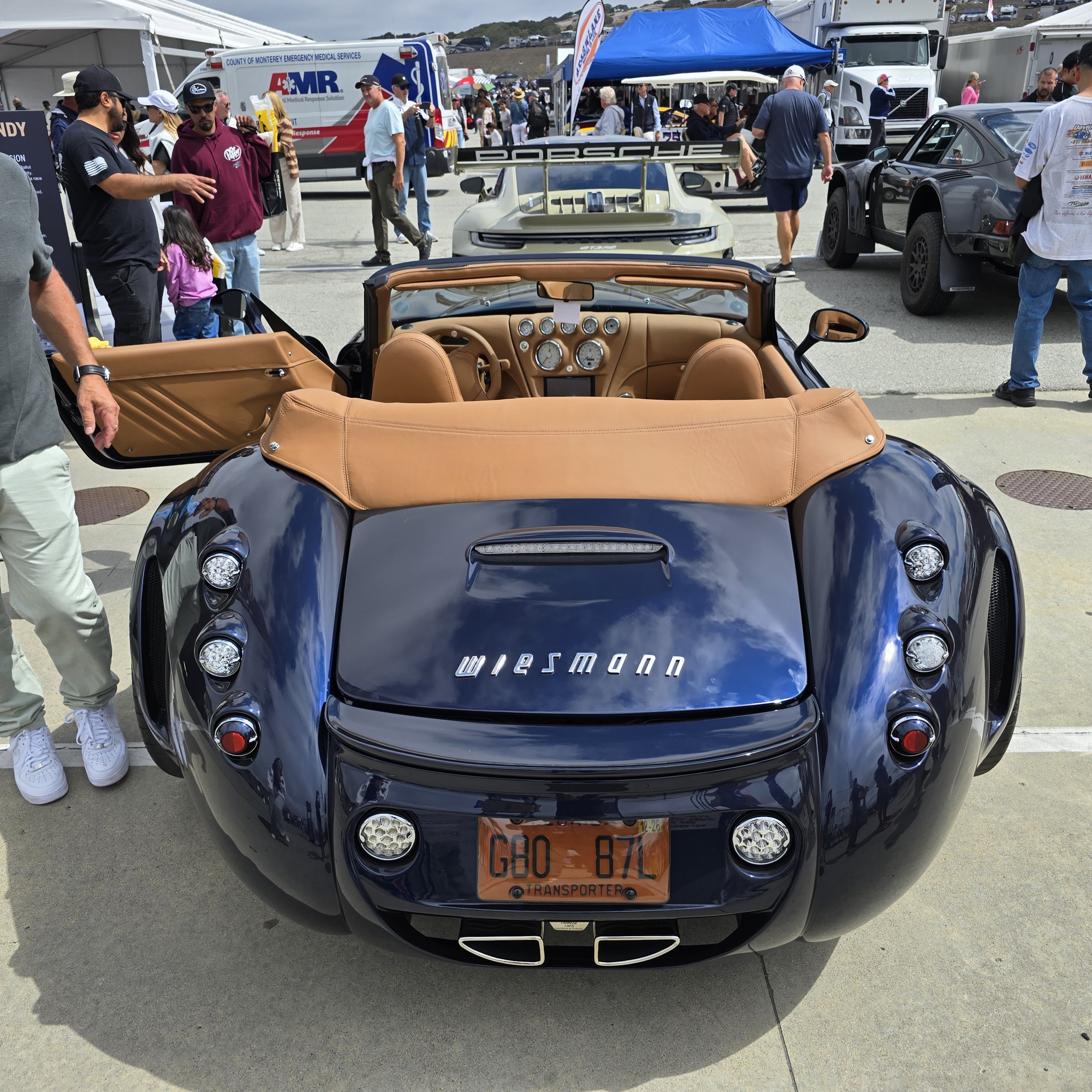
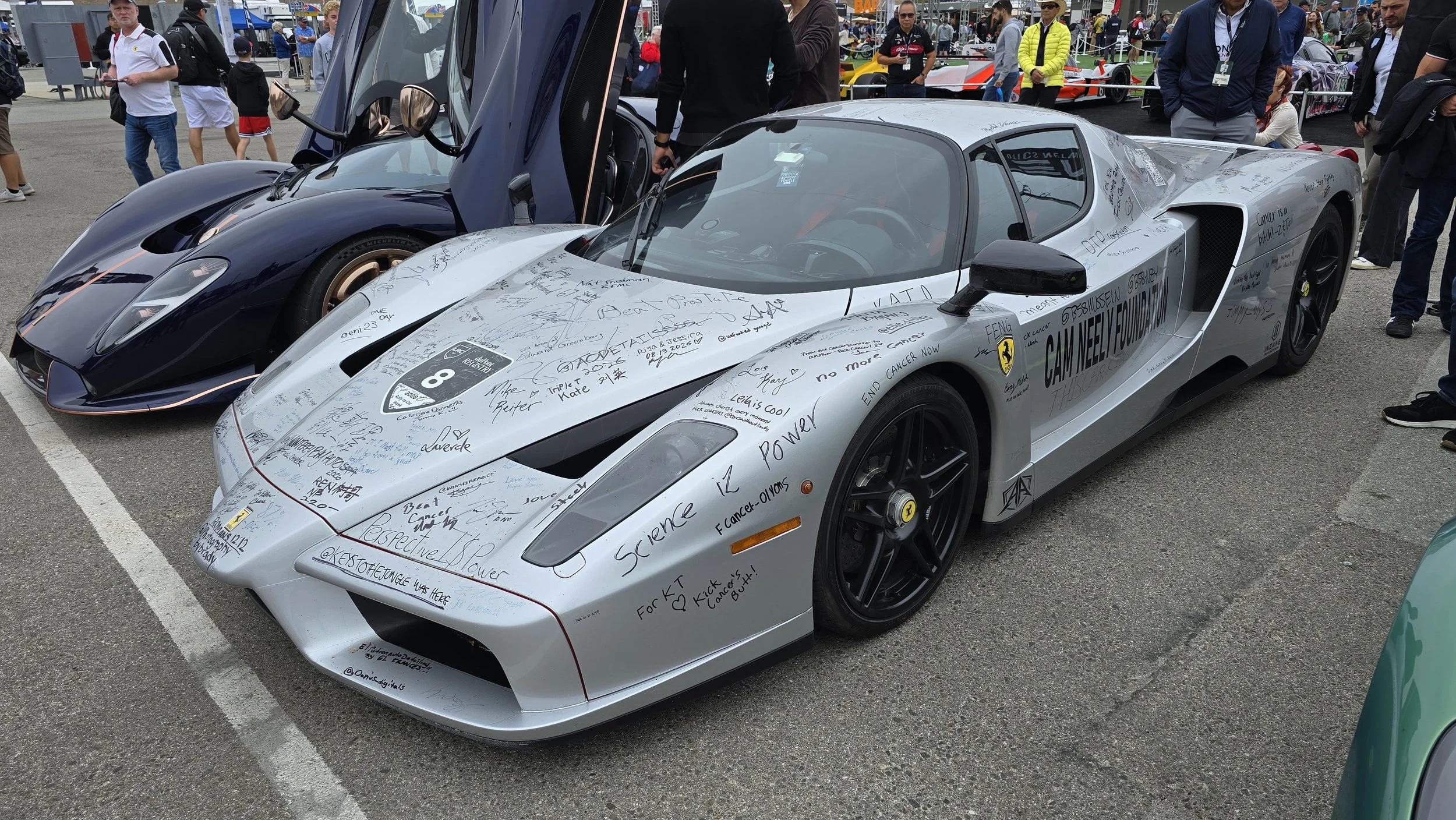
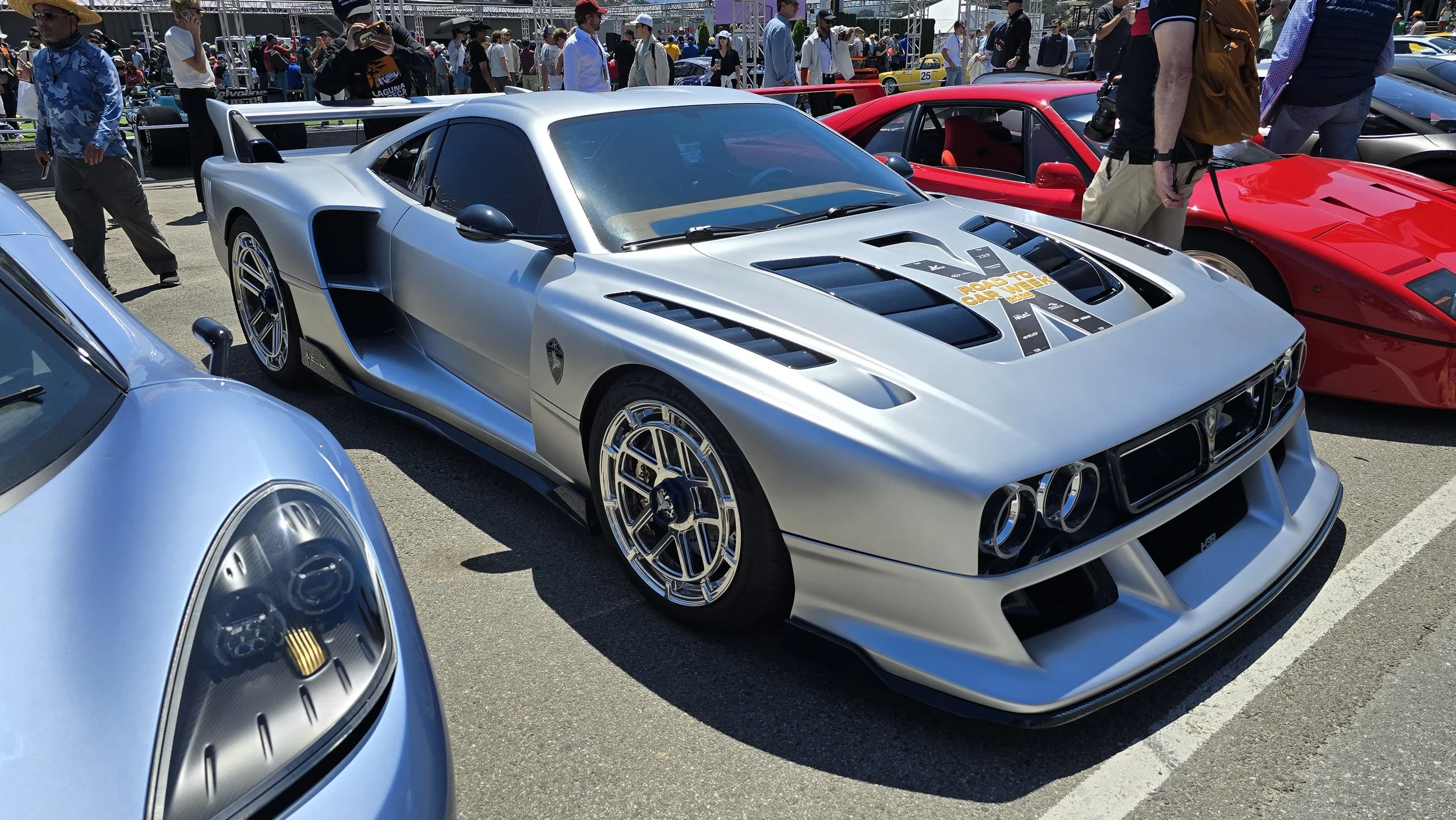
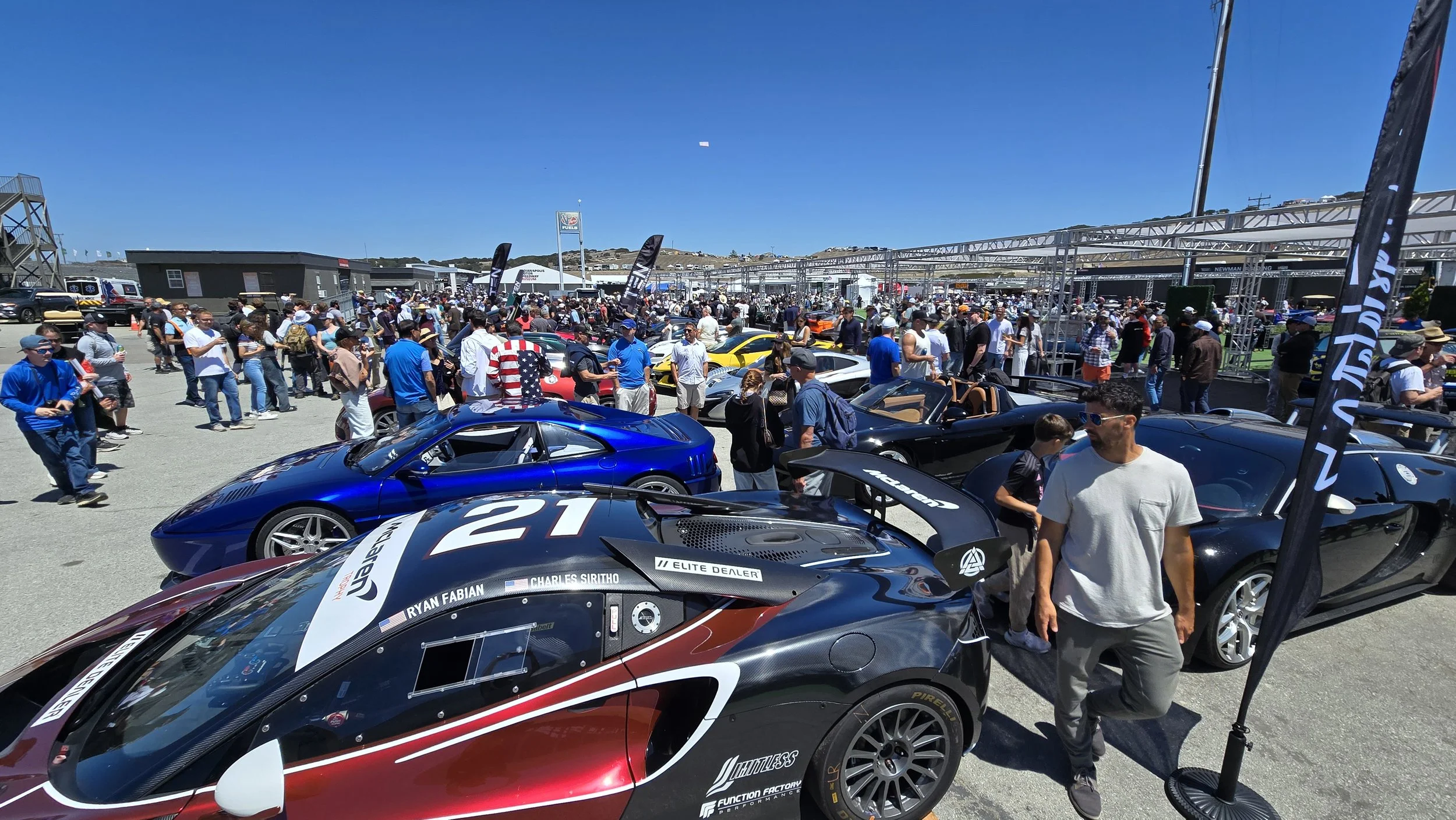
As mentioned at the beginning of this post, the last thing we saw as we were heading out of the event was a teeming mass of people revelling in the expanse of the reunion. Sure there were a lot of us regulars who are into vintage racing, but also a lot of the youngins and influencers who made a mess of things all over the peninsula last year and again this year. We spent a lot of time cursing the posers, traffic, and bad behavior that we witnessed firsthand during our first couple of days of our stay, but the image of all of us together at the track, geeking out over the cars, bikes (and even a bus!) we all love, gave us a really good vibe. It’s absolutely possible for all of us car nerds to get together in the same place and have the time of our lives, if for only a few days a year.
We hope you enjoy our recap and we also hope you take time to look through our mega gallery below.
-The Loud Pedal