Throwback Weekend: StubHub Monterey Sports Car Championship,
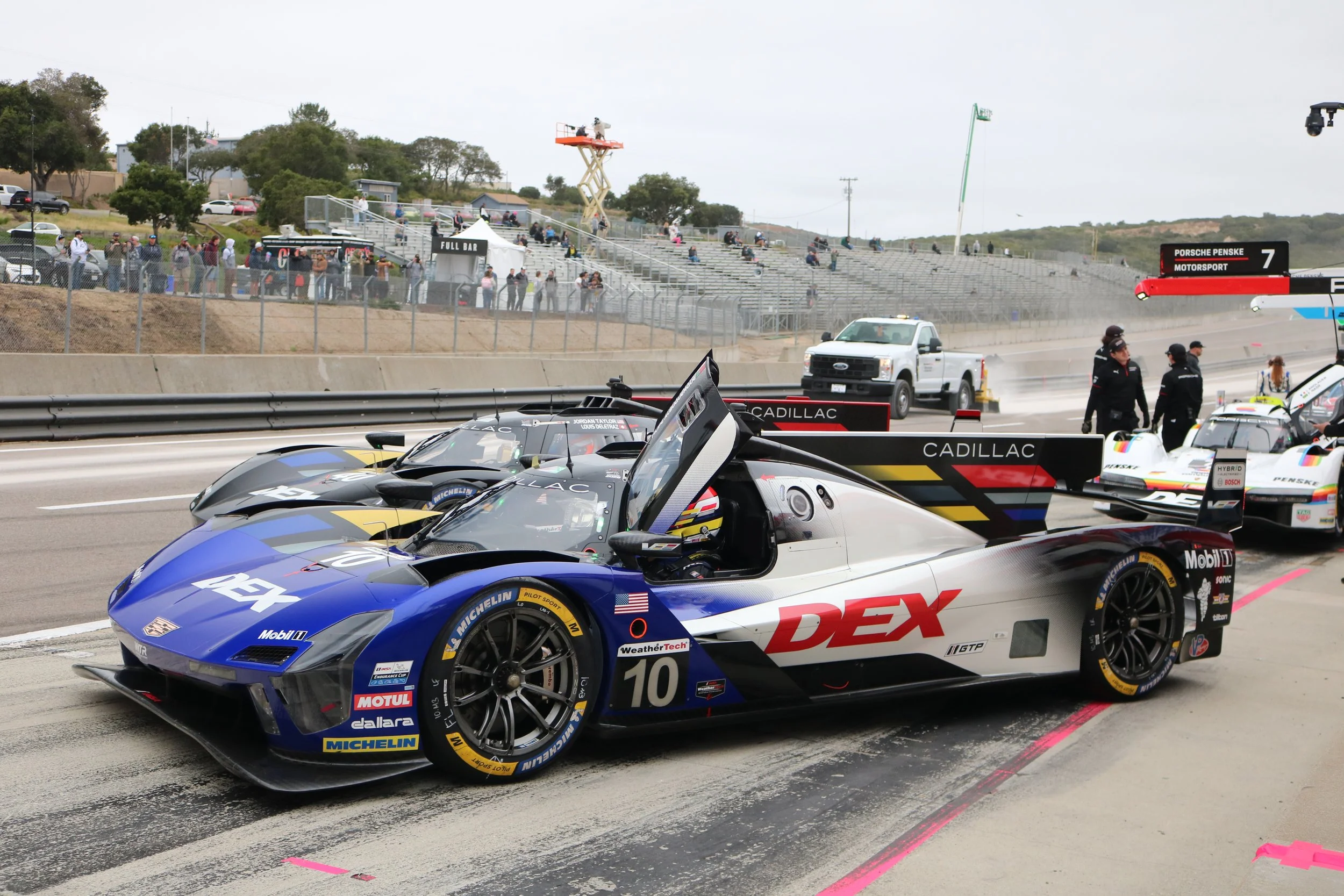
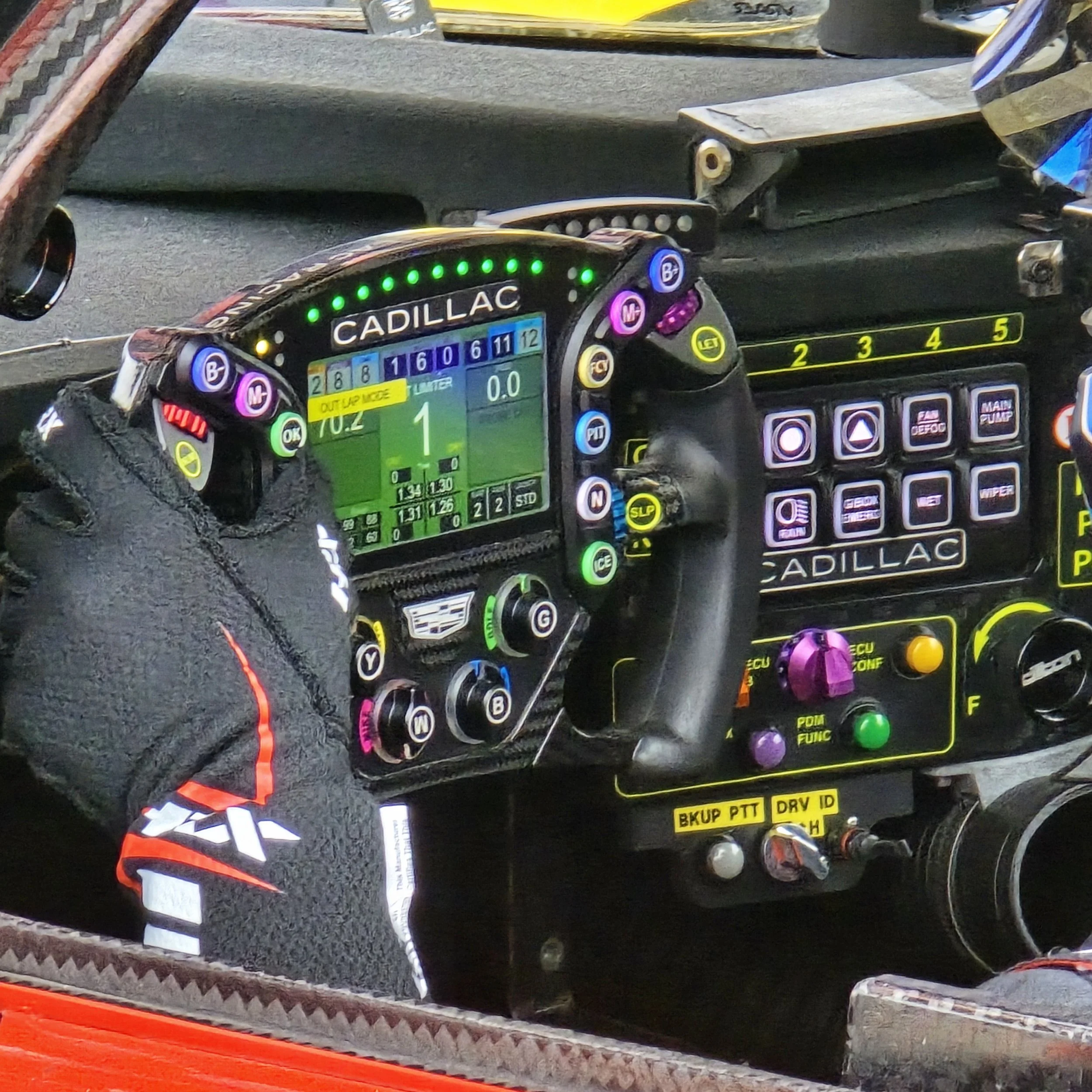
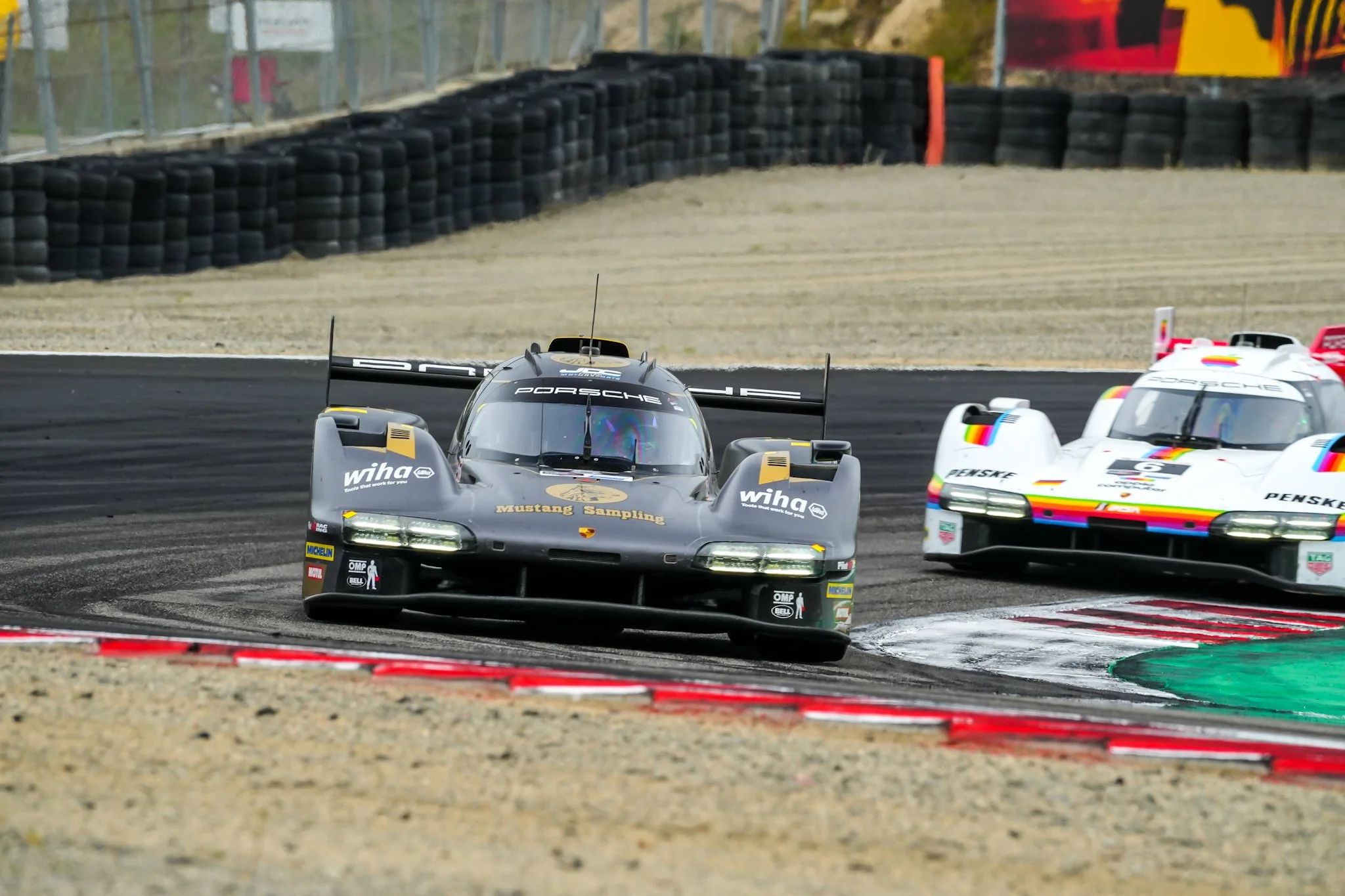
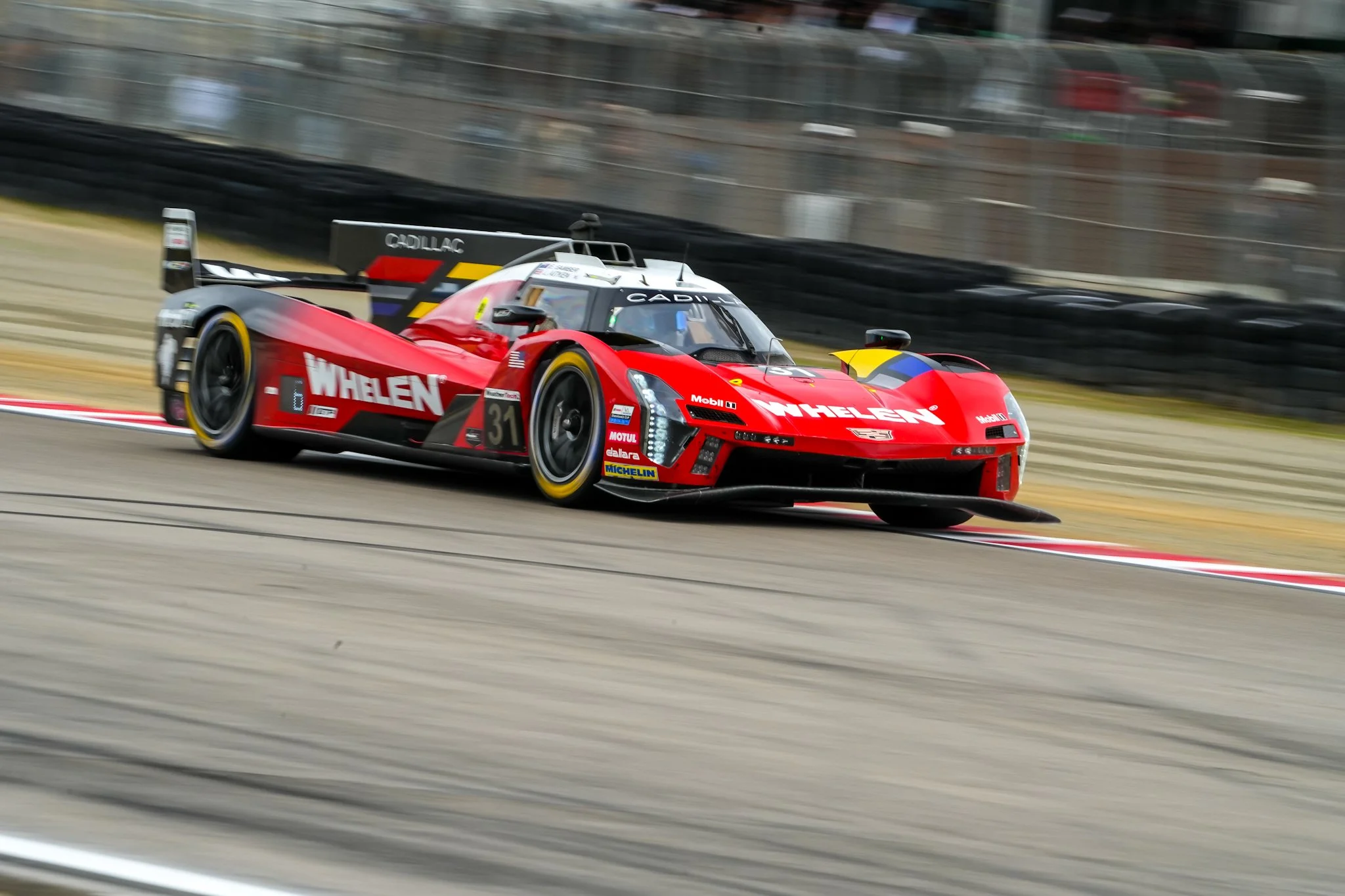
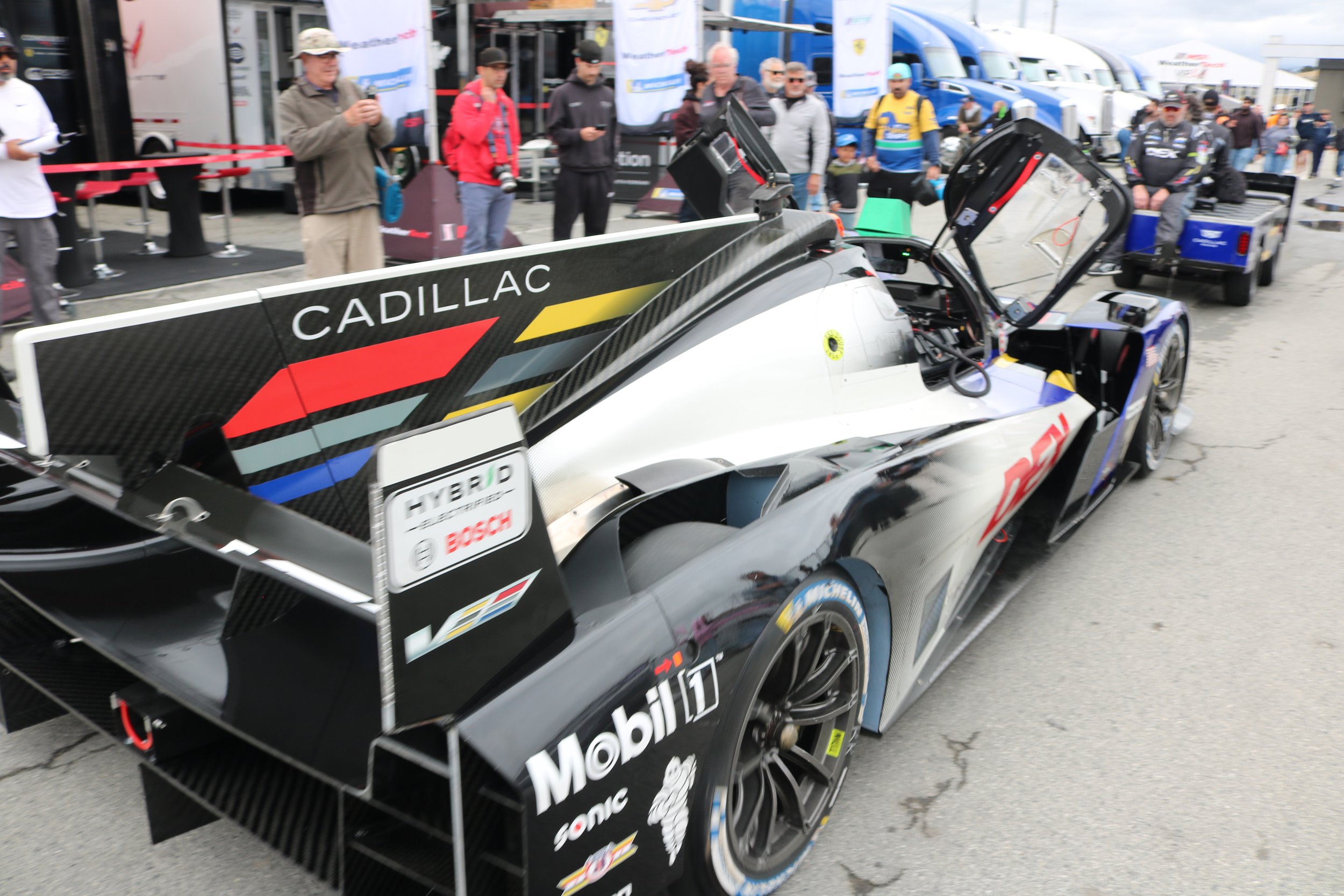
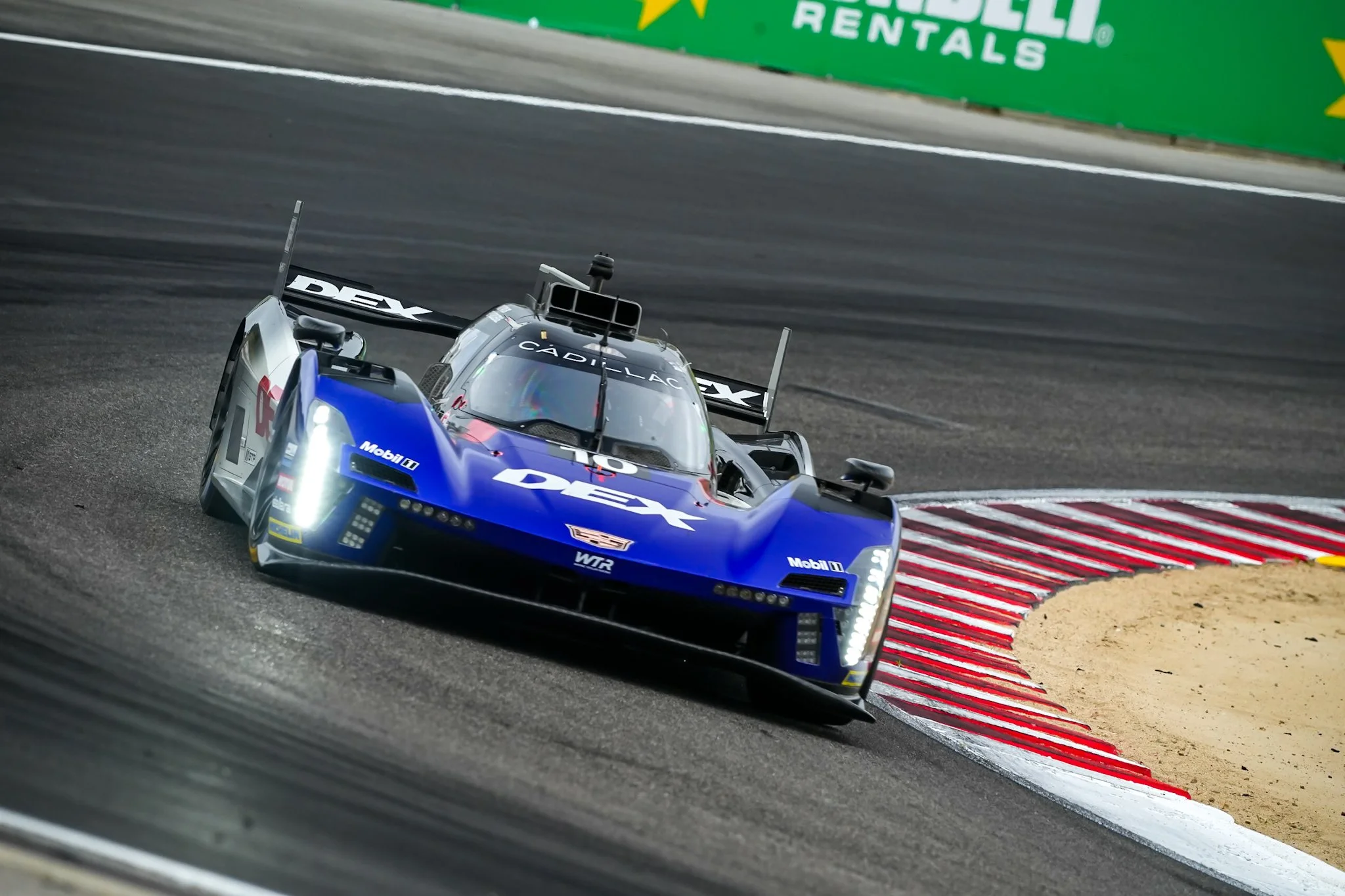
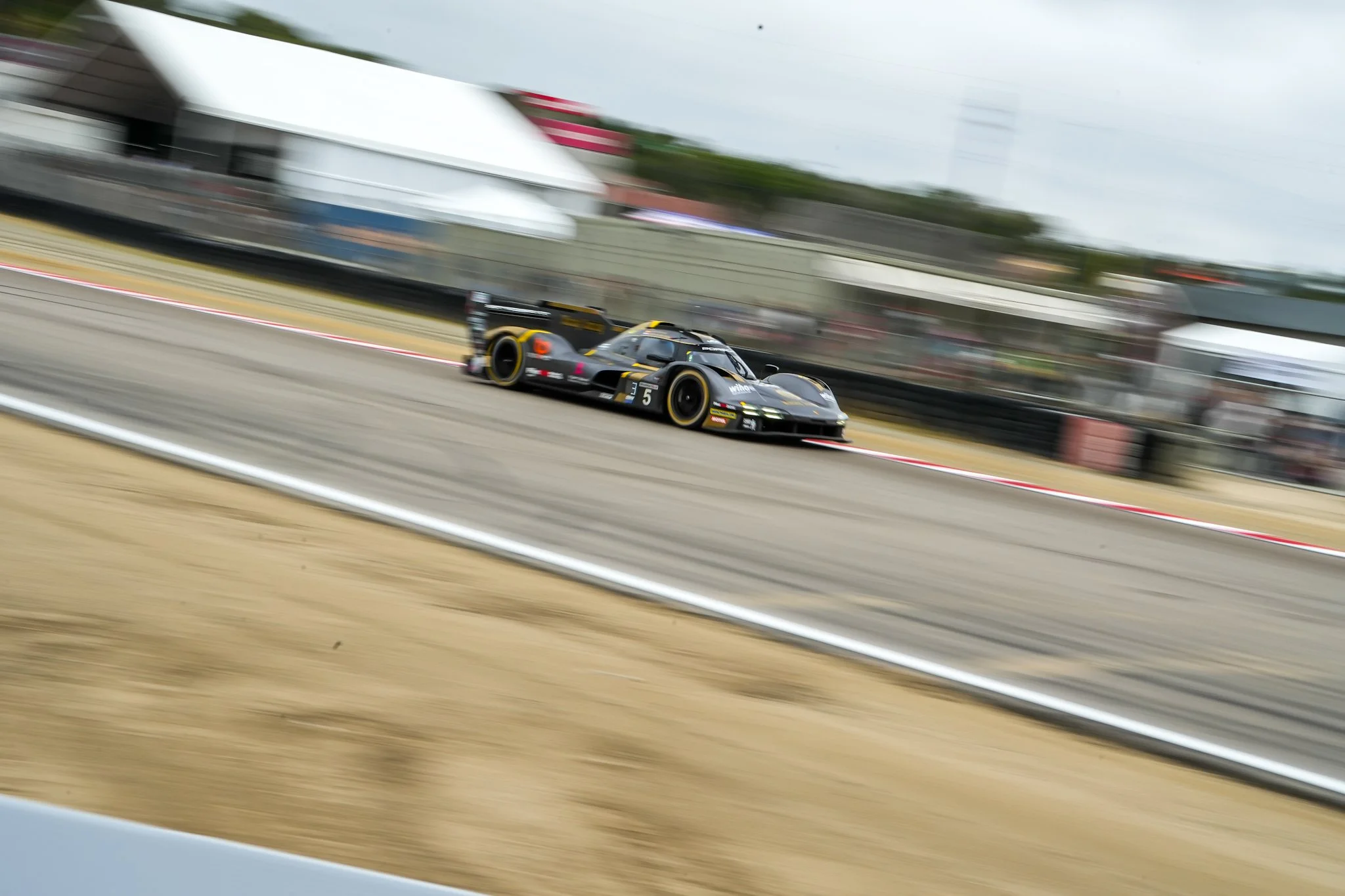
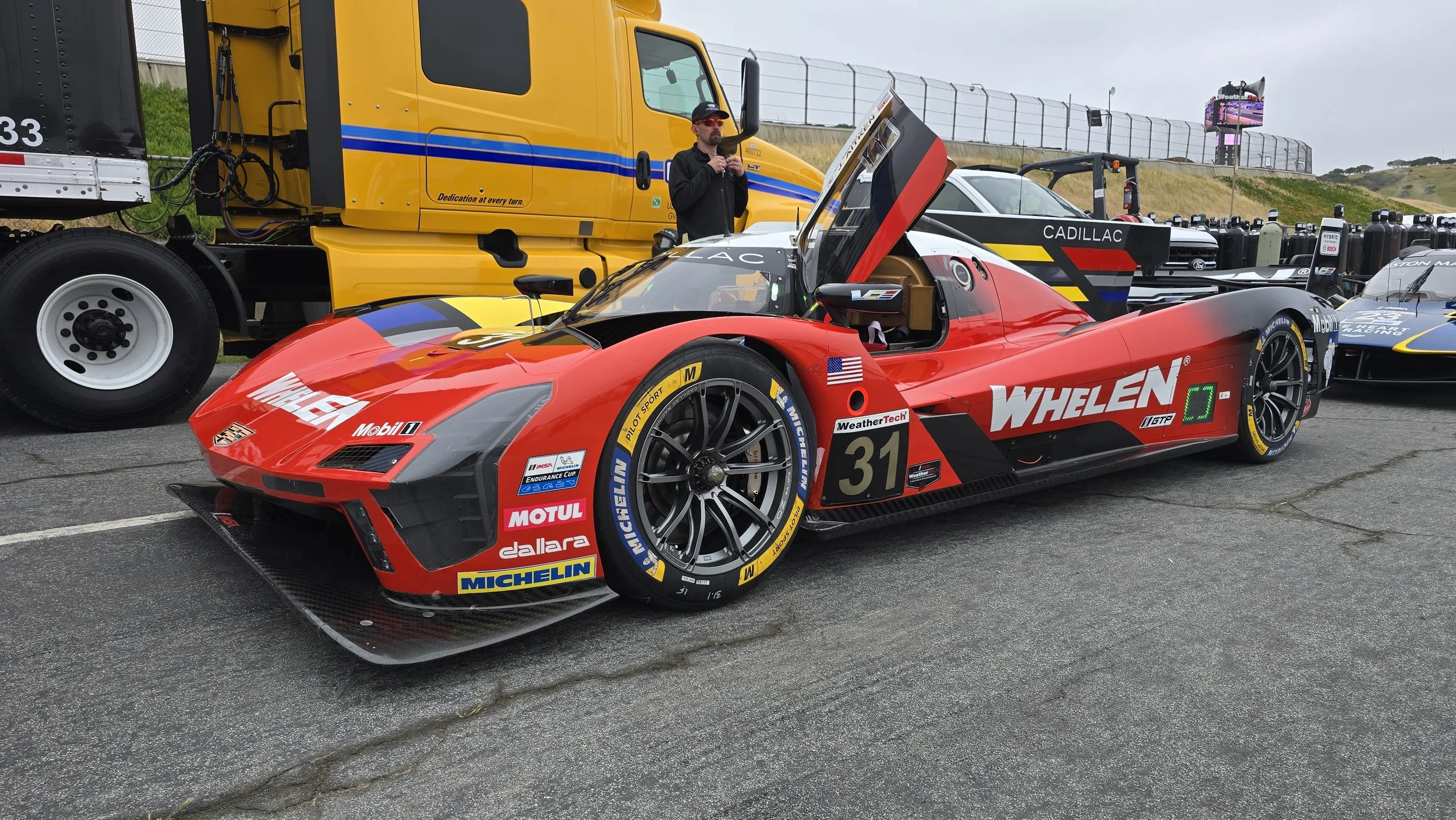
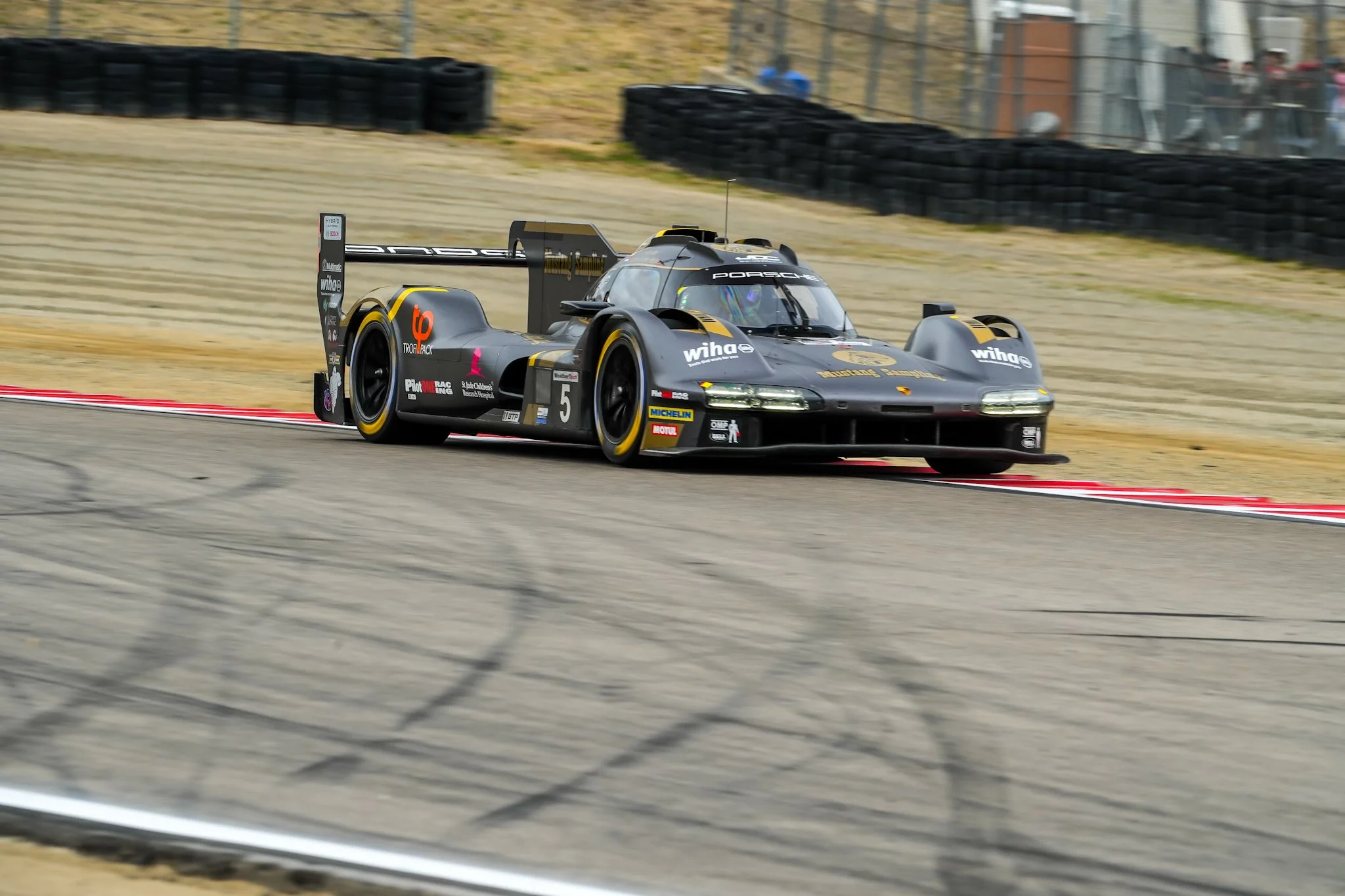
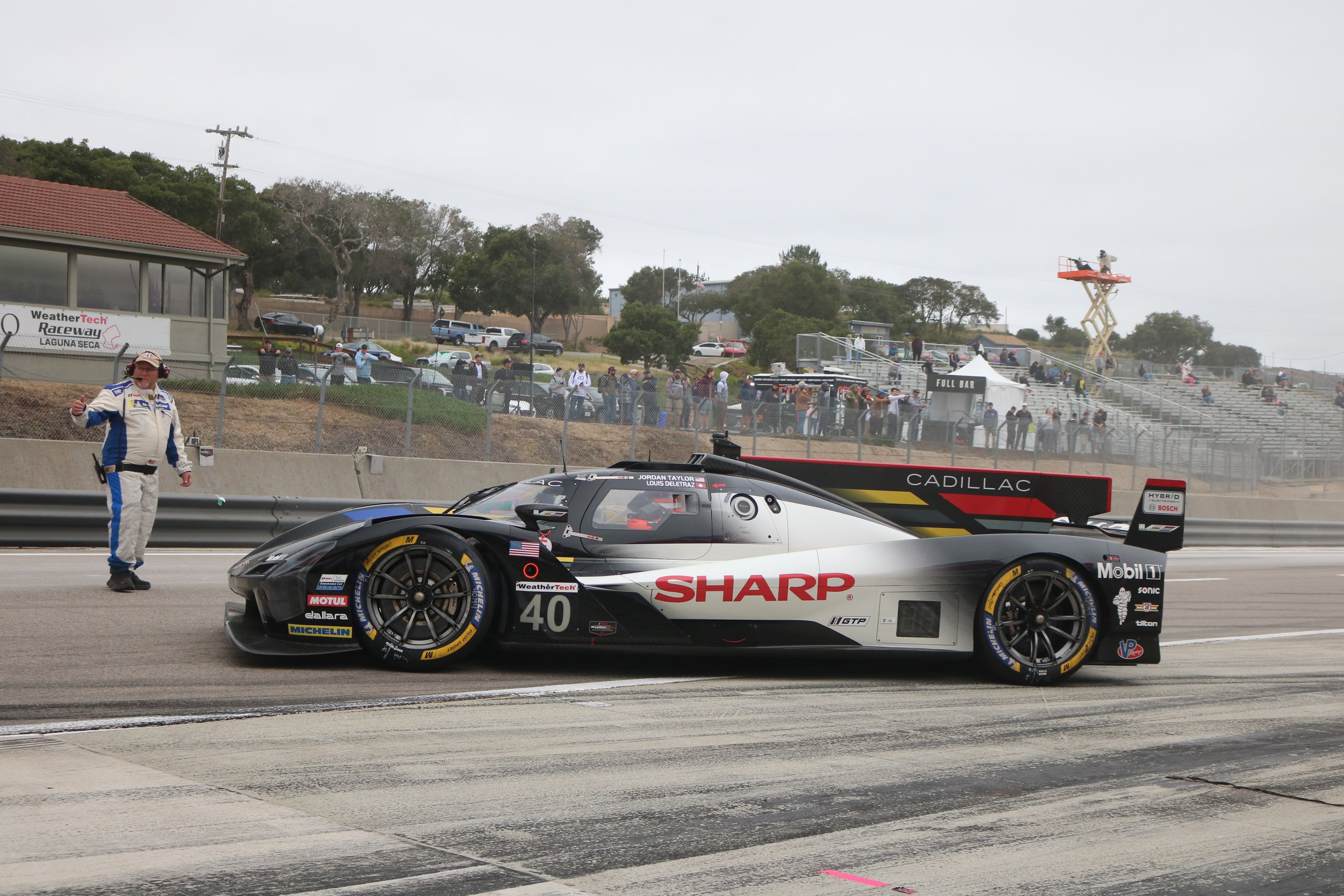
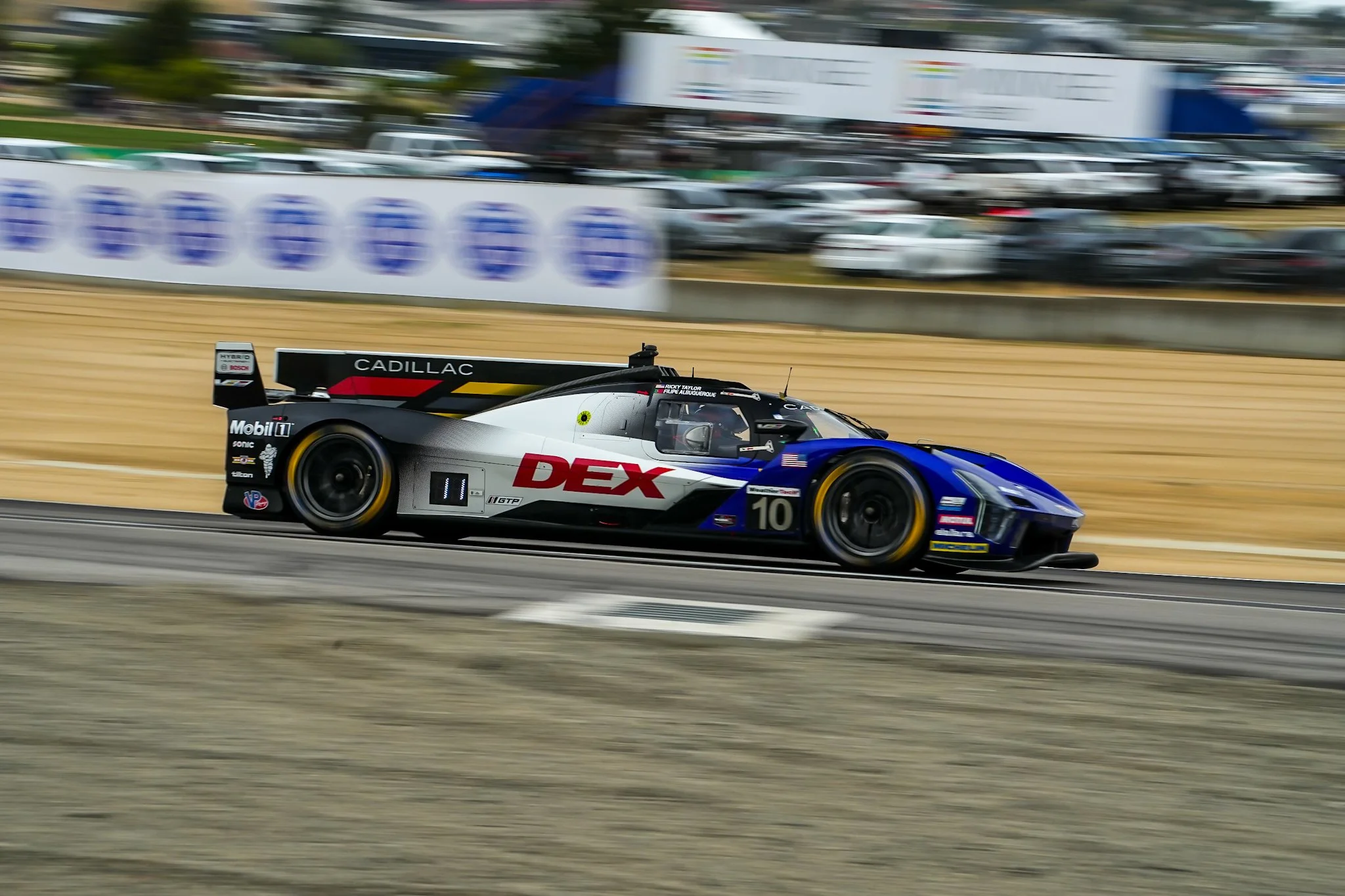
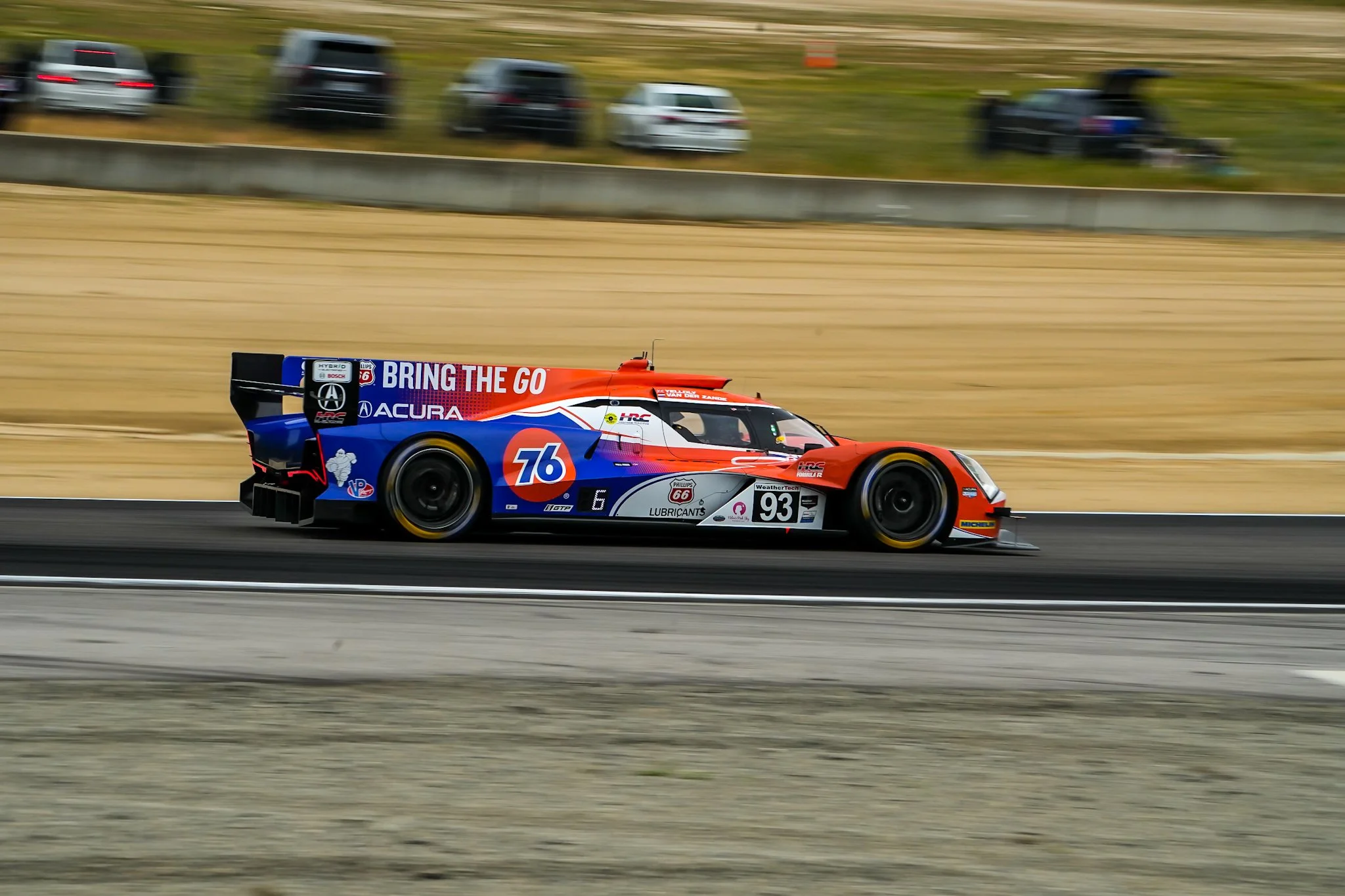
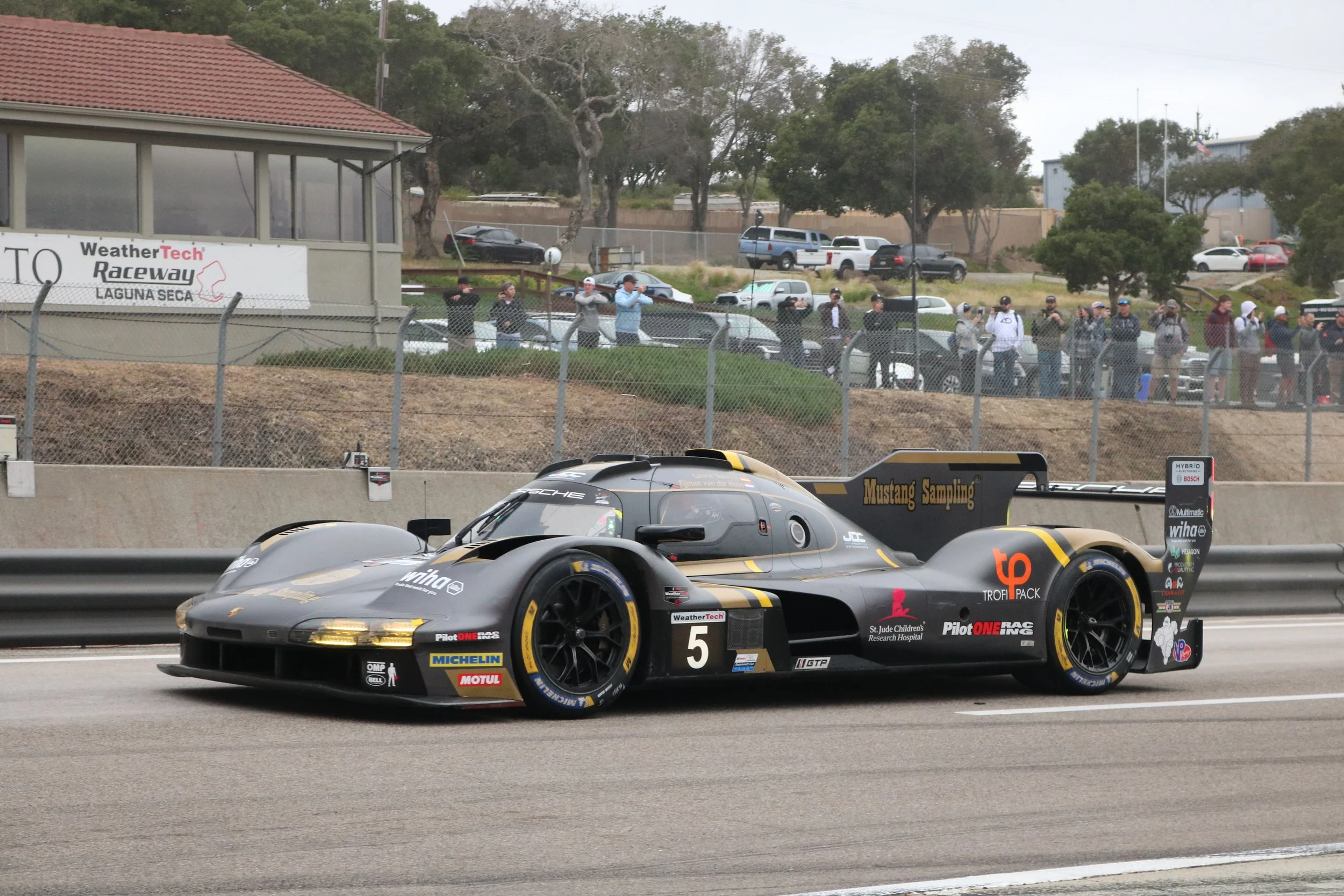
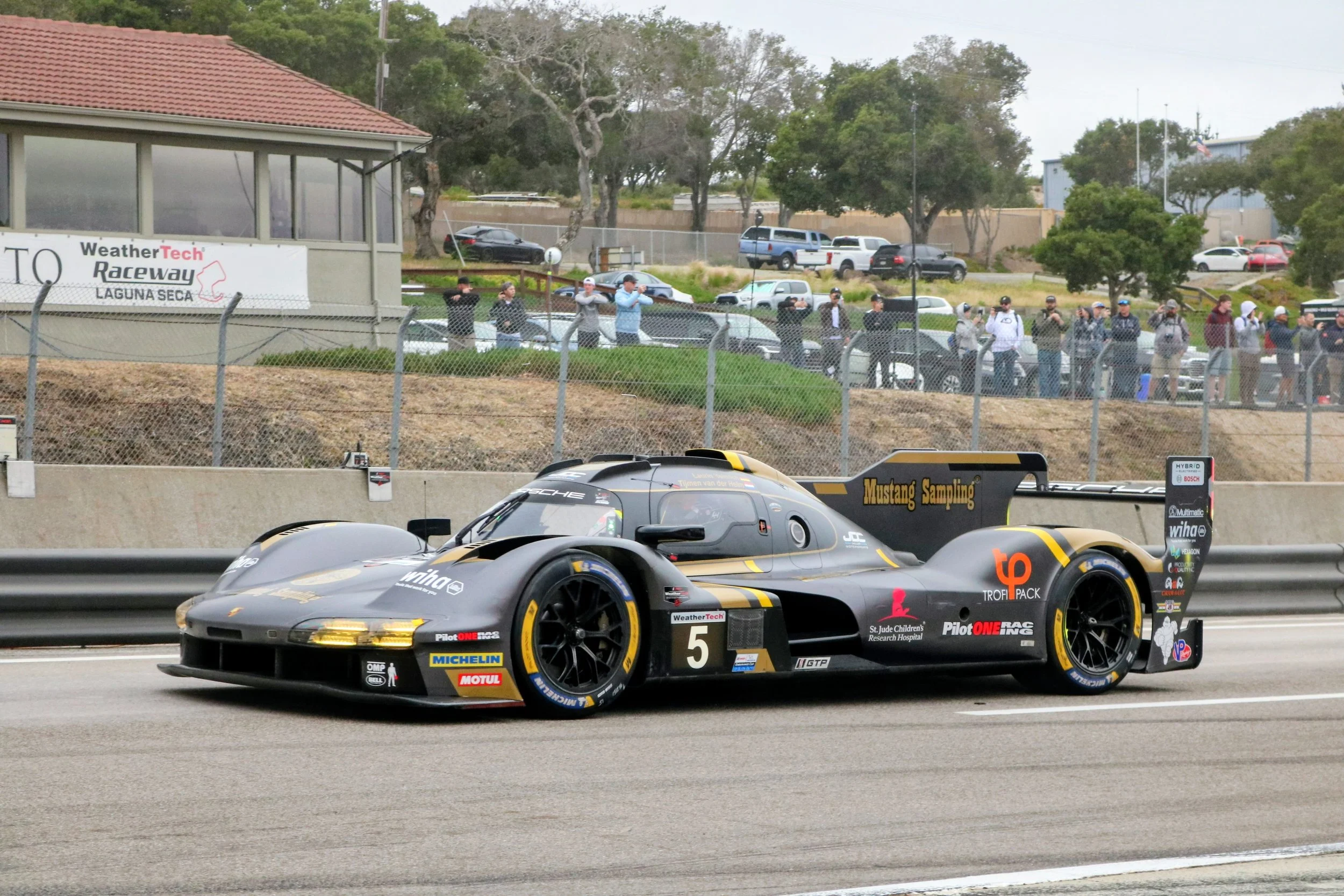
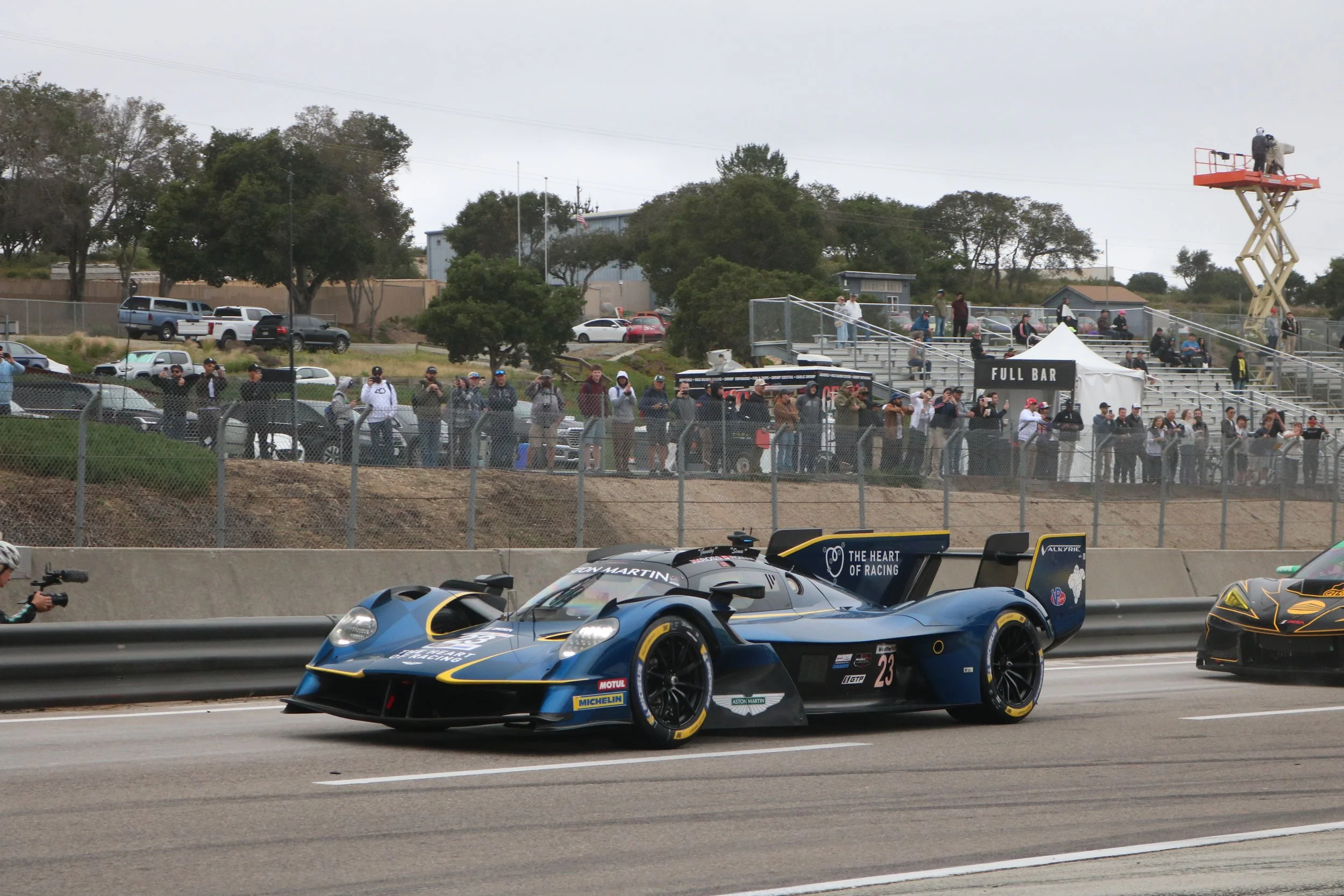
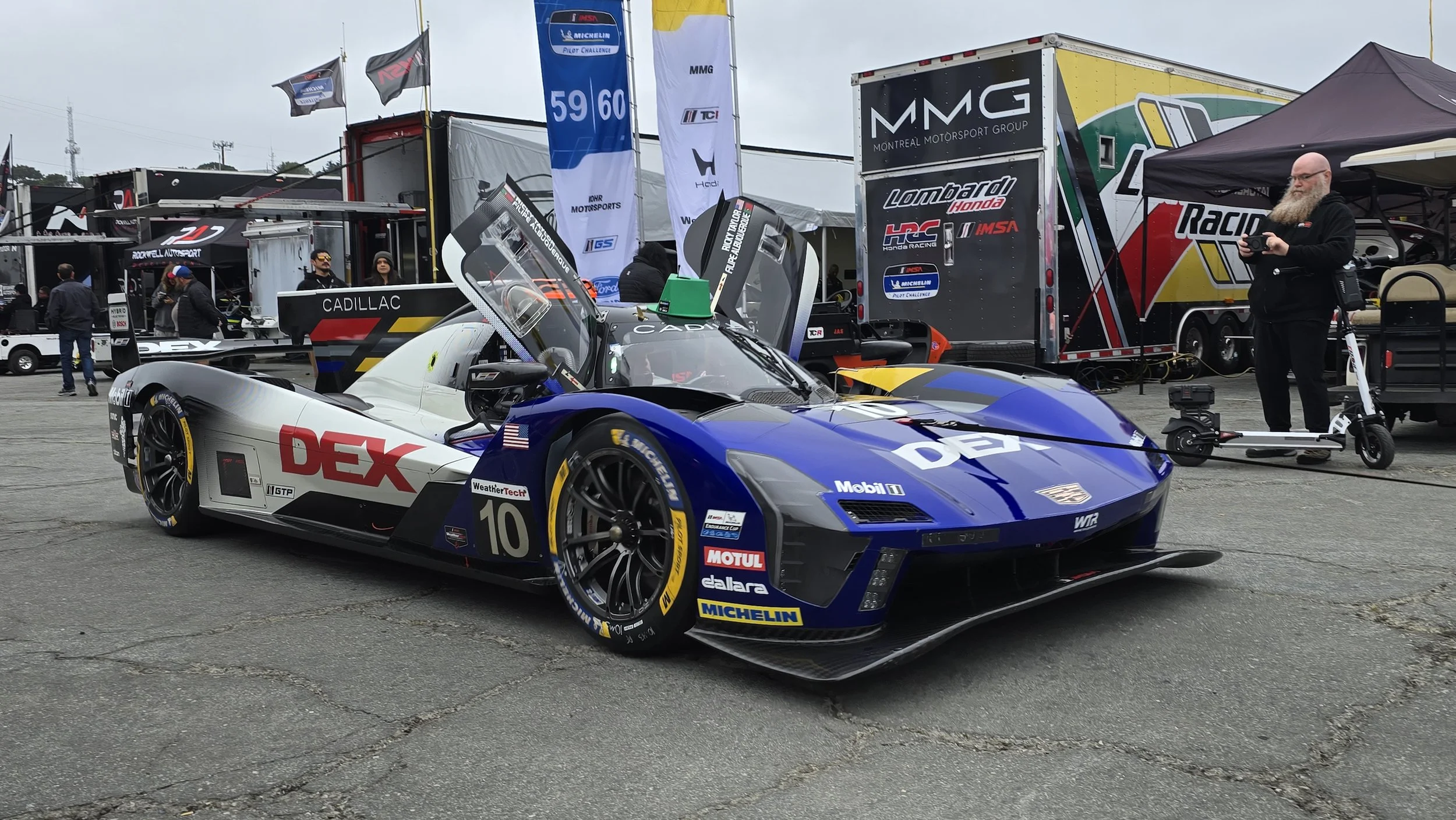
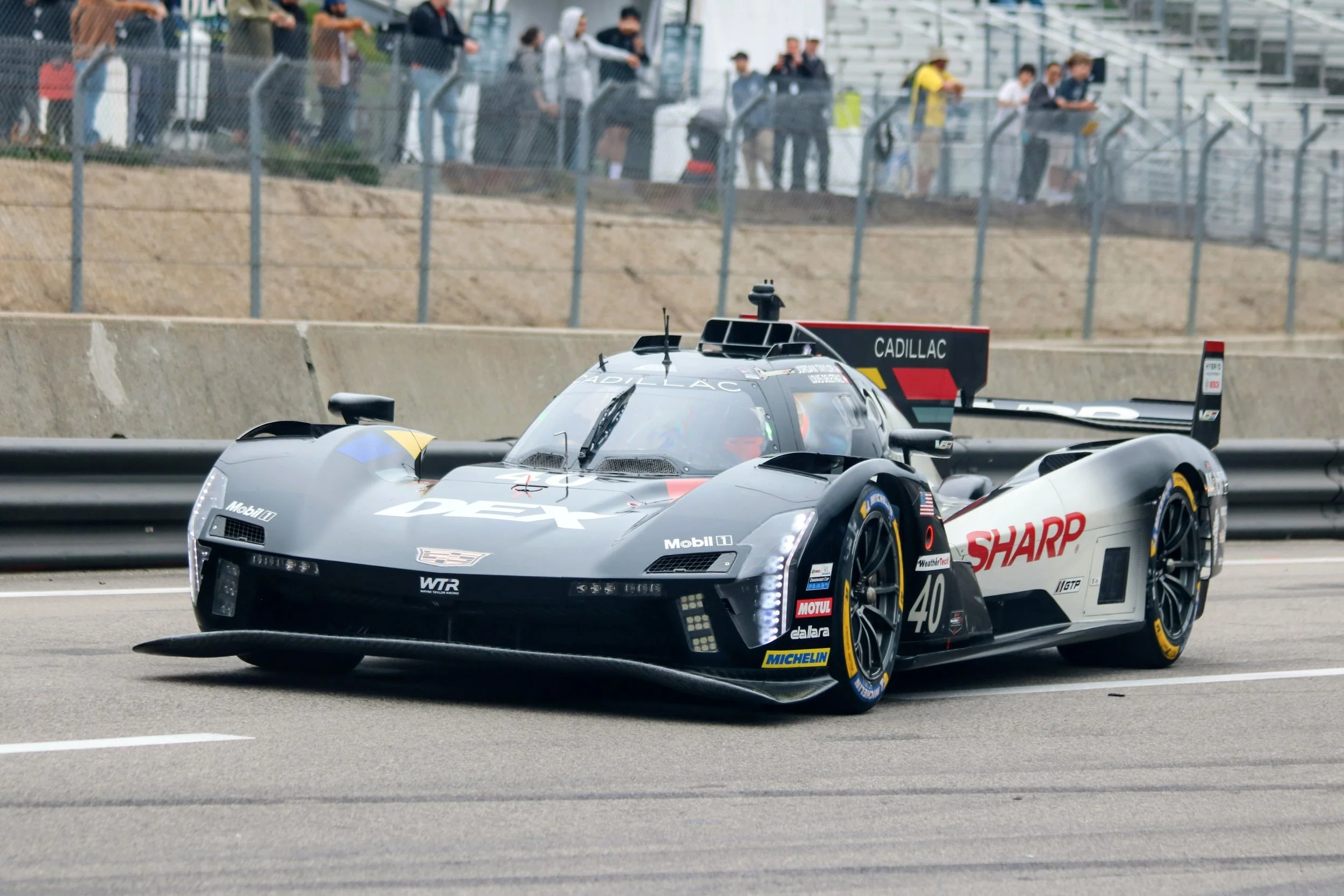
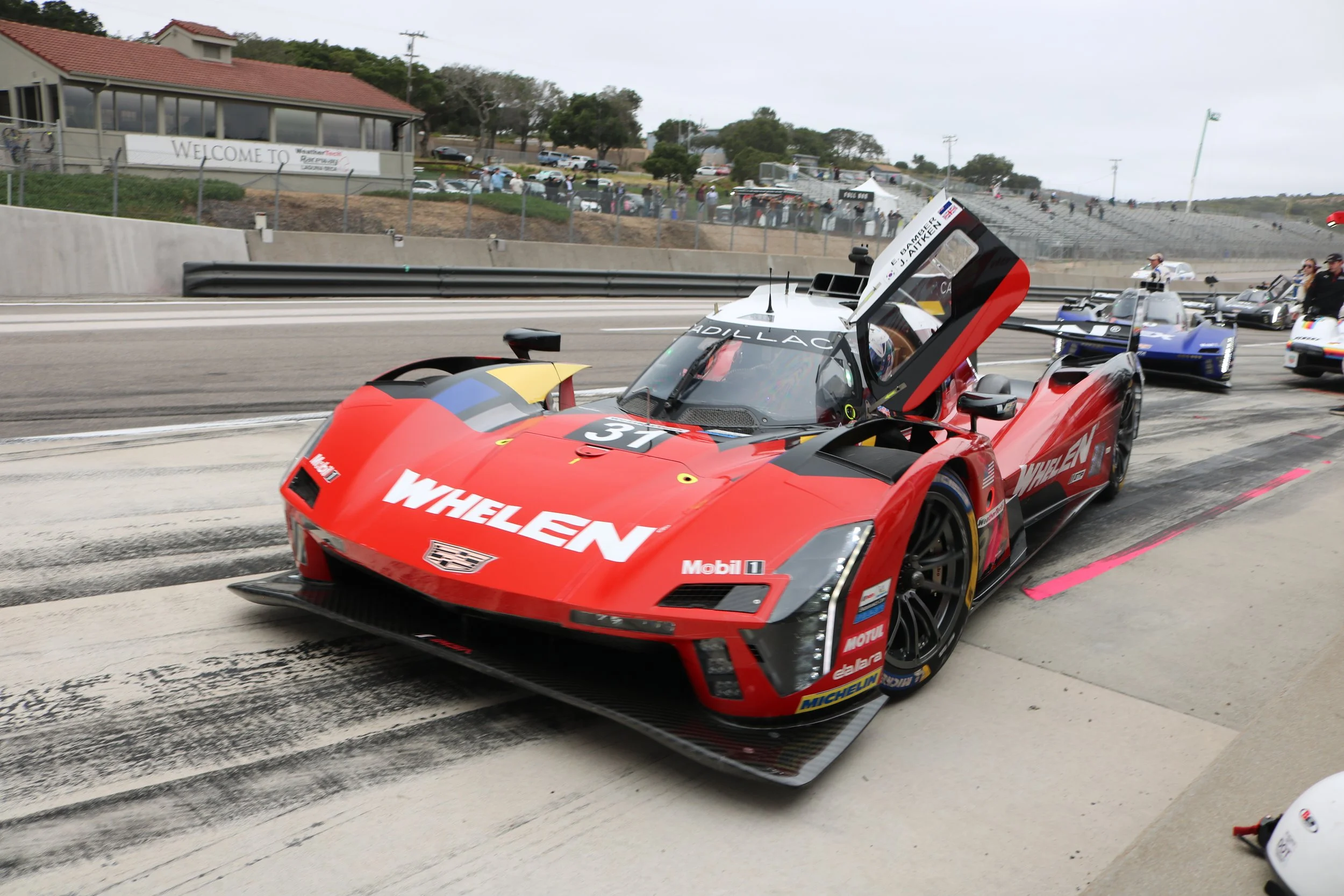
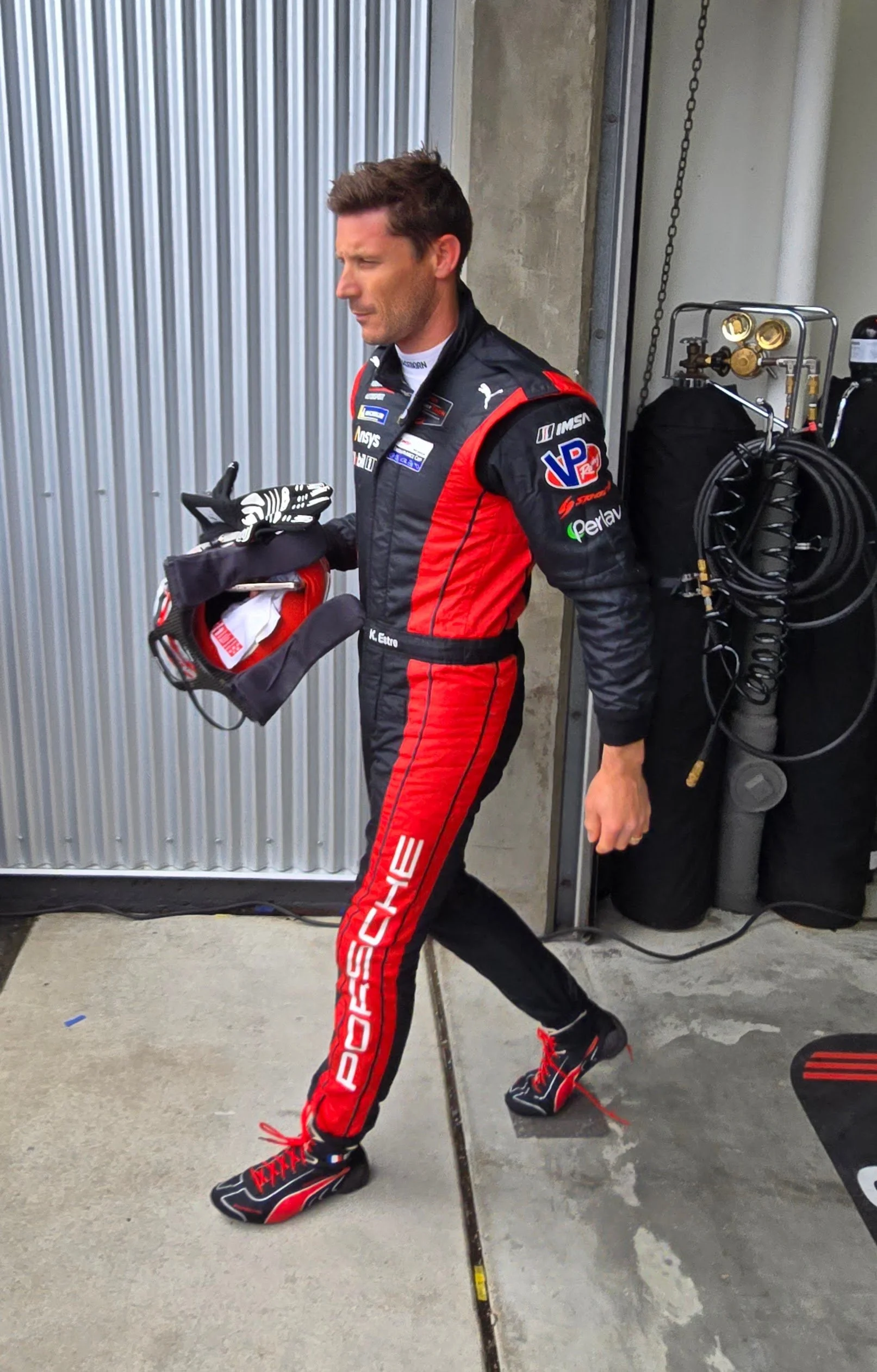
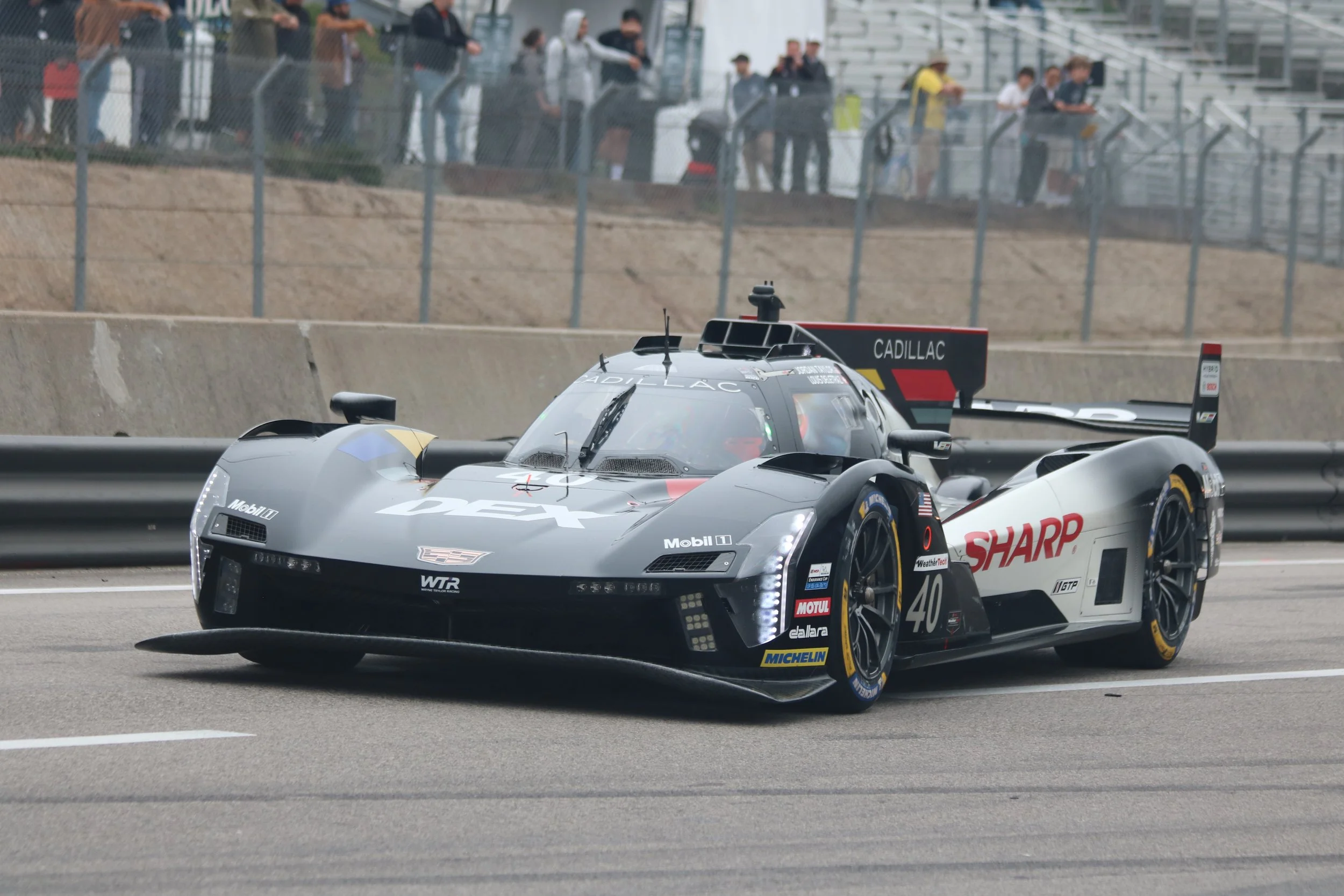
Laguna Seca has a long memory..just ask Bryan Herta (more below). On race day Sunday of the Monterey Sports Car Championship, WeatherTech Raceway served up another moment destined for its historical highlight reel. Laurin Heinrich threaded his No. 5 JDC-Miller MotorSports Porsche 963 to the inside of Earl Bamber in his Whelen Cadillac V-Series R, at Turn 5 on the final lap, snatching the overall win by less than eight-tenths of a second. It was the kind of racing that makes this series worth watching at seven in the morning on a West Coast Sunday. But strip away the drama, and what you find underneath is a victory built on tire conservation, a weight-penalty disparity that bordered on punitive for the factory teams, and a strategy that was considerably more fragile than it looked from the grandstands.
JDC-Miller claimed its first overall WeatherTech Championship victory since the 2021 Mobil 1 Twelve Hours of Sebring and became the first privateer team to win in the series’ GTP era. That’s not a footnote, that’s a headline. Heinrich, who co-drives most of the endurance rounds with Porsche Penske Motorsport, now holds the solo GTP points lead, 21 ahead of Whelen Cadillac’s Jack Aitken. The 24-year-old German has now won at Laguna Seca in three consecutive years across two different classes. We’d love to claim that we named the pass, “The Heinrich Maneuver,” but some other publication coined that gem. We think and hope that it will retain that name as it is reflected on and lauded into the future.
Before getting into the details of the weekend, it is worth taking a step back to appreciate the atmosphere around the event. Conditions were mostly cool and overcast, but the weather did little to dull the energy around the circuit. Saturdays during an IMSA weekend can sometimes draw a lighter crowd than race day, but this round of the championship delivered strong attendance on both days. We relish this cool and overcast-ness as we know the rest of our visits to Laguna Seca this year won’t be so mild.
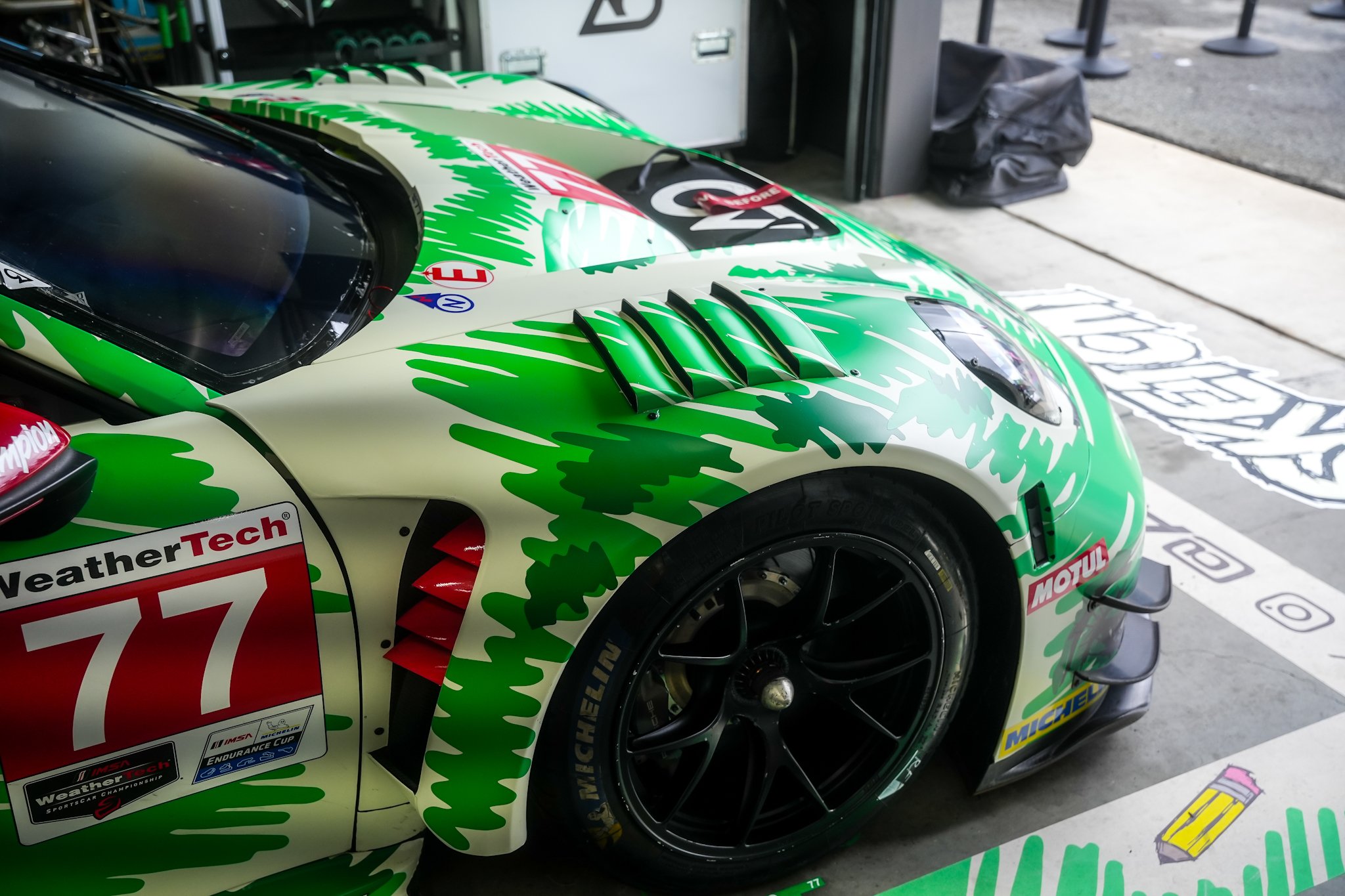
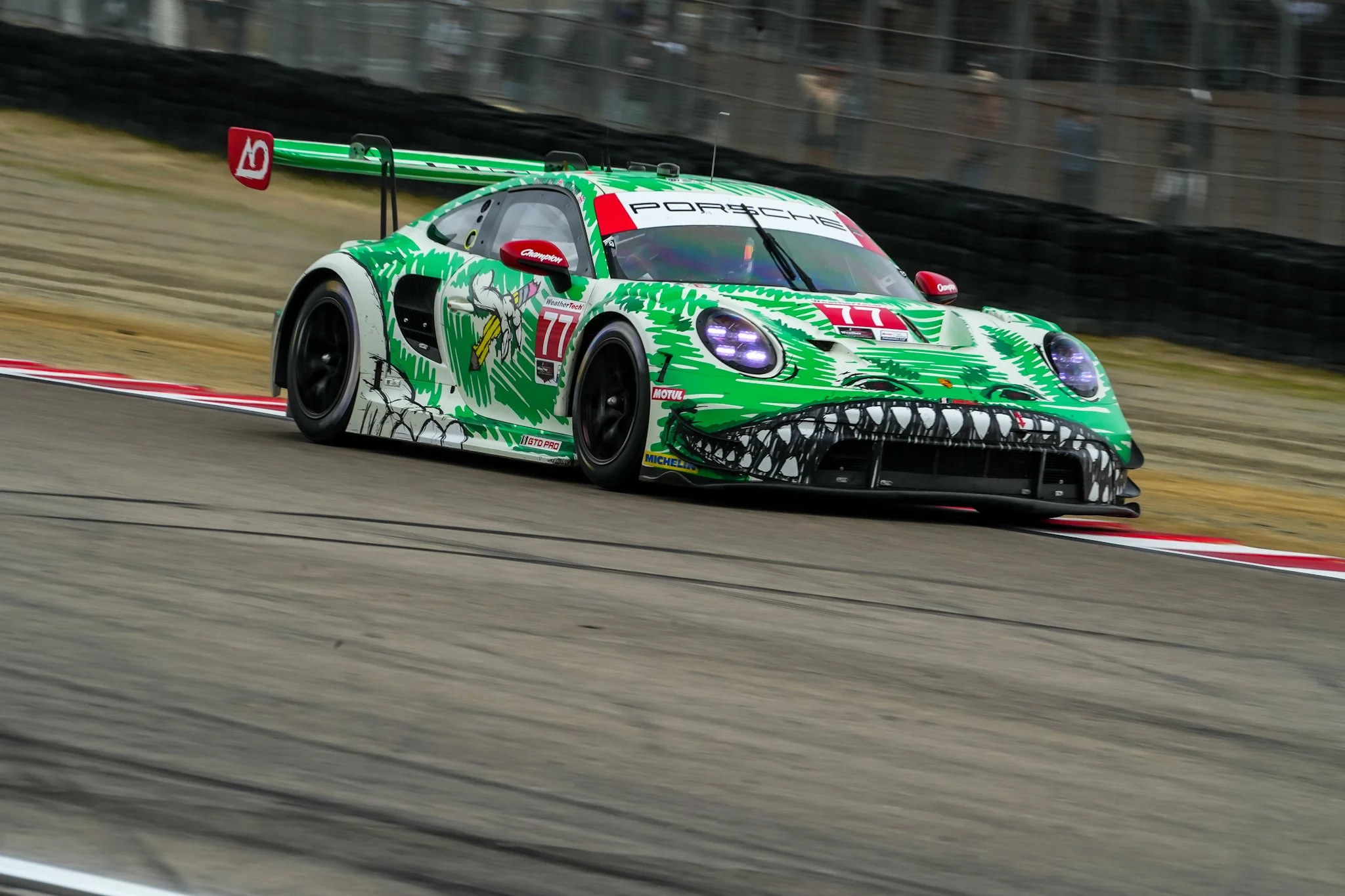
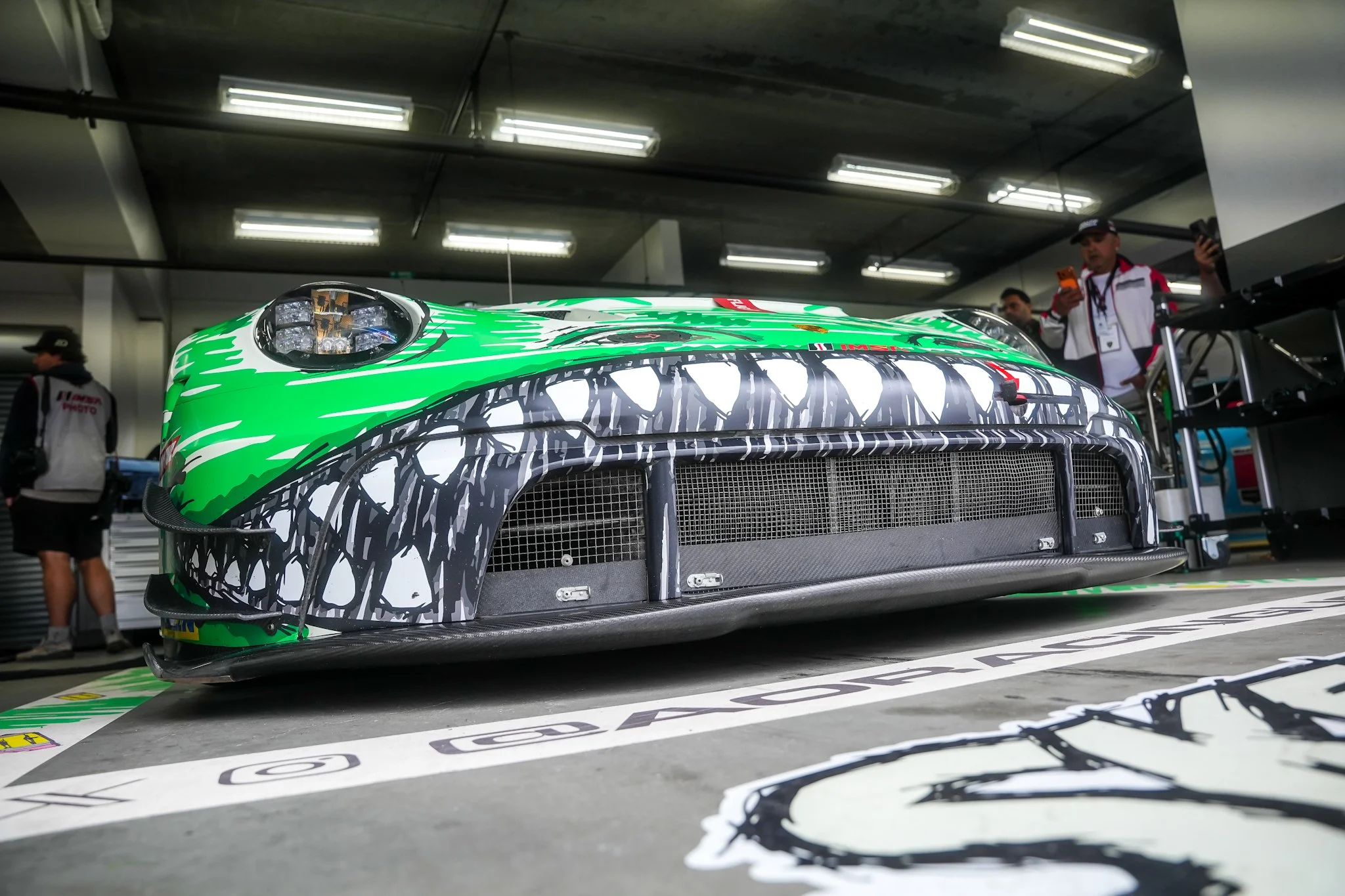
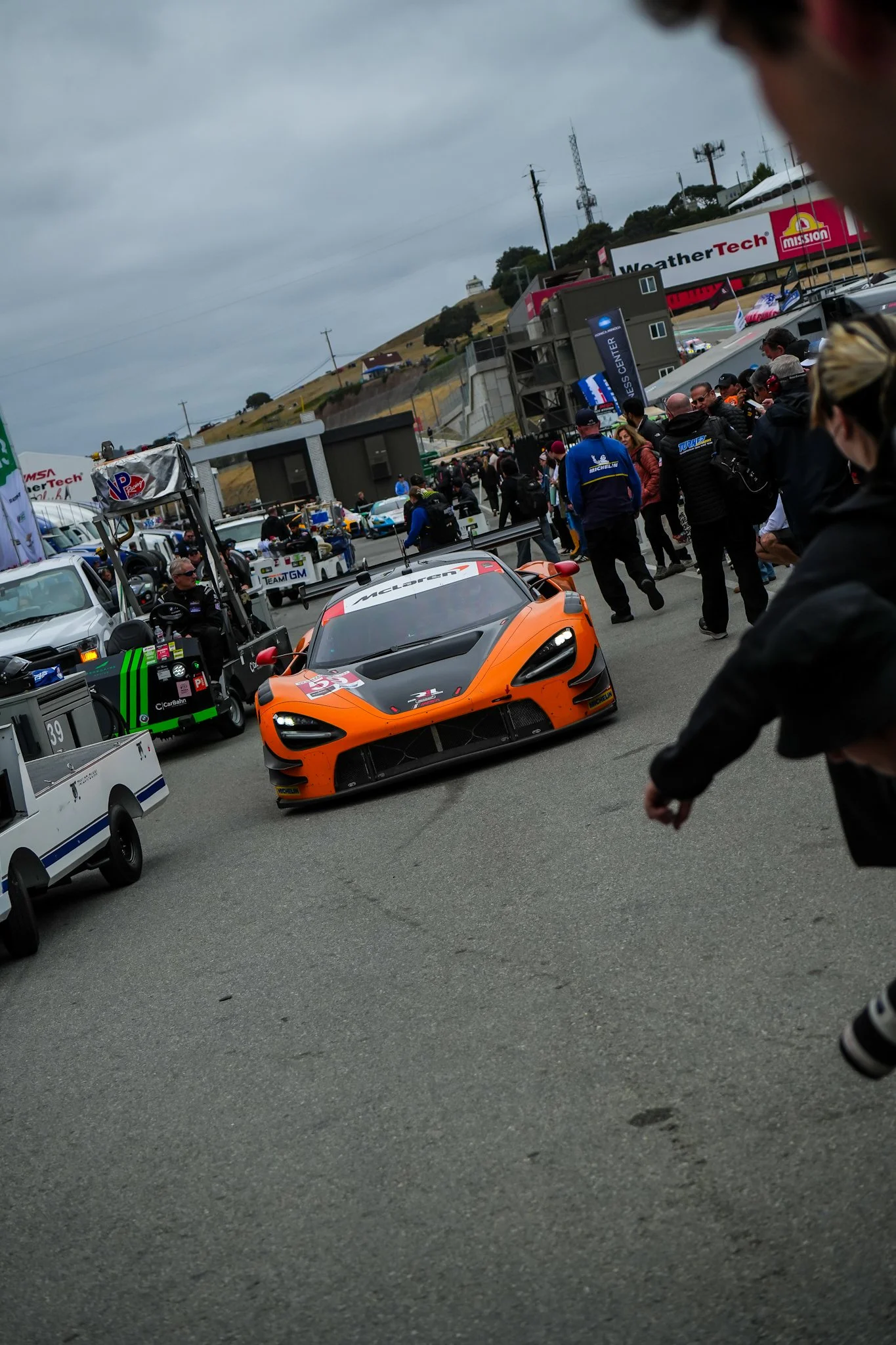
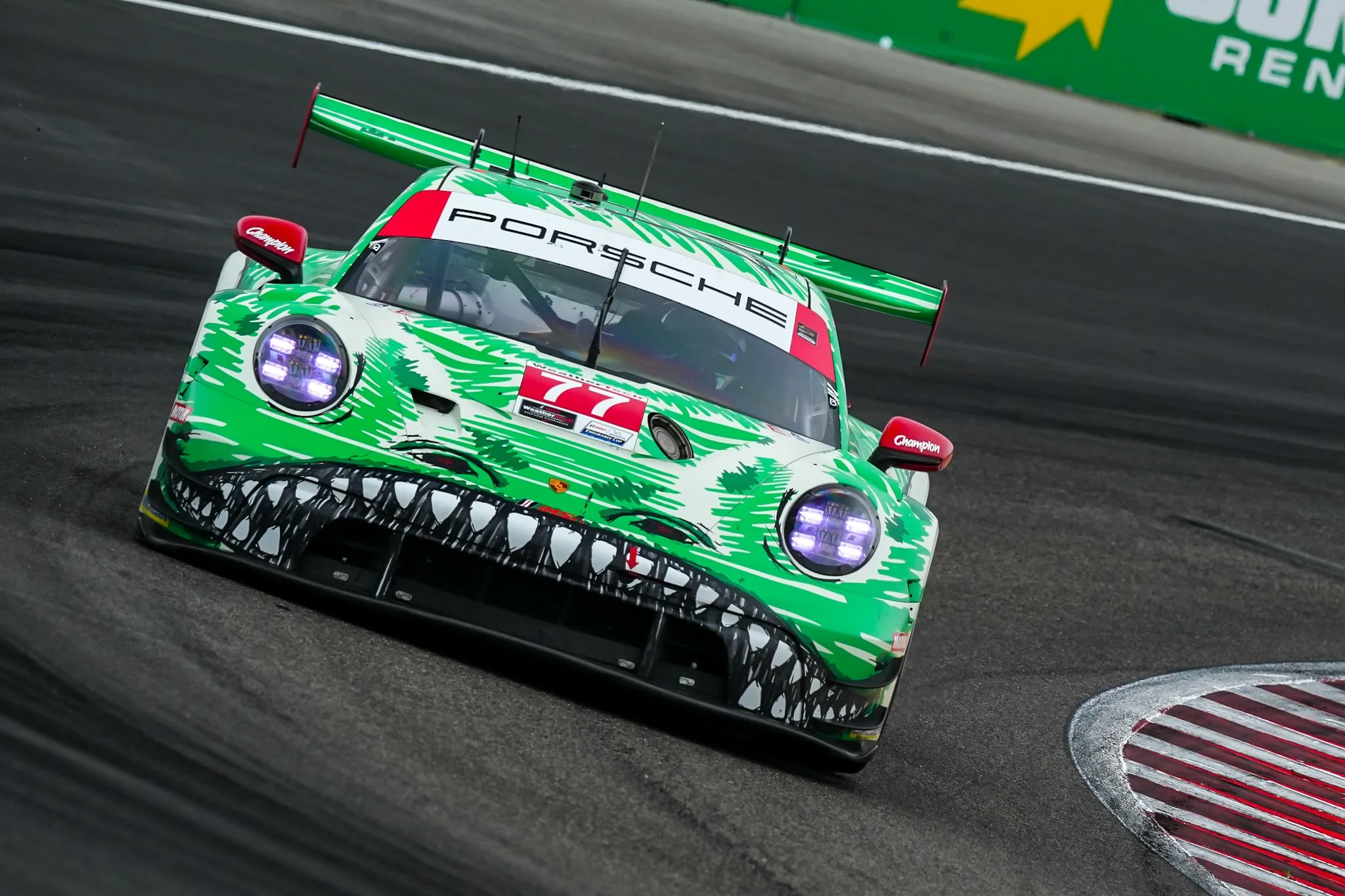
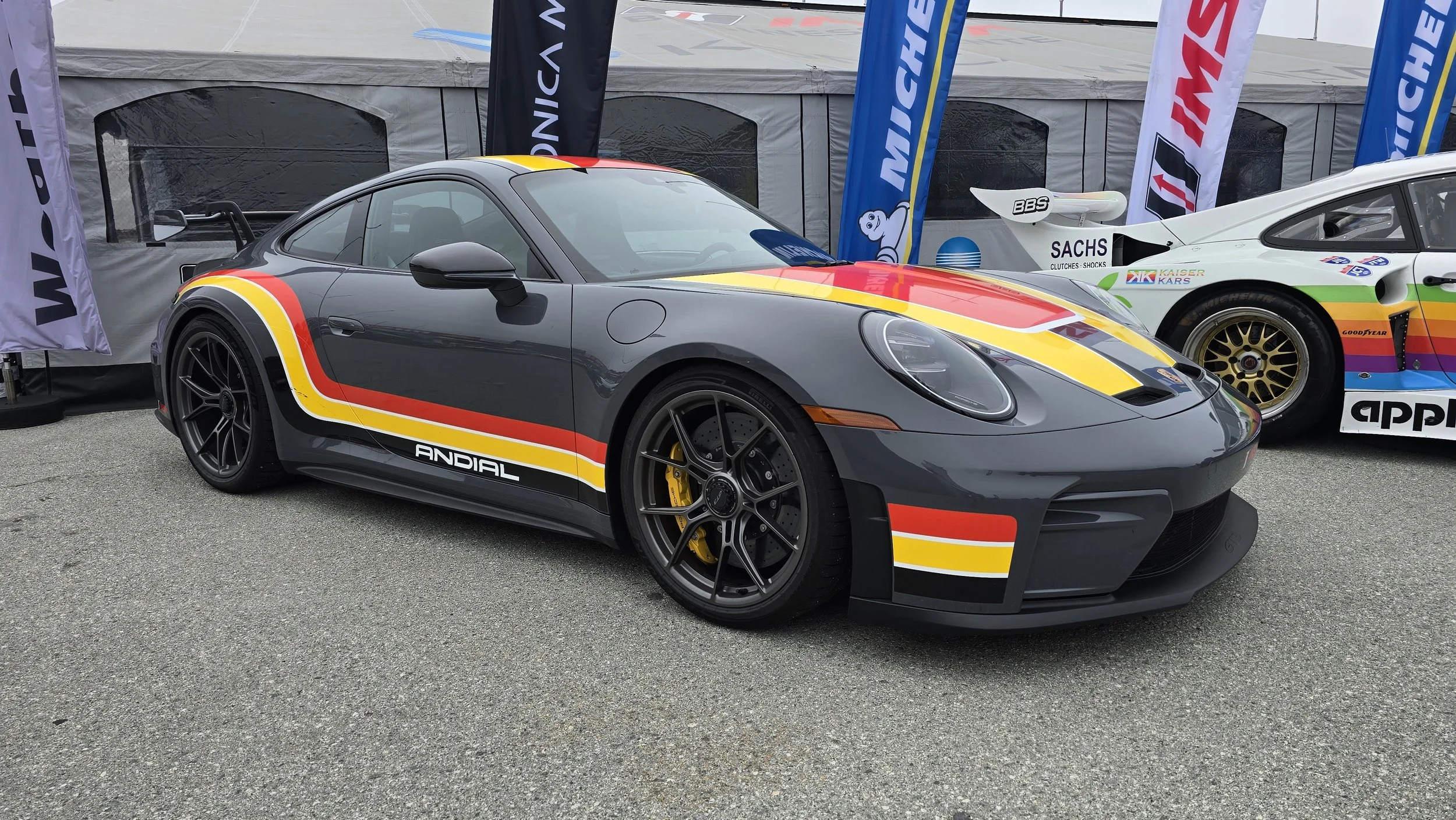
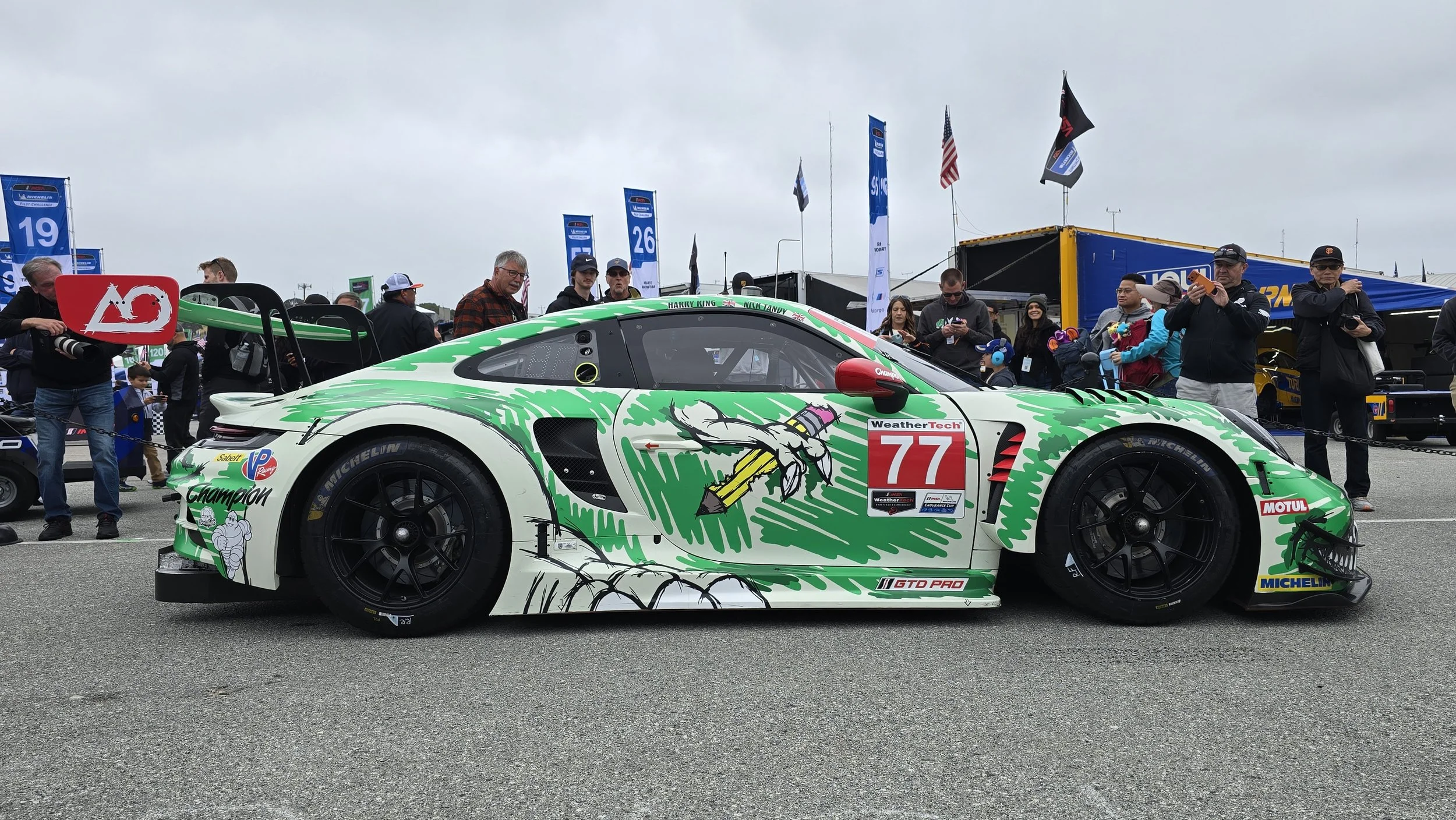
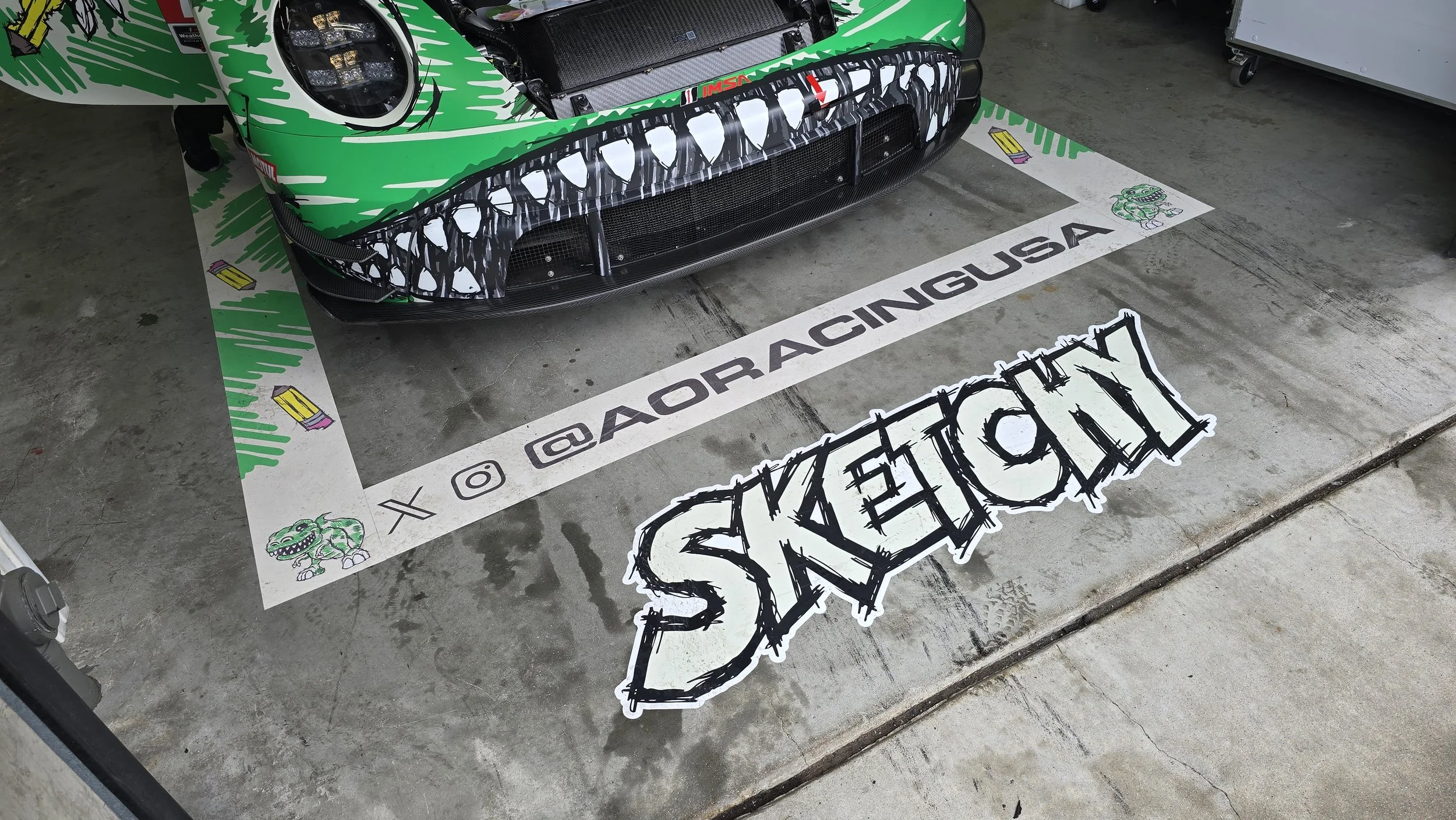
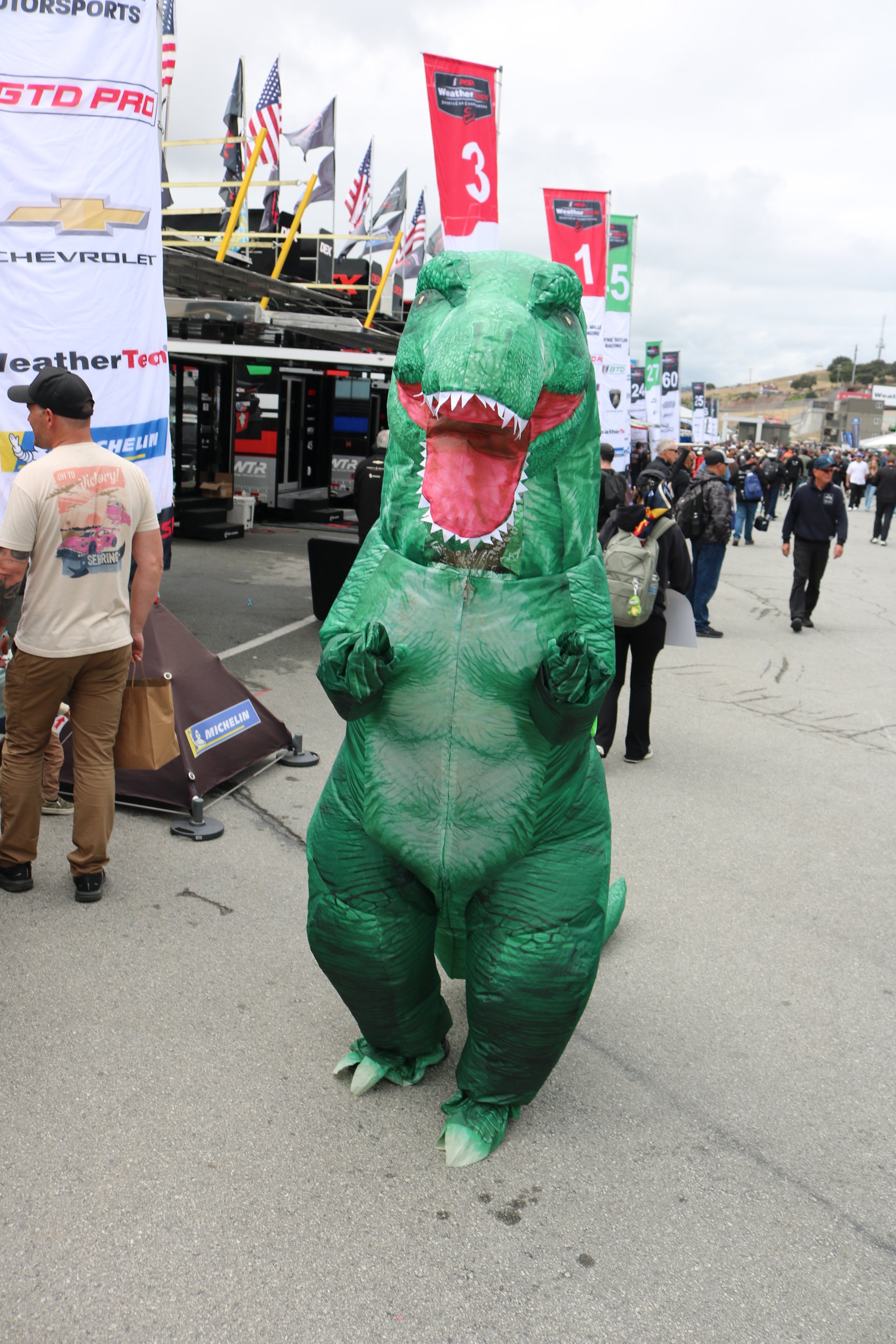
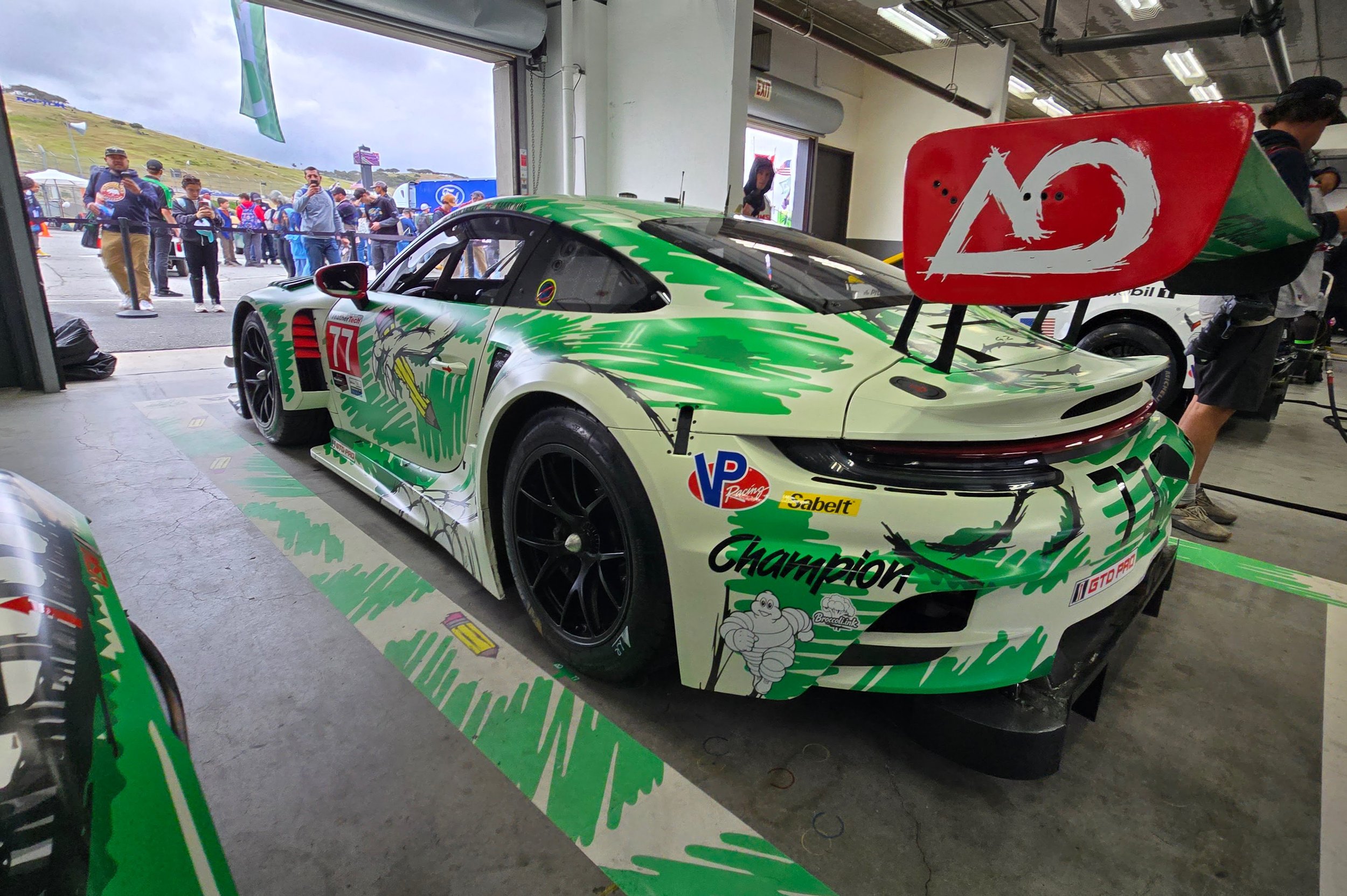
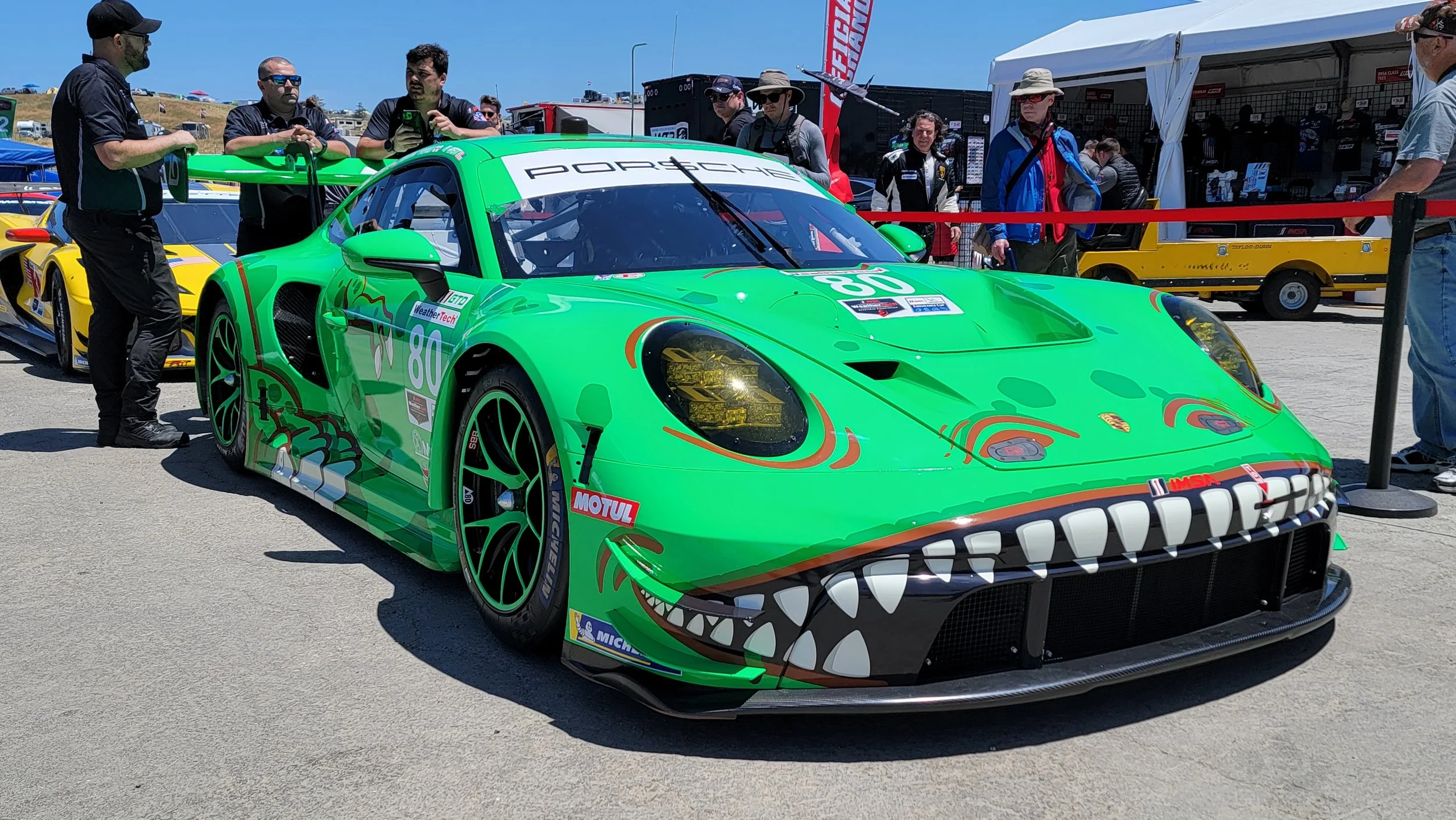
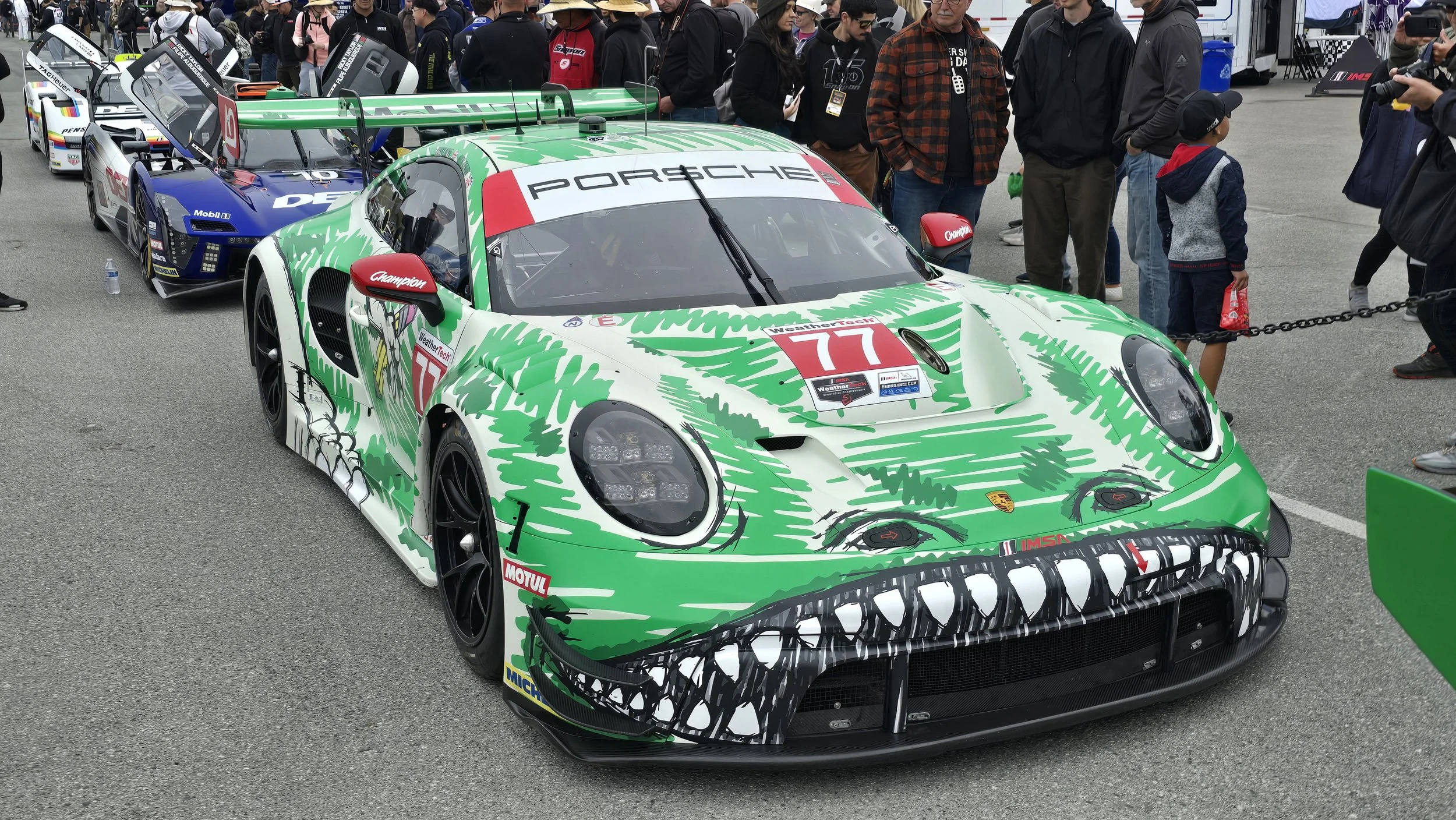
It was encouraging to see so many fans turn out for a full weekend of some of the best racing motorsport has to offer. The throwback theme only added to the experience, with spectators encouraged to wear vintage and retro gear in celebration of IMSA’s history. They more than met the moment, filling the paddock and grandstands with old team colors, classic logos, and reminders of the series’ deep heritage. Props to AO racing bringing their throwback “Sketchy” livery on their Porsche 911 GT3 “RAWR” giving us a lookback at their artistic musings that eventually became their other fan favorite, “Rexy” livery. There was no bigger hit in the paddock and it was awesome to see scores of young race fans sporting their favorite dino gear to the track to see if a giant lizard could again rule the world!
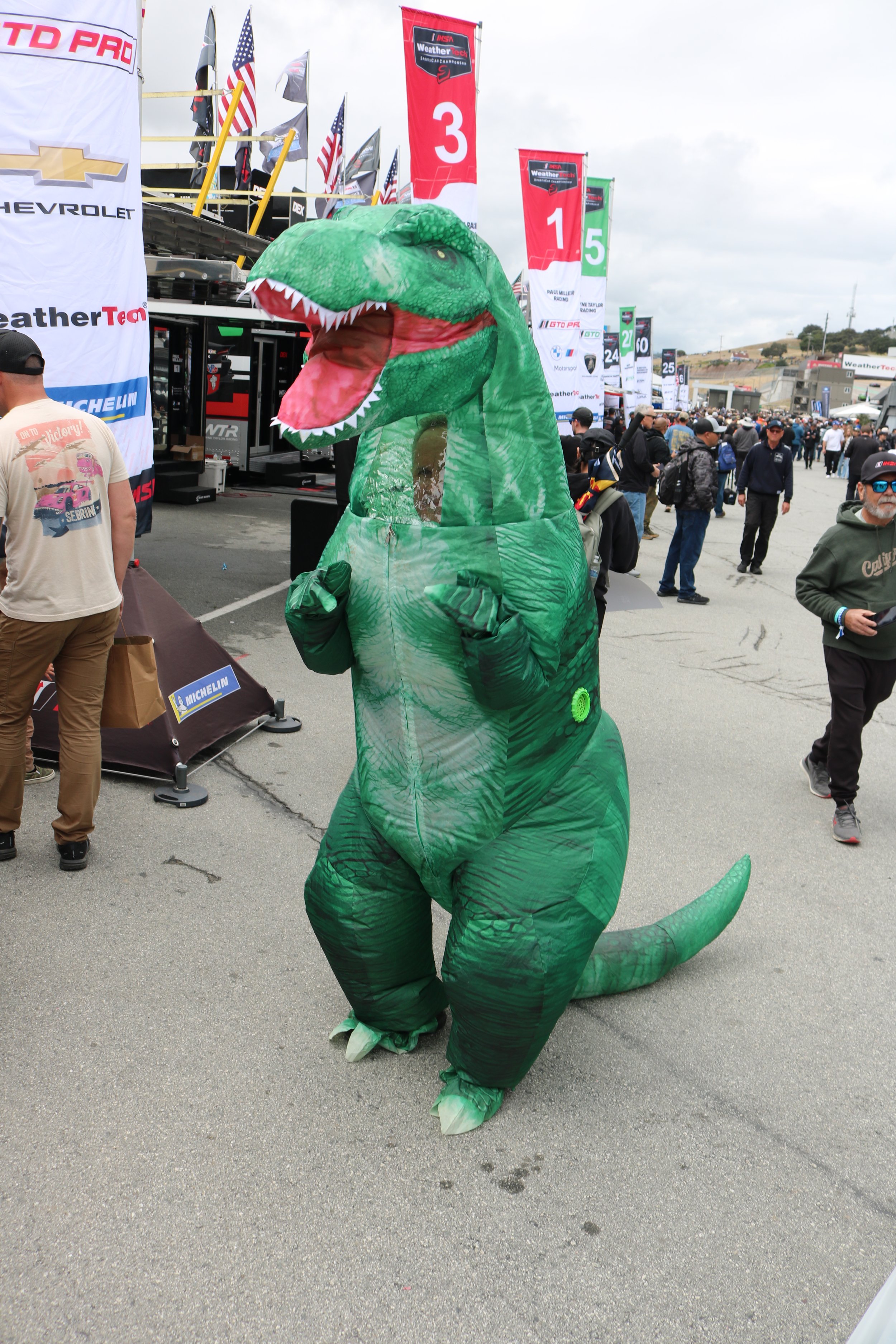
GT RAWR
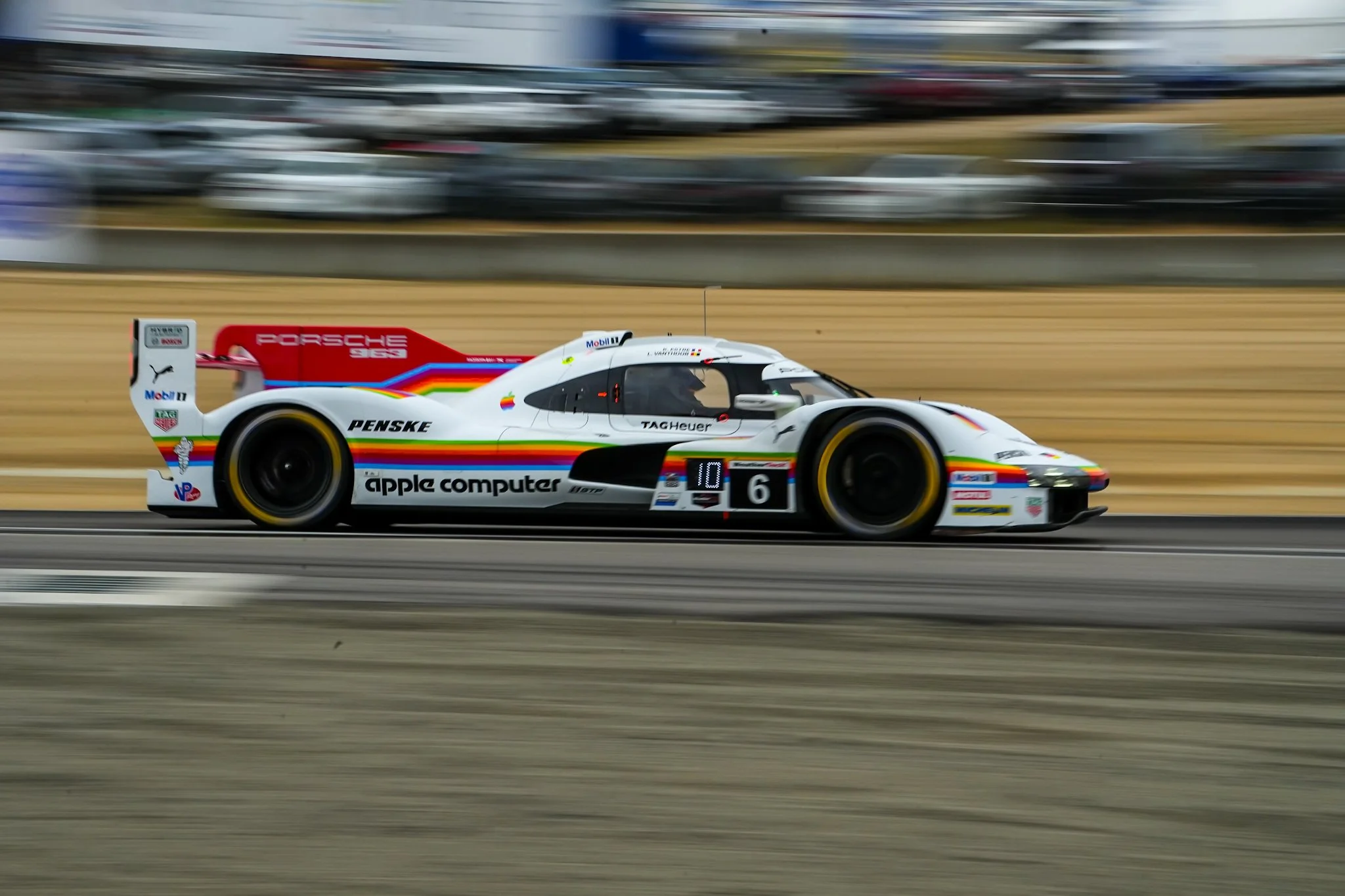
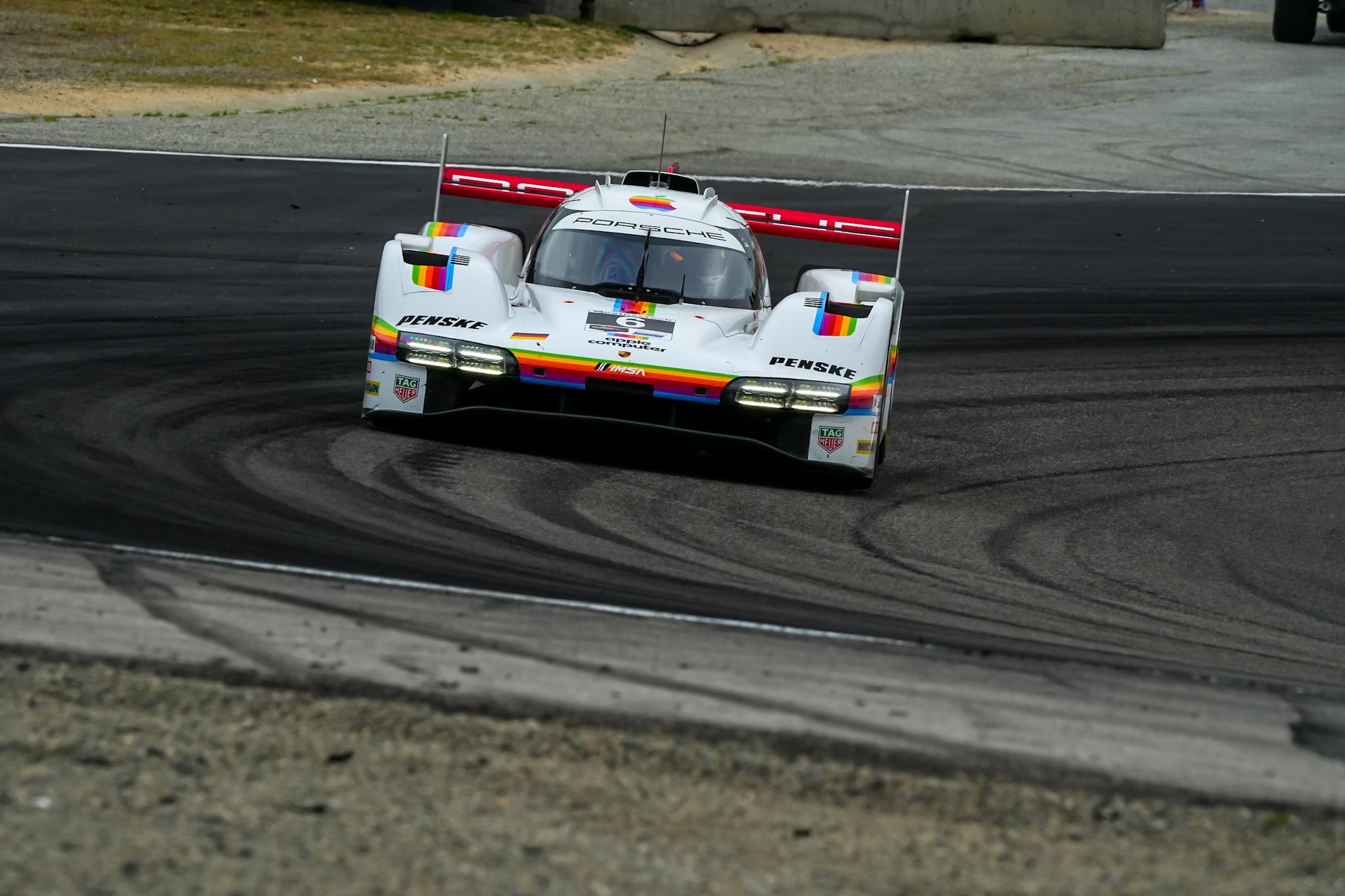
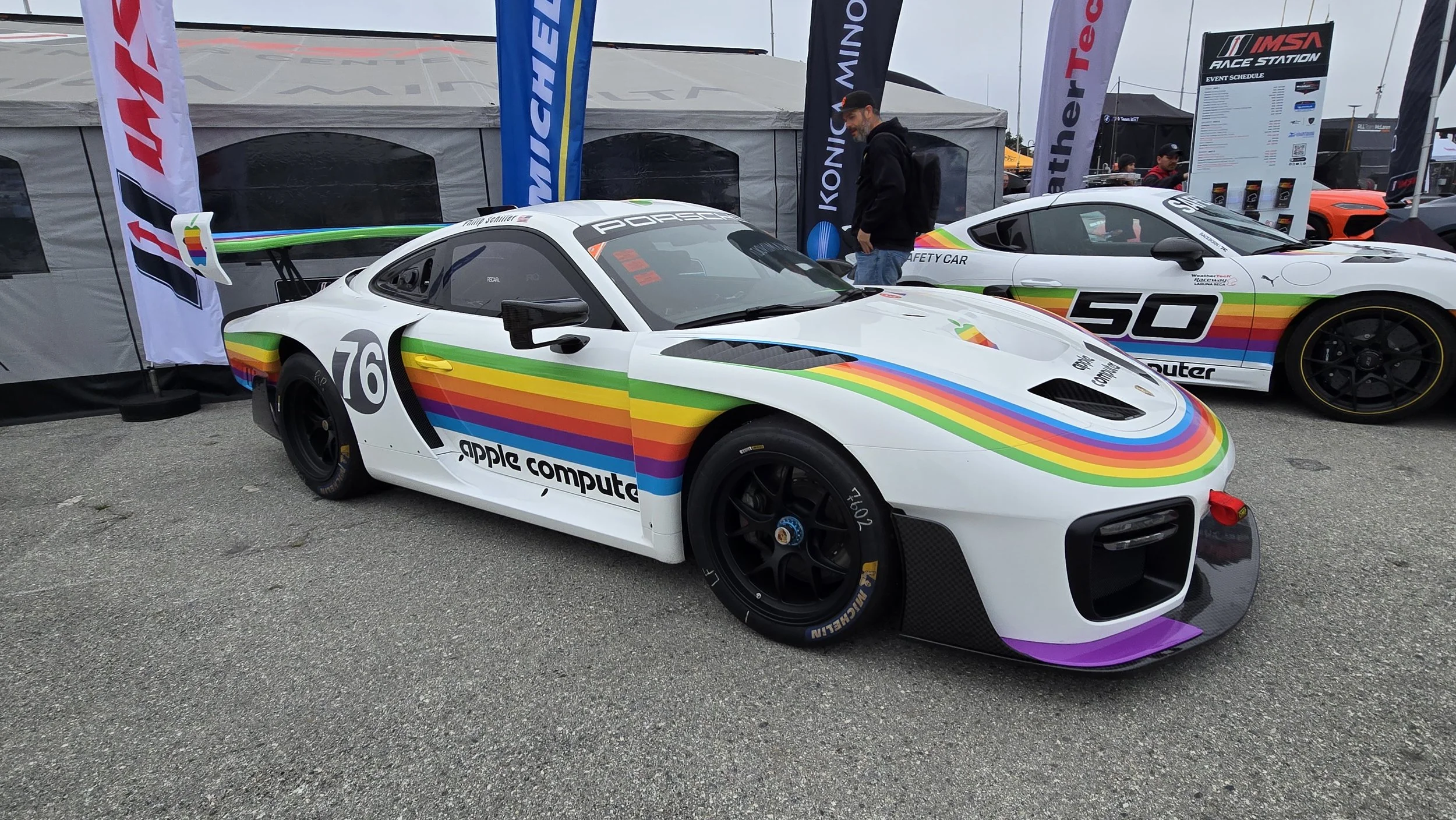
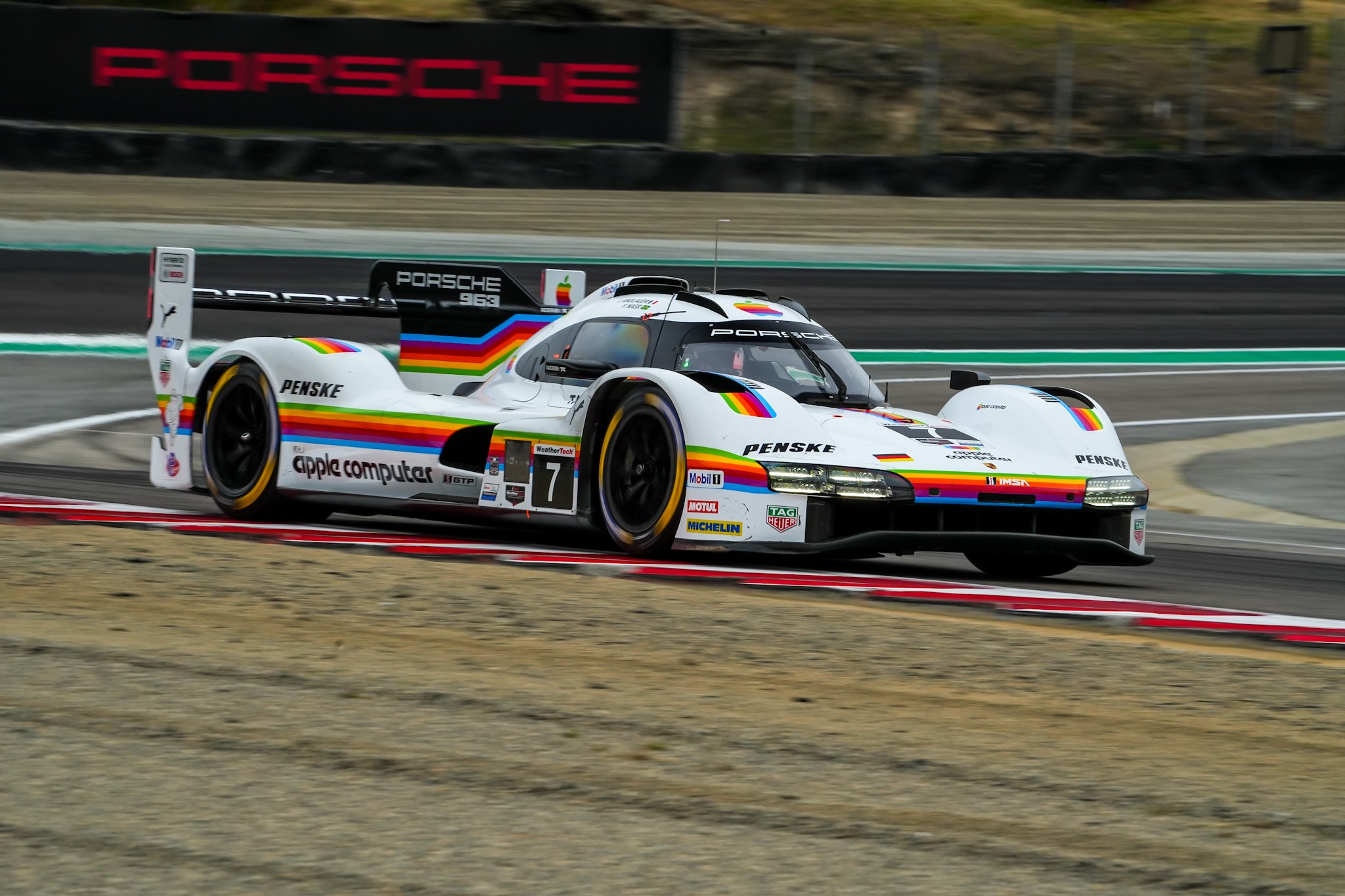
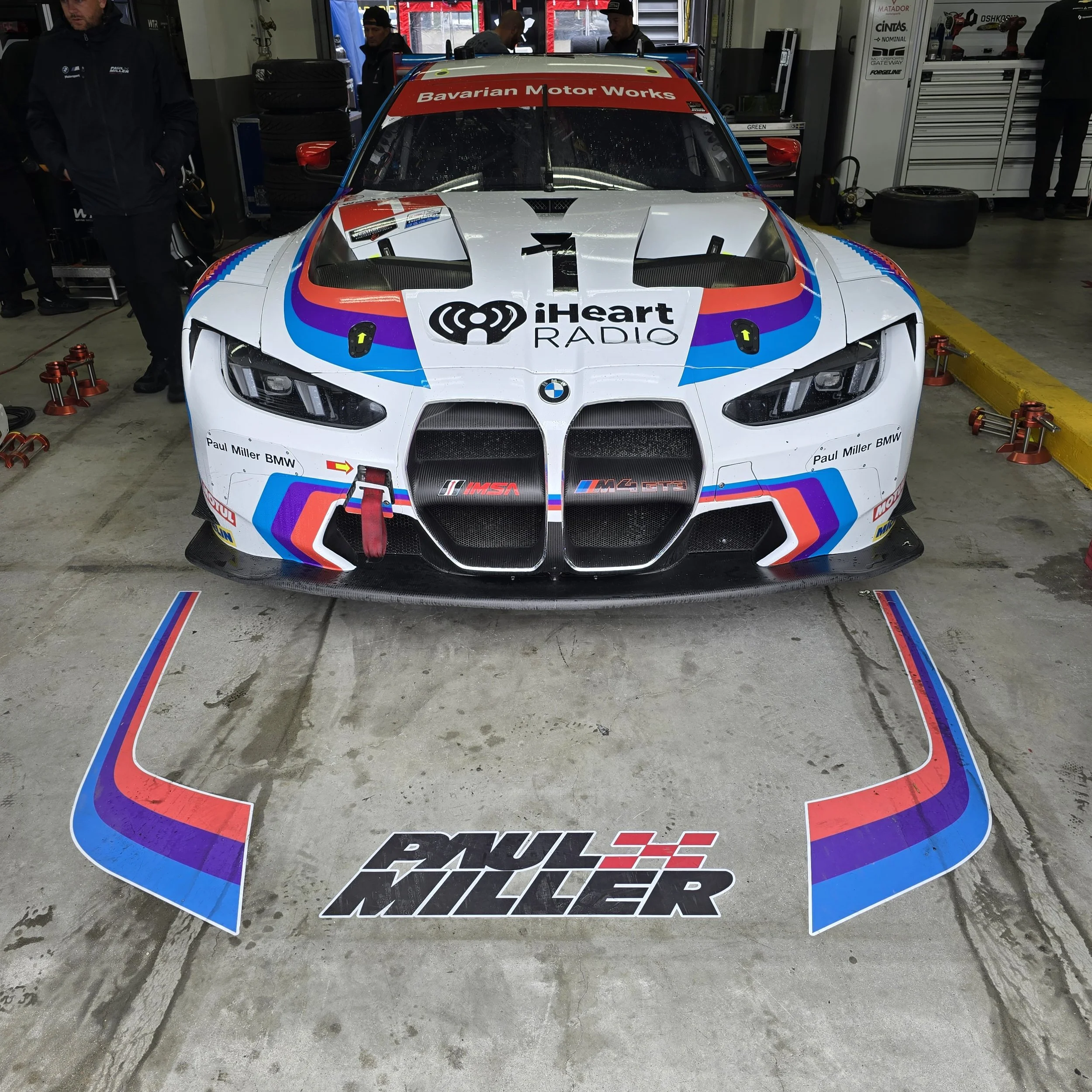
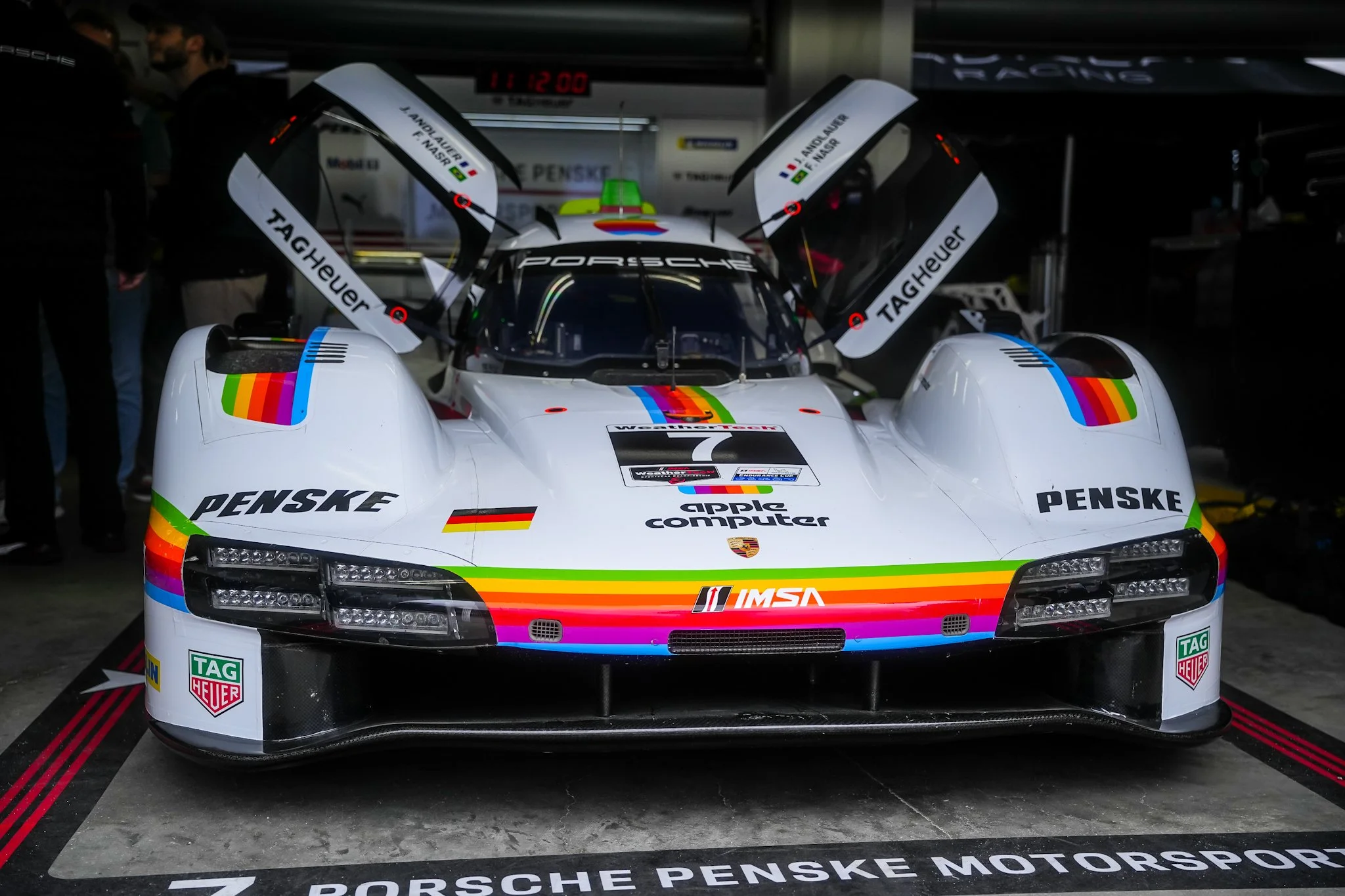
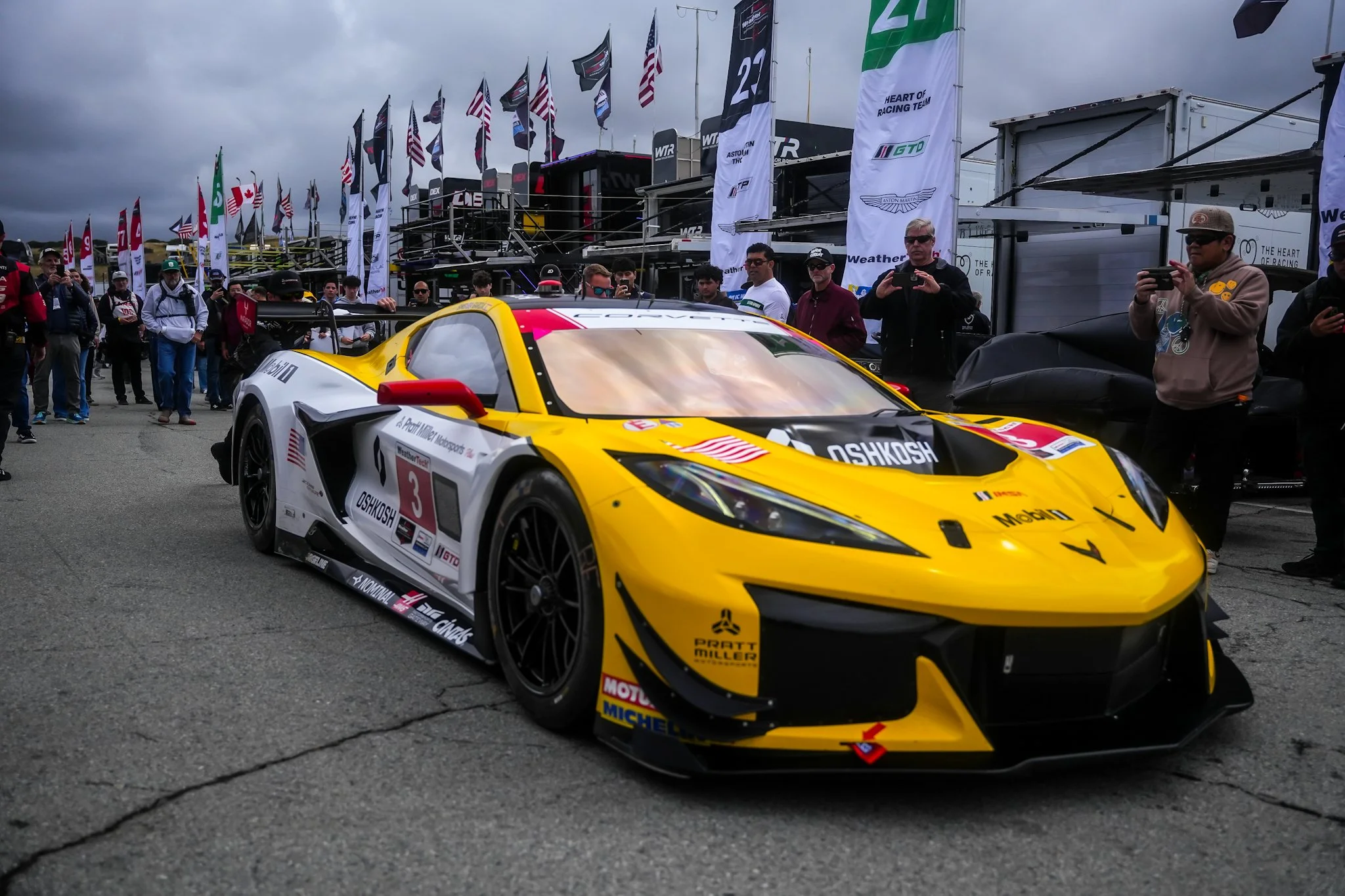
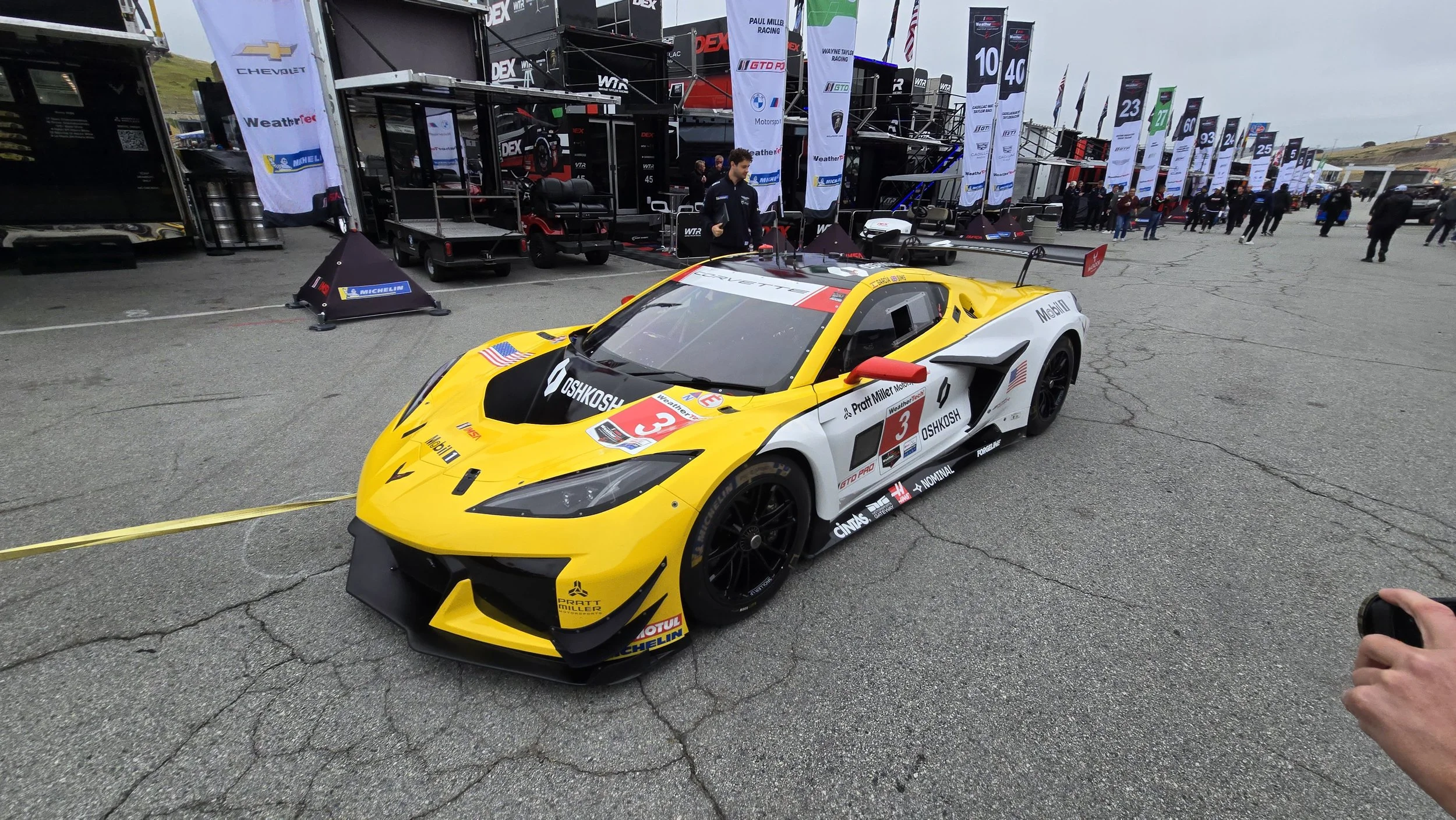
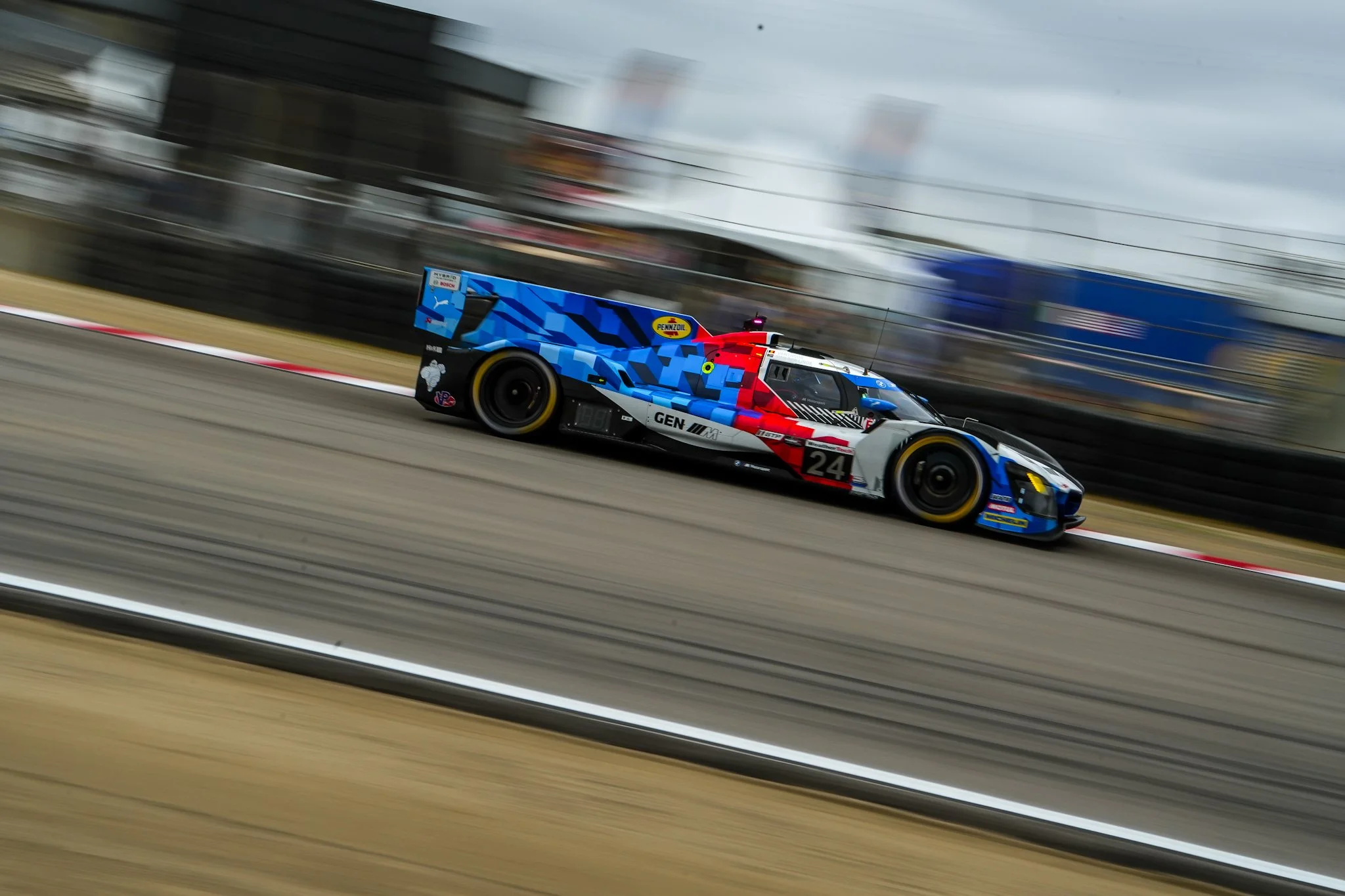
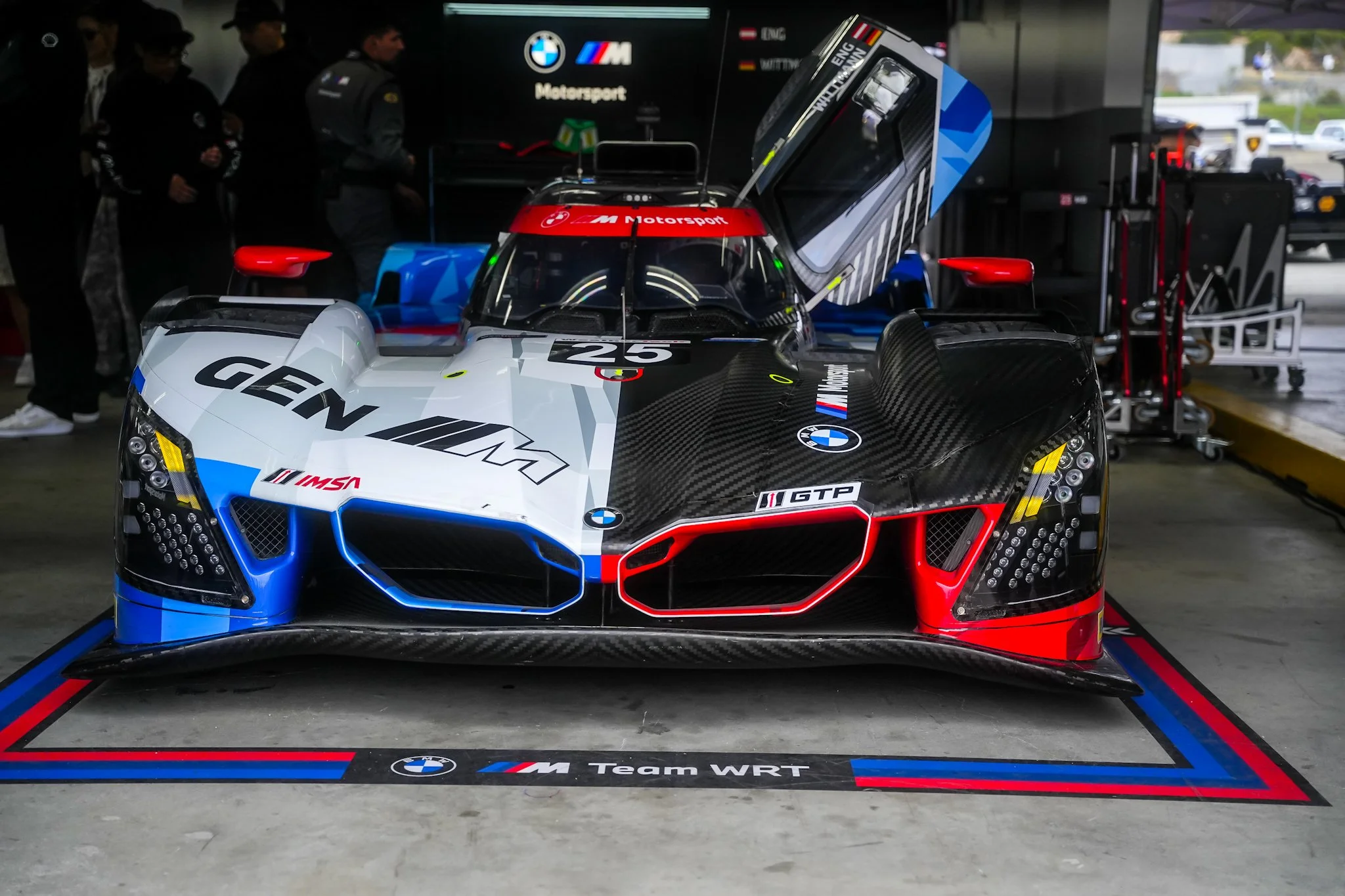
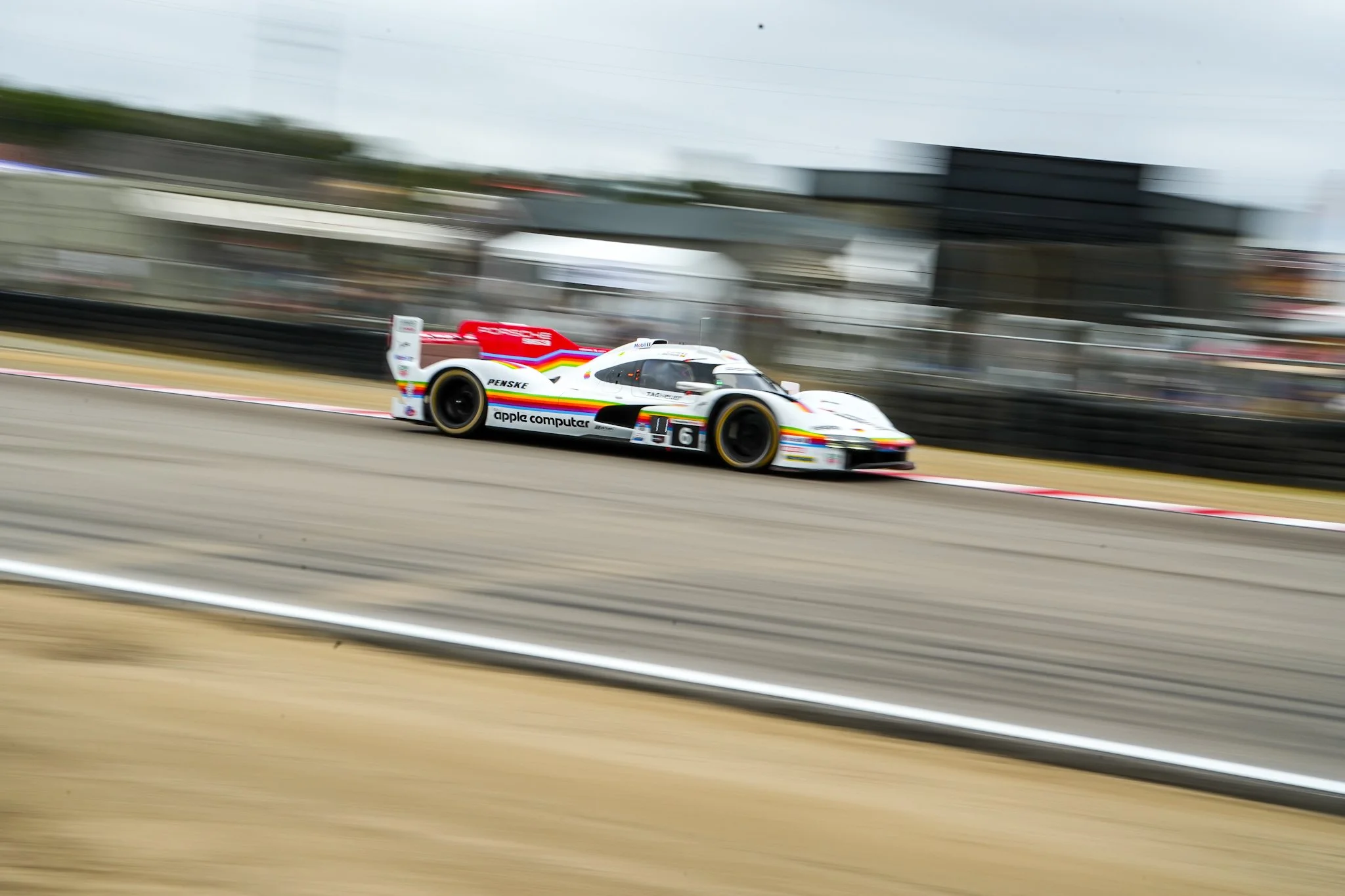
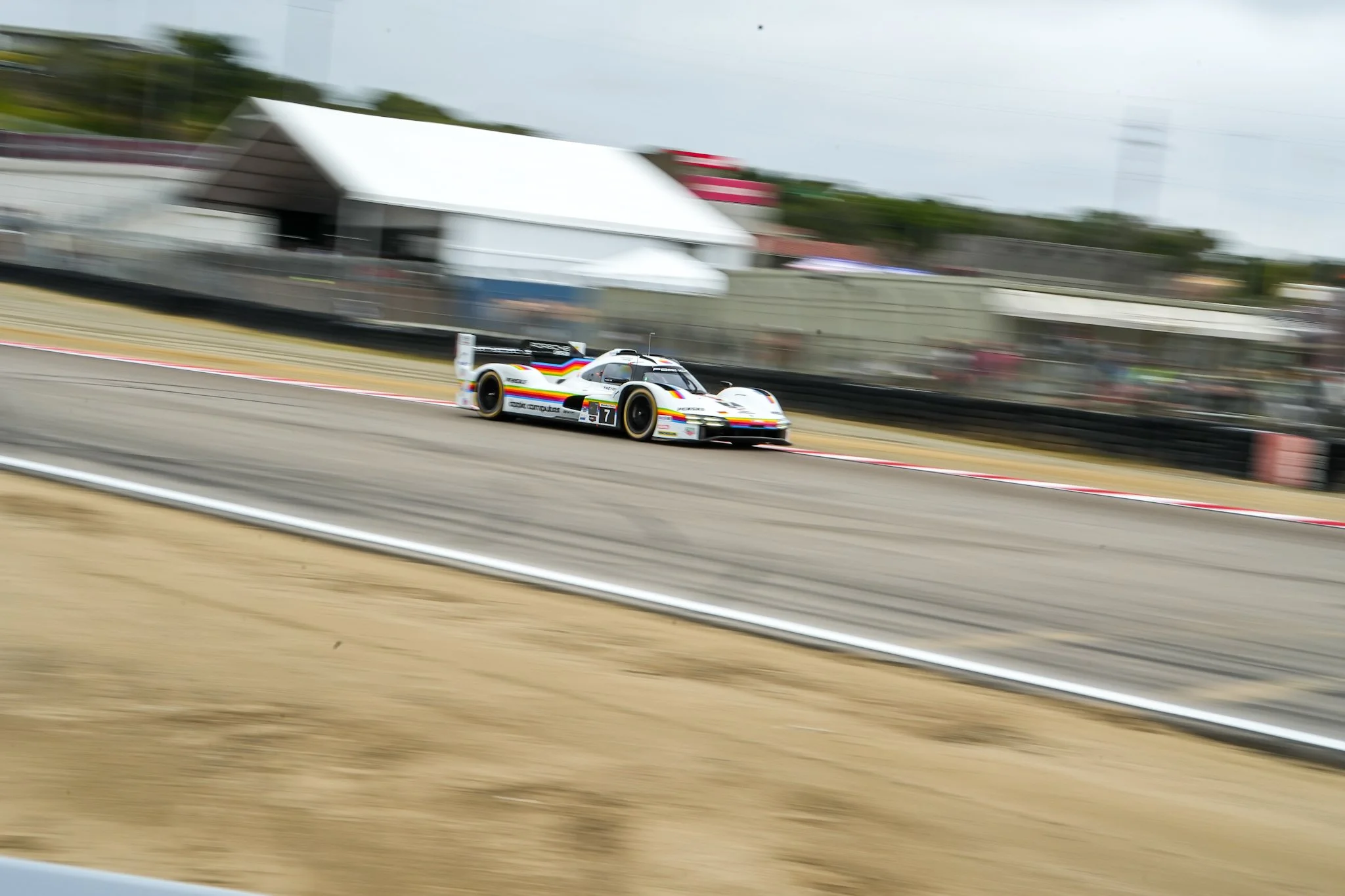
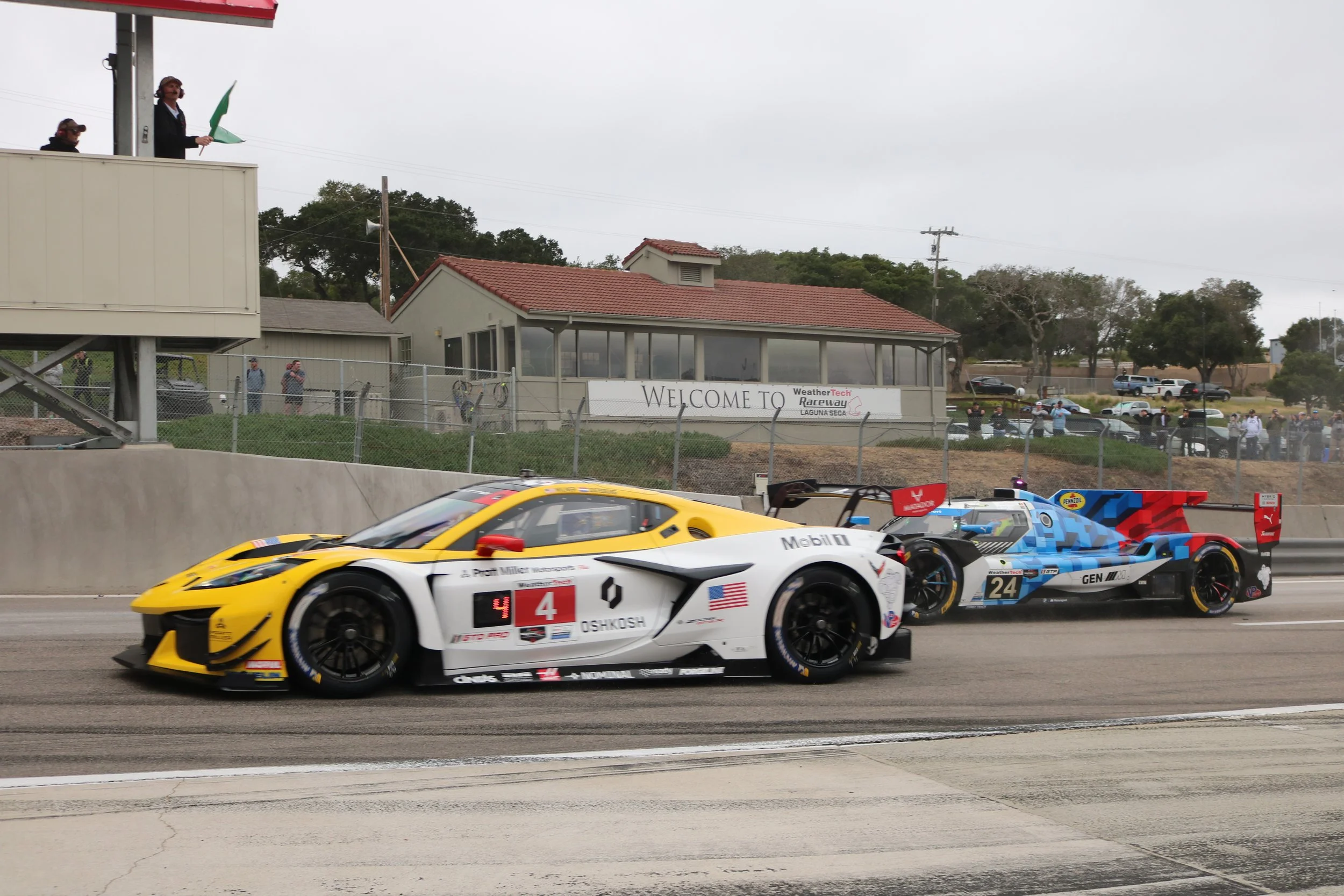
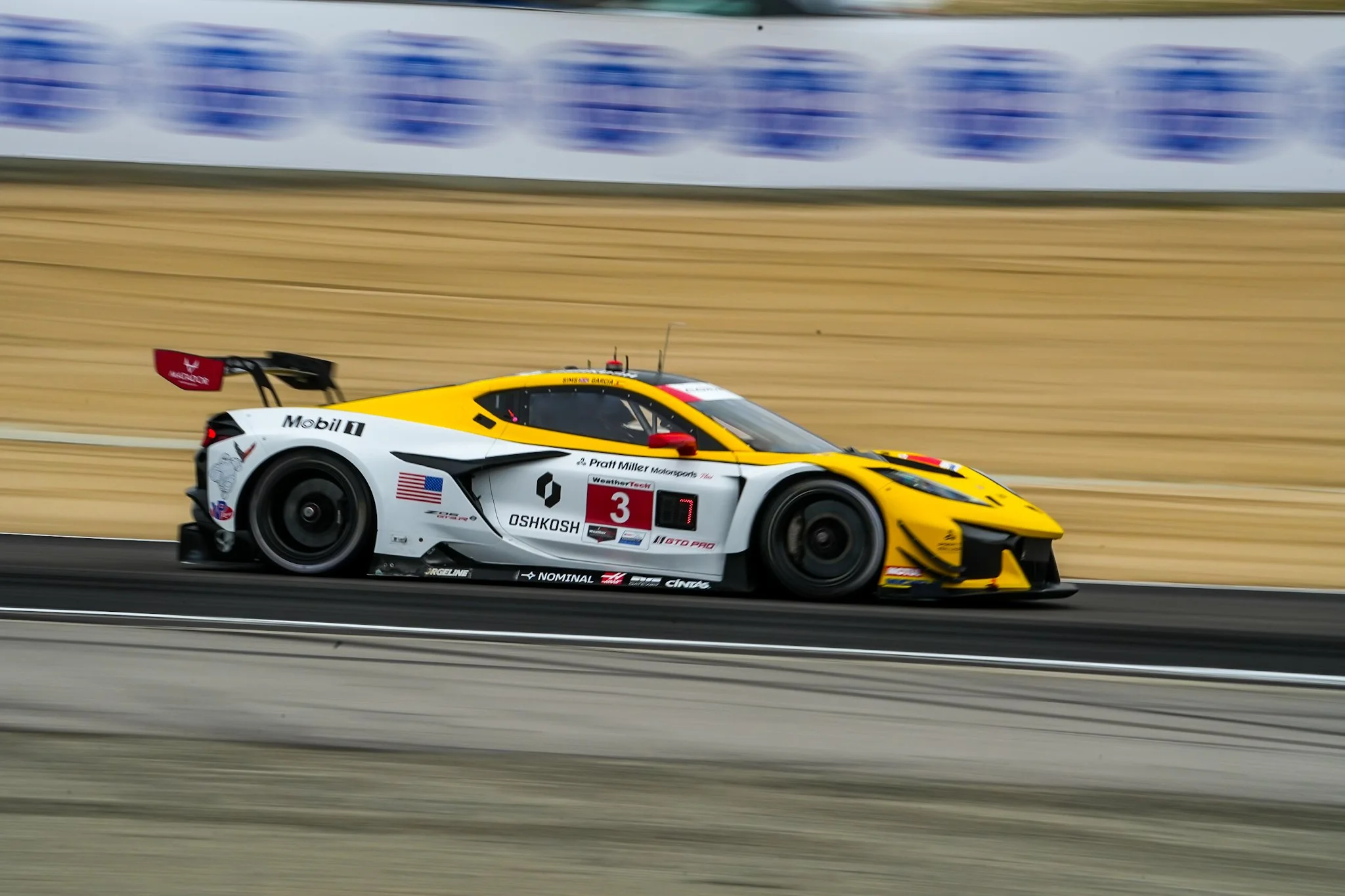
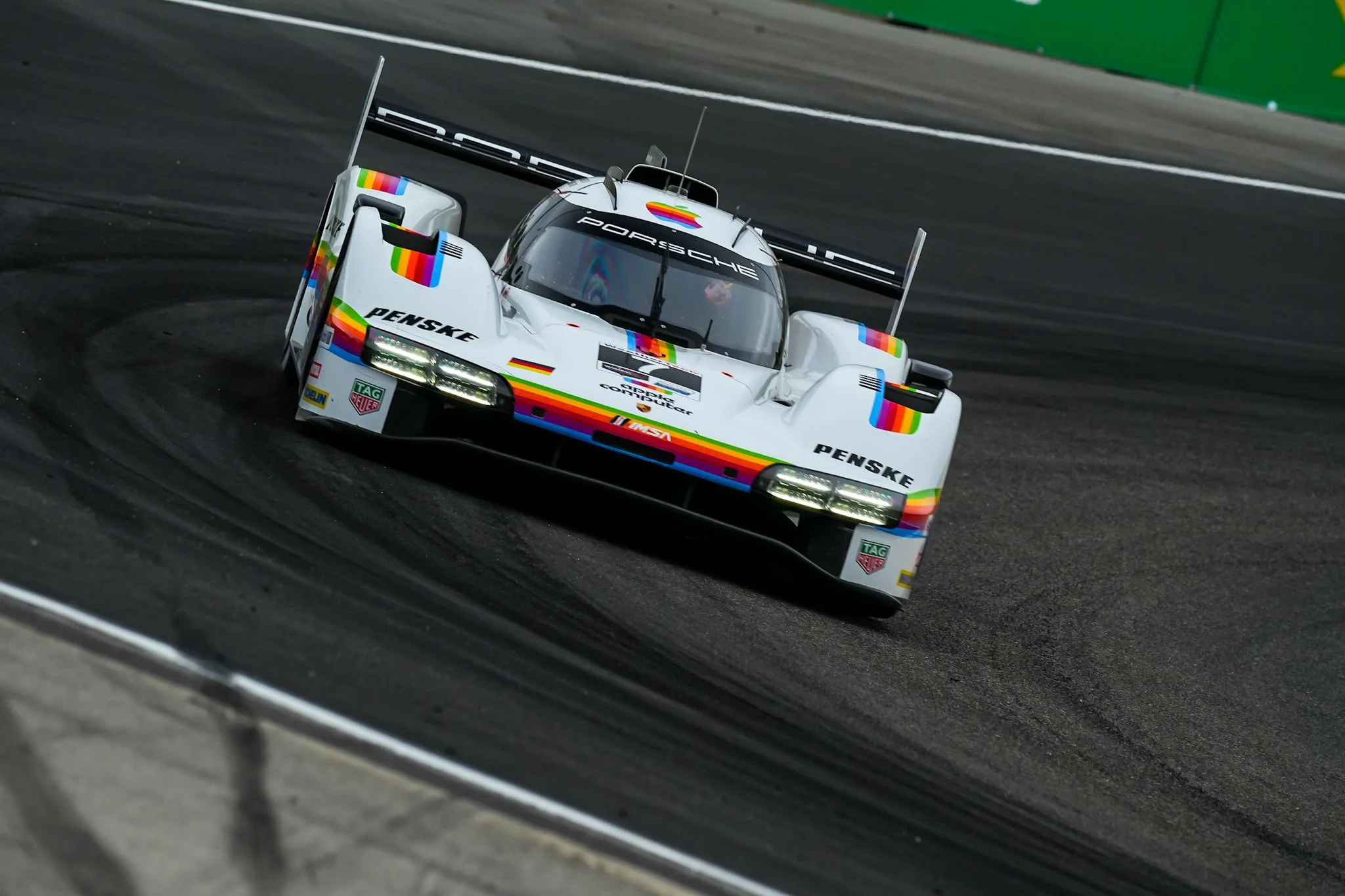
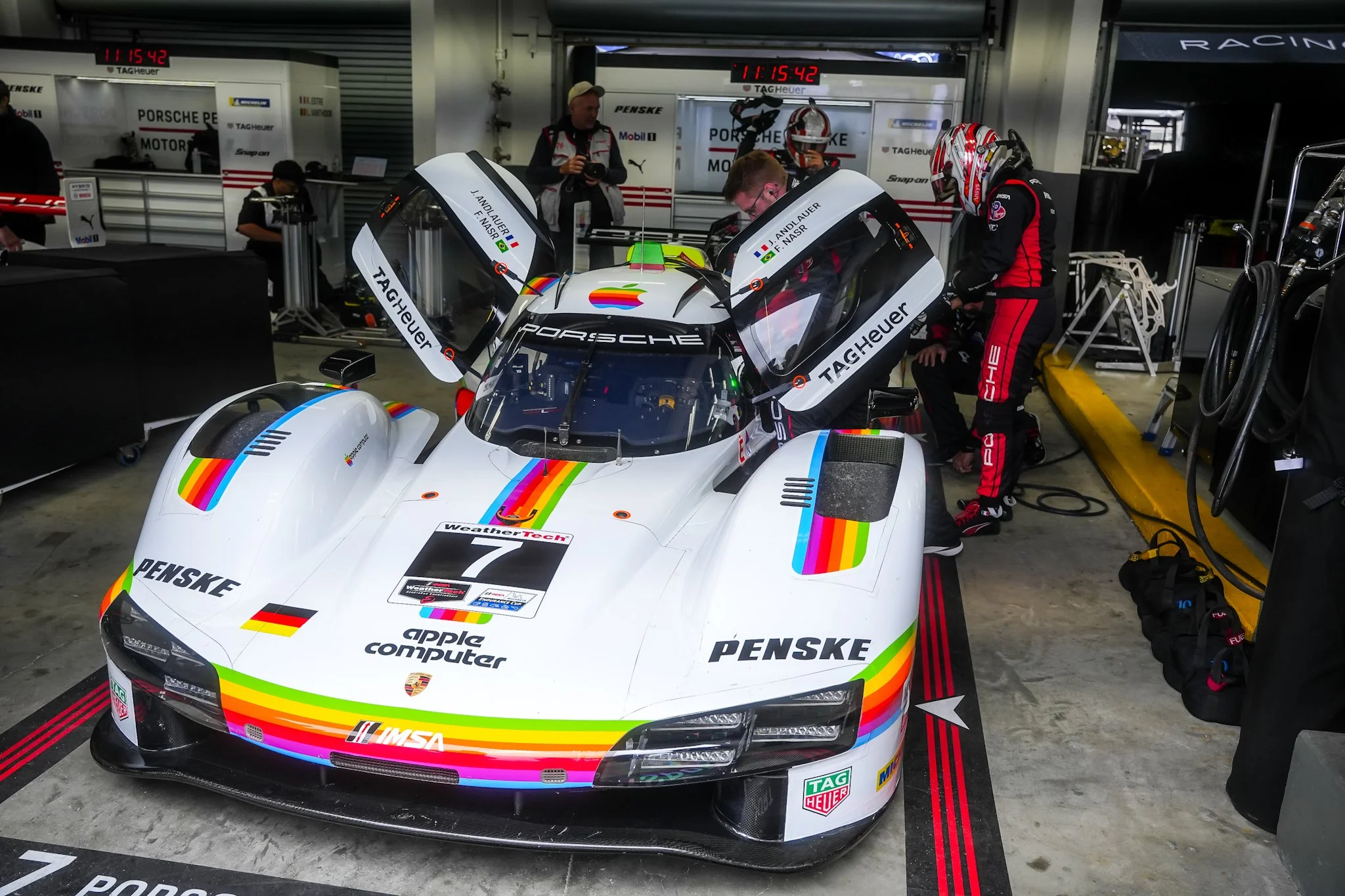
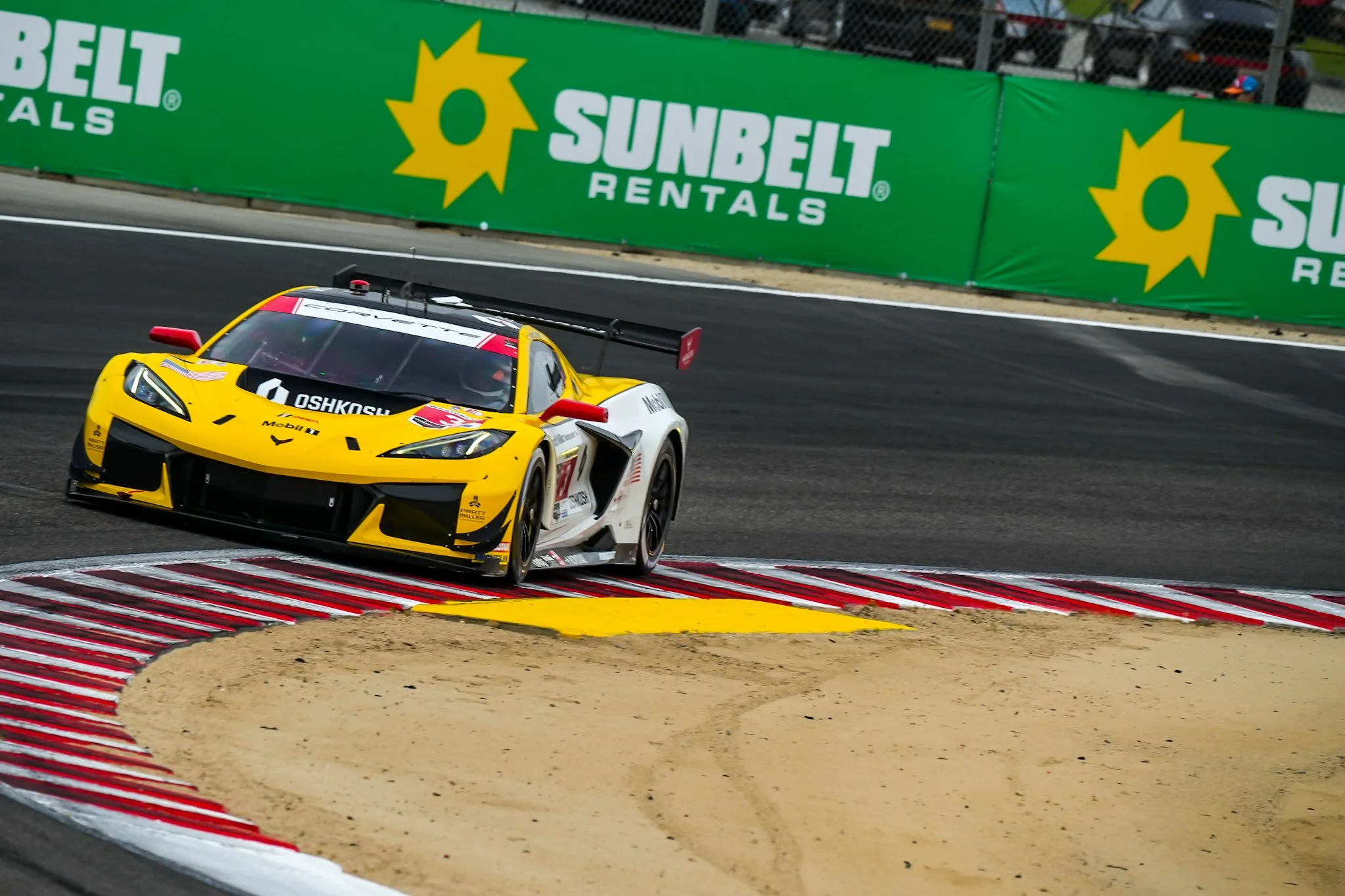
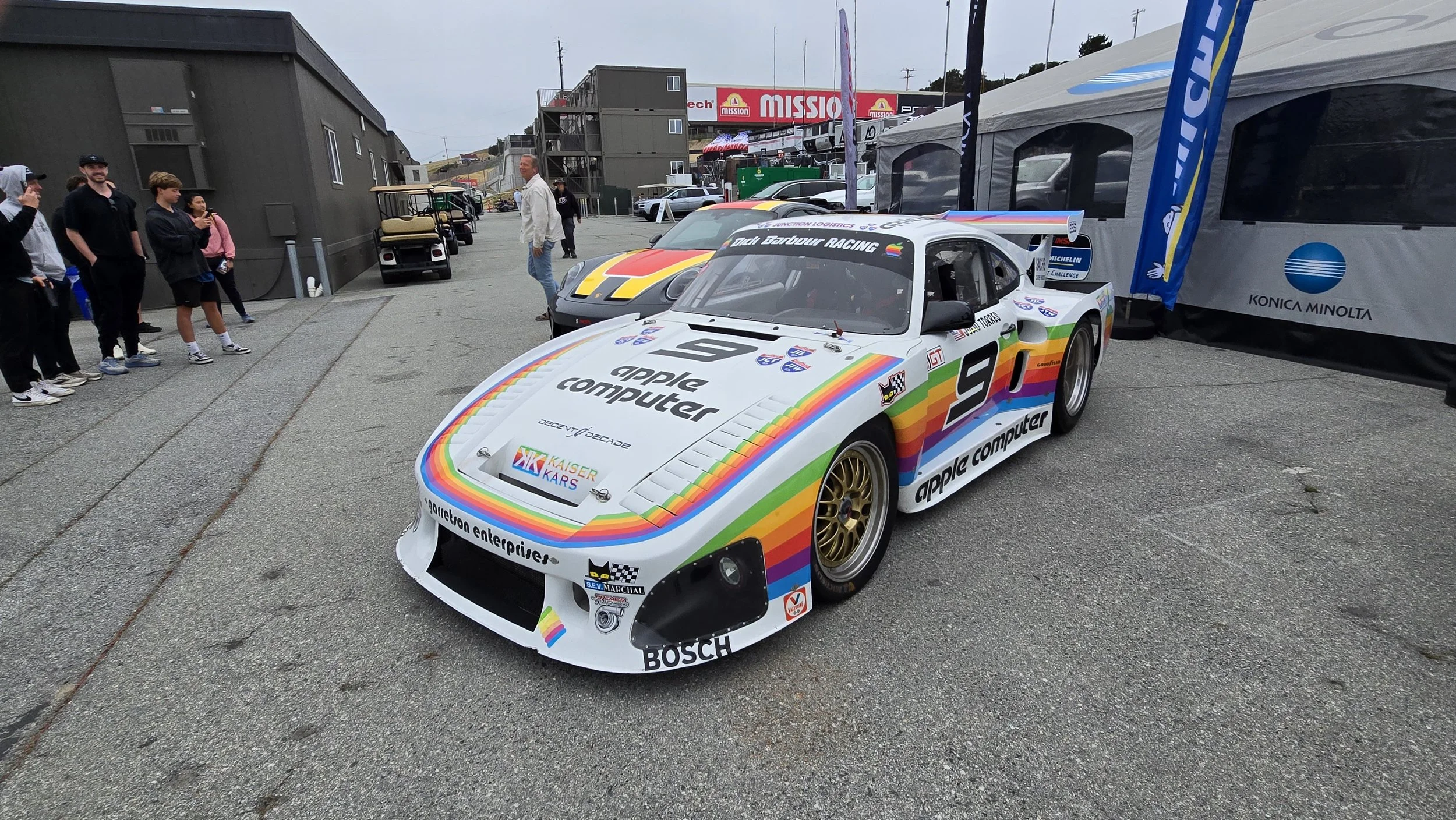
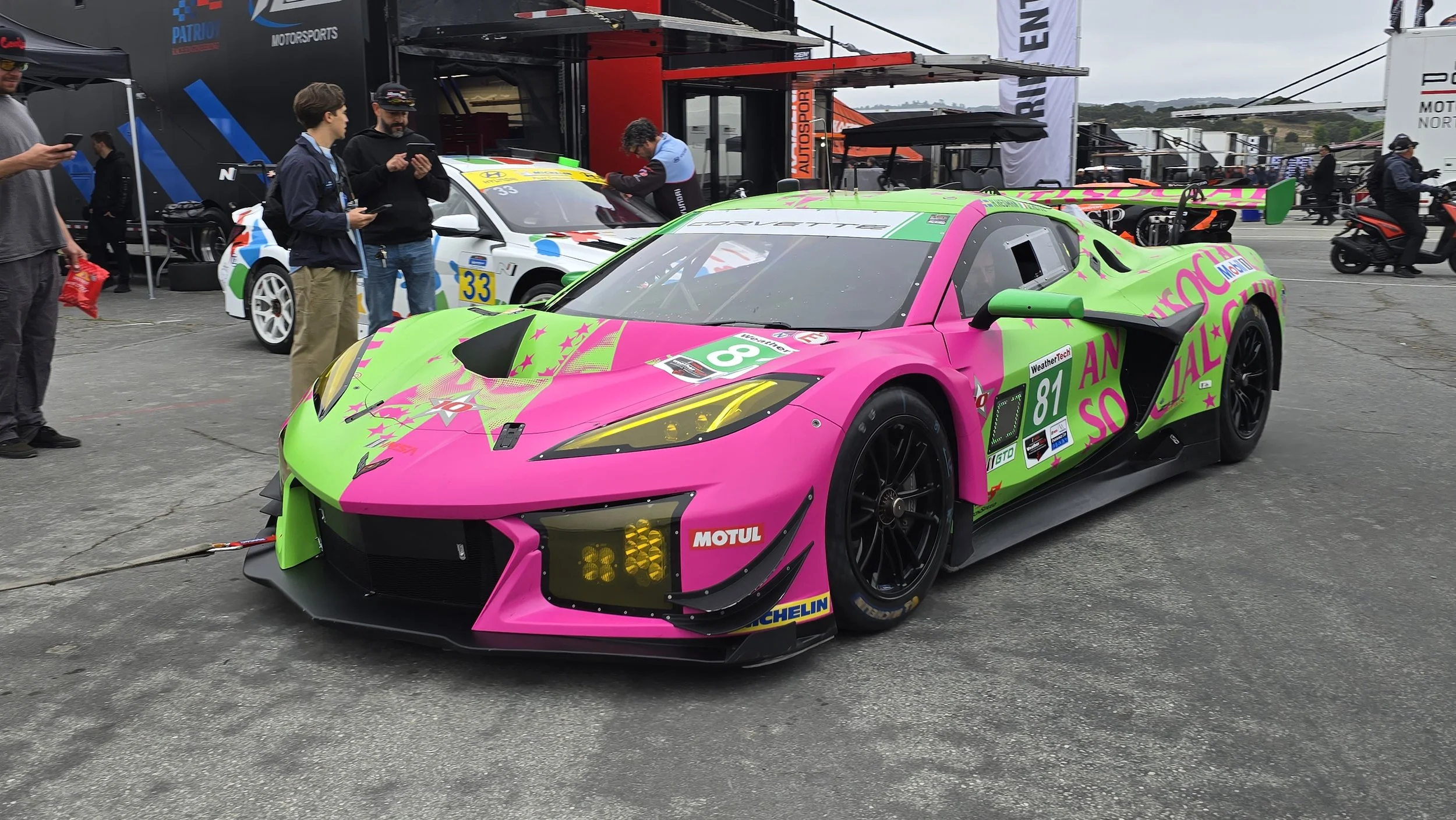
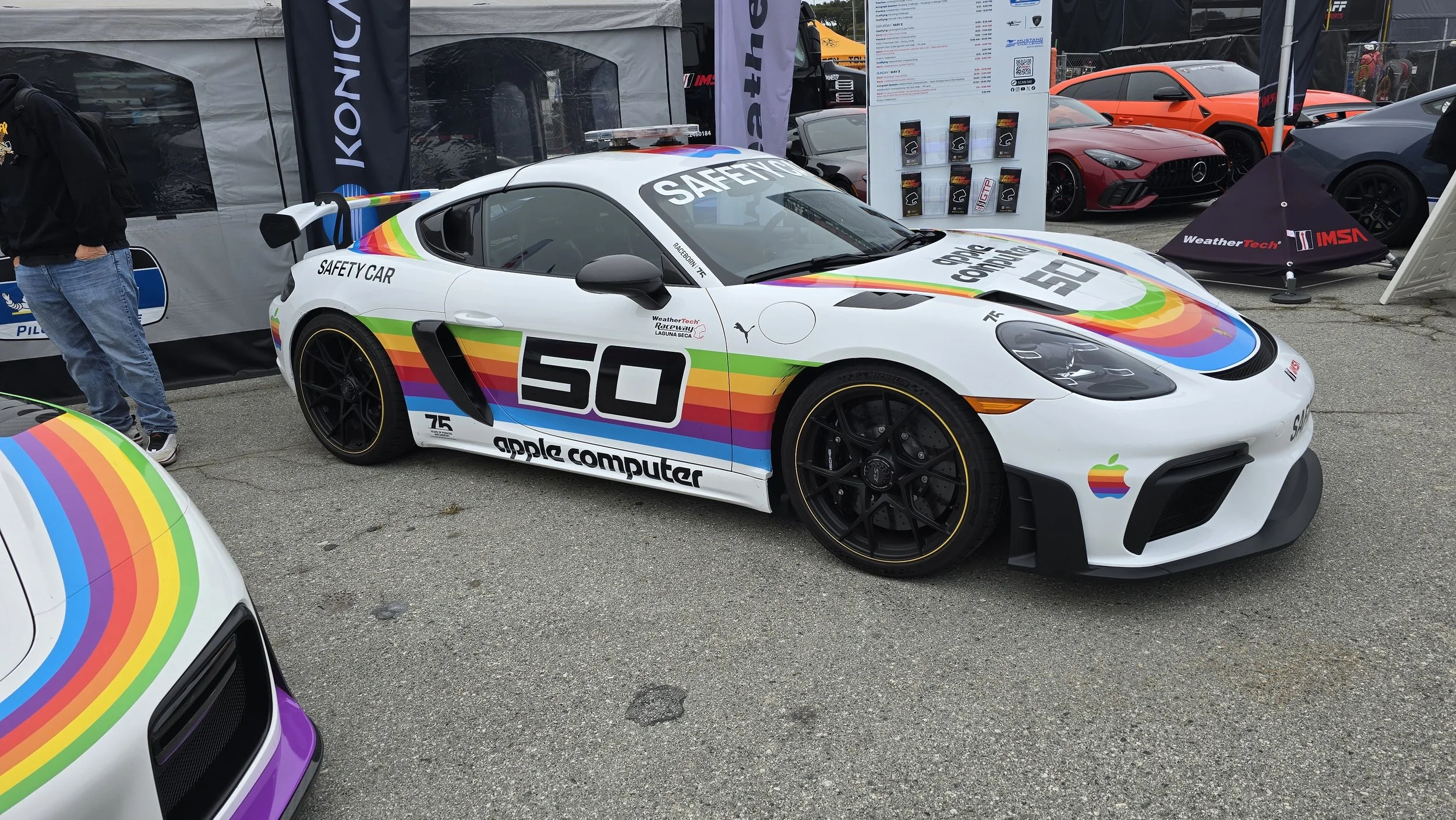
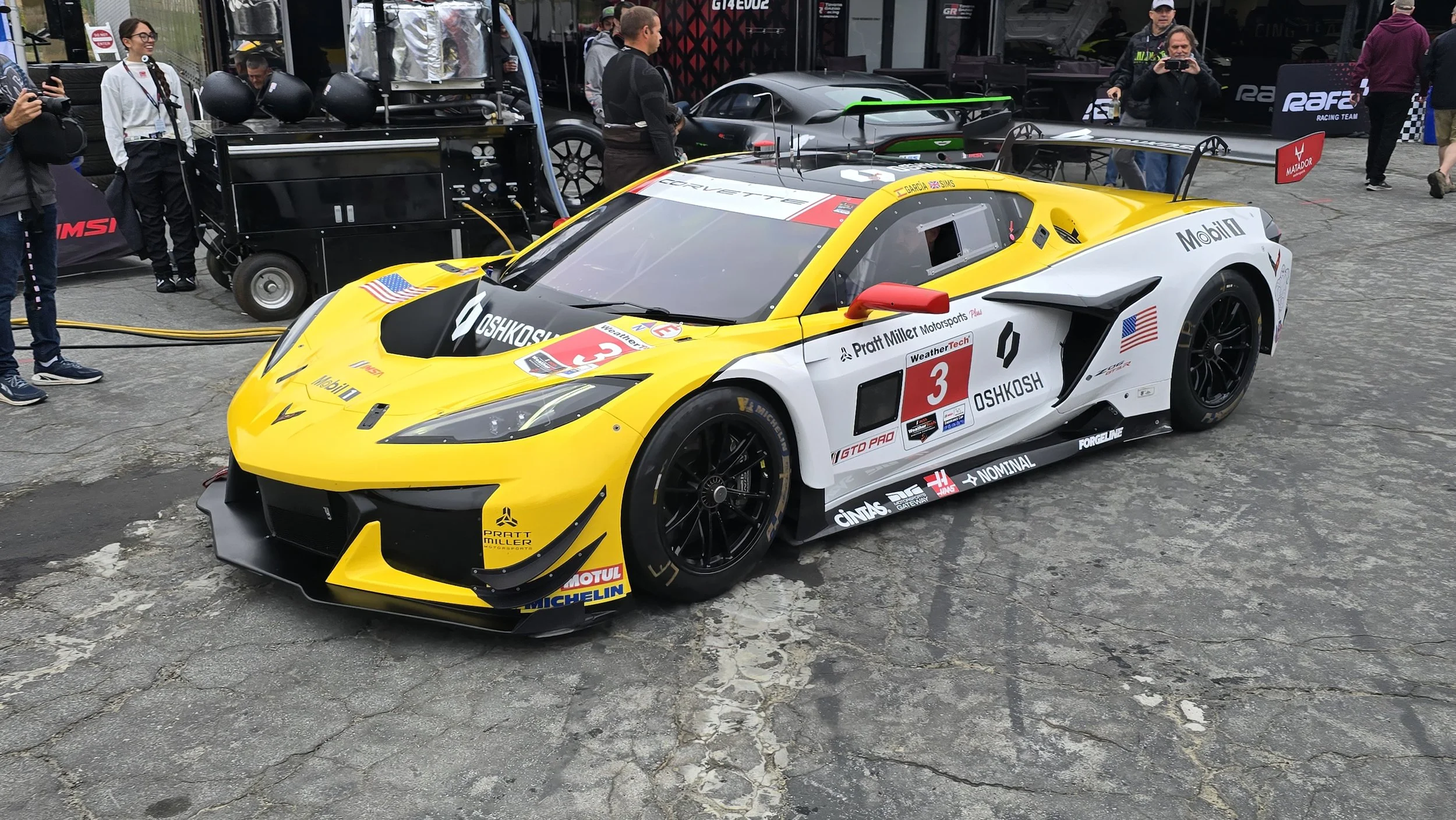
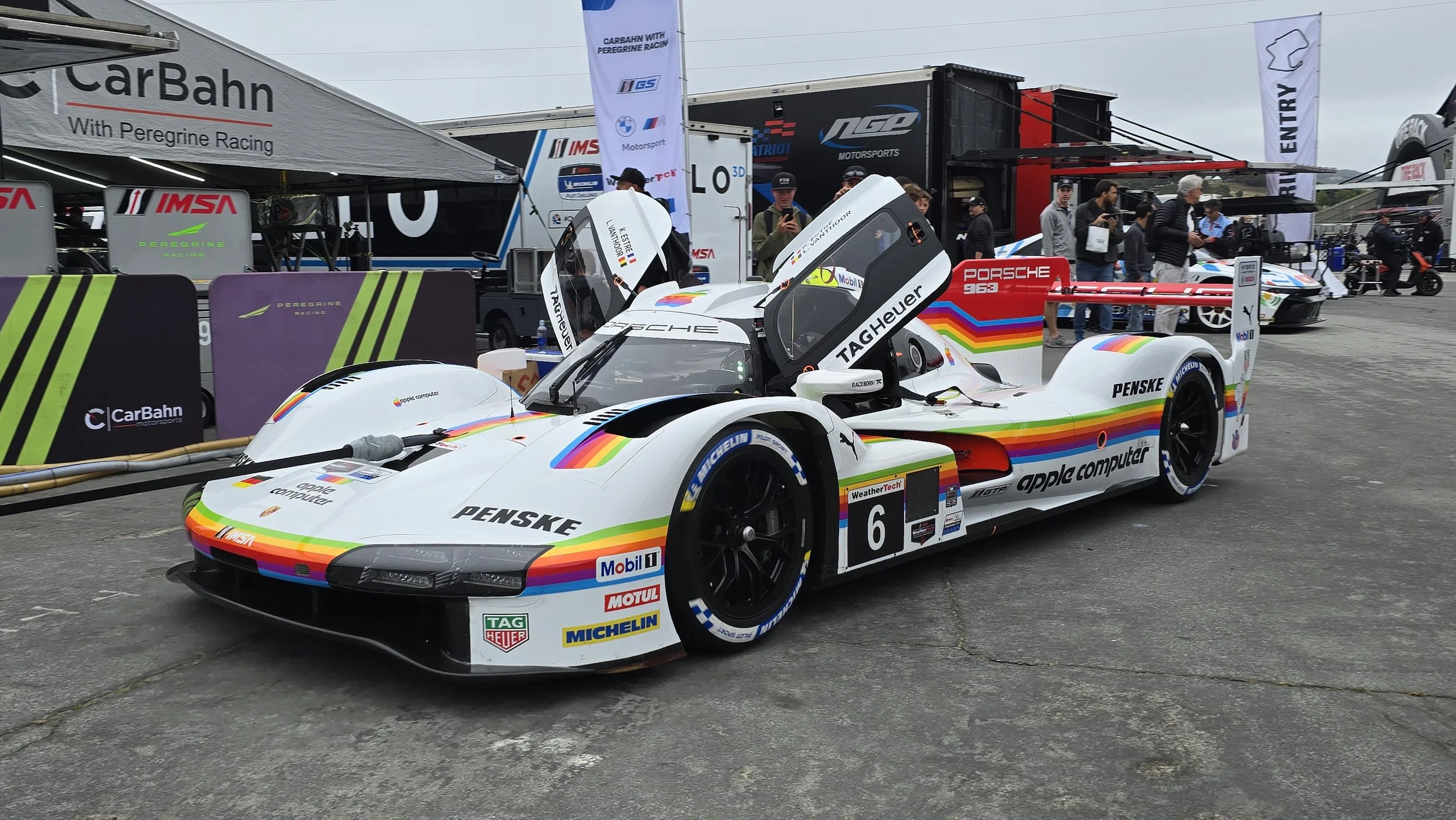
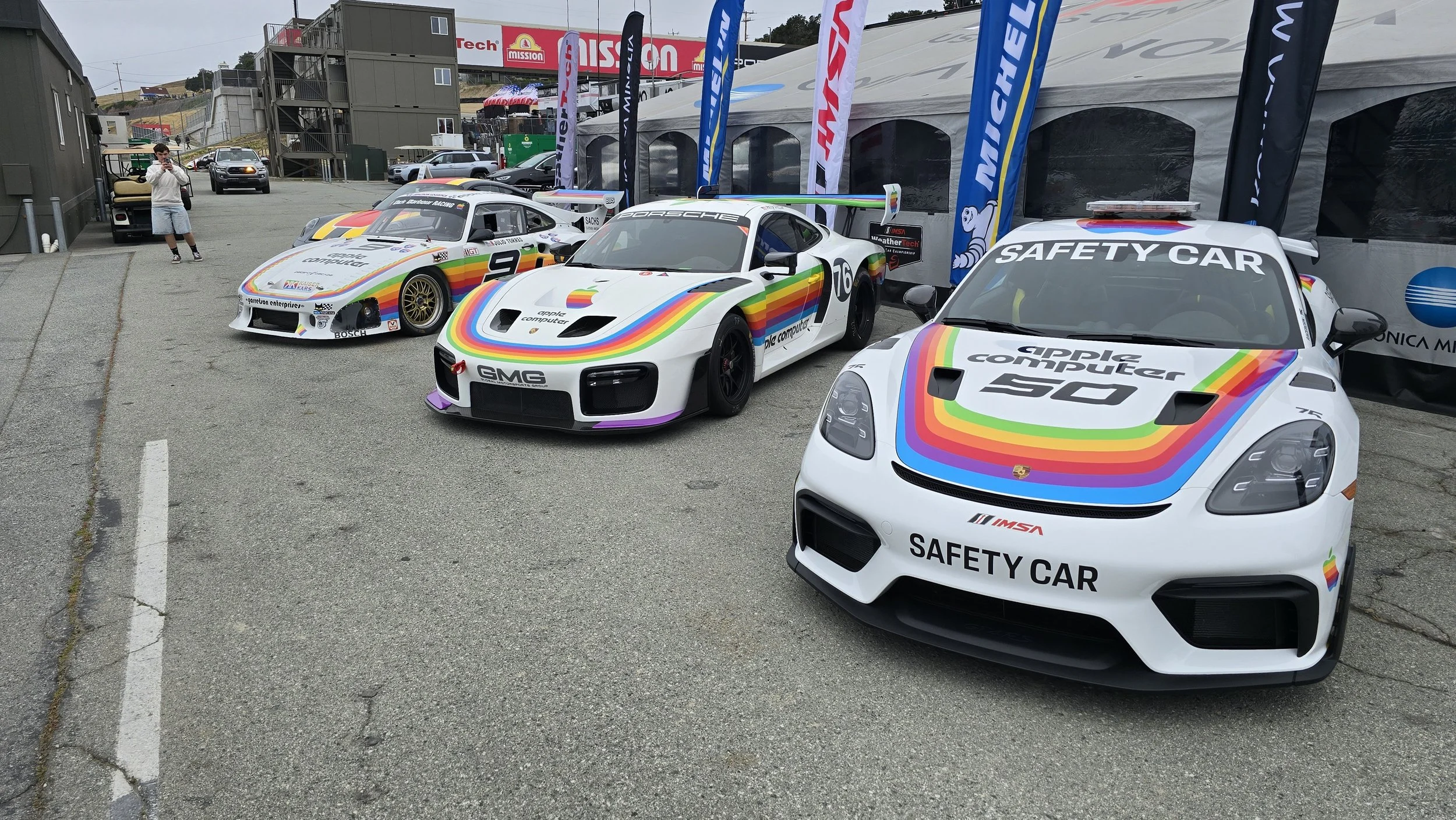
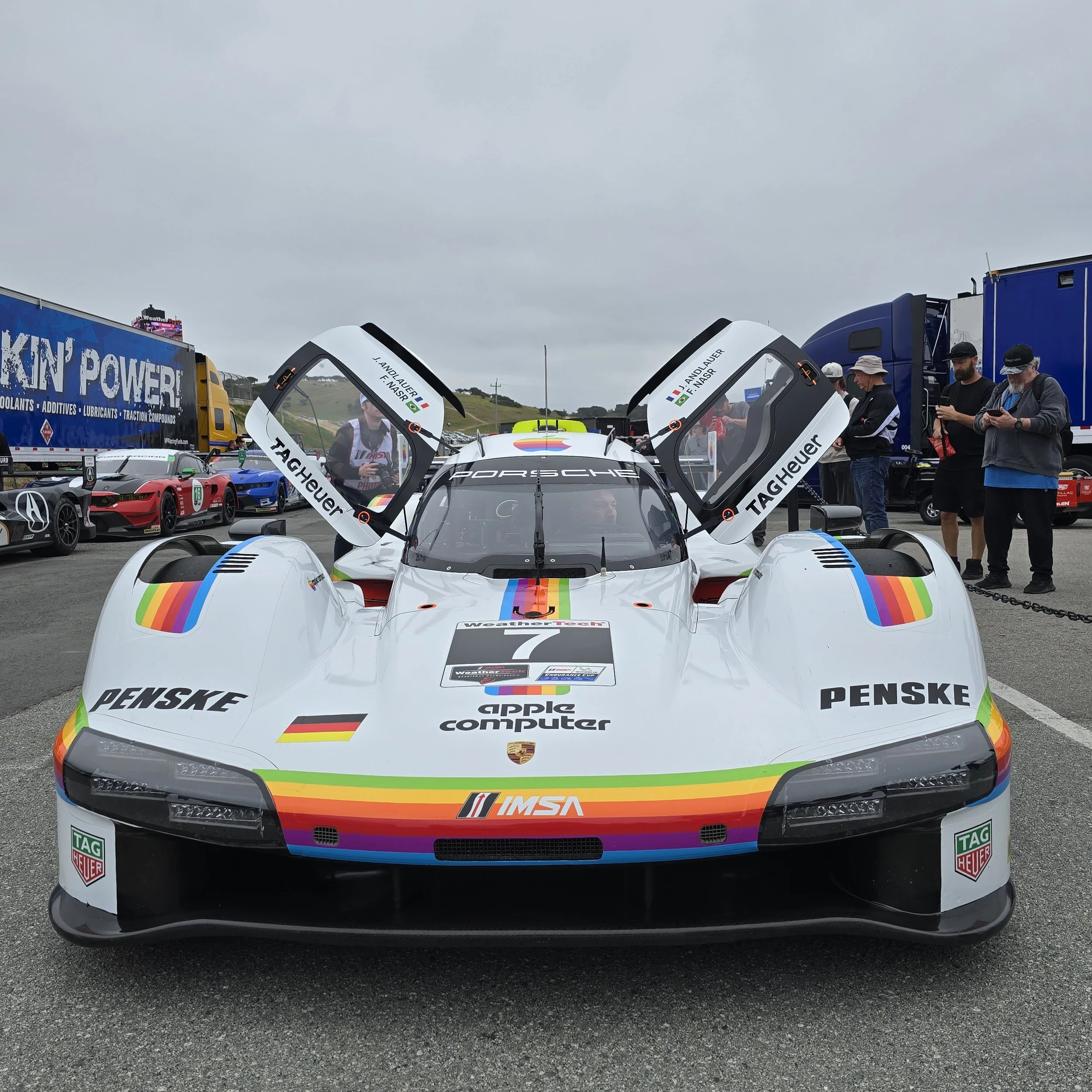
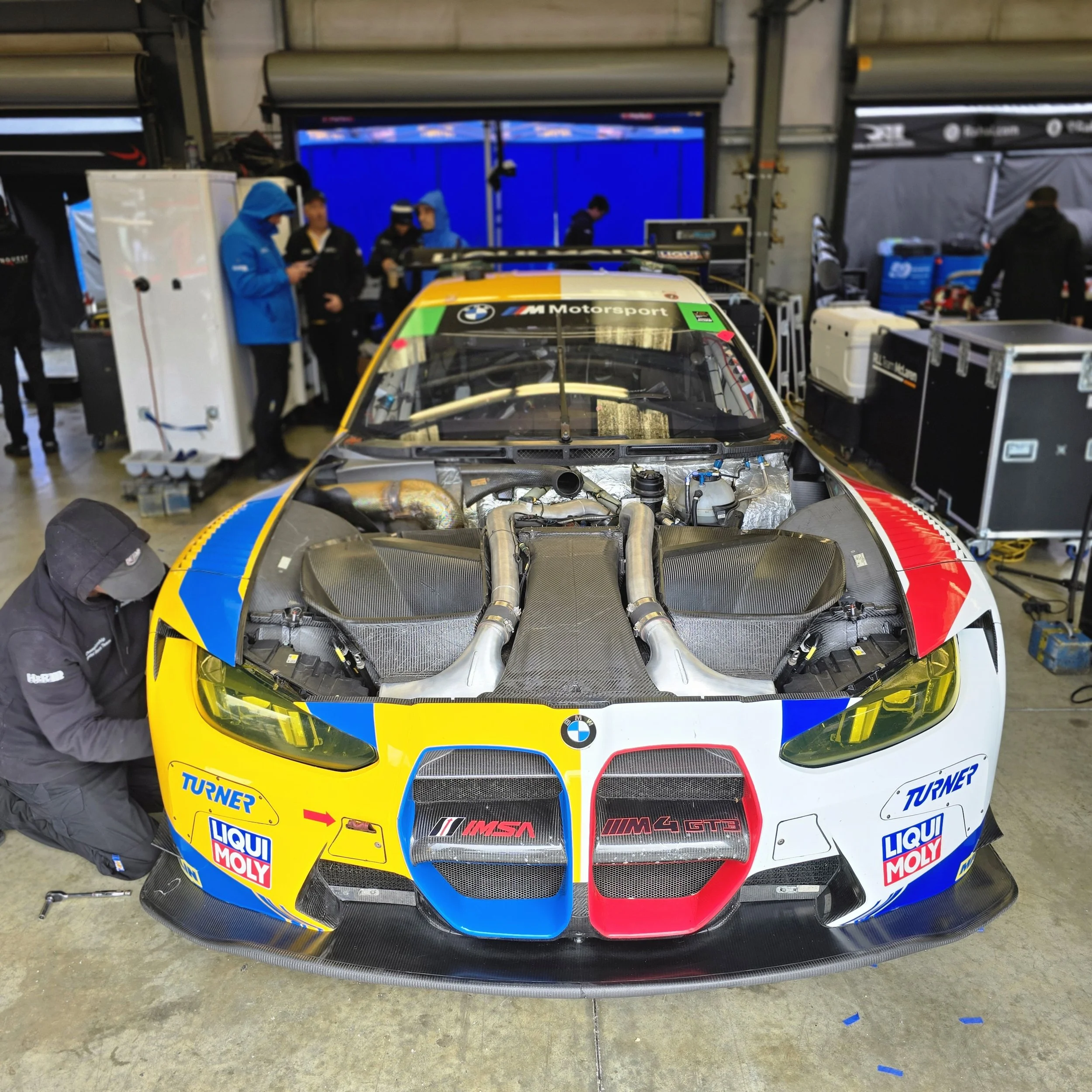
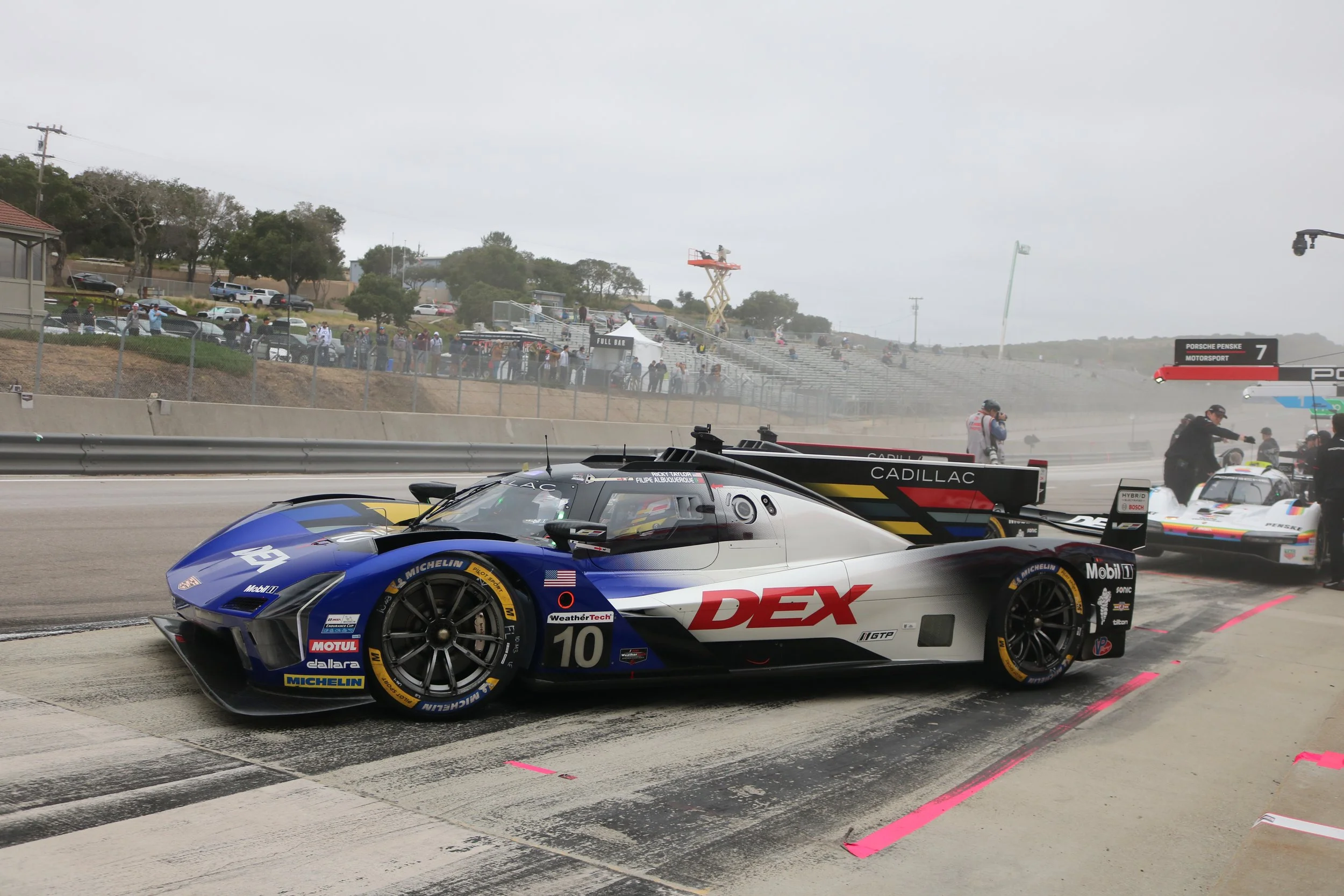
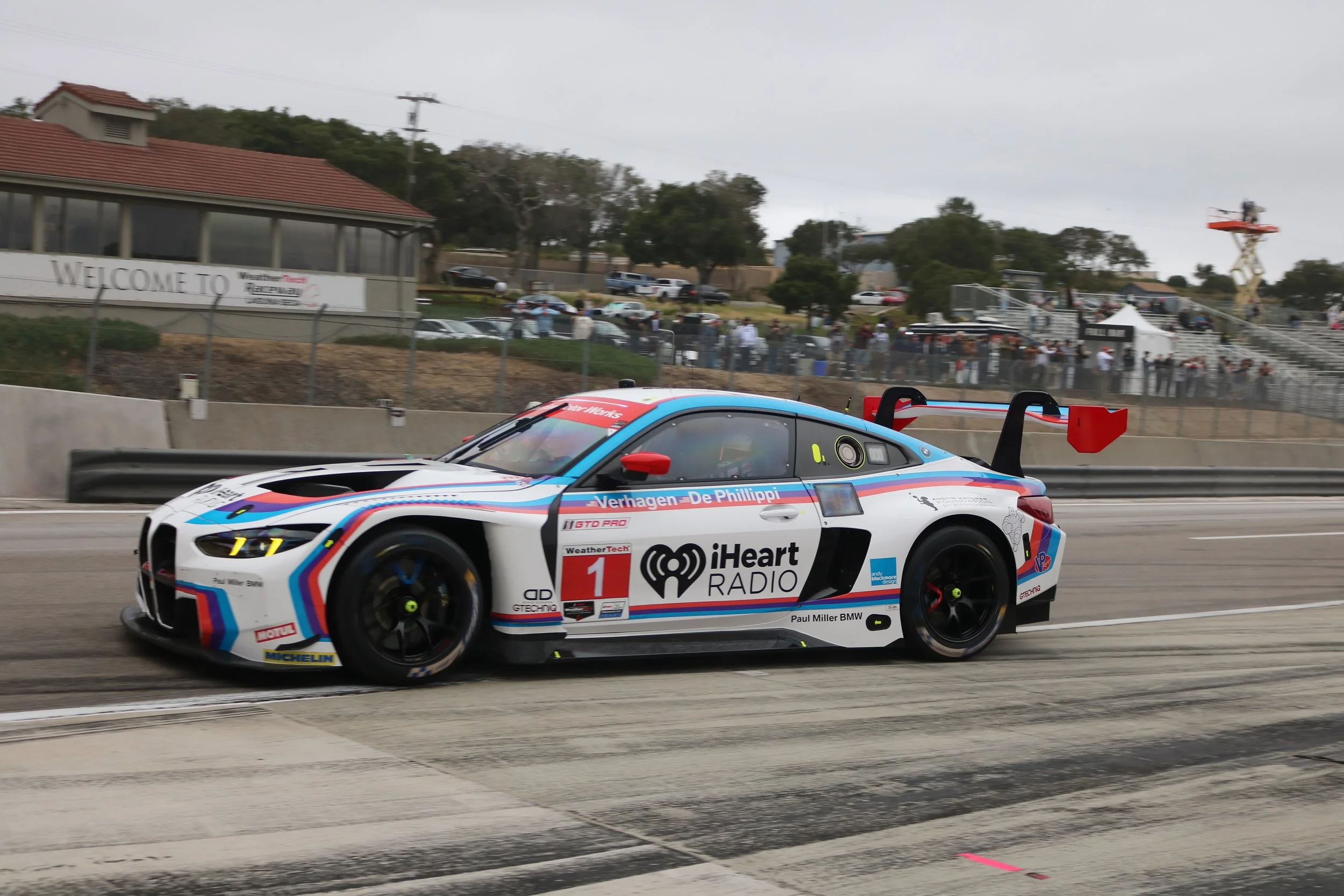
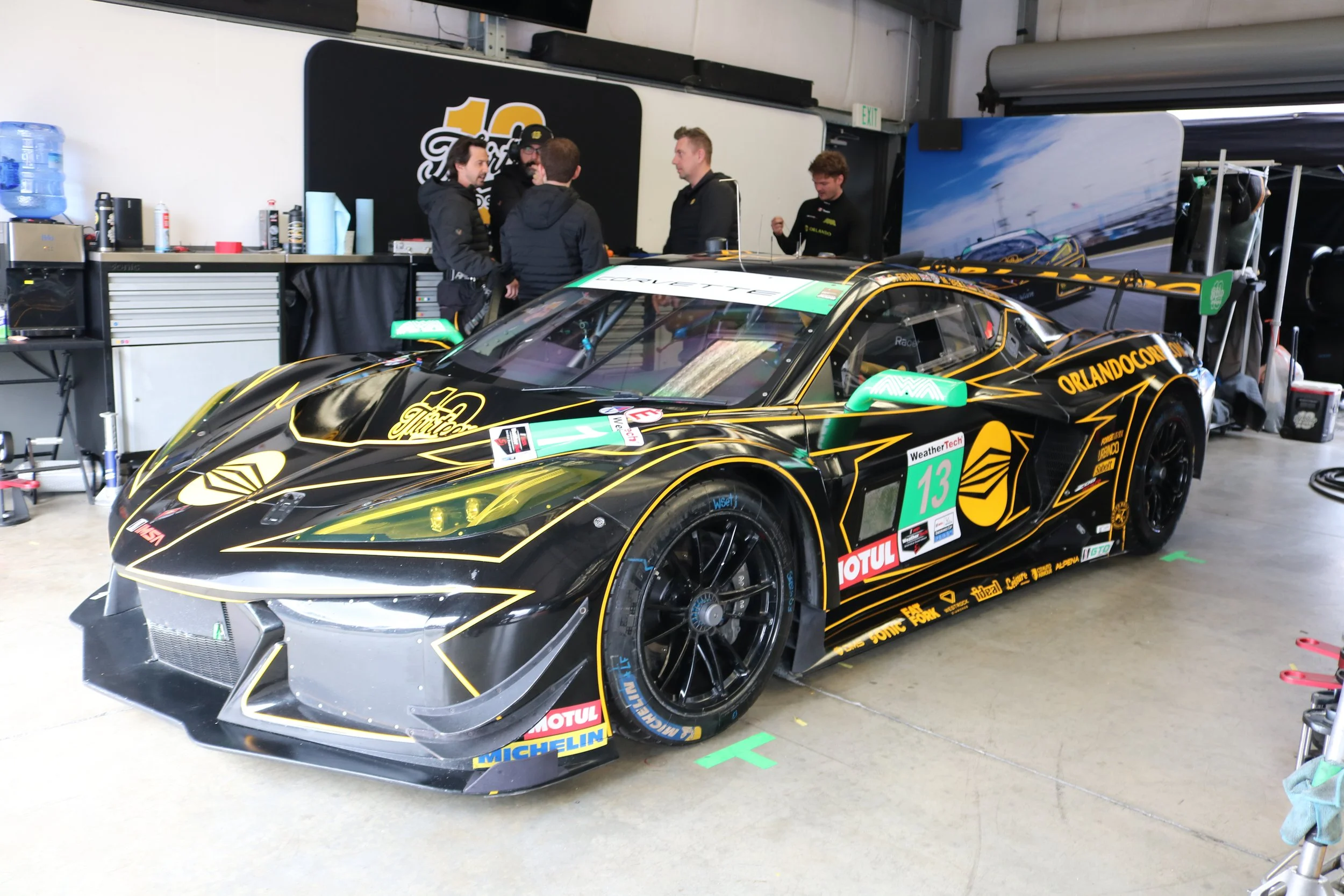
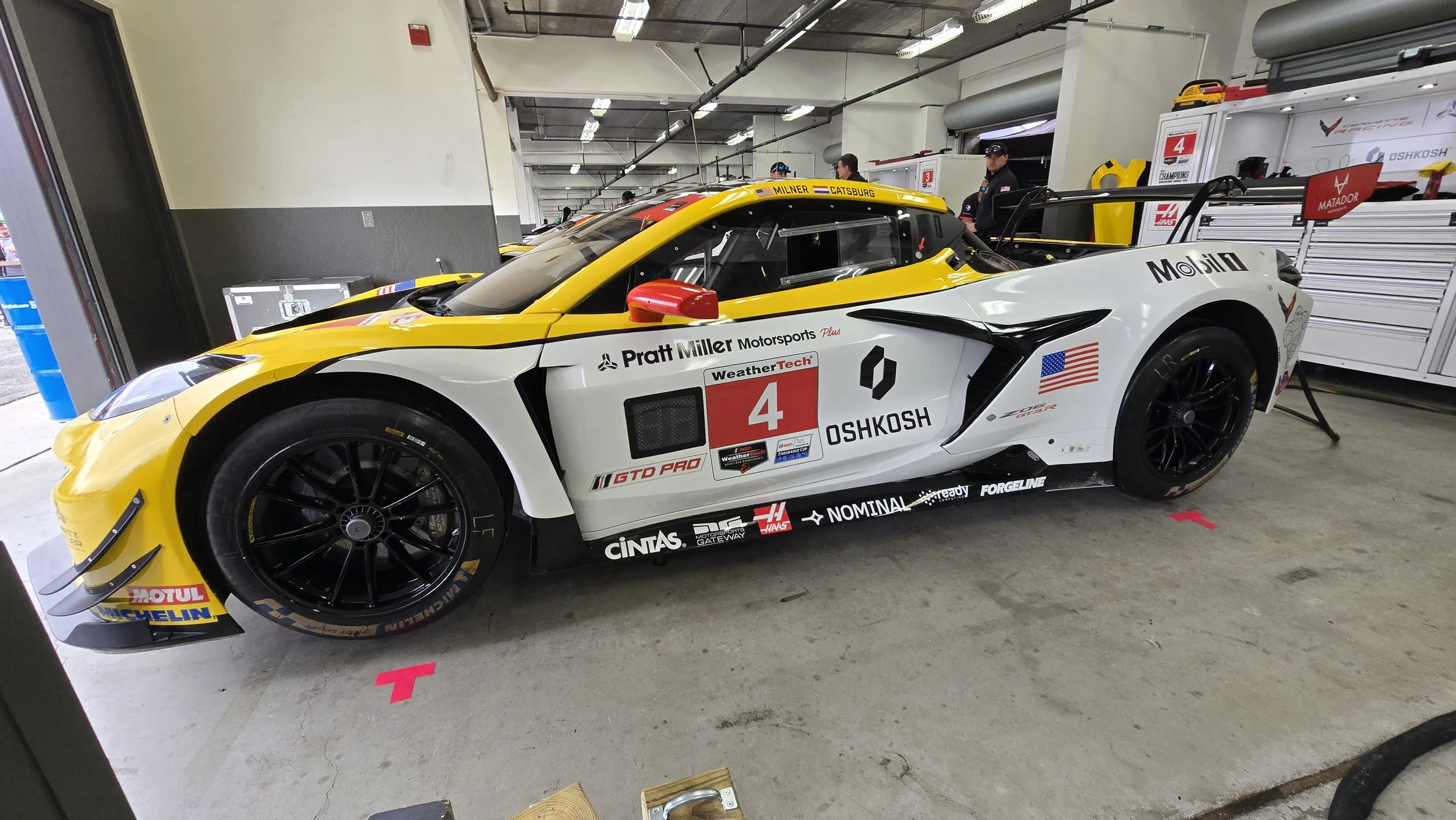
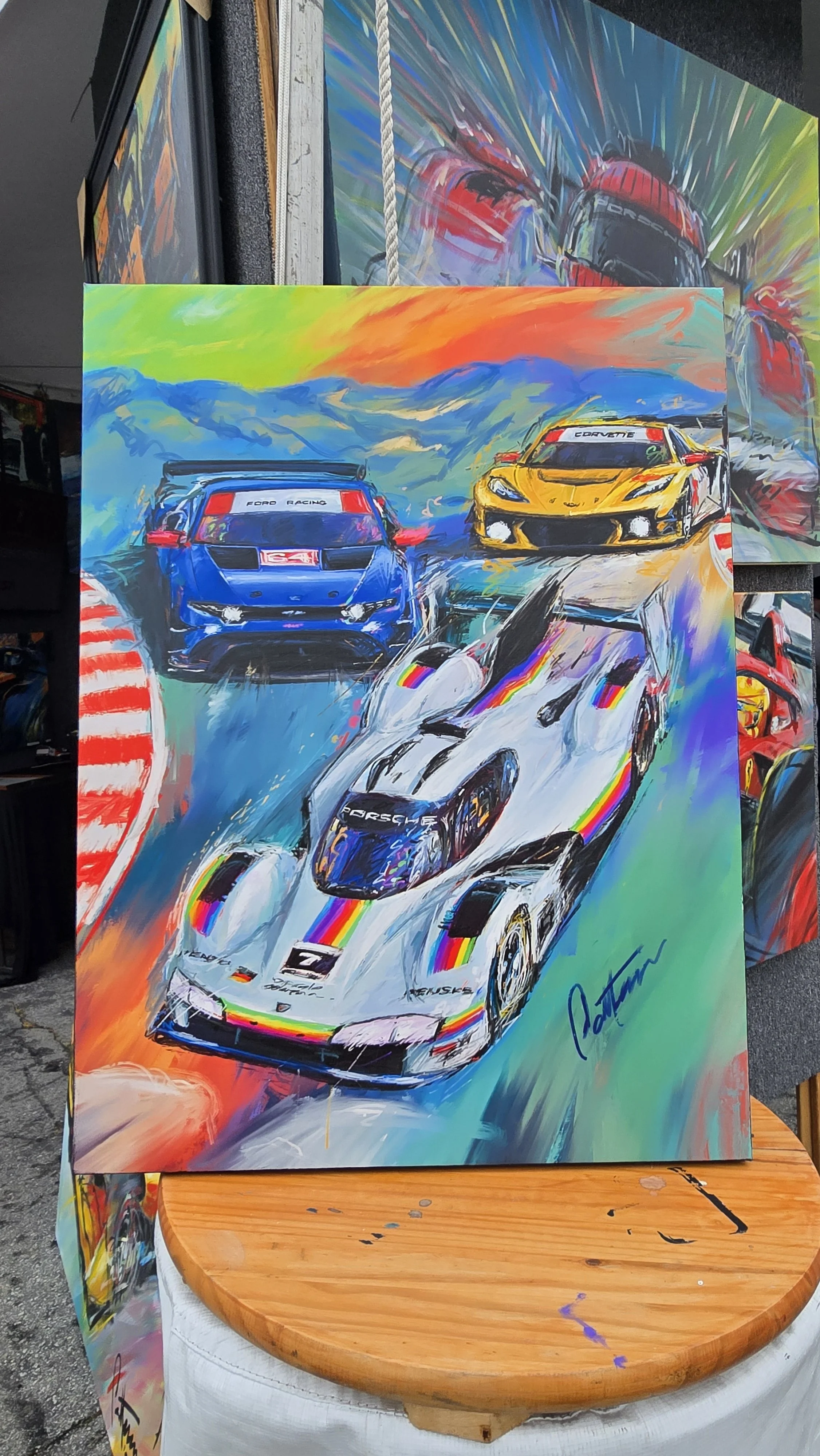
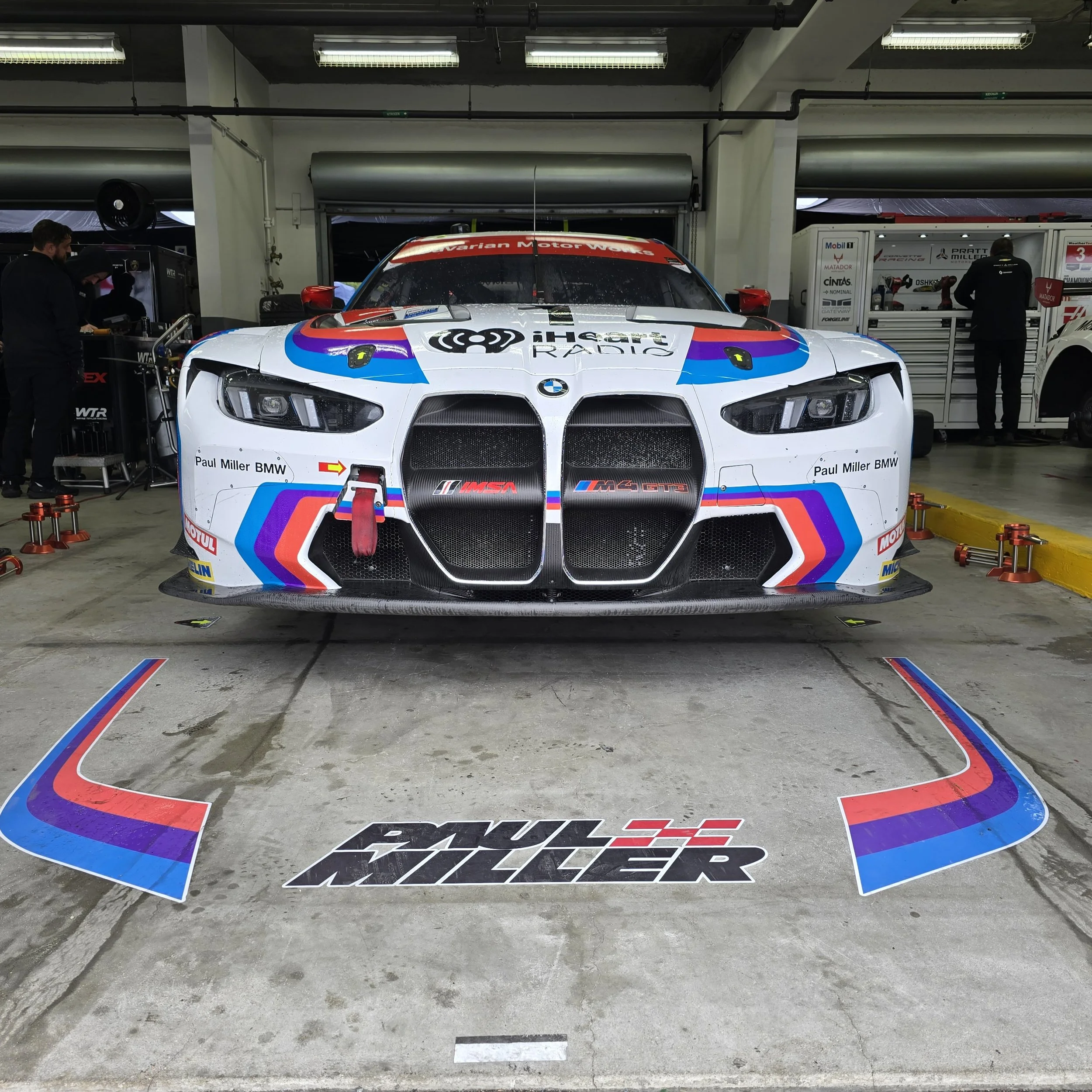
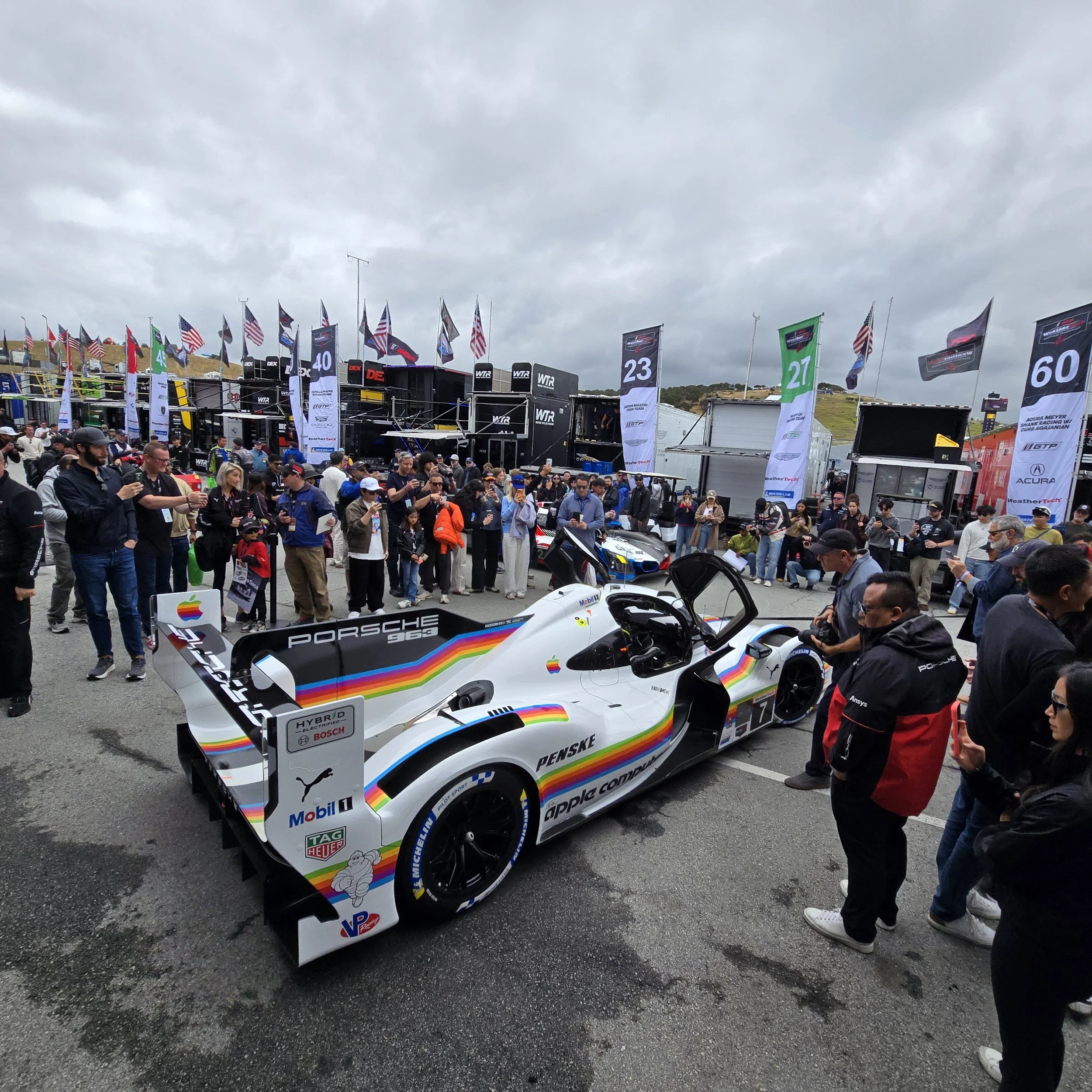
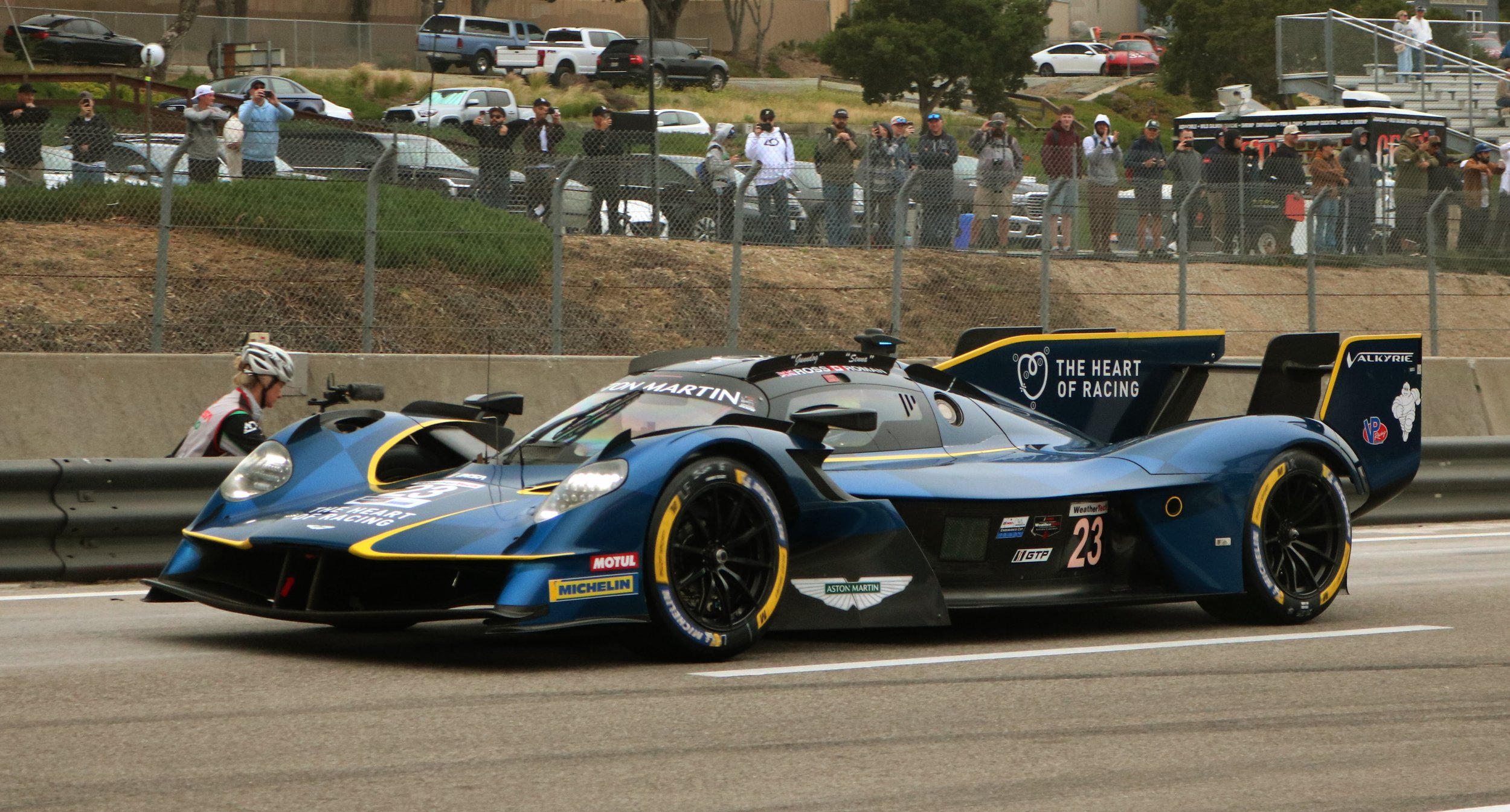
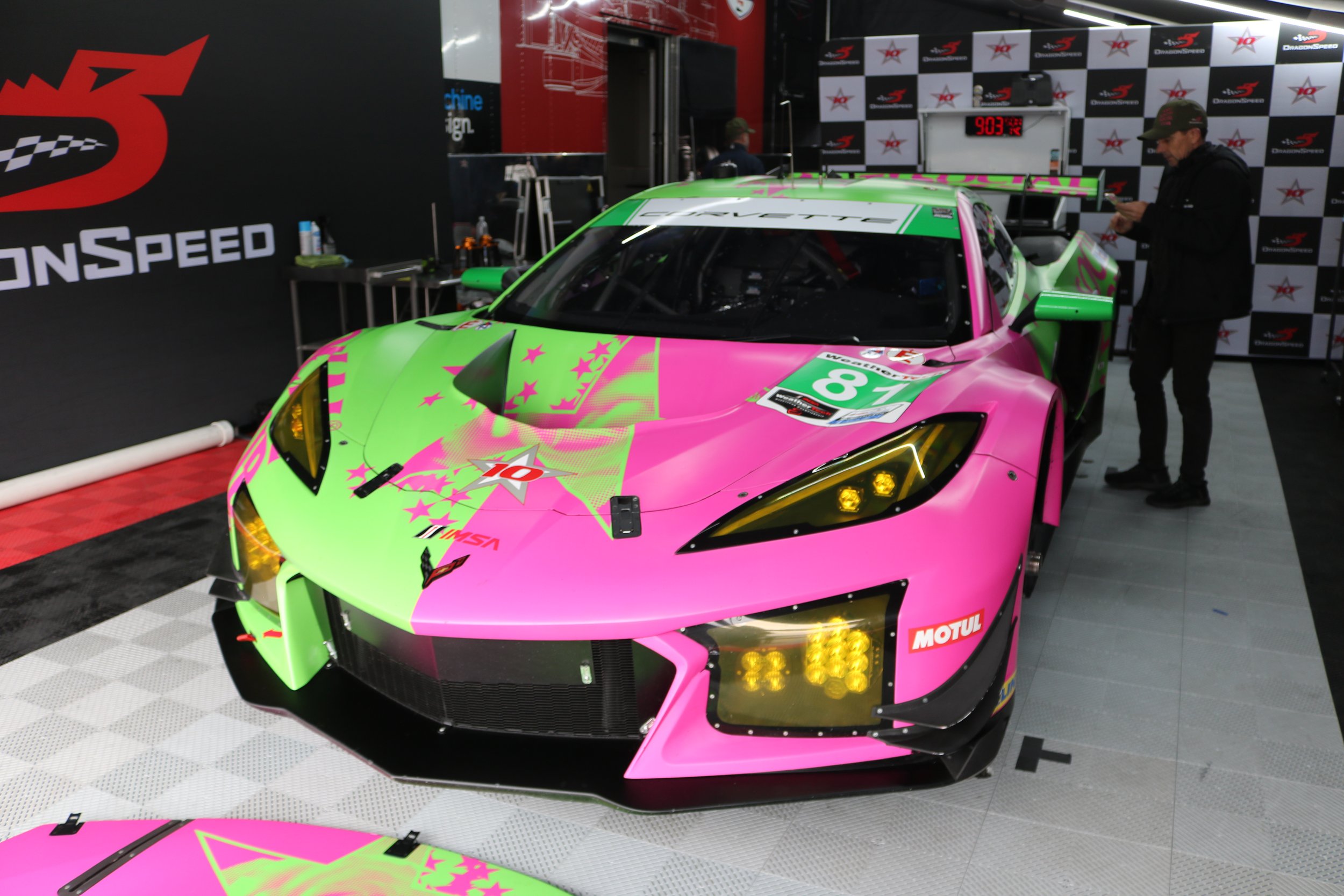
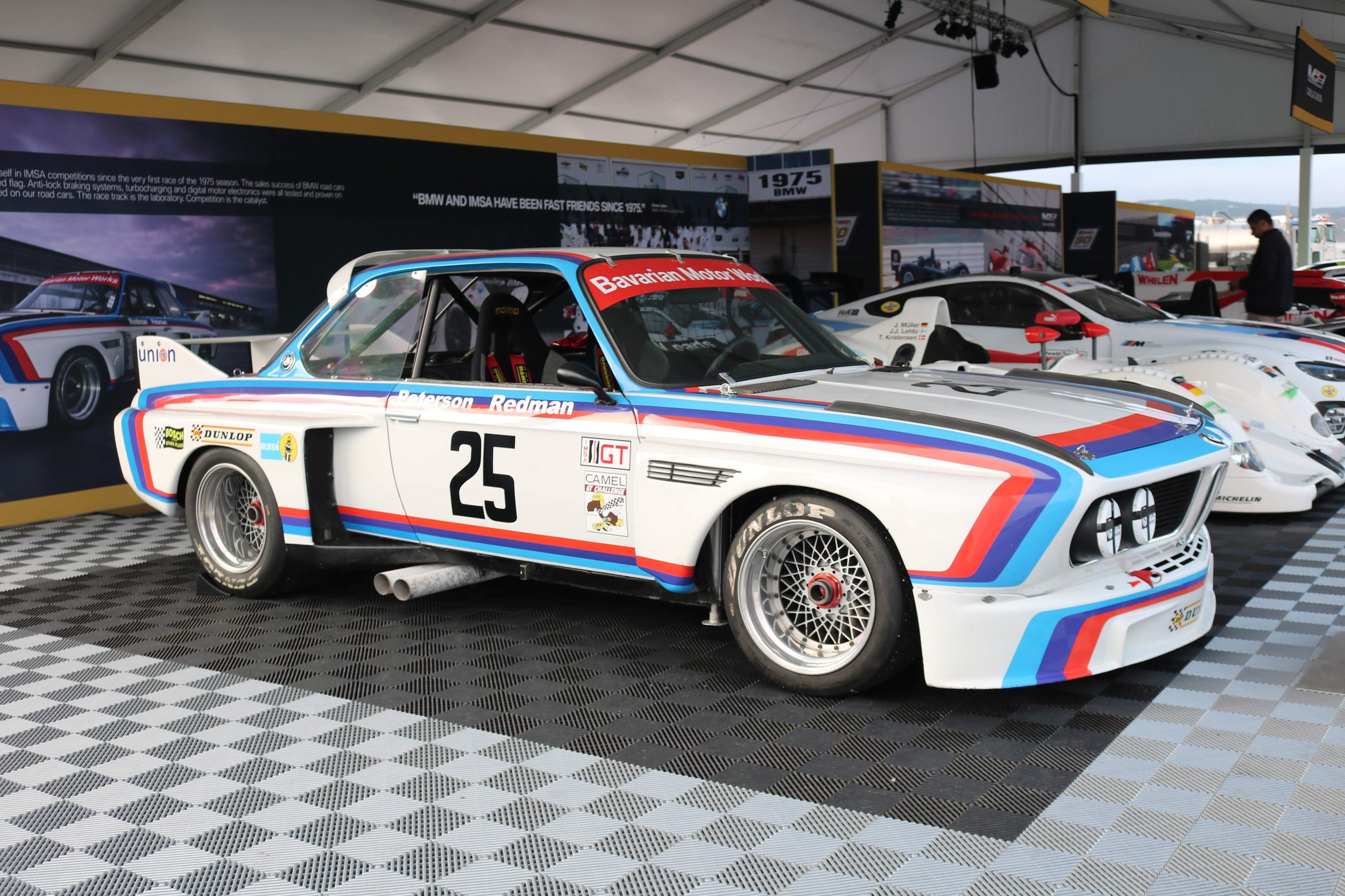
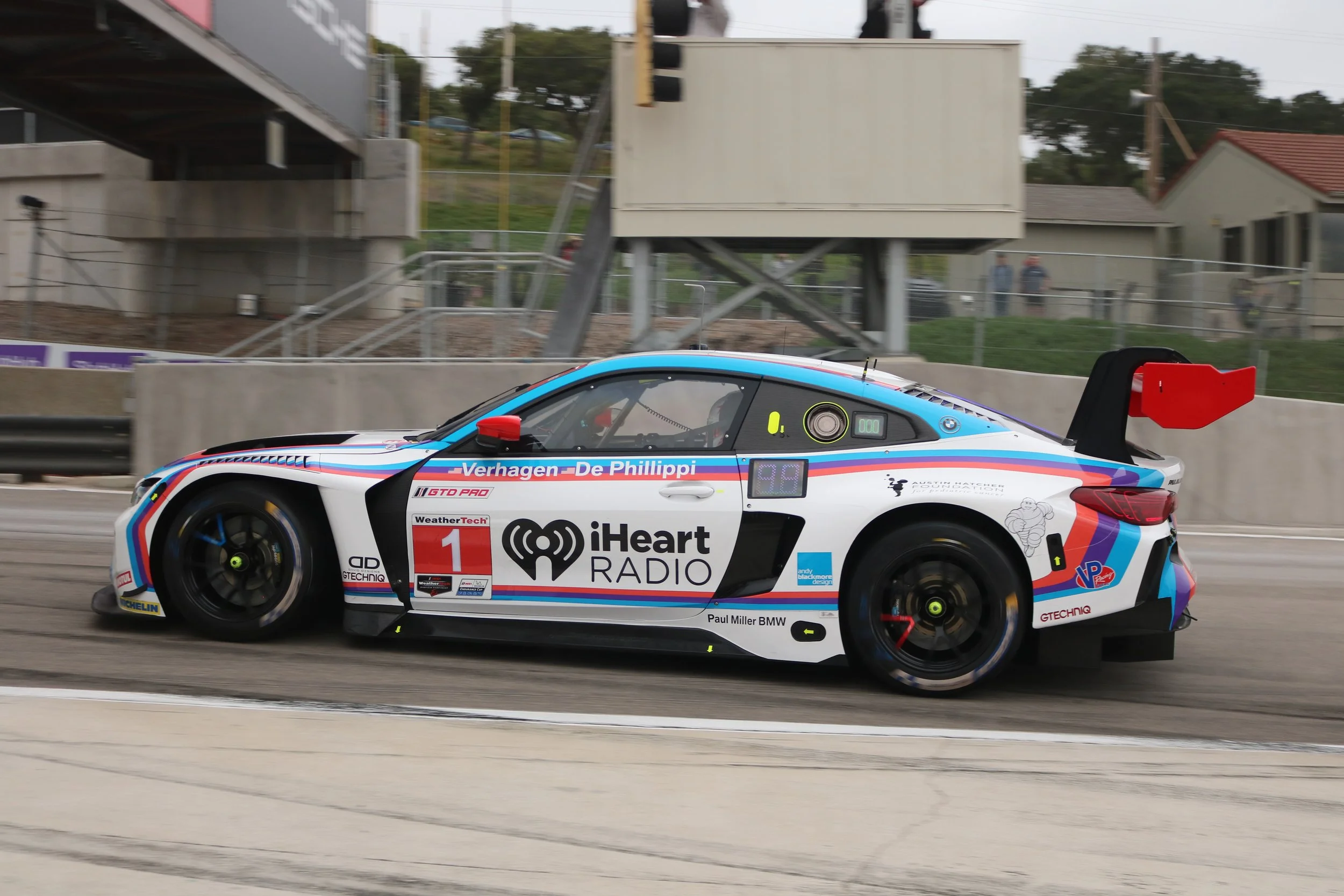
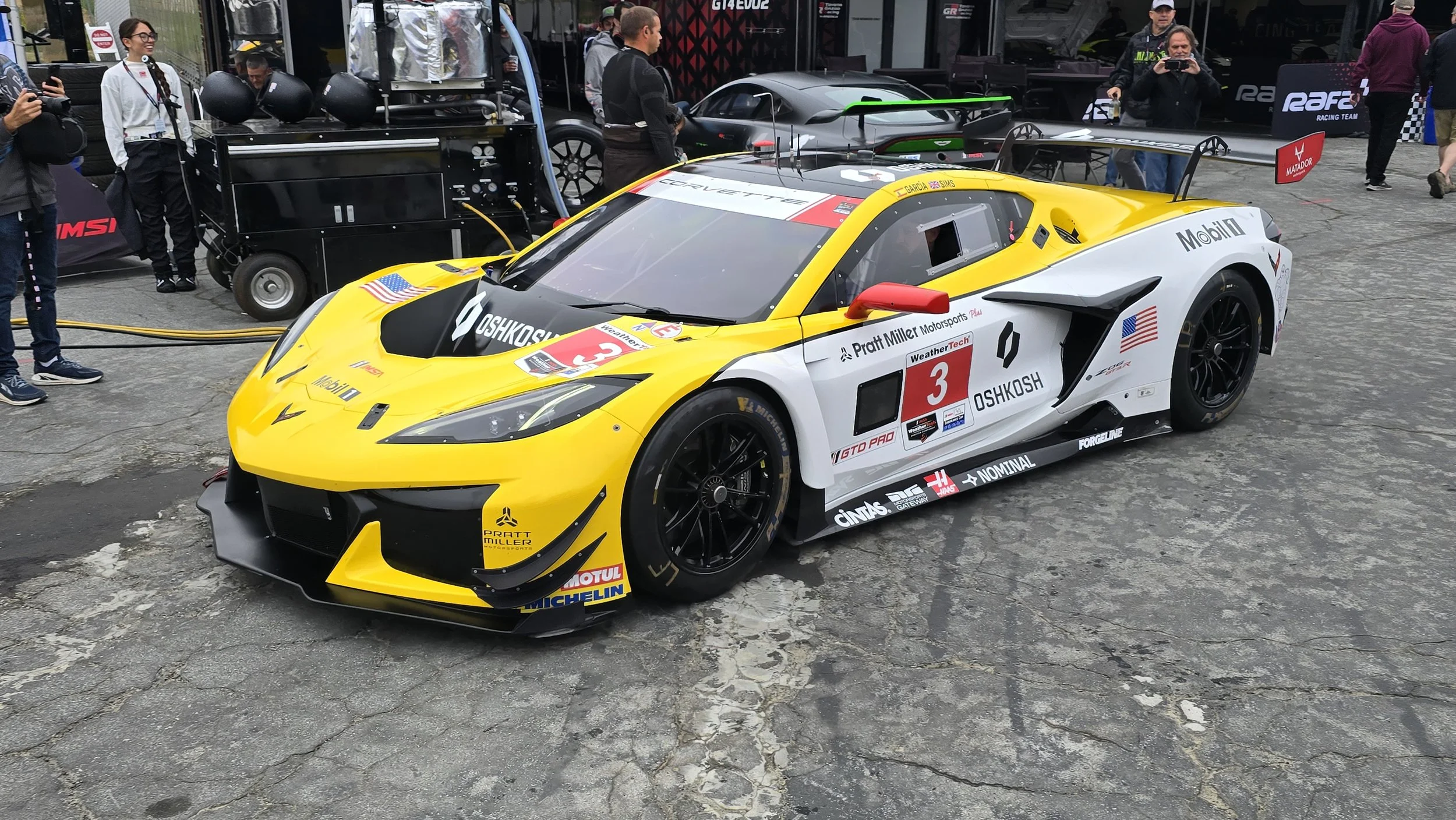
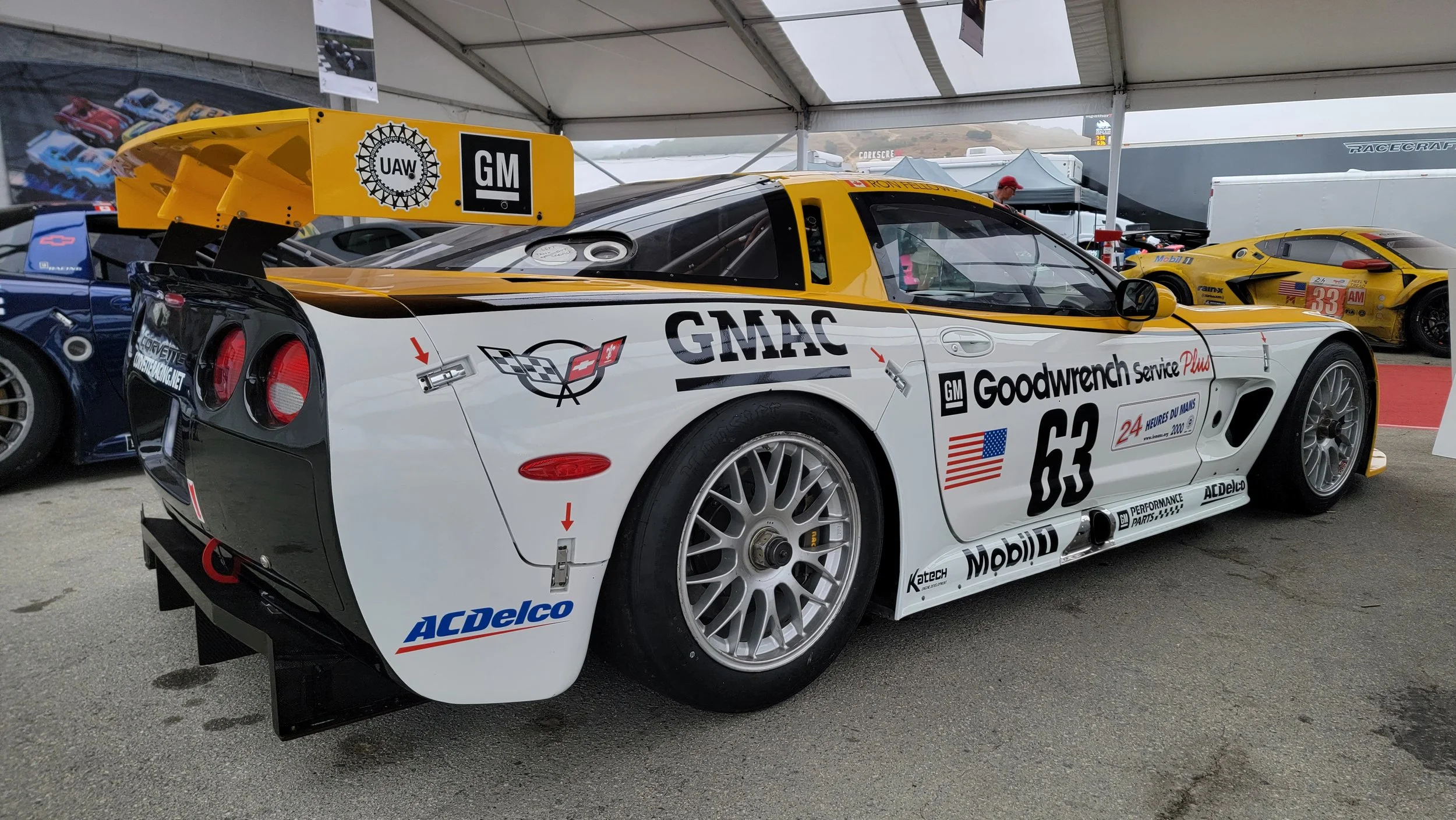
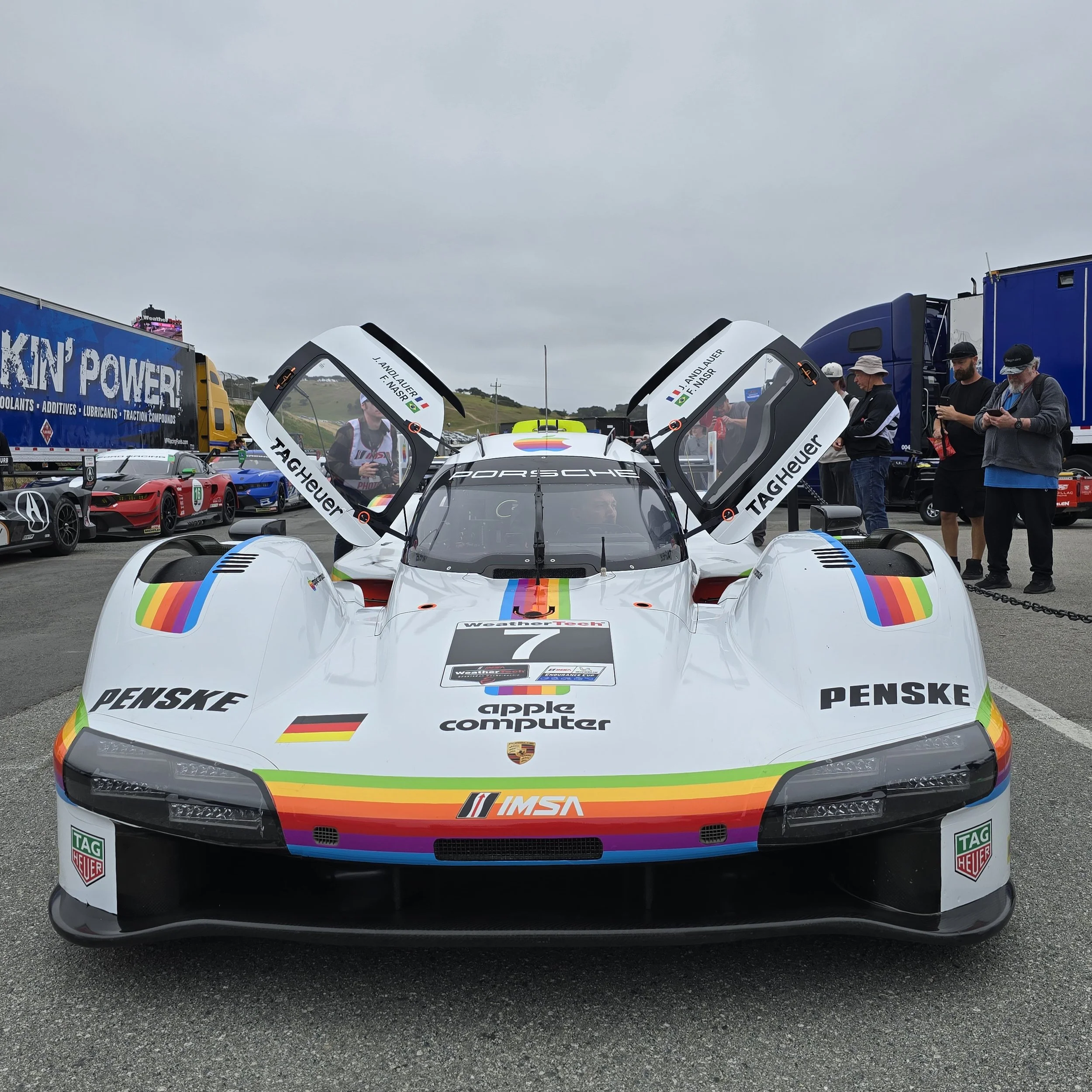
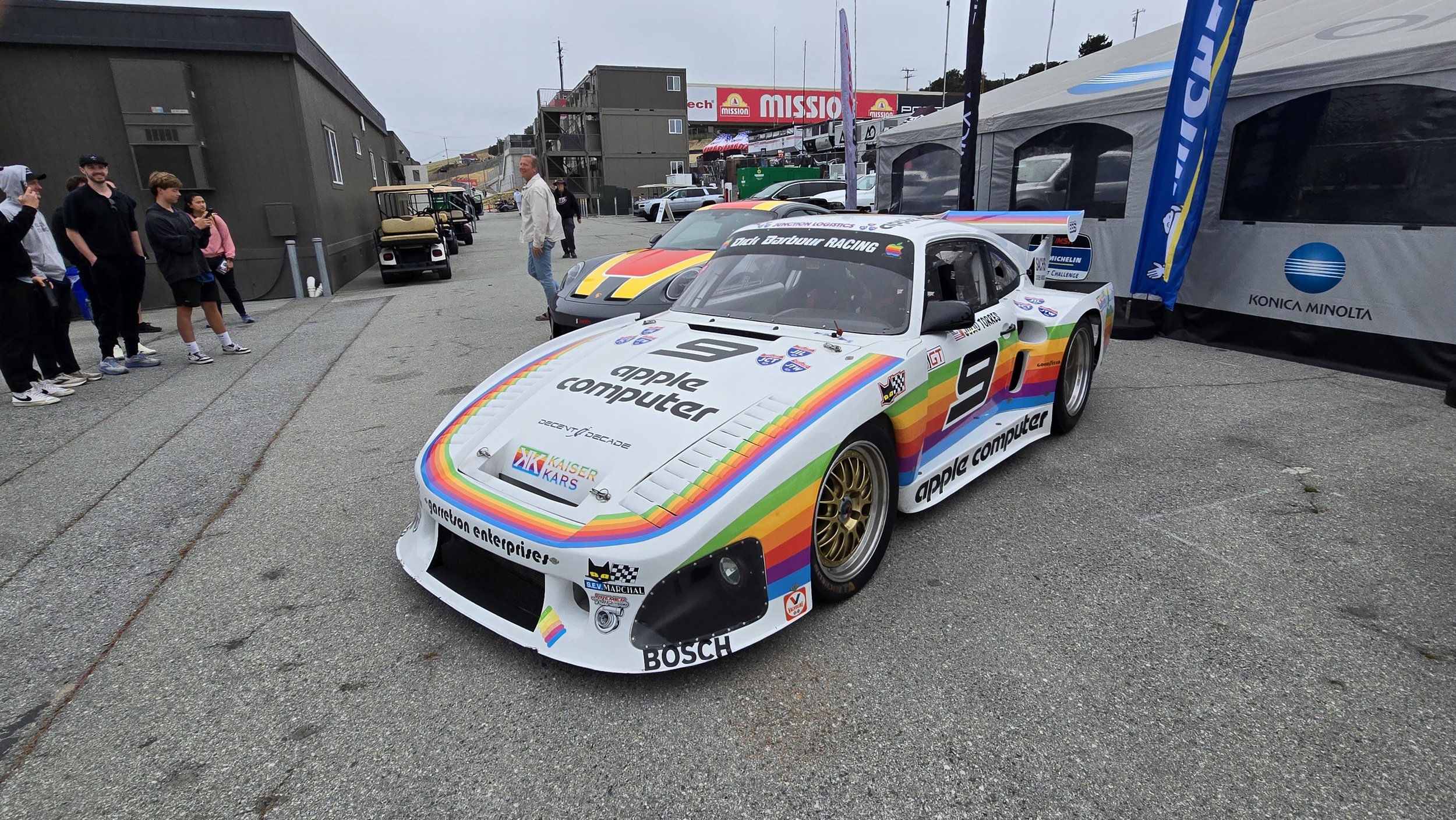
Several teams embraced the theme as well. The Porsche Penske 963s carried striking old school Apple-inspired liveries, while BMW Team RLL arrived with a beautifully understated tribute to BMW’s motorsport past. Not to be outdone, Corvette paid homage to their 2000 C5-R racers that were driven by the likes of Ron Fellows, Justin Bell, and Andy Pilgrim in the ALMS series during our formative years. Together, the fan participation and team liveries gave the weekend a sense of history without feeling staged, a fitting backdrop for a championship that continues to balance modern prototype racing with the character and tradition that have long defined IMSA.
The Unfair Advantage?
The JDC-Miller win was not the product of dominance. It was the product of positioning for a scenario that required several things to break right simultaneously, and very nearly didn’t.
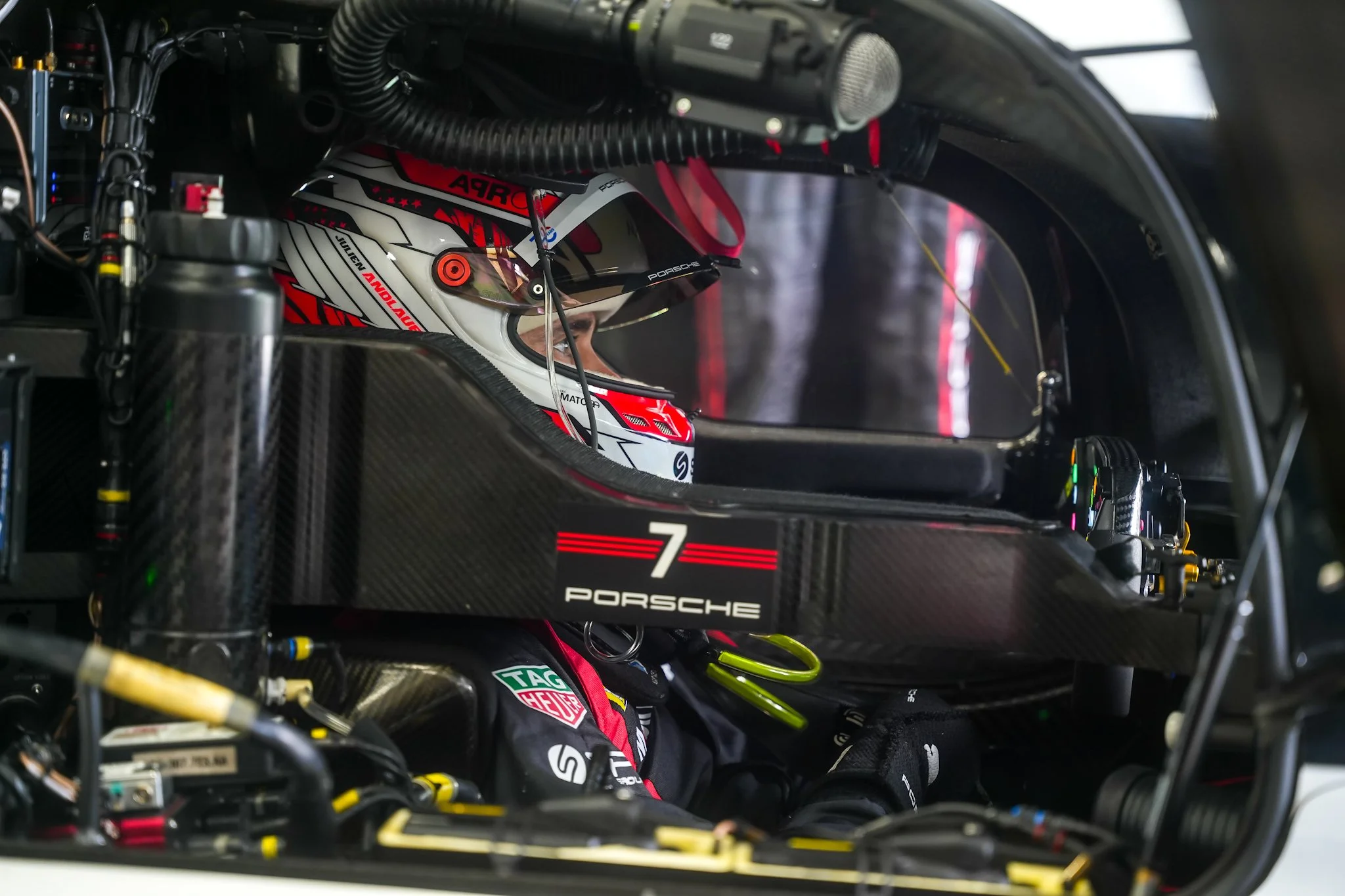
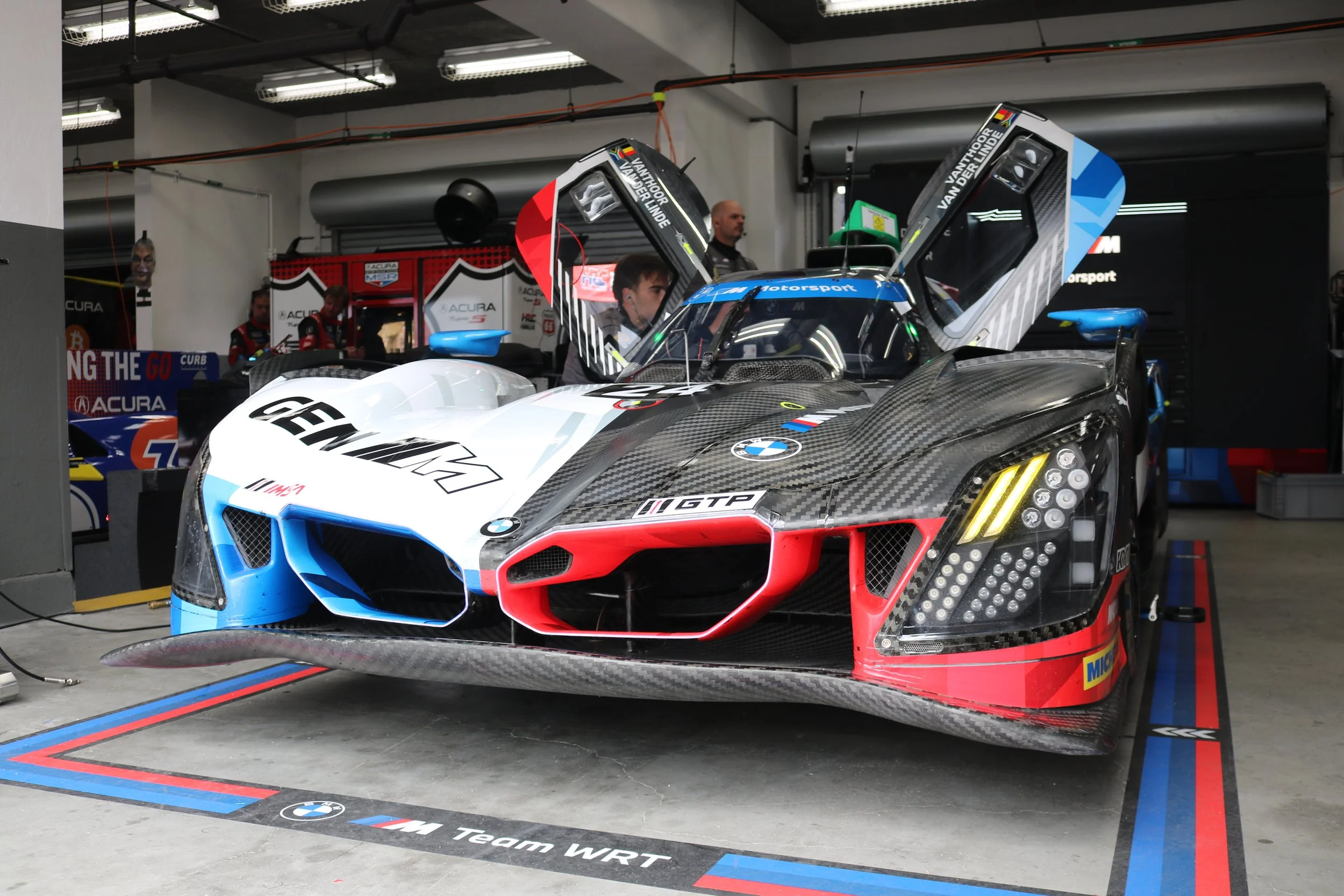
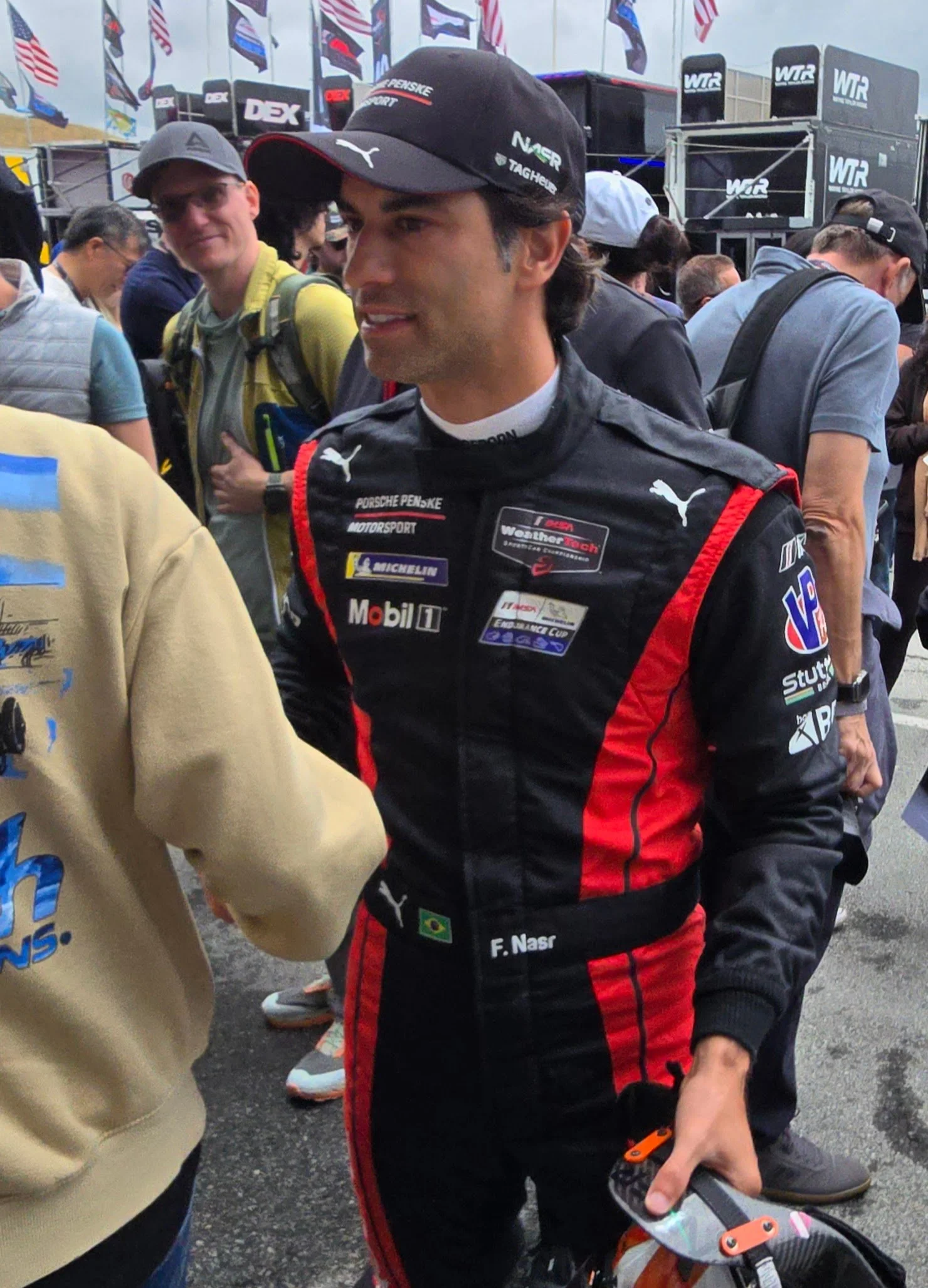
Both of the 2026-spec Porsche Penske factory 963s were carrying 32 kilograms more than the privateer JDC-Miller entry under Balance of Performance, and were seen visibly struggling with the extra weight. Laurens Vanthoor was blunt post-race, admitting the team knew before the race started they likely couldn’t compete for the win. So the on-track calculus was already skewed entering Sunday. JDC-Miller didn’t beat the factory establishment on merit alone, they beat the regulations, which handed them a structural advantage from the start. That’s not a knock on the outcome; exploiting the ruleset is legitimate racing.
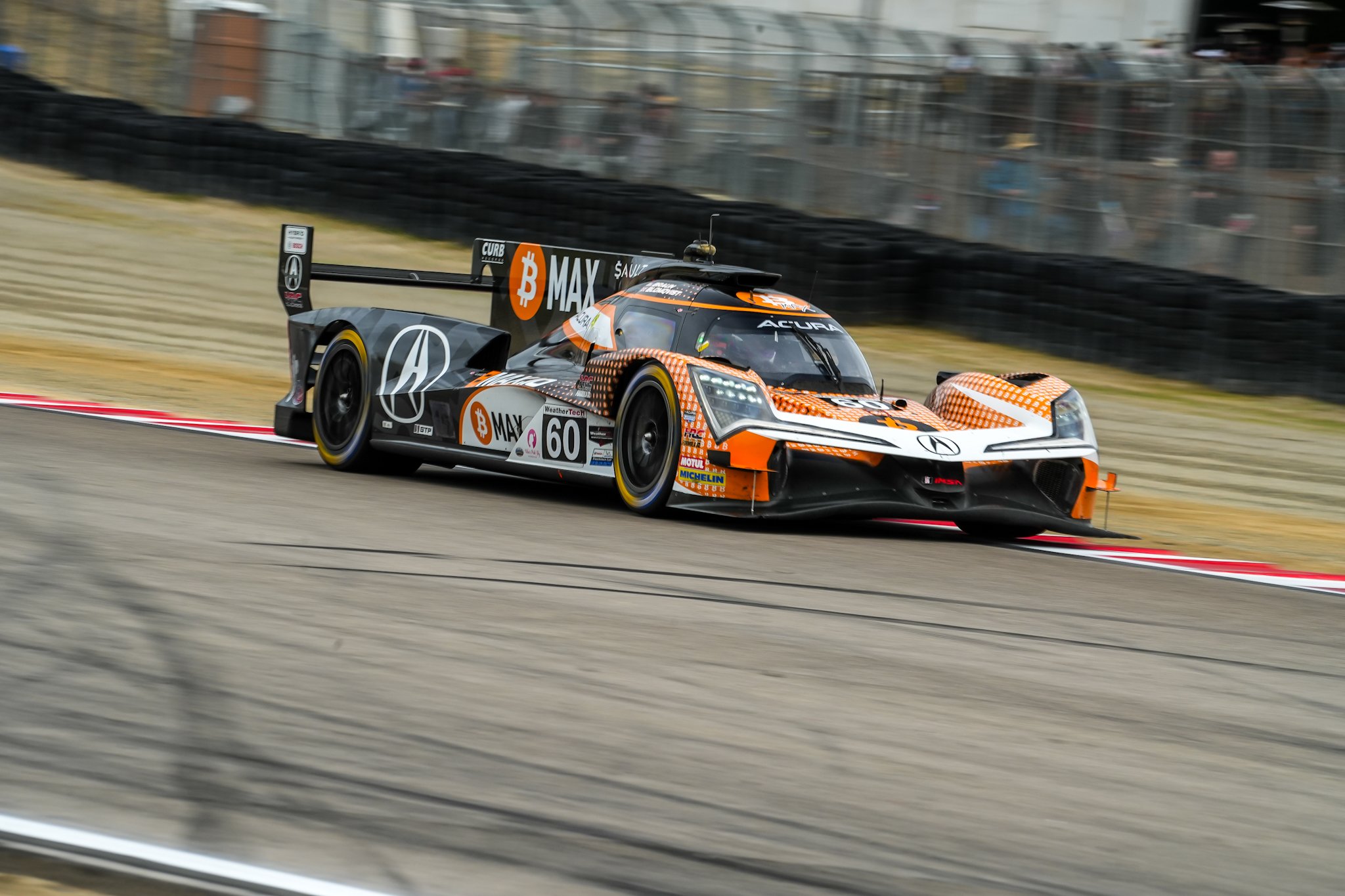
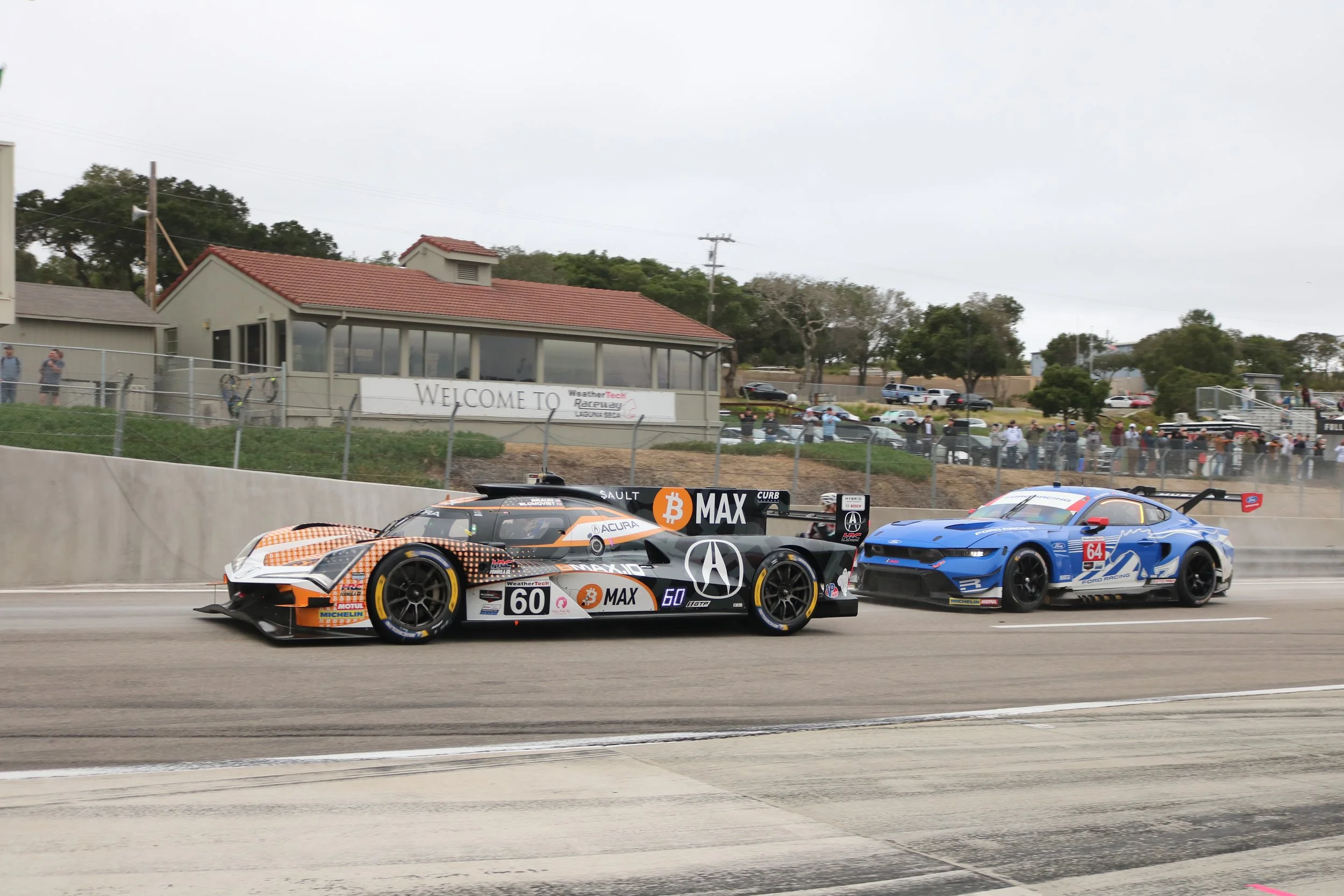
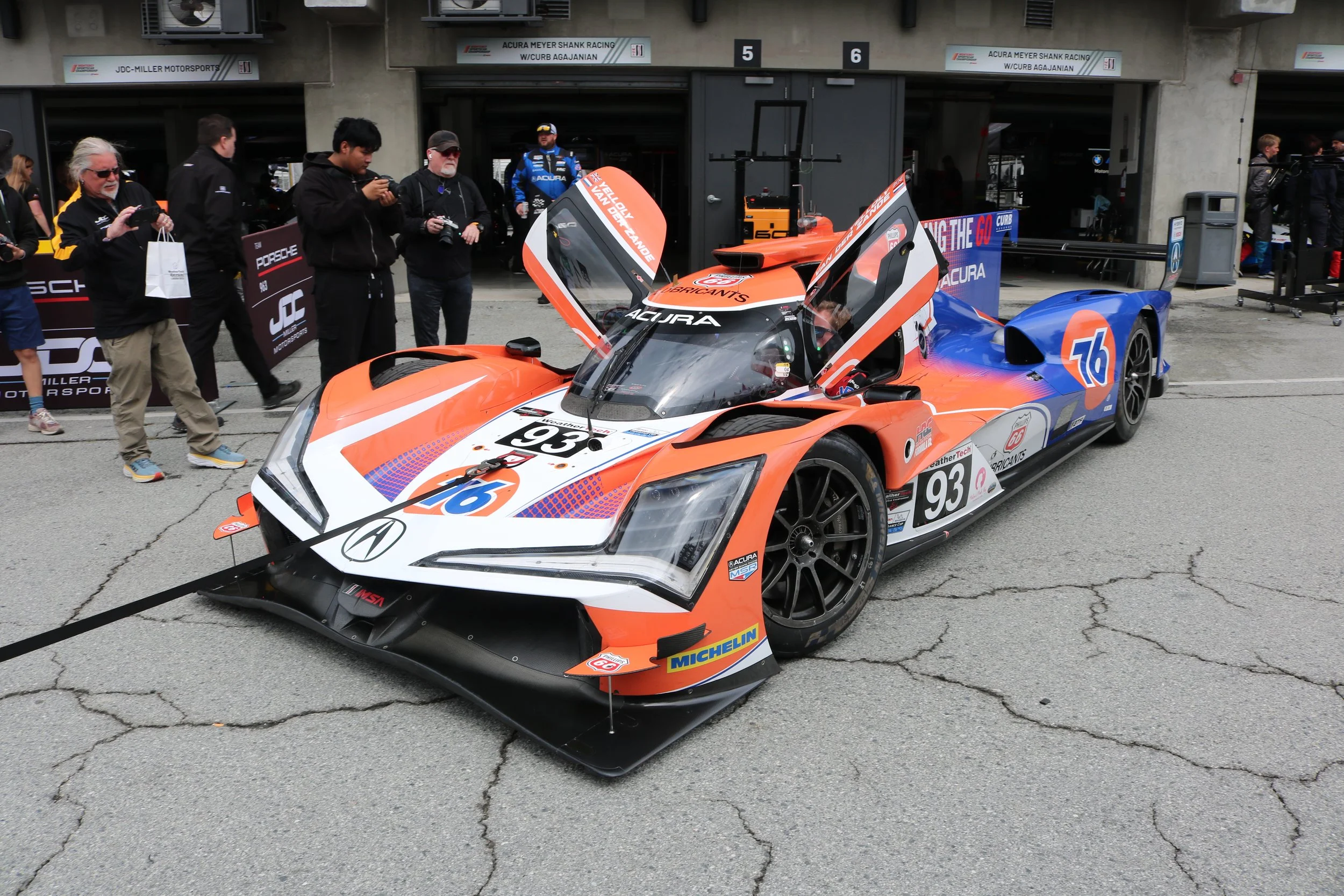
The deeper risk was in the strategy itself. Tom Blomqvist’s Meyer Shank Racing Acura had led a race-high 51 laps before the fuel management bill finally came due, which is what cycled Heinrich and Bamber to the front. JDC-Miller’s entire endgame depended on that sequence, on the Acura running dry, on Bamber’s Cadillac not having enough tire life to hold on, and on Heinrich being able to execute a clean pass on a track where overtaking is notoriously difficult. Had any single variable gone differently, this would have been a story about another podium that got away.
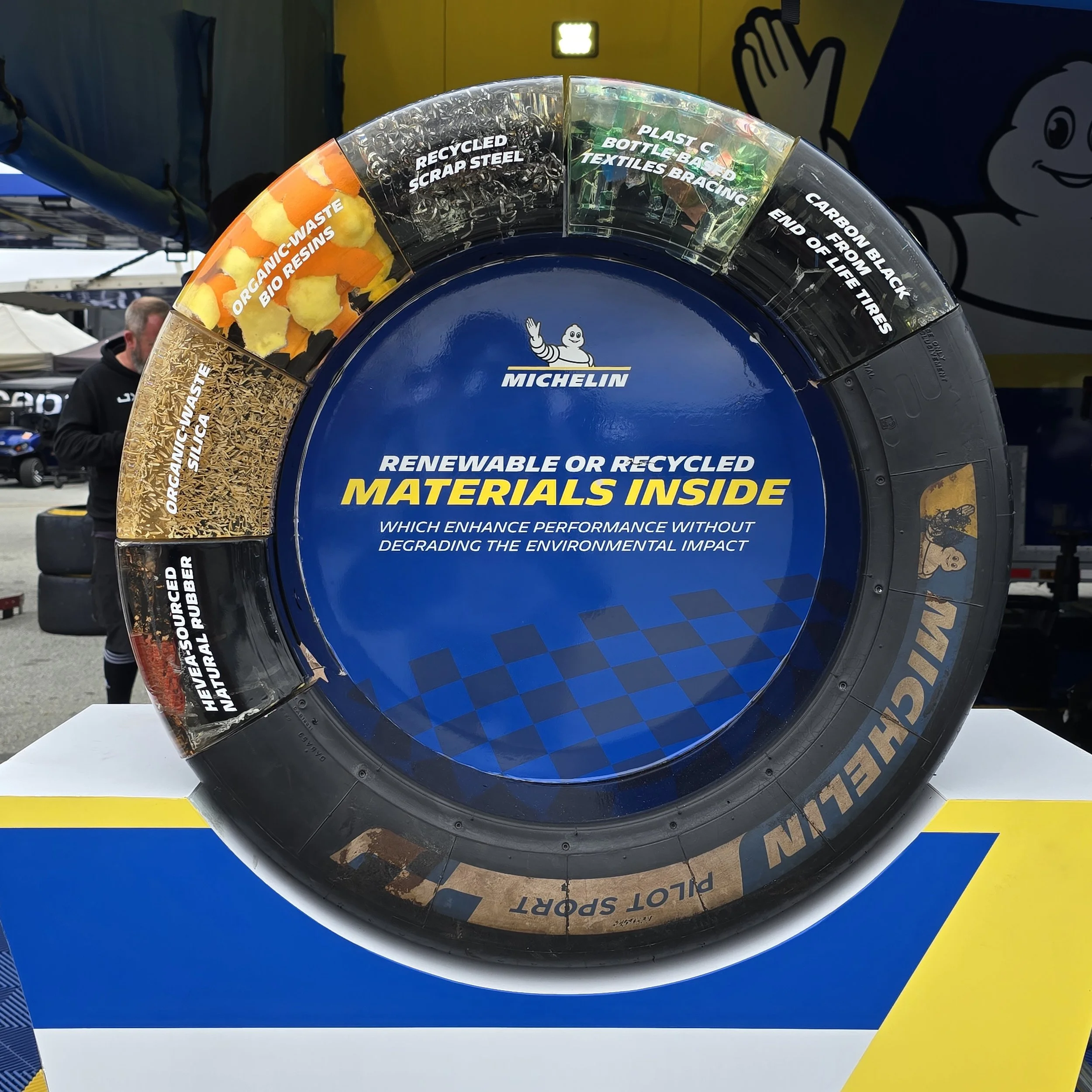
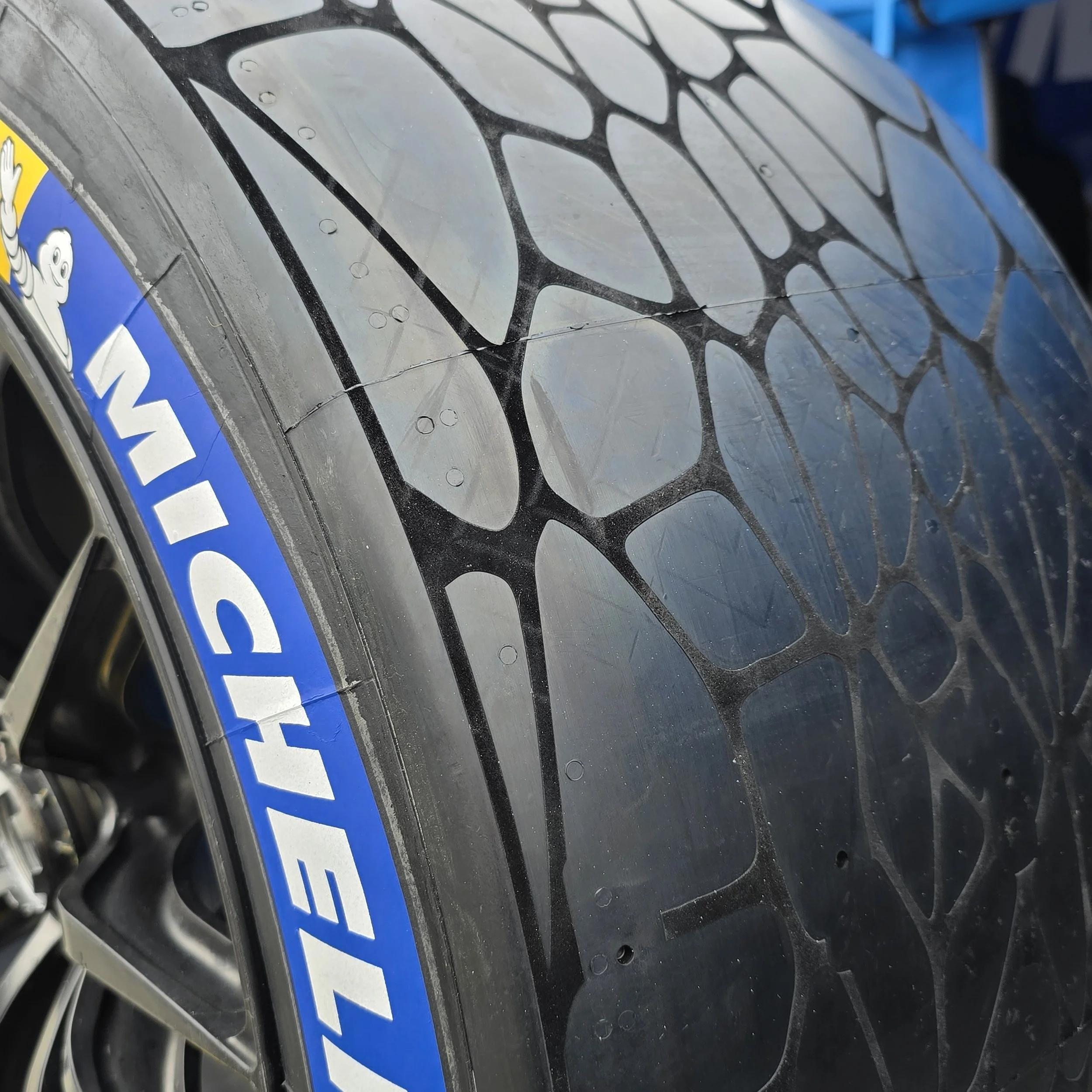
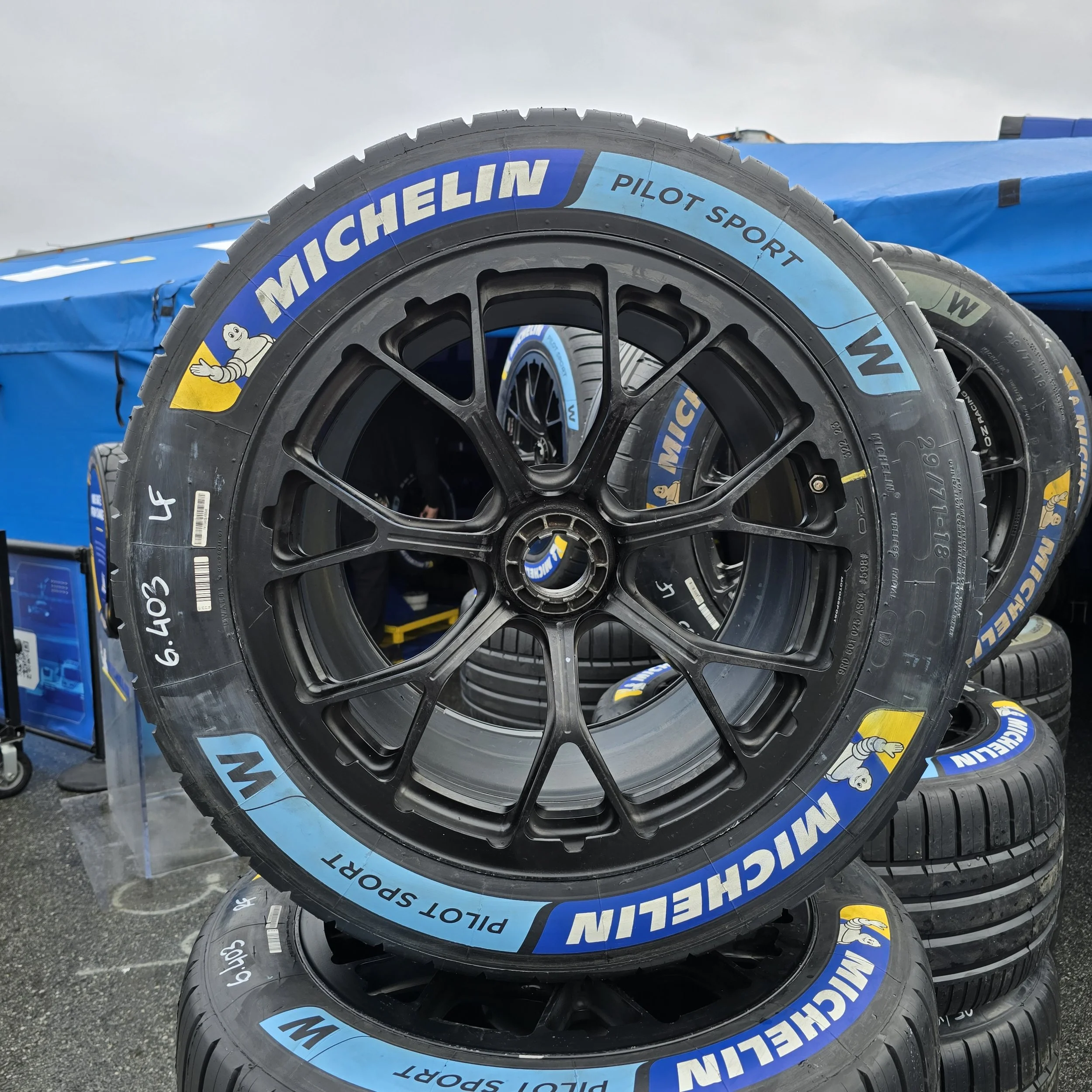
Bamber himself admitted post-race that Heinrich had “much more grip” and “a lot more power” in the closing laps, which speaks to the tire management story that actually decided the race. Heinrich’s ability to preserve his Michelins while others degraded is where JDC-Miller genuinely earned it. The pass at Turn 5 was the payoff for everything that came before it.
GTD Pro: Ford’s EVO Silences Its Critics at the Worst Possible Track
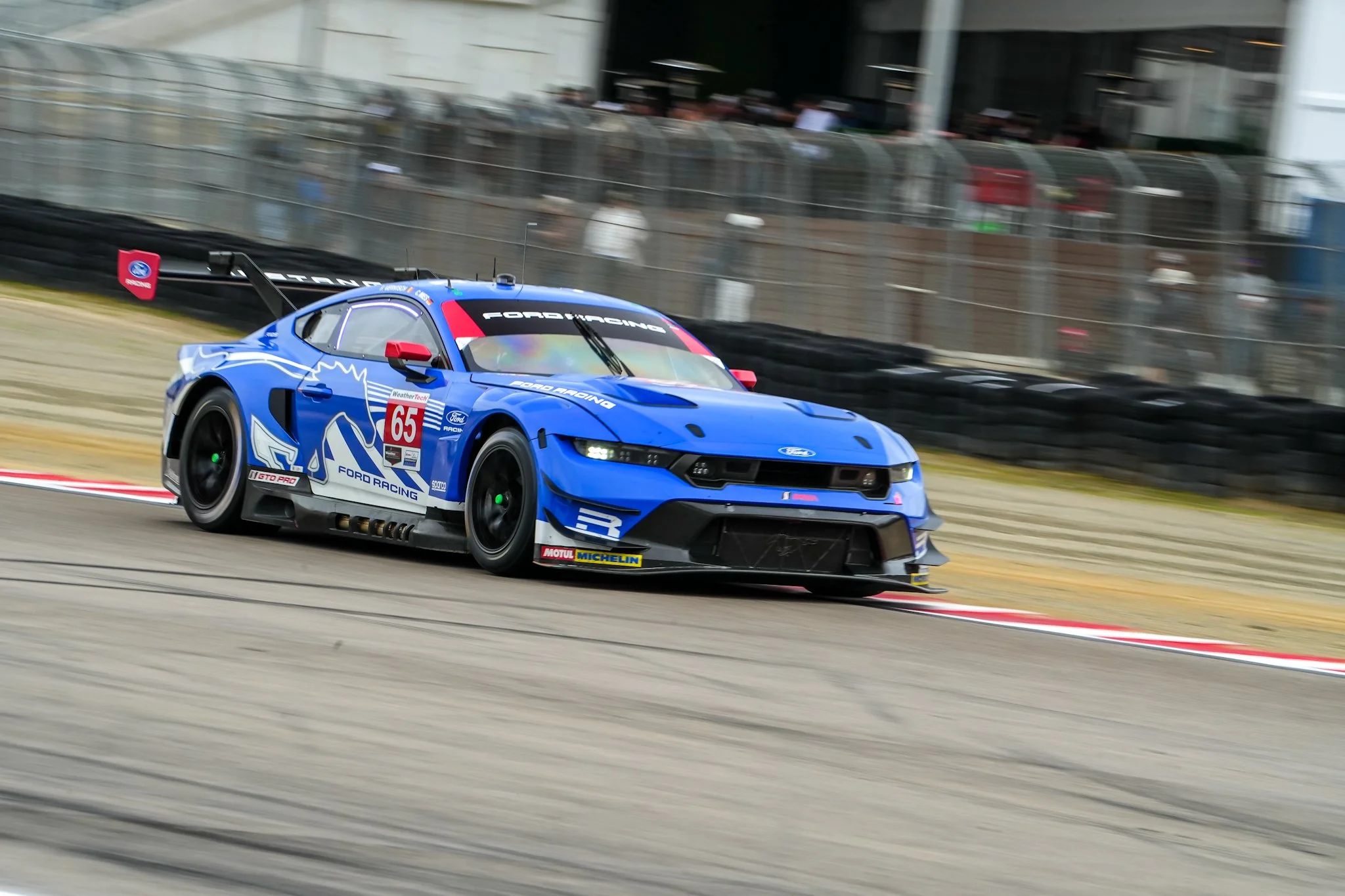
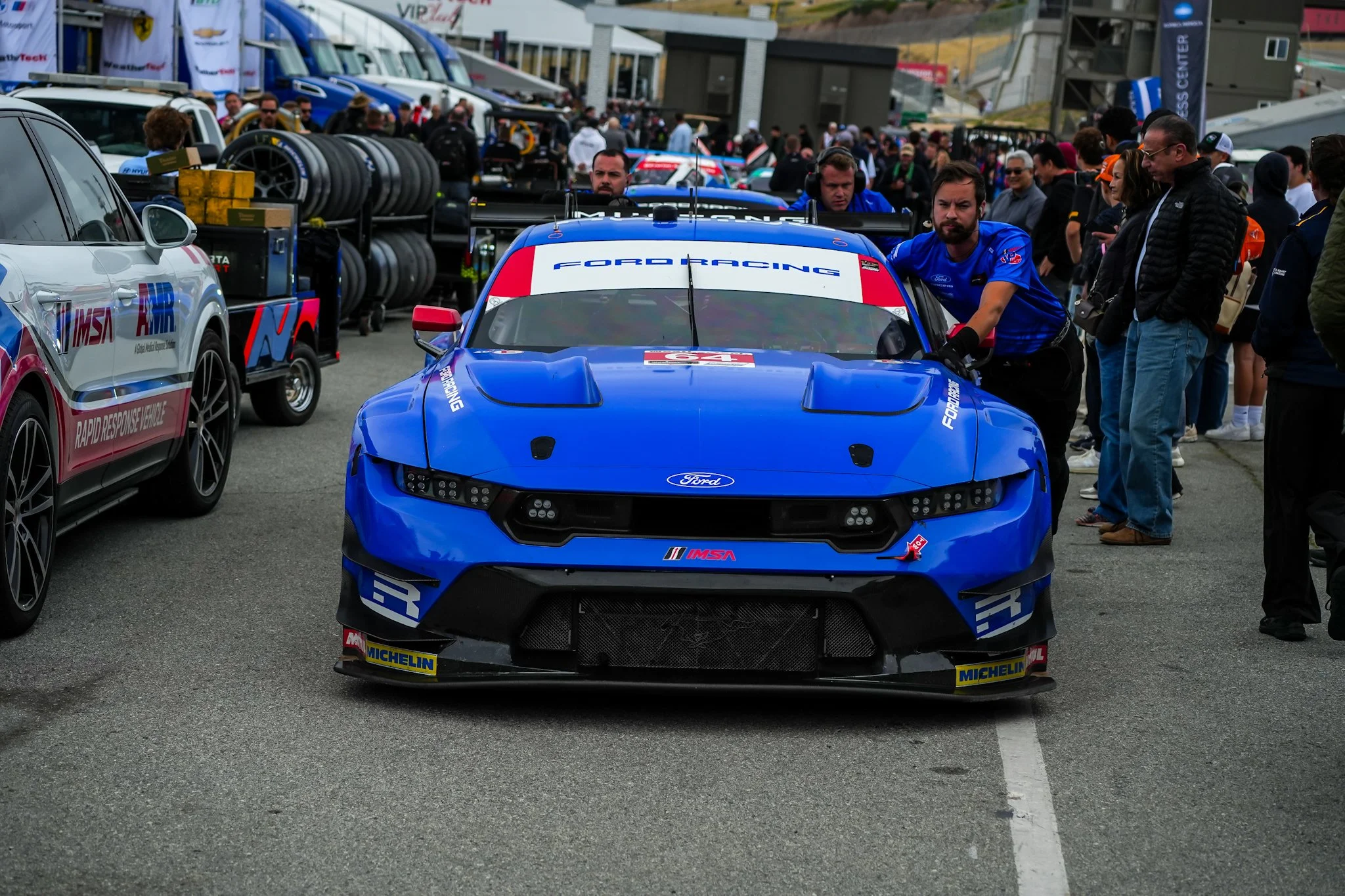
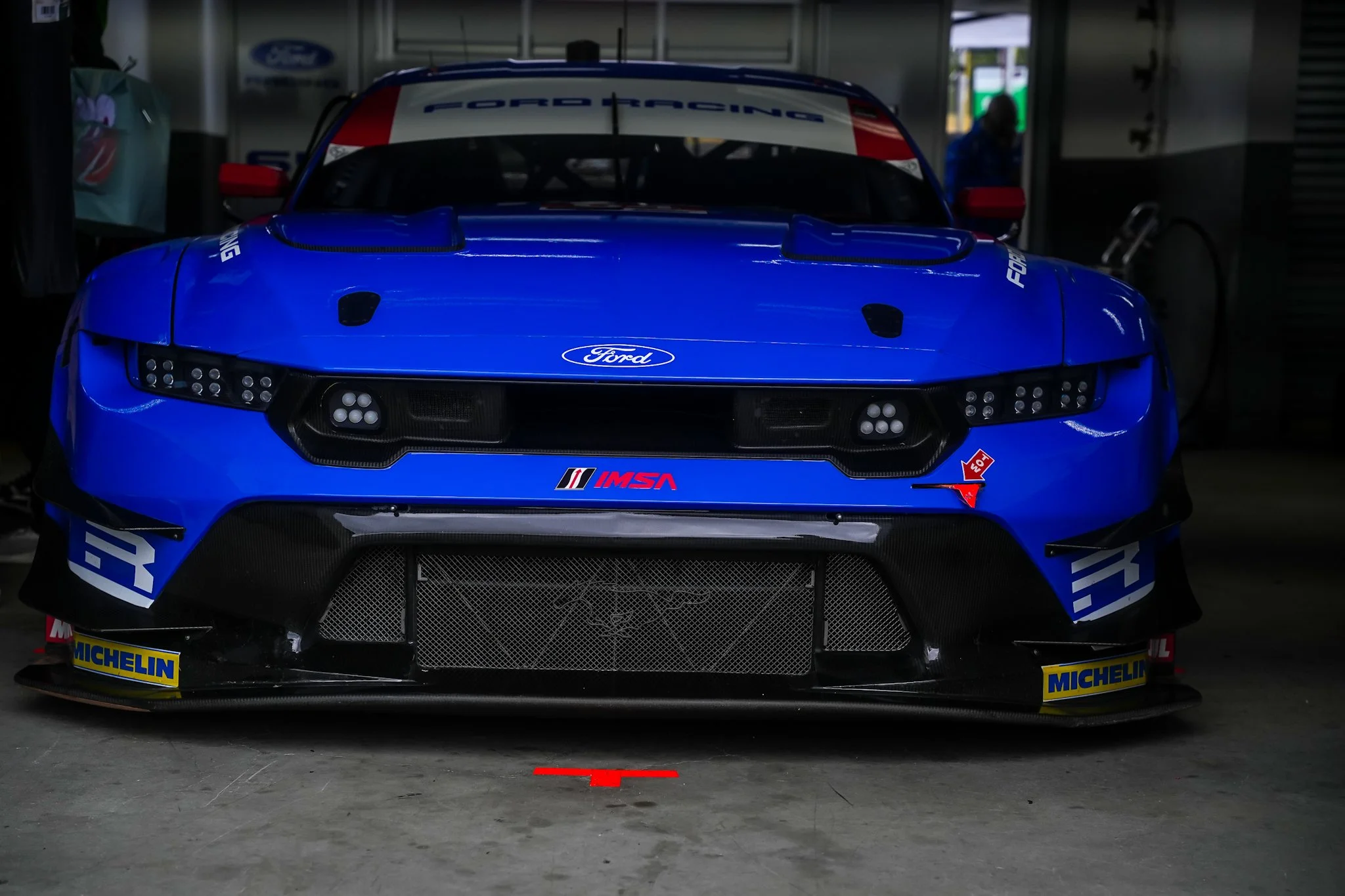
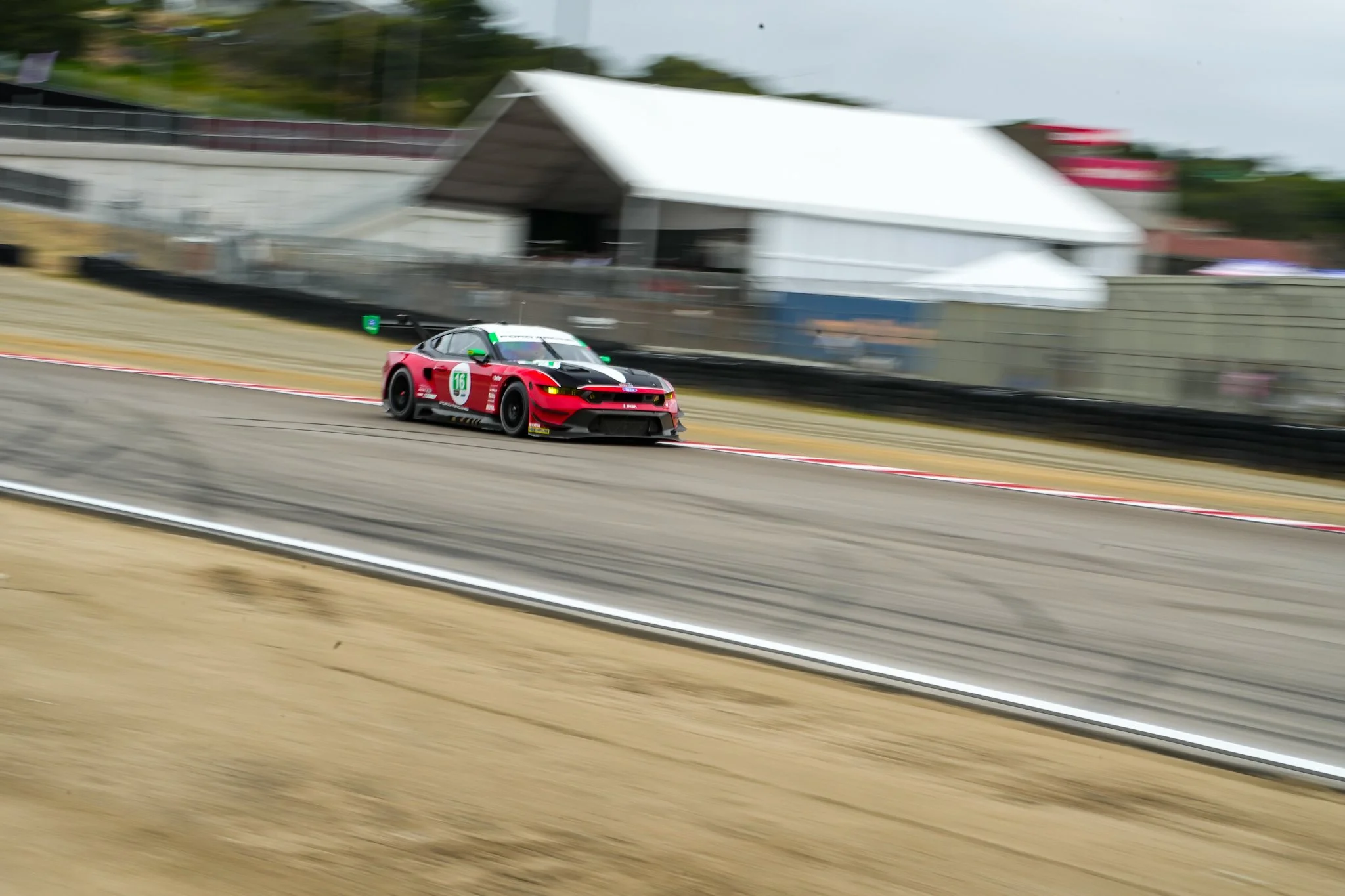
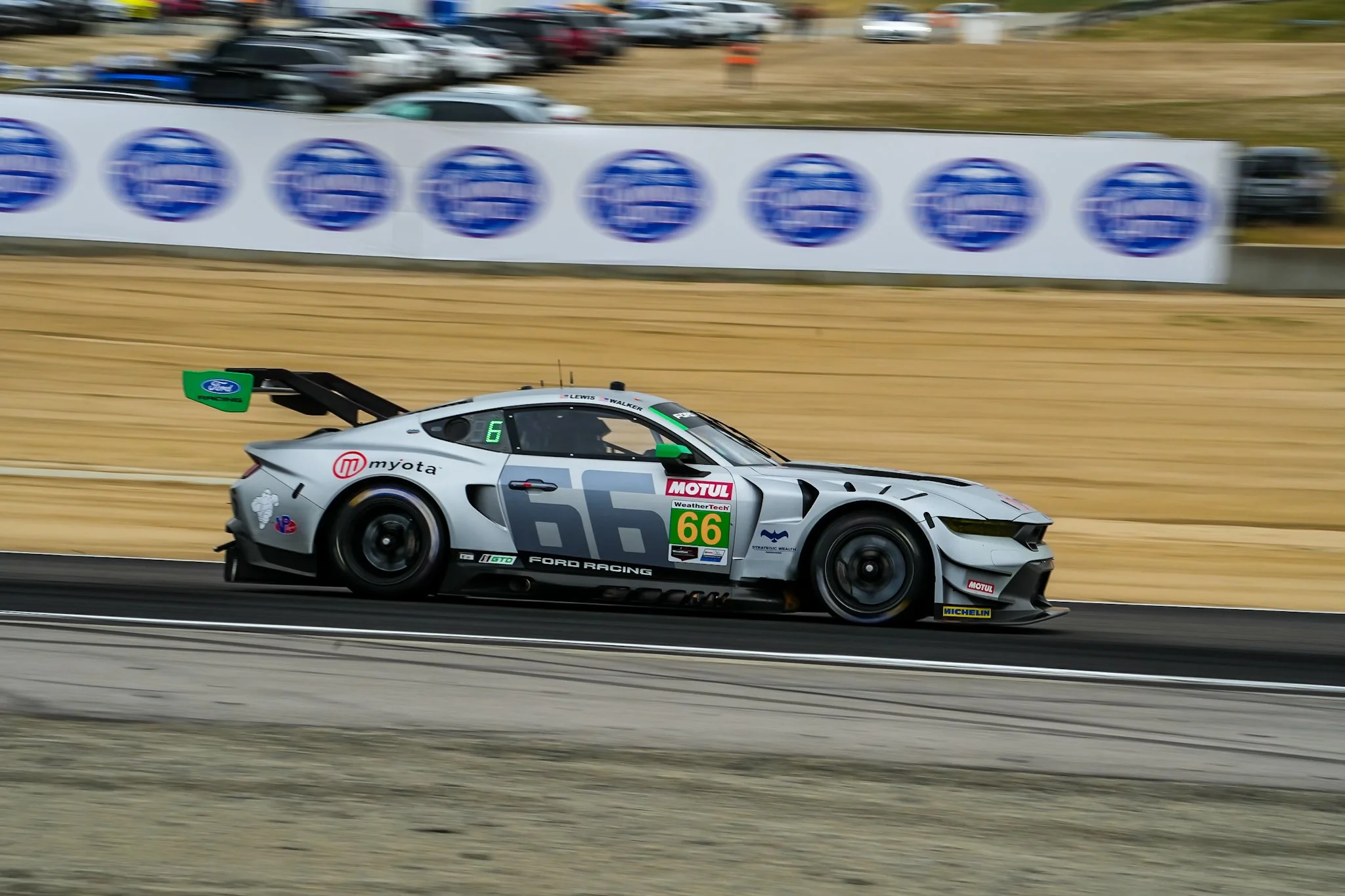
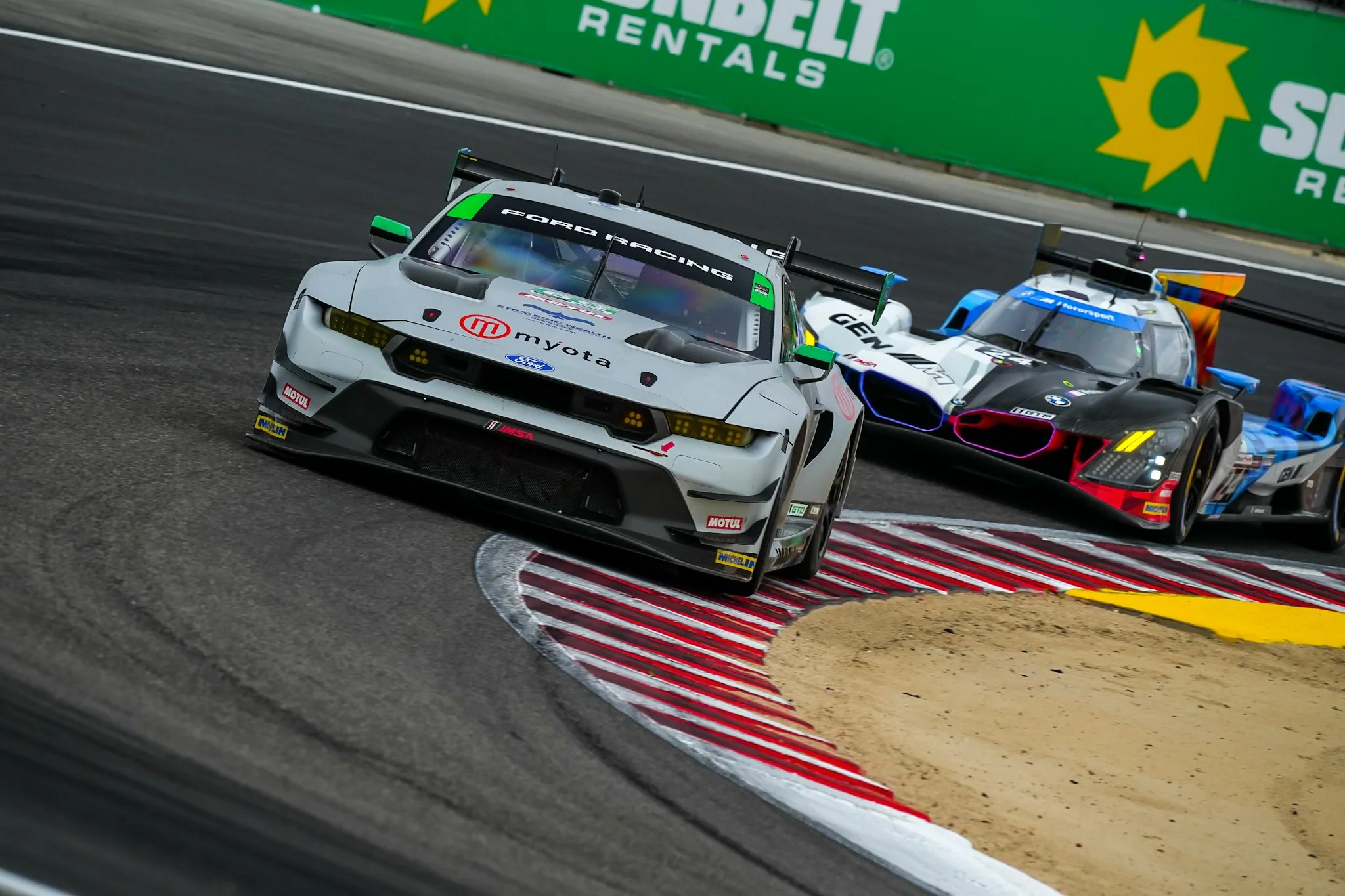
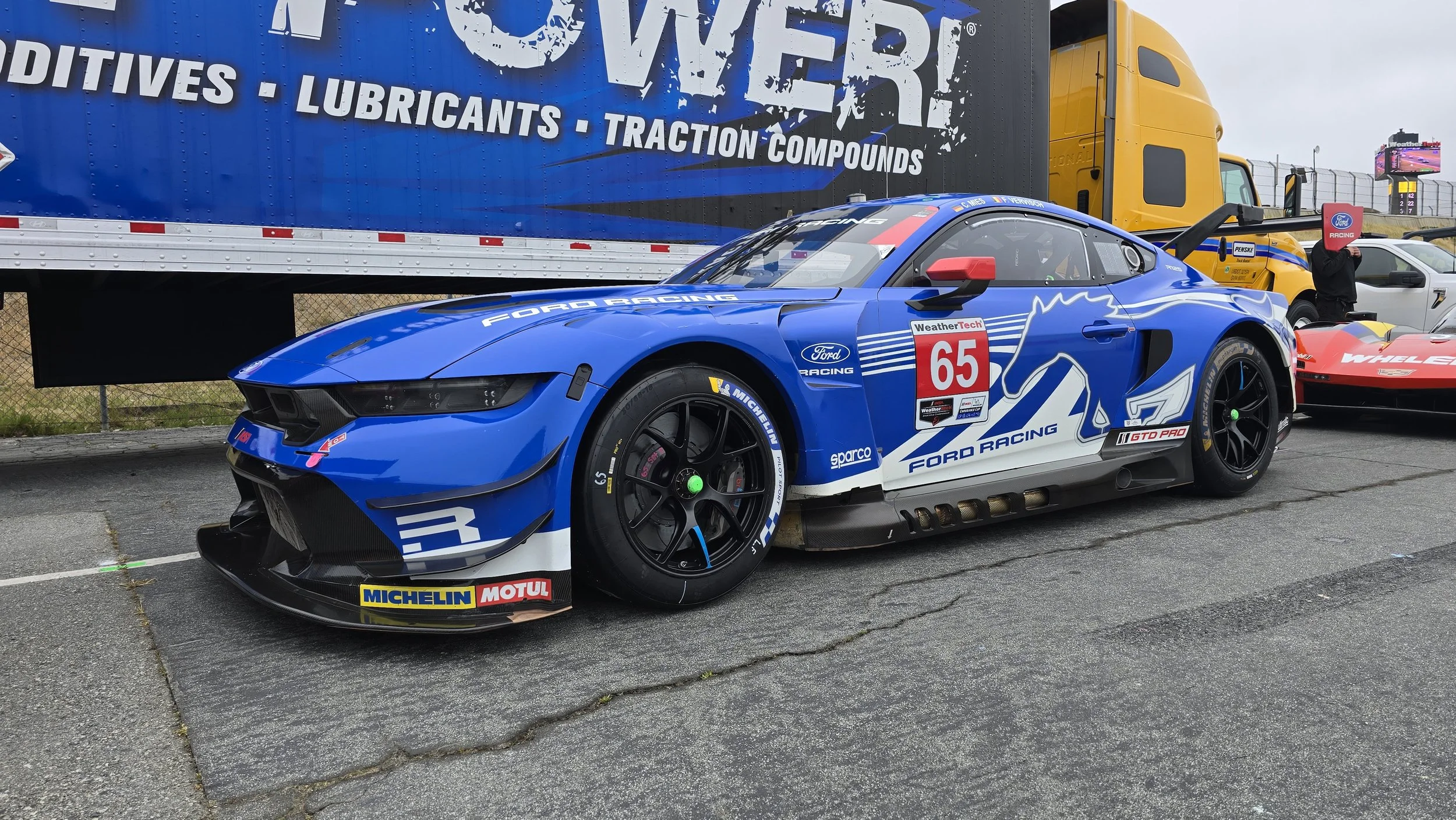
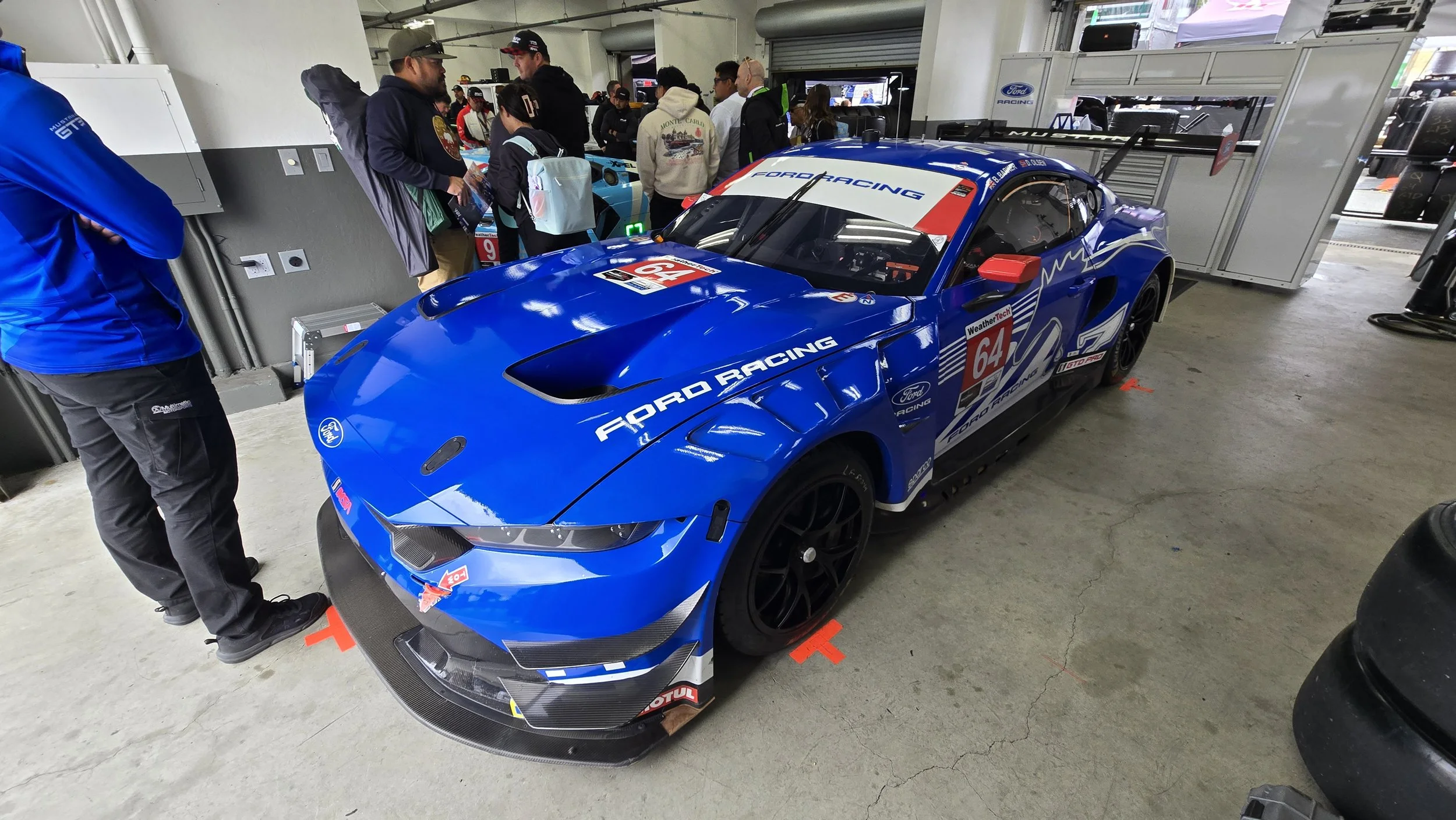
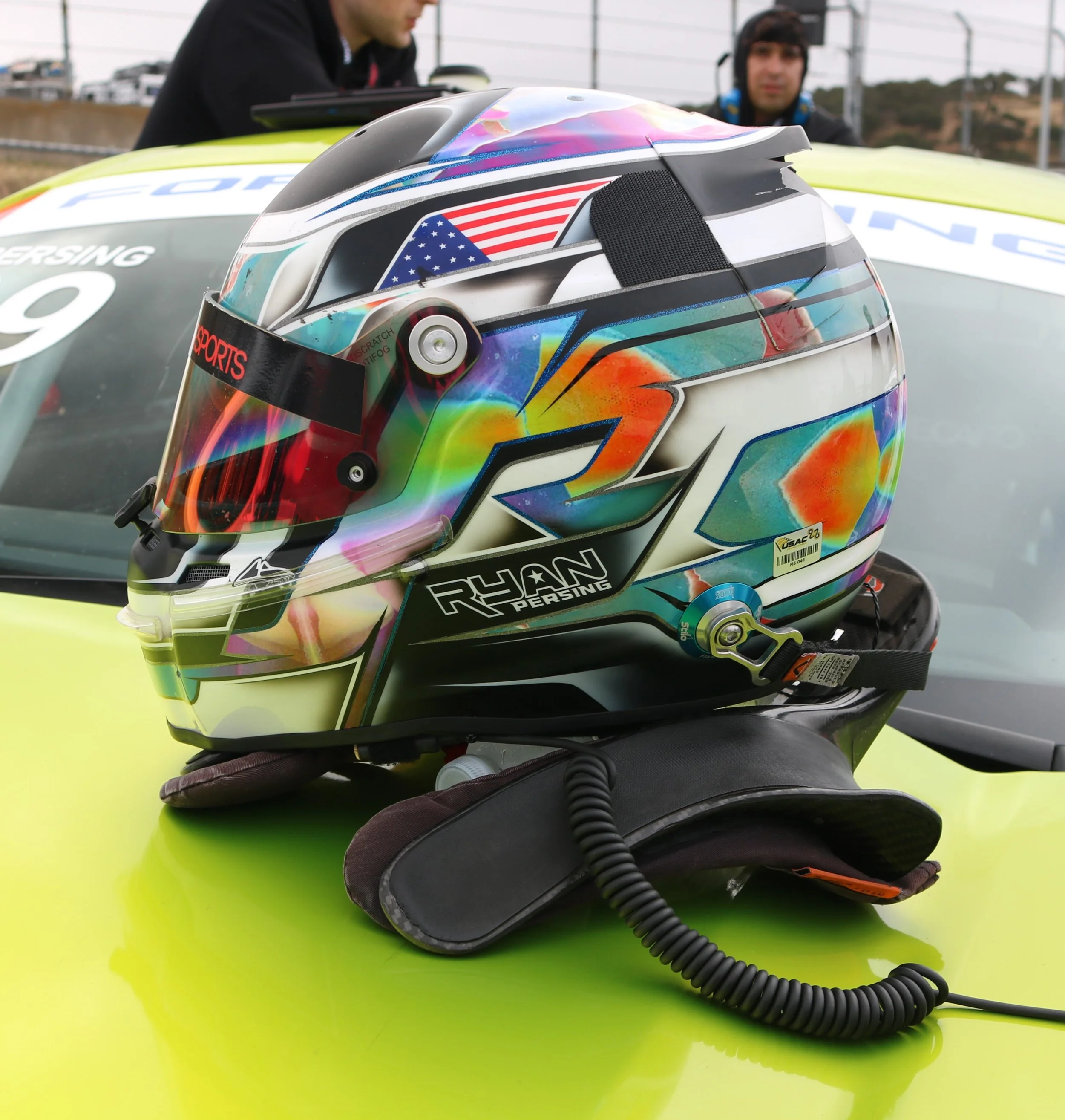
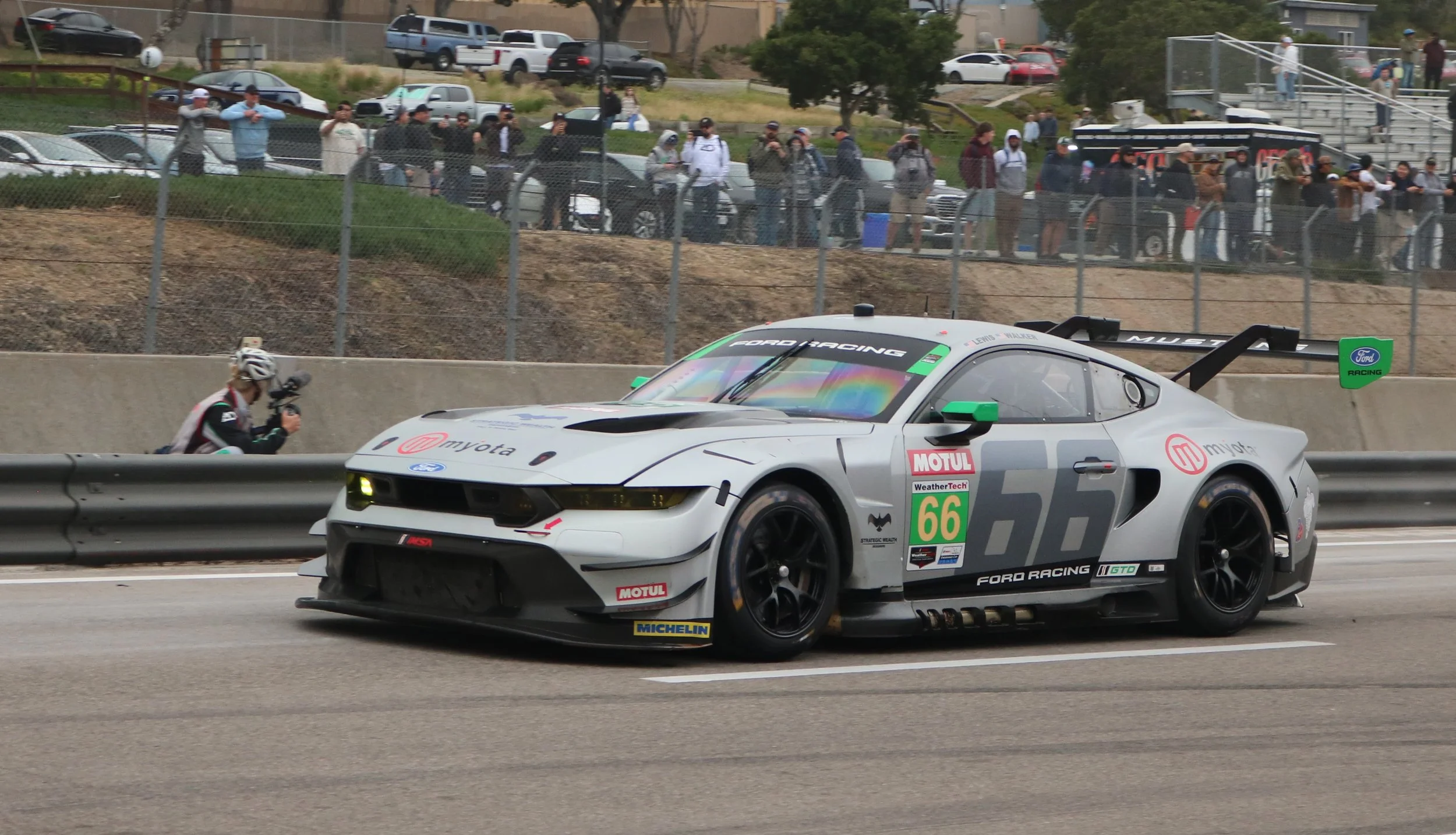
In GTD Pro, Ford’s Mustang GT3 EVO package scored its first victory with the upgraded car, with Frederic Vervisch and Christopher Mies taking the No. 65 to the top step. Both drivers noted a marked improvement around Laguna Seca, a circuit that had historically been the Mustang’s weakest venue.
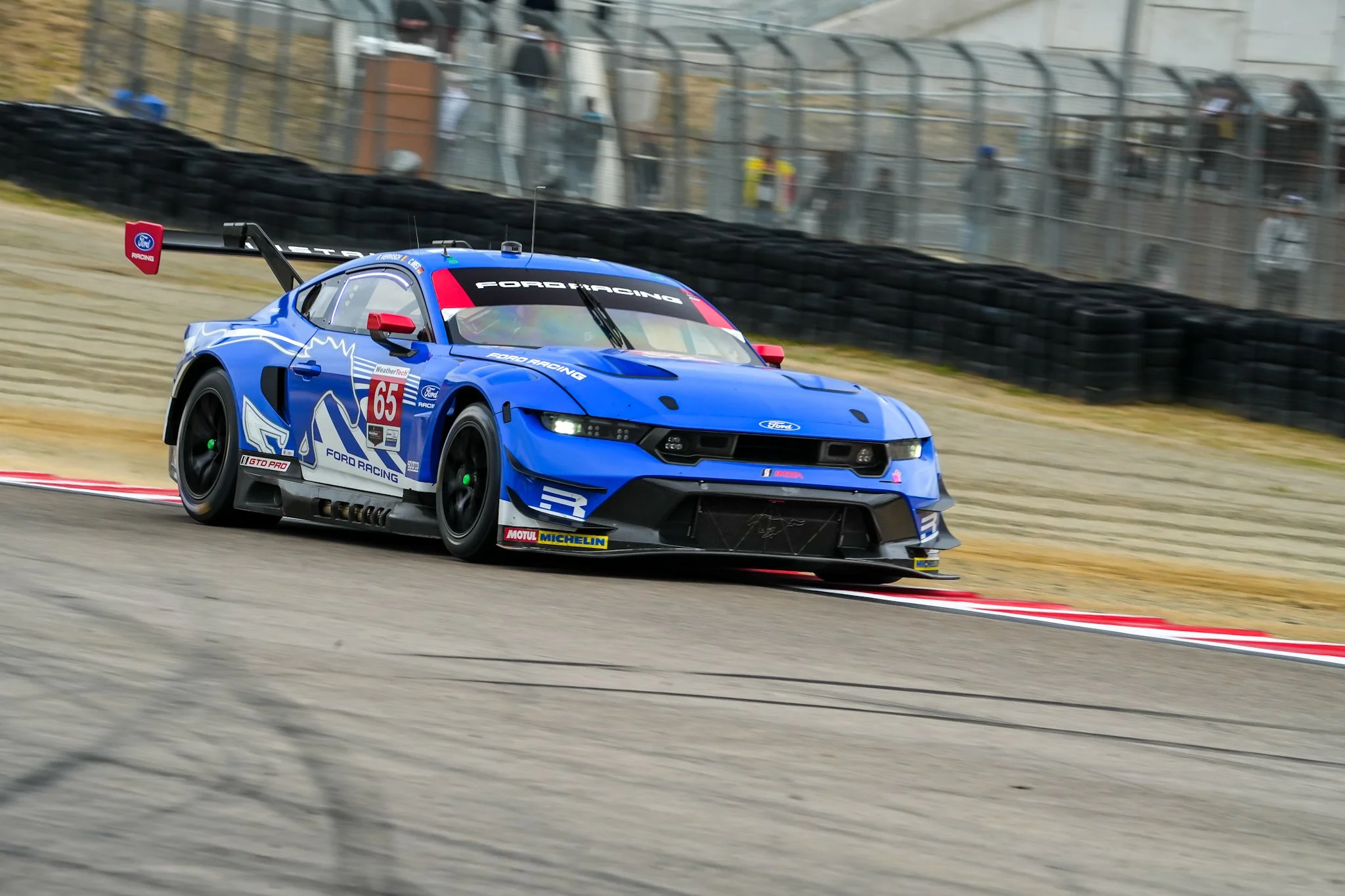
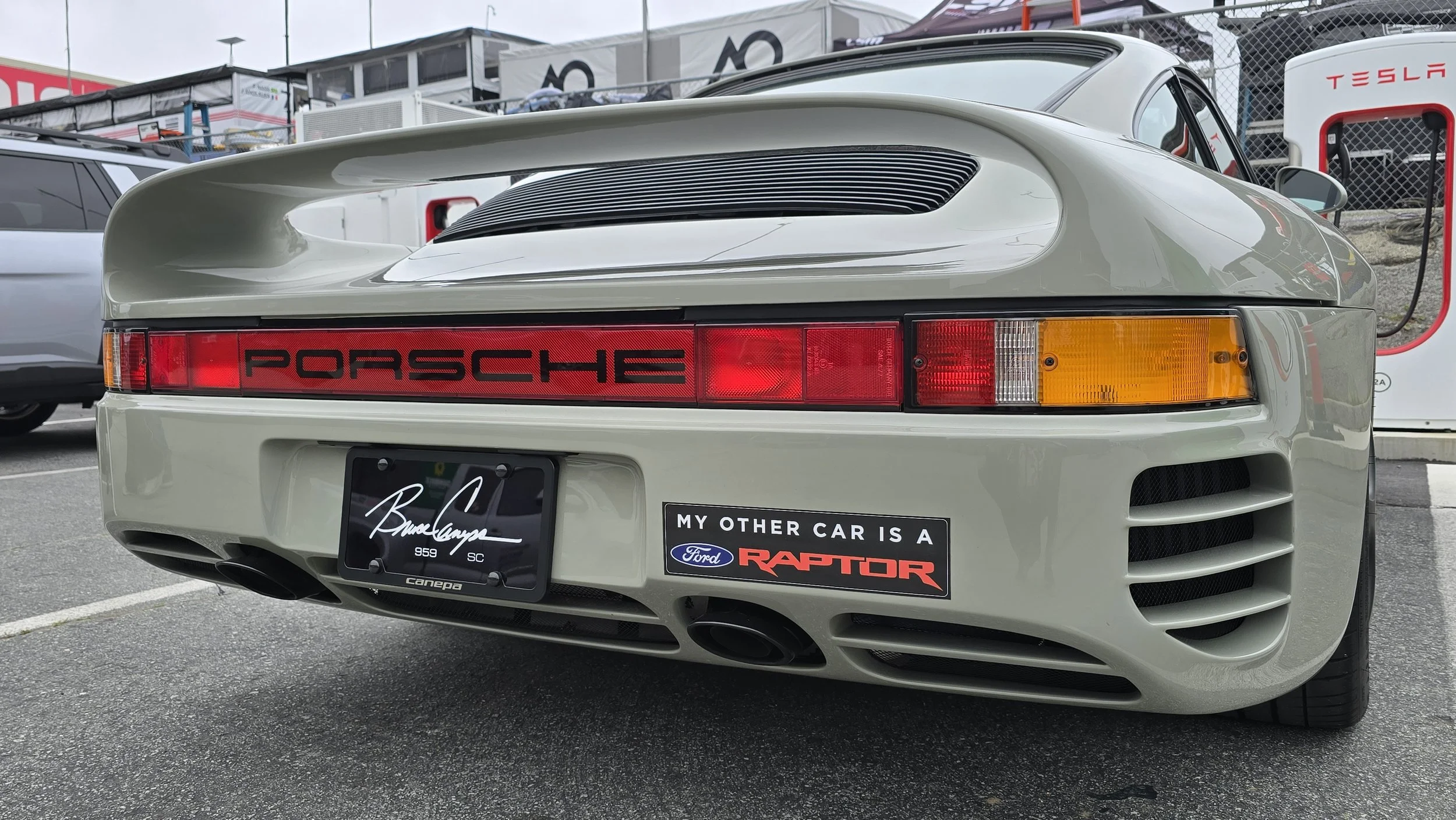
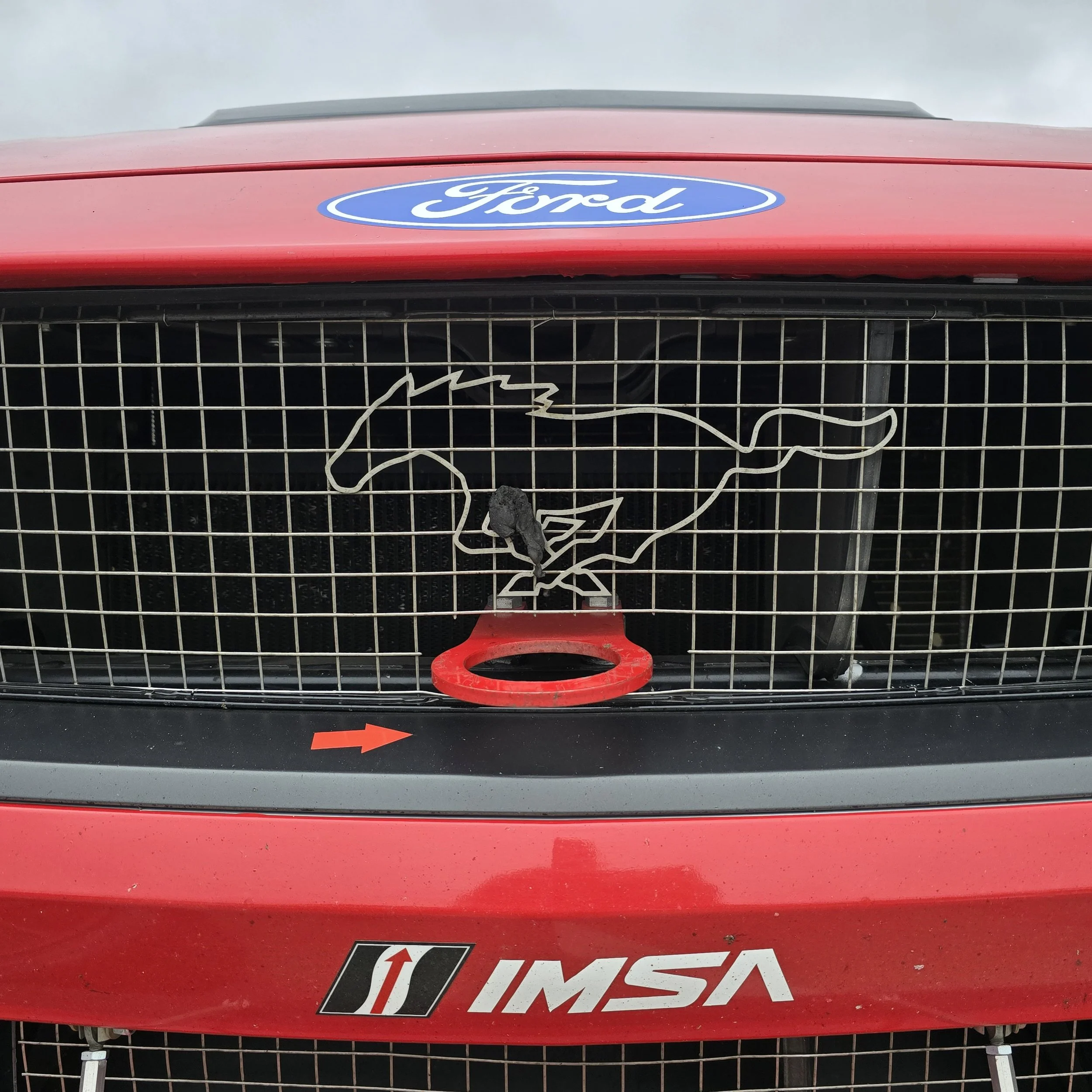
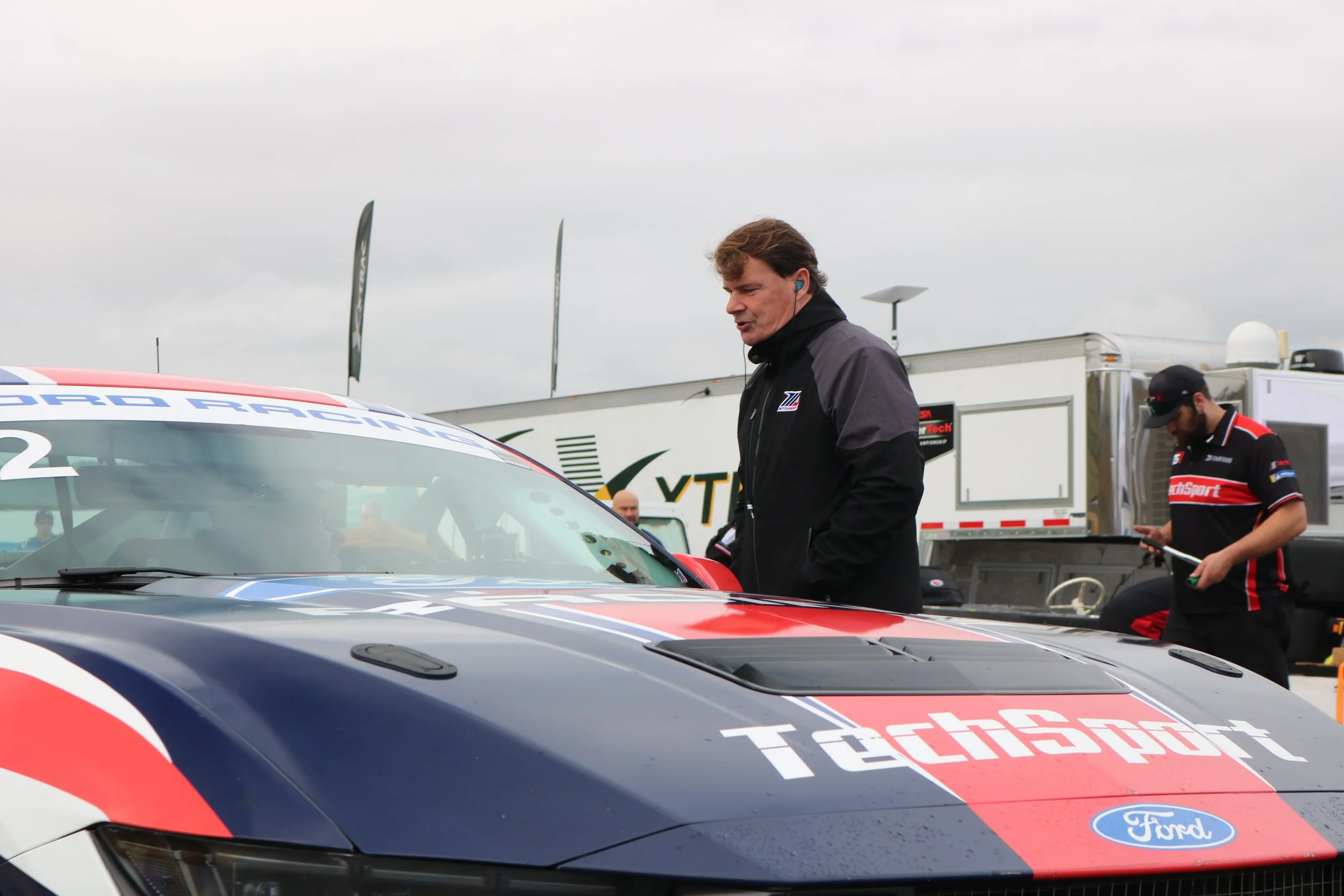
As an added bonus for Ford overall was the fact their stars came into alignment as the company’s CEO, Jim Farley, was also at Laguna Seca participating in the 17 car Mustang Challenge race, just a week after the Ford Raptor was named the official truck of Weathertech Raceway Laguna Seca. Ford’s presence was stamped all over the weekend’s events.
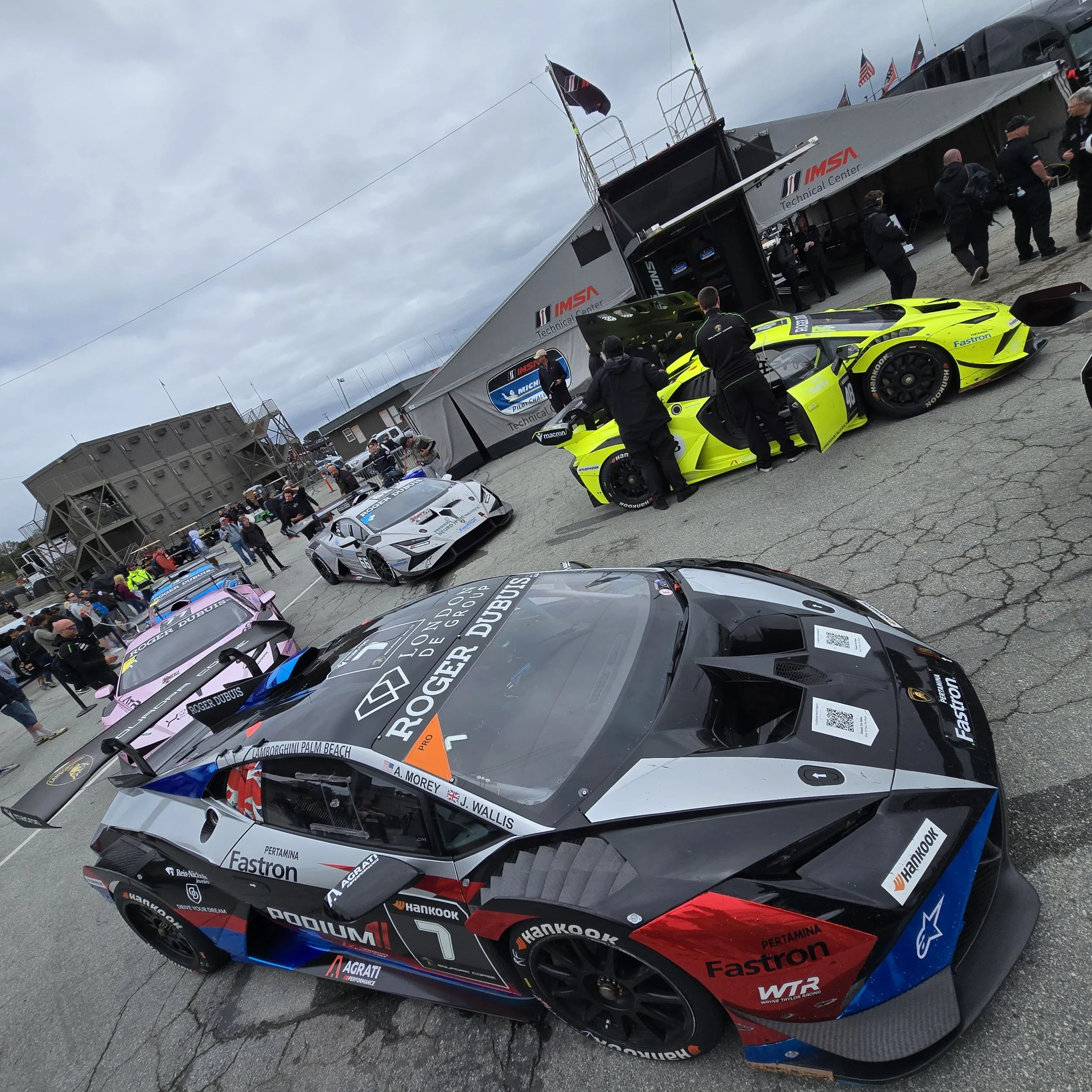
GTD: Lamborghini and Wayne Taylor Racing Outplay the Field
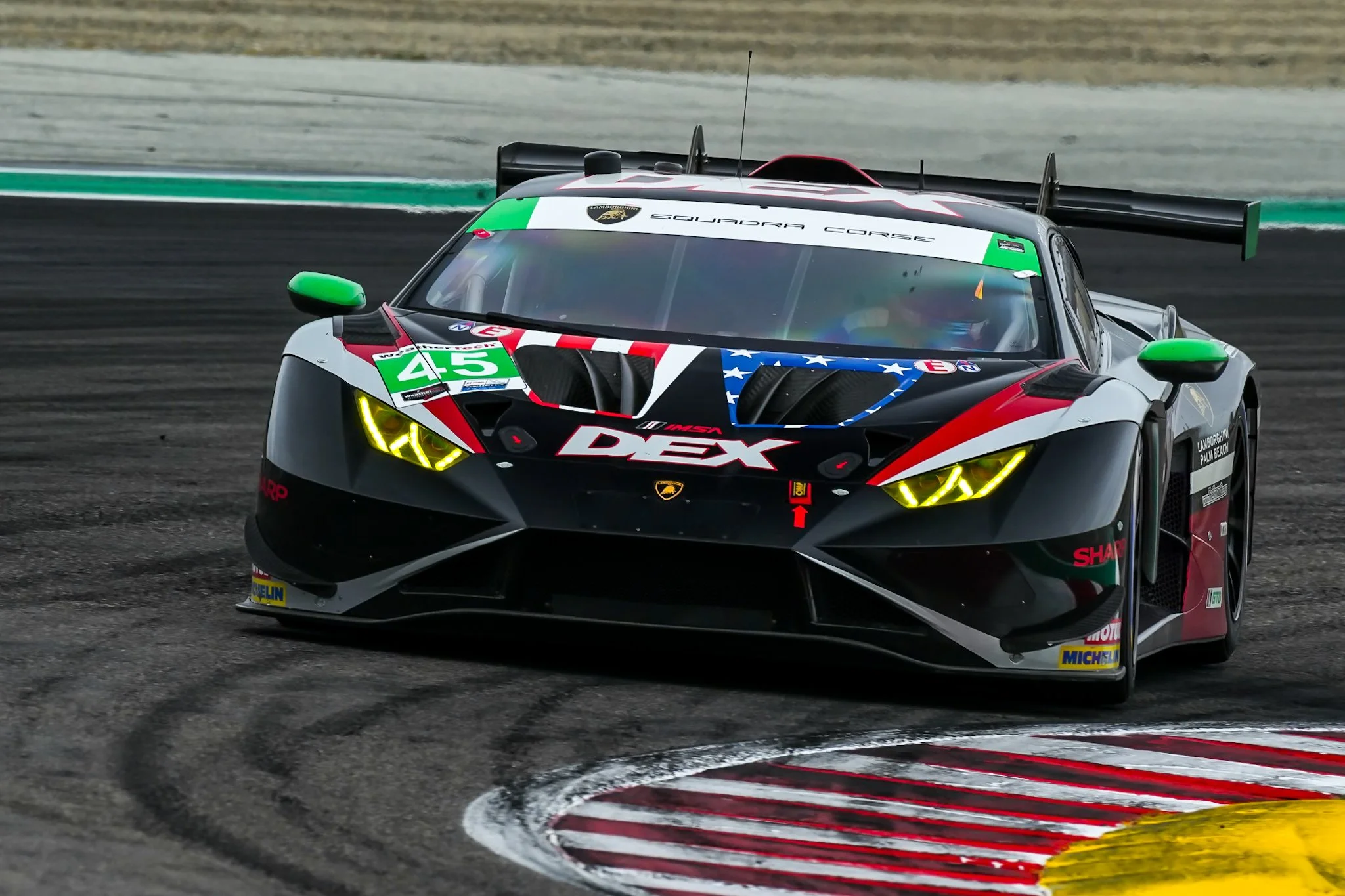
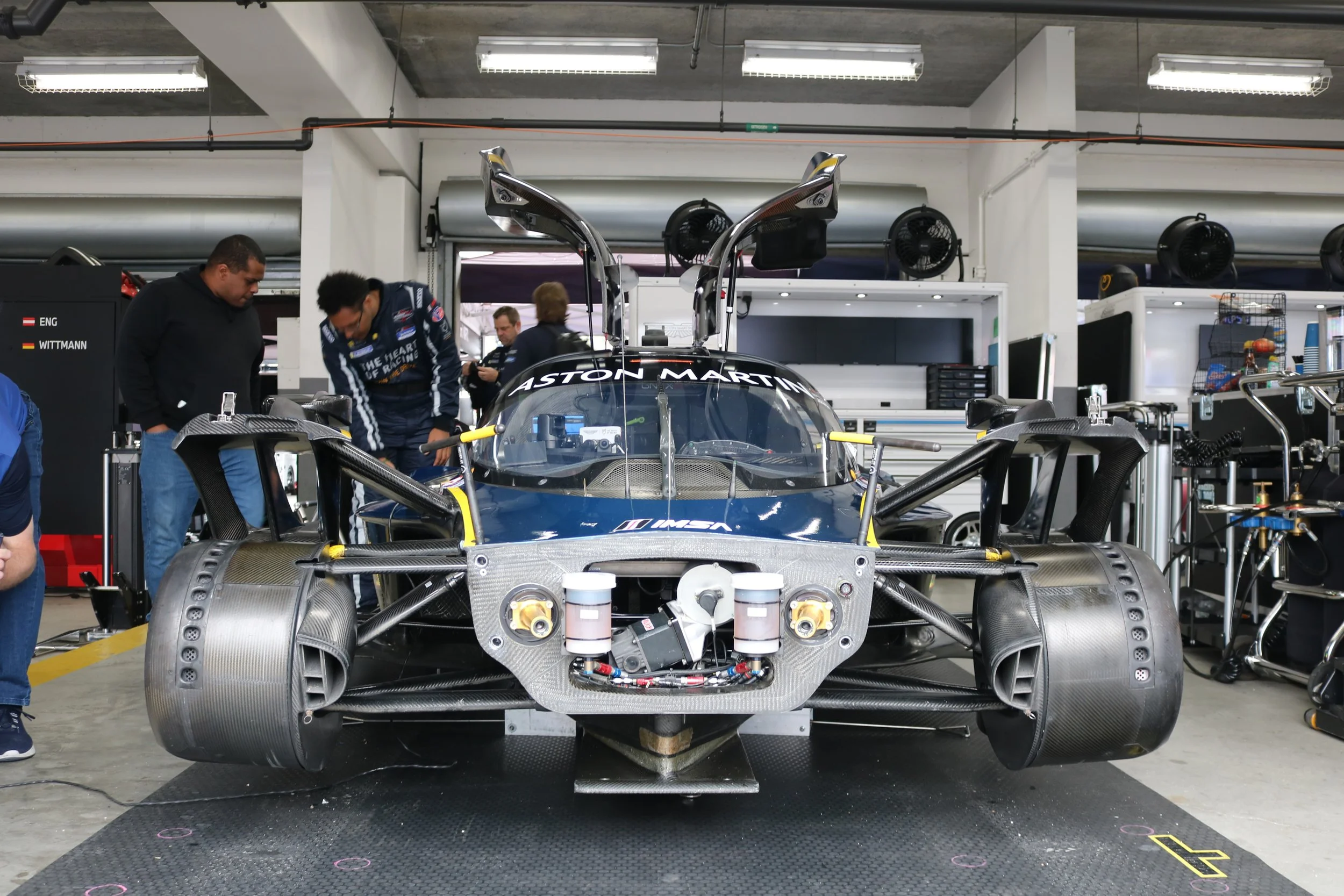
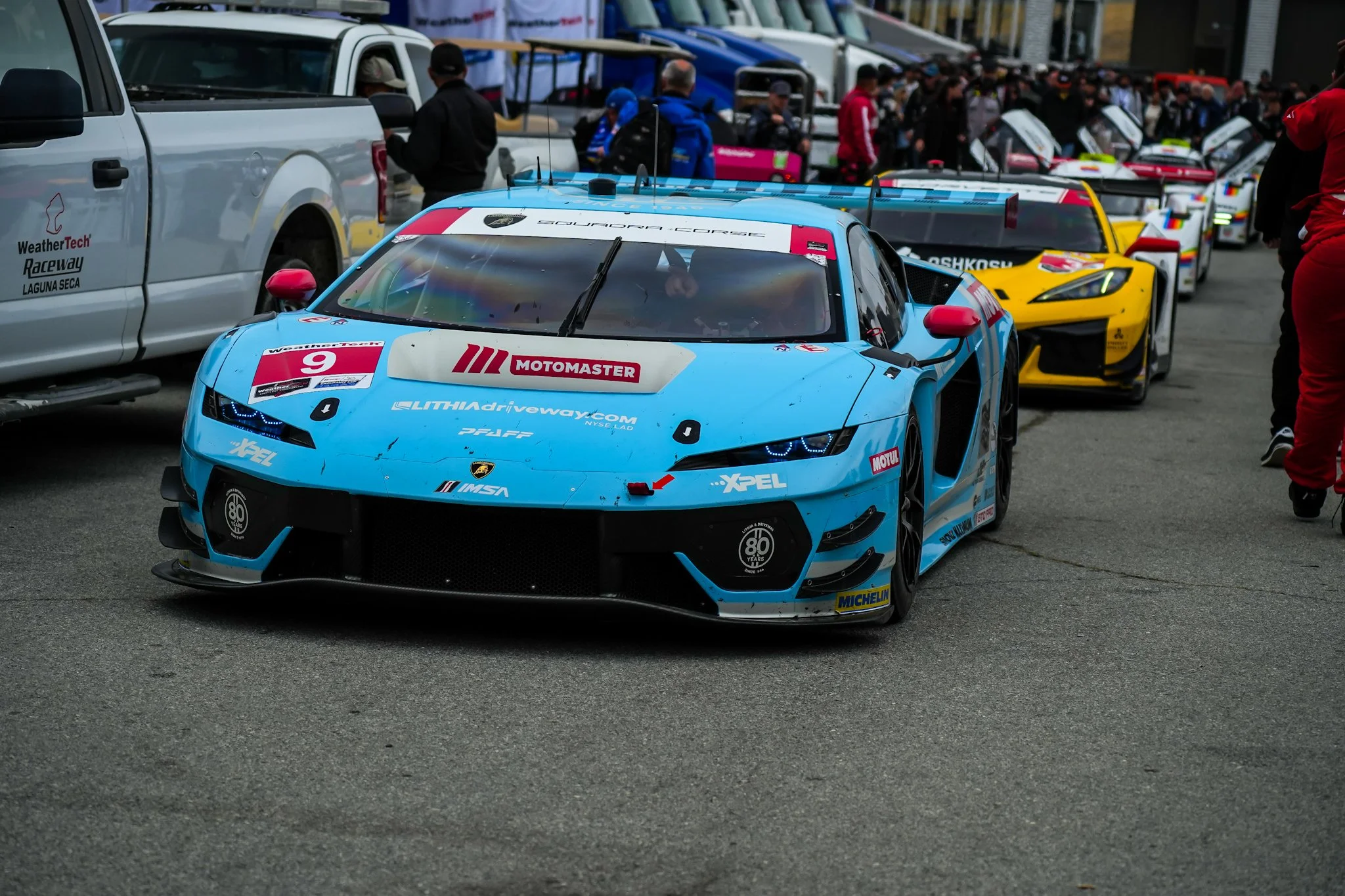
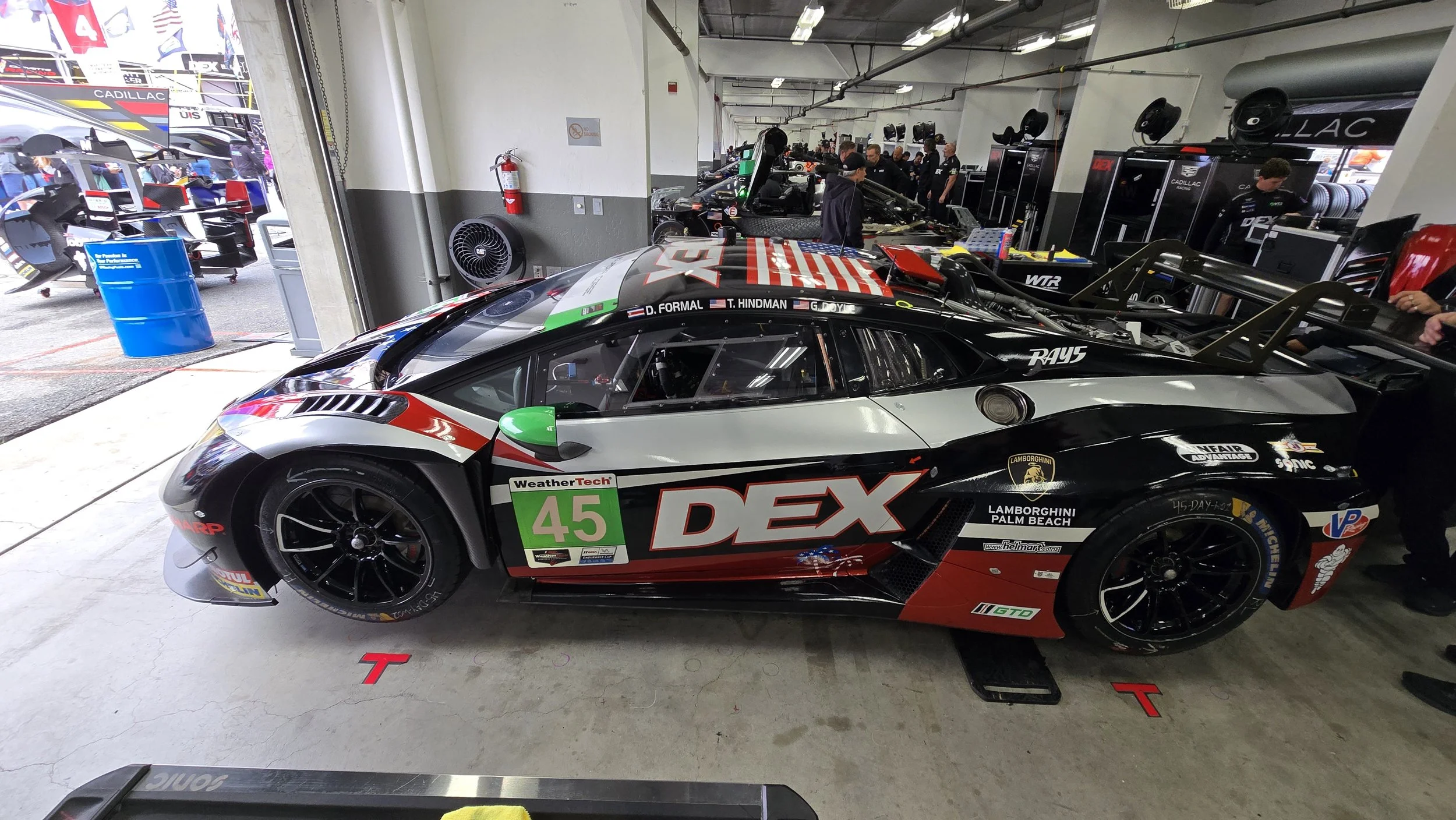
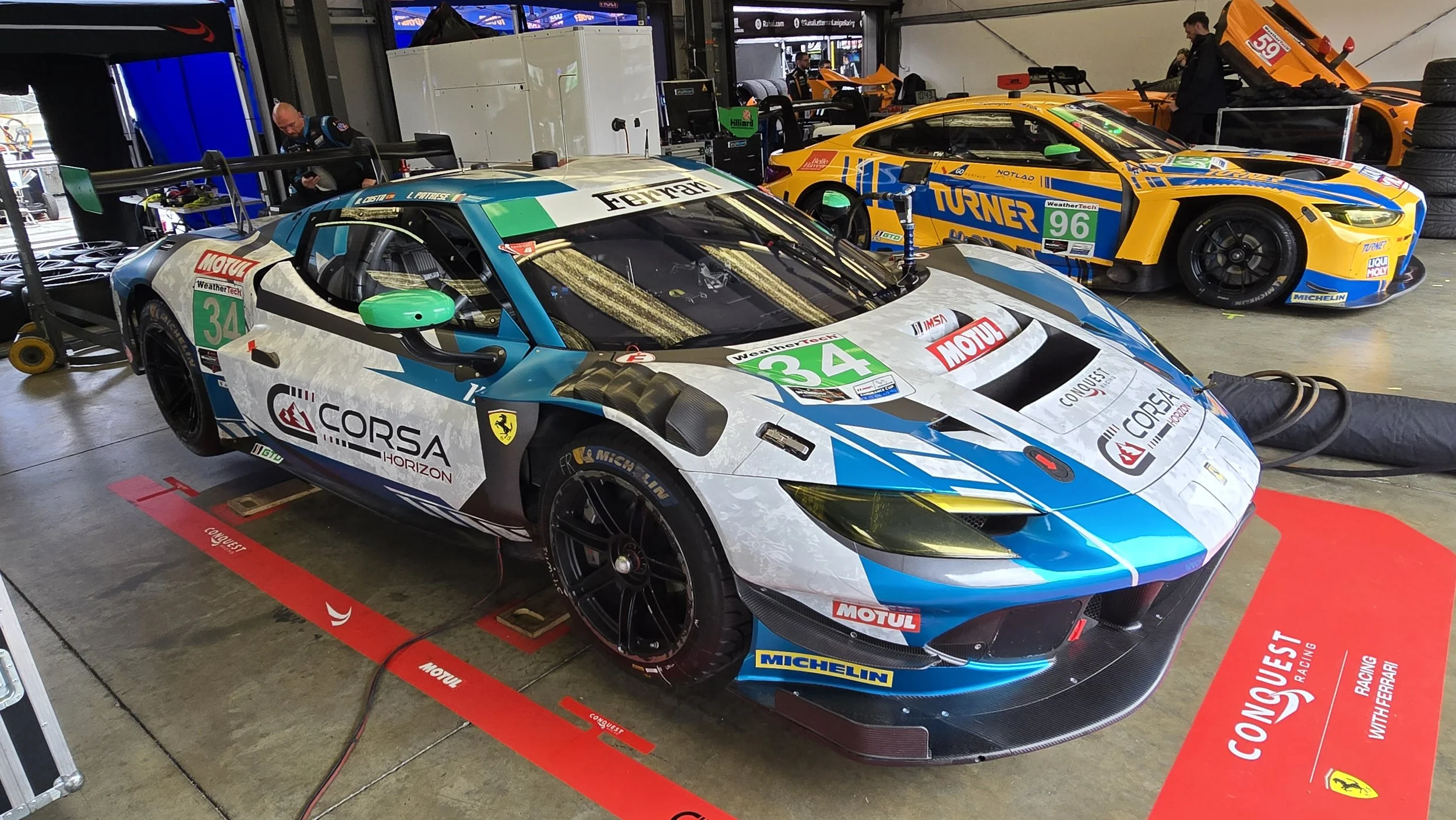
In GTD, the story belonged to Lamborghini. Wayne Taylor Racing’s Danny Formal and Trent Hindman won in the No. 45 Huracán GT3 EVO2, handing the Italian manufacturer its first class victory of the 2026 season. The race was decided entirely by fuel-management strategy. The leading Conquest Racing Ferrari, which had run at the front of GTD for the opening 33 laps, retired from a fire on its exhaust, giving the top spot to the Lamborghini camp. From there, Hindman went long on fuel, undercut his rivals at the final stops, and came out ahead of a field that had gambled on carrying their tires to the flag. When the Ilott Porsche and the Aston Martin of Tom Gamble came up dry in the final minutes, the Huracán was already too far gone.
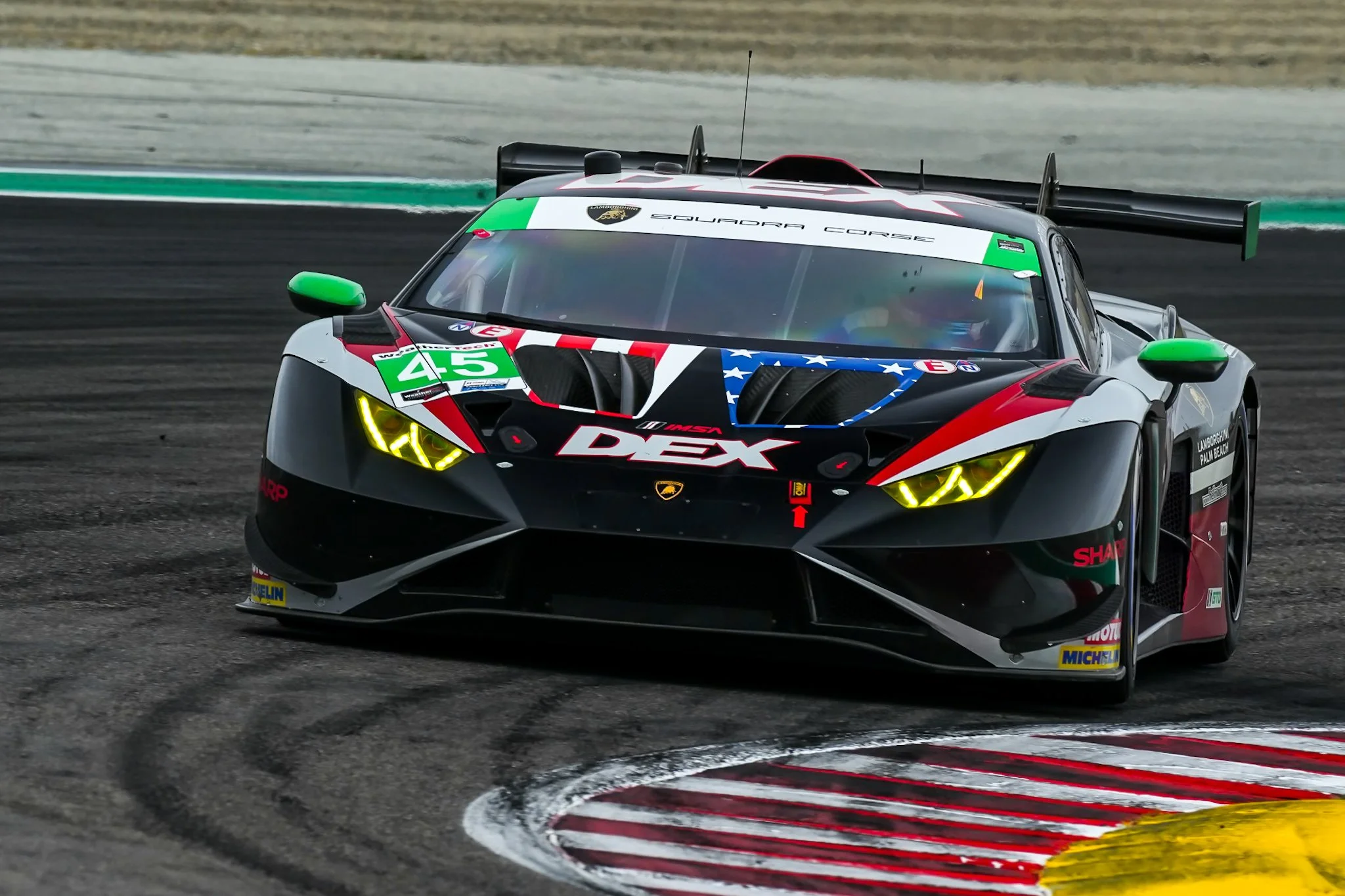
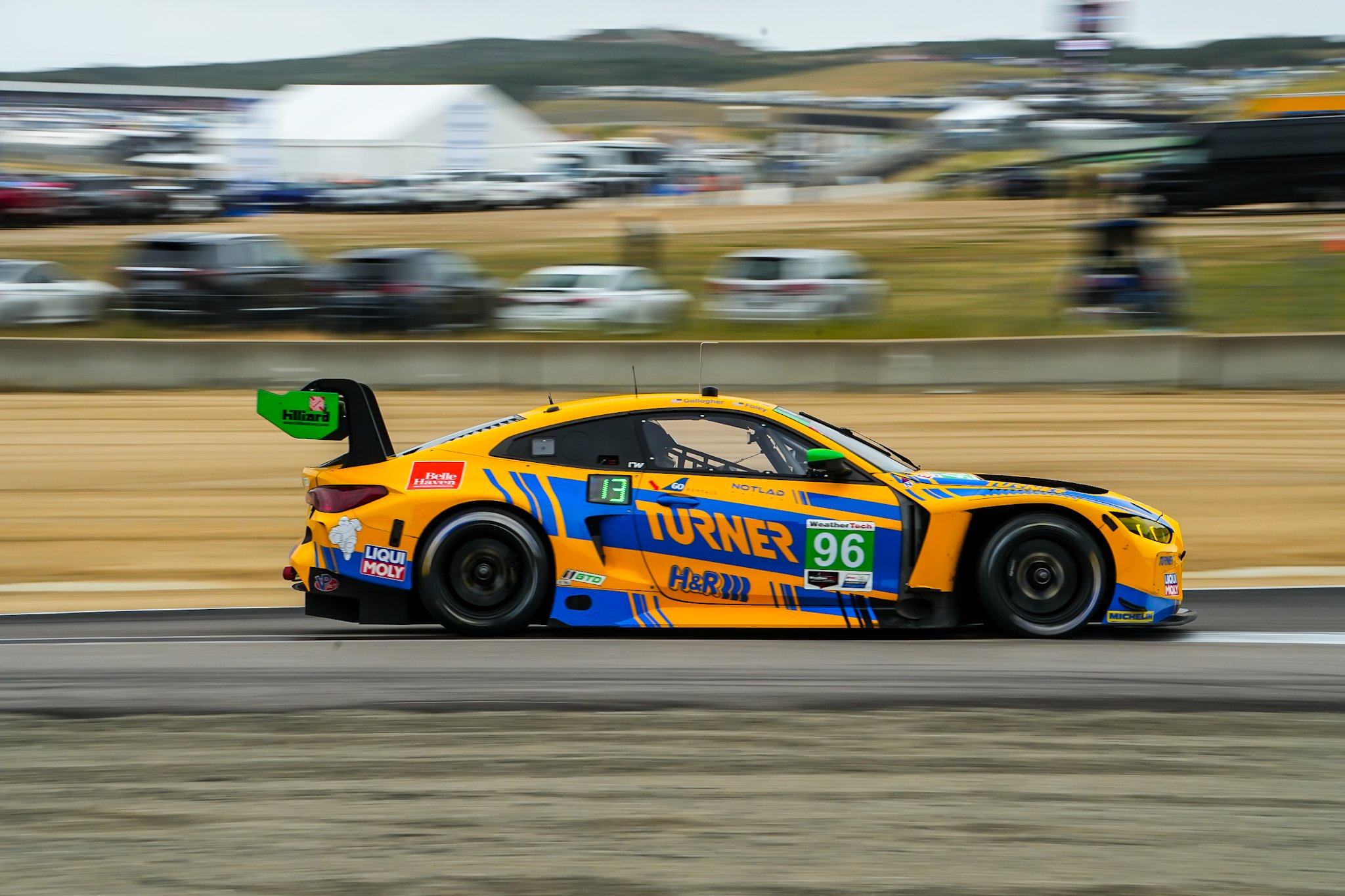
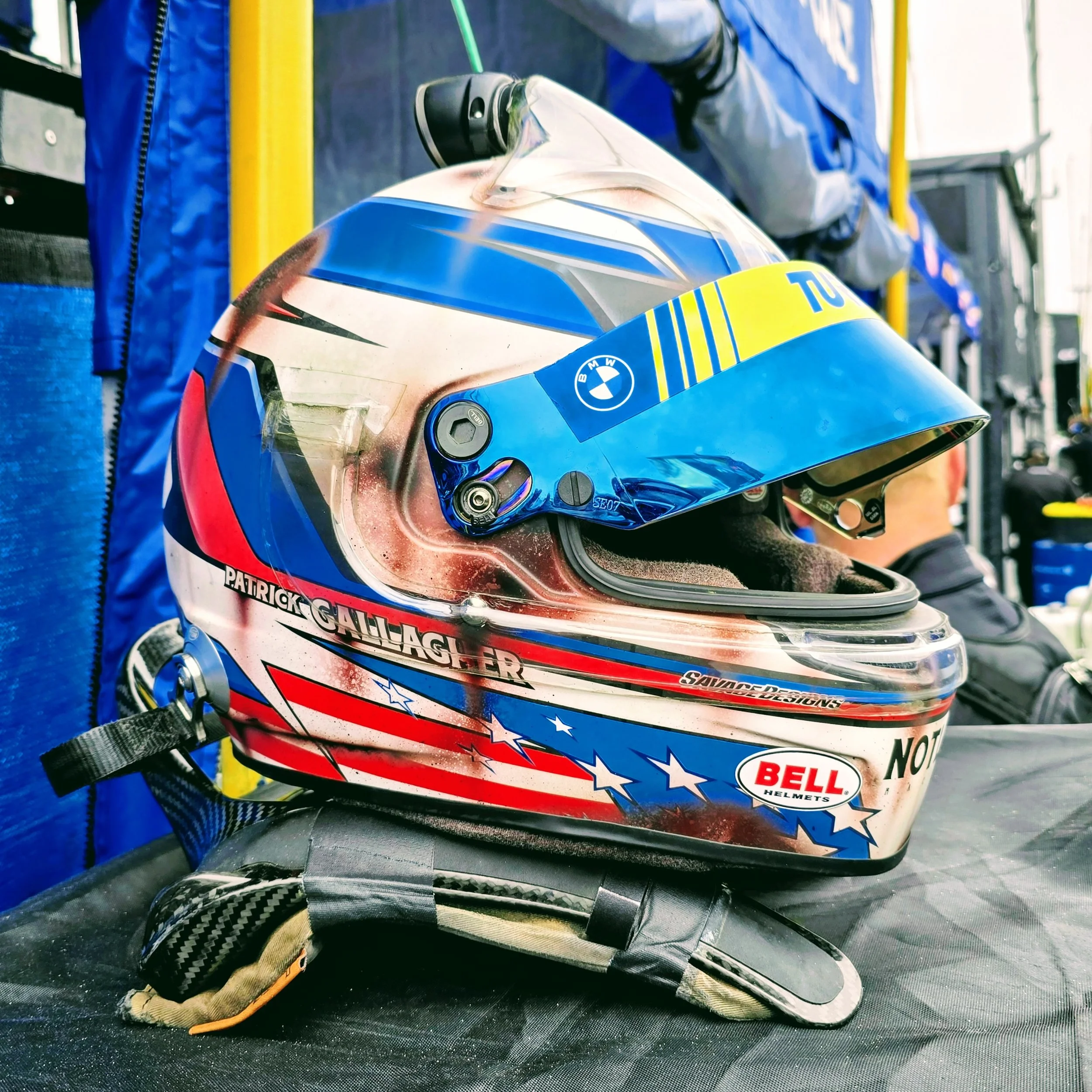
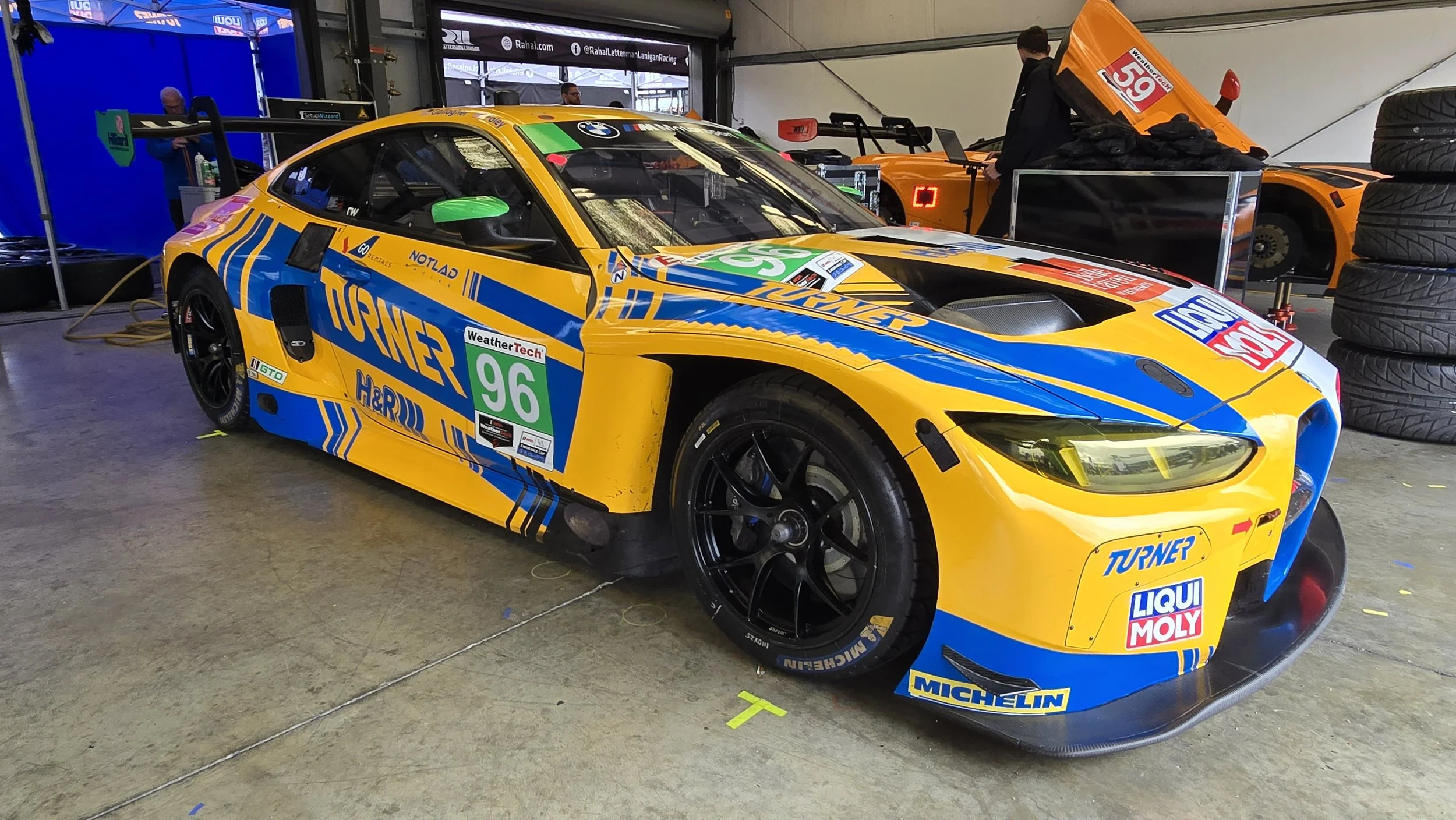
Hindman called it “no fluke” in the post-race, and he’s right. WTR’s strategy team read the race correctly when others did not, and Hindman executed cleanly in the closing laps. The result also keeps Eduardo “Dudu” Barrichello comfortably ahead in the GTD points standings, extending his lead to 140 points over the Turner Motorsport pairing of Foley and Gallagher.
While F1 Argues About Its Battery Button, IMSA Races
It would be negligent not to note the contrast happening in parallel on the global motorsport stage. Formula 1’s 2026 regulations, designed to increase excitement through a near 50/50 split between internal combustion and electrical fuel, have instead triggered a paddock revolt and a genuine identity crisis for the sport. Four Time F1 World Champion Max Verstappen’s assessment was blunt: “It’s playing Mario Kart. This is not racing.” The energy usage, deployment of boost, the active area and work in concert to complete confusion
Compare that to Laguna Seca on race day. Three classes. Three different winners. A last-lap wheel-to-wheel pass at the end of a two-hour-forty-minute race. A Lamborghini that won by reading a fuel window better than everyone else in the field. A Ford EVO that validated itself at its worst circuit. None of it was artificial. All of it was earned.
IMSA doesn’t have F1’s global platform, its marketing budget, or its name recognition in most of the world’s living rooms. What it does have — at least on a Sunday afternoon in Monterey — is better racing. Fans who haven’t yet found this series should seriously reconsider their Sunday morning schedule.
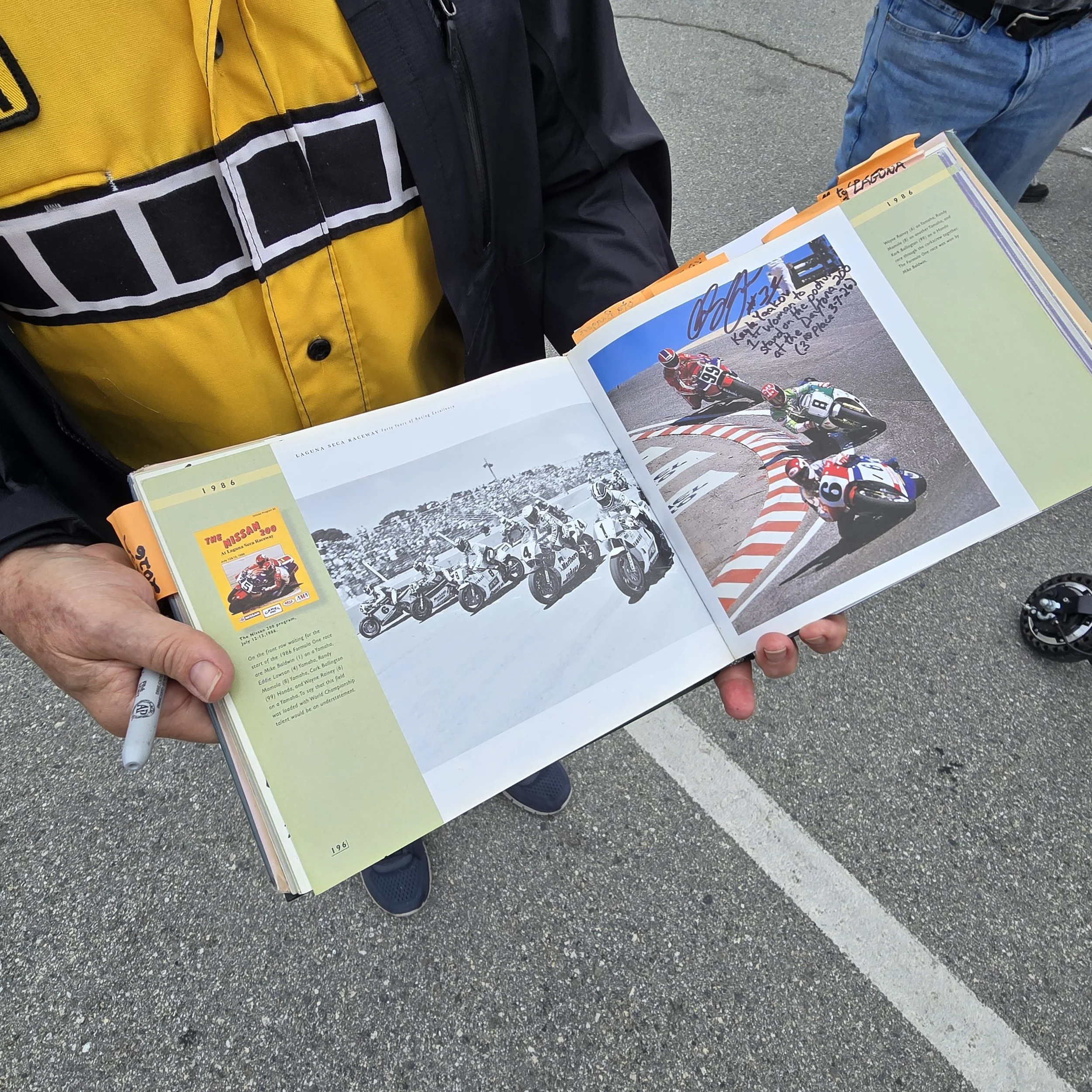
The Long Memory…
The Bryan Herta comment at the start of our report refers to one of the most memorable passes ever executed at Laguna Seca. In 1996, on the final lap of the final race of the PPG Indy Car World Series, 2-time CART champion, Alex Zanardi, passed Herta for the race lead at the top of the track’s legendary “Corkscrew” chicane, and completed the pass on a trajectory that took him literally directly through the chicane, nearly hitting a tire barrier that could have spelled disaster for Zanardi. This bonkers move lives on in racing history known simply as “The Pass.” A trip to Youtube to see the move is a must for those who haven’t seen or heard about it…and even for those who were there. It’s memorable to say the least.
This discussion of last minute maneuvers and Alex Zanardi at Laguna Seca was bittersweet for many in attendance. As we were driving down to the track we heard the news that Zanardi had died the day before as a result of a severe road accident in 2020. There’s nothing we can add to what has been said in his memory by friends, admirers, and rivals over the last week. He was a rare talent, a worthy competitor, a world champion, and a true inspiration and source of positivity in an increasingly cynical world. We will miss him. #ForzaAlex
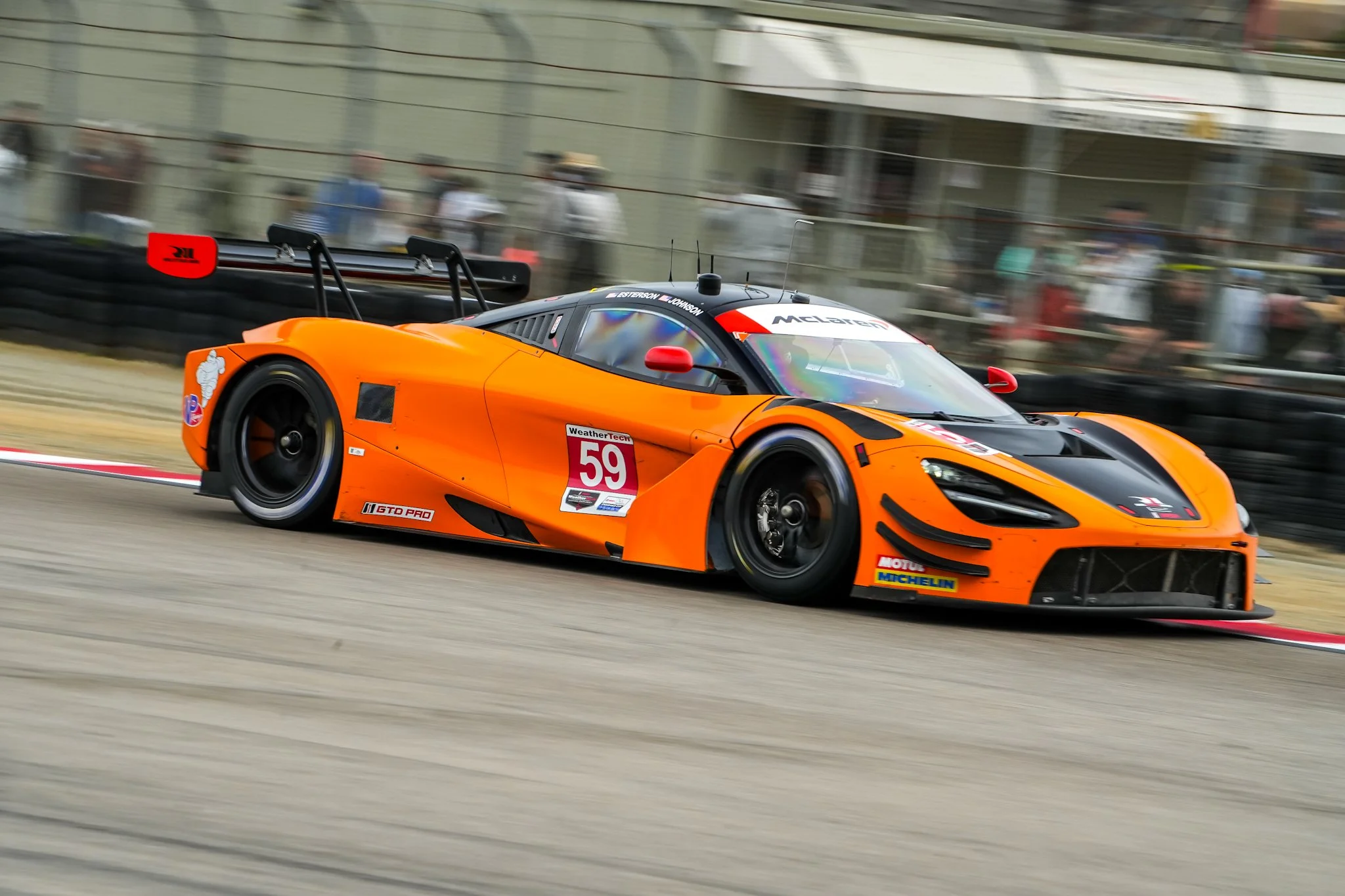
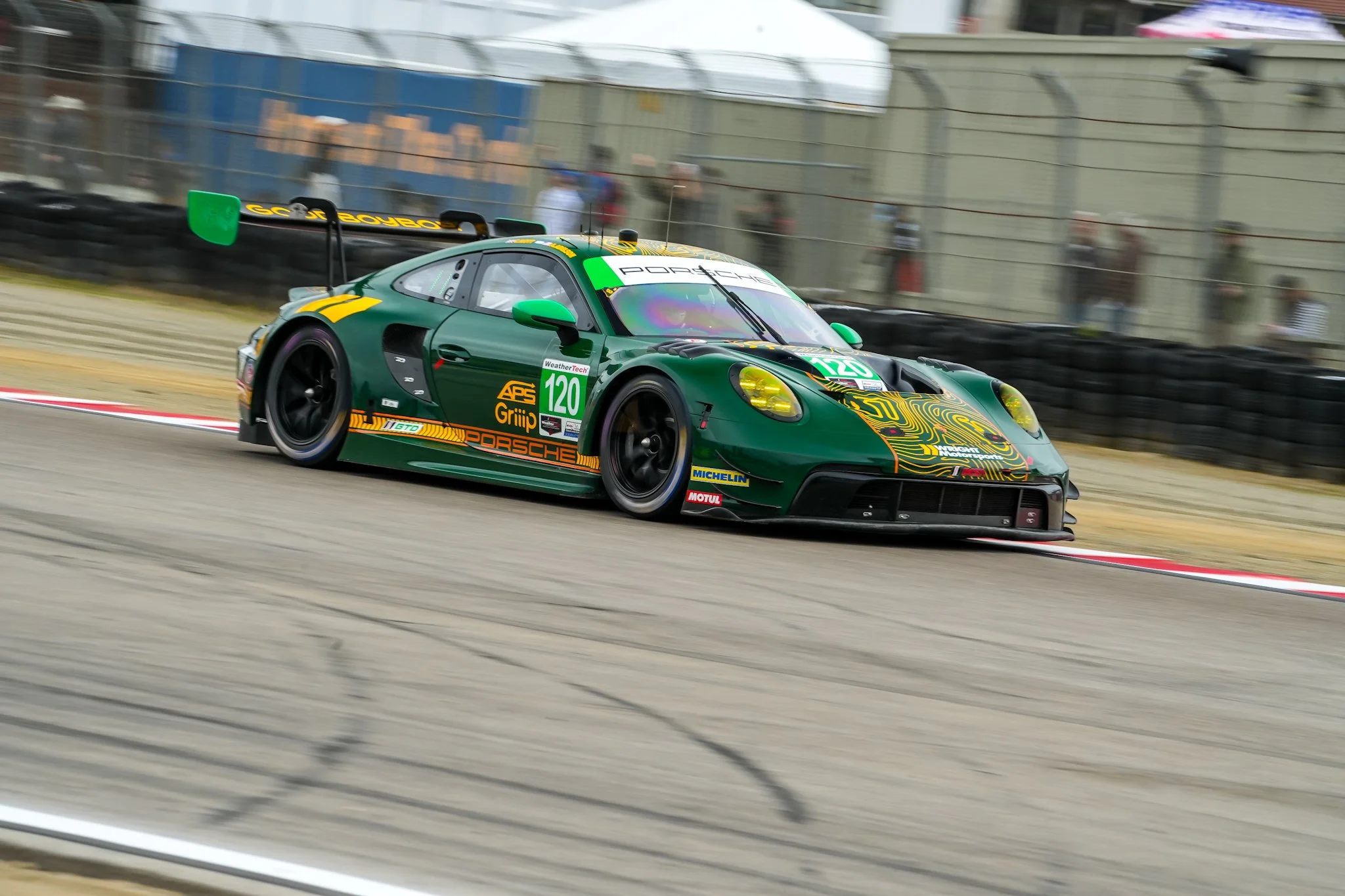
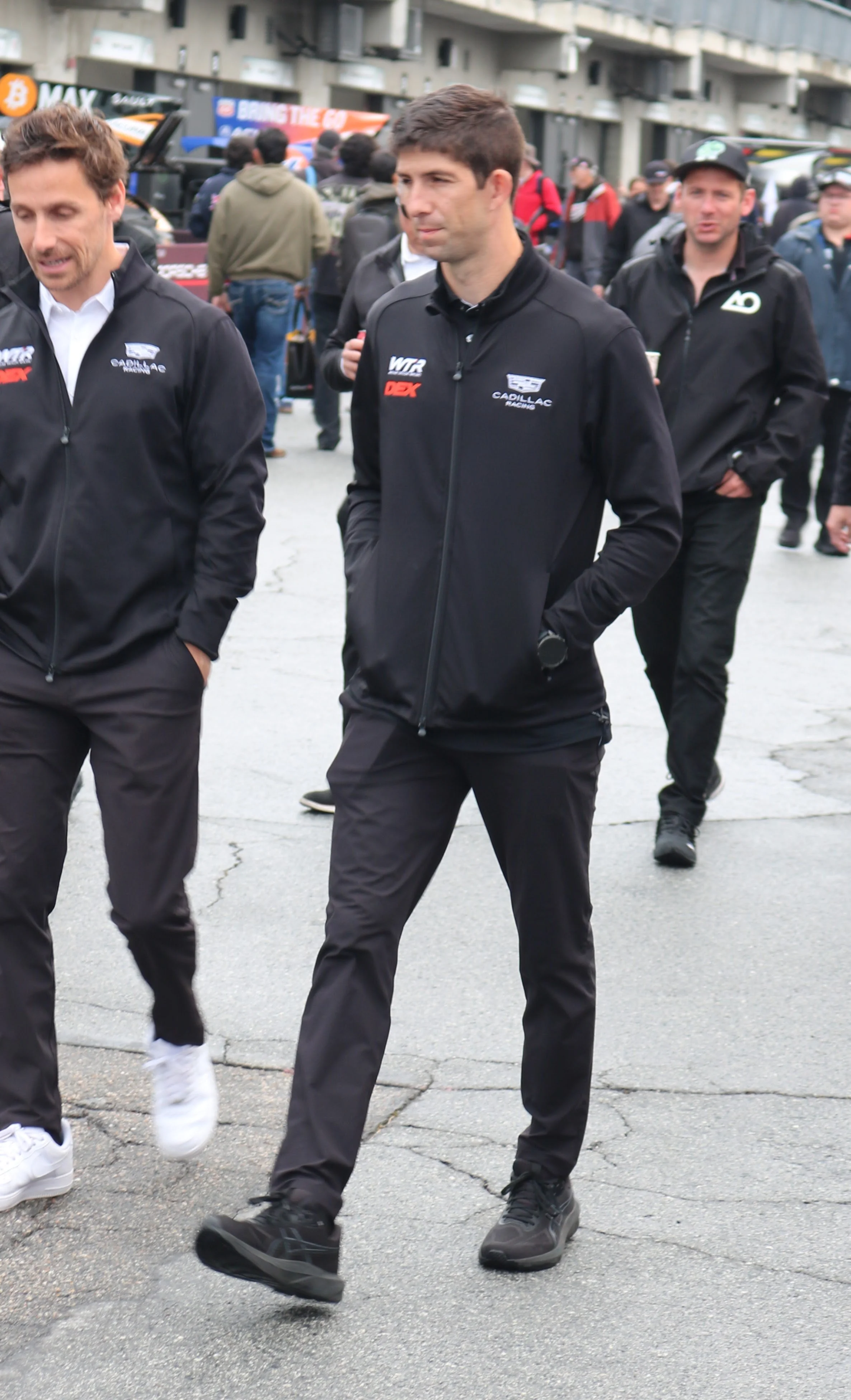
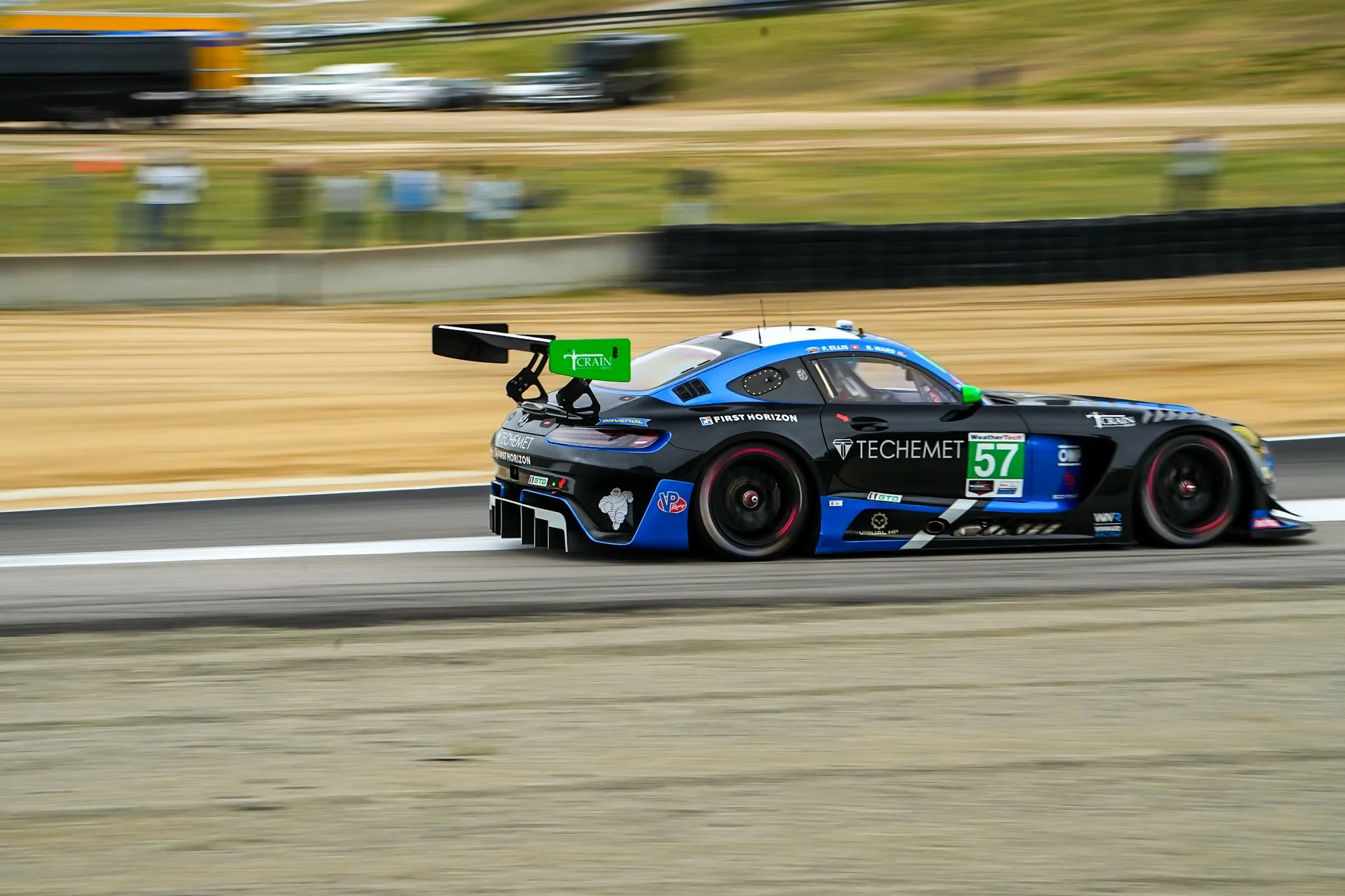
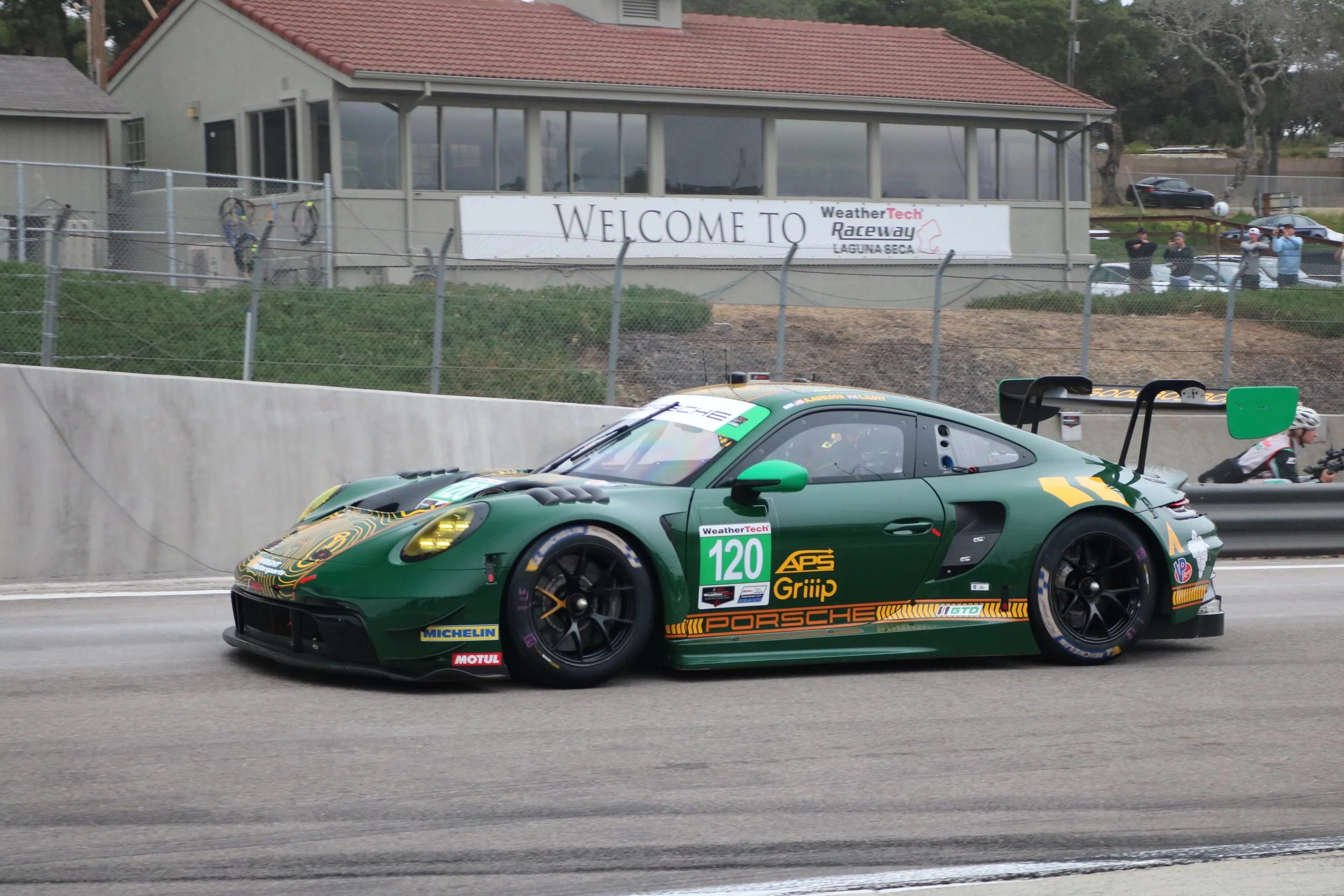
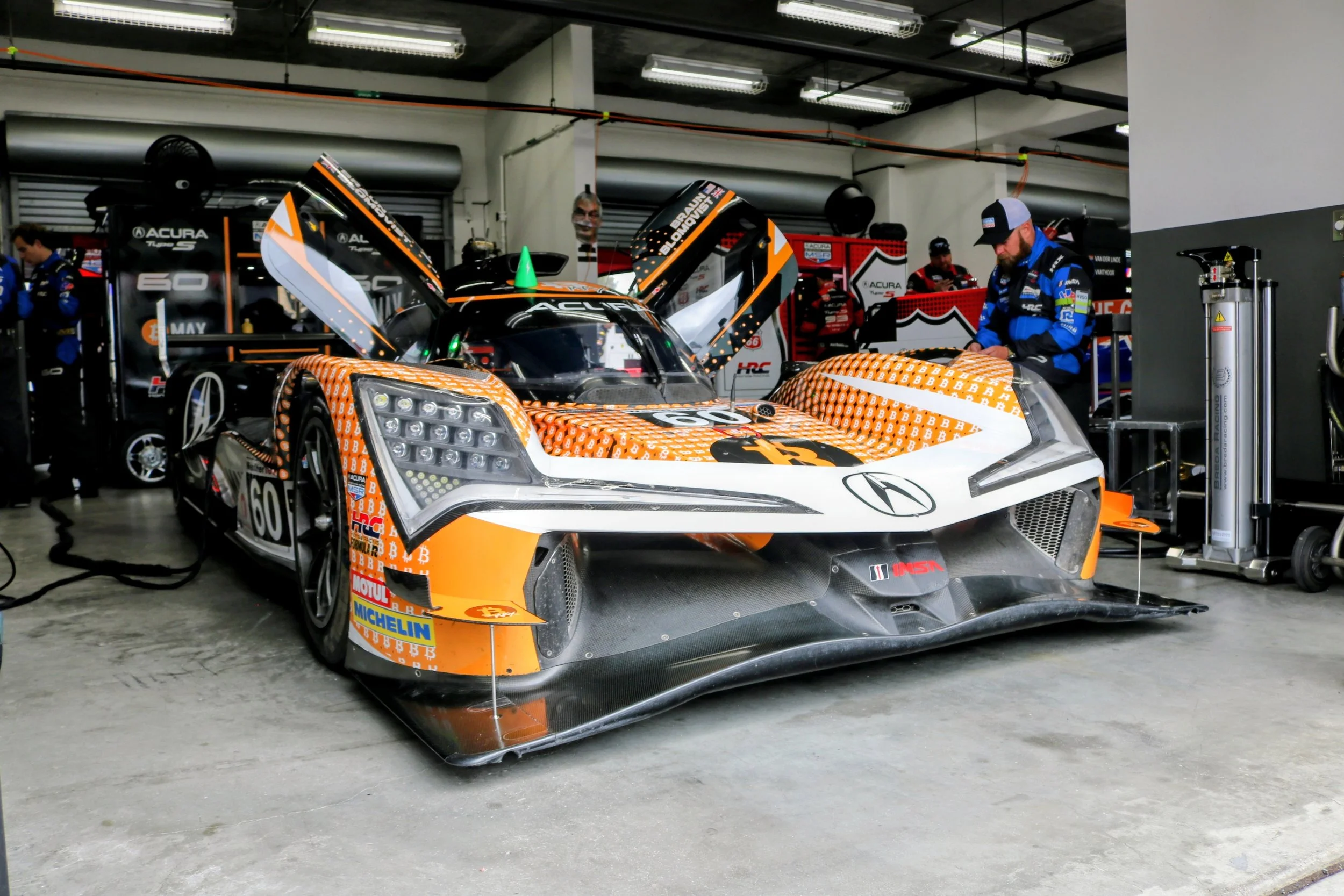
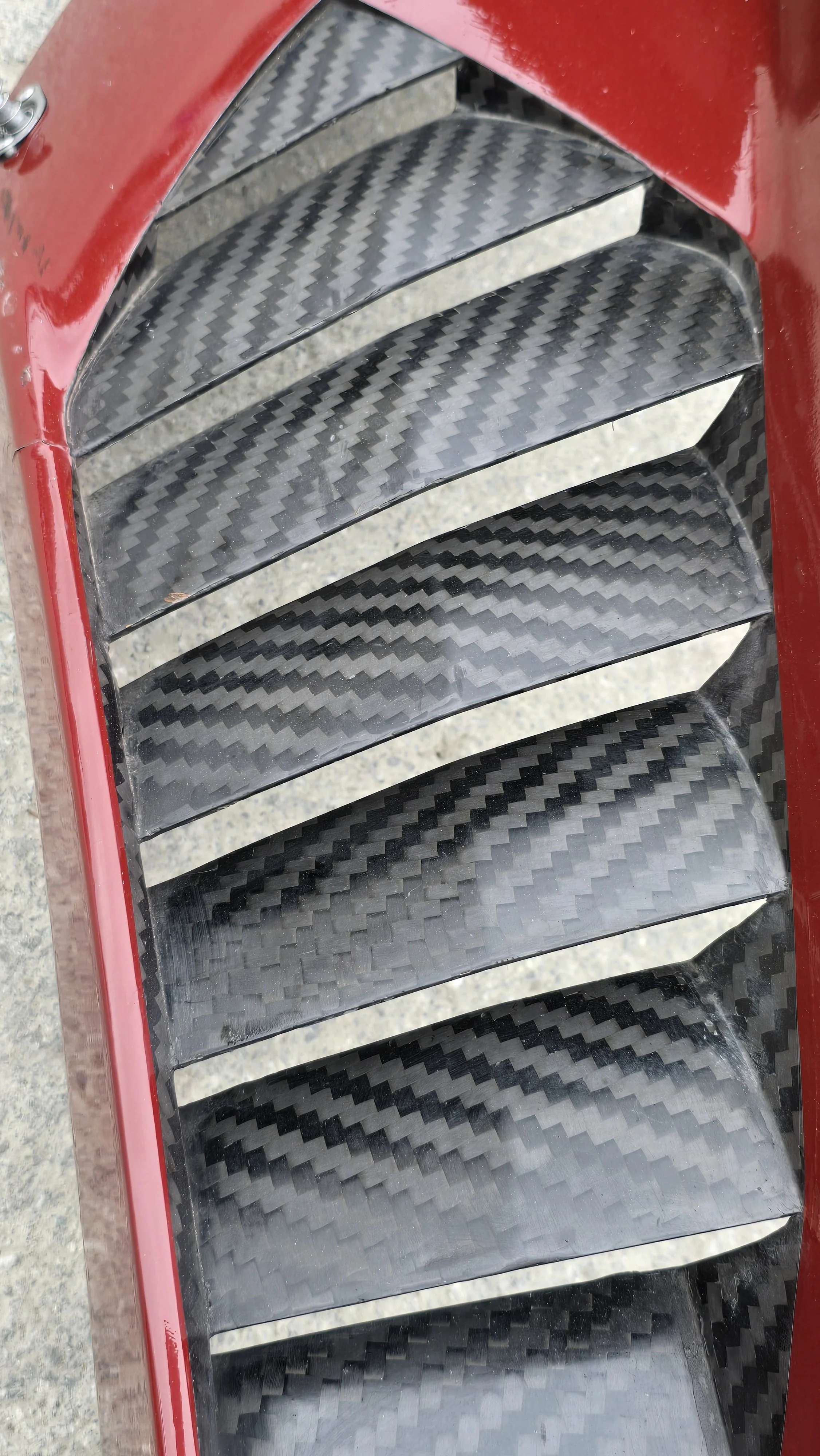
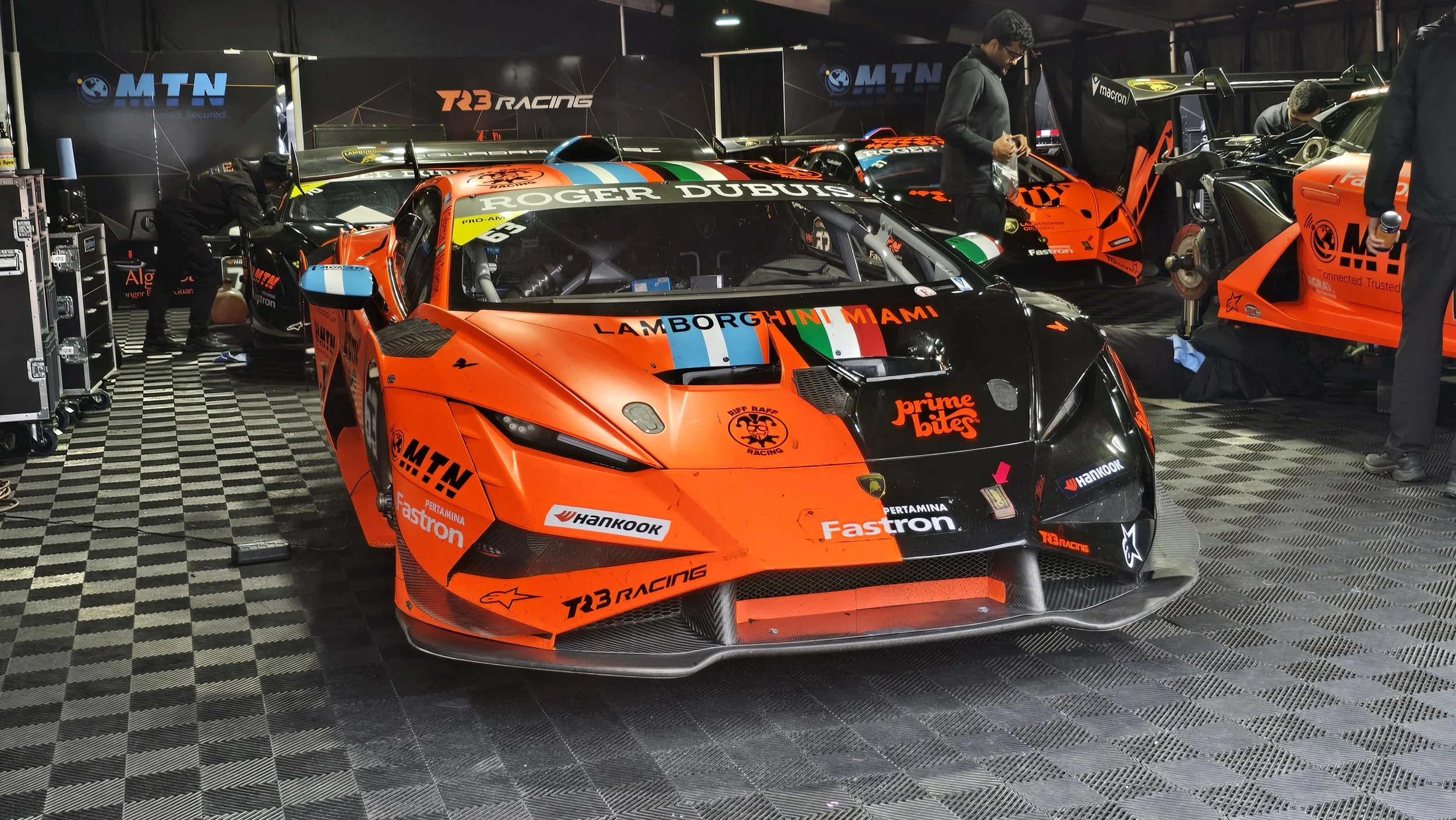
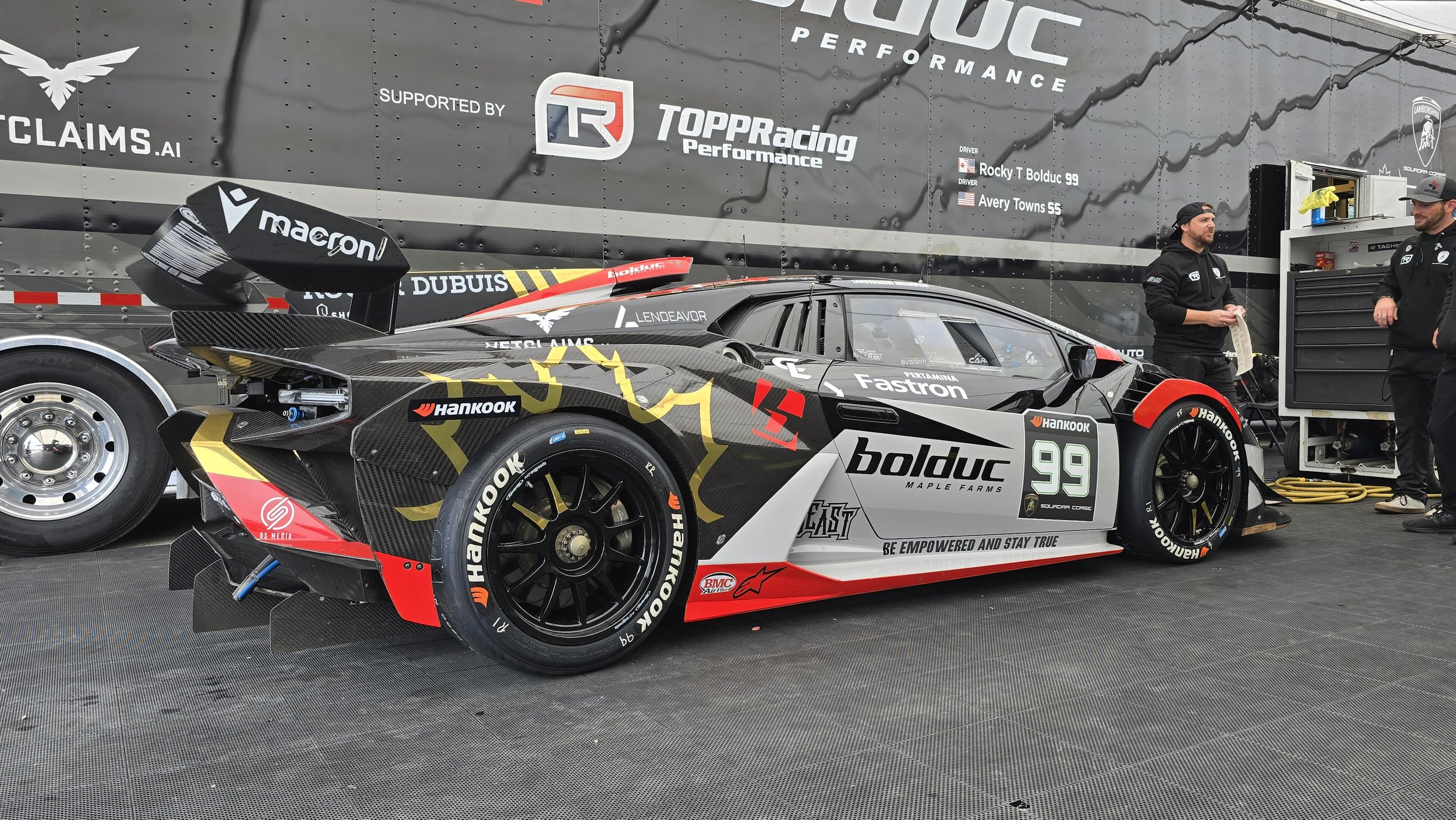
As always, we have included a mega gallery below to recinfim that our protographic skills far outweigh our literary skills.
-The Loud Pedal